
Mendokoro Harada is an eight-seat counter in Minami-Urawa, working in the low-cost, high-discipline ramen bracket that makes suburban Saitama worth serious attention. Its Tabelog Ramen EAST 100 selections in 2024 and 2025 place it among the region’s notable ramen and tsukemen addresses, with a format built for solo diners rather than lingering groups.
Pearl is the En Primeur Club membership app — saves, bookings, and concierge access live there. Same editors, same standards.
- Address
- 埼玉県さいたま市南区南浦和2-28-13
- Website
- tabelog.com
 Saves & bookings on Pearl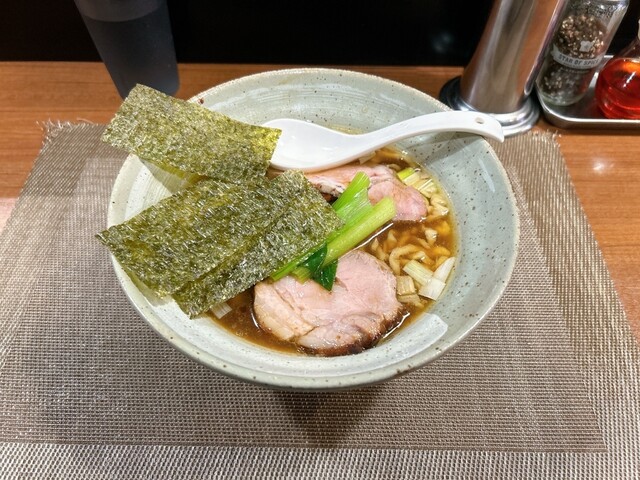
The approach to a serious ramen counter in Saitama is rarely theatrical. The signal is scale: a compact room, counter seating, fast turnover, and a menu language built around ramen and tsukemen rather than a broad casual-dining spread. Mendokoro Harada belongs to that disciplined category. It is not trying to behave like a destination restaurant with ceremony layered over the meal; it works in the sharper Japanese tradition where value comes from concentration, repetition, and the narrow economics of a bowl.
That matters in a city often treated as a commuter belt rather than a dining destination. Saitama’s strongest eating is frequently found in specialist formats: patisserie, udon, eel, bakeries, curry counters, and ramen shops that operate with limited seats and a clear point of view. For a wider read on the city’s dining spread, start with Our full Saitama restaurants guide, then place this counter alongside local sweet shops such as Acacier Kitaurawa honten and Acacier Urawa ten, everyday specialists such as Bagel Shop vivant, and casual local addresses such as Aki Foods and Beach Story.
Eight counter seats and the economics of a serious bowl
Ramen’s value proposition in Japan is not simply low price. It is the compression of labor, broth management, noodle timing, and customer flow into a meal that can cost less than many desserts in the same city. Mendokoro Harada’s average spend sits in the JPY 1,000 to JPY 1,999 range, a bracket that sharpens the critical question: does the shop deliver enough focus to justify planning around a short-format meal?
The answer is yes for diners who understand the form. An eight-seat counter changes the entire social contract. There is little room for indecision, extended conversation, or group dining rituals. The format rewards solo diners and pairs who know what they want: a bowl, a clear choice between ramen and tsukemen, and a quick exit once the meal is finished. That is not austerity; it is how many strong Japanese noodle shops protect rhythm and consistency.
The Tabelog Ramen EAST 100 selections in 2024 and 2025 are the key external signal. The list is useful because it looks beyond central Tokyo and captures the broader eastern Japan ramen field, where commuter cities and residential neighborhoods often carry serious noodle culture. In that context, Mendokoro Harada is not merely a convenient Minami-Urawa stop. It sits in a regional conversation about ramen shops that build reputation through specialization rather than expansive menus or high-spend hospitality.
Ramen and tsukemen, not a catch-all noodle shop
Category distinction is important. Ramen and tsukemen ask different things of a kitchen. Ramen depends on the integrated balance of broth, noodles, seasoning, fat, and toppings in one bowl. Tsukemen separates noodles and dipping broth, putting more emphasis on noodle texture and concentration of the dipping base. A shop that lists both is working within a familiar modern ramen grammar, but the narrow category still signals discipline compared with venues that stretch across fried rice, dumplings, set meals, and drinking snacks.
For travelers, this is where Saitama becomes interesting. A Tokyo itinerary can flatten ramen into a hunt for famous queues, while suburbs and satellite cities reveal the everyday infrastructure of the cuisine. Minami-Urawa is not a museum-piece food district; it is a rail-linked neighborhood where a specialist counter has to satisfy regulars, solo diners, and people moving through the station area. That pressure tends to reward clarity over spectacle.
Comparisons inside Saitama also help calibrate spend. Acacier Kitaurawa honten and Acacier Urawa ten sit in a patisserie lane, Bagel Shop vivant speaks to everyday bakery culture, and eel houses such as Unagi Musashino operate in a higher-spend tradition. Ramen sits apart because its cost ceiling remains low while the craft expectations can be severe. That tension is the point: a strong bowl has to compete on precision, not luxury signals.
Travelers building a broader Japan food itinerary can use this same lens in other cities. A small specialist such as (Shoku) Vietnam in Kawasaki, a focused curry address like [Curry Senmon Ten] Maruyama Kyoju. in Sapporo, or a compact rice-ball format such as Onigiri Time in Pasadena all point to the same editorial truth: narrow formats often reveal more about a food culture than broader restaurants trying to cover every occasion.
How to place it in a Saitama itinerary
The restaurant is a meal to plan around, not a long evening. That makes it useful in a Saitama day built from specialist stops rather than a single grand reservation. Pairing a ramen counter with pastry, coffee, or a neighborhood bakery gives a more accurate picture of the city than treating Saitama as a footnote to Tokyo. Visitors comparing categories can widen the frame through Our full Saitama hotels guide, Our full Saitama bars guide, Our full Saitama wineries guide, and Our full Saitama experiences guide.
The critical read is direct: this is a high-discipline, low-spend ramen counter with credible regional recognition and little evidence of hospitality padding. The lack of a chef-driven public narrative is not a weakness in this genre. Ramen culture often places the product and the counter system ahead of personality. For diners who want a polished dining room, multiple courses, or a long drink program, Saitama has other lanes. For those who care about the ratio between price, focus, and recognition, this address is more persuasive than its modest format first suggests.
National and international comparisons should be handled carefully. A sukiyaki address such as -Grilled beef Sukiyaki- KAMAKURA TANUKIAN 鎌倉 たぬき庵 in Kamakura, seafood grilling at. 鮪と炭火焼き うお炭 秋葉原店 in Tokyo, café culture at.cafe in Osaka, or contemporary dining at.know in Kumamoto serve different purposes. Even outside Japan, venues such as Jōdo Saké Bar in Los Angeles show how Japanese formats travel and change. The point in Minami-Urawa is narrower and more local: a counter, a bowl, and enough recognition to make the stop count.
Credentials Lens
Comparable venues to calibrate price, style, and recognition.
| Venue | Cuisine | Price | Notes |
|---|---|---|---|
| Mendokoro HaradaThis venue — the venue you are viewing | Japanese Ramen | $$ | Not listed |
| Ningyocho | Okonomiyaki & Monjayaki | $$ | Omiya Ward |
| Tan Shari Yakiniku Tantatan Musashiurawa | Beef tongue-focused Japanese yakiniku | $$ | Musashi-Urawa |
| かねかつ | Traditional Shoyu Ramen & Abura Soba | $$ | 北浦和 (Kita-Urawa) |
| Unagi Musashino | Traditional Japanese Eel (Unagi) | $$ | Urawa |
| Wataya | Traditional Izakaya & Sake Bar | $$$ | Urawa |
Recognition history
Dated appearances from independent guides and award organizations, with the underlying list record or original source where available.
Tabelog 100 #45 · No. 45
Tabelog · Tabelog 100 - Ramen - EAST - 2025








At a Glance
- Minimalist
- Cozy
- Quiet
- Solo
- Casual Hangout
- Standalone
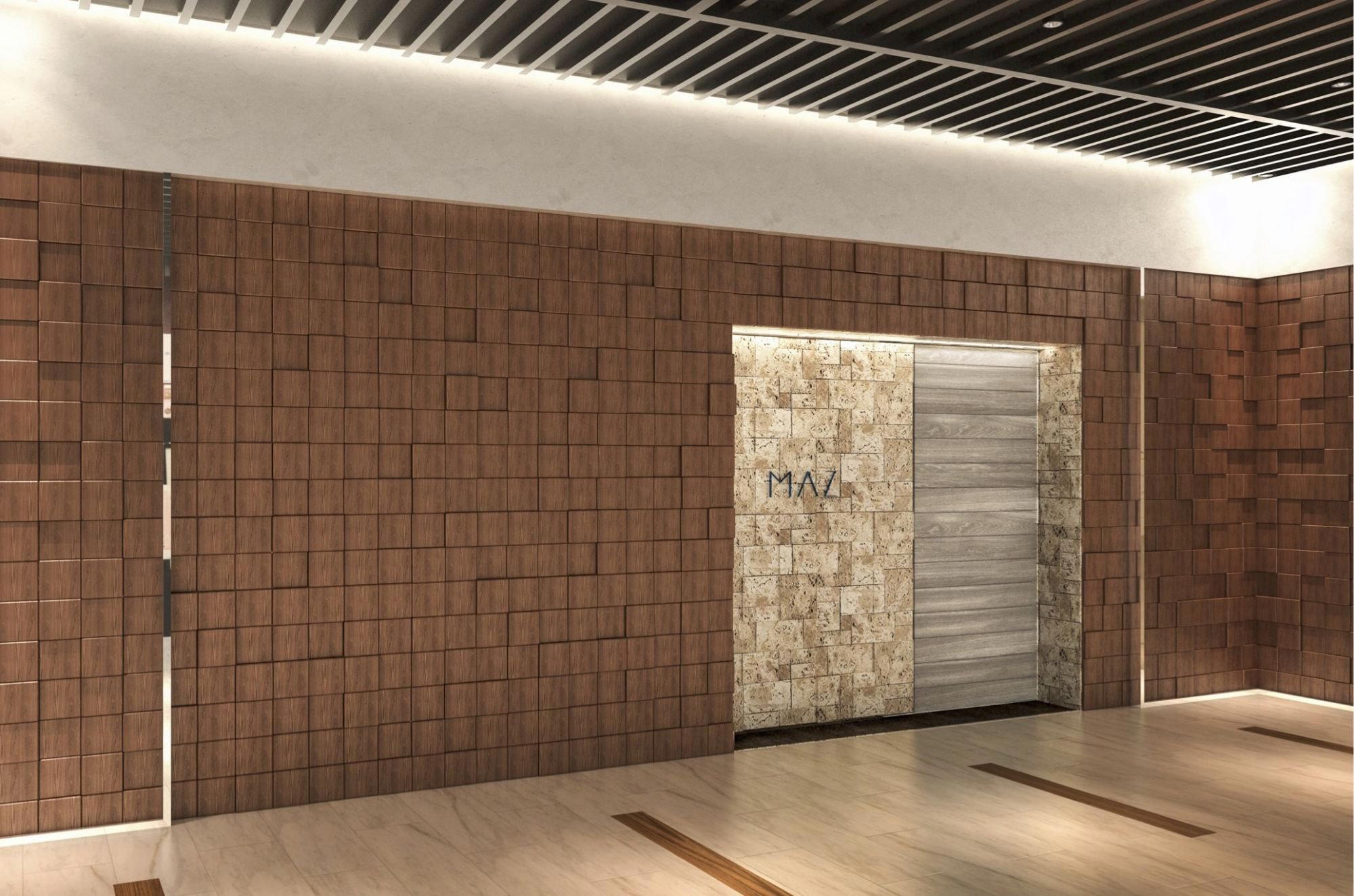
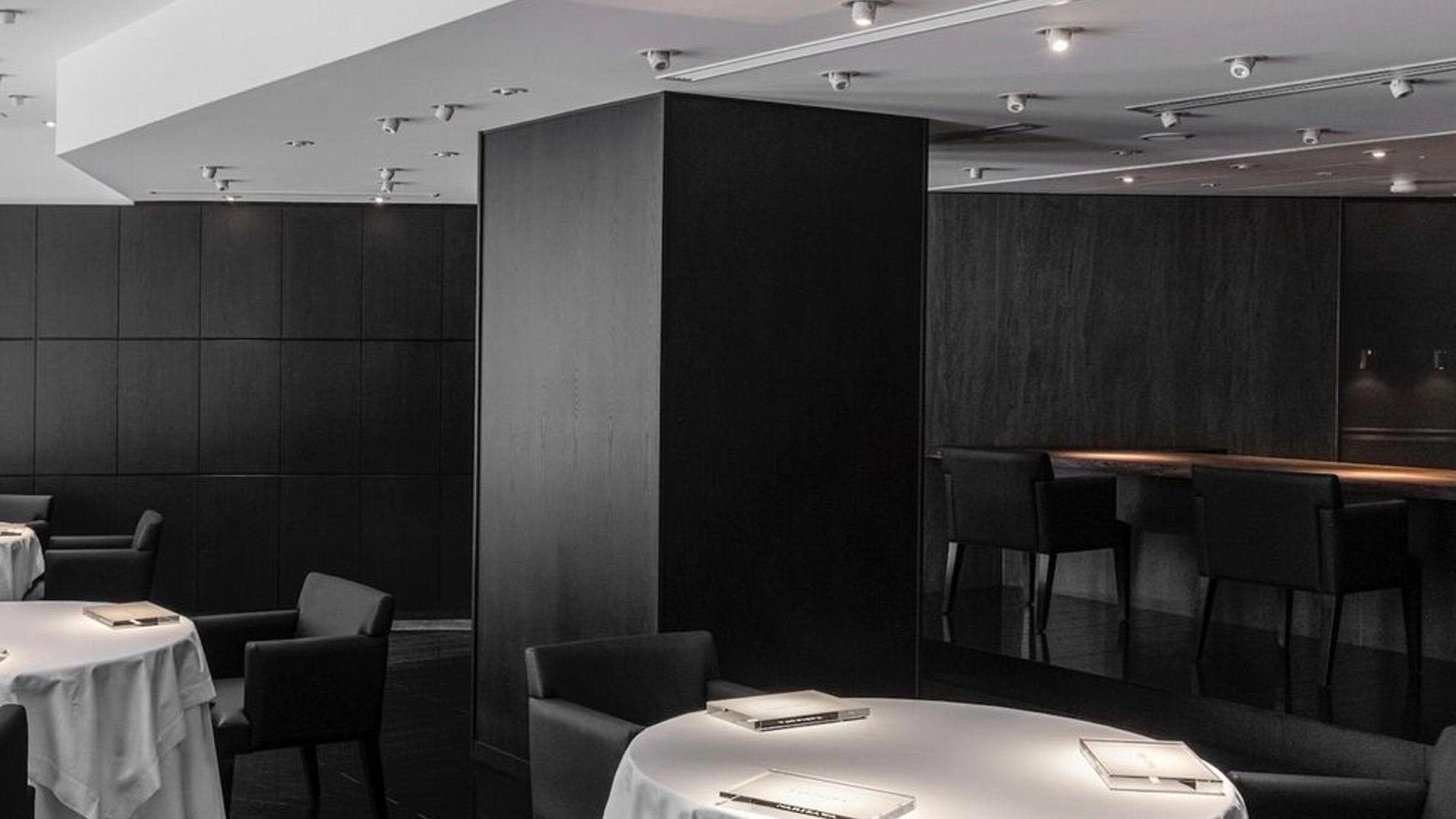
Small, focused, and no-frills, with a counter-only layout that fits a quick ramen or tsukemen visit.