HELIOTROPE

HELIOTROPE places Karuizawa’s resort dining culture in a sharper, contemporary register: an eight-seat innovative restaurant and wine bar selected for Tabelog 100 Innovative / Creative cuisine in 2025. The appeal is not scale but concentration, with a reservation-only format, adult-leaning course structure, and a price tier that sits above much of the town’s casual dining circuit.
Pearl is the En Primeur Club membership app — saves, bookings, and concierge access live there. Same editors, same standards.
- Address
- Japan, 〒389-0102 Nagano, Kitasaku District, Karuizawa, 1F
- Phone
- +81 50-3116-2227
- Website
- restaurant-heliotrope.com
 Saves & bookings on Pearl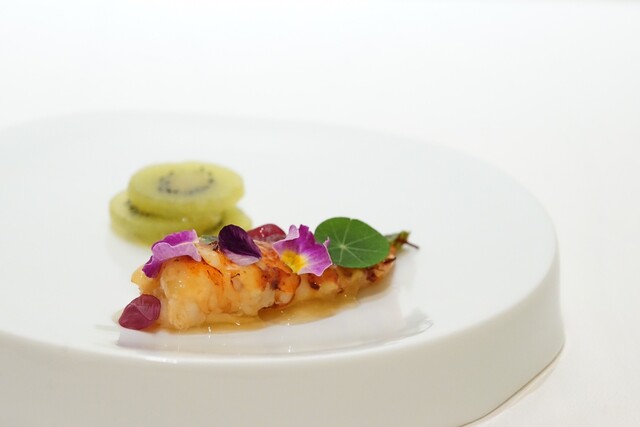
Approaching Karuizawa dining with Tokyo expectations misses the point. This mountain resort town runs on another rhythm: villas, summer houses, bakery queues, soba lunches, hotel dining rooms, and an after-dark scene that rewards planning over spontaneity. HELIOTROPE belongs to its newer culture, where creative cooking and wine-bar fluency fit a compact, reservation-led format rather than a large hotel restaurant.
Karuizawa’s food identity is hybrid: early Western bakery culture, Shinshu soba, mountain produce, and a leisure economy built around visitors who stay long enough to form habits. That makes an innovative restaurant here more interesting than another city tasting counter. The question is not whether Karuizawa can support ambitious cooking, but how it behaves in a resort town where lunch, wine, train timing, weather, and second-home routines shape the meal as much as the menu.
Creative cooking in a resort town built on slower rituals
Japan’s creative-cuisine category is broad, sometimes too broad: French technique, local produce, wine-led service, tasting-menu pacing, and chef-driven improvisation can all sit under the same label. In Karuizawa, it carries different weight. The town is not chasing Ginza density or Kyoto counter-culture precision. It serves visitors who came for cool air, quiet streets, and long weekends, then persuades them to make dinner the main event.
HELIOTROPE’s inclusion in Tabelog 100 Innovative / Creative cuisine 2025 gives the room an external credential in a category where recognition matters. Tabelog’s Hyakumeiten lists are not Michelin stars, but in Japan they usefully signal category strength rather than tourist fame. A 2025 selection places this Karuizawa address in a national conversation about creative cooking, not just the local resort circuit.
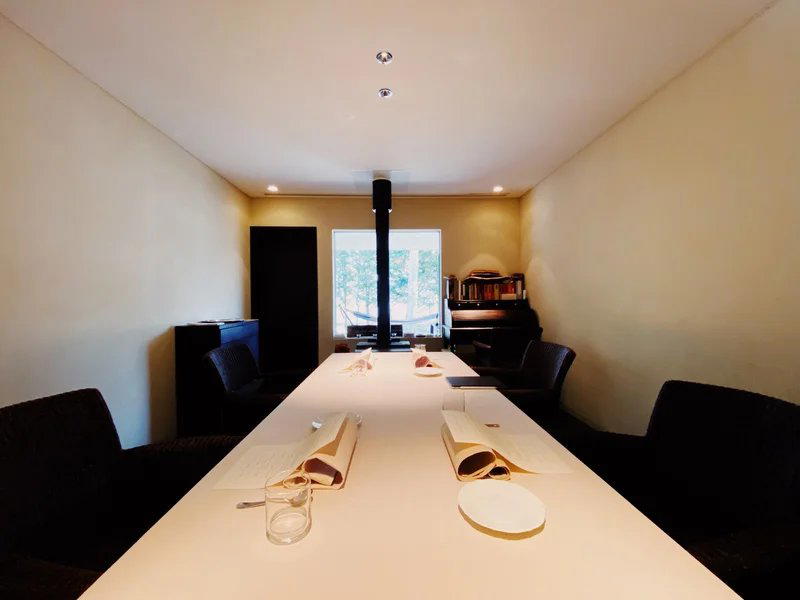
The format matters. Eight seats create a different social contract from a broad dining room: pacing is visible, late arrivals matter, and the course format becomes the evening’s architecture. Groups of four or more are seated as one party, making the restaurant better for diners who accept a focused meal than a loose, drop-in night. That intimacy fits a wider shift in premium regional Japanese dining, where small rooms outside major cities use scarcity and precision to compete with metropolitan restaurants without imitating them.
The wine-bar component is not a side note. In Karuizawa, where daytime eating often means bakeries, cafés, soba, and casual resort fare, a serious evening wine format changes the map. It gives the town a late-day register that is neither hotel lounge nor izakaya. Sommelier-led service from a Michelin-starred background, as publicly described by the restaurant, adds a service credential without turning the story into biography.
Where HELIOTROPE sits in Karuizawa's price and dining spectrum
Relative position is the useful reading. José Luis Karuizawa sits in a gentler price band, while Kawakami An Honten keeps the town’s soba-and-leisure tradition accessible. Pyrenees moves higher, especially at dinner, with a resort-restaurant profile suited to groups and classic Karuizawa appetite. HELIOTROPE occupies a narrower lane: creative cooking, wine, low seat count, and a dinner tier that signals destination planning rather than casual resort grazing.
That distinction matters because Karuizawa can flatten expectations. Many visitors treat the town as an escape from Tokyo intensity, then default to familiar addresses. A better read splits the town by time of day. Morning and afternoon naturally belong to bread, coffee, soba, sweets, and old-town walks. Dinner is where newer Karuizawa is becoming more defined, especially for diners willing to trade breadth of choice for a tightly run room.
The cultural context explains why creative cuisine works here. Nagano’s broader food culture is tied to mountains, preservation, buckwheat, fruit, mushrooms, dairy, and seasonal produce, while Karuizawa adds international resort history. European technique and local ingredients therefore do not feel imported as they might elsewhere. They fit the town’s pattern of adaptation: mountain Japan filtered through villa culture, railway access, summer retreat habits, and a clientele that reads wine lists as readily as train timetables.
HELIOTROPE should be read against that background, not as a standalone trophy meal. Its appeal is strongest for diners who want Karuizawa after dark to feel composed and adult, with the meal carrying the evening rather than merely filling it. It is less compelling for anyone seeking a casual family table, quick post-shopping dinner, or broad à la carte safety net.
How to frame a Karuizawa food day around it
A strong Karuizawa itinerary benefits from contrast: bakery culture, casual regional eating, then a small-room dinner that shows where the resort’s dining scene is heading. For that wider map, French Bakery and haluta bageri explain the bread-and-café side, while Chimoto Sohonten Karuizawa honten points to older local habits. A Fenestella and Chinese Hanten Reisho add contrast for diners comparing Karuizawa’s more structured restaurant options.
Planning should respect the restaurant’s rules rather than fight them. The room is reservation-only, the regular course is aimed at guests aged 10 and above, and dress guidance rules out excessive perfume, men’s shorts, and sandals. These are not decorative etiquette; in an eight-seat room, scent, timing, and pacing affect every diner. Parking is not part of the setup, so settle transport before dinner rather than improvising at the door.
The sharper verdict: Karuizawa’s dining scene is no longer just a pleasant resort supplement to a weekend away. Its serious restaurants now ask to be scheduled as deliberately as the train, hotel, and season. HELIOTROPE is a useful marker of that change: compact, credentialed, wine-aware, and priced for diners who want the evening to carry more weight than another comfortable resort meal.
- For broader planning, use Our full Kitasaku-gun restaurants guide, Our full Kitasaku-gun hotels guide, Our full Kitasaku-gun bars guide, Our full Kitasaku-gun wineries guide, and Our full Kitasaku-gun experiences guide.
- For wider Japan and overseas comparisons, see -Grilled beef Sukiyaki- KAMAKURA TANUKIAN 鎌倉 たぬき庵 in Kamakura,. 鮪と炭火焼き うお炭 秋葉原店 in Tokyo,.cafe in Osaka,.know in Kumamoto, (Shoku) Vietnam in Kawasaki, [Curry Senmon Ten] Maruyama Kyoju. in Sapporo, Jōdo Saké Bar in Los Angeles, and Onigiri Time in Pasadena.
Pricing, Compared
Nearby venues at a similar price tier for orientation.
| Venue | Cuisine | Price | Awards | Notes |
|---|---|---|---|---|
| HELIOTROPEThis venue — the venue you are viewing | Karuizawa, Innovative Fusion Fine Dining | $$$$ | , | |
| Hermitage de Tamura | $$$$ | , | Nagakura / Naka-Karuizawa, Seasonal French fine dining in the forests of Karuizawa | |
| Japanese cuisine Kasuke | Kitasaku-gun, Seasonal Japanese Kaiseki | $$$ | , | |
| L’ibisco Karuizawa | $ | , | Kyu Karuizawa / Ginza-dori area, Artisanal Gelato & Dessert Shop | |
| MODESTO | $$$$ | , | Nagakura / Naka-Karuizawa, Seasonal Italian in the forests of Karuizawa | |
| José Luis Karuizawa | $$$ | , | Karuizawa, Spanish × Shinshu Modern Restaurant |
Continue exploring
More in Kitasaku-gun
Restaurants in Kitasaku-gun
Browse all →
Hotels in Kitasaku-gun
Browse all →
Wineries in Kitasaku-gun
Browse all →
At a Glance
- Elegant
- Sophisticated
- Modern
- Intimate
- Hidden Gem
- Date Night
- Special Occasion
- Business Dinner
- Standalone
- Extensive Wine List
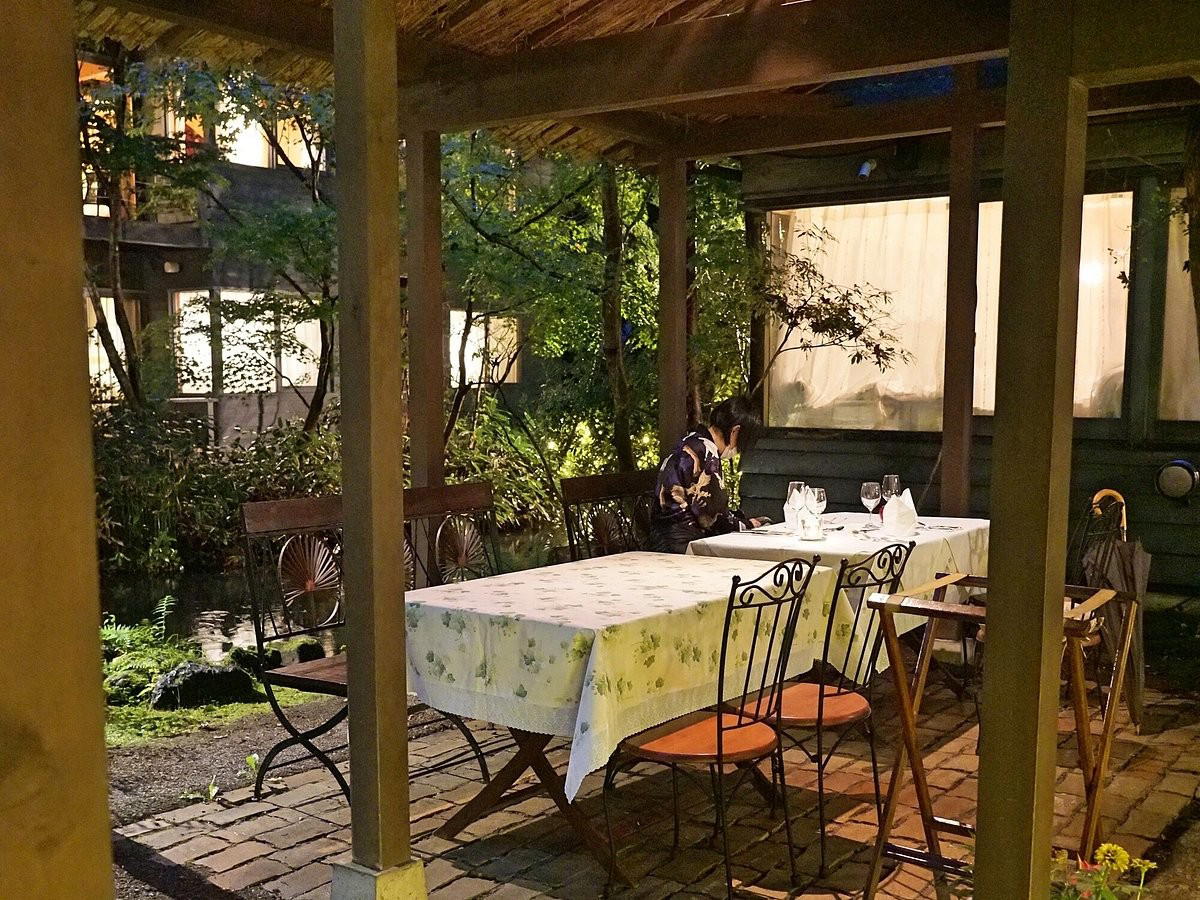
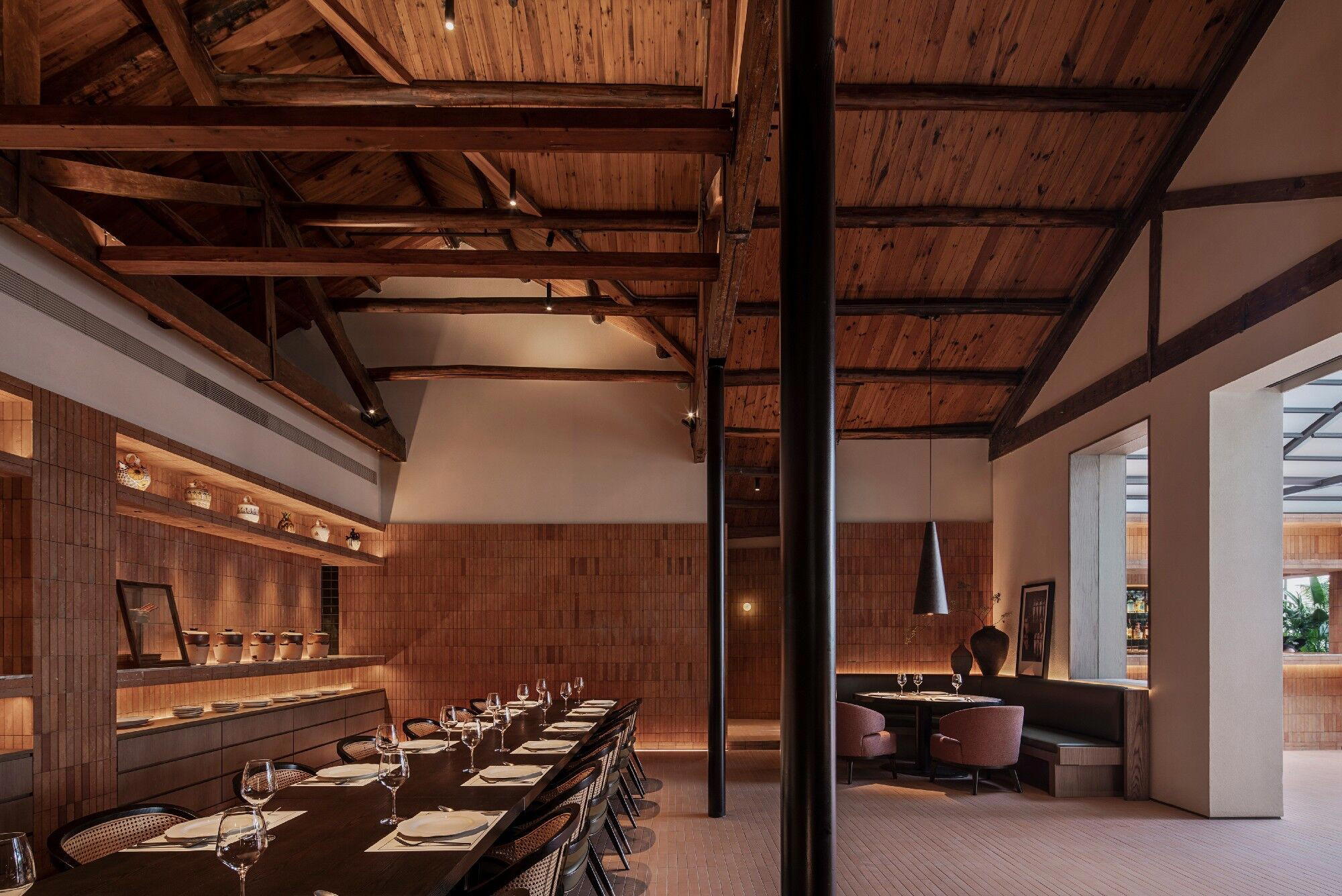
A refined, contemporary dining room focused on creative, stereotype-free cuisine and a calm fine-dining experience.