Japanese cuisine Kasuke

Karuizawa’s resort dining culture is built around season, privacy, and the logistics of staying in the mountains rather than dropping in from the street. Japanese cuisine Kasuke sits inside that pattern as a hotel restaurant in Hoshinoya Karuizawa, with Tabelog 100 Japanese cuisine EAST 2025 recognition, a 3.69 Tabelog score, and a dinner spend band of JPY 20,000 to JPY 29,999 before service charge.
Pearl is the En Primeur Club membership app — saves, bookings, and concierge access live there. Same editors, same standards.
- Address
- Japan, 〒389-0111 Nagano, Kitasaku District, Karuizawa, 星野
- Phone
- +81 267-45-6000
- Website
- hoshinoya.com
 Saves & bookings on Pearl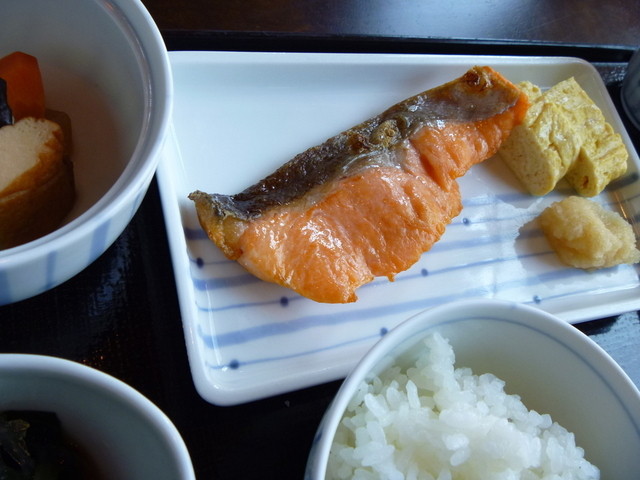
Approach Hoshinoya Karuizawa and the dining proposition shifts before the menu appears. Karuizawa is not Tokyo with trees; it is a mountain resort town where meals fold into the stay, shaped by cool air, private transport, onsen schedules, and the expectation that dinner belongs to the property as much as to the restaurant. Japanese cuisine Kasuke fits that model: less urban counter theatre, more seasonal cooking framed by place and access.
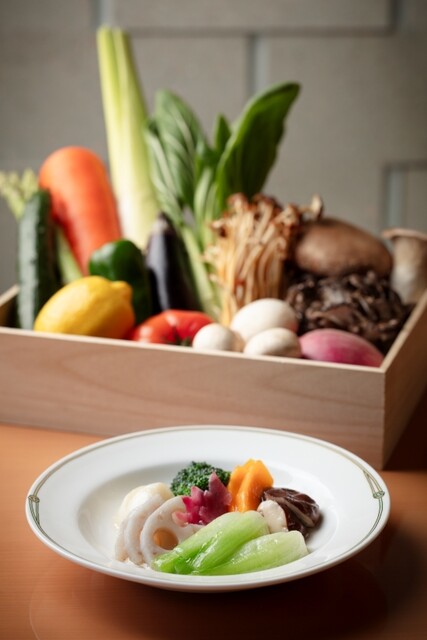
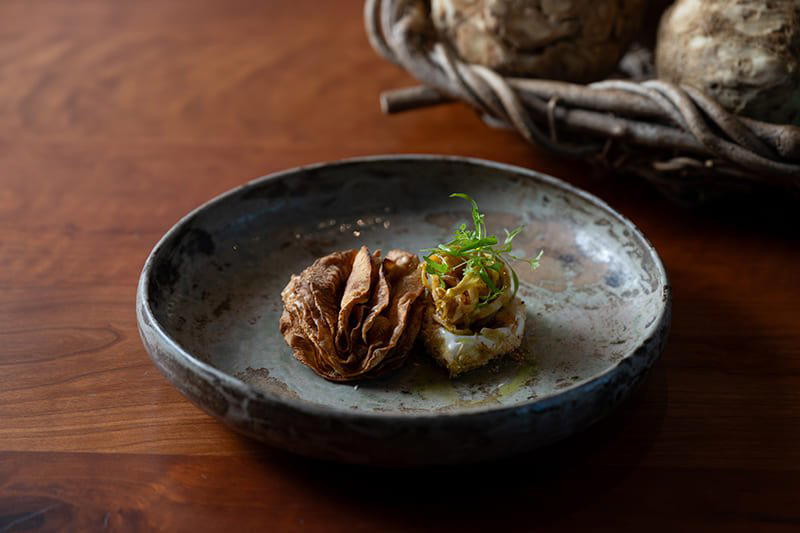
The ingredient question matters because Nagano’s food identity is agricultural before metropolitan. Buckwheat, mountain vegetables, river fish, mushrooms, fruit, miso, and highland dairy sit close to the region’s culinary vocabulary, even when a formal Japanese restaurant interprets them through a hotel lens. The point is proximity, not rusticity. In resort Japanese cuisine, luxury often appears through timing: what is available at altitude, suits the weather, and can be served calmly to guests not chasing a 40-minute sitting.
Mountain resort Japanese cuisine, not city-center kaiseki theatre
Karuizawa’s higher-end tables occupy a narrower lane than Tokyo’s omakase and kaiseki rooms. The market is smaller, the audience more seasonal, and hotel restaurants matter more because many guests plan meals around where they sleep. Setting is serious, not decorative; the format signals controlled access and slower service, not city-district turnover.
Japanese cuisine Kasuke is listed as a hotel restaurant and available only to hotel guests, a meaningful distinction in Kitasaku-gun. This is not a public dinner address to add casually between bakery stops and gallery visits. It belongs to a closed-resort category where the room functions within the accommodation ecosystem. For travelers comparing Karuizawa options, the question is less a single meal than whether the hotel stay frames dinner.
Recognition is credible within Japan’s user-review dining culture: selection for Tabelog 100 Japanese cuisine EAST 2025, with a Tabelog score of 3.69. Tabelog scores compress tightly at the higher end, so this range carries more weight than on looser international platforms. The award places Kasuke within an eastern Japan Japanese-cuisine cohort rather than a generic resort list, the useful comparison for serious diners.
Price puts it in Karuizawa’s upper resort bracket. Dinner is listed at JPY 20,000 to JPY 29,999, with a 10% service charge. Lunch is listed separately at JPY 4,000 to JPY 4,999, but dinner is the stronger editorial read, where hotel Japanese cuisine makes its case through pacing, courses, drinks, and a guest’s willingness to give the evening to the property.
Why sourcing carries more weight in Nagano than menu novelty
Ingredient sourcing is often used lazily as a luxury slogan, but in Nagano it is structural. Altitude, cold winters, and inland geography have shaped cuisine that values preservation, fermentation, soba culture, mountain produce, and clean seasonal contrasts. A premium Karuizawa Japanese restaurant is judged less by novelty than by how intelligently it translates that regional pantry into a formal meal.
That separates Kasuke from Kitasaku-gun’s casual map. A day in town might include confectionery and old-resort bakery culture at Chimoto Sohonten Karuizawa honten, European-influenced baking at French Bakery, or contemporary bread culture at haluta bageri. Those places explain Karuizawa’s daytime appetite: old villa-town habits, coffee, sweets, bread, and strolling. Resort-end dinner asks how regional produce and hospitality codes perform when the meal becomes the evening’s central event.
The drinks list points the same way without overcomplication. Sake, shochu, and wine are listed: a practical spread for modern Japanese hotel dining. Sake anchors the meal in Japanese structure; shochu offers a lighter, spirit-led option; wine acknowledges Karuizawa’s international resort audience and Nagano’s growing relevance in Japanese wine conversations. Wine matters because premium ryokan and hotel dining increasingly serve guests who expect Japanese technique without one beverage tradition.
The family signal is also worth taking seriously. Children are welcome, and the occasion is marked family friendly. In luxury Japanese dining, that is not automatic. It broadens the audience from couples-only retreat dining to multigenerational resort dining, especially in a town where summer villas and winter escapes often bring families rather than solo restaurant pilgrims.
How it fits the Kitasaku-gun dining map
Kitasaku-gun’s appeal is productively fragmented. It is not a single restaurant street or late-night dining quarter, but a spread of resort dining rooms, bakeries, cafés, casual regional stops, and destination meals that depend on the day’s route. For the broader picture, Our full Kitasaku-gun restaurants guide is the practical companion. Related infrastructure matters too: Our full Kitasaku-gun hotels guide, Our full Kitasaku-gun bars guide, Our full Kitasaku-gun wineries guide, and Our full Kitasaku-gun experiences guide help explain a destination where the meal is often tied to lodging and pace.
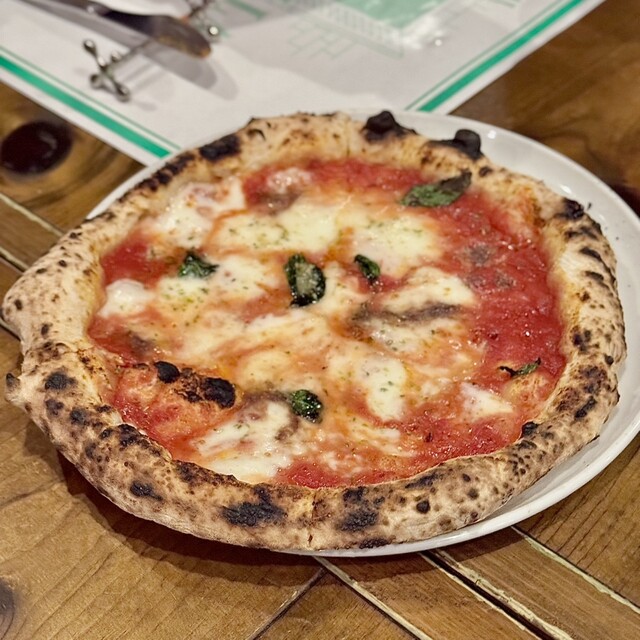
Within the local comparison set, the price gap is instructive. The Cowboy House is listed around JPY 3,000 to JPY 3,999 for dinner and JPY 2,000 to JPY 2,999 for lunch: a different use case, with casual spending, easier repeatability, and less dependence on a hotel stay. At the other end, out-of-metro Italian references such as Fogliolina della Porta Fortuna show how Karuizawa’s dining orbit attracts destination-minded travelers beyond Japanese cuisine. The conclusion is not that one format replaces another. Karuizawa rewards matching the meal to the trip: bakery and café culture by day, casual local tables when flexibility matters, and hotel Japanese cuisine when the evening is designed around place.
Japanese cuisine Kasuke is not for travelers trying to sample widely across town in one night. Its value is narrower and clearer: a controlled resort Japanese meal with recognized standing in the Tabelog 100 Japanese cuisine EAST 2025 selection, inside the Hoshinoya Karuizawa orbit and priced accordingly. For diners staying on property, that makes practical and culinary sense. For visitors staying elsewhere, the access rule is the defining fact, not a footnote.
Readers building a wider Japan dining itinerary can use contrast to sharpen the decision. Regional specificity looks different at A Fenestella or Chinese Hanten Reisho within the Kitasaku-gun orbit, and shifts again across Japan at -Grilled beef Sukiyaki- KAMAKURA TANUKIAN 鎌倉 たぬき庵 in Kamakura,. 鮪と炭火焼き うお炭 秋葉原店 in Tokyo,.cafe in Osaka,.know in Kumamoto, (Shoku) Vietnam in Kawasaki, and [Curry Senmon Ten] Maruyama Kyoju. in Sapporo. Even outside Japan, compact formats such as Jōdo Saké Bar in Los Angeles and Onigiri Time in Pasadena show how Japanese food travels when the setting changes. Karuizawa’s version is quieter, more seasonal, and more dependent on the lodging decision.
Snapshot
Comparable venues by cuisine and price in the same metro.
| Venue | Cuisine | Price | Awards | Notes |
|---|---|---|---|---|
| Japanese cuisine KasukeThis venue — the venue you are viewing | Seasonal Japanese Kaiseki | $$$ | , | |
| Kawakami An Honten | Japanese Soba | $$ | , | Karuizawa |
| Sasakura | Traditional soba restaurant | $$ | , | Oiwake, Karuizawa-machi |
| HELIOTROPE | Innovative Fusion Fine Dining | $$$$ | , | Karuizawa |
| José Luis Karuizawa | Spanish × Shinshu Modern Restaurant | $$$ | , | Karuizawa |
| Chimoto Sohonten Karuizawa honten | Japanese sweets café | $ | , | Old Karuizawa |
Continue exploring
More in Kitasaku-gun
Restaurants in Kitasaku-gun
Browse all →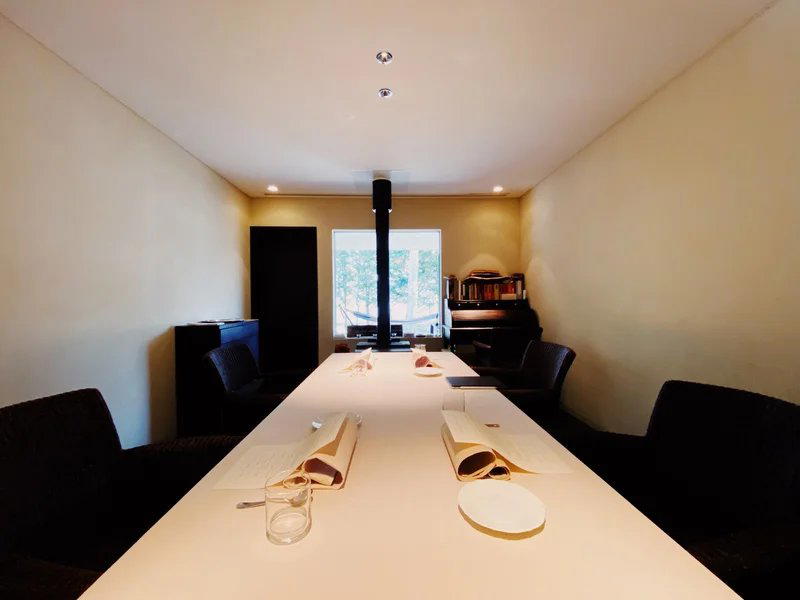
Hotels in Kitasaku-gun
Browse all →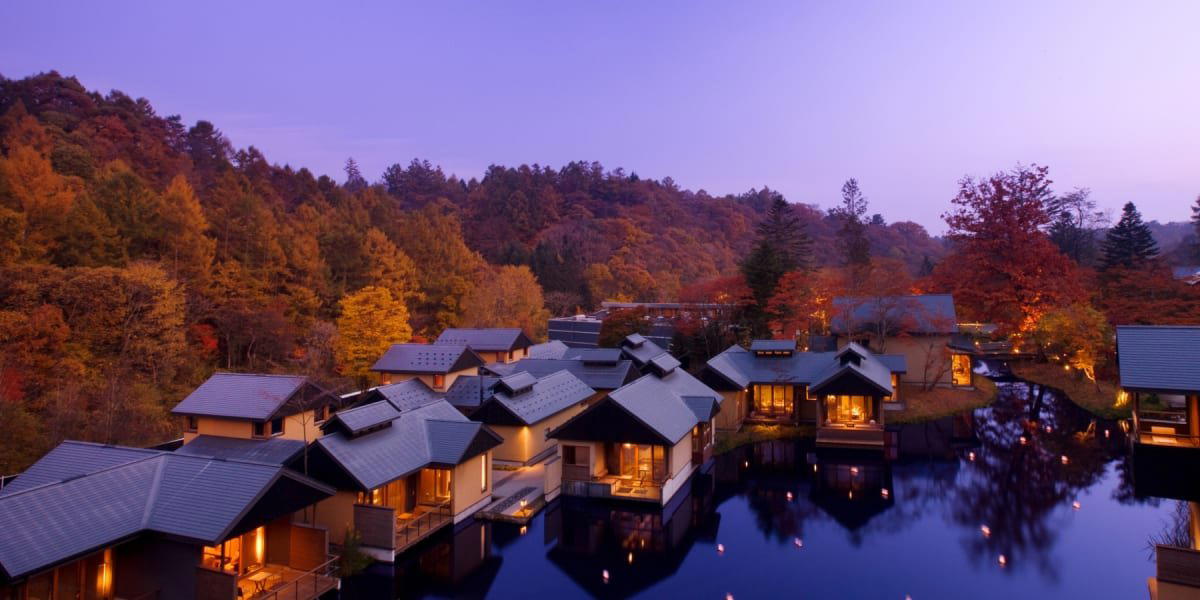
Wineries in Kitasaku-gun
Browse all →
At a Glance
- Scenic
- Quiet
- Elegant
- Classic
- Sophisticated
- Special Occasion
- Group Dining
- Family
- Celebration
- Hotel Restaurant
- Sake Program
- Local Sourcing
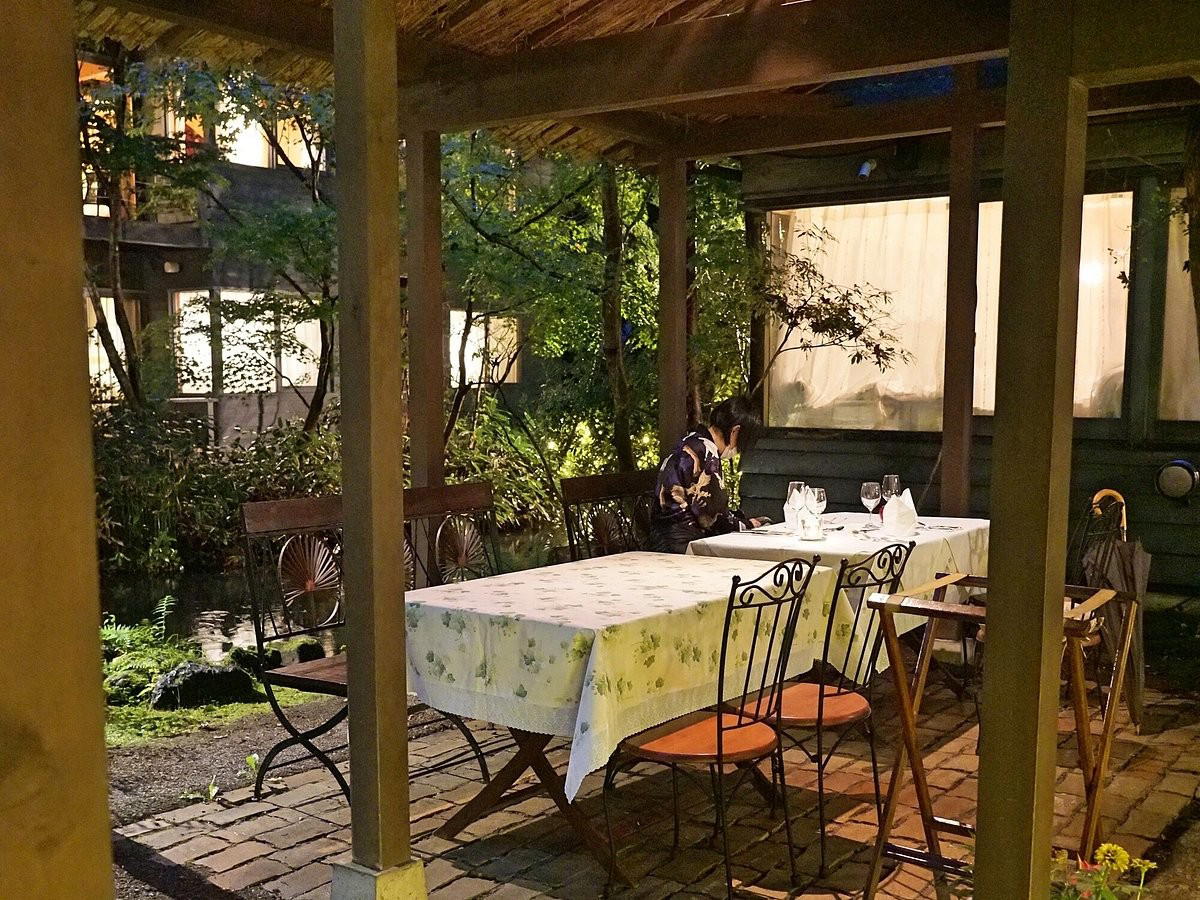
- Garden
- Mountain
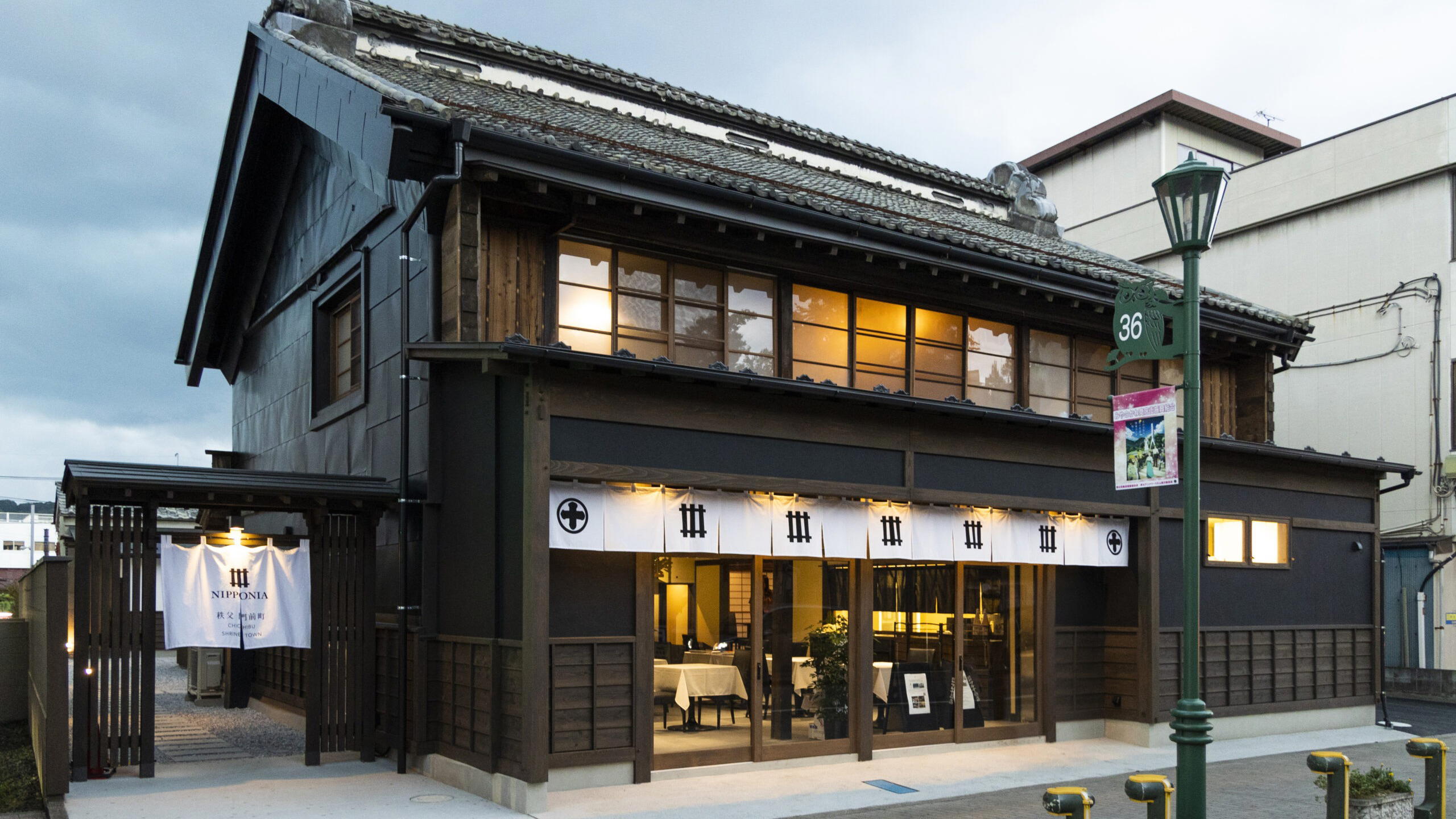
A refined, nature-immersed dining room with a calm, scenic atmosphere that emphasizes seasonal ingredients and the resort’s tranquil surroundings.