
Tabelog Bronze #230
Our verdict
Karuizawa’s mountain-resort dining scene has a small, serious lane for ingredient-led creative cooking, and LA CASA DI Tetsuo Ota sits firmly inside it. The six-seat house-restaurant format, Tabelog Award recognition, and Innovative category placement point to a meal built for diners who treat Nagano produce as the main reason to travel, not as scenery around the plate.

Pearl is the En Primeur Club membership app — saves, bookings, and concierge access live there. Same editors, same standards.
- Address
- Japan, 〒389-0113 Nagano, Kitasaku District, Karuizawa, Hotchi, ニュータウン342-100
- Phone
- +81 267-41-0059
- Website
- facebook.com
- Directions
- Get directions
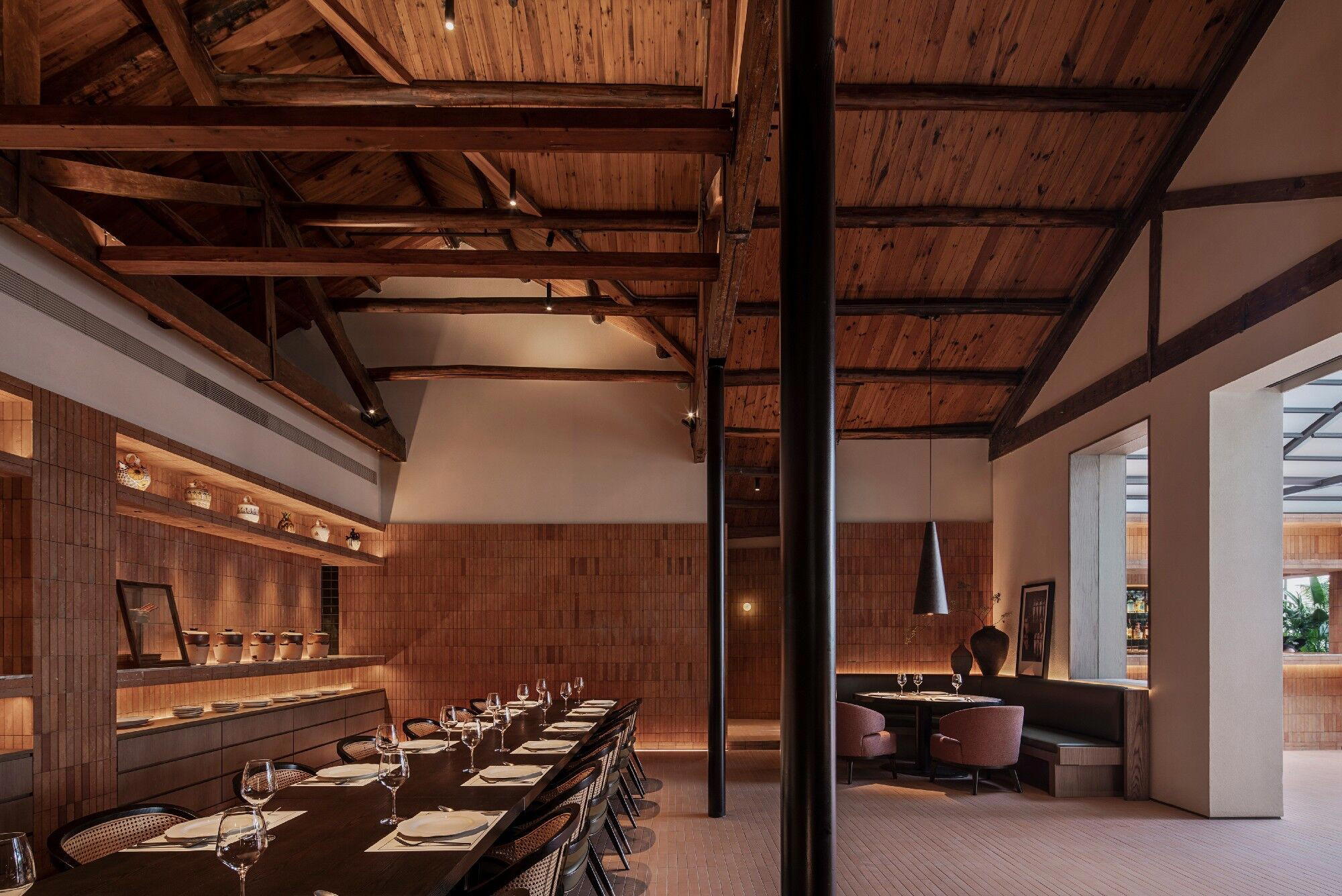
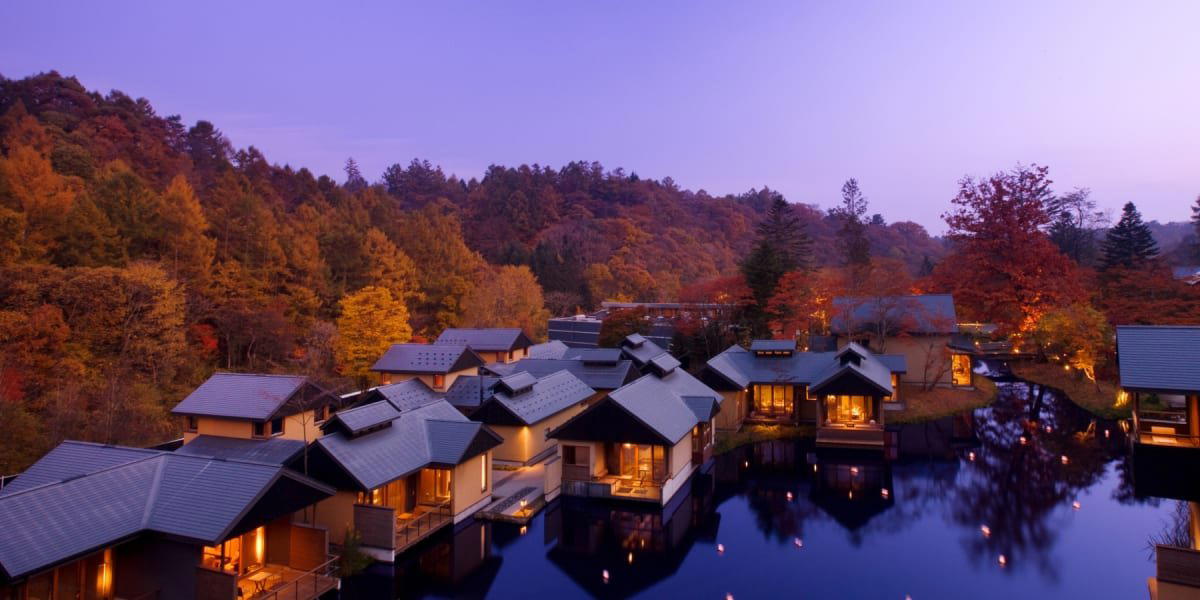
Approaching a house restaurant in Karuizawa changes the pace before the meal begins. The resort town’s dining culture is shaped by altitude, second homes, forests, vegetable farms, and a clientele that often arrives from Tokyo with high expectations but a different appetite from the city. In that setting, creative cuisine has room to be quieter and more local: not a parade of luxury ingredients for their own sake, but a close reading of what Nagano can supply in season.
LA CASA DI Tetsuo Ota belongs to that narrower Karuizawa tier where scale is part of the argument. With six seats, a no-smoking room, and a house-restaurant setting, the format points toward concentration rather than turnover. Its Tabelog Award 2026 Bronze recognition, following a 2024 Silver and 2025 Bronze, gives it a public credential within Japan’s restaurant culture; selection for Tabelog 100 Innovative / Creative Cuisine 2025 places it in a national conversation rather than only a resort-town one.
Karuizawa creative cooking, read through Nagano produce
Nagano is not a neutral backdrop for restaurants. The prefecture’s food identity runs through mountain vegetables, fruit, mushrooms, buckwheat, dairy, river fish, preserved foods, and a climate that rewards cooks who pay attention to short seasons. Karuizawa adds a different pressure: it is a leisure town with a demanding dining audience, which means ingredient sourcing can become a clearer marker of seriousness than decoration or room design.
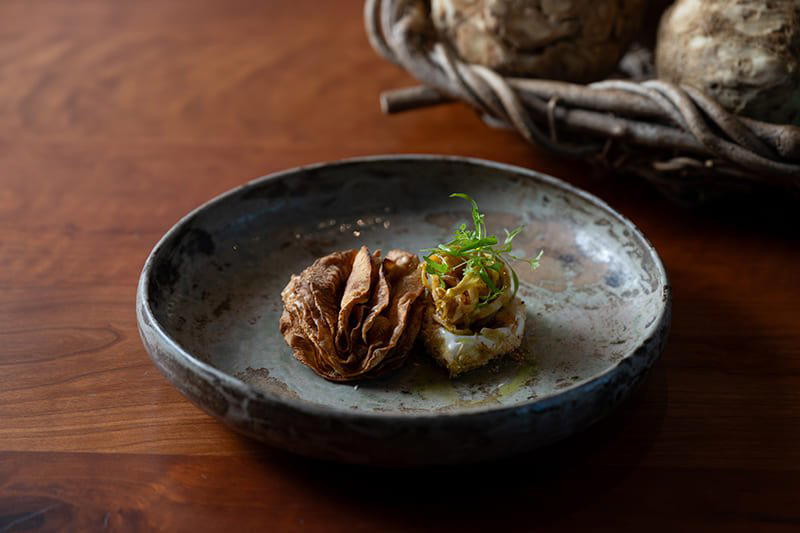
The Innovative category matters here because it gives the kitchen permission to move outside a single inherited cuisine. In Japan, that label often covers restaurants using French, Italian, Japanese, or local techniques without filing themselves neatly under one tradition. The stronger examples are not vague fusion rooms; they are places where structure and sourcing do the work. LA CASA DI Tetsuo Ota’s placement in that category suggests a meal framed by composition and seasonality rather than a conventional à la carte rhythm.
That context separates Karuizawa from larger dining cities. Tokyo can support dozens of counters at different price levels and styles; a mountain resort has fewer seats, a shorter list of serious rooms, and a sharper dependence on guests making deliberate trips. Nearby Nagano references such as Aoitou, Bleston Court Yukawatan, ca’enne, Chamonix, and Chinese Sai Muen (Chinese, Sichuan, Dim sum & Yum cha) show how broad the prefecture’s serious dining map has become, from resort French to specialist Chinese cooking. The common thread is not cuisine type. It is the way destination dining in Nagano increasingly asks whether the meal could have happened somewhere else with the same force.
A six-seat format that changes the stakes
Small rooms are sometimes romanticized, but the practical effect is more concrete. At six seats, pacing, repetition, and ingredient allocation become exposed. There is little room for a kitchen to hide behind abundance, and little chance for the diner to treat the meal casually. The format also puts the restaurant in a different competitive set from larger hotel dining rooms or resort brasseries; it sits closer to Japan’s appointment-based counter culture, where scarcity is not branding but an operational fact.
The pricing band reinforces that reading. Dinner sits in the JPY 20,000 to JPY 29,999 range, while lunch is listed at JPY 10,000 to JPY 14,999. In Karuizawa, that positions the restaurant above everyday resort dining and in the same planning category as a dedicated food trip. Compared with MANO and Hermitage de Tamura, both listed in the JPY 15,000 to JPY 19,999 dinner band, the dinner spend here moves into a higher bracket; against local and nearby creative rooms such as Kagaribi, Plaiga KARUIZAWA, and トエダ, the more useful comparison is format discipline rather than cuisine label.
Awards should be read with care in Japan, where Michelin, Tabelog, and local reputation can point to different audiences. Tabelog’s influence is particularly relevant for domestic diners, and a score above 4.2 is not casual recognition in that ecosystem. The Bronze and Silver history signals that this is not a new curiosity riding a single season of attention. It is part of a smaller group of creative restaurants that serious Japanese diners already monitor.
How to place it within a Nagano itinerary
For travelers building a food-led Nagano trip, this is the kind of booking that should anchor the day rather than fill a gap between sightseeing. Karuizawa’s restaurant culture is strongest when paired with the town’s slower rhythms: morning forest walks, gallery time, farm stands, and the sense that produce from the region has not traveled far before reaching the kitchen. That is why the ingredient-sourcing angle matters. The meal’s value is tied less to spectacle than to whether it translates place into a controlled sequence.
The broader itinerary can widen from there. Our full Nagano restaurants guide is the natural starting point for comparing dining rooms across the prefecture, while our full Nagano hotels guide, our full Nagano bars guide, our full Nagano wineries guide, and our full Nagano experiences guide help turn a single meal into a coherent stay. For readers mapping Japanese dining beyond Nagano, the contrast with -Grilled beef Sukiyaki- KAMAKURA TANUKIAN 鎌倉 たぬき庵 in Kamakura. 鮪と炭火焼き うお炭 秋葉原店 in Tokyo.cafe in Osaka.know in Kumamoto, (Shoku) Vietnam in Kawasaki, [Curry Senmon Ten] Maruyama Kyoju. in Sapporo, Jōdo Saké Bar in Los Angeles, and Onigiri Time in Pasadena underlines the point: place-specific dining is not one genre, it is a decision about how tightly a kitchen wants to bind itself to context.
The editorial call is clear. LA CASA DI Tetsuo Ota is for diners who value small-format creative cooking, regional sourcing, and the discipline that comes with few seats. It is not the casual Karuizawa answer, and that is precisely the point. In a resort town where meals can easily become scenery, this one belongs to the category where the region itself is the material.
Frequently asked questions
Would LA CASA DI Tetsuo Ota be comfortable with kids?
The six-seat format in Karuizawa makes this a tighter room than a family dining room, and the restaurant is listed as reservation only. It can work for older children who can sit through a focused meal, but the setup is not built around casual family traffic.
What's the overall feel of LA CASA DI Tetsuo Ota?
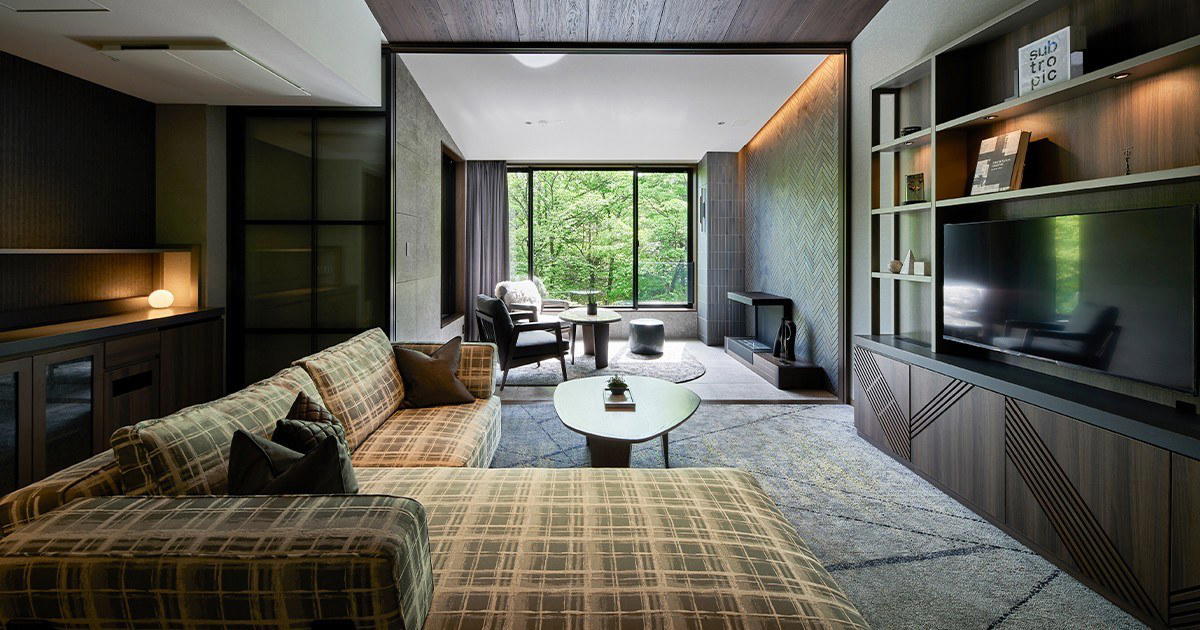
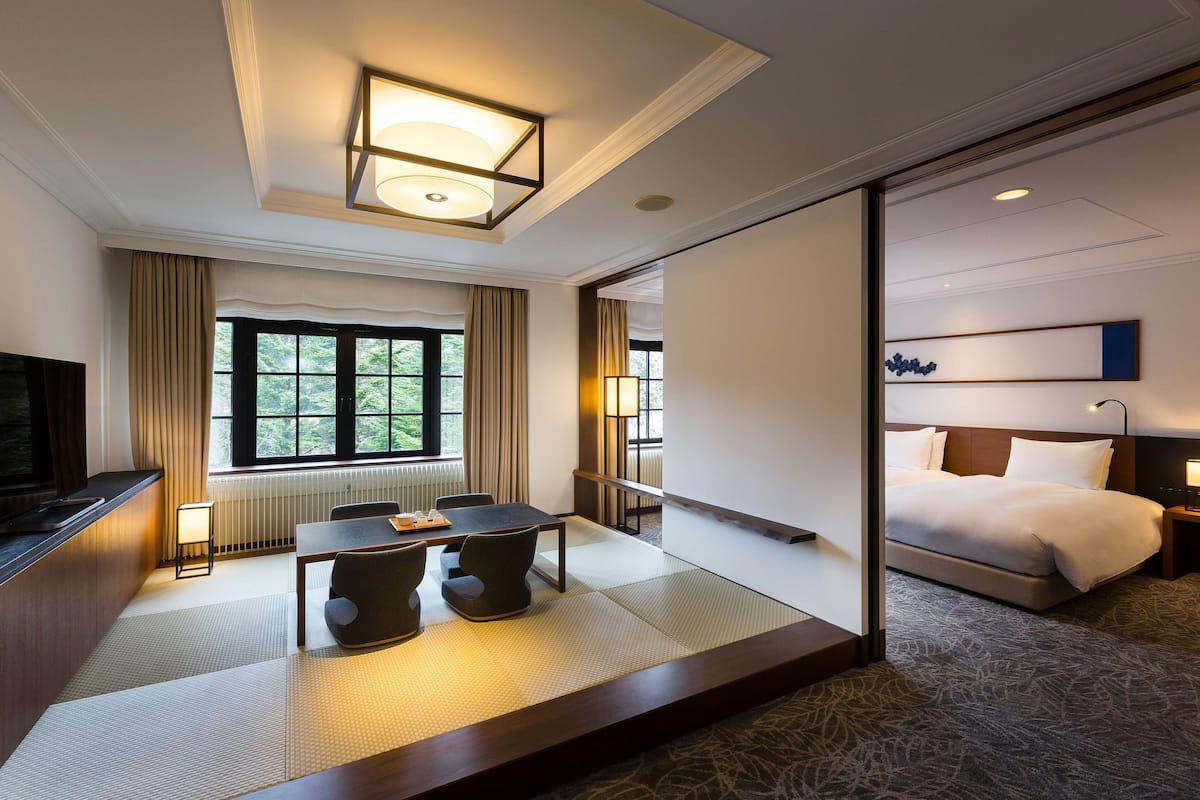
It reads as a small house restaurant in Karuizawa with just 6 seats and a stylish space, which puts the focus on the table rather than the room. The Tabelog Bronze awards in 2024, 2025, and 2026 give it clear status in Nagano’s dining scene.
Where is LA CASA DI Tetsuo Ota in Nagano?
LA CASA DI Tetsuo Ota is located in Nagano.
Do they take walk-ins at LA CASA DI Tetsuo Ota?
No, the venue is listed as reservation only. With just 6 seats in Nagano’s Karuizawa area, the format is built around planned bookings rather than spontaneous arrivals.
What is LA CASA DI Tetsuo Ota known for?
LA CASA DI Tetsuo Ota is known for innovative cuisine and for being selected in Tabelog 100 for Innovative / Creative cuisine in 2025. Its bronze Tabelog Award for 2026, plus the small six-seat counter format, is the clearest signal of its standing.
Fast Comparison
Comparable venues by cuisine and price in the same metro.
| Venue | Cuisine | Price | Awards | Notes |
|---|---|---|---|---|
| LA CASA DI Tetsuo OtaThis venue — the venue you are viewing | Innovative Italian Fusion | $100–150 | Tabelog Bronze #230 | Not listed |
| Sobanomi | Togakushi Soba | $20–30 | Tabelog 100 #53 | Togakushi |
| Kagaribi | Wood-Fired Italian | $50–100 | Star Wine List | Minami Karuizawa |
| Nagano Meijitei (明治亭) | Nagano Sauce Katsudon | $10–20 | Not listed | Nagano Station |
| Bleston Court Yukawatan | Nippon French | $300–500 | Tabelog Bronze #37 | Karuizawa-machi |
| La Vigne Dining Fûdo | Modern French & Teppanyaki with Shinshu Ingredients | $150–200 | Star Wine List | Hakuba-mura |
Recognition history
Dated appearances from independent guides and award organizations, with the underlying list record or original source where available.
Tabelog Bronze #230
Tabelog
Full recognition history (3 entries)
Tabelog Bronze
Tabelog
Tabelog 100 #66 · No. 66
Tabelog · Tabelog 100 - Innovative / Creative cuisine - 2025
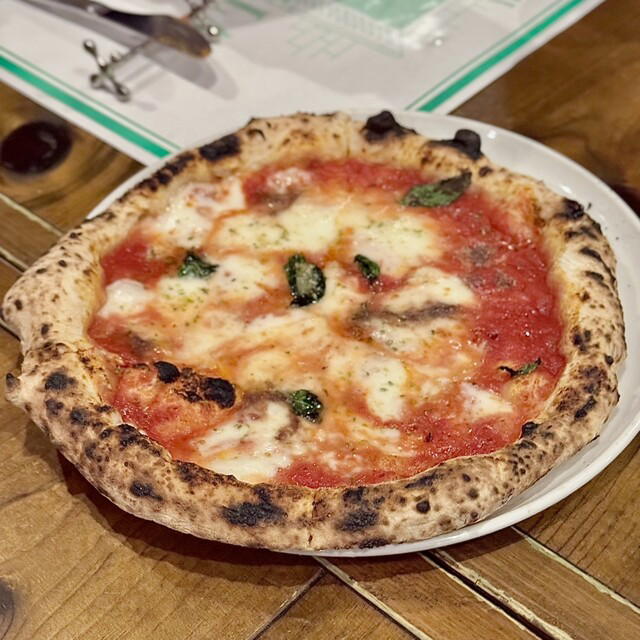
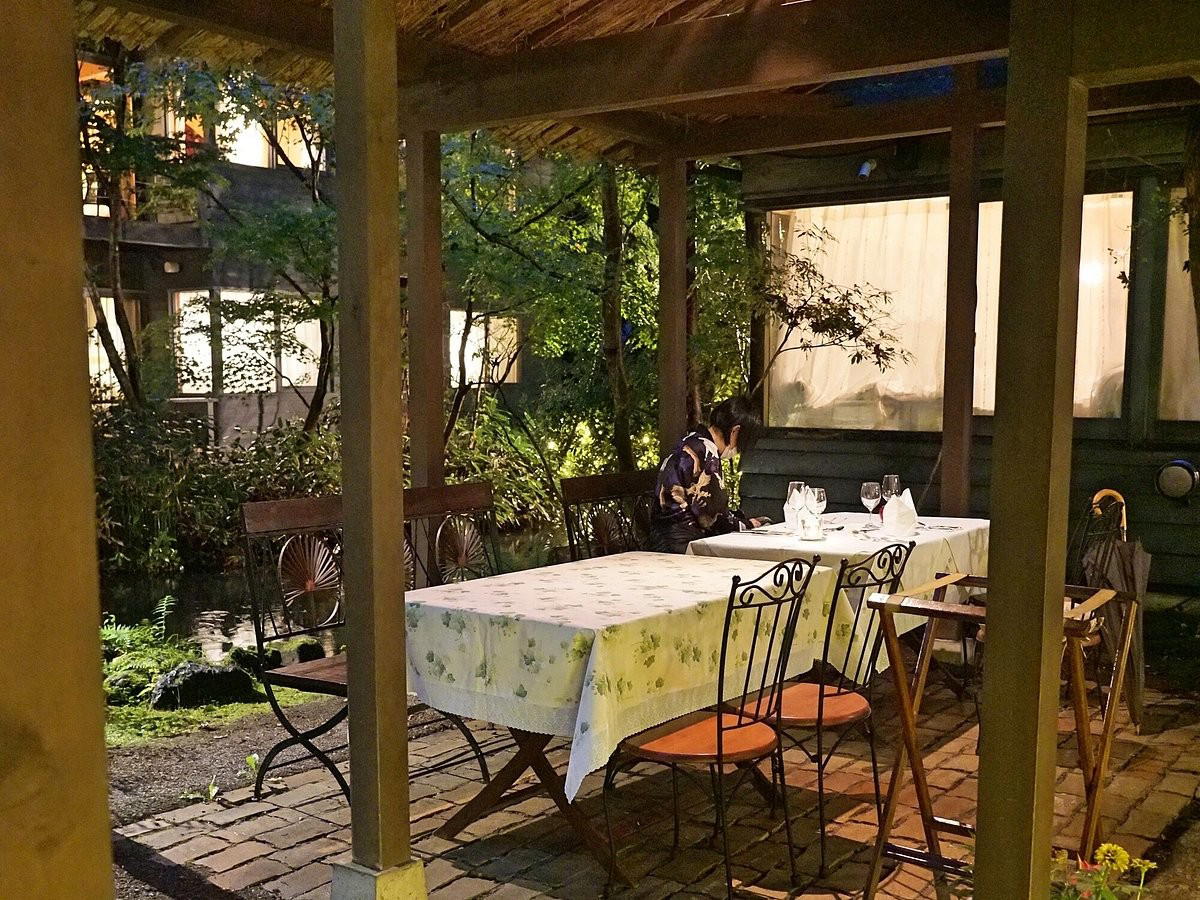
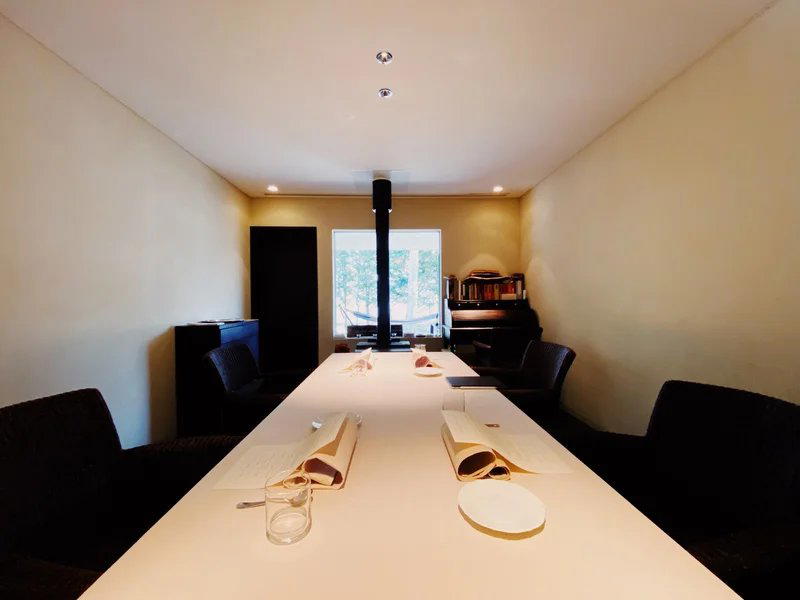

Details
- Intimate
- Cozy
- Elegant
- Sophisticated
- Special Occasion
- Chefs Counter
- Open Kitchen
- Sake Program
- Local Sourcing
- Tasting Menu
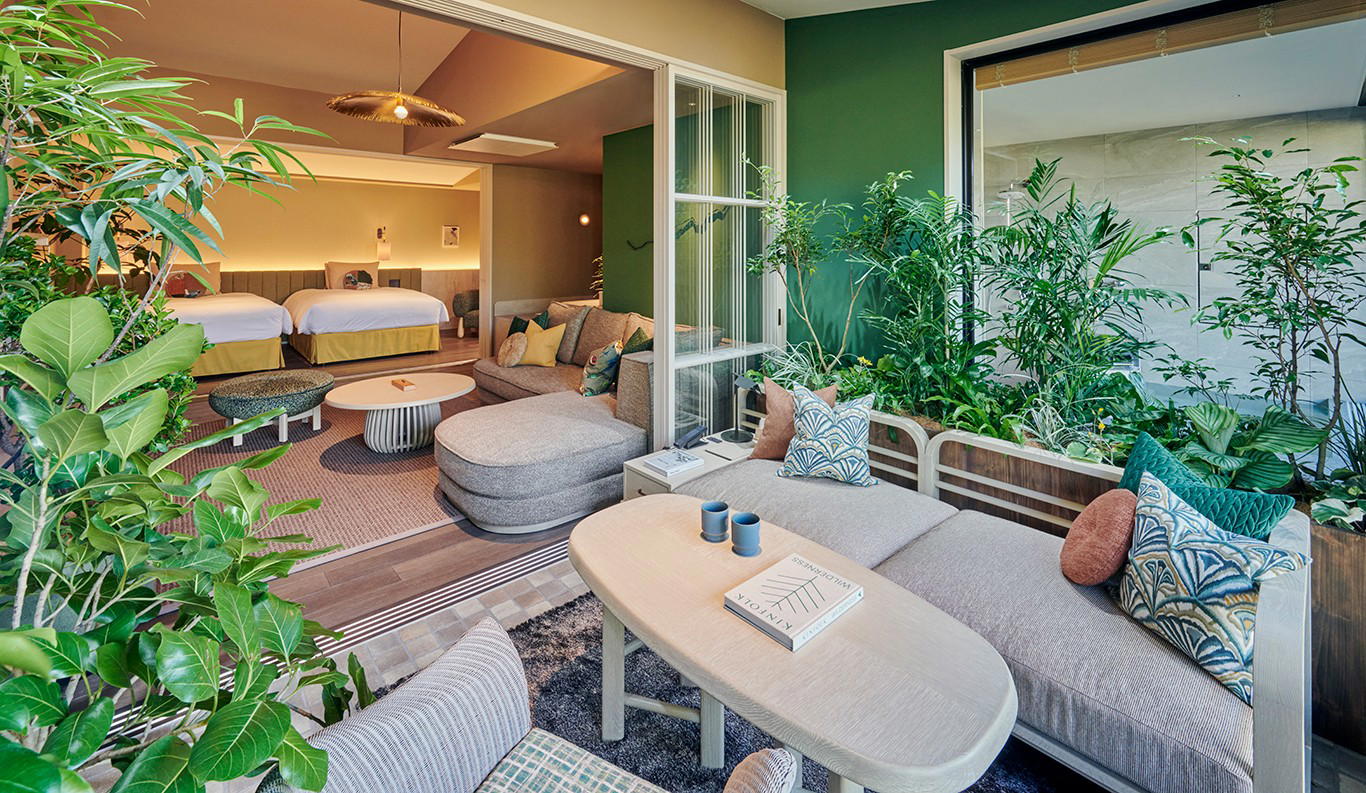
Comfortable and homely space that keeps guests engaged during long courses, described as stylish and cozy.