Google: 4.5 · 51 reviews

A wood-fired Italian restaurant in the forests above Chino, ca'enne holds a Tabelog score of 4.22 and consecutive Bronze Awards from 2023 through 2026, alongside two Tabelog Italian EAST 100 selections. With just eight seats and a reservation-only policy, it operates at the smaller, more disciplined end of Japan's rural fine-dining circuit, pairing Italian technique with Yatsugatake mountain produce.
 Discover on Pearl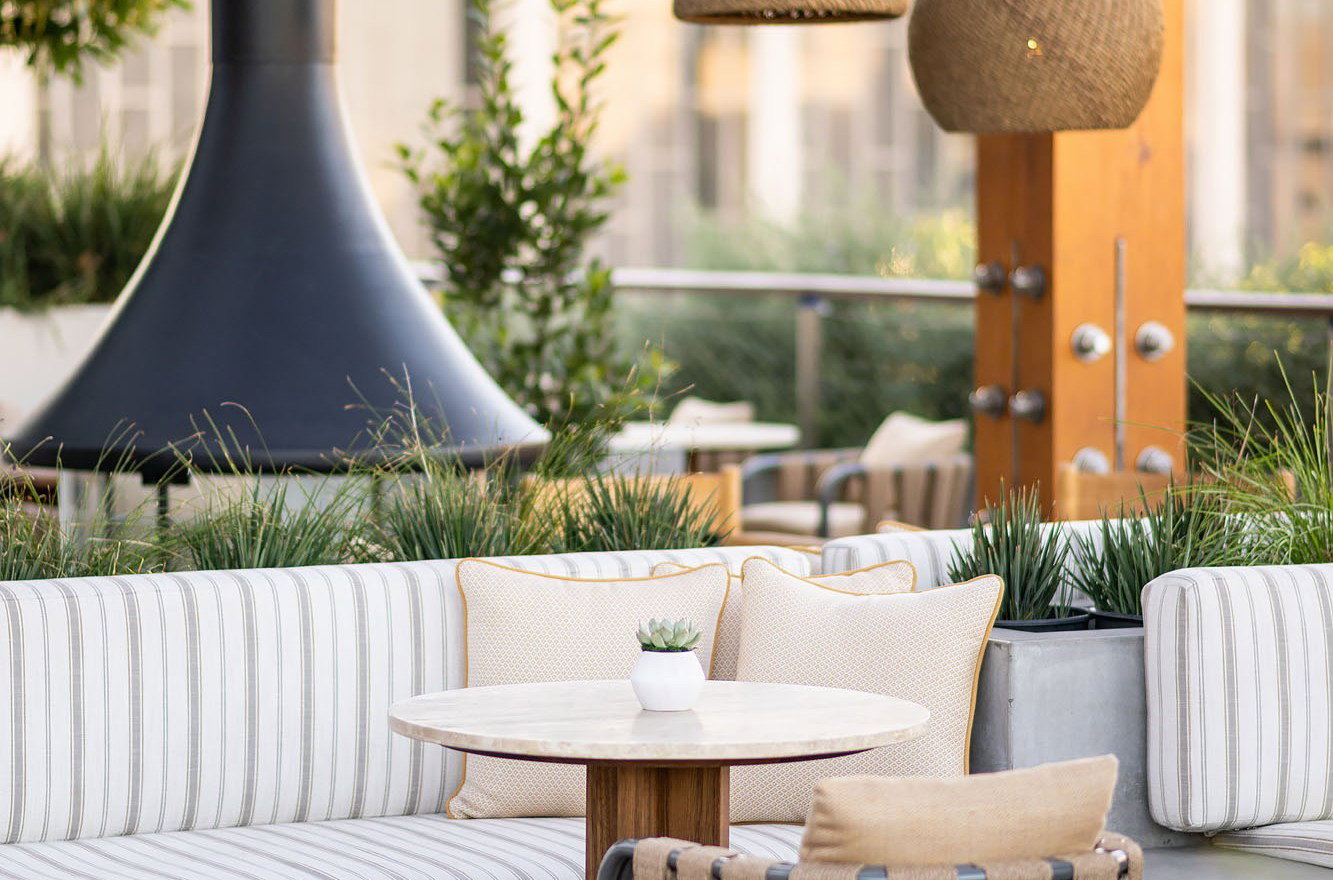
Italian Cooking at Altitude: Where Forest Setting Meets Serious Craft
Japan's rural fine-dining circuit has expanded steadily over the past decade, pulled partly by the wider movement of destination restaurants relocating away from urban centres and partly by a domestic appetite for experiences that justify a drive. The Yatsugatake highlands in Nagano Prefecture sit squarely in that current. The plateau between Chino and Suwa, at roughly 1,200 to 1,500 metres above sea level, attracts visitors for its clean air, farmland, and proximity to the alpine trails of the Minami Alps. What it has also quietly accumulated is a small concentration of serious kitchens that treat remoteness as a feature rather than a liability. Our full Nagano restaurants guide maps the broader scene; ca'enne is among the addresses that explain why the region has earned sustained critical attention.
The Setting and the Format
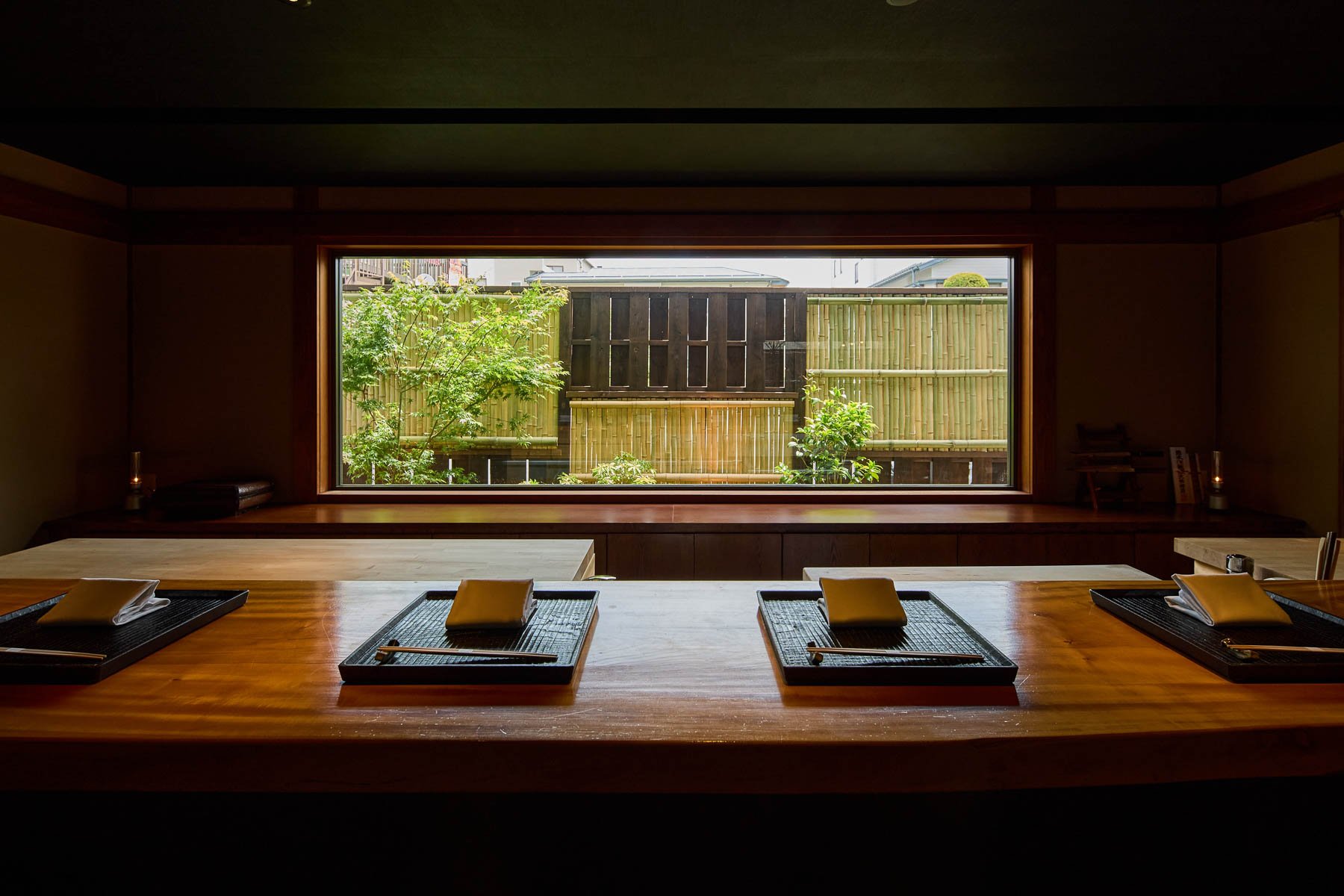
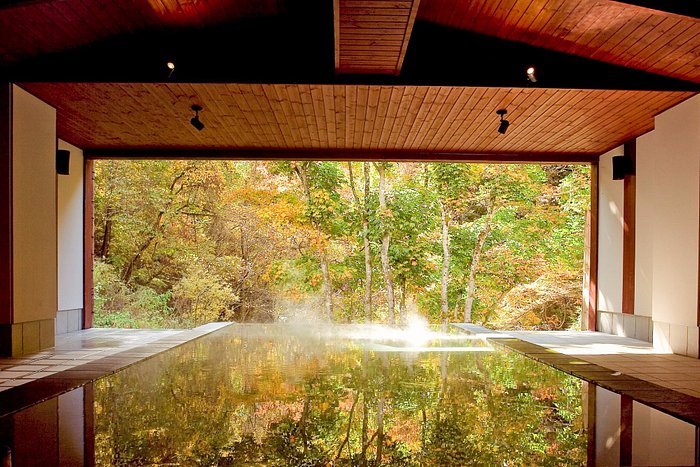
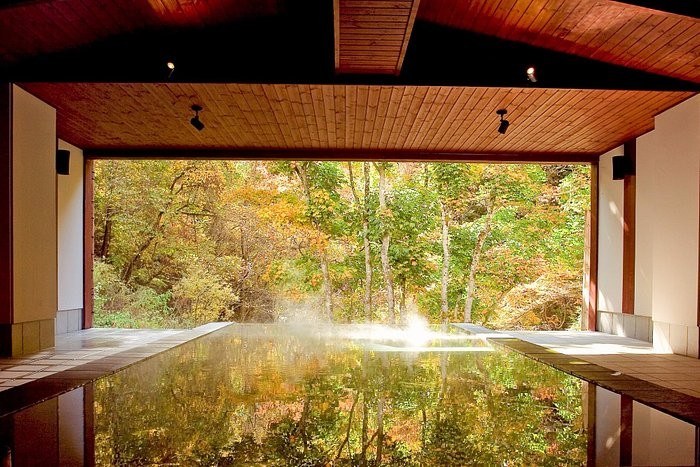
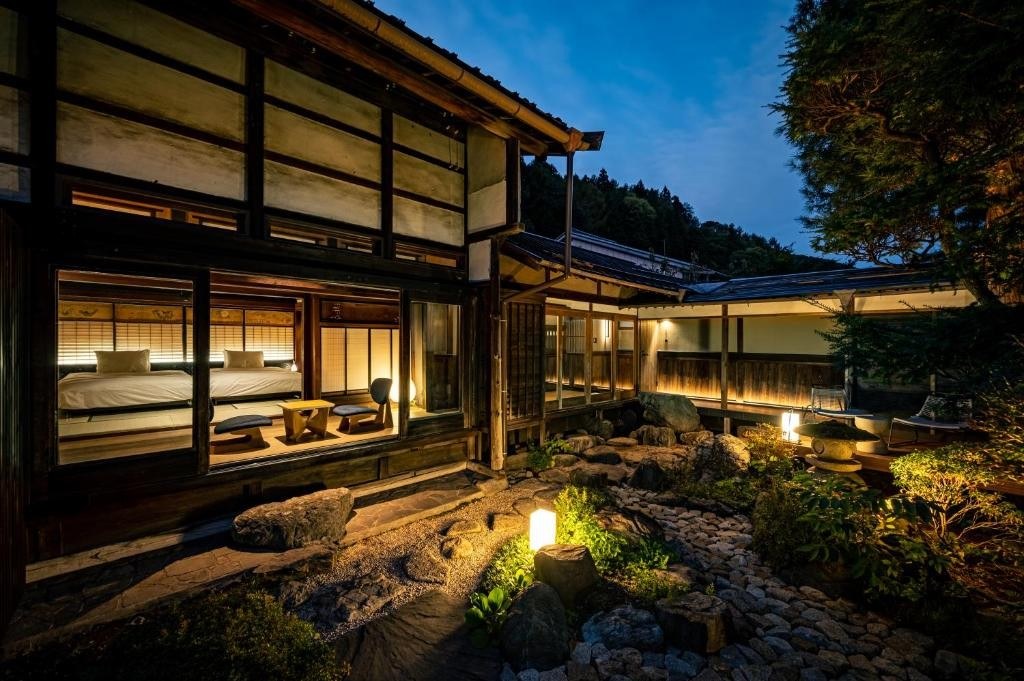
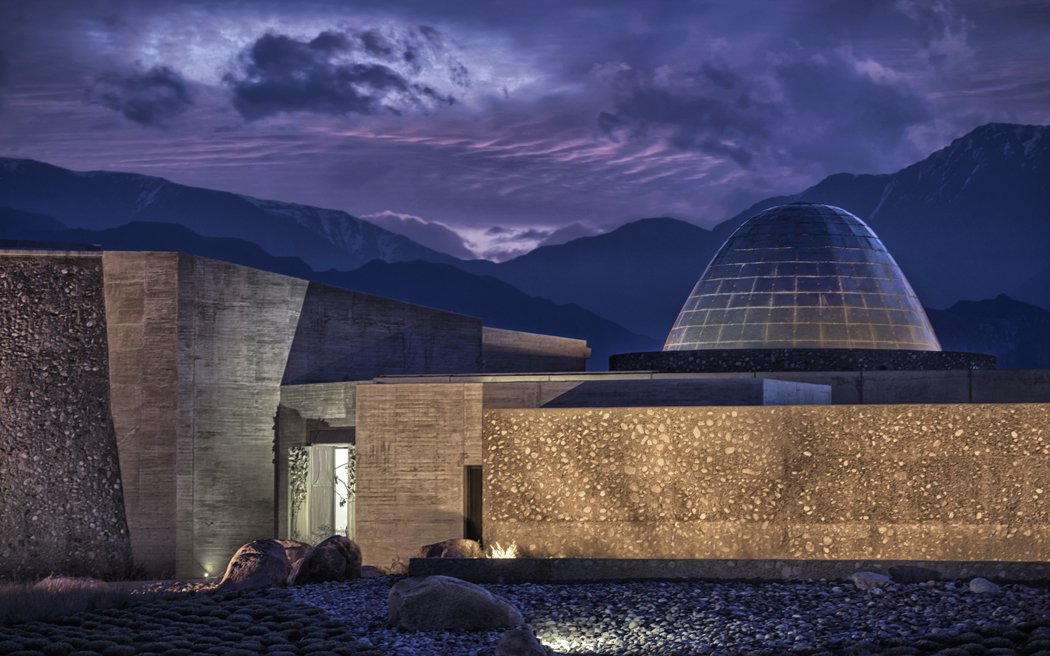
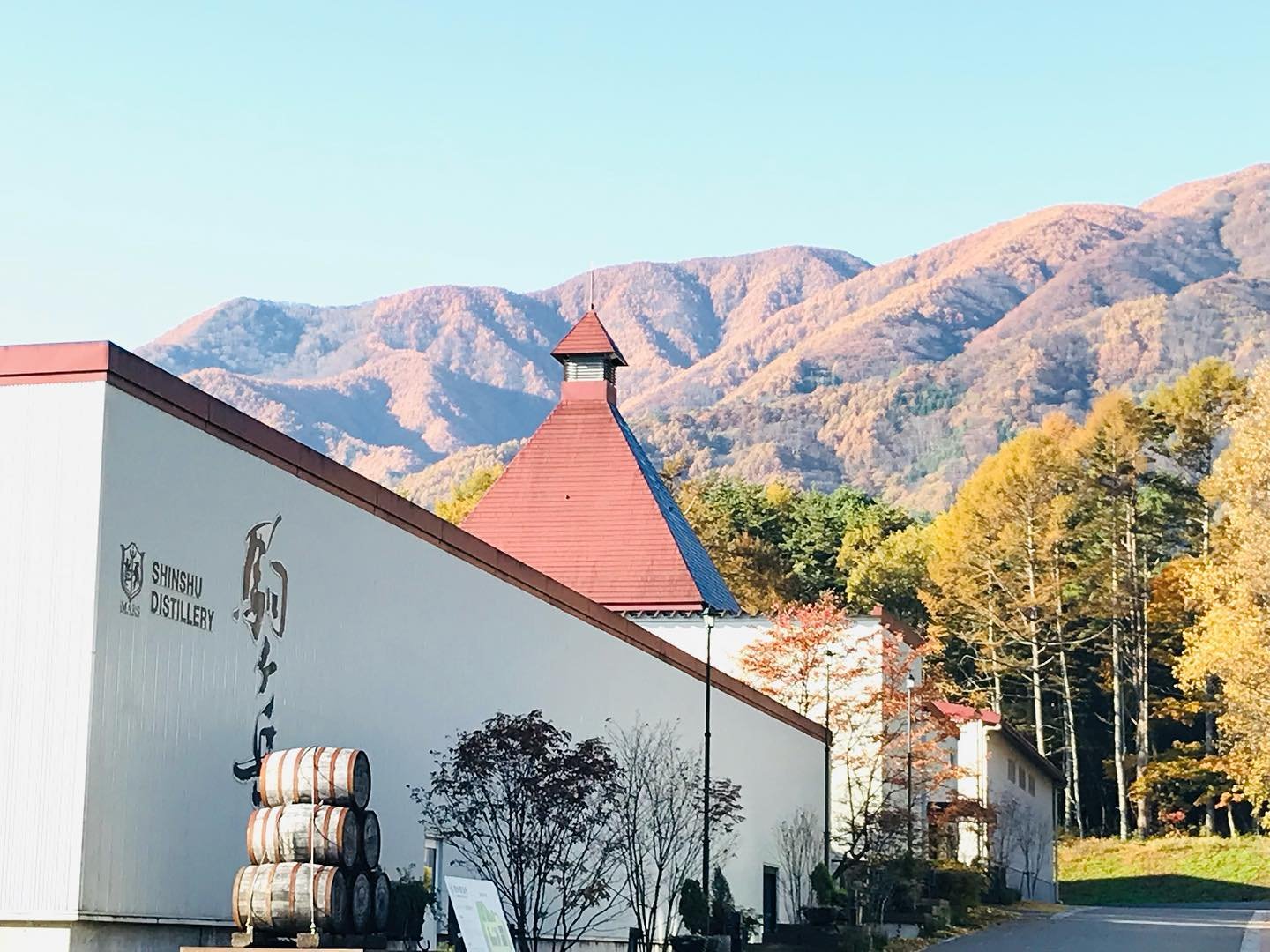
The restaurant occupies a house-format property in Toyohira, the rural district of Chino City, set against the forested slopes of the Yatsugatake range. The approach matters here: the address is far enough from central Chino that arriving by car is essentially required, and the ten-space car park suggests the operators anticipated that. House restaurants in Japan operate under a format logic distinct from city dining rooms. They tend toward smaller capacity, more personal service ratios, and a closer connection between the property's natural surroundings and what arrives on the plate. Ca'enne fits that model closely, with eight seats split between a four-seat counter and two tables, and a wood-fired cooking method that anchors the technical approach in something elemental and unhurried.
The scale of the room concentrates the experience in a way that larger restaurants simply cannot replicate. At eight covers, a single dinner service is closer in format to a private meal than to restaurant dining in the conventional sense. The same logic applies at lunch, where one group is taken from 12:00. Dinner runs three groups from 18:00, which indicates a more structured sequence of seatings and limits the total covers per evening considerably. For reference, Harutaka in Tokyo and Gion Sasaki in Kyoto operate with similarly compressed capacities that concentrate both attention and expectation.
Italian Cooking in a Japanese Mountain Context
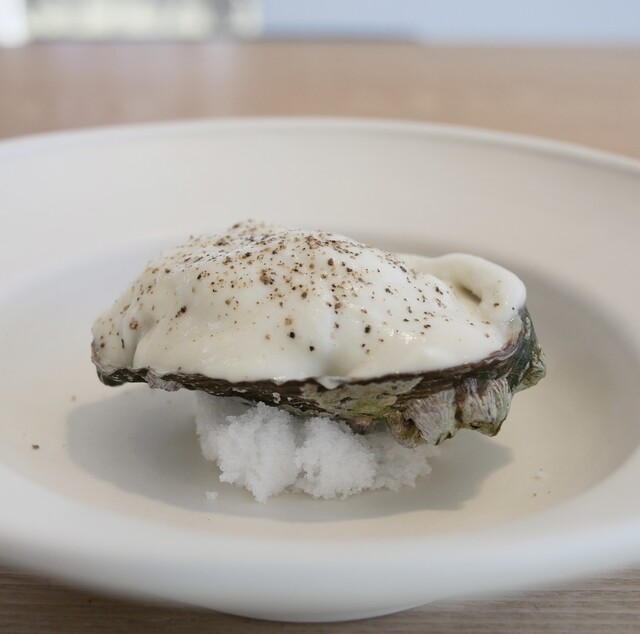
Italian cooking in rural Japan occupies an interesting position within the country's culinary map. In cities like Tokyo and Osaka, Italian restaurants have been thoroughly absorbed into the fine-dining mainstream, with places such as HAJIME in Osaka and 1000 in Yokohama demonstrating how Italian and French-inflected innovation have merged into Japan's broader cuisine conversation. In rural prefectures, the dynamic is different: the cuisine must find its logic in locally available materials rather than in supply chains built for cosmopolitan kitchens. Ca'enne sits in the innovative Italian category on Tabelog, which signals a willingness to work outside strict Italian convention, shaping the menu around what the Yatsugatake environment produces rather than what a traditional Italian framework would prescribe.
The venue's description references homemade prosciutto made from locally nurtured ingredients, which, as a single data point, illustrates the approach. Curing charcuterie in-house, using animals raised in or near the highland environment, is a different proposition from sourcing Italian-style cured meats from distributors. It implies a longer preparation horizon, more direct relationships with local producers, and a willingness to let the terroir of Nagano read through in ways that imported products cannot deliver. That alignment between place and plate is precisely what has driven critical interest in non-urban Italian cooking across Japan, from Nara's akordu to other regional addresses that have built reputations outside the major city circuits. Within Nagano specifically, Fogliolina della Porta Fortuna and LA CASA DI Tetsuo Ota occupy adjacent points in the regional Italian conversation, each with a different relationship to local materials and Italian heritage.
Recognition and Where It Sits in the Peer Set
Tabelog operates Japan's most widely consulted restaurant review platform, and its annual award structure is one of the few that systematically reaches beyond city centres to recognise provincial dining. Ca'enne has held Bronze status in the Tabelog Awards in each consecutive year from 2023 through 2026, and holds a current score of 4.22. That sustained four-year track record indicates consistent performance rather than a single strong showing. The restaurant has also been selected twice for the Tabelog Italian EAST 100, a category list that identifies the hundred highest-rated Italian restaurants across eastern Japan. Being named to that list places ca'enne in direct competition with urban addresses across Tokyo and the broader Kanto and Chubu regions, not simply within Nagano.
Within the Nagano dining scene, the awards profile positions ca'enne at the higher end of a relatively small pool of recognised fine-dining addresses. Kikuzushi and Bleston Court Yukawatan occupy different cuisine registers, and Chinese Sai Muen sits in a different price tier entirely. Ca'enne's dinner budget of JPY 20,000 to JPY 29,999 per person, confirmed across review data, places it among Nagano's more serious price points and in a comparable range to destination-tier creative restaurants in other Japanese regional cities, such as Goh in Fukuoka. A 10% service charge applies.
Planning a Visit
Getting to ca'enne requires some route planning. The closest rail access is Chino Station on the Chuo Main Line, roughly 25 minutes by car. From Suwa Minami IC on the Chuo Expressway, the drive takes approximately 20 minutes. For those without a car, the Meruhen Kaido bus from Chino Station runs to the Hiromi stop, from which the restaurant is a five-minute walk toward Karasawa Kosen, though driving remains the more practical option given the location. Ten parking spaces are available on site at no charge.
Reservations are required and must be made at least a day in advance by phone. The phone line is most reliably answered between 10:00 and 12:00 or between 15:00 and 17:00, as the kitchen is occupied during service. The restaurant is closed on Thursdays, though this is not fixed, so confirmation of opening days at the time of booking is advisable. The property is wheelchair accessible and free Wi-Fi is available. Dress code is smart casual. Credit cards are accepted, including Visa, Mastercard, JCB, American Express, and Diners; electronic money and QR code payments are not. Private use for groups of up to 20 people is available, making it a viable option for event dining beyond its standard eight-seat configuration. Children are welcome at lunch; for dinner with children, the venue recommends inquiring by email in advance.
Ca'enne opened in April 2020, meaning its consecutive award recognition began within three years of launch, a timeline that speaks to how quickly the restaurant established itself within eastern Japan's Italian dining conversation. For those building a broader Nagano itinerary, the city's hotel options, bars, wineries, and experiences extend what can be a full highland stay rather than a single-meal detour. For a frame of comparison beyond Japan, the format has distant parallels with destination-tier restaurants in other markets, such as Le Bernardin in New York City or Atomix in New York City, where format discipline and consistent execution over several years define the reputation as much as any single dish.
Pricing, Compared
A quick look at comparable venues, using the data we have on file.
| Venue | Price | Awards | Notes |
|---|---|---|---|
| ca’enne | {"Year":"2026","Award Source":"Tabelog",… | This venue | |
| Kikuzushi | Sushi | ||
| Fogliolina della Porta Fortuna | Italian | ||
| Bleston Court Yukawatan | |||
| Chinese Sai Muen | JPY 4,000 - JPY 4,999 JPY 3,000 - JPY 3,999 | Chinese, Sichuan, Dim sum & Yum cha, JPY 4,000 - JPY 4,999 JPY 3,000 - JPY 3,999 | |
| Mumyo |
At a Glance
- Scenic
- Elegant
- Intimate
- Sophisticated
- Special Occasion
- Open Kitchen
- Sake Program
- Local Sourcing
- Mountain
Intimate mountain-forest setting with relaxing, elegant atmosphere focused on the open wood-fired kitchen.