Our verdict
On a quiet stretch of Via Fabio Filzi in Milan's Repubblica district, Ristorante Limone occupies a tier of the city's dining scene that sits between neighbourhood trattoria and the Michelin-chasing creative houses clustered around the centre. For visitors working through Milan's restaurant map, it represents a different register from the €€€€ progressive Italian counters, a place where the room and its atmosphere carry as much weight as the plate.

Pearl is the En Primeur Club membership app, where members save venues, book tables and use the concierge.

A Different Register on Milan's Restaurant Map
Milan's fine dining conversation is dominated by a tight cluster of creative houses operating at the top of the market. Enrico Bartolini, Cracco in Galleria, Andrea Aprea, and Seta set the terms for what ambitious dining means in the city: tasting menus, ceremony, and price points that clear €150 per head before wine. The dining scene that exists below that tier, and runs parallel to it, is where most visitors actually spend their meals, and where atmosphere and consistency tend to matter more than conceptual ambition. Ristorante Limone, positioned on Via Fabio Filzi in the Repubblica quarter, sits in that mid-register with a street address that places it north of the Duomo and closer to the working rhythms of the station district than the showroom polish of the fashion quadrilateral.
The Repubblica Quarter and What It Tells You About the Room
The area around Stazione Centrale and the Repubblica axis has a particular texture in Milan. It is not a neighbourhood that courts culinary tourism in the way Brera or Navigli do. The streets here move at a business traveller's pace, there are hotels, corporate offices, and a steady transit population that has little patience for theatre at the table. Restaurants that survive in this zone tend to earn their clientele through reliability rather than novelty, and the atmosphere they generate is shaped by that regularity. A room that fills with the same faces across the working week develops a particular kind of ambient confidence: less performative than the Zona Tortona creative spaces, less hushed than the Michelin rooms, and more lived-in than either.
Via Fabio Filzi specifically is a through-street rather than a destination, which means that any restaurant on it draws from a local radius rather than from the kind of deliberate walk-in traffic that flows past the Galleria Vittorio Emanuele II. That self-selection shapes the sensory character of the dining room before a dish arrives. When a restaurant on a street like this is full, it is full because the food earns return visits, not because the location generates casual curiosity.
The Sensory Architecture of Italian Mid-Register Dining
There is a category of Italian restaurant, present in every major city from Milan to Naples, where the room does specific sensory work that the tasting-menu format cannot replicate. The sound register is mid-level: conversation audible across the table without strain, ambient noise present but not overwhelming. The light tends toward warm rather than clinical. The pace is negotiated between diner and kitchen rather than choreographed by a front-of-house team working from a script. This format has a long tradition in northern Italian cities, where the lunch service in particular functions as a social institution rather than a transactional meal stop.
In Milan, this register has faced compression from two directions: the continued expansion of the city's leading creative tier, venues like Verso Capitaneo pushing the boundaries of what progressive Italian means, and the proliferation of casual format restaurants offering lower price points with a modern aesthetic. The mid-register dining room, defined by cloth napkins, a conventional service structure, and cooking that references regional tradition without reinventing it, occupies a narrower space than it did a decade ago. Ristorante Limone operates within that narrower space.
Italian Dining Traditions and the Context They Carry
The name, Limone, lemon, signals something about register and regional affiliation. Citrus in Italian cooking functions as both flavouring and identifier: it anchors dishes to coastal and southern traditions, where lemon works hard in fish preparations, risotto finishes, and dessert structures that rely on acid rather than sugar for their character. In the context of a Milan address, a lemon reference also positions a kitchen against the butter-and-saffron axis that defines the city's most canonical dishes. Whether that signal is carried through consistently in the kitchen is a matter for the table rather than the address, but the directional intent is legible from the name alone.
The Italian restaurant tradition that Ristorante Limone enters is one with significant depth and serious competition at every level. Italy's most decorated kitchens set a reference point that extends well beyond Milan: Osteria Francescana in Modena, Piazza Duomo in Alba, Le Calandre in Rubano, Enoteca Pinchiorri in Florence, Uliassi in Senigallia, Reale in Castel di Sangro, Quattro Passi in Marina del Cantone, Dal Pescatore in Runate, Atelier Moessmer Norbert Niederkofler in Brunico, and Casa Perbellini 12 Apostoli in Verona each define what high-ambition Italian cooking looks like in different regional registers. The mid-tier Milan restaurant does not compete with this set, it serves a different purpose in the ecosystem, providing the kind of accessible, atmosphere-led dining that the tasting-menu format structurally cannot.
Internationally, the comparison is instructive. The gap between a mid-register Italian trattoria and a destination restaurant is not unlike the distance between a neighbourhood bistro and somewhere like Le Bernardin in New York City or Atomix in the same city. Different categories serve different dining intentions, and confusing the register is how disappointment happens.
Planning a Visit: What to Know Before You Go
Ristorante Limone is located at Via Fabio Filzi 7, 20124 Milan, in the Repubblica district. The address sits within walking distance of Stazione Centrale and is served by the M2 (green) and M3 (yellow) metro lines at Repubblica and Centrale stations respectively, making it accessible from most central Milan hotels without a taxi. For visitors combining the restaurant with other mid-range options in the area, the neighbourhood offers a practical base for a longer evening without the complexity of navigating the Navigli or Brera restaurant zones.
For the full scope of what Milan's restaurant scene offers at every level, the EP Club Milan restaurants guide maps the city's dining options across tiers, neighbourhoods, and cuisine types.
Frequently asked questions
What's the must-try dish at Ristorante Limone?
EP Club does not have verified menu data for Ristorante Limone at this time, so naming a specific dish would be speculative. What the name and address suggest is a kitchen with at least some orientation toward citrus-forward, potentially southern-influenced cooking, a reasonable expectation for a first visit is fish-based preparations or pasta dishes that carry acid as a primary flavouring note. For confirmed dish recommendations, checking recent diner reviews on local platforms before visiting will give a more accurate picture than any editorial inference.
How hard is it to get a table at Ristorante Limone?
Restaurants in the Repubblica district generally experience higher demand during the city's major trade fair periods, particularly Salone del Mobile in April and MIPIM-adjacent events in spring, when business traveller volume increases across the area. If you are visiting Milan during a fair week, booking ahead regardless of the venue is the standard practice. Outside peak periods, mid-register restaurants in this part of the city are typically more accessible than the Michelin-circuit rooms, where three-month lead times are common.
What makes Ristorante Limone worth seeking out in Milan's crowded dining scene?
The case for a restaurant like Ristorante Limone rests on what it is not, as much as what it is. Milan's creative fine dining tier, from Enrico Bartolini downward, is well documented and well booked. The mid-register, atmosphere-led Italian room is a harder category to research and easier to get wrong. A restaurant that has maintained a street-level presence in the Repubblica quarter occupies that space by accumulating a local clientele rather than by generating press. That is a different kind of credibility, and for a certain kind of visit to Milan, it is the more relevant one.
Is Ristorante Limone suited to a business lunch in Milan's Repubblica district?
The location on Via Fabio Filzi, a short walk from Stazione Centrale and within the city's main business hotel corridor, makes it geographically convenient for working lunches. The Repubblica district has historically served a corporate and transit clientele, and restaurants in this zone tend to calibrate their service pace and room noise accordingly, factors that matter for table conversation.
The Short List
Comparable venues nearby, for context on price, style, and recognition.
| Venue | Cuisine | Price | Notes |
|---|---|---|---|
| Ristorante LimoneThis venue (the venue you are viewing) | Modern Italian with Seafood and Pizza | $30–50 | Not listed |
| Le Terrazze Restaurant | Traditional Italian with Lombard specialties | $50–100 | Buenos Aires - Porta Venezia - Porta Monforte, Traditional Italian with Lombard specialties |
| 10 Corso Como Café | Modern Italian Café | $50–100 | Porta Garibaldi - Porta Nuova, Modern Italian Café |
| Il Cestino | Traditional Milanese Trattoria | $30–50 | Brera, Traditional Milanese Trattoria |
| AI CHIOSTRI MILANO | Contemporary Italian | $50–100 | Guastalla, Traditional Milanese Italian |
| DA NOI IN | Modern Italian Fine Dining | $50–100 | Porta Genova, Modern Italian Fine Dining |
Continue exploring
More in Milan
Restaurants in Milan
All restaurants in Milan →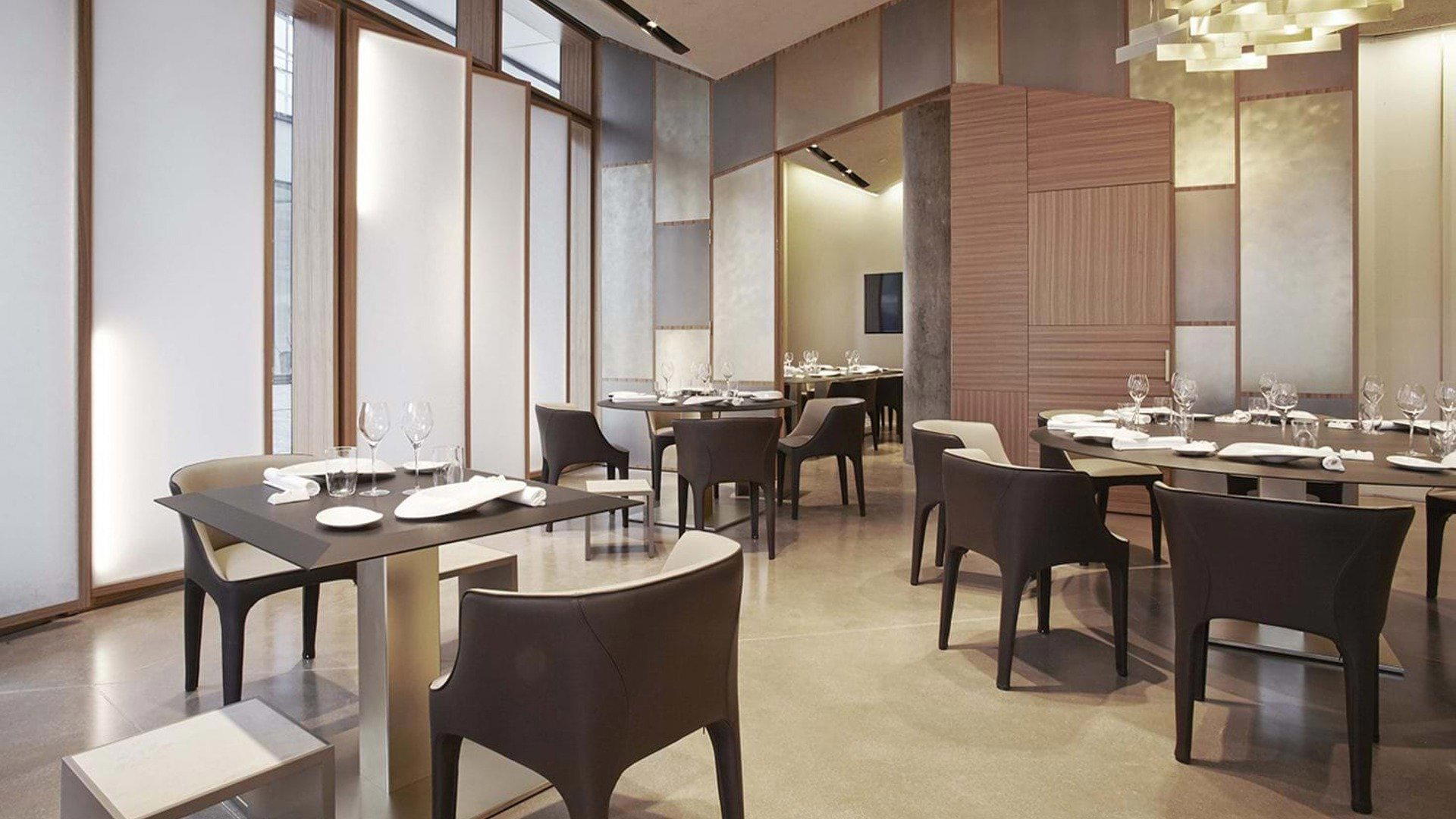
Bars in Milan
All bars in Milan →
Ristorante Limone
The wine
- Wine program
- Deep wine list
- Extensive wine list
Details
- Elegant
- Classic
- Cozy
- Sophisticated
- Date Night
- Business Dinner
- Special Occasion
- Group Dining
- Private Dining
- Open Kitchen
- Extensive Wine List
- A La Carte
- Wine
- Vegetarian Friendly
- Vegan Options
- Gluten Free Options
Current opening hours
- Monday
- 12–2:30 PM, 7–11:30 PM
- Tuesday
- 12–2:30 PM, 7–11:30 PM
- Wednesday
- 12–2:30 PM, 7–11:30 PM
- Thursday
- 12–2:30 PM, 7–11:30 PM
- Friday
- 12–2:30 PM, 7–11:30 PM
- Saturday
- 12–2:30 PM, 7–11:30 PM
- Sunday
- Closed
Hours can change for holidays and private events. Hours as of .
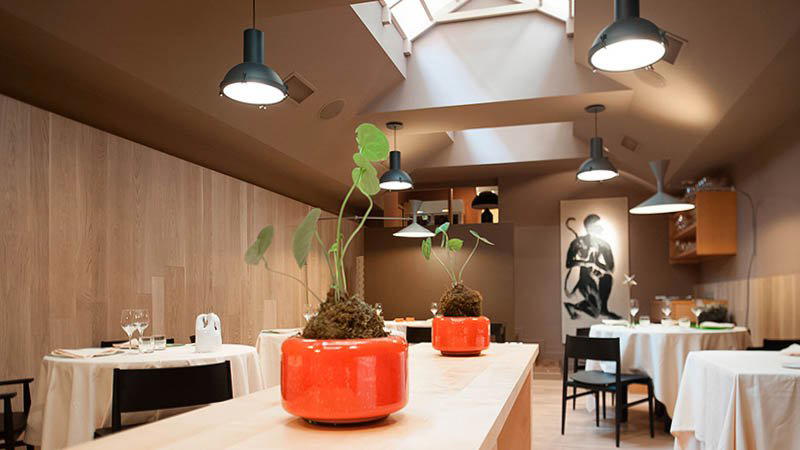
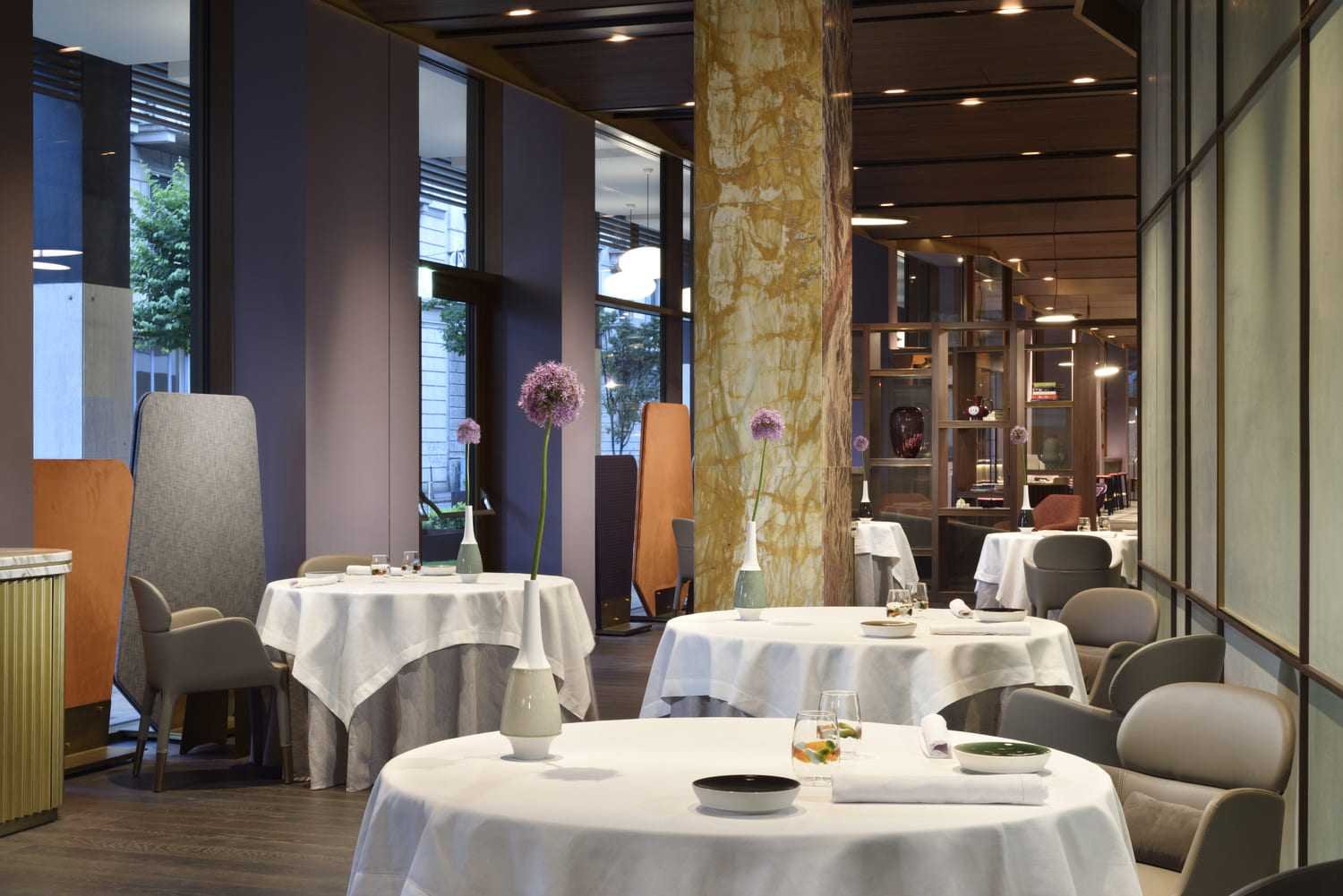
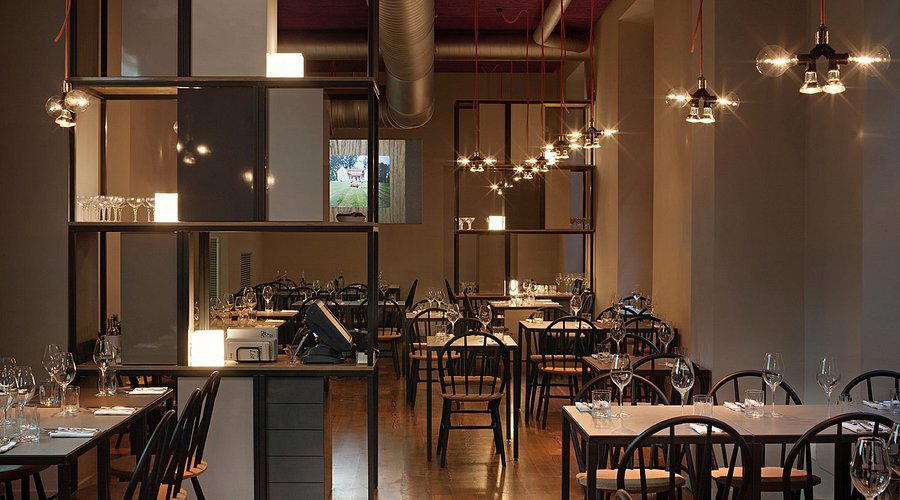
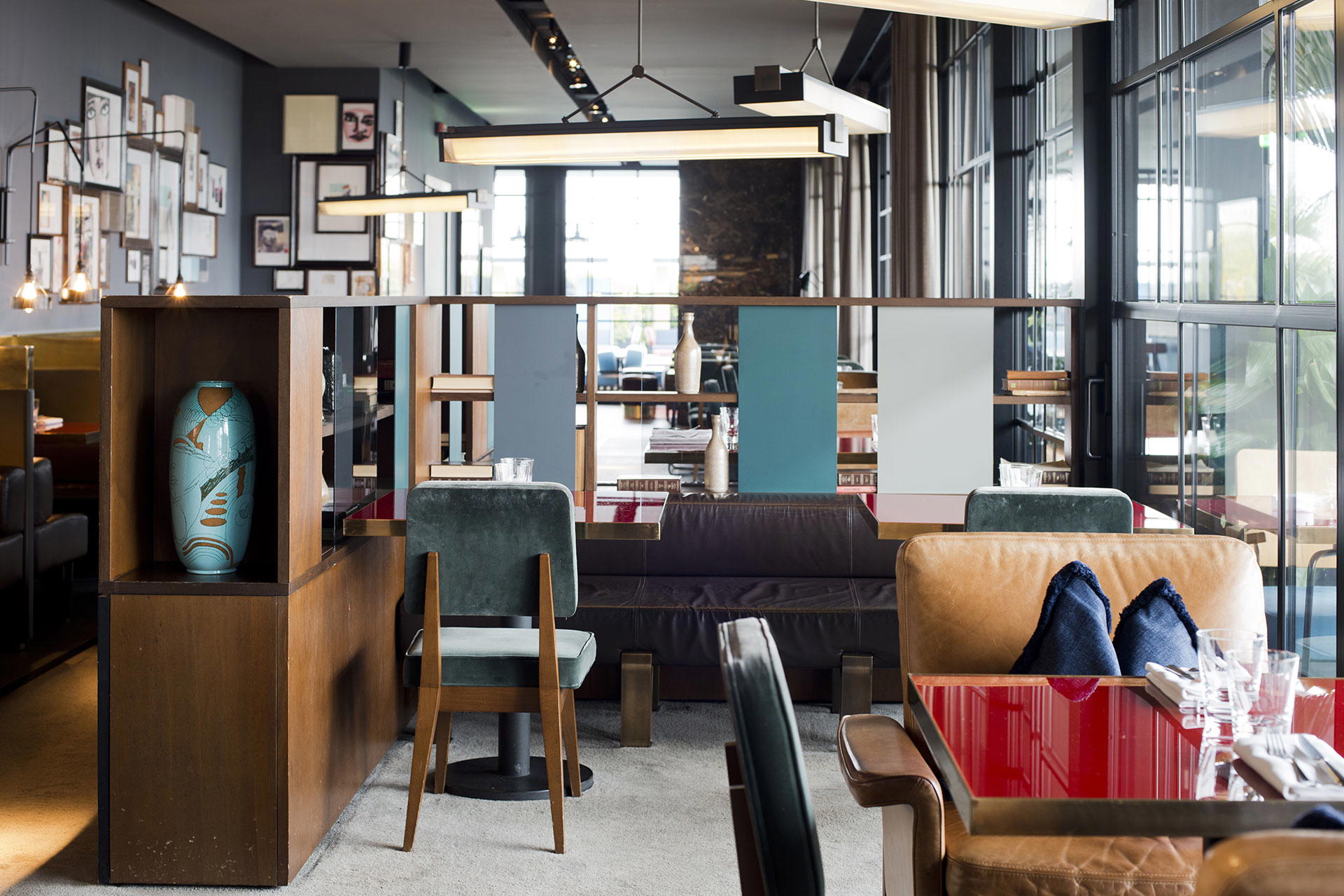
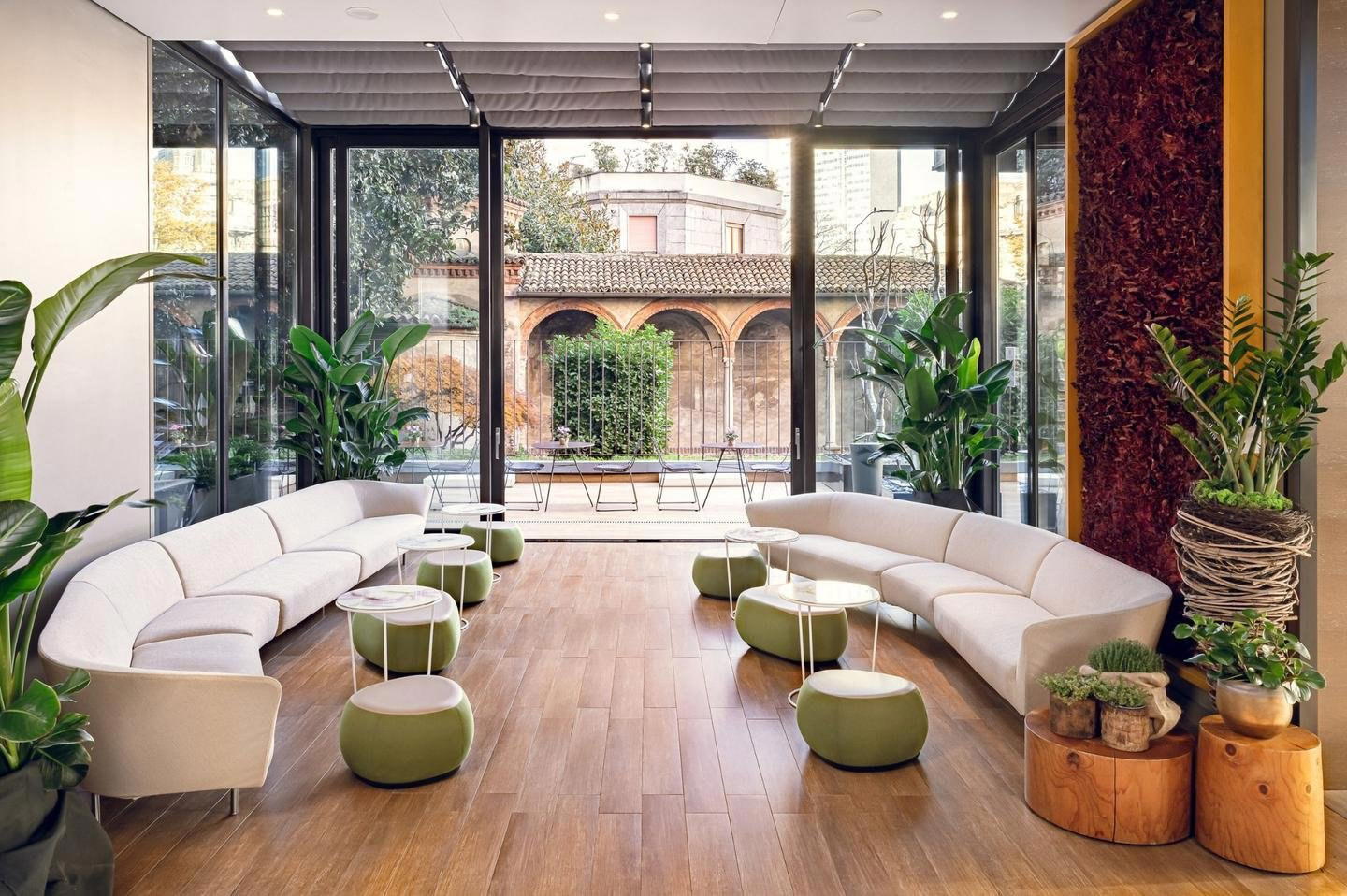
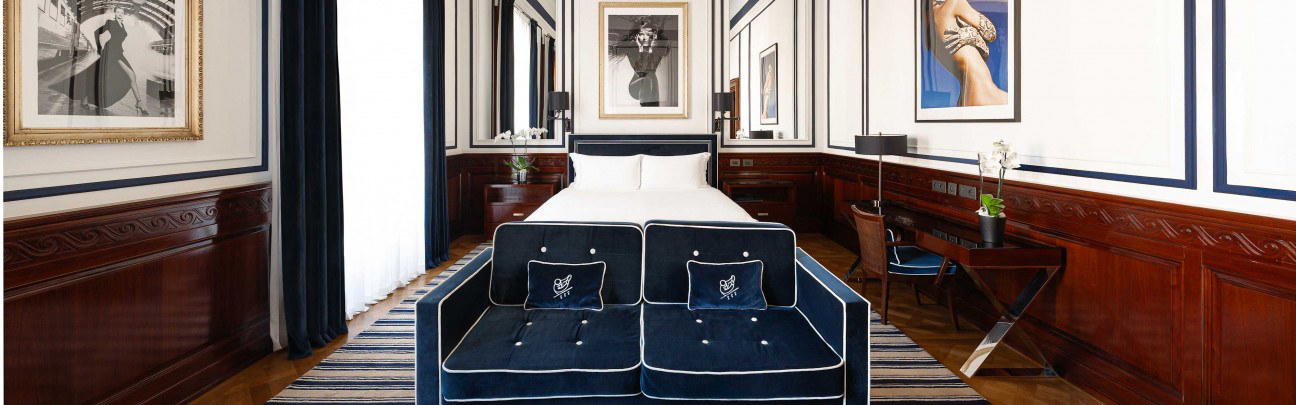
Cozy yet elegant atmosphere with welcoming lighting, ideal for intimate dinners and lively gatherings.