Our verdict
L'Amùri brings the cooking traditions of Sicily to Milan's Porta Romana district, operating at the productive friction between island ingredient culture and the continental techniques that define the city's restaurant scene. In a city where Sicilian cuisine rarely gets serious treatment, this address on Via Maestri Campionesi makes a case for the depth of the island's pantry on northern Italian terms.

Pearl is the En Primeur Club membership app, where members save venues, book tables and use the concierge.

The menu
What to order
- Pasta Busiate
- Paccheri with Swordfish
- Arancino al Nero di Seppia
- Sarde a Beccafico
Sicily in the North: What L'Amùri Represents in Milan's Dining Scene
Milan's relationship with southern Italian cooking is complicated. The city absorbs influences from every corner of the peninsula, yet genuinely Sicilian restaurants operating at a considered level remain scarce. Most trattorias billing themselves as Sicilian lean on tourist-facing shortcuts: arancini on every table, cannoli for dessert, caponata from a jar. L'Amùri, on Via Maestri Campionesi in Porta Romana, occupies a different position. The name itself, a Sicilian dialect word for love, signals an intent to treat the island's cooking as a tradition worth representing accurately rather than abbreviating for a mainland audience.
Porta Romana sits south of the city centre, a neighbourhood that has drawn a younger, food-literate dining crowd over the past decade as rents in Navigli and Brera climbed. It is not the address you would choose if your ambition were to perform proximity to Milan's fine dining establishment. That separation is part of the editorial point. Venues like Enrico Bartolini, Cracco in Galleria, Andrea Aprea, and Seta operate within the city's established luxury circuit. L'Amùri operates outside it, by choice and by culinary geography.
The Ingredient Politics of Sicilian Cooking in a Northern Kitchen
The editorial angle that makes L'Amùri worth examining is not sentiment but technique. Sicilian cuisine carries one of the most complex ingredient histories on the peninsula: Arab sugar culture in the dessert tradition, Spanish influence in the use of almonds and saffron, North African crossovers in the use of couscous in the Trapani province, and a fish-forward pantry shaped by millennia of Mediterranean commerce. When that tradition moves north, the question is always what gets lost and what gets sharpened.
At its most persuasive, the intersection of Sicilian ingredients with continental technique produces cooking that the island's own trattoria culture rarely attempts. The slow braises and structured sauces of northern Italian kitchens sit in productive tension with the raw, sunlit directness of Sicilian produce: the saline intensity of Mazara del Vallo prawns, the sweetness of Pachino tomatoes, the bitterness of Bronte pistachios. When those ingredients are handled with the precision that Milan's dining scene demands, the results occupy a register that neither pure Sicilian nor pure Milanese cooking reaches alone. This is the same tension that has made Italian regional cooking, at its most serious, one of the most intellectually interesting categories in European dining. Compare the way Osteria Francescana in Modena or Piazza Duomo in Alba treat local ingredients with global methodology, and you begin to understand the framework L'Amùri is working within, even at a more accessible level.
Italy's most decorated kitchens have long demonstrated that regional specificity and technical ambition are not opposing forces. Le Calandre in Rubano, Uliassi in Senigallia, Reale in Castel di Sangro, and Dal Pescatore in Runate each built their reputations on exactly this principle. What distinguishes L'Amùri is that it applies this logic to a cuisine that is chronically underrepresented at any serious level in Milan specifically.
Placing L'Amùri in Milan's Broader Regional Cooking Picture
Milan has a particular relationship with restaurants that operate on regional identity rather than pan-Italian eclecticism. The city's highest-profile openings tend toward internationalist ambition: creative tasting menus, imported techniques, globally sourced ingredients. Restaurants anchored to a single Italian region operate as a counter-current. When they work, they work because the cooking is specific enough to educate rather than merely evoke. Verso Capitaneo represents a related impulse within the creative tier. L'Amùri operates at a different price and format register, but the underlying editorial question is the same: can a restaurant make a convincing case for a regional tradition in a city that tends to flatten regional differences into generic Italian?
Internationally, the model has proven durable. Le Bernardin in New York City built its identity on French technique applied to seafood with an almost monastic consistency. Atomix in New York City demonstrated that Korean culinary tradition could be articulated through a formal tasting structure without compromising specificity. The common thread is commitment to a culinary identity that is clearly defined rather than aspirationally diffuse. L'Amùri's Sicilian focus, if executed with comparable seriousness, places it in that lineage of regionally committed cooking. Even Atelier Moessmer Norbert Niederkofler in Brunico and Enoteca Pinchiorri in Florence have built world-recognised programmes around the integrity of a specific ingredient territory.
Planning a Visit: Practical Notes
L'Amùri sits at Via Maestri Campionesi, 30, in the Porta Romana area of Milan, a district accessible by tram and metro from the city centre. For a full overview of where this address fits within Milan's dining options across price points and formats, the EP Club Milan restaurants guide provides broader context. Given the sparse formal data available on booking format, hours, and pricing, contacting the restaurant directly before visiting is advisable, particularly for groups or visits during the summer months when Milan's dining scene contracts as residents leave the city. Porta Romana restaurants at this positioning tend to run fuller books mid-week during the fashion and design weeks in April and September, when the city's visitor density spikes sharply. Arriving with a reservation rather than a walk-in expectation applies to most restaurants in this neighbourhood during those periods. Casa Perbellini 12 Apostoli in Verona and Quattro Passi in Marina del Cantone offer useful comparative reference points for understanding how seriously regarded Italian regional restaurants handle the booking question at different scales.
Frequently asked questions
What's L'Amùri Sicilian Restaurant's location?
L'Amùri Sicilian Restaurant is located at Via Maestri Campionesi, 30, 20135 Milano MI, Italy, Milan.
How does L'Amùri differ from other Italian restaurants in Milan's Porta Romana district?
L'Amùri operates under a single-region remit, Sicilian cooking specifically, rather than the broader Italian or Milanese menu format common across Porta Romana. Sicily's culinary tradition draws on Arab-Norman and Mediterranean influences that produce a distinct ingredient palette: think citrus, saffron, sardines, and preserved vegetables in combinations rarely seen in northern Italian kitchens. That regional discipline, applied in Milan's 20135 zone, gives L'Amùri a different reference point from most neighbours on the city's restaurant circuit.
What's the signature dish at L'Amùri Sicilian Restaurant?
What the kitchen's identity makes clear is a commitment to Sicilian regional cooking, a tradition built around ingredients like capers, wild fennel, bottarga, and citrus with deep Arab-Norman influences. For current dishes, contacting the restaurant directly or checking recent reviews is the practical approach.
Can I walk in to L'Amùri Sicilian Restaurant?
Walk-in availability at L'Amùri is not documented, and for a neighbourhood restaurant in Milan's Porta Romana area with a focused regional identity, demand can outpace capacity. Reaching out ahead of your visit, particularly for weekend evenings, is the safer approach. The address is Via Maestri Campionesi, 30, in the 20135 postal zone.
What's the standout thing about L'Amùri Sicilian Restaurant?
The clearest point of distinction is the specificity of the brief: L'Amùri operates as a Sicilian restaurant in Milan, not a pan-Italian one. That means the kitchen is accountable to a tradition with genuine complexity, centuries of Arab, Norman, and Spanish influence layered into one of Italy's most ingredient-driven regional cuisines. In a city where most restaurants hedge toward eclecticism, that kind of disciplined regional focus is relatively rare.
Can L'Amùri Sicilian Restaurant accommodate dietary restrictions?
Sicilian cooking does rely heavily on seafood, cured meats, and wheat-based preparations, which may present constraints for certain dietary requirements. Contacting the restaurant before booking is the most reliable way to confirm what they can accommodate.
Is a meal at L'Amùri Sicilian Restaurant worth the investment?
The case for visiting rests on context: genuinely Sicilian regional cooking is hard to find in Milan at any price point, and the Porta Romana location at Via Maestri Campionesi, 30 places it in a neighbourhood with a practical, non-tourist dining culture. For guests specifically seeking Sicilian cuisine rather than a general Italian experience, that specificity carries its own value.
Peers You’d Cross-Shop
Comparable venues nearby, for context on price, style, and recognition.
| Venue | Cuisine | Price | Awards | Notes |
|---|---|---|---|---|
| L'Amùri Sicilian RestaurantThis venue (the venue you are viewing) | Authentic Sicilian Seafood | $30–50 | Not listed | Not listed |
| Le Terrazze Restaurant | Traditional Italian with Lombard specialties | $50–100 | Not listed | Buenos Aires - Porta Venezia - Porta Monforte |
| Garden Loft | Modern Italian Fine Dining | $50–100 | Michelin Plate | Bovisa |
| Stadera Gastronomia | Campania-Inspired Italian Gastronomia | $30–50 | Not listed | Guastalla |
| Maio Restaurant | Modern Italian with Duomo Views | $50–100 | Not listed | Duomo |
| Cantina Piemontese | Traditional Piedmontese and Italian | $50–100 | Star Wine List | Duomo |
Continue exploring
More in Milan
Restaurants in Milan
All restaurants in Milan →
Bars in Milan
All bars in Milan →
Details
- Elegant
- Cozy
- Sophisticated
- Intimate
- Date Night
- Special Occasion
- Family
- Open Kitchen
- Extensive Wine List
- Local Sourcing
- A La Carte
- Sicilian Wines
- Vegetarian Friendly
Current opening hours
- Monday
- 7:30–11 PM
- Tuesday
- 12:30–3 PM, 7:30–11 PM
- Wednesday
- 12:30–3 PM, 7:30–11 PM
- Thursday
- 12:30–3 PM, 7:30–11 PM
- Friday
- 12:30–3 PM, 7:30–11 PM
- Saturday
- 12:30–3 PM, 7:30–11 PM
- Sunday
- 12:30–3 PM
Hours can change for holidays and private events. Hours as of .
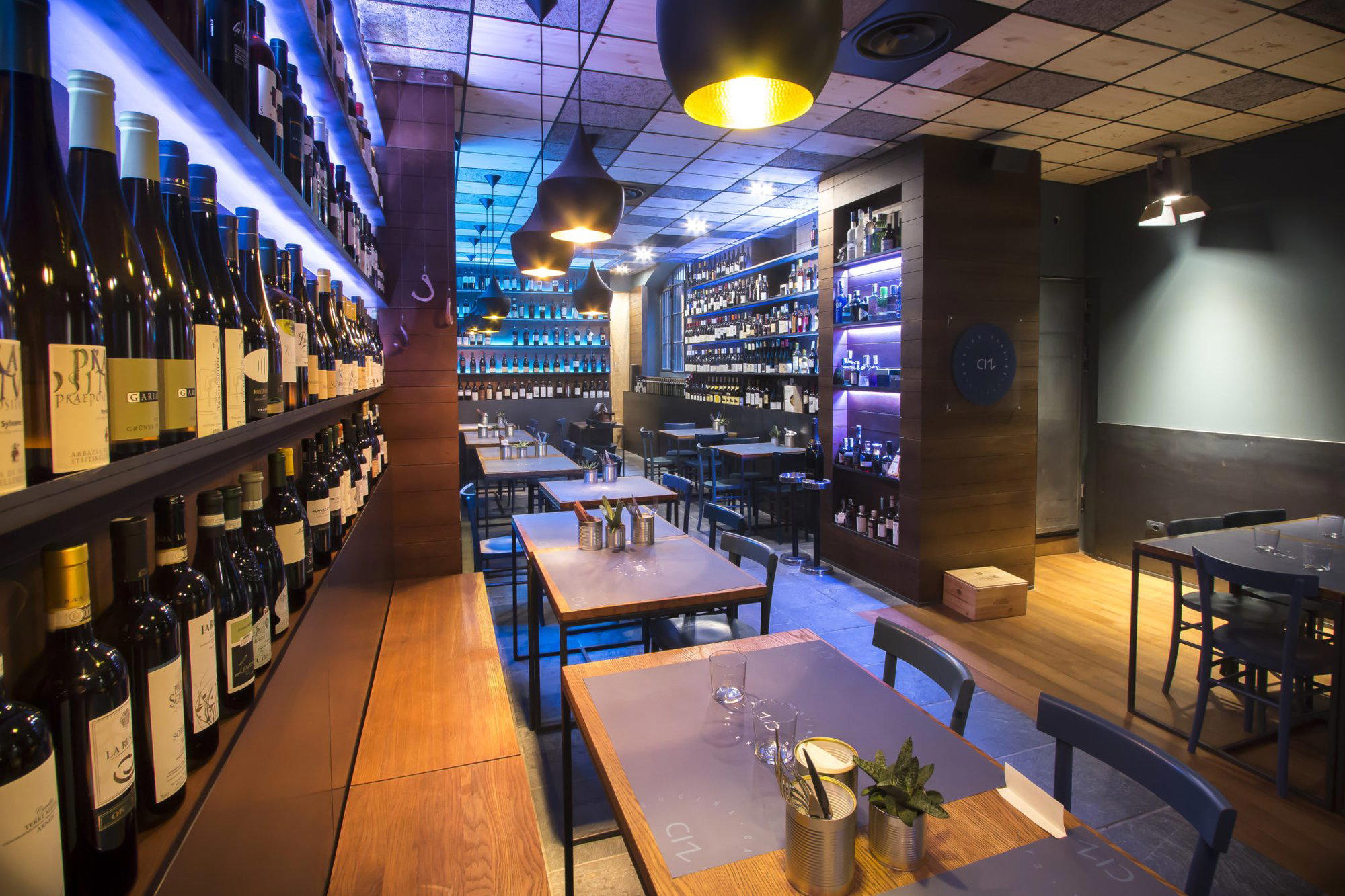
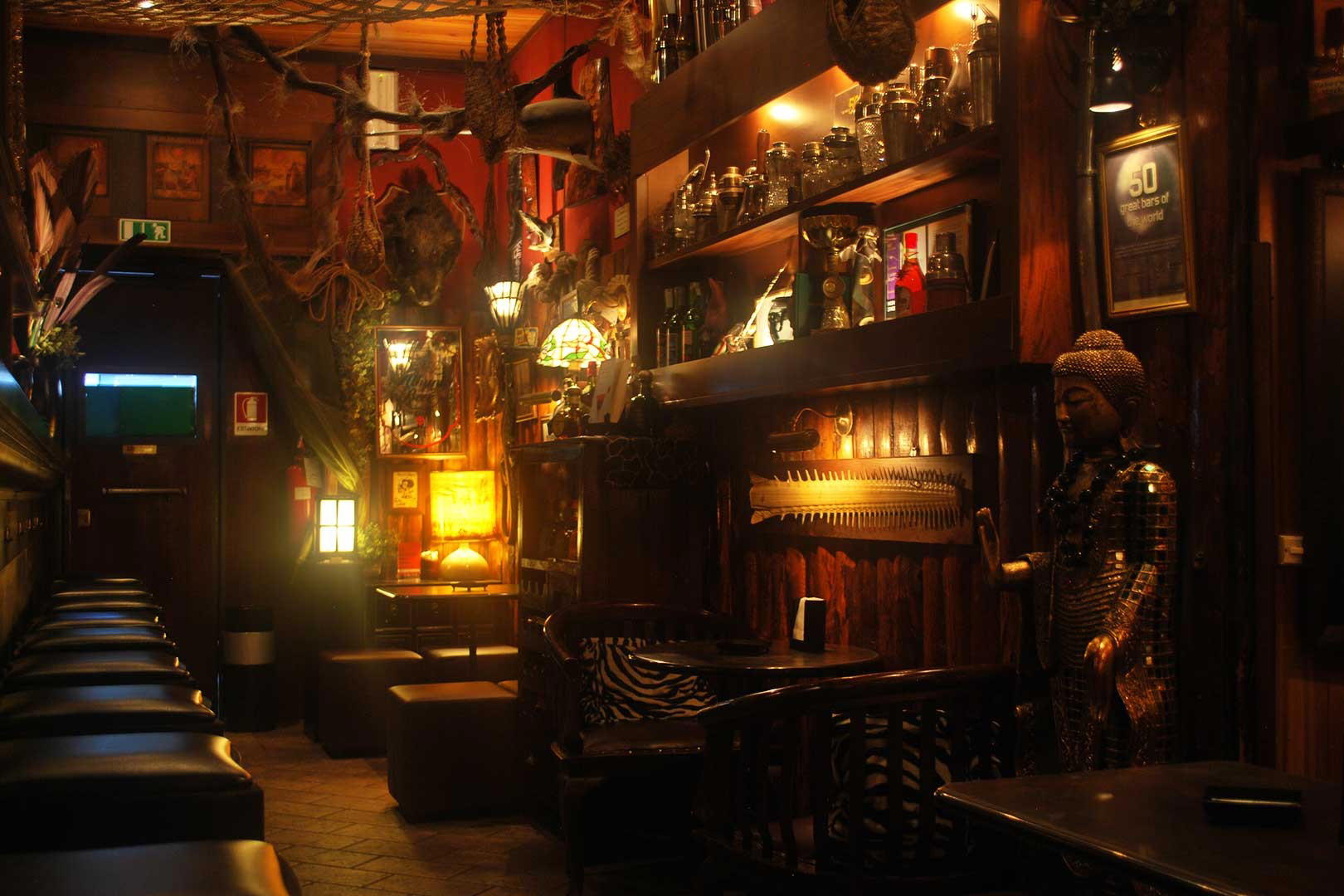
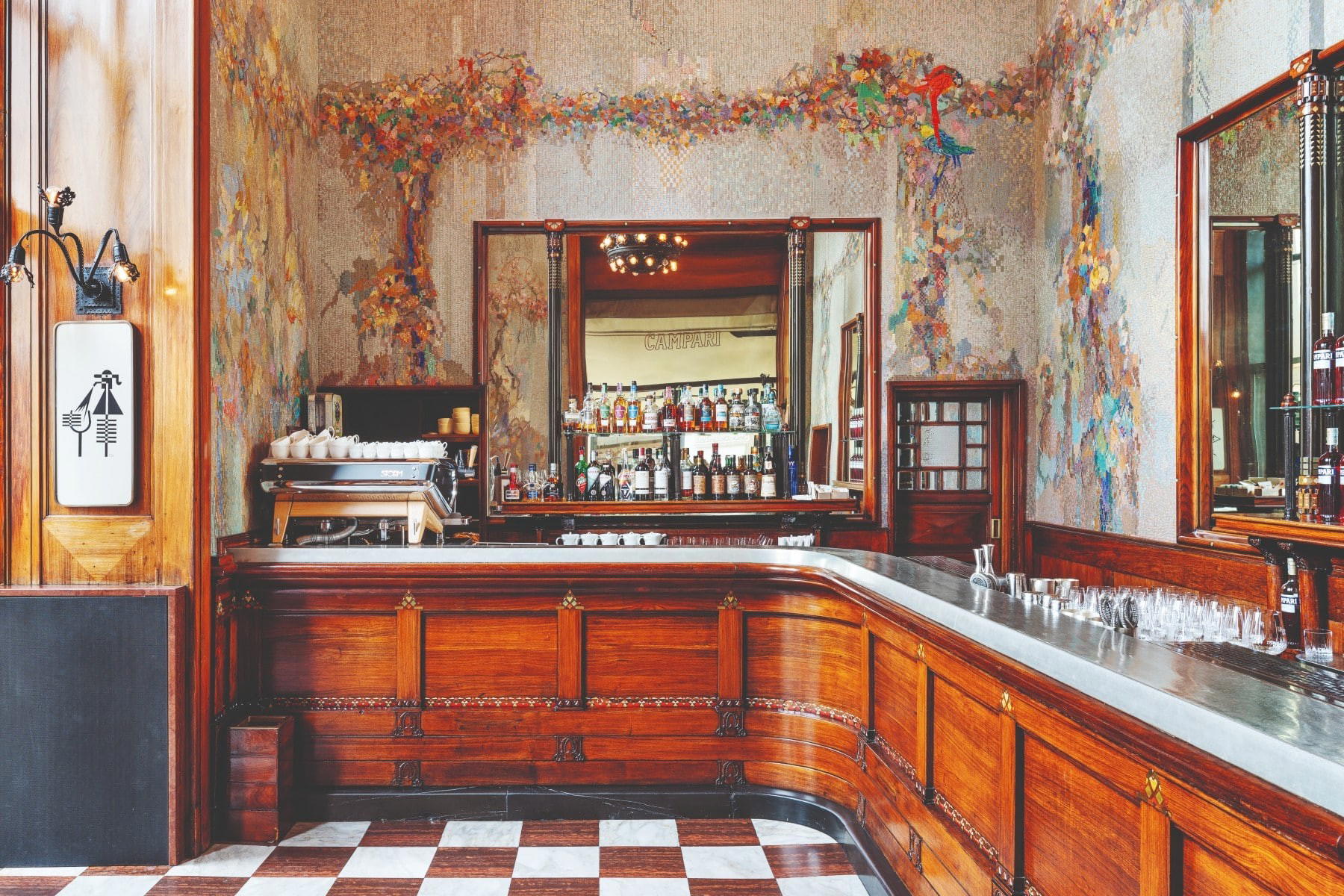
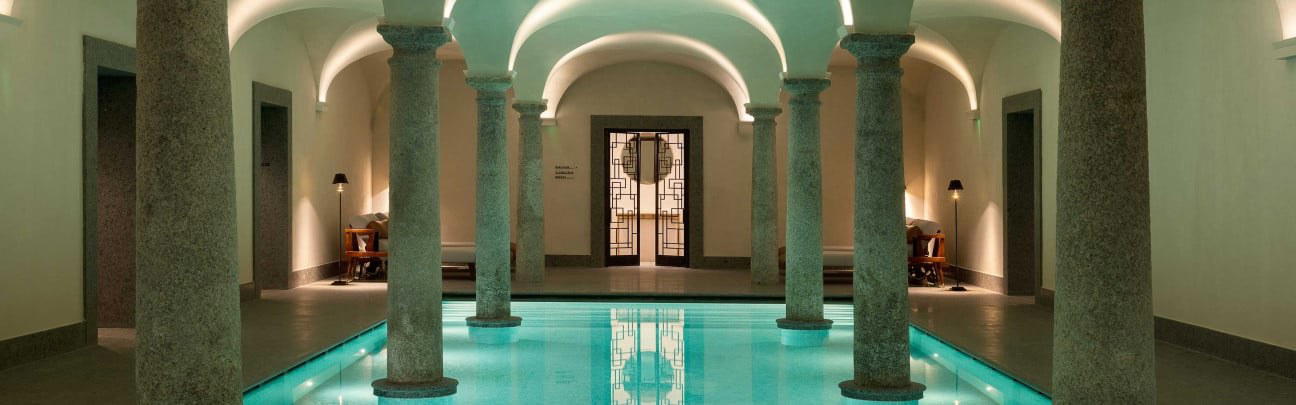
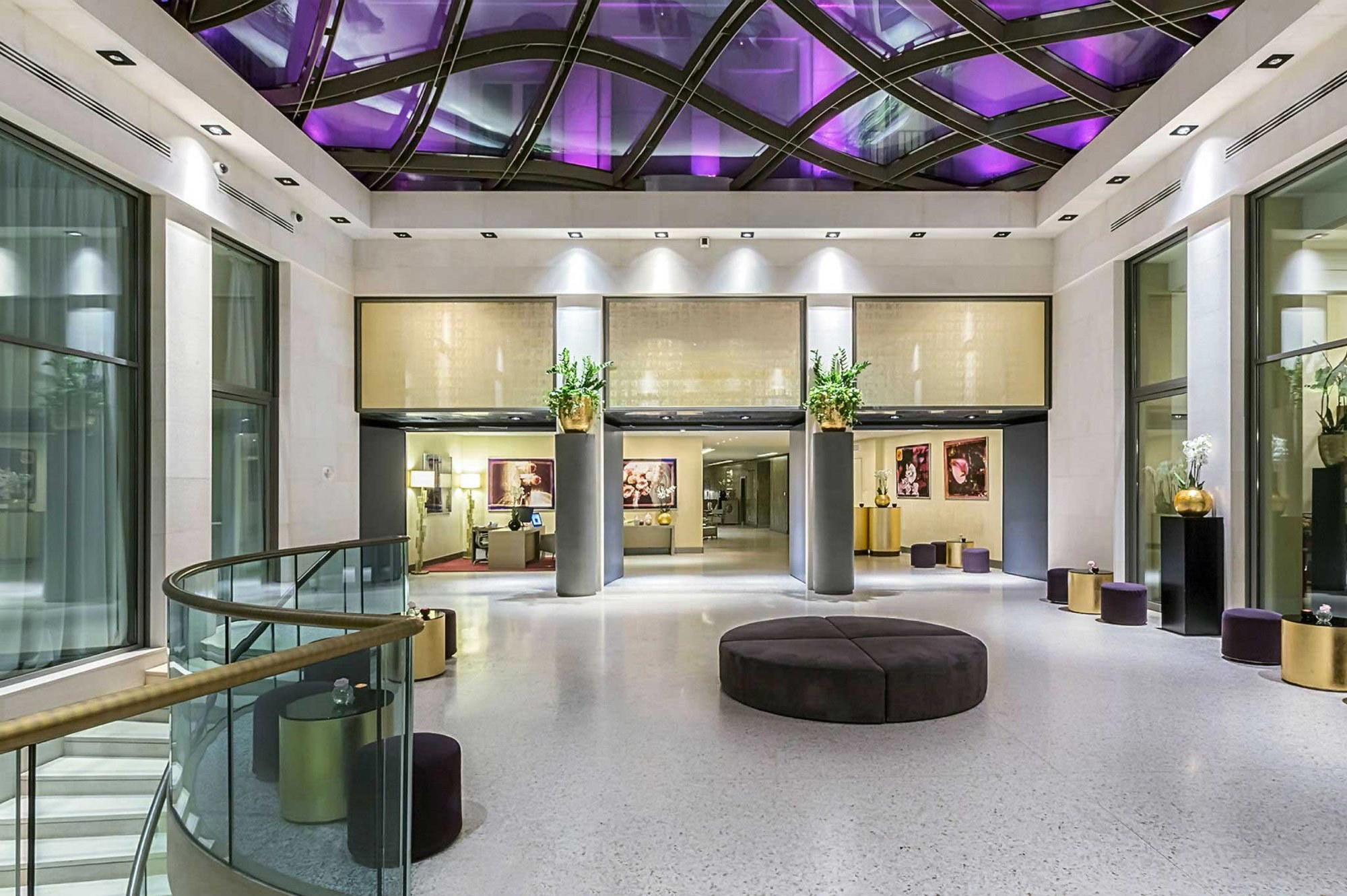
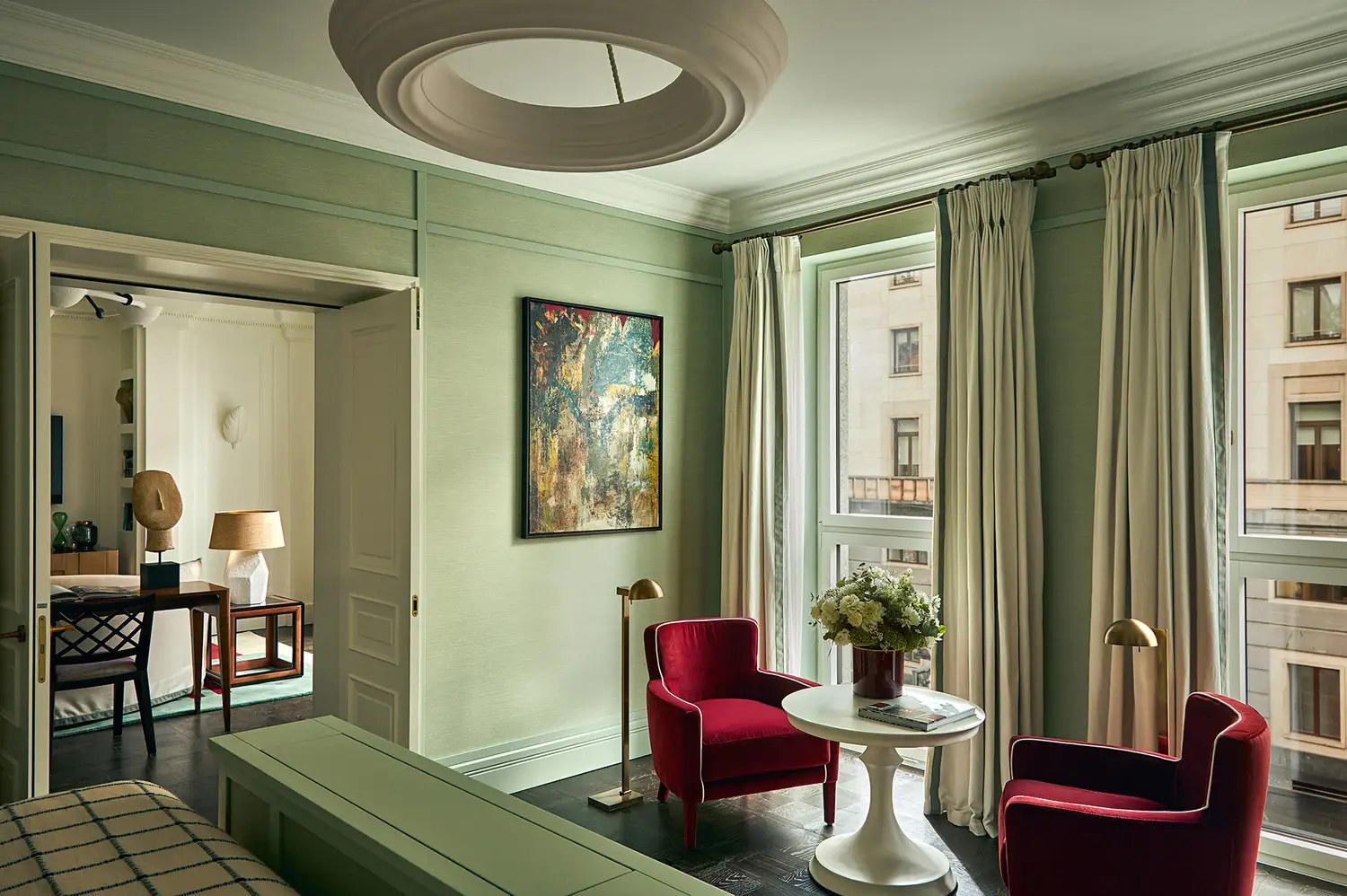
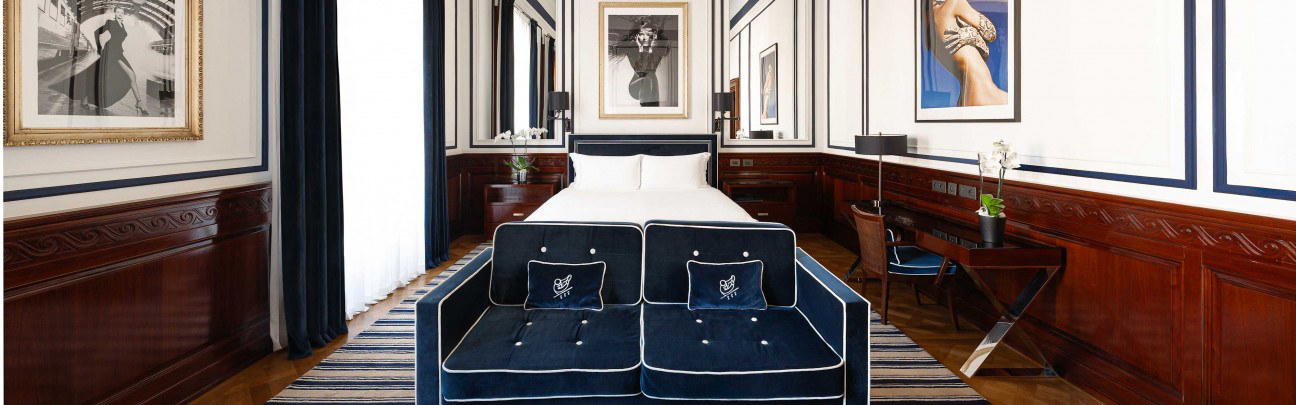
Refined design with welcoming Sicilian hospitality, balancing elegance and authenticity in a cozy atmosphere.