Set on Aðalstræti in the heart of Reykjavik's old town, Fiskmarkaðurinn (Fish Market) is one of the city's most established seafood addresses, where Icelandic fish cookery meets Asian-influenced technique. The address has tracked Reykjavik's dining evolution closely, shifting from direct fish service to a more considered, fusion-inflected format that now positions it squarely in the capital's premium casual tier.
Pearl is the En Primeur Club membership app — saves, bookings, and concierge access live there. Same editors, same standards.
- Address
- Aðalstræti 12, 101 Reykjavík, Iceland
- Phone
- +354 578 8877
- Website
- fiskmarkadurinn.is
- Directions
- Get directions
 Saves & bookings on Pearl
Where Reykjavik's Seafood Tradition Meets Its Own Reinvention
Fiskmarkaðurinn / Fish Market is a restaurant in Reykjavík, Iceland, at Aðalstræti 12, with. Aðalstræti is one of Reykjavik's oldest streets, a short stretch of the capital's original settlement where the layers of the city's past sit close to the surface. Restaurants here do not exist in a vacuum: they operate against a backdrop of centuries of Icelandic fishing culture, a relatively recent tradition of fine dining, and an increasingly international visitor base that now expects both authenticity and ambition from a fish restaurant. Fiskmarkaðurinn, which translates directly as Fish Market, occupies this precise tension. It is an address that has had to evolve as Reykjavik's dining expectations have changed around it, and understanding that evolution is more useful than a simple description of what is on the plate.
How Reykjavik's Seafood Scene Changed the Terms
Iceland's relationship with fish is foundational rather than fashionable. Cod, haddock, Arctic char, langoustine, and skyr-cured preparations have fed Icelanders for generations, and the country's fishing grounds remain among the more carefully managed in the North Atlantic. For decades, however, that abundance translated into domestic cooking that was functional rather than refined. The shift began in the early 2000s, when a handful of Reykjavik kitchens began treating Icelandic ingredients with the kind of technical ambition previously reserved for imported produce. Fiskmarkaðurinn arrived in that context, positioning Icelandic seafood as a premium subject worthy of serious kitchen attention.
What distinguished the restaurant from early competitors was a willingness to look beyond European technique. Where many Reykjavik kitchens of that era defaulted to French or Scandinavian frameworks, Fish Market brought Asian influences into the kitchen, particularly Japanese and Southeast Asian approaches to raw fish, dipping sauces, and sharing formats. That was a meaningful departure in a city where the dining culture was still consolidating. It also proved durable. The sharing-plate format and Asian-inflected seafood preparation that felt novel in Reykjavik fifteen years ago have since become a recognisable strand of the capital's mid-to-premium dining, and Fish Market can claim early-mover status in that shift.
The Evolution of the Menu Format
The clearest measure of how a restaurant has genuinely reinvented itself, rather than simply refreshed its branding, is the structure of the menu. Fish Market's format has moved across distinct phases. The early version leaned into sushi and raw-bar preparations as the signature gesture. Over time, the kitchen broadened to incorporate more cooked dishes, giving the menu a wider span that now covers warm sharing plates alongside raw and cured preparations. That shift reflects both kitchen maturity and a reading of how Reykjavik diners have changed: the city now has a more experienced dining public that can hold multiple references at once, and does not need a single high-concept hook to orient itself.
This kind of format evolution is visible across Reykjavik's serious seafood addresses. DILL in Reykjavík has moved through similar reinventions in how it frames New Nordic cuisine, and the Chef's Table at Moss Restaurant represents the destination-dining end of that same evolution, where location and format combine with serious technique. Fish Market sits between those poles: more accessible than a tasting-menu destination, more considered than a casual fish house.
Where It Sits in Reykjavik's Current Competitive Set
Reykjavik's premium dining tier has densified considerably over the past decade. Addresses like Bon Restaurant and Brút have added competition at the serious end of the market, while Amma Don and Bergsson Mathús represent the more casual, ingredient-led alternatives that now give diners real choice at every price point. In that context, Fish Market's position is earned rather than assumed. The restaurant's longevity on Aðalstræti is itself a credential in a city where dining addresses turn over at a pace consistent with any major European capital.
The comparison with international fish-focused restaurants is also instructive. At the technically rigorous end, kitchens like Le Bernardin in New York City have defined what it means to treat seafood as a fine-dining subject, while experiential formats like Lazy Bear in San Francisco have shown how narrative and place can be as important as technique. Fish Market does not position against either extreme. Its frame of reference is more specifically Icelandic: what does this country's extraordinary marine larder look like when treated with ambition and some international cross-referencing? That is a narrower, more grounded question, and it is the right one to ask on Aðalstræti.
Beyond Reykjavik, Iceland's wider dining spread is worth knowing. Moss in Grindavík brings geothermal-landscape drama to the dining experience, Fjöruborðið in Stokkseyri is the coastal langoustine institution that long-term Iceland visitors return to repeatedly, and Friðheimar in Reykholt offers a geothermal greenhouse format that represents a completely different strand of Icelandic food culture. Strikið in Akureyri anchors the north's dining scene. Each of these addresses reflects a specific regional or conceptual logic, and Fish Market's urban, fusion-inflected approach looks different when set against that spread.
Planning Your Visit
Fish Market is located at Aðalstræti 12, in the 101 postcode that covers central Reykjavik and is walkable from most of the capital's hotels and guesthouses. The address is in the older part of the city centre, close to the lake and the tourist corridors around Austurvöllur, which means it draws a mixed crowd of visitors and locals. Booking in advance is advisable during summer months, when the city's visitor numbers peak substantially, and during northern lights season from September through March, when visitor patterns shift but volume remains high.
Those building an itinerary around Reykjavik's food culture should also note Bæjarins Beztu Pylsur as the capital's most famous street-food counter, a useful reference point for understanding the full span of Icelandic eating culture from hotdog stand to serious seafood restaurant. And for context beyond the capital, Nesjavallavirkjun in Selfoss, Malai-Thai in Keflavik, and Von Mathús-Bar in Hafnarfjörður represent the regional picture immediately surrounding Reykjavik, each operating in a different register from the capital's central addresses. Emeril's in New Orleans offers a useful international parallel for thinking about seafood-focused restaurants that have navigated long runs and multiple reinventions in competitive dining cities.
Reputation First
Comparable venues nearby, for context on price, style, and recognition.
| Venue | Cuisine | Price | Awards | Notes |
|---|---|---|---|---|
| Fiskmarkaðurinn / Fish MarketThis venue — the venue you are viewing | Modern Icelandic Seafood with Asian Fusion | $$$$ | Not listed | Not listed |
| Brút | Modern Icelandic Seafood | $$$$ | Not listed | Reykjavíkurborg |
| Sjávargrillið | Modern Icelandic Seafood Grill | $$$ | Not listed | Reykjavíkurborg |
| Höfnin Restaurant | Classic Icelandic Seafood | $$$ | Not listed | Reykjavíkurborg |
| TIDES | Modern Nordic Seafood | $$$$ | Michelin Plate | Reykjavíkurborg |
| Fiskmarkaðurinn / Fish Market | Dining | $$$$ | Not listed | Reykjavíkurborg |
Continue exploring
More in Reykjavík
Restaurants in Reykjavík
Browse all →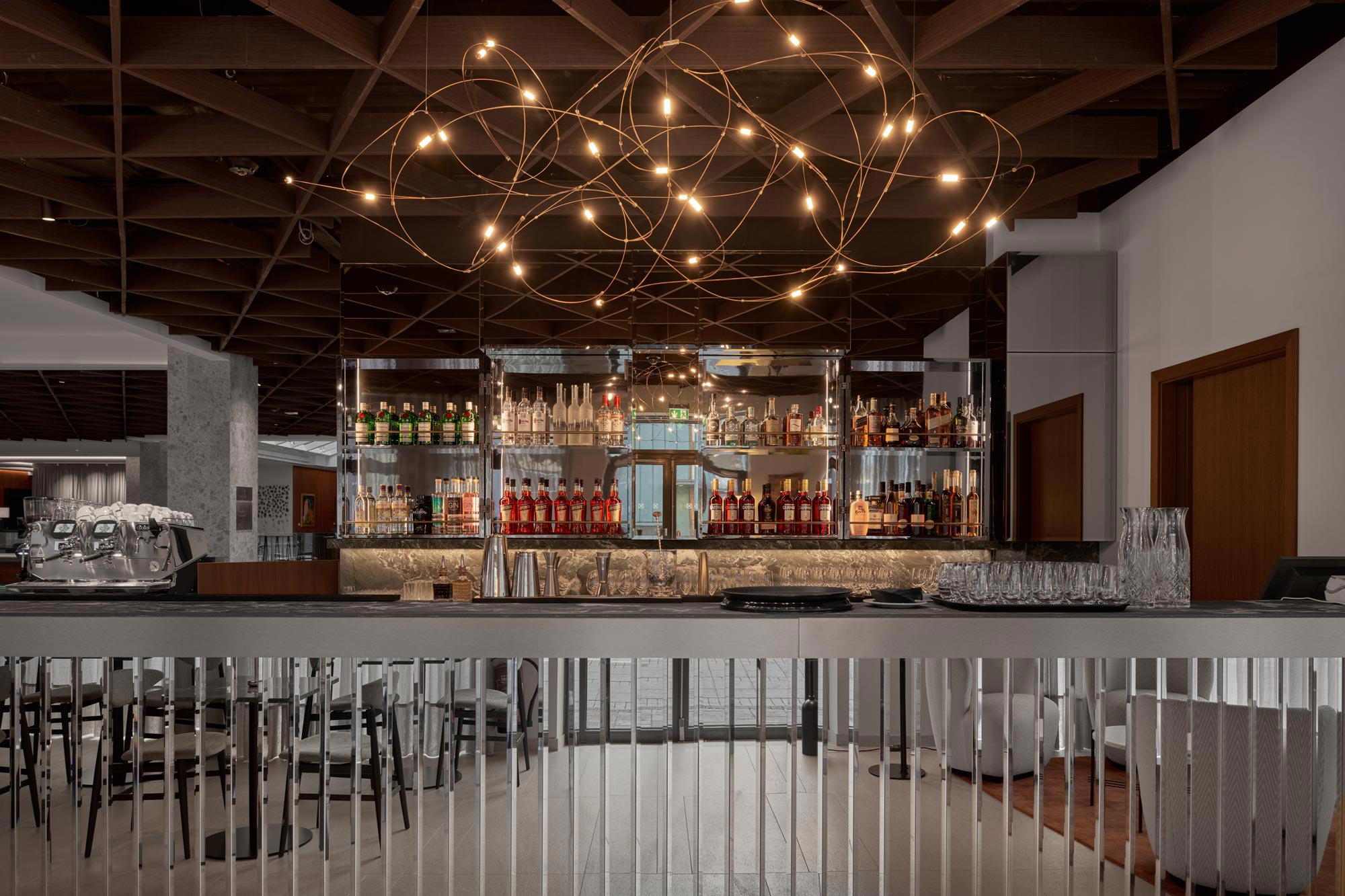
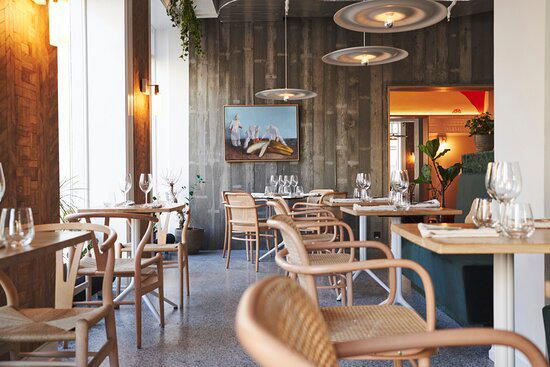
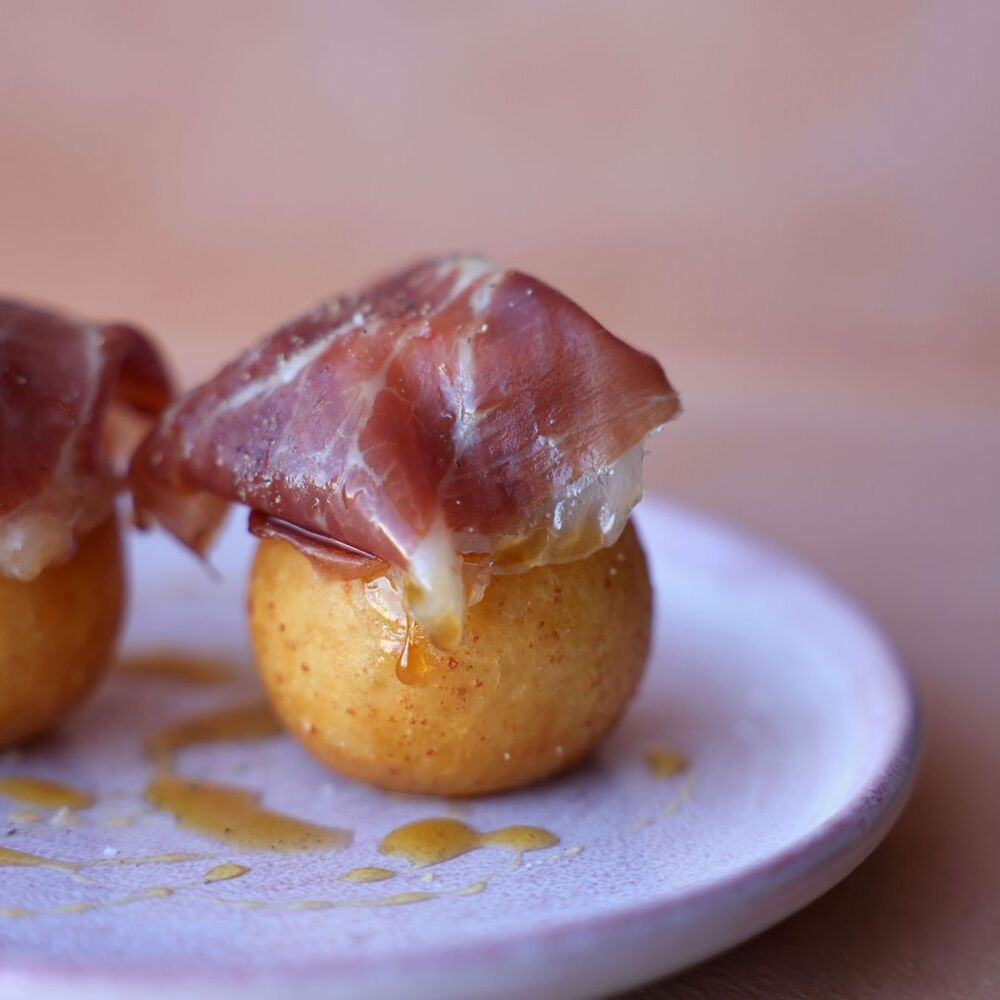
Bars in Reykjavík
Browse all →

At a Glance
- Modern
- Elegant
- Sophisticated
- Date Night
- Special Occasion
- Open Kitchen
- Extensive Wine List
- Local Sourcing
- Sustainable Seafood
Current opening hours
- Monday
- 5–10 PM
- Tuesday
- 5–10 PM
- Wednesday
- 5–10 PM
- Thursday
- 5–10 PM
- Friday
- 5–10:30 PM
- Saturday
- 5–10:30 PM
- Sunday
- 5–10 PM
Hours can change for holidays and private events. Last verified .
Asian-inspired modern décor with open sushi bar, stylish and welcoming atmosphere.