





Iceland's only Michelin-starred restaurant, DILL on Laugavegur 59 holds a single star (2024 to 2025) and a La Liste score of 77 points for 2026. Chef Gunnar Karl Gíslasson builds tasting menus around foraged and farmed Icelandic ingredients, with décor, dried plants gathered by the kitchen team, that extends that foraging logic into the room itself. No standard menu is available; vegetarians should notify on booking.
Pearl is the En Primeur Club membership app — saves, bookings, and concierge access live there. Same editors, same standards.
- Address
- Laugavegur 59, 101 Reykjavík, Iceland
- Phone
- +354 552 1522
- Website
- dillrestaurant.is
- Directions
- Get directions
 Saves & bookings on Pearl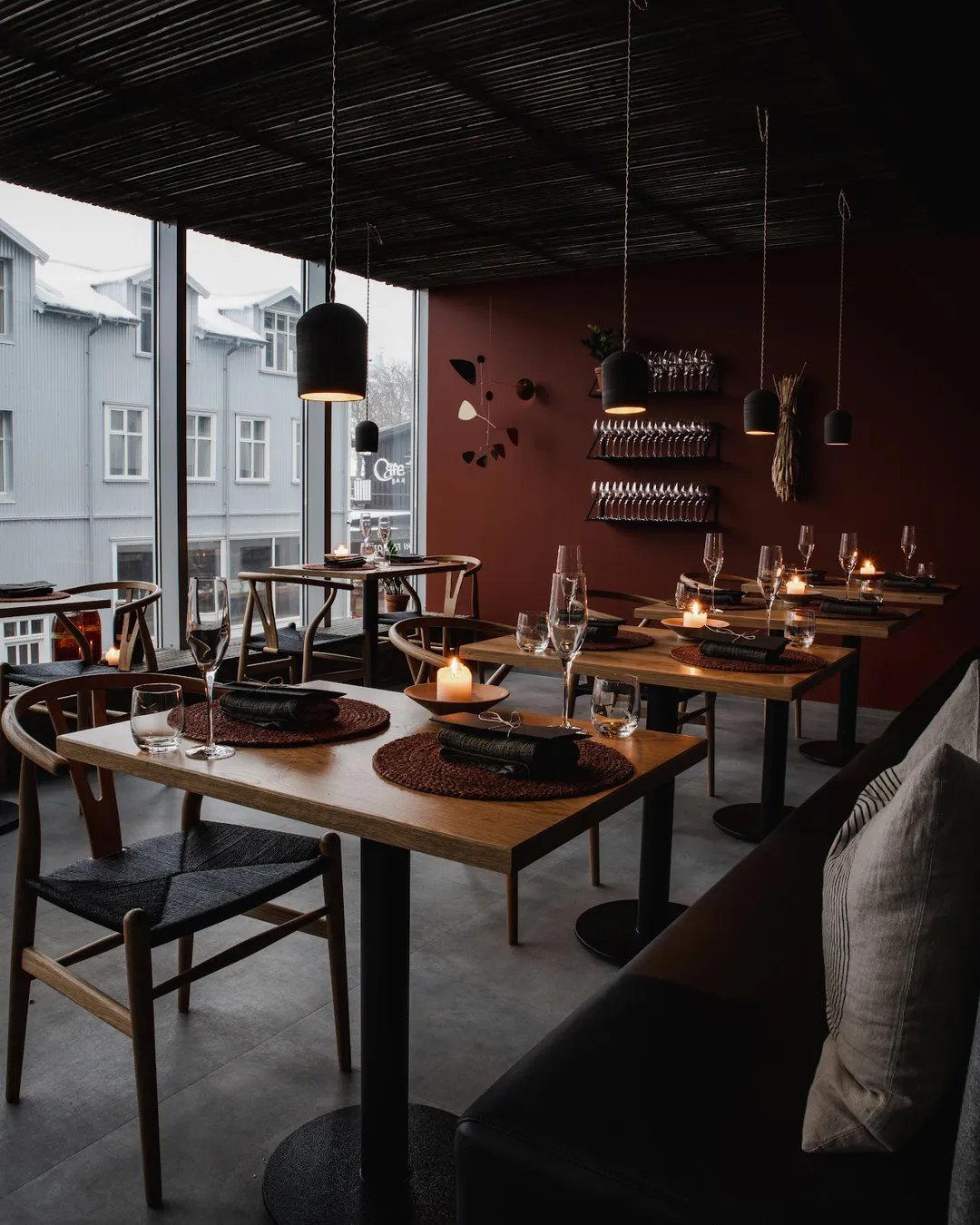
Dining at the Edge of the Boreal Calendar
Iceland's culinary position has always been shaped by an extreme clock. In June, the sun barely sets; in December, daylight lasts four hours. That cycle does more to define what ends up on a plate in Reykjavík than any chef's aesthetic preference. Fermentation, smoking, salt-curing, and root-cellar storage were not techniques borrowed from Scandinavian fashion, they were the only options available for most of Iceland's habitation. What the New Nordic movement did, from Copenhagen outward, was reframe that necessity as philosophy. DILL is a one-star restaurant in Reykjavík, Iceland, at Laugavegur 59, with chef Gunnar Karl Gíslasson guiding a New Nordic Tasting Menu.
The restaurant is Iceland's sole Michelin-starred venue. That singular status is not just a bragging point, it tells you something structural about Iceland's dining scene. The country's geography and population (roughly 370,000 people, with Reykjavík holding about half) make the economics of fine dining difficult at scale. There is no cluster of starred addresses here as there is in Copenhagen or Helsinki. DILL operates in relative isolation at the summit of that tier, which means it prices and positions itself against Nordic peers rather than a local competitive set.
What the Seasons Actually Do to the Menu
The midnight sun and polar night are not atmospheric details at DILL, they are the operating conditions. Summer brings an abundance of wild herbs, moss, crowberries, sea purslane, and lamb that has grazed on open highland pasture for months without supplemental feed. The flavour of that lamb is noticeably different from grain-finished alternatives: leaner, more mineral, with a faint grassiness that carries through to the plate. By contrast, winter menus lean into what has been preserved, dried, or cold-stored: fish that has been wind-dried on wooden racks, root vegetables, and fermented dairy that would not have survived unprepared past the first November frost.
Kitchen team forages directly, and the evidence is visible in the room itself, dried plants collected by staff hang as décor, collapsing the distance between the source landscape and the dining space. That integration is consistent with how the broader New Nordic tradition has developed, where the provenance narrative is made physical rather than simply narrated on a menu card. Comparable approaches appear at Kadeau Bornholm in Åkirkeby and Ræst in Tórshavn, where island geographies force the same logic of working with what the season provides rather than importing around it.
Where DILL Sits in the Nordic Fine Dining Tier
New Nordic movement has produced a defined upper tier across the region: multi-starred destination restaurants drawing international travel, operating on allocation booking, and priced at the summit of their national markets. Geranium in Copenhagen and RE-NAA in Stavanger represent that bracket. DILL holds Iceland's only Michelin star. Those shifts are worth watching: they suggest a critical conversation still in progress rather than a settled consensus.
Within Reykjavík, the comparison set for serious tasting-menu dining includes ÓX, which operates a Nordic modern format at the same €€€€ price tier, and Hosiló, also at €€€€ with a modern cuisine focus. For traditional Icelandic cooking without the tasting-menu format, Matur og Drykkur operates at the same price point and draws on older recipe archives for its menu logic. At the less formal end, 3 Frakkar has run a seafood-focused kitchen for decades and represents a different entry point into Icelandic ingredients. Brút rounds out the modern cuisine options in the city for those building a multi-night dining itinerary.
Beyond Reykjavík, Moss in Grindavík represents Iceland's other serious fine dining address, positioned against a geothermal landscape. The two restaurants are not in direct competition, they draw different visitor profiles, but together they define what high-end dining looks like across the country. Those interested in the wider Nordic creative cooking tradition will find parallel grammar at VYN in Simrishamn and Grön in Helsinki.
Chef Gunnar Karl Gíslasson and the Icelandic Credential
Chef Gunnar Karl Gíslasson is the name most consistently attached to the development of contemporary Icelandic fine dining as a recognised category. His identification with Icelandic produce and landscape is documented across the awards record: the Michelin citation specifically notes seasonal working methods, local ingredients, and a connection to Icelandic nature strong enough to shape the vegetable-heavy direction of the cooking. That vegetable prominence is worth flagging practically: DILL can accommodate creative vegetarian menus, but guests should communicate this in advance, as no standard menu is available on a walk-in or default basis.
The kitchen's approach places it in the lineage of Scandinavian chefs who have used Nordic identity not as marketing but as a genuine constraint, working only what the landscape provides in that season, which means the menu changes materially from visit to visit. That variability is part of the value proposition at this tier, and it is also why a second or third visit often reads as a different restaurant.
Planning a Visit
DILL operates a restricted weekly schedule that rewards advance planning. Thursday through Saturday carry both lunch (12 to 3 pm) and dinner (6 to 9:30 pm) services; Thursday adds the dinner slot only, and Monday and Tuesday the restaurant is closed entirely. The dinner format at this price tier and with this awards profile warrants booking several weeks ahead, particularly for Friday and Saturday evenings when both services run and demand from international visitors is highest. The address at Laugavegur 59 places the restaurant on Reykjavík's main commercial street, walking distance from most central accommodation.5 across 620 ratings.
Price Lens
Comparable venues nearby, for context on price, style, and recognition.
| Venue | Cuisine | Price | Awards | Notes |
|---|---|---|---|---|
| DILLThis venue — the venue you are viewing | Reykjavíkurborg, New Nordic Tasting Menu | $$$$ | Michelin 1 Star | Not listed |
| TIDES | Reykjavíkurborg, Modern Nordic Seafood | $$$$ | Michelin Plate | Not listed |
| Humarhúsið - The Lobsterhouse | Not listed | $$$$ | Not listed | Reykjavíkurborg, French-Inspired Icelandic Seafood |
| ÓX | Not listed | $$$$ | Michelin 1 Star | Reykjavíkurborg, Modern Icelandic Fine Dining |
| Sümac | Not listed | $$$$ | Michelin Plate | Reykjavíkurborg, Lebanese-Moroccan Fusion with Icelandic Ingredients |
| 3 Frakkar | Not listed | $$$ | Not listed | Reykjavíkurborg, Traditional Icelandic Seafood |
Recognition history
Dated appearances from independent guides and award organizations, with the underlying list record or original source where available.
Falstaff Restaurant - 95 Falstaff Points
Falstaff
La Liste Top Restaurants
La Liste
Michelin 1 Star
Michelin
Opinionated About Dining Top Restaurants in Europe Recommended
Opinionated About Dining
Star Wine List
Star Wine List
La Liste Top Restaurants
La Liste
Michelin 1 Star
Michelin
Opinionated About Dining Top Restaurants in Europe Ranked #466
Opinionated About Dining
We're Smart World 2 Radishes
We're Smart World
Michelin 1 Star
Michelin
Opinionated About Dining Top Restaurants in Europe Ranked #364
Opinionated About Dining
Opinionated About Dining Top New Restaurants in Europe Highly Recommended
Opinionated About Dining
Star Wine List
Star Wine List
Continue exploring
More in Reykjavík
Restaurants in Reykjavík
Browse all →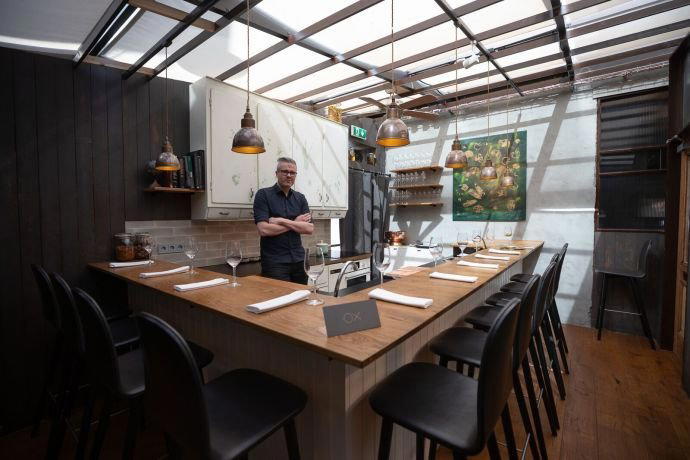
Bars in Reykjavík
Browse all →
At a Glance
- Elegant
- Intimate
- Sophisticated
- Modern
- Date Night
- Special Occasion
- Celebration
- Open Kitchen
- Chefs Counter
- Sommelier Led
- Natural Wine
- Zero Proof
- Farm To Table
- Local Sourcing
- Zero Waste
- Organic
Current opening hours
- Monday
- Closed
- Tuesday
- 6 PM–12 AM
- Wednesday
- 6 PM–12 AM
- Thursday
- 6 PM–12 AM
- Friday
- 6 PM–12 AM
- Saturday
- 6 PM–12 AM
- Sunday
- Closed
Hours can change for holidays and private events. Last verified .
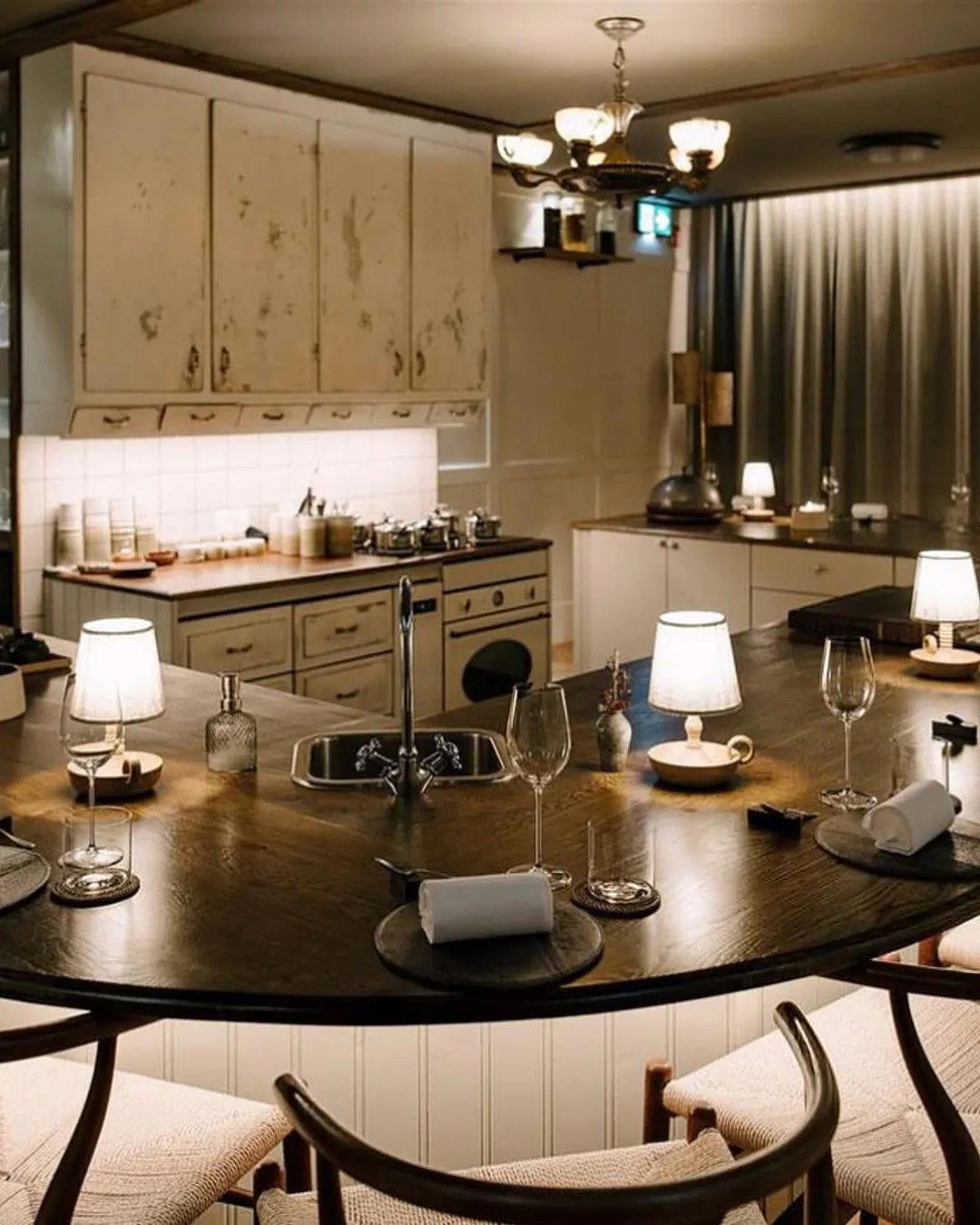
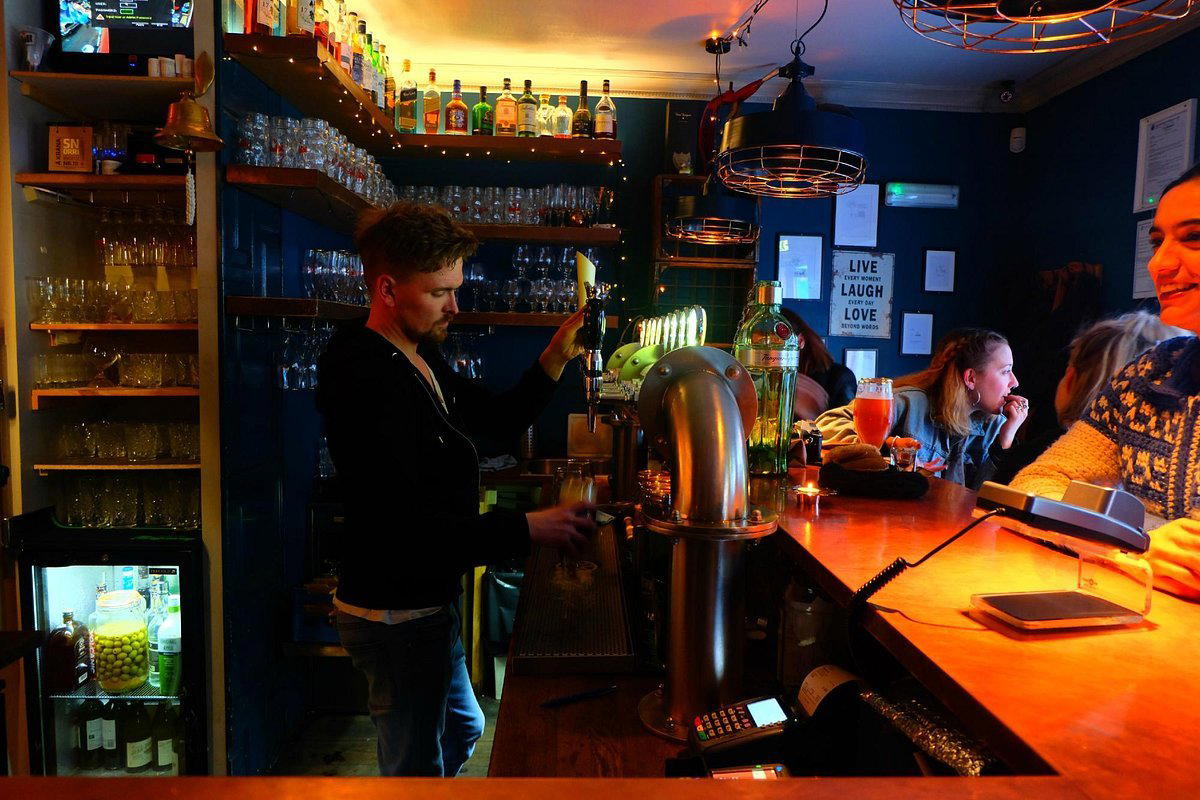
Moody, industrial decor with contemporary design; dimly lit dining room with an open kitchen visible from the chef's counter; spiral staircase entrance creates anticipation; intimate and enveloping atmosphere.