Fiskmarkaðurinn sits on Aðalstræti 12, one of Reykjavik's oldest streets, positioning it squarely within the capital's serious seafood dining tier. The restaurant draws on Iceland's fishing heritage as both ingredient source and cultural context, making it a considered choice for milestone meals where provenance and setting carry equal weight to the plate.
Pearl is the En Primeur Club membership app — saves, bookings, and concierge access live there. Same editors, same standards.
- Address
- Aðalstræti 12, 101 Reykjavík, Iceland
- Phone
- +354 578 8877
- Website
- fiskmarkadurinn.is
 Saves & bookings on Pearl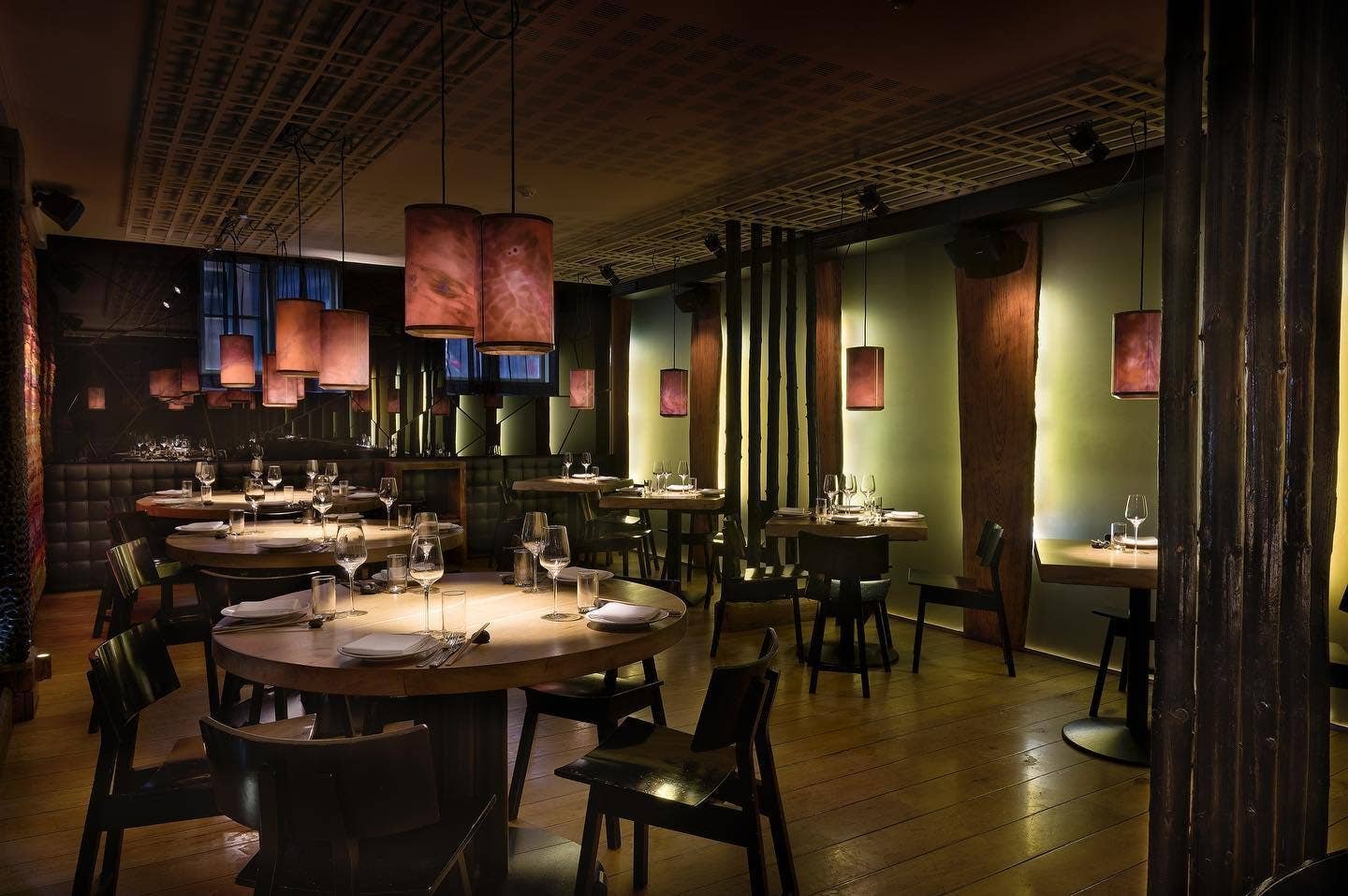
Where Old Reykjavik Meets the Serious Seafood Table
Aðalstræti is the oldest surviving street in Reykjavik, a short run of stone and timber that predates the capital's urban expansion by centuries. Restaurants on this stretch occupy a particular kind of symbolic real estate: the address alone signals that a place is positioning itself within the city's cultural core, not its tourist perimeter. Fiskmarkaðurinn, at number 12, sits inside that frame. Before a diner has considered the menu, the location has already communicated something about the register the meal is intended to occupy. Fish Market is a restaurant in Reykjavík, known for seafood and reservations are recommended.
Iceland's relationship with fish is not decorative. The country's economic identity was shaped by cod, herring, and Arctic char long before geothermal tourism and creative industries entered the picture. When a Reykjavik restaurant takes seafood as its central subject and places itself on the city's founding street, it is making an argument about continuity and seriousness. That argument either holds up across the plate or it doesn't. At this address, the surrounding context sets the bar high.
The Case for Occasion Dining in Reykjavik
Special-occasion restaurants in Reykjavik operate under conditions that differ from those in London or Copenhagen. The visitor pool skews toward people who have made a deliberate choice to travel to a cold, expensive, geographically remote island, which self-selects for a certain appetite for experience over convenience. Milestone meals here tend to carry extra weight: the Northern Lights dinner, the end-of-trek celebration, the anniversary trip that justified the transatlantic flight. Restaurants that understand this dynamic build menus and environments that can absorb that expectation without becoming theatrical about it.
Fiskmarkaðurinn has the address and the subject matter to serve that function. Seafood, handled with precision, can anchor a celebratory meal in a way that meat-led tasting menus cannot always manage in Iceland: the ingredients are local in a way that feels earned rather than manufactured, the seasons are legible in what is available, and the format invites the kind of pacing that long, meaningful dinners require.
For travelers planning a milestone meal in the capital, the practical timing question matters as much as the menu. Reykjavik's dining scene compresses into a relatively small downtown core, and the better-regarded tables on Aðalstræti and the streets immediately around it tend to fill at pace during summer and holiday periods. Booking ahead, rather than arriving on the assumption that a table will be available, is the operating assumption across this tier of the city's restaurants.
Icelandic Seafood as a Category, Not a Cliché
The Nordic seafood dining movement that drew international attention through Copenhagen and later spread to Reykjavik established a set of expectations: hyperlocal sourcing, minimal intervention, visual restraint, and a willingness to foreground ingredients that would previously have been considered too humble for a serious table. Arctic char, skate, langoustine, and various cured fish preparations entered fine dining menus not as novelties but as primary subjects.
Reykjavik's leading seafood restaurants sit inside that tradition while also reflecting Iceland's own fishing culture, which is distinct from Denmark's coastal cuisine in both ingredient access and culinary history. The cold, clean waters around Iceland produce shellfish and white fish with a particular texture and salinity, and kitchens that work with those ingredients directly rather than importing from further afield are communicating something specific about provenance. That specificity is precisely what gives a celebratory meal in this category its narrative: you are eating what this place, at this latitude, in this season, actually produces.
Across Reykjavik's serious dining tier, seafood restaurants are differentiated less by the species on the menu and more by the precision of the sourcing relationship, the technical vocabulary of the kitchen, and the extent to which the room is calibrated for the kind of conversation that a long dinner demands. These are the variables that separate a good meal from one that holds up as a memory.
The Broader Reykjavik Night
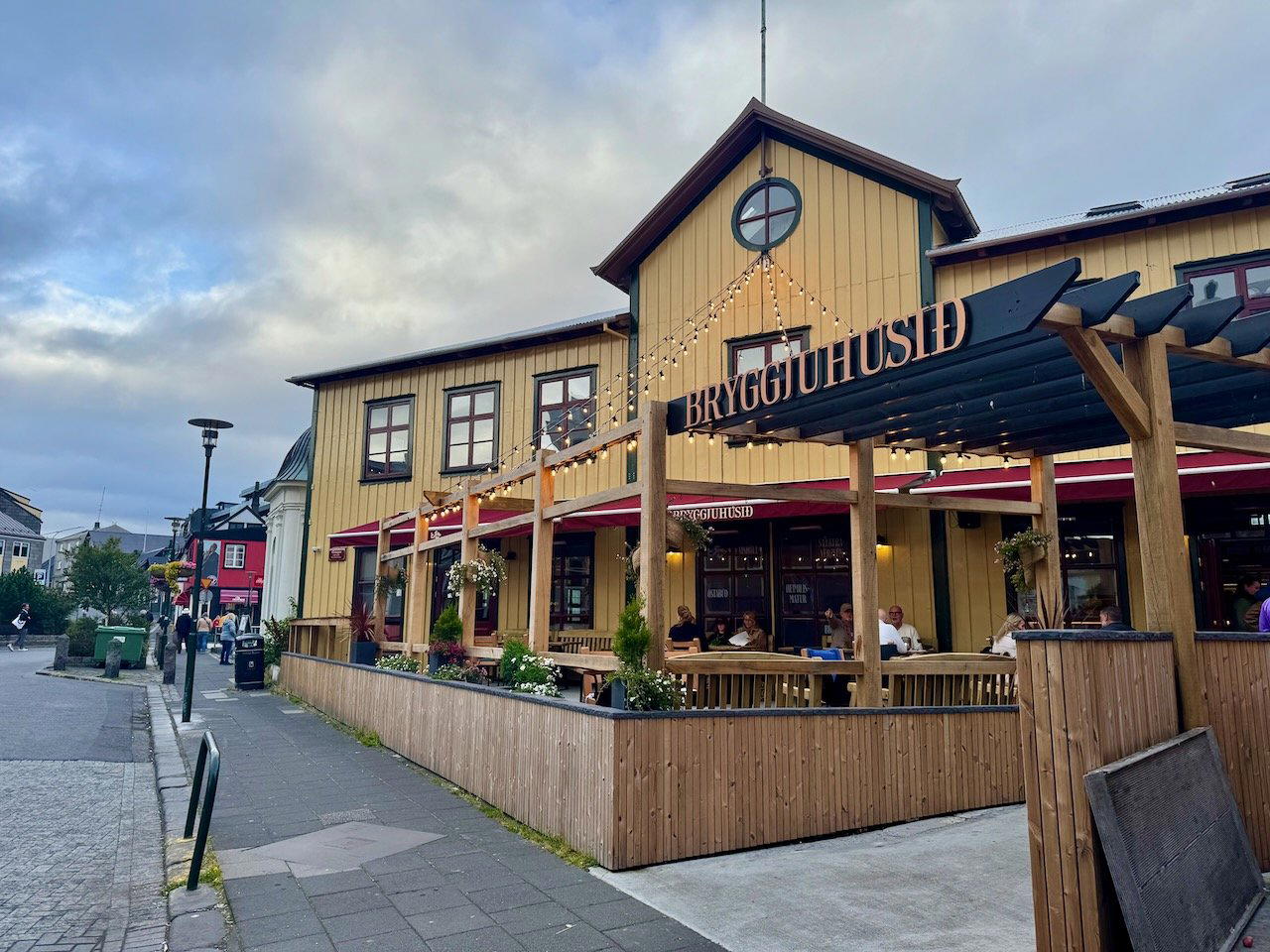
A milestone meal on Aðalstræti doesn't have to end when the restaurant does. Reykjavik's bar culture is compact but considered, with options ranging from the craft-focused to the straightforwardly convivial. Bodega operates in the neighbourhood's social middle ground, while Bryggjuhúsið offers a harbour-adjacent option for those who want to extend the evening near the water. For something more lateral, BakaBaka represents the city's more experimental end of the bar spectrum, and 12 Tónar has a well-established reputation as a venue where music and late hours intersect in a way that few capital cities can replicate. Kramber in Iceland rounds out the after-dinner options for those willing to push further into the night.
For travelers moving beyond the capital, Iceland's dining and bar culture extends into the regions. Götubarinn in Akureyri holds its own as a northern outpost, while the Westman Islands have produced two places worth noting: Prýði in Vestmannaeyjabær and Gott restaurant in Vestmannaeyjar. Further afield, Náttúrufræðistofnun represents one of the more unusual bar formats in the Icelandic catalogue. For international reference points, Bar Leather Apron in Honolulu and Jewel of the South in New Orleans each represent the kind of technically disciplined bar programs that define what serious cocktail culture looks like in other latitudes.
Planning the Visit
Fiskmarkaðurinn is located at Aðalstræti 12, 101 Reykjavík, placing it within easy walking distance of the central hotel cluster around Laugavegur and the old harbour. For those arriving from further out, the address is direct by taxi or rideshare. The restaurant is open Mon to Thu and Sun from 5 to 10 PM, Fri and Sat from 5 to 10:30 PM, and a reservation is recommended. The restaurant's position in the city's established dining core makes it a reasonable anchor for a broader evening: dinner followed by a walk to one of the neighbourhood bars above covers the ground without requiring a car.
A Pricing-First Comparison
Comparable venues nearby, for context on price, style, and recognition.
| Venue | Cuisine | Price | Awards | Notes |
|---|---|---|---|---|
| Fiskmarkaðurinn / Fish MarketThis venue — the venue you are viewing | Reykjavíkurborg, Dining | $$$$ | , | |
| Brút | $$$$ | , | Reykjavíkurborg, Modern Icelandic Seafood | |
| Bon Restaurant | Reykjavíkurborg, French Wine Bar | $$$$ | ||
| Kopar | $$$ | , | Reykjavíkurborg, Modern Icelandic Seafood | |
| Bergsson Mathús | $$ | , | Reykjavíkurborg, Healthy Icelandic Bakery Café | |
| Public House Gastropub | $$ | , | Reykjavíkurborg, Icelandic-Japanese Fusion Gastropub |
Continue exploring
More in Reykjavík
Restaurants in Reykjavík
Browse all →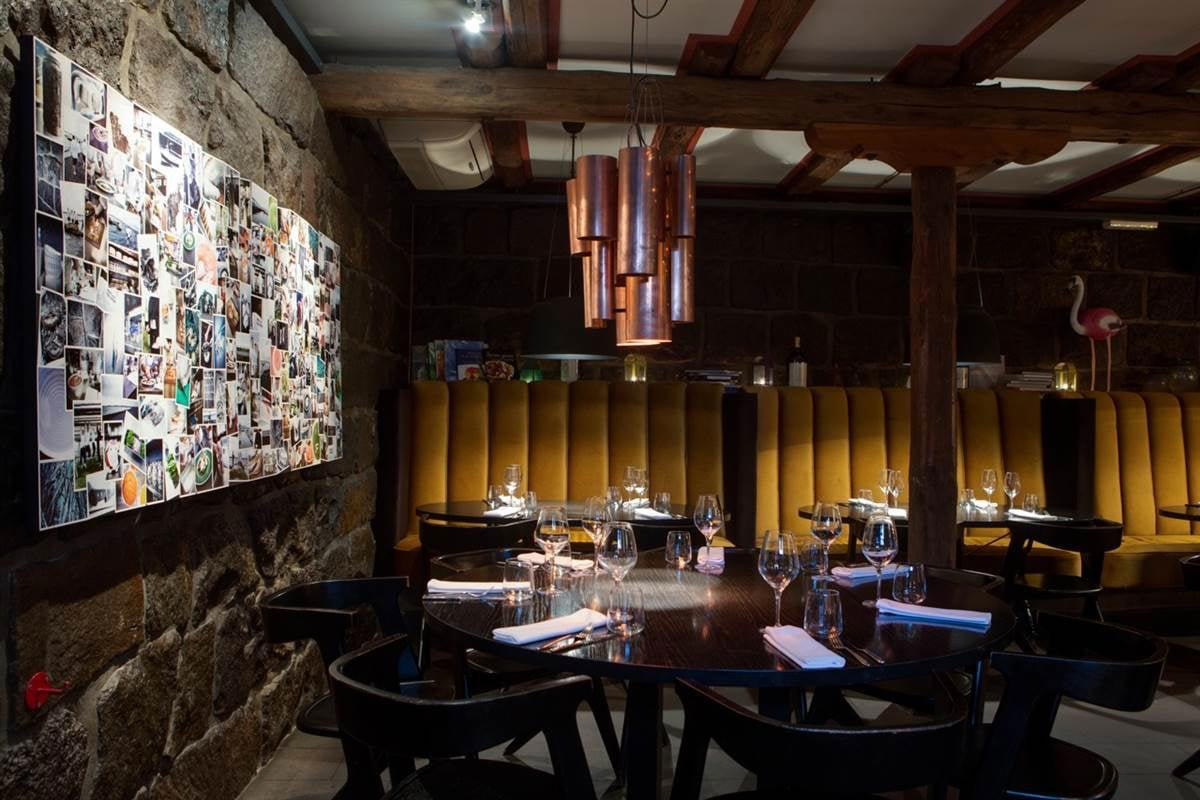
Bars in Reykjavík
Browse all →
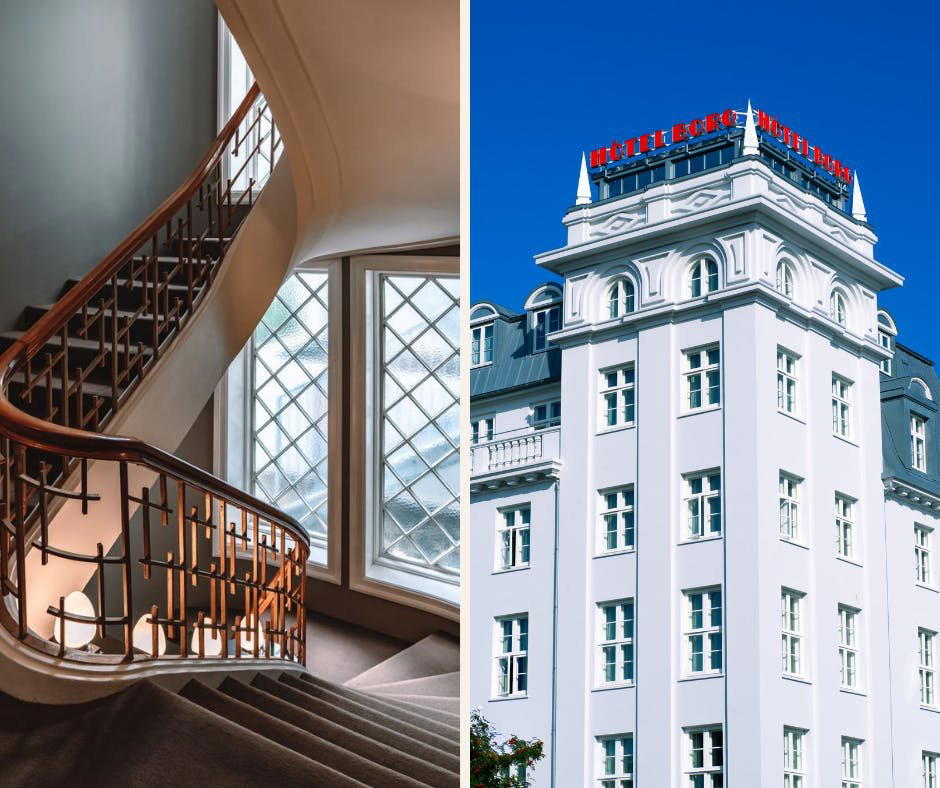
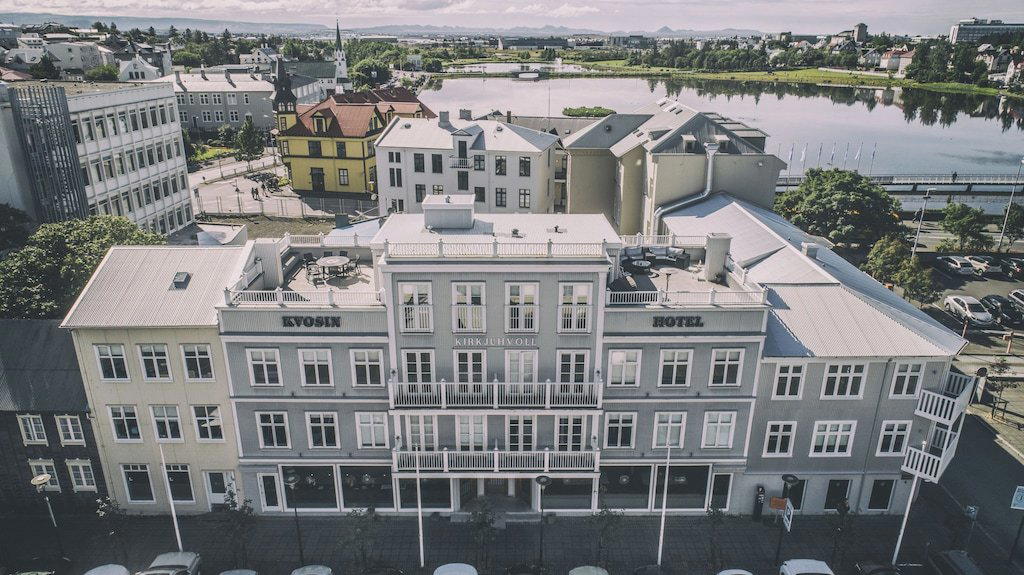
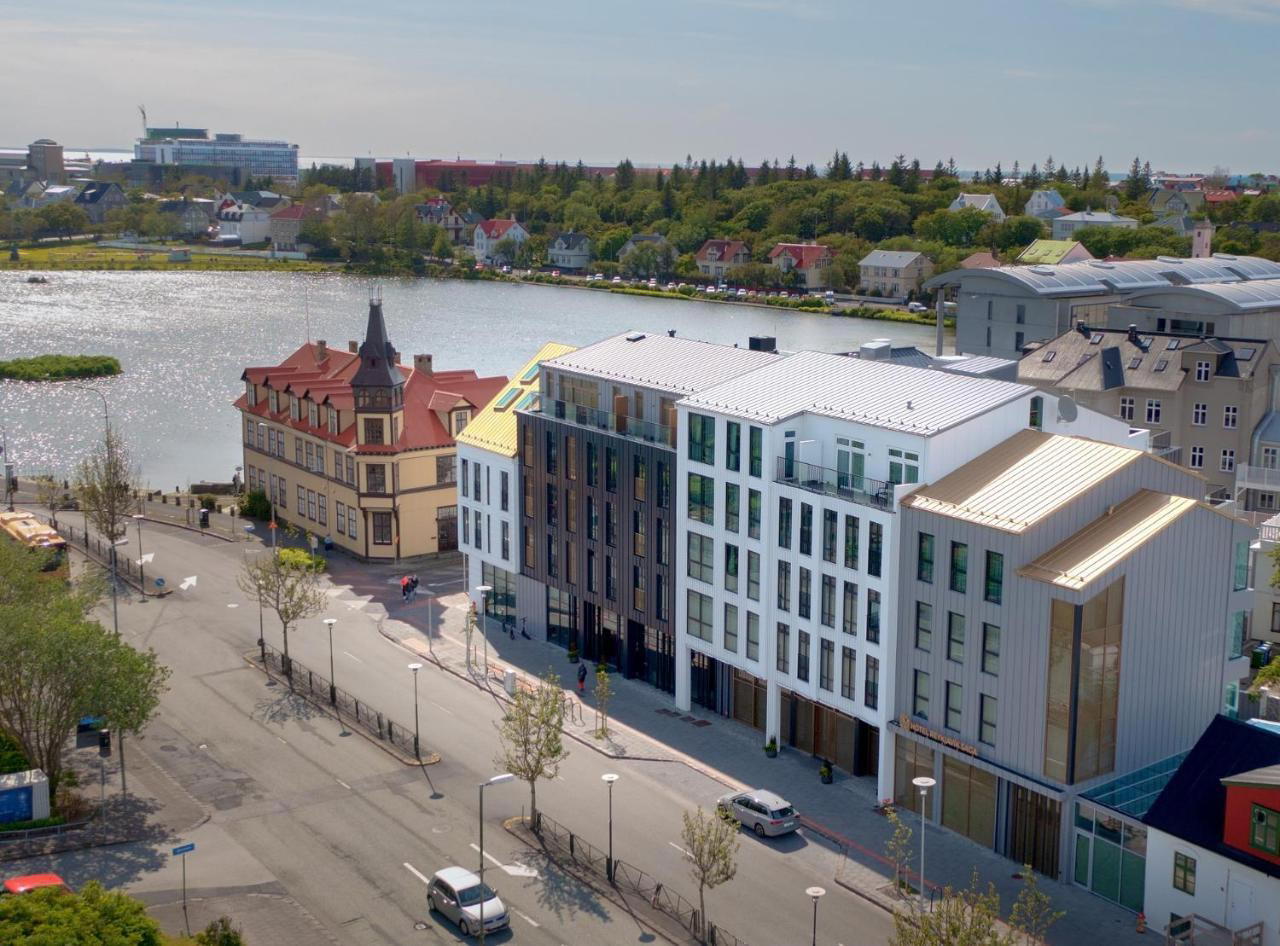
Hotels in Reykjavík
Browse all →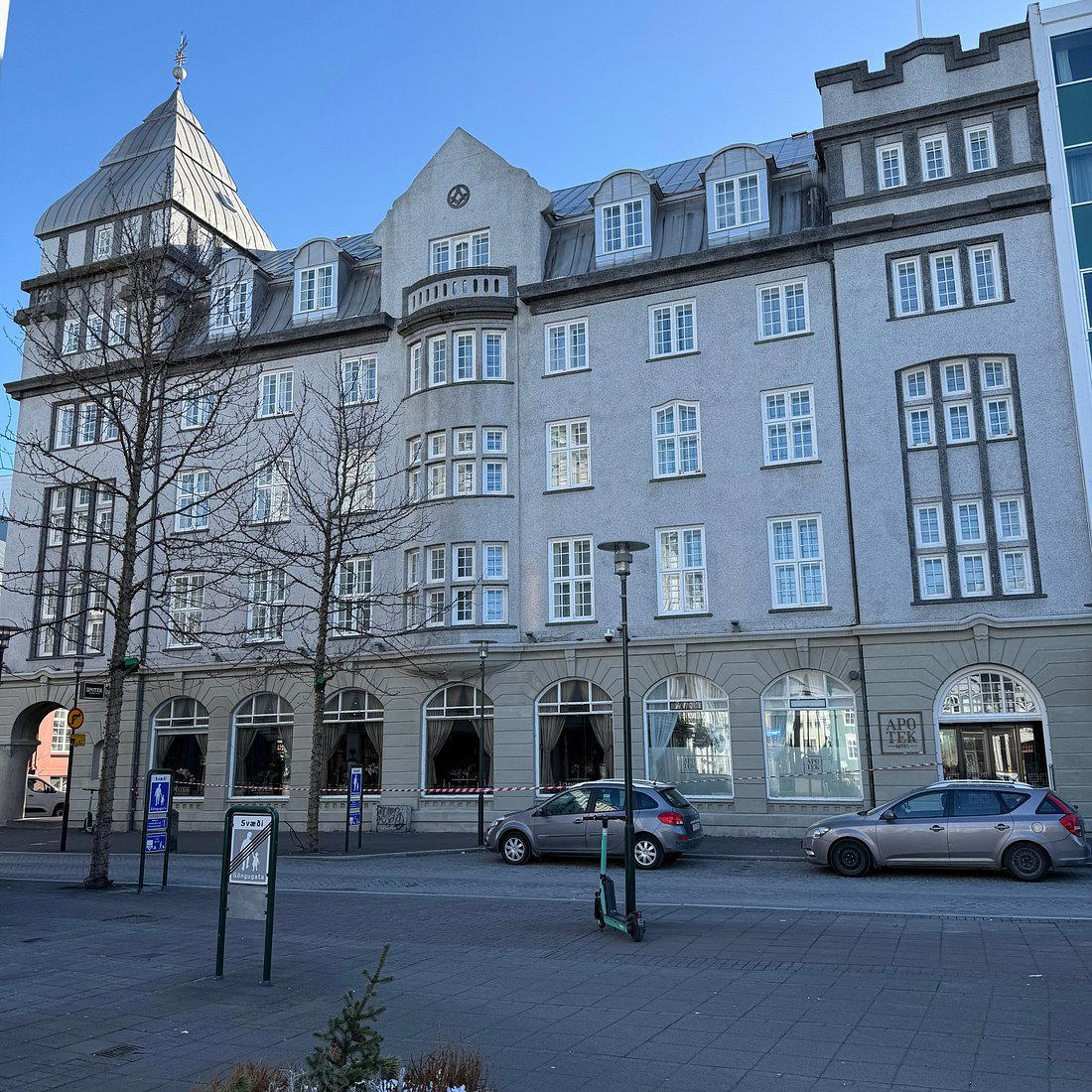
Wineries in Reykjavík
Browse all →
At a Glance
- Trendy
- Modern
- Elegant
- Sophisticated
- Date Night
- Special Occasion
- Late Night
- Design Destination
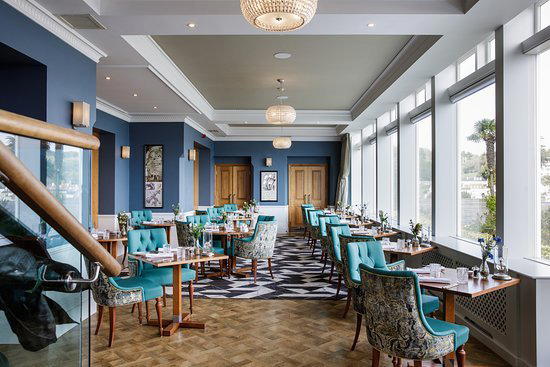
Trendy and warm with Asian-inspired decor, moody low lighting in the upstairs lounge, soft background music, and lively atmosphere.