
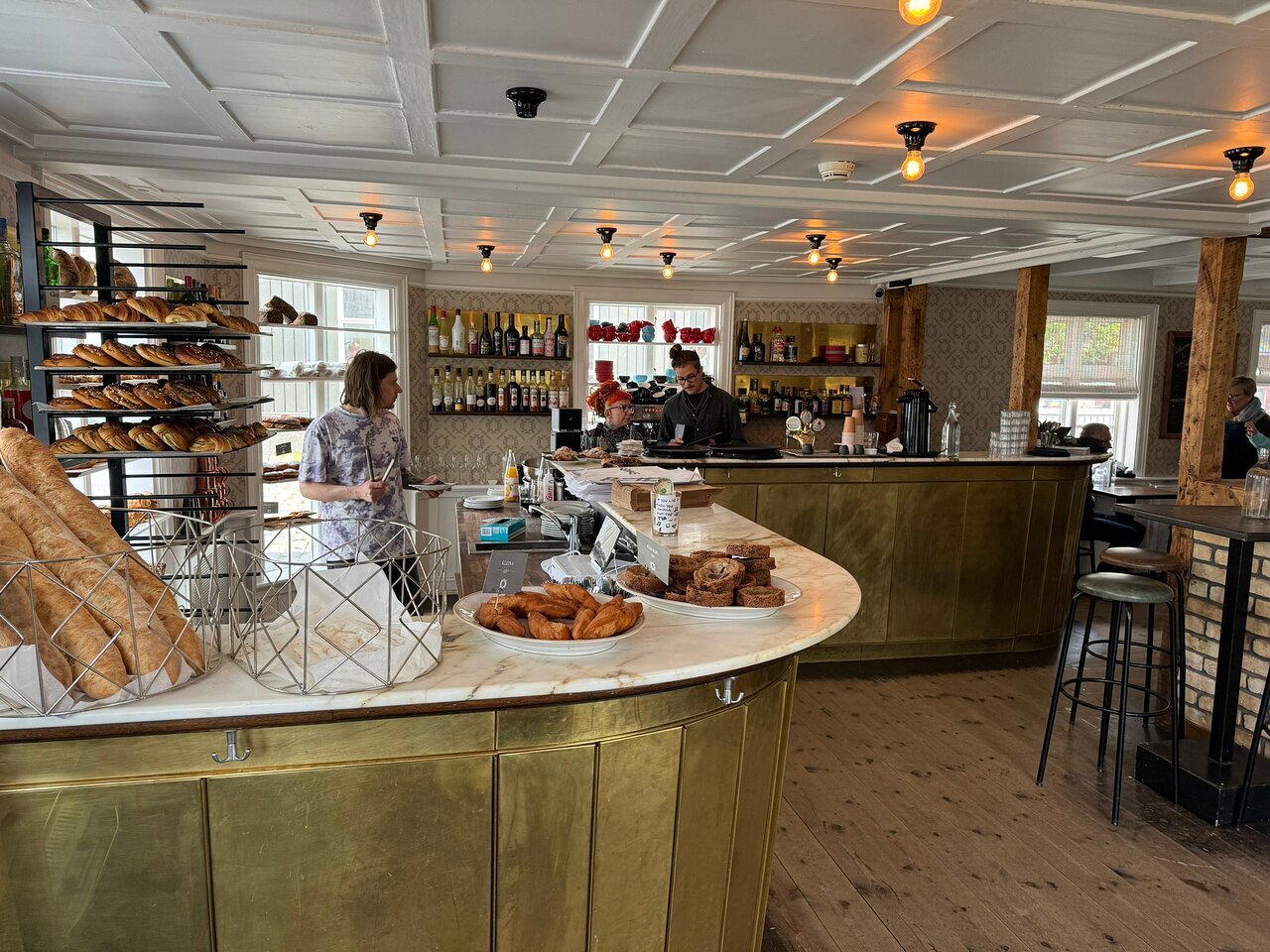
One of Reykjavik's oldest surviving buildings, Bryggjuhúsið occupies a corner of the original city centre on Vesturgata where harbour trade once defined the neighbourhood. The heated outdoor patio extends the season well beyond what the subarctic climate would otherwise allow, making it a year-round fixture for locals and visitors navigating the 101 postcode.
Pearl is the En Primeur Club membership app — saves, bookings, and concierge access live there. Same editors, same standards.
- Address
- Vesturgata 2, 101 Reykjavík, Iceland
- Phone
- +354 535 5900
- Website
- bryggjuhusid.is
- Directions
- Get directions
 Saves & bookings on Pearl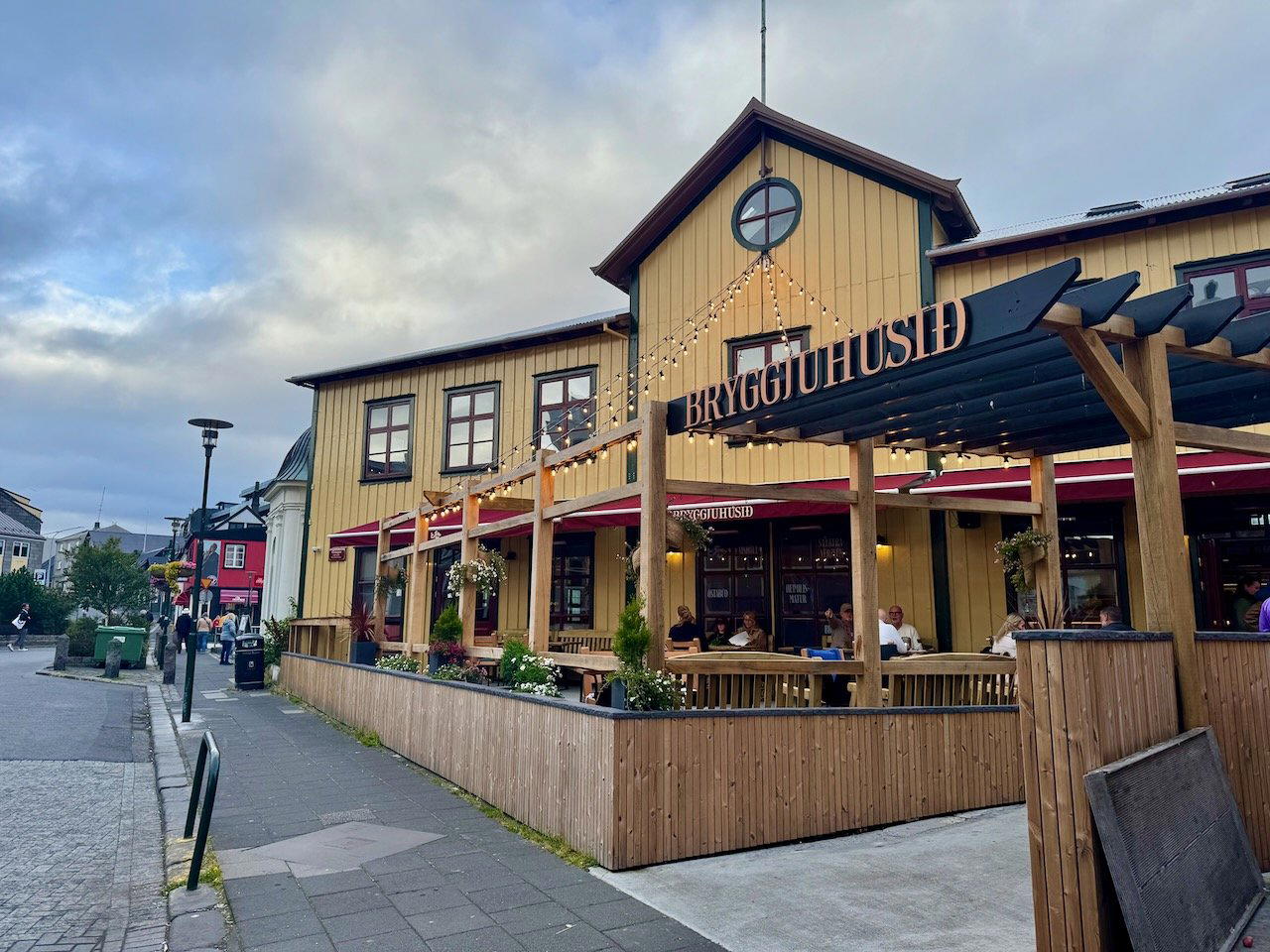
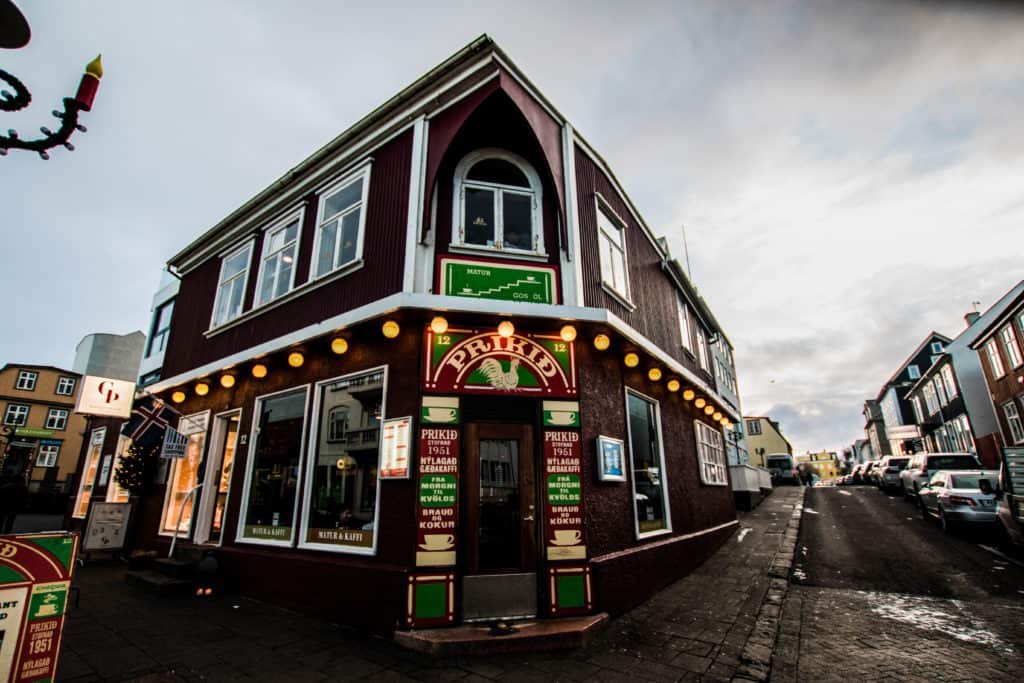
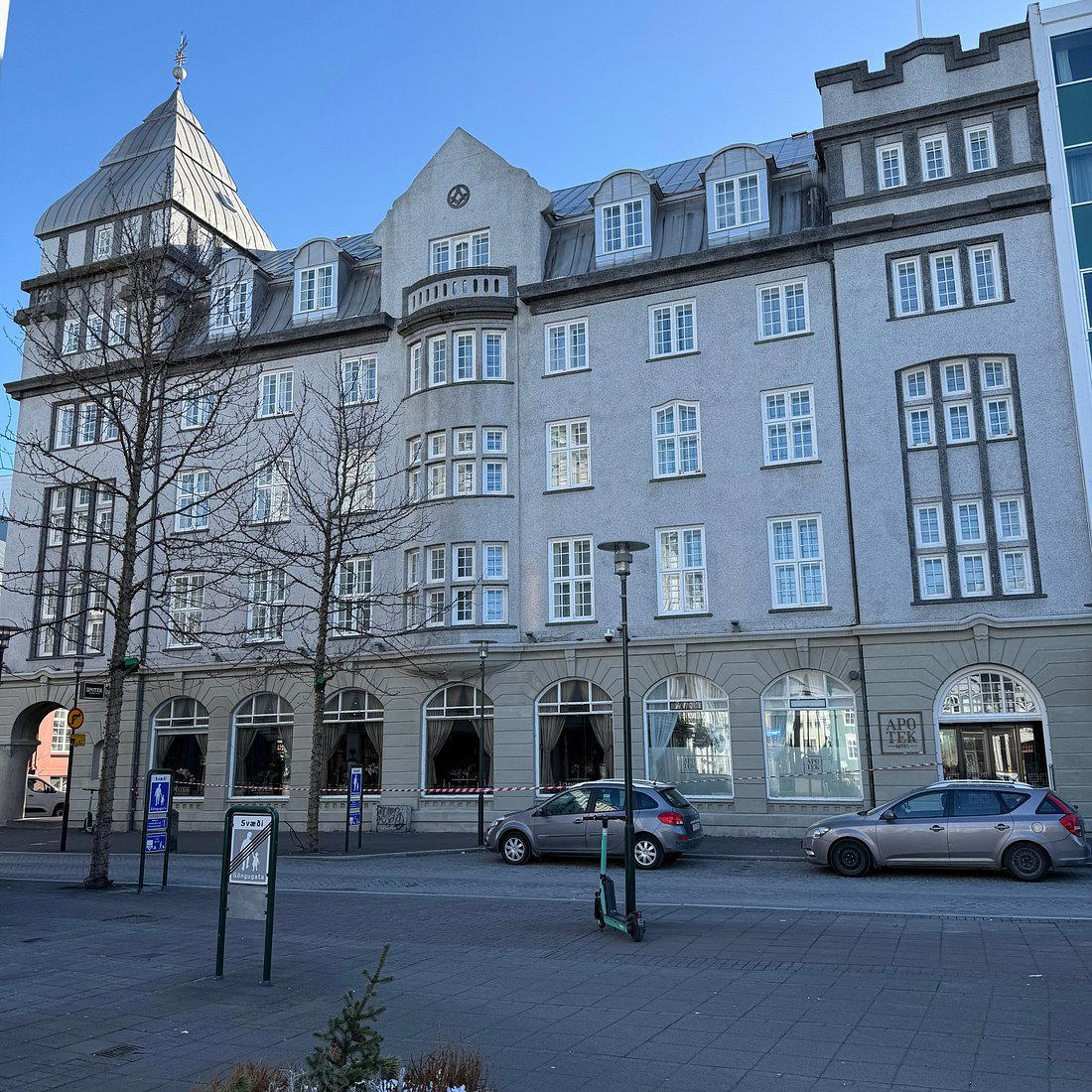
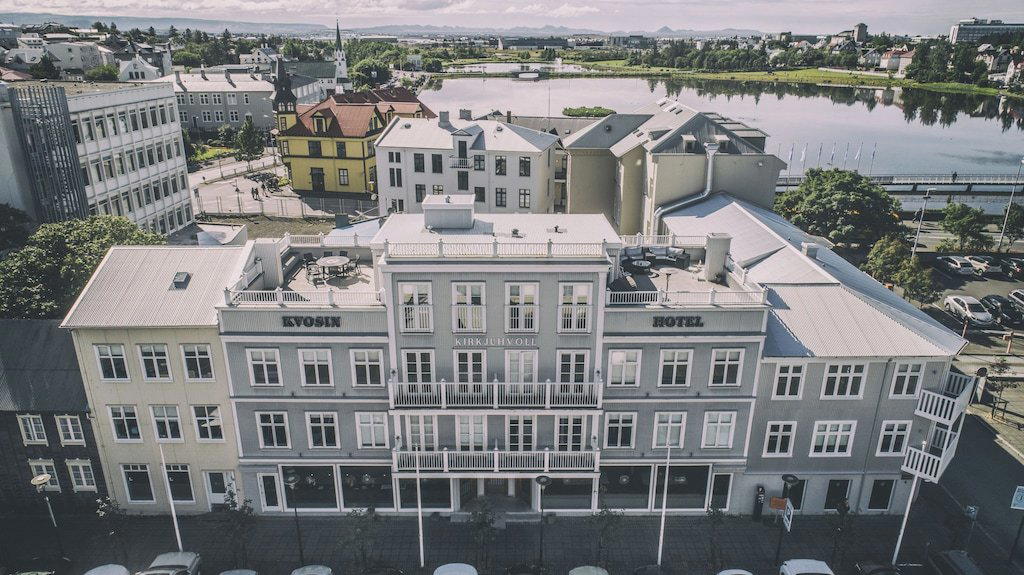
Vesturgata runs close enough to the old harbour that you can read the weather off the water before you reach the door. The street belongs to the oldest layer of Reykjavik's built environment, and Bryggjuhúsið sits within it as one of the few structures that still carries a visible memory of when this end of town was the commercial and civic centre of an emerging capital. Arriving here, you are walking into a building that belongs to that era, in a city where much of the 101 postcode was rebuilt across the twentieth century.
The Building as Context
Historic fabric in Reykjavik is thinner than visitors often expect. The city grew fast and built in wood, then replaced that wood with concrete, then replaced the concrete with glass. The structures that survived from the nineteenth and early twentieth centuries tend to cluster near the harbour, where the logic of trade kept buildings standing long enough to acquire a kind of institutional weight. Bryggjuhúsið, at Vesturgata 2, is positioned within that cluster, close to where fish warehouses, merchants' offices, and the earliest civic buildings formed what passed for a downtown in a capital city of modest scale. Understanding the address is understanding what the venue is offering before any food or drink arrives.
That spatial argument extends to the outdoor patio. In most northern European cities, a heated terrace is a seasonal concession to summer trade. In Reykjavik, where the window of genuinely mild outdoor weather is narrow and unpredictable, a patio that is both sequestered from the wind and actively heated is an engineering solution to a genuine climate problem. The result is a space that functions across a longer arc of the calendar than the latitude would suggest, which matters in a city where visitors arrive in every month and where locals do not retreat entirely indoors the moment temperatures drop. The outdoor option at Bryggjuhúsið is a designed feature.
Where Icelandic Ingredients Meet Outside Influence
Iceland's food culture has undergone a significant structural shift over the past two decades. The country's larder, arctic char, lamb raised on highland grasses, skyr, langoustine from cold coastal waters, hákarl as an extreme example of preservation tradition, was for much of the twentieth century treated as raw material for direct home cooking or basic tourism catering. What changed was the arrival of trained kitchen professionals who had staged or worked abroad, absorbed techniques developed in French, Nordic, and global contexts, and returned with a different framework for what Icelandic ingredients could do. The result was not fusion in the loose sense but something more considered: European and international methods applied with real discipline to products that are genuinely notable in quality because of where they come from.
Bryggjuhúsið operates within this broader shift in Reykjavik dining. A venue occupying a historic building near the old harbour is already positioned at the intersection of tradition and contemporary use, and that positioning extends to how Icelandic food culture expresses itself in spaces like this. The sourcing logic favoured by Reykjavik's more serious kitchens leans on proximity, lamb from the interior, fish from waters nearby, while the techniques applied to those materials reflect training and influence that came from much further away. Venues in the 101 postcode that sustain a local following across years tend to be ones where that balance is maintained without becoming self-conscious about it.
The Reykjavik Old Town Drinking Scene
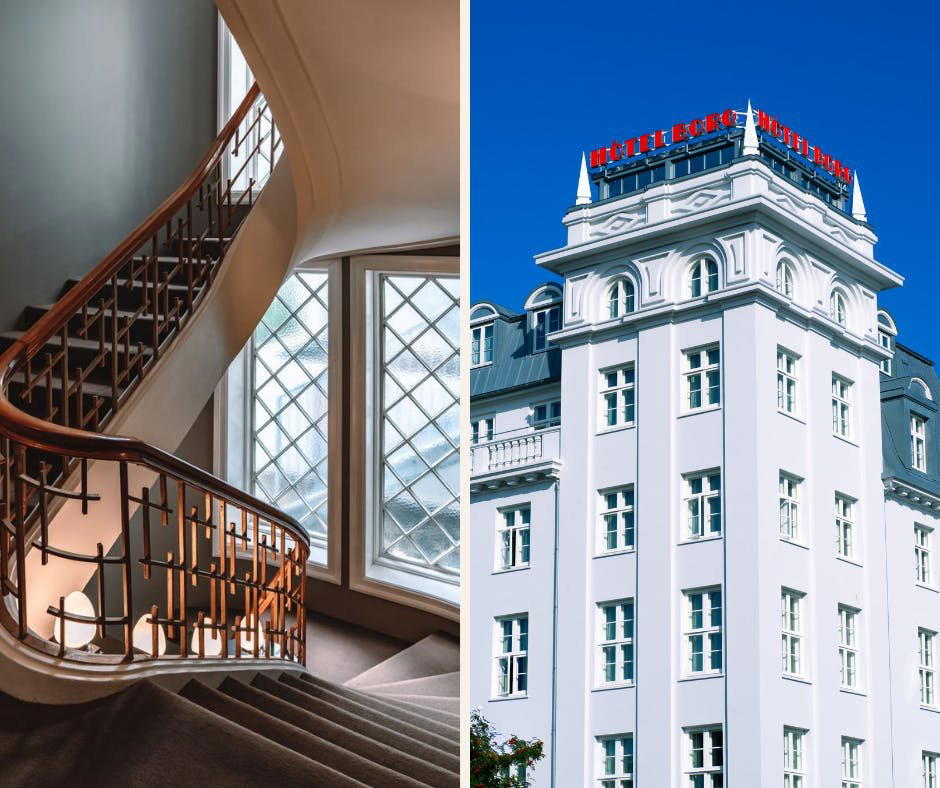
The bar culture around Vesturgata and Aðalstræti represents Reykjavik's longest-standing drinking geography. This is not the Laugavegur strip, which runs louder and more tourist-oriented on weekend nights, but the quieter old-town tier where venues tend to have more physical history and, often, a more mixed crowd of residents and visitors. Bodega occupies a comparable slot in the neighbourhood's fabric, as does Hotel Borg by Keahotels, which anchors the more formal end of that same historic district. BakaBaka represents a different register altogether, and 12 Tónar functions as much as a cultural institution as a drinking venue.
What Bryggjuhúsið contributes to this geography is the combination of the building itself and the outdoor infrastructure. Venues with meaningful outdoor space are not common in Reykjavik's historic core, where plots are small and buildings sit close to the street. The sequestered patio changes the social dynamic: conversations are more contained, the pace is slower, and the experience of drinking outdoors in a city this far north carries its own novelty, particularly for visitors arriving from milder climates who do not expect it to be viable.
Planning a Visit
Bryggjuhúsið is located at Vesturgata 2 in the 101 postcode, within easy walking distance of the main concentration of hotels and guesthouses in central Reykjavik. The old harbour area is roughly five to ten minutes on foot from Laugavegur, Reykjavik's main commercial street, making the venue a natural stop before or after exploring the harbour district. Götubarinn in Akureyri and Gott restaurant in Vestmannaeyjar represent what the regional scene looks like on the islands and in the north. Kramber in Iceland and Prýði in Vestmannaeyjarbær complete a picture of how bar hospitality functions outside the capital's density. Jewel of the South in New Orleans and Bar Leather Apron in Honolulu offer instructive reference points. Náttúrufræðistofnun represents another facet of Reykjavik's more specialist bar programming.
Quick Comparison
Comparable venues nearby, for context on price, style, and recognition.
| Venue | Cuisine | Price | Notes |
|---|---|---|---|
| BryggjuhúsiðThis venue — the venue you are viewing | Bar | $$ | Not listed |
| Kaldi Bar/Café | beer_bar | $$ | Reykjavíkurborg |
| Paloma Club | Bar | $$ | Reykjavíkurborg |
| Microbar Reykjavík | beer_bar | $$ | Reykjavíkurborg |
| Vínstúkan Tíu Sopar | wine_bar | $$ | Reykjavíkurborg |
| Port 9 | wine_bar | $$$ | Reykjavíkurborg |
Recognition history
Dated appearances from independent guides and award organizations, with the underlying list record or original source where available.
Star Wine List
Star Wine List
Continue exploring
More in Reykjavík
Bars in Reykjavík
Browse all →
Restaurants in Reykjavík
Browse all →
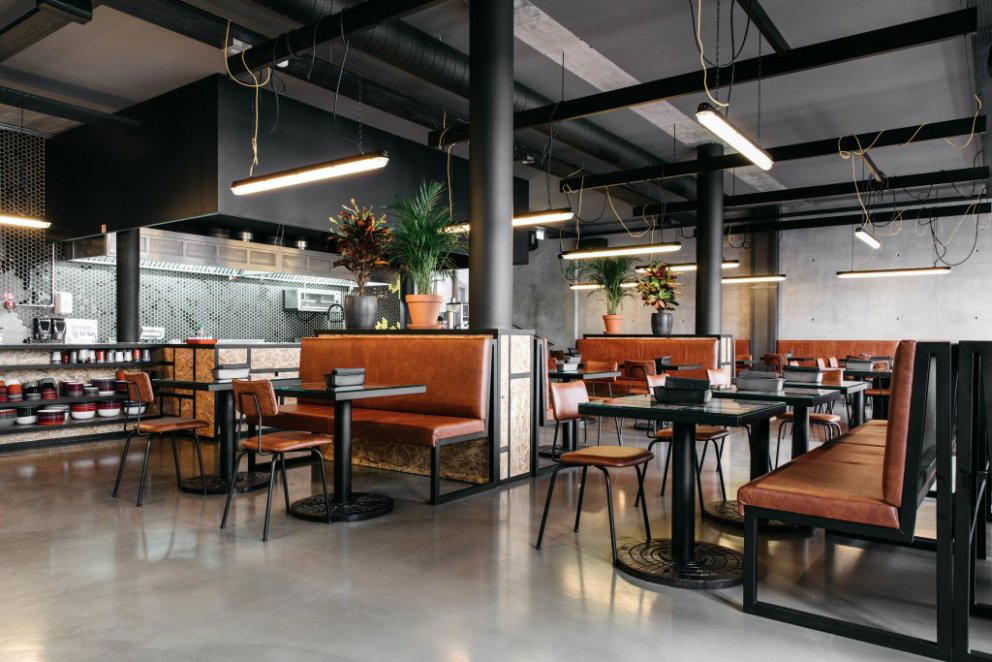
At a Glance
- Cozy
- Rustic
- Group Outing
- Casual Hangout
- Historic Building
- Conventional Wine
- Street Scene
Current opening hours
- Monday
- 4–9 PM
- Tuesday
- 4–9 PM
- Wednesday
- 4–9 PM
- Thursday
- 4 PM–12 AM
- Friday
- 12 PM–12 AM
- Saturday
- 12 PM–12 AM
- Sunday
- 4–9 PM
Hours can change for holidays and private events. Last verified .
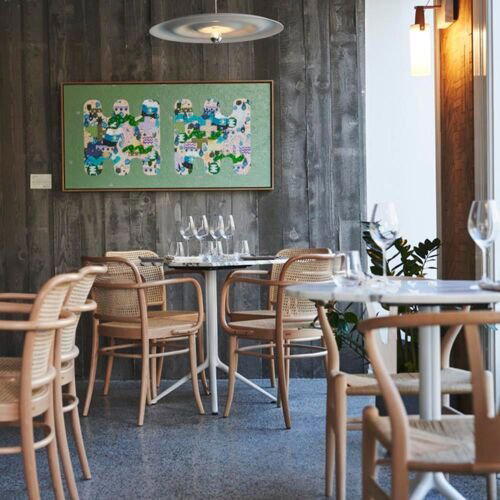
Cozy atmosphere in an old historical building with warm, cheerful service.