Paloma Club occupies a corner of Reykjavik's old harbour district at Naustin 1-3, operating as one of the city's established neighbourhood bars where locals outnumber tourists on most nights. The format sits closer to a communal drinking room than a cocktail bar, a place where the social fabric of downtown Reykjavik shows itself. For visitors, it offers a more grounded read on the city than the polished venues along Laugavegur.
Pearl is the En Primeur Club membership app — saves, bookings, and concierge access live there. Same editors, same standards.
- Address
- Naustin 1-3, 101 Reykjavík, Iceland
- Directions
- Get directions
 Saves & bookings on Pearl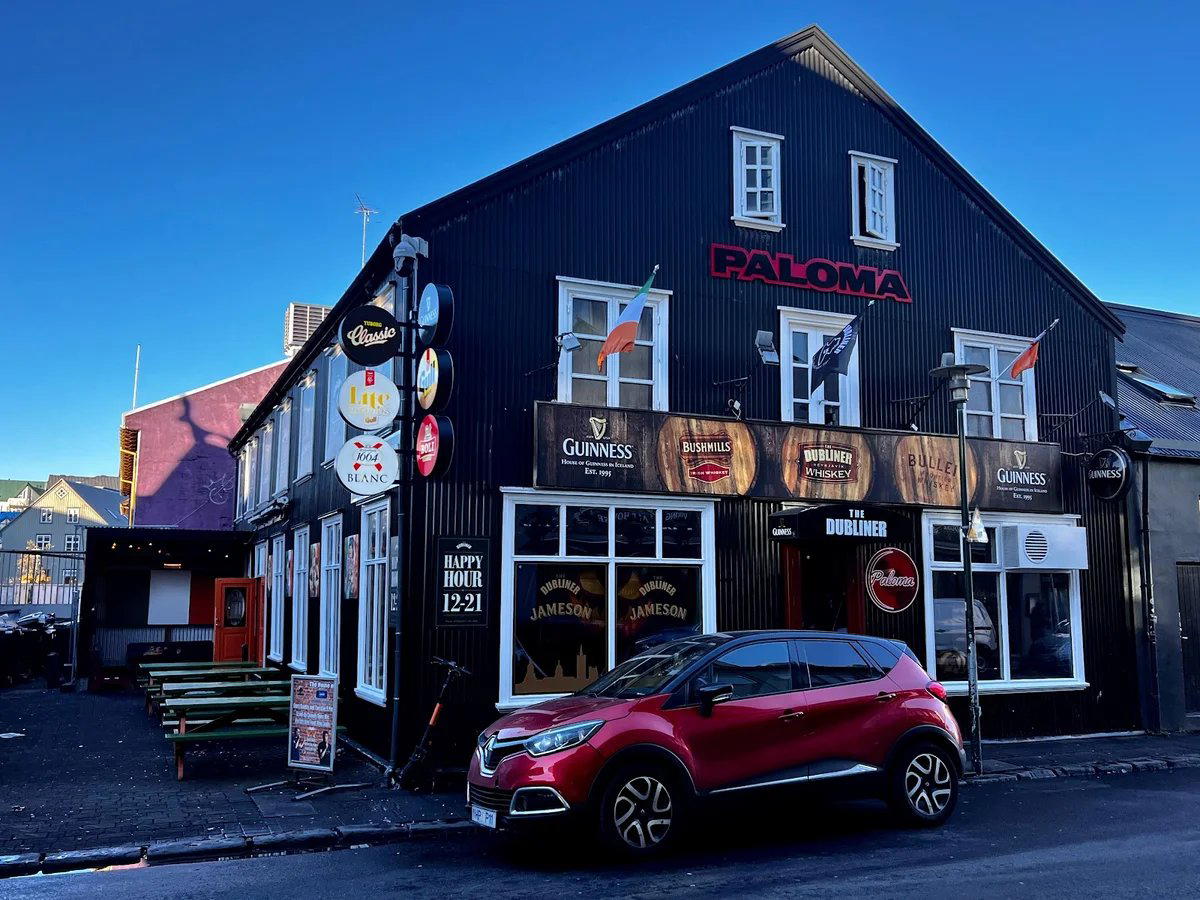
The Harbour Corner Where Reykjavik Actually Drinks
There is a particular kind of bar that every city needs and most cities undervalue: the neighbourhood anchor. Not the destination bar engineered for visiting critics, not the hotel lobby lounge priced for expense accounts, but the room that earns its place through daily use, regulars who arrive at the same hour, conversations that start between strangers because the space allows it, a pace set by the crowd rather than the programme. Paloma Club is a neighbourhood bar at Naustin 1-3 in Reykjavík's old harbour corridor.
The address places it in a part of central Reykjavik that has held both working-port identity and nightlife function simultaneously for decades. The harbour district sits just north of the dense commercial grid of 101 Reykjavik, and bars here have historically drawn a mix of dock workers, artists, and the kind of locals who find Laugavegur's main strip too self-conscious. That layering of use, functional neighbourhood, creative quarter, late-night circuit, gives the area a social density that single-purpose districts rarely achieve. Paloma Club occupies that overlap.
What a Neighbourhood Bar Means in Reykjavik
Reykjavik's drinking culture operates on a rhythm distinct from most European capitals. The city's compact size, the downtown 101 postcode contains a disproportionate number of its bars, restaurants, and cultural venues, meaning that any given evening can move through several rooms without anyone needing to travel far. This compression encourages a kind of social fluidity: people settle in early and migrate late, or arrive after midnight and stay until the light shifts (which in summer means a long time, and in winter barely matters because it is dark regardless).
Within that pattern, bars like Paloma Club serve as anchors rather than destinations. They are where the evening starts for some and ends for others, where a conversation continues past the point when a fancier venue would have cleared the table. The format is less about the programme and more about the room's tolerance for duration. Compare this to the more structured experience at Bodega, which has carved out its own position in the neighbourhood bar category along slightly different lines, or Bryggjuhúsið, which leans into the harbour setting with a different kind of emphasis.
The distinction matters because Reykjavik's bar scene has bifurcated noticeably in recent years. On one side sit the cocktail-forward venues with trained programmes, ingredient sourcing stories, and menus that change seasonally, places like BakaBaka, which occupies the more craft-focused tier. On the other side are rooms that measure their value in social function rather than technical output. The bar reads as the latter, and that positioning is its clearest credential.
The Regulars and What They Signal
In a city as socially tight as Reykjavik, where the population is small enough that most people working in hospitality, music, art, and food know each other personally, the bars that attract a consistent local crowd are not accidents. They are the product of a room that has earned trust over time, through pricing that does not exclude the people who actually live here, through an atmosphere that does not perform for outsiders, and through a physical space that accommodates different modes of use.
Visitors who arrive at the bar looking for the kind of structured cocktail experience available at internationally recognised venues elsewhere will need to recalibrate their expectations. The value here is anthropological as much as it is editorial: this is a room where the social texture of downtown Reykjavik becomes legible. For a city that receives significant tourist volume relative to its population, and where many hospitality venues have adjusted their offer accordingly, bars that retain a genuinely local centre of gravity are worth noting.
Placing Paloma Club in a Broader Circuit
Iceland's bar culture extends well beyond Reykjavik's 101 postcode, though the capital concentrates most of its most-used rooms. Outside the city, places like Gott restaurant in Vestmannaeyjar and Götubarinn in Akureyri perform similar community anchor functions in their respective towns, while Prýði in Vestmannaeyjabær and Kramber each occupy distinct positions within Iceland's smaller-venue category. The pattern is consistent: in a country with a dispersed population, bars that function as genuine community spaces carry social weight beyond their physical size.
Within Reykjavik specifically, the bar sits in a comparable set that also includes 12 Tónar, the record shop and bar that has operated as a cultural meeting point for the city's music community for years, and Náttúrufræðistofnun, another venue whose value is partially social and partially curatorial. These are not interchangeable, each has a distinct character and crowd, but they share the quality of being genuinely used by the city rather than displayed to it.
For comparison outside Iceland, the neighbourhood-anchor format shows up in different physical forms: Bar Leather Apron in Honolulu and Jewel of the South in New Orleans each serve community-anchoring functions within their respective bar cultures, though with significantly more programmatic complexity than the direct neighbourhood room model the bar represents.
Planning a Visit
The bar is at Naustin 1-3 in 101 Reykjavik, the central postcode that covers the harbour district and the main commercial grid. The location is walkable from the bulk of the city's hotels and guesthouses. This is a walk-in venue. Reykjavik's nightlife runs late, particularly on weekends, and the harbour corridor tends to animate as the evening progresses. Arriving earlier in the week or earlier in the evening offers a different register than the weekend circuit.
Recognition, Side-by-Side
Comparable venues nearby, for context on price, style, and recognition.
| Venue | Cuisine | Price | Notes |
|---|---|---|---|
| Paloma ClubThis venue — the venue you are viewing | Bar | $$ | Not listed |
| Bryggjuhúsið | Bar | $$ | Reykjavíkurborg |
| Bodega | cocktail_bar | $$ | Reykjavíkurborg |
| Microbar Reykjavík | beer_bar | $$ | Reykjavíkurborg |
| Port 9 | wine_bar | $$$ | Reykjavíkurborg |
| Loftid | cocktail_bar | $$$ | Reykjavíkurborg |
Continue exploring
More in Reykjavík
Bars in Reykjavík
Browse all →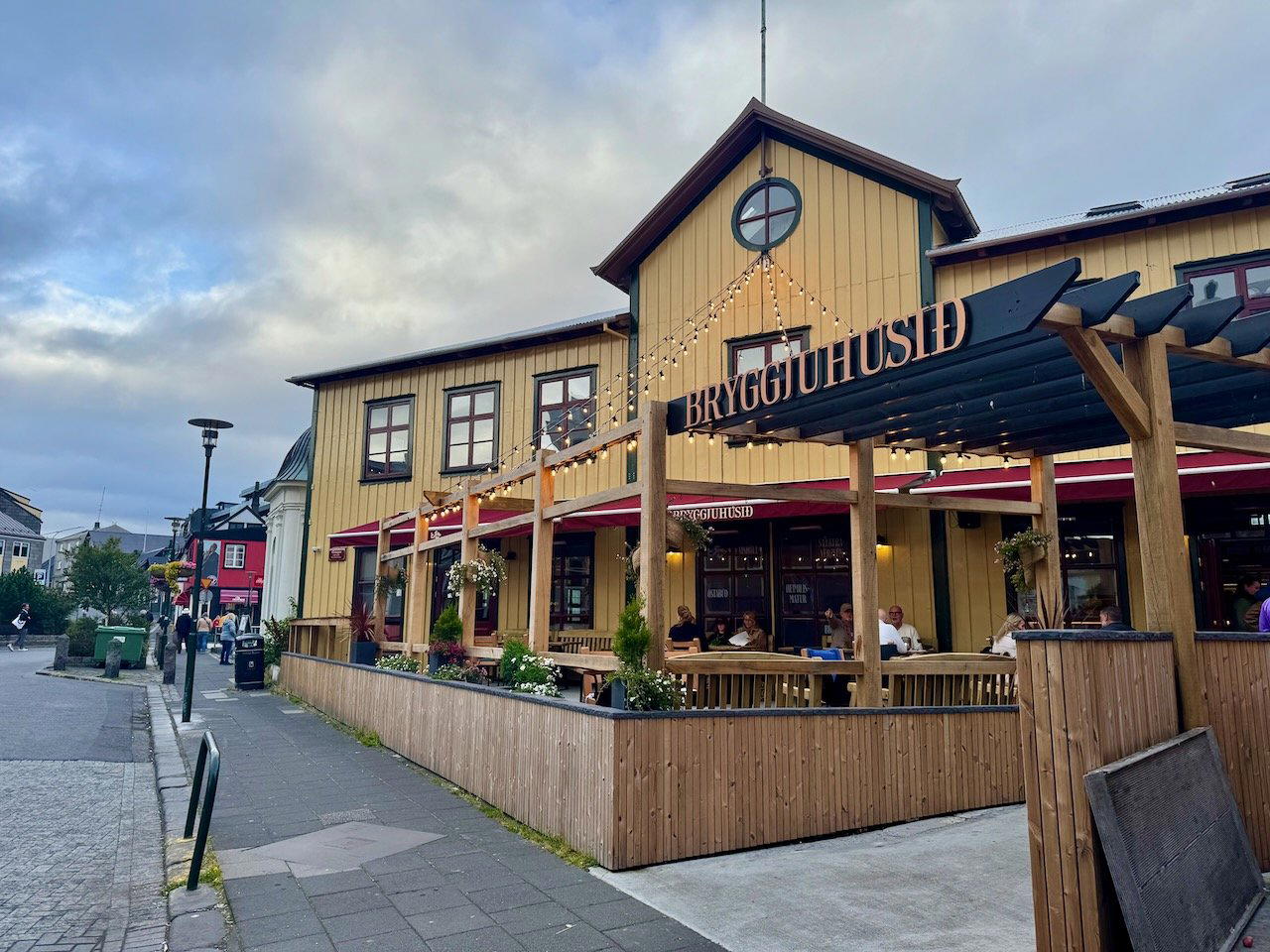
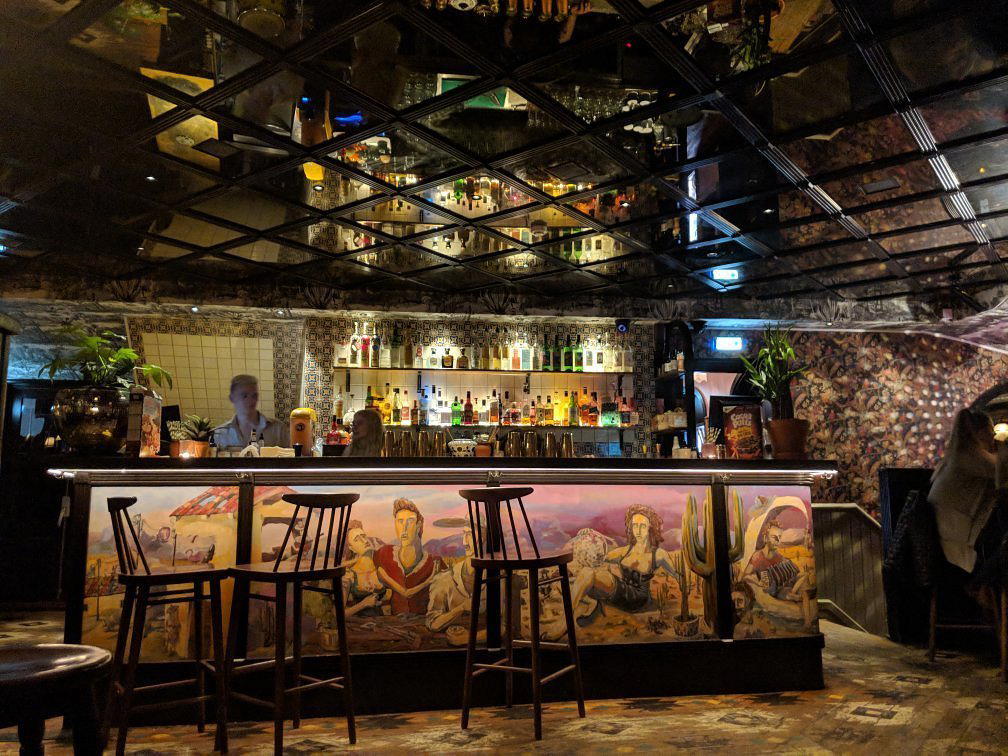
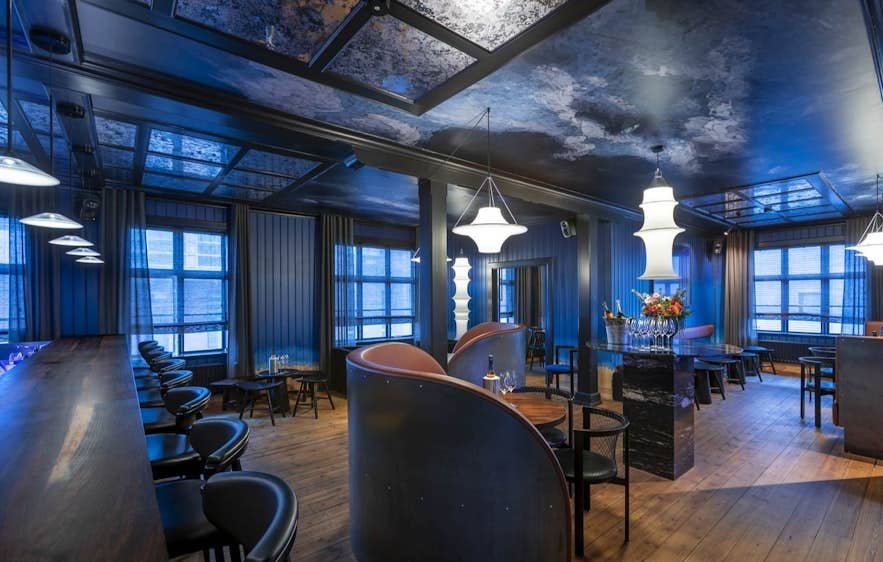
Restaurants in Reykjavík
Browse all →
At a Glance
- Energetic
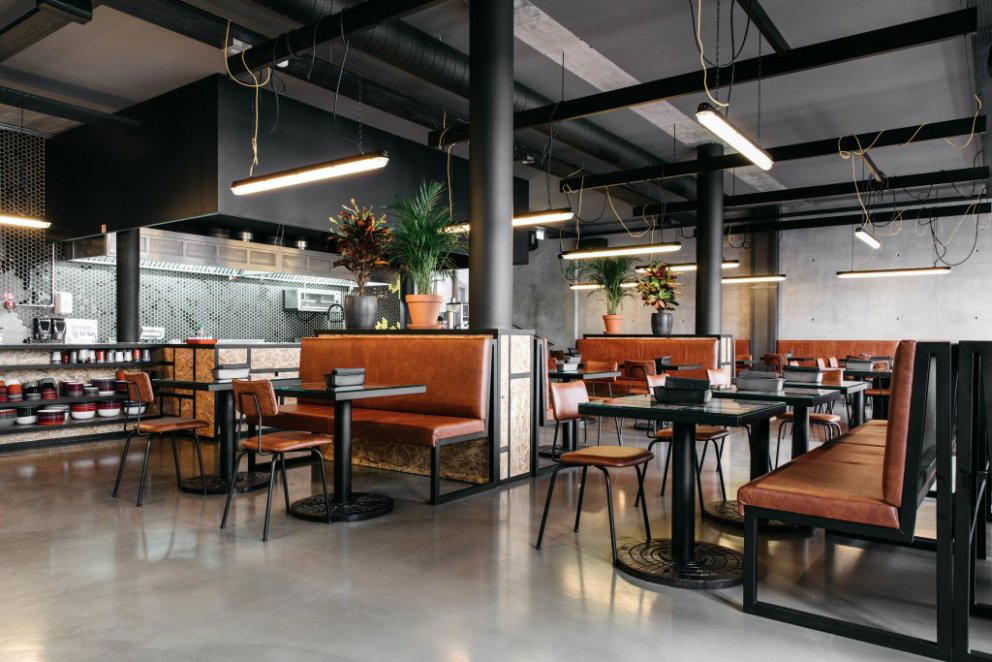
- Industrial
- Lively
- Trendy
- Late Night
- Group Outing
- Casual Hangout
- Live Music
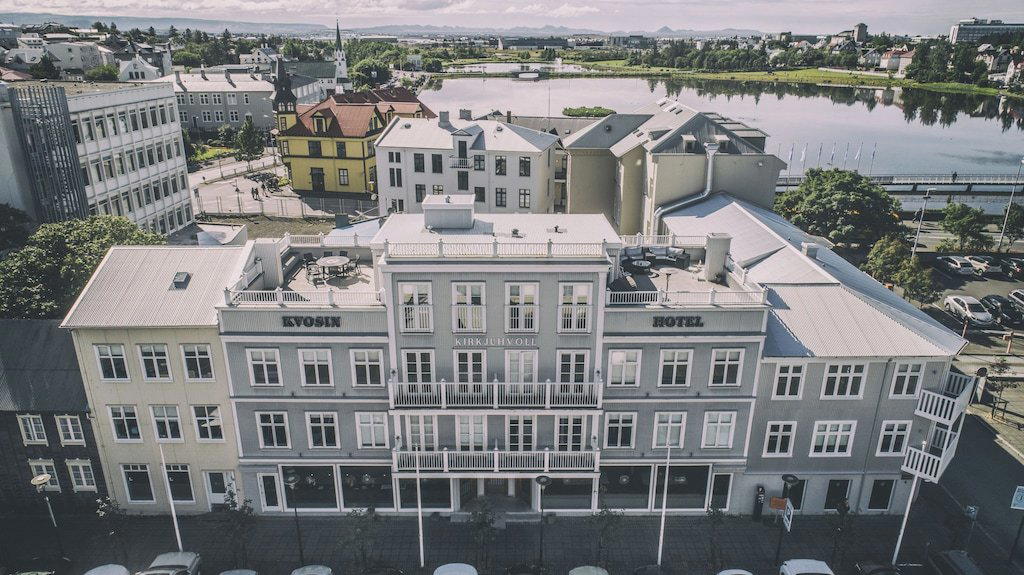
- Standalone
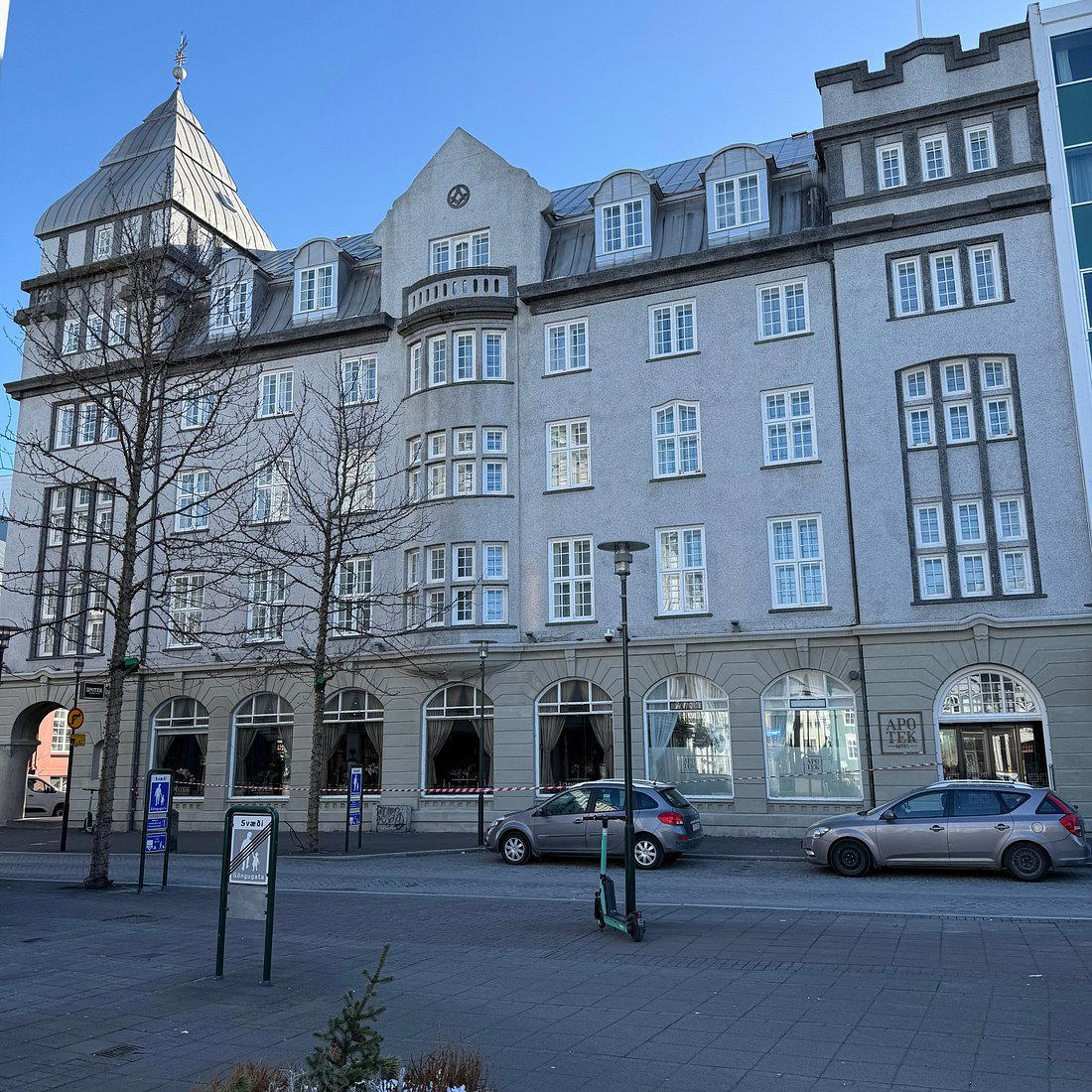
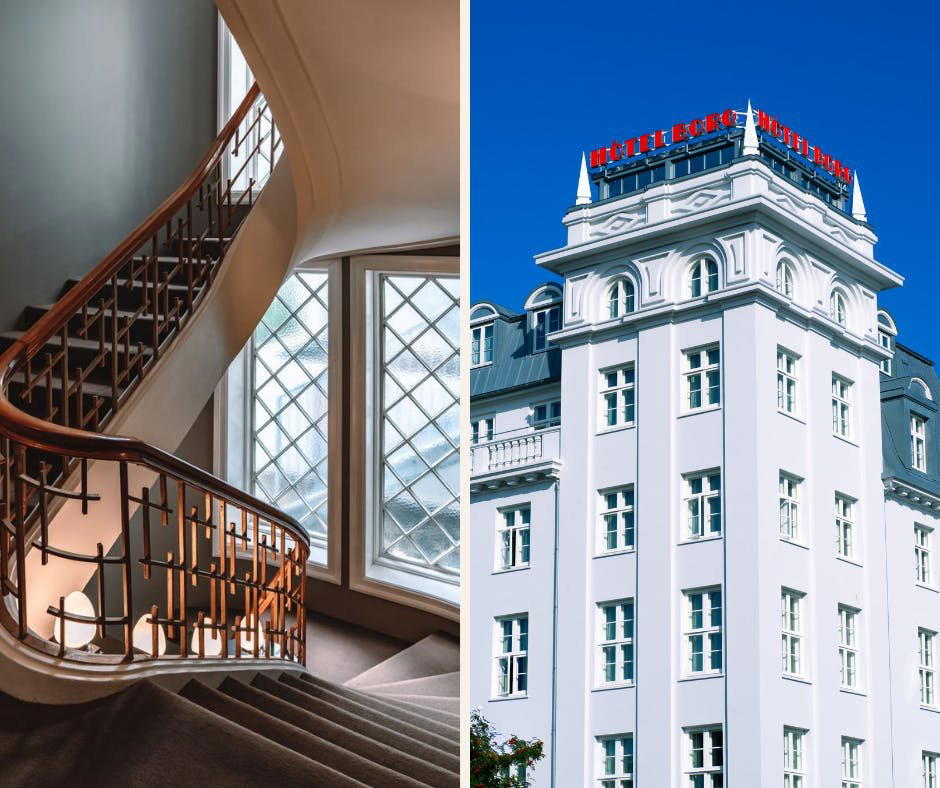
- Historic Building
- Standing Room
- Lounge Seating
- Booth Seating
- Craft Cocktails
Current opening hours
- Monday
- Closed
- Tuesday
- Closed
- Wednesday
- Closed
- Thursday
- Closed
- Friday
- 8 PM–4:30 AM
- Saturday
- 8 PM–4:30 AM
- Sunday
- Closed
Hours can change for holidays and private events. Last verified .
Raw and industrial with concrete walls, minimal decoration, and a luminescent disco ball. Energy builds from quiet to packed between midnight and 2 AM, with lava rocks decorating the bar and a balcony for refuge.