<h2>A Hotel Restaurant That Earns Its Own Audience</h2><p>Thorvaldsensstræti 2 sits within easy reach of the Althing, Iceland's parliament building, in the compact block of streets that constitutes central Reykjavik's civic core. The Iceland Parliament Hotel occupies that address, and Hjá Jóni operates from its ground floor, a position that places the restaurant in one of the city's most concentrated patches of foot traffic, yet also in one of the most demanding categories in hospitality: the hotel dining room that must justify itself to guests who could eat anywhere in a city this walkable.</p><p>That pressure has historically sorted hotel restaurants into two tiers. The first serves a captive audience reliably but without ambition. The second builds a program strong enough to draw locals and independent travelers who made no booking with the property upstairs. In Reykjavik's current dining environment, which includes Michelin-recognised addresses like <a href="https://www.enprimeurclub.com/restaurants/dill-reykjavk-restaurant">DILL in Reykjavík</a> and the volcanic-edge drama of <a href="https://www.enprimeurclub.com/restaurants/moss-grindavk-restaurant">Moss in Grindavík</a>, the second tier requires a clear point of view. Hjá Jóni occupies that contested ground in the city centre.</p><h2>The Ritual of the Icelandic Table</h2><p>Dining in Reykjavik has its own tempo, shaped partly by geography and partly by the extreme variability of daylight. In winter, the city operates on near-perpetual dusk, and restaurants become anchors: warm, unhurried spaces where the meal extends rather than concludes an evening. In the long light of summer, the opposite logic applies, as late dinners at ten in the evening can feel like midday appointments. A city-centre dining room like Hjá Jóni absorbs both extremes, functioning as a fixed point across the seasonal calendar.</p><p>Icelandic meal structure has converged with broader Nordic conventions over the past two decades. Starters built on preserved, cured, or smoked components give way to main courses centred on lamb, cod, or arctic char, and the pacing tends toward the deliberate rather than the brisk. This is not a city where the cover-turn mentality dominates at the upper end. Tables are expected to settle, and a kitchen serving hotel residents alongside walk-in guests must handle that expectation across a wider range of appetites and intentions than a standalone dining room. The competence with which a restaurant manages that dual audience says as much about its program as the food itself.</p><h2>Where Hjá Jóni Sits Among Reykjavik's Dining Options</h2><p>The Reykjavik restaurant scene has stratified considerably since the mid-2010s. At the leading, a small cohort of tasting-menu addresses competes for international recognition and serves a self-selecting audience with several hours to spare. Below that sits a broader middle tier of brasserie-format restaurants and neighbourhood dining rooms where the emphasis is on consistent execution across a full menu. Hjá Jóni operates within this middle tier, serving the city-centre corridor alongside neighbours including <a href="https://www.enprimeurclub.com/restaurants/eiriksson-brasserie-reykjavik-restaurant">Eiriksson Brasserie</a>, <a href="https://www.enprimeurclub.com/restaurants/bon-restaurant-reykjavik-restaurant">Bon Restaurant</a>, and <a href="https://www.enprimeurclub.com/restaurants/krst-reykjavik-restaurant">Kröst</a>.</p><p>The distinction between these addresses is not always about ingredient sourcing, which at this price point in Reykjavik tends toward the same roster of domestic lamb, North Atlantic fish, and foraged produce. The difference lies in format and intent. A brasserie model prioritises breadth and accessibility. A hotel dining room adds the requirement of meeting guests at different points in their day, from breakfast through dinner. That operational scope means the kitchen must be versatile in a way that more focused standalone restaurants, like <a href="https://www.enprimeurclub.com/restaurants/amma-don-reykjavik-restaurant">Amma Don</a> or <a href="https://www.enprimeurclub.com/restaurants/monkeys-reykjavik-restaurant">Monkeys</a>, are not required to be.</p><p>Internationally, the hotel restaurant that doubles as a destination has become a well-established model. Places like <a href="https://www.enprimeurclub.com/restaurants/le-bernardin">Le Bernardin in New York City</a>, <a href="https://www.enprimeurclub.com/restaurants/alain-ducasse-louis-xv-monte-carlo-restaurant">Alain Ducasse at Louis XV in Monte Carlo</a>, and <a href="https://www.enprimeurclub.com/restaurants/8-12-otto-e-mezzo-bombana-hong-kong-restaurant">8½ Otto e Mezzo Bombana in Hong Kong</a> demonstrate that the hotel address need not constrain ambition. At the other end of the scale, community-driven formats like <a href="https://www.enprimeurclub.com/restaurants/lazy-bear">Lazy Bear in San Francisco</a>, <a href="https://www.enprimeurclub.com/restaurants/emerils-new-orleans-restaurant">Emeril's in New Orleans</a>, and <a href="https://www.enprimeurclub.com/restaurants/alinea">Alinea in Chicago</a> show what happens when a restaurant earns a local identity strong enough to outlast any single booking demographic. Hjá Jóni plays in a smaller market, but the same question applies: does it read as a city address that happens to share a building with a hotel, or does it read as a hotel amenity?</p><h2>The Environment and Its Effect on the Meal</h2><p>Ground-floor hotel restaurants in compact city centres tend to produce a specific atmosphere. Street-level light, passing pedestrian traffic visible through the glass, and the acoustic separation from a hotel lobby all contribute to a dining room that feels more connected to the city than to the property above it. That relationship with the street matters in Reykjavik, where the scale of the centre means that almost any restaurant is within ten minutes of almost any other. Diners who chose Hjá Jóni did so consciously, from a crowded short-list, and the room's ability to hold attention once they arrive is part of what justifies that choice.</p><p>In Nordic dining culture, physical environment and meal ritual are closely linked. The table setting, the light quality, and the pacing of service interact with the food in a way that makes the room itself part of the experience rather than its container. A well-run city-centre dining room at this latitude understands that the candle on the table in January is not decoration; it is part of why people come.</p><h2>Planning Your Visit</h2><p>Hjá Jóni is located at Thorvaldsensstræti 2, 101 Reykjavik, on the ground floor of the Iceland Parliament Hotel in the city centre. The address is walkable from the main hotel and retail corridor along Laugavegur and sits close to the Althing square, making it a logical stopping point either before or after the cluster of museums and galleries in this part of the city. For current opening hours, reservation availability, and menu information, contact the Iceland Parliament Hotel directly or check at the front desk. For a broader orientation to what is available in the city, <a href="https://www.enprimeurclub.com/restaurants/reykjavik">our full Reykjavik restaurants guide</a> covers the range from neighbourhood spots to tasting-menu destinations. Further planning resources include <a href="https://www.enprimeurclub.com/hotels/reykjavik">our full Reykjavik hotels guide</a>, <a href="https://www.enprimeurclub.com/bars/reykjavik">our full Reykjavik bars guide</a>, <a href="https://www.enprimeurclub.com/wineries/reykjavik">our full Reykjavik wineries guide</a>, and <a href="https://www.enprimeurclub.com/experiences/reykjavik">our full Reykjavik experiences guide</a>.</p><h2>Frequently Asked Questions</h2><dl><dt><strong>What is the atmosphere like at Hjá Jóni?</strong></dt><dd>Hjá Jóni occupies the ground floor of the Iceland Parliament Hotel in central Reykjavik, placing it on one of the city's most active pedestrian corridors. The city-centre position means the room draws a mixed audience of hotel guests and independent diners, and the atmosphere shifts with the season: slow and warm during the dark winter months, more open and casual during the extended summer evenings. For price context and a broader view of the city's dining tiers, <a href="https://www.enprimeurclub.com/restaurants/reykjavik">our full Reykjavik restaurants guide</a> maps the range from budget to high-end.</dd><dt><strong>What should I eat at Hjá Jóni?</strong></dt><dd>Specific menu details are not available in our current records, and the kitchen program may change seasonally. In the broader context of Reykjavik hotel dining, expect a menu built around Icelandic staples: North Atlantic fish, domestic lamb, and produce shaped by the short growing season. For reference points on how city-centre hotel restaurants approach Icelandic ingredients, the programs at <a href="https://www.enprimeurclub.com/restaurants/eiriksson-brasserie-reykjavik-restaurant">Eiriksson Brasserie</a> and <a href="https://www.enprimeurclub.com/restaurants/bon-restaurant-reykjavik-restaurant">Bon Restaurant</a> offer useful comparisons. Formally recognised kitchens working with similar ingredients at a higher specification include <a href="https://www.enprimeurclub.com/restaurants/dill-reykjavk-restaurant">DILL in Reykjavík</a>.</dd></dl>

A Hotel Restaurant That Earns Its Own Audience
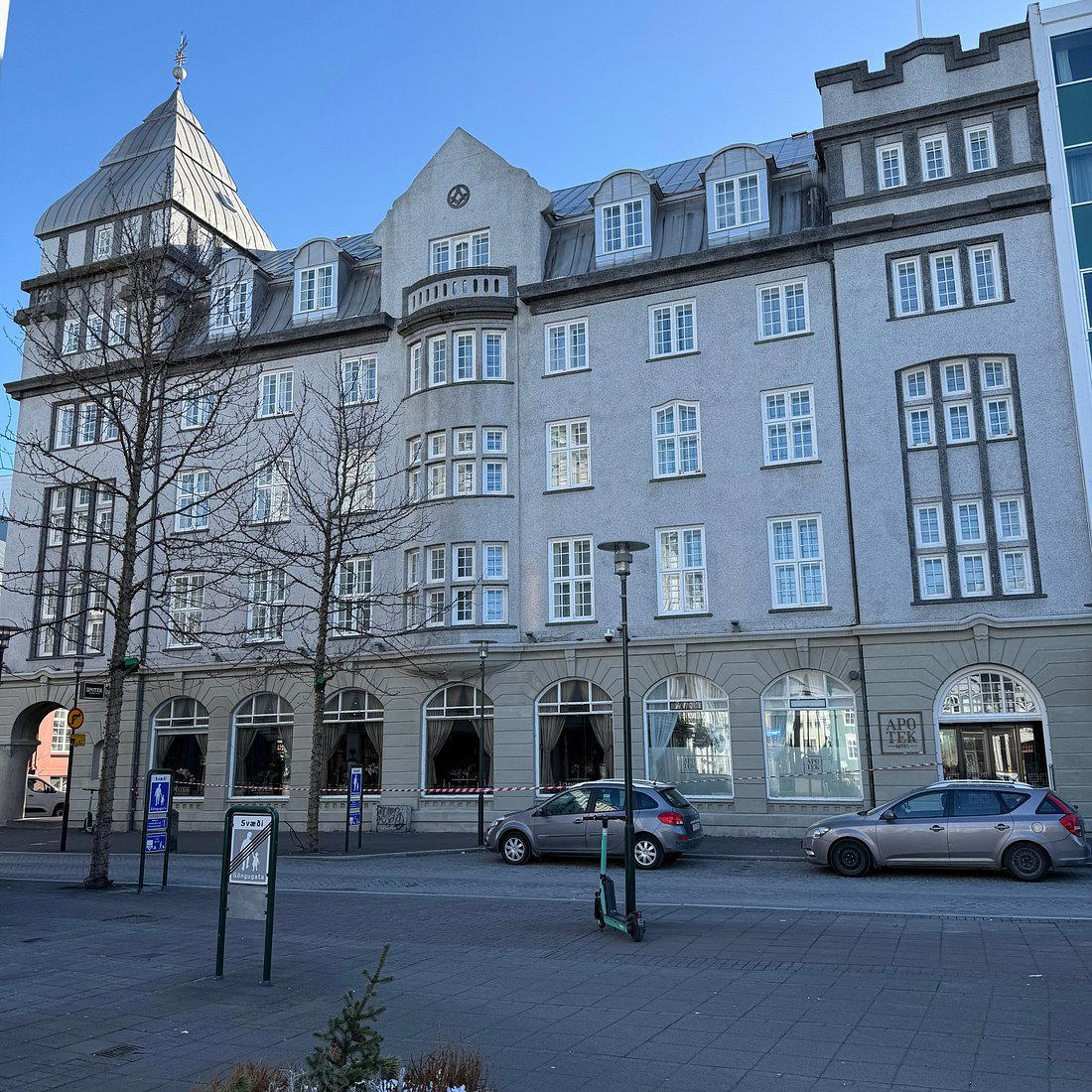
Thorvaldsensstræti 2 sits within easy reach of the Althing, Iceland's parliament building, in the compact block of streets that constitutes central Reykjavik's civic core. The Iceland Parliament Hotel occupies that address, and Hjá Jóni operates from its ground floor, a position that places the restaurant in one of the city's most concentrated patches of foot traffic, yet also in one of the most demanding categories in hospitality: the hotel dining room that must justify itself to guests who could eat anywhere in a city this walkable.
That pressure has historically sorted hotel restaurants into two tiers. The first serves a captive audience reliably but without ambition. The second builds a program strong enough to draw locals and independent travelers who made no booking with the property upstairs. In Reykjavik's current dining environment, which includes Michelin-recognised addresses like DILL in Reykjavík and the volcanic-edge drama of Moss in Grindavík, the second tier requires a clear point of view. Hjá Jóni occupies that contested ground in the city centre.
The Ritual of the Icelandic Table
Dining in Reykjavik has its own tempo, shaped partly by geography and partly by the extreme variability of daylight. In winter, the city operates on near-perpetual dusk, and restaurants become anchors: warm, unhurried spaces where the meal extends rather than concludes an evening. In the long light of summer, the opposite logic applies, as late dinners at ten in the evening can feel like midday appointments. A city-centre dining room like Hjá Jóni absorbs both extremes, functioning as a fixed point across the seasonal calendar.
Icelandic meal structure has converged with broader Nordic conventions over the past two decades. Starters built on preserved, cured, or smoked components give way to main courses centred on lamb, cod, or arctic char, and the pacing tends toward the deliberate rather than the brisk. This is not a city where the cover-turn mentality dominates at the upper end. Tables are expected to settle, and a kitchen serving hotel residents alongside walk-in guests must handle that expectation across a wider range of appetites and intentions than a standalone dining room. The competence with which a restaurant manages that dual audience says as much about its program as the food itself.
Where Hjá Jóni Sits Among Reykjavik's Dining Options
The Reykjavik restaurant scene has stratified considerably since the mid-2010s. At the leading, a small cohort of tasting-menu addresses competes for international recognition and serves a self-selecting audience with several hours to spare. Below that sits a broader middle tier of brasserie-format restaurants and neighbourhood dining rooms where the emphasis is on consistent execution across a full menu. Hjá Jóni operates within this middle tier, serving the city-centre corridor alongside neighbours including Eiriksson Brasserie, Bon Restaurant, and Kröst.
The distinction between these addresses is not always about ingredient sourcing, which at this price point in Reykjavik tends toward the same roster of domestic lamb, North Atlantic fish, and foraged produce. The difference lies in format and intent. A brasserie model prioritises breadth and accessibility. A hotel dining room adds the requirement of meeting guests at different points in their day, from breakfast through dinner. That operational scope means the kitchen must be versatile in a way that more focused standalone restaurants, like Amma Don or Monkeys, are not required to be.
Internationally, the hotel restaurant that doubles as a destination has become a well-established model. Places like Le Bernardin in New York City, Alain Ducasse at Louis XV in Monte Carlo, and 8½ Otto e Mezzo Bombana in Hong Kong demonstrate that the hotel address need not constrain ambition. At the other end of the scale, community-driven formats like Lazy Bear in San Francisco, Emeril's in New Orleans, and Alinea in Chicago show what happens when a restaurant earns a local identity strong enough to outlast any single booking demographic. Hjá Jóni plays in a smaller market, but the same question applies: does it read as a city address that happens to share a building with a hotel, or does it read as a hotel amenity?
The Environment and Its Effect on the Meal
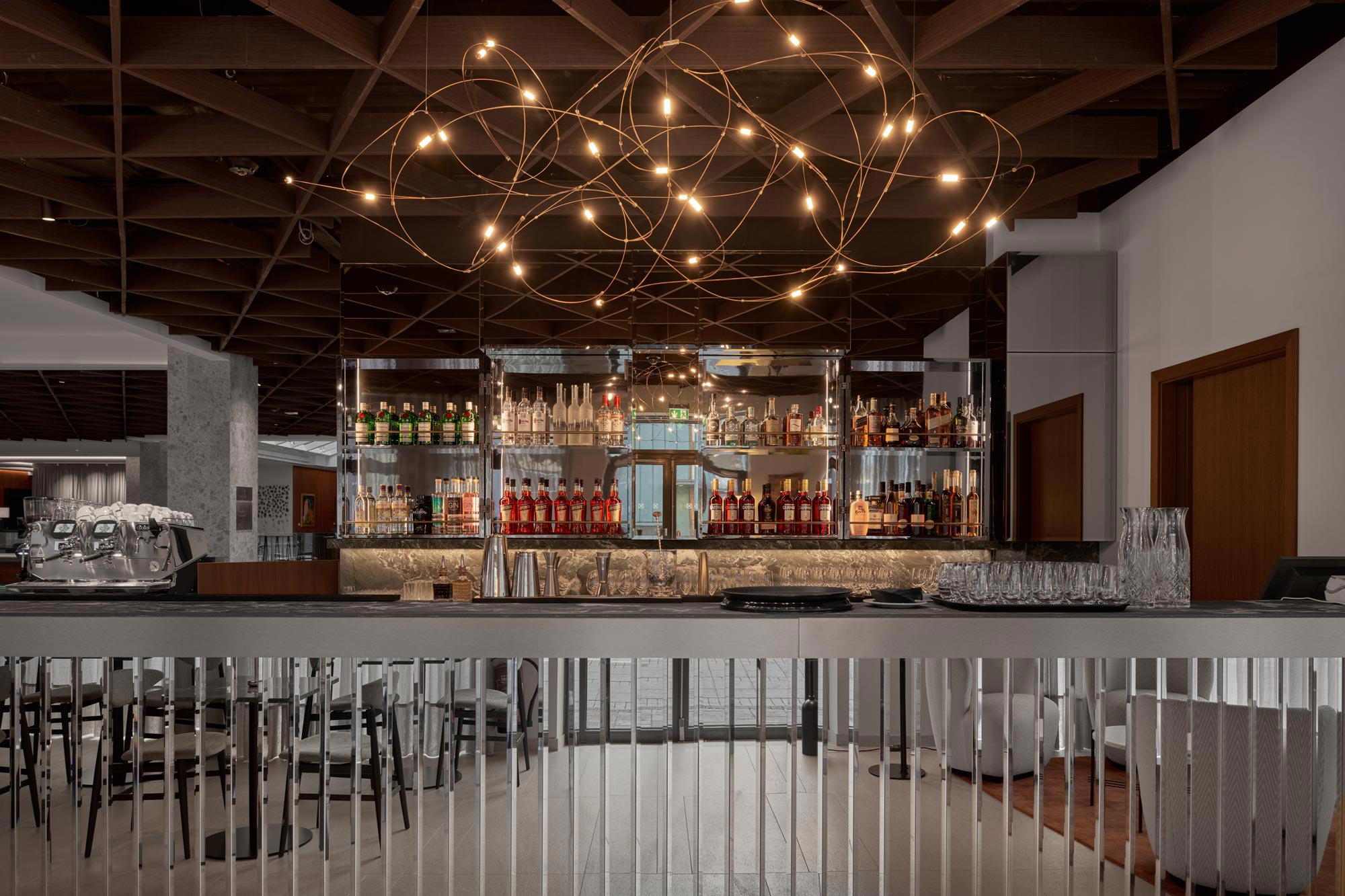
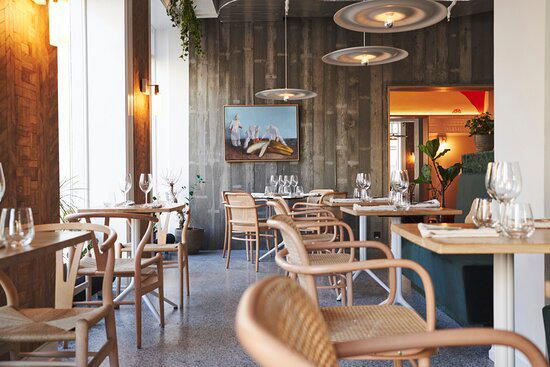
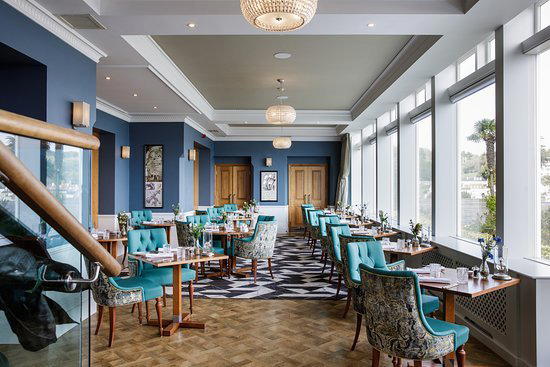
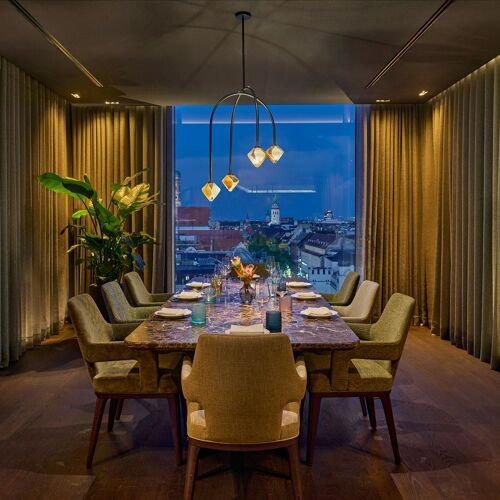
Ground-floor hotel restaurants in compact city centres tend to produce a specific atmosphere. Street-level light, passing pedestrian traffic visible through the glass, and the acoustic separation from a hotel lobby all contribute to a dining room that feels more connected to the city than to the property above it. That relationship with the street matters in Reykjavik, where the scale of the centre means that almost any restaurant is within ten minutes of almost any other. Diners who chose Hjá Jóni did so consciously, from a crowded short-list, and the room's ability to hold attention once they arrive is part of what justifies that choice.
In Nordic dining culture, physical environment and meal ritual are closely linked. The table setting, the light quality, and the pacing of service interact with the food in a way that makes the room itself part of the experience rather than its container. A well-run city-centre dining room at this latitude understands that the candle on the table in January is not decoration; it is part of why people come.
Planning Your Visit
Hjá Jóni is located at Thorvaldsensstræti 2, 101 Reykjavik, on the ground floor of the Iceland Parliament Hotel in the city centre. The address is walkable from the main hotel and retail corridor along Laugavegur and sits close to the Althing square, making it a logical stopping point either before or after the cluster of museums and galleries in this part of the city. For current opening hours, reservation availability, and menu information, contact the Iceland Parliament Hotel directly or check at the front desk. For a broader orientation to what is available in the city, our full Reykjavik restaurants guide covers the range from neighbourhood spots to tasting-menu destinations. Further planning resources include our full Reykjavik hotels guide, our full Reykjavik bars guide, our full Reykjavik wineries guide, and our full Reykjavik experiences guide.
Frequently Asked Questions
- What is the atmosphere like at Hjá Jóni?
- Hjá Jóni occupies the ground floor of the Iceland Parliament Hotel in central Reykjavik, placing it on one of the city's most active pedestrian corridors. The city-centre position means the room draws a mixed audience of hotel guests and independent diners, and the atmosphere shifts with the season: slow and warm during the dark winter months, more open and casual during the extended summer evenings. For price context and a broader view of the city's dining tiers, our full Reykjavik restaurants guide maps the range from budget to high-end.
- What should I eat at Hjá Jóni?
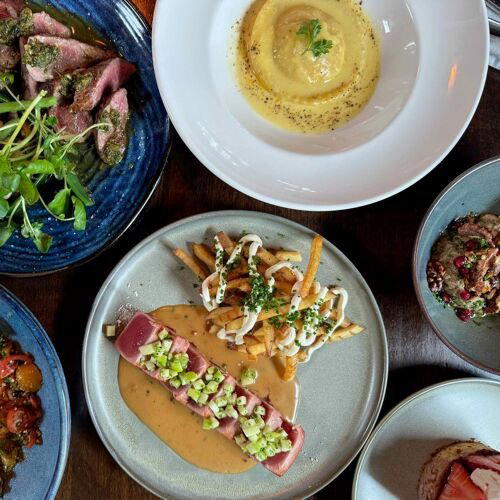
- Specific menu details are not available in our current records, and the kitchen program may change seasonally. In the broader context of Reykjavik hotel dining, expect a menu built around Icelandic staples: North Atlantic fish, domestic lamb, and produce shaped by the short growing season. For reference points on how city-centre hotel restaurants approach Icelandic ingredients, the programs at Eiriksson Brasserie and Bon Restaurant offer useful comparisons. Formally recognised kitchens working with similar ingredients at a higher specification include DILL in Reykjavík.
Style and Standing
A short peer set to help you calibrate price, style, and recognition.
| Venue | Cuisine | Awards | Notes |
|---|---|---|---|
| Hjá Jóni | Located on the ground floor of the Iceland Parliament Hotel right in Reykjavík’s… | This venue | |
| Amma Don | |||
| Bon Restaurant | |||
| Eiriksson Brasserie | |||
| Kröst | |||
| Monkeys |
Need a table?
Our members enjoy priority alerts and concierge-led booking support for the world's most difficult tables.
Get Exclusive Access