Our verdict
Feng Cheng Ba Lu sits in the Weiyang district of Xi'an, a city whose street-food traditions predate most of the world's great culinary capitals. The restaurant addresses a dining culture shaped by Silk Road crossroads: wheat-heavy, spice-forward, and built around communal rituals that have changed little across generations. For visitors moving through Shaanxi's food scene, it represents one entry point into that broader story.

Pearl is the En Primeur Club membership app, where members save venues, book tables and use the concierge.
The menu
What to order
- Rou Jia Mo
Where Weiyang Meets the Table
Xi'an's northern Weiyang district sits at some remove from the tourist-facing density of the Muslim Quarter, and that distance tends to filter the audience. The visitors who make it this far are usually following a specific lead rather than a general itinerary, and the dining rooms they find tend to reflect local habit more directly than those near the Bell Tower or Nanmen. Feng Cheng Ba Lu occupies this kind of territory: a neighbourhood address in a city whose food culture is old enough and specific enough that geography still tells you something meaningful about what you are likely to eat.
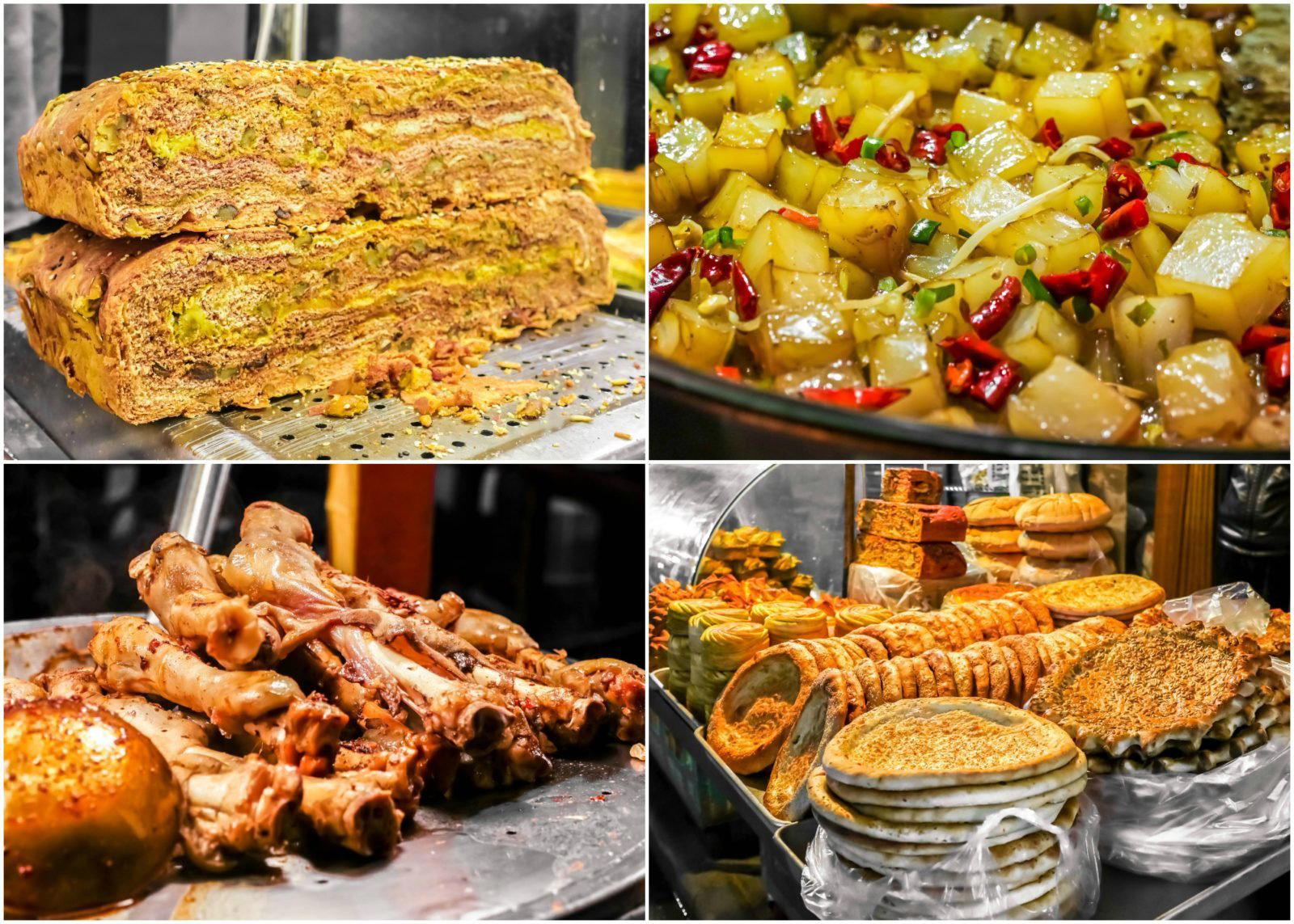
Xi'an's culinary identity is not simply regional Chinese food in the broad sense. It is the product of a specific convergence: the western terminus of the Han dynasty Silk Road, a city that absorbed Central Asian, Persian, and Arab influences across centuries of trade, and a grain-growing hinterland that made wheat, rather than rice, the staple. The result is a cooking tradition built around hand-pulled noodles, lamb, cumin, chilli, and bread forms that have no close equivalent east of Shaanxi. Understanding that context is prerequisite to reading any Xi'an restaurant honestly.
The Architecture of a Xi'an Meal
The dining ritual in Xi'an operates at a pace and with a grammar that differs meaningfully from the banquet culture of coastal China. Meals here tend to be structured around a central starch, most often noodles or flatbread, rather than a parade of shared dishes. The rhythm is slower in some ways, more focused in others. A bowl of paomo, the bread-and-lamb-broth dish that defines the city's comfort eating, requires the diner to tear the bread themselves before it is cooked into the soup; the kitchen waits on the guest, not the other way around. This is not theatre. It is simply how the dish works, and it sets the tone for an approach to eating that foregrounds participation and patience over passive consumption.
Noodle dishes in Shaanxi follow a similarly deliberate logic. The wide, belt-like biangbiang noodles that have become shorthand for Xi'an food internationally are served with toppings applied at the table, the hot oil poured over dried chilli and spice in a process that is as much about the moment of preparation as the final flavour. Restaurants like Biangbiang Mian have built their reputation on exactly this format, and the ritual dimension is part of what draws repeat visitors. The meal is not served to you so much as completed in front of you.
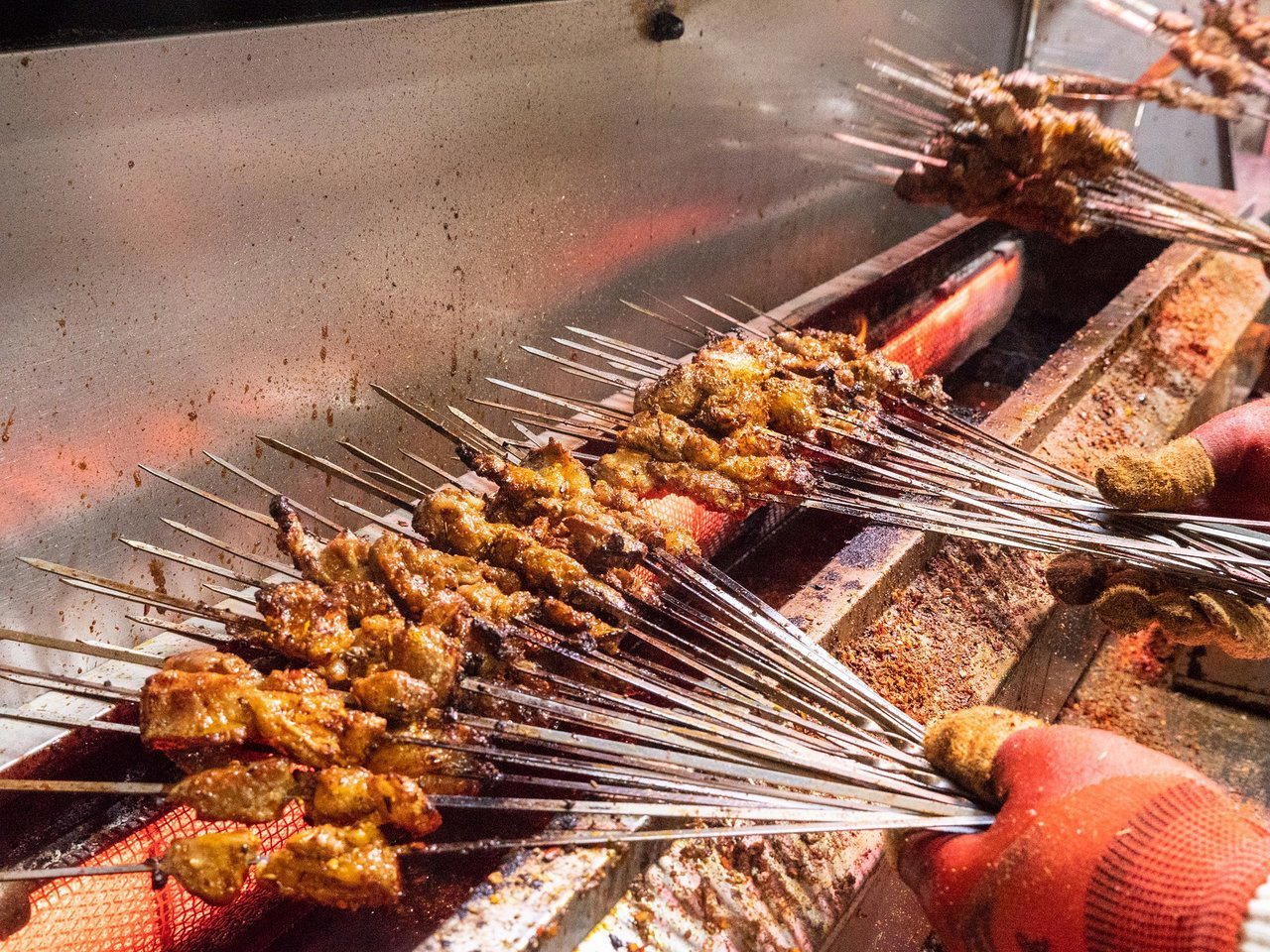
Other Xi'an addresses each hold a specific lane within this tradition. Defachang is known for dumplings; Hanyangguan occupies a different register within the city's eating options; Lianhu Road connects diners to the Muslim Quarter corridor; and Maijia Alabo Barbecue addresses the lamb skewer and open-fire tradition that runs through the city's street culture. Feng Cheng Ba Lu's Weiyang location places it outside that central cluster, which shapes both its clientele and its relationship to the tourist-facing version of Xi'an food.
Shaanxi in a National Context
Within China's broader dining hierarchy, Xi'an cuisine operates as a strong regional tradition rather than a fine-dining category. The cities that attract formal restaurant recognition from international guides tend to cluster on the coast and in Sichuan: operations like Fu He Hui in Shanghai, Xin Rong Ji in Beijing, and Imperial Treasure Fine Chinese Cuisine in Guangzhou represent the tier where Chinese regional cooking is formally evaluated and awarded. Shaanxi has its own authority, but it is expressed differently: through longevity of technique, through the density of specialist addresses in a single city, and through a dining public that is largely uninterested in international validation.
That same regional confidence shapes how visitors should approach Xi'an eating. The comparable addresses in other Chinese cities, Ru Yuan in Hangzhou, Dai Yuet Heen in Nanjing, Xin Rong Ji in Chengdu, and Fleurs Et Festin in Xiamen, operate within recognisable fine-dining frameworks. Xi'an's strength is elsewhere: in addresses that have served the same preparations for decades and have no interest in repositioning for a different audience. The gap between that tradition and the formality of somewhere like Chef Tam's Seasons in Macau or Shang Palace in Yangzhou is not a quality gap. It is a difference in what each cooking culture decides to optimise for.
Planning a Visit to Weiyang
The Weiyang district requires intention. Visitors staying near the city's historical centre will need to account for transit time, and the neighbourhood does not offer the compensatory density of attractions that makes the Muslim Quarter worth navigating on foot. The practical case for going is the restaurant itself, which means a visit is most sensible when combined with other business in the northern part of the city or as a deliberate excursion for those who have already covered central Xi'an's main dining points. The broader Xi'an dining context, including the full range of addresses across the city, is covered in our full Hsi An restaurants guide.
For reference on how highly formal Chinese dining operates at its technical apex, Wenru No.9 in Fuzhou offers a useful counterpoint, as do the tasting-format operations at Lazy Bear in San Francisco and Le Bernardin in New York City at the far end of the formality spectrum. Xi'an's strongest addresses, including Feng Cheng Ba Lu, sit at the opposite pole: defined by specificity of ingredient and technique rather than by the architecture of service. Neither approach is superior. They answer different questions about what a meal is for.
Frequently asked questions
What part of town is Feng Cheng Ba Lu in?
Feng Cheng Ba Lu is located at Weiyang, Xi'An, Shaanxi, China, Hsi An.
Is Feng Cheng Ba Lu a good option for visitors staying outside Xi'an's historical centre?
For travellers already based in or passing through Weiyang, Feng Cheng Ba Lu sits within the district rather than requiring a separate cross-city journey. Xi'an's historical centre and the Muslim Quarter draw the bulk of visiting diners, which makes Weiyang-based restaurants like this one a practical entry point into how the city actually eats day-to-day. Transit time from the central hotel cluster should be factored into plans.
What dish is Feng Cheng Ba Lu famous for?
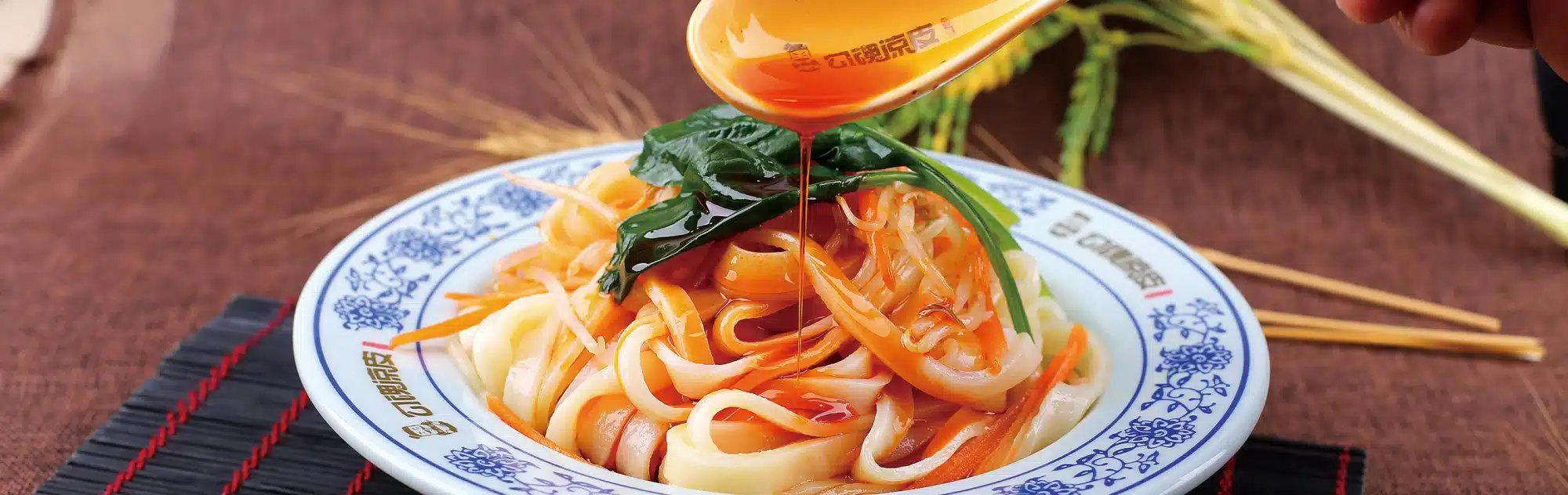
What is clear from its location in Xi'an, Shaanxi is that the regional tradition here centres on wheat-based preparations: biang biang noodles, rou jia mo, and lamb-forward soups are the structural pillars of any serious Shaanxi kitchen. Whether those specifics define Feng Cheng Ba Lu's menu would require a direct visit or contact with the restaurant.
Can I walk in to Feng Cheng Ba Lu?
No booking or walk-in policy is publicly documented for Feng Cheng Ba Lu. The Weiyang district address in Xi'an places it outside the high-footfall tourist belt, which typically means less competition for tables than restaurants near the Muslim Quarter. Arriving early or during off-peak hours is the practical hedge until confirmed contact details become available.
Cuisine Context
| Venue | Cuisine | Price |
|---|---|---|
| Feng Cheng Ba LuThis venue (the venue you are viewing) | Traditional Shaanxi Street Food | $1–10 |
| Biangbiang Mian | Xi'an Hand-Pulled Biang Biang Noodles | $1–10 |
| Defachang | Traditional Shaanxi Dumpling House | $10–20 |
| Hanyangguan | Korean Restaurant | Not listed |
| Lianhu Road | NorthWestern Chinese | Not listed |
| Maijia Alabo Barbecue | Chinese Barbecue | Not listed |
Continue exploring
More in Hsi An

Details
- Lively
- Casual Hangout
- A La Carte
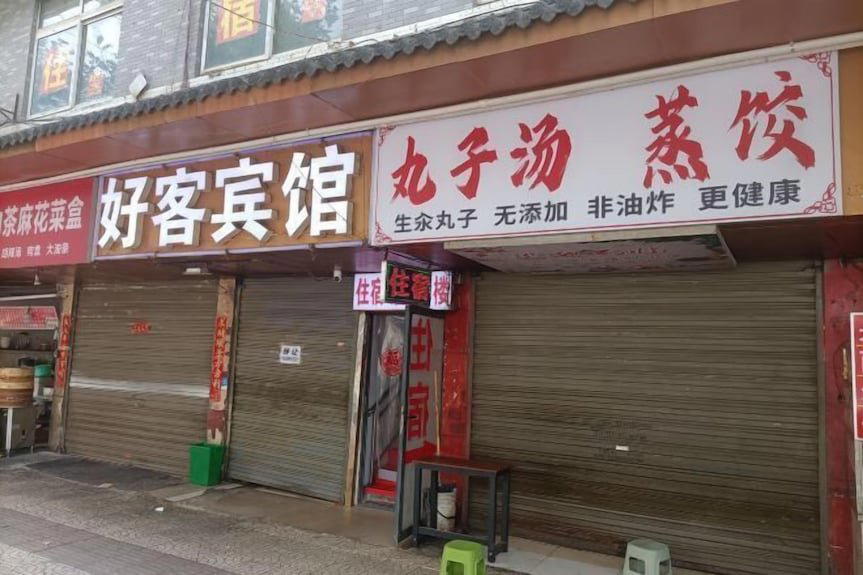
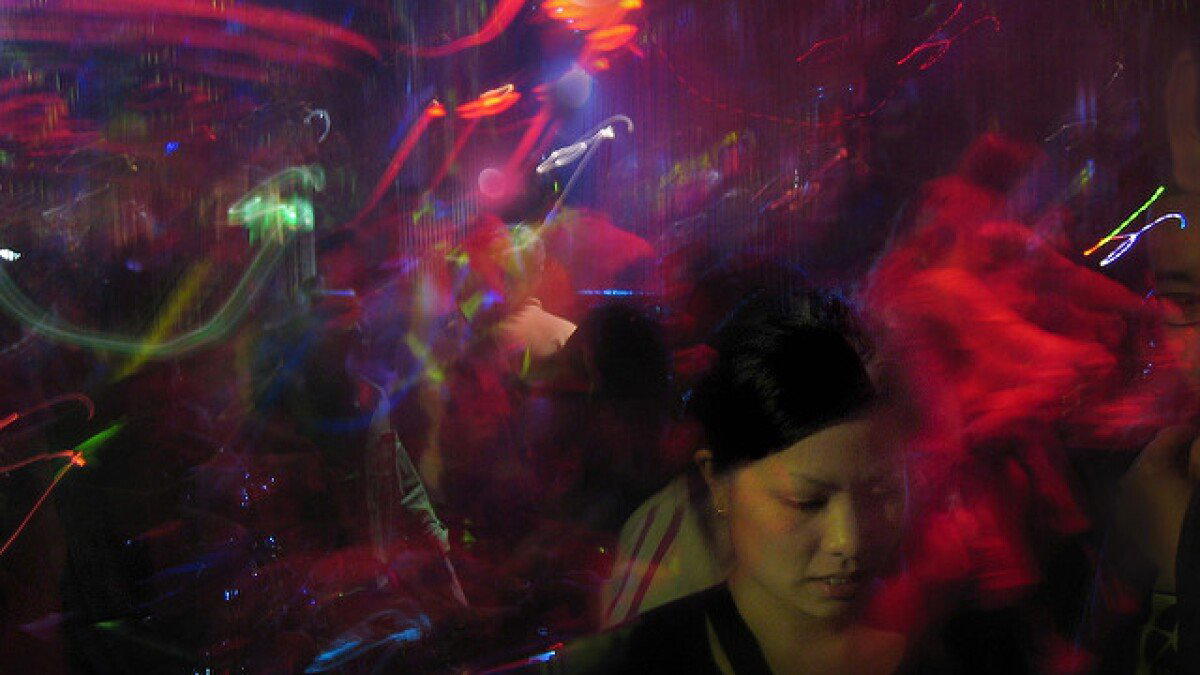
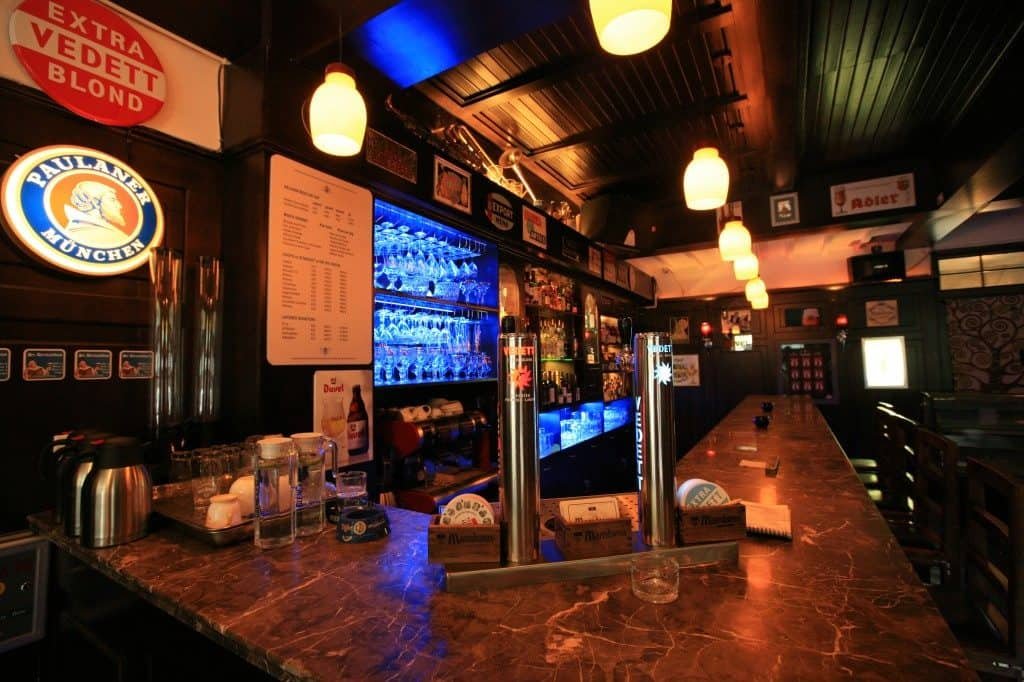
Casual and crowded small restaurant atmosphere typical of popular local eateries.