Our verdict
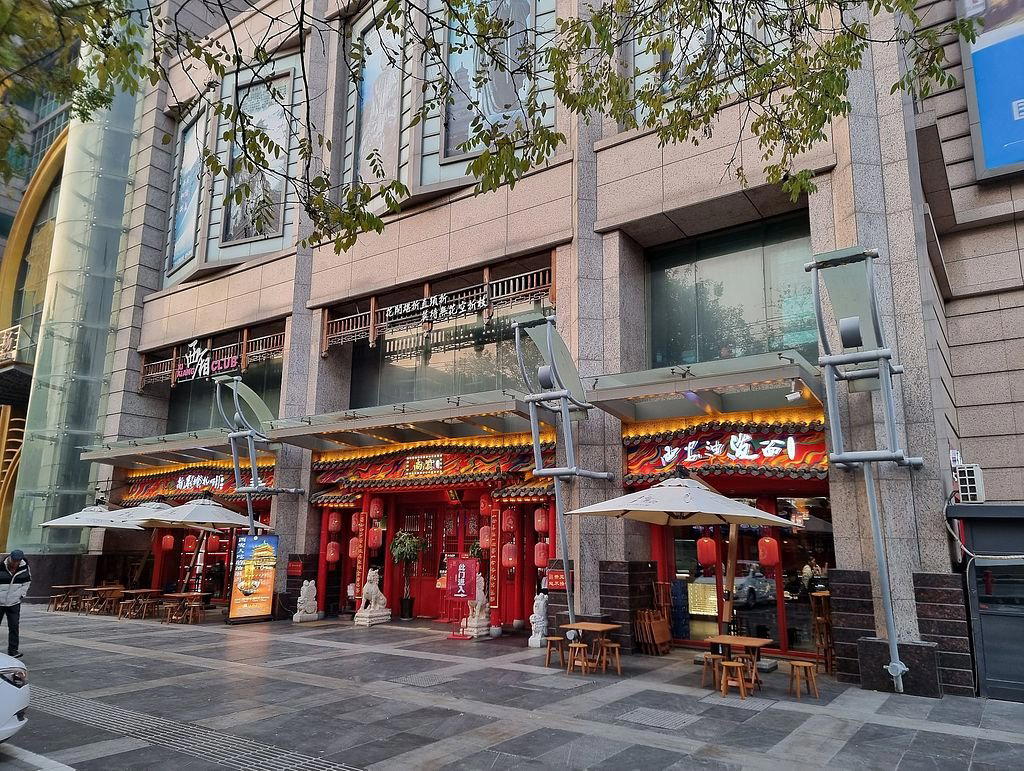
钟楼站 sits in the heart of Xi'an, where the Bell Tower district has long anchored the city's culinary identity. The area's regulars return not for novelty but for the kind of consistency that only comes with deep roots in Shaanxi's wheat-forward food traditions. For visitors plotting a serious meal in Xi'an, this is where the city's dining character comes into focus.

Pearl is the En Primeur Club membership app, where members save venues, book tables and use the concierge.
The menu
What to order
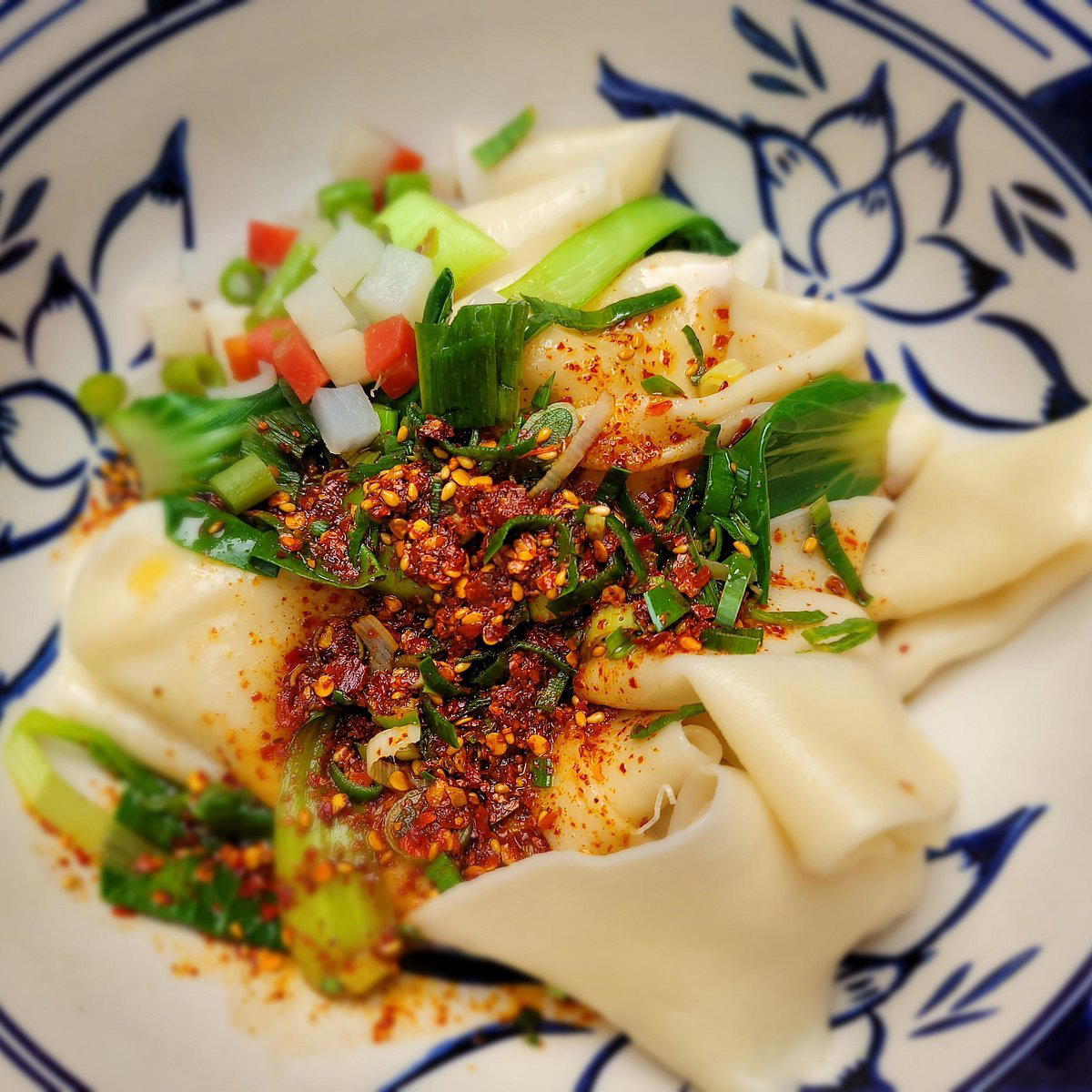
- Dumplings
Where Xi'an's Bell Tower District Earns Its Dining Reputation
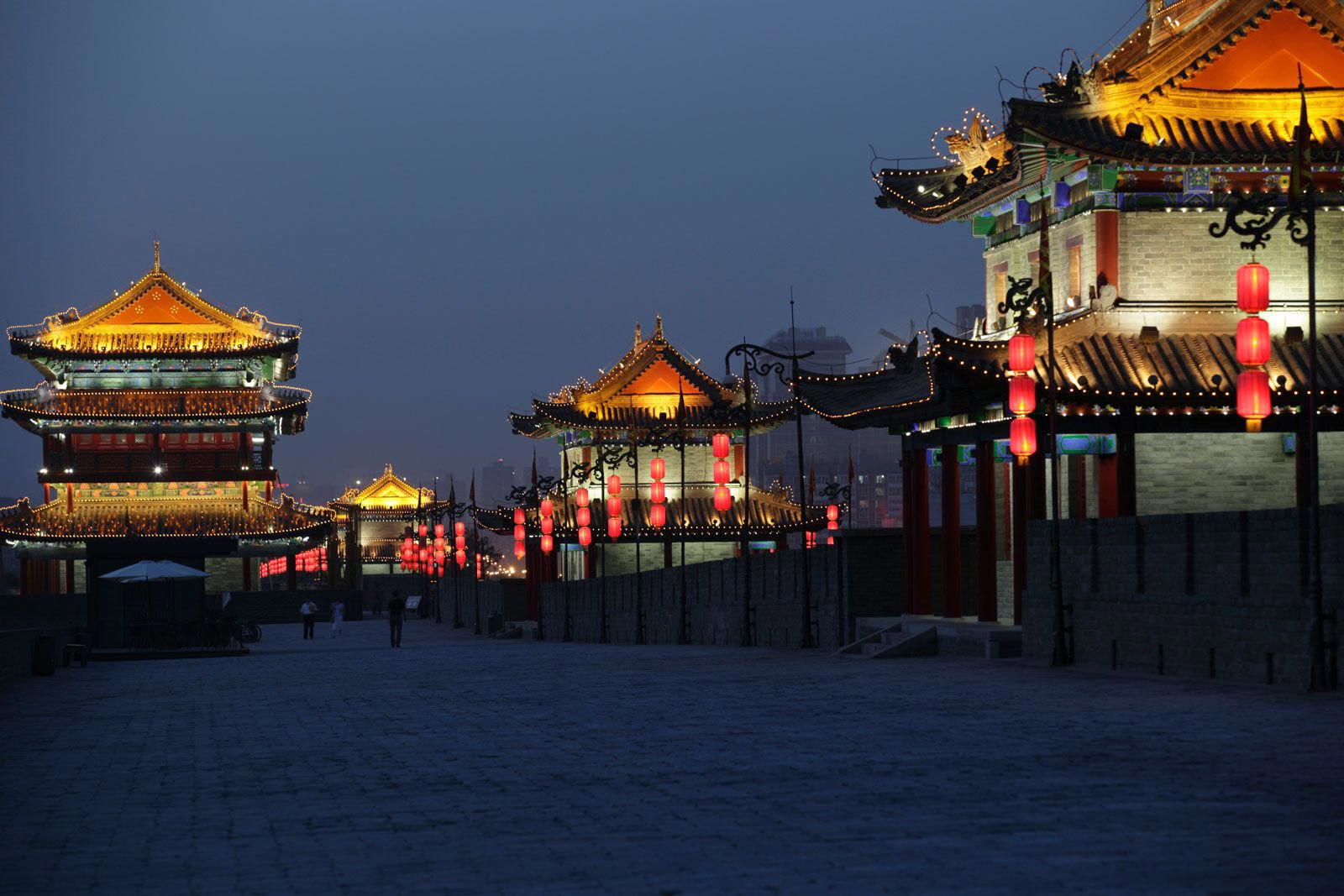
Approach the Bell Tower area of Xi'an at mealtimes and the rhythm of the city shifts. The streets narrow into lanes dense with the smell of cumin-laced lamb and hand-pulled dough, and the crowd that fills them is not primarily tourists following a map but residents who have been eating this way for decades. This is the part of Xi'an where Shaanxi's wheat-based food culture is not a talking point but a daily fact, and 钟楼站 (Bell Tower Station) sits squarely within that tradition. Understanding what draws regulars back here requires understanding what this district represents in the broader architecture of the city's food identity.
The Shaanxi Wheat Tradition: Context Before the Dish
Xi'an occupies a particular position in Chinese culinary history: as the former imperial capital at the eastern end of the Silk Road, it absorbed influences from Central Asia while maintaining a grain-forward foundation that distinguishes it from the rice cultures of southern China. The result is a city where noodles, flatbreads, and slow-cooked lamb dominate menus in a way that has no close parallel elsewhere in the country. Regulars at establishments in this district are not sampling a regional specialty, they are eating the food they grew up with, calibrated to a standard they have spent years forming opinions about.
The Bell Tower district, specifically, functions as a kind of geographic anchor for this identity. It draws a mix of long-term Xi'an residents and visitors from other Chinese cities who travel specifically to eat here, a pattern that distinguishes it from the more tourist-facing lanes closer to the Muslim Quarter. Venues like Biangbiang Mian and Defachang operate in the same neighbourhood current and illustrate how the area supports a range of formats, from dedicated single-dish specialists to broader Shaanxi menus. 钟楼站 belongs to this ecosystem without being defined against any single peer.
What the Regulars Come Back For
In a city with as much culinary depth as Xi'an, repeat custom is the most meaningful signal of quality. Restaurants in this district that survive on tourist traffic alone tend to drift toward a simplified, higher-margin version of the food; the places that hold the attention of locals are those that maintain the technical standards the cuisine demands. Shaanxi noodle traditions, for instance, require specific flour ratios, specific resting times, and specific cooking temperatures to produce the texture that a seasoned diner expects. These are not things that can be approximated without consequence.
For the regulars who return to establishments in the Bell Tower area week after week, the unwritten menu is as important as the printed one: the knowledge of which preparation to order in which season, which pairing of dishes reflects the kitchen's current strengths, and which time of day produces the leading version of a given item. This kind of knowledge accumulates over visits and represents the real currency of the dining relationship in this part of Xi'an. Neighbouring spots like Feng Cheng Ba Lu, Hanyangguan, and Lianhu Road each hold a version of this regular-clientele dynamic, calibrated to their own format and price positioning.
Xi'an in the National Dining Conversation
Xi'an's dining scene is frequently discussed in contrast to the more internationally visible restaurant cultures of Shanghai, Beijing, and Chengdu. This is not necessarily a disadvantage. Some of the most technically accomplished regional Chinese cooking in the country sits outside formal award structures, and Xi'an's wheat-based traditions are a clear example.
For context, the award-facing tier of Chinese dining elsewhere in the country includes venues like Fu He Hui in Shanghai, Xin Rong Ji in Beijing, and Chef Tam's Seasons in Macau, all operating in cities where institutional recognition systems are active. Xi'an operates on different terms, and the Bell Tower district reflects that: its authority comes from history and habitual use rather than from critic cycles. That makes the regulars' verdict here more durable in some respects, if less legible to a visitor with no prior frame of reference.
Other Chinese cities with strong regional dining identities, Hangzhou's Ru Yuan, Chengdu's Xin Rong Ji, Guangzhou's Imperial Treasure Fine Chinese Cuisine, each have their own relationship between institutional recognition and local loyalty. Xi'an's version of that dynamic is notably less mediated by formal credentials, which rewards the visitor who does the groundwork rather than relying solely on award shortlists. Further afield, venues like Dai Yuet Heen in Nanjing, Fleurs Et Festin in Xiamen, Shang Palace in Yangzhou, and Wenru No.9 in Fuzhou illustrate how broadly Chinese regional dining resists a single evaluative framework. For readers who also follow international dining, the format discipline of venues like Le Bernardin in New York City or the community-anchored model of Lazy Bear in San Francisco offer a useful comparative lens on what sustained local credibility looks like across very different culinary cultures.
Planning a Visit: What to Know Before You Go
Xi'an is accessible by high-speed rail from Beijing (approximately 4.5 hours on the G-train network) and from Chengdu (approximately 3.5 hours), making it a viable day-trip or short-break destination from either city. The Bell Tower area is walkable from Xi'an North Railway Station via metro Line 4, which reduces the navigation burden considerably for first-time visitors. Peak dining periods in the district run from late spring through mid-autumn, when the combination of tourism season and moderate temperatures fills the lanes around the Bell Tower most densely. Arriving at off-peak hours, particularly weekday lunches outside summer holiday windows, tends to produce a more manageable experience. For the broader Xi'an restaurant picture, our full Hsi An restaurants guide maps the city's dining options across neighbourhoods and format types.
Frequently asked questions
Where is 钟楼站 located?
钟楼站 is located at Xi'An, China, Hsi An.
Is 钟楼站 a good base for eating through Xi'an's Muslim Quarter?
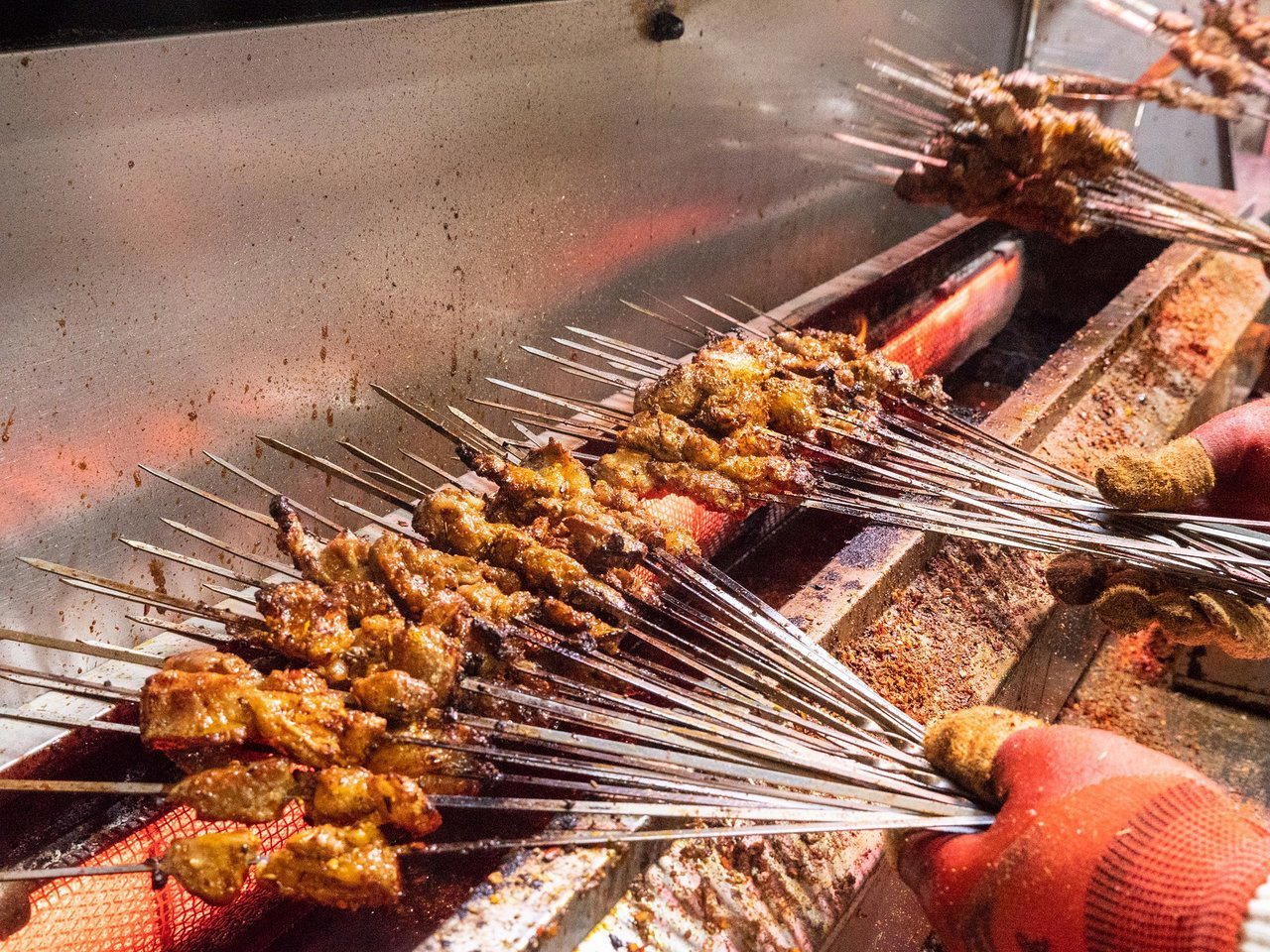
The Bell Tower district places 钟楼站 within walking distance of Huimin Street, the main artery of Xi'an's Muslim Quarter, where lamb skewers, persimmon cakes, and pomegranate juice stalls concentrate around the Great Mosque. Xi'an's two principal eating zones, the Muslim Quarter and the Bell Tower corridor, share an overlapping culinary vocabulary built on cumin, wheat, and slow-cooked meats, making the area a practical starting point for working through the city's street food range.
What dish is 钟楼站 famous for?
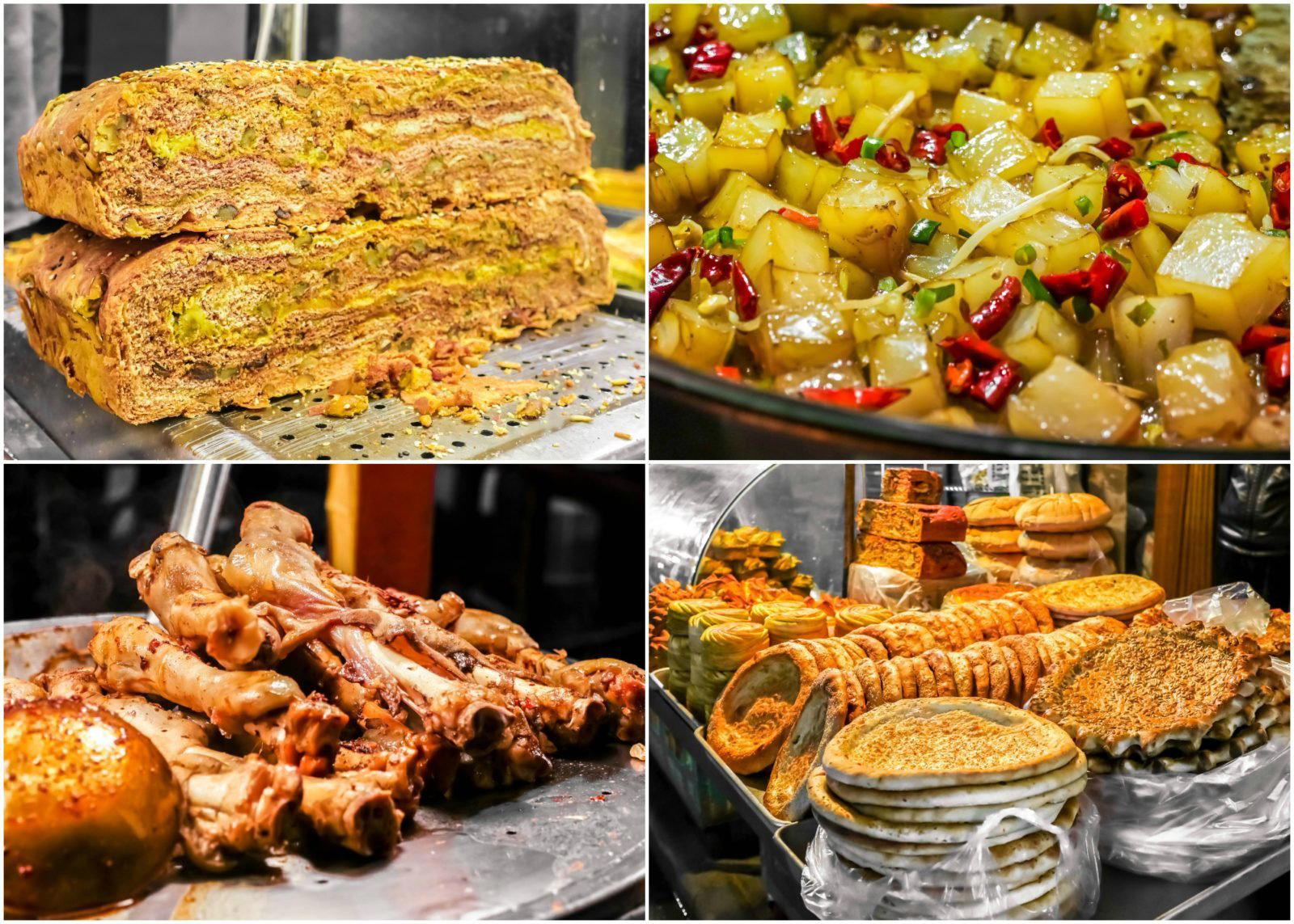
钟楼站 sits at the centre of Xi'an's Bell Tower district, where the dominant dishes are biang biang noodles, wide, hand-pulled wheat noodles dressed with chilli oil and Sichuan pepper, and roujiamo, the slow-braised pork flatbread that has fed this neighbourhood for centuries. The area's reputation is built on Shaanxi wheat cookery, and those two dishes are the clearest expression of it.
How far ahead should I plan for 钟楼站?
No booking data is publicly confirmed for 钟楼站, but the Bell Tower district draws both Xi'an residents and visitors arriving via the city's high-speed rail connections from Beijing and Chengdu. Arriving at off-peak hours, mid-afternoon rather than the lunch and dinner rushes, is the practical approach for street-level counters in this area.
What has 钟楼站 built its reputation on?
The venue operates within Xi'an's Bell Tower district, a corridor with deep roots in Shaanxi culinary tradition shaped by the city's position as a former imperial capital at the eastern end of the Silk Road. In this context, reputation accrues to venues that hold to cumin-forward lamb preparations, hand-pulled noodles, and vinegar-bright cold dishes, the working grammar of the local table.
What if I have allergies at 钟楼站?
Shaanxi cuisine is wheat-intensive by tradition, meaning gluten is present in most core dishes across the Bell Tower district, from noodles to flatbreads. Sesame paste and chilli oil also appear frequently as condiments. No allergen documentation has been published for 钟楼站 specifically, so communicating dietary restrictions directly at the venue before ordering is the only reliable approach.
Cuisine and Credentials
| Venue | Cuisine | Price |
|---|---|---|
| 钟楼站This venue (the venue you are viewing) | Traditional Shaanxi Dumplings | $10–20 |
| Biangbiang Mian | Xi'an Hand-Pulled Biang Biang Noodles | $1–10 |
| Defachang | Traditional Shaanxi Dumpling House | $10–20 |
| Feng Cheng Ba Lu | Traditional Shaanxi Street Food | $1–10 |
| Hanyangguan | Korean Restaurant | Not listed |
| Lianhu Road | NorthWestern Chinese | Not listed |
Continue exploring
More in Hsi An

Details
- Classic
- Well Known
- Casual Hangout
- Family
- Historic Building
- Street Scene
- A La Carte
- Small Plates
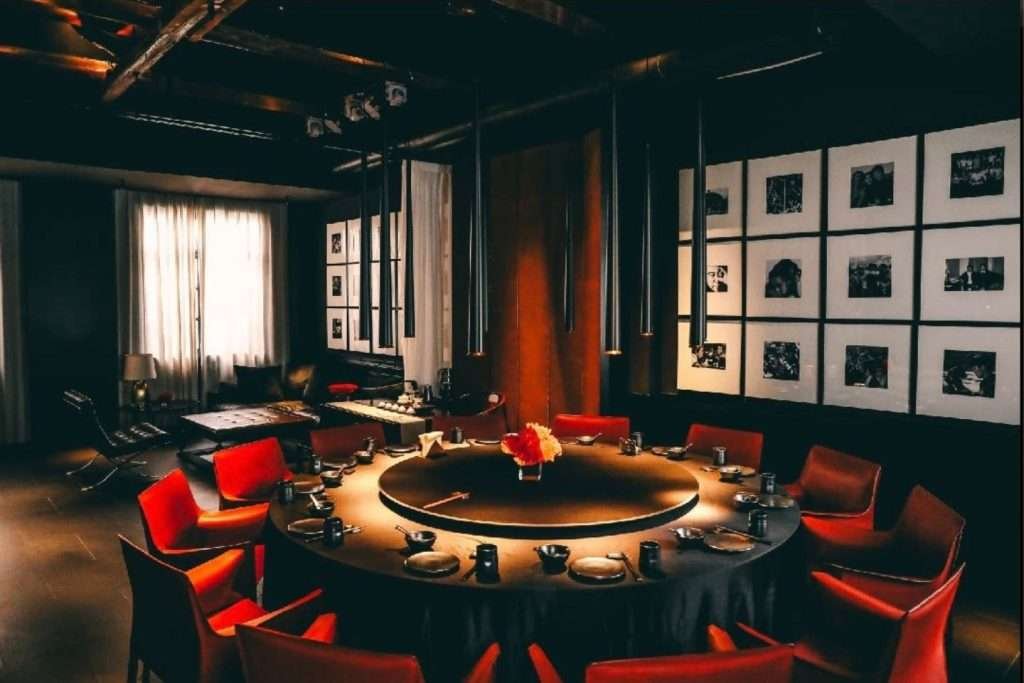
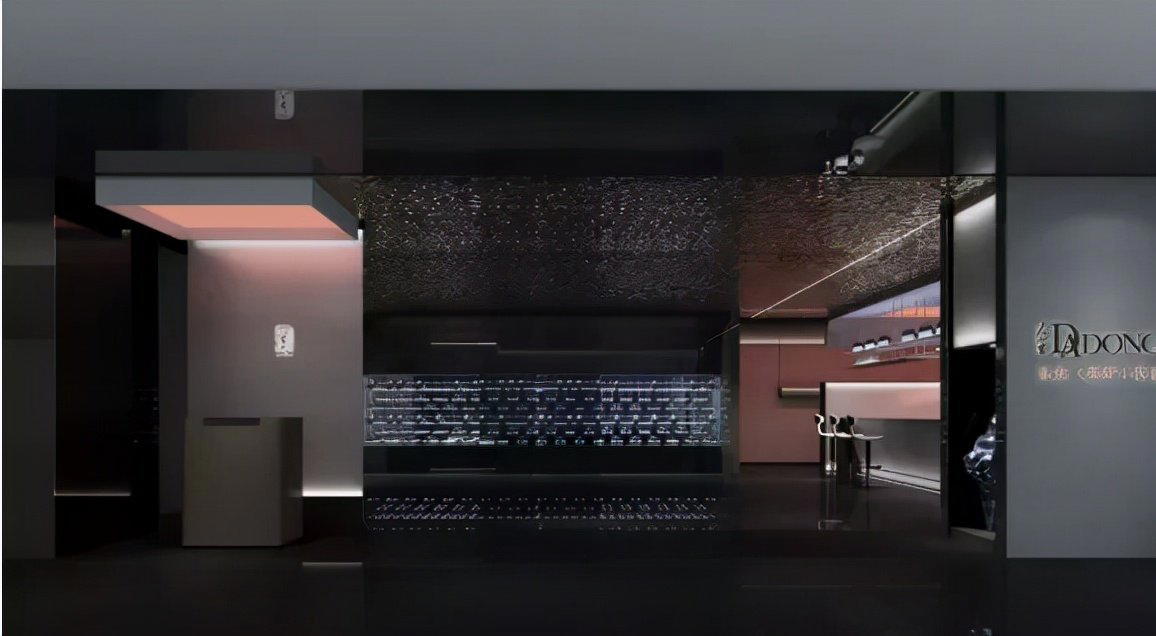
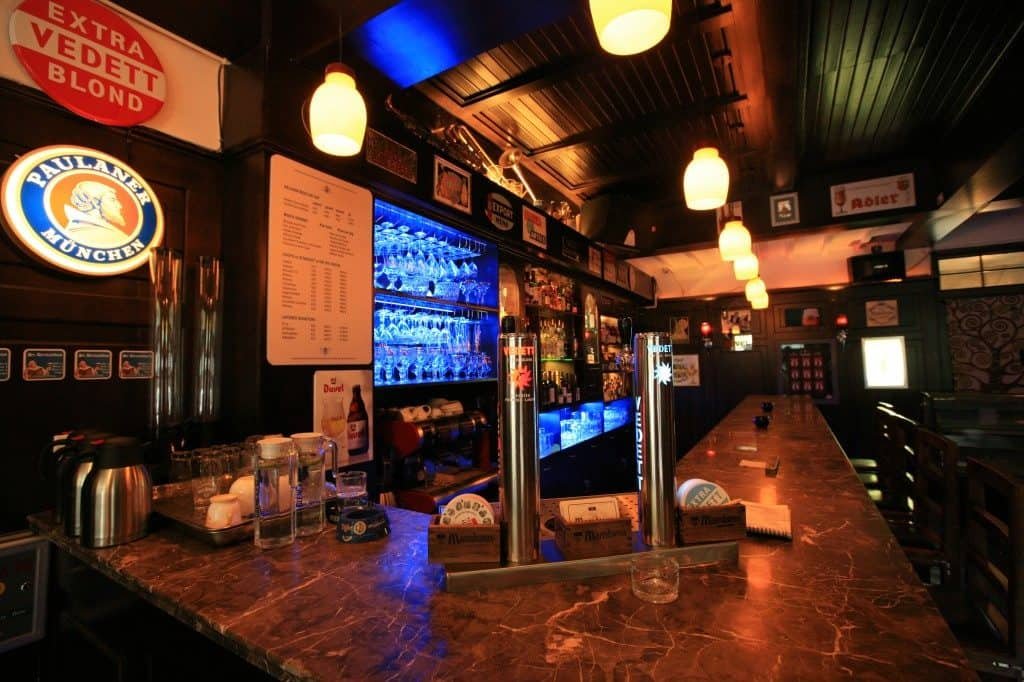
Simple and minimalist downstairs fast-food style with basic seating; more traditional Chinese banquet hall atmosphere upstairs.