Our verdict
On Beiguangji Street in Xi'An's Muslim Quarter, Maijia Alabo Barbecue draws on the Hui culinary tradition that has defined this corridor for centuries. The stall operates within one of the city's most concentrated stretches of street-food culture, where smoke from lamb skewers mingles with the scent of cumin and charcoal. Arrival during the evening peak puts you at the centre of a scene that runs on appetite, not reservation.

Pearl is the En Primeur Club membership app, where members save venues, book tables and use the concierge.
The menu
What to order
- Glutinous Sweet Rice on a Stick
Smoke, Cumin, and the Street That Defines Xi'An's Muslim Quarter
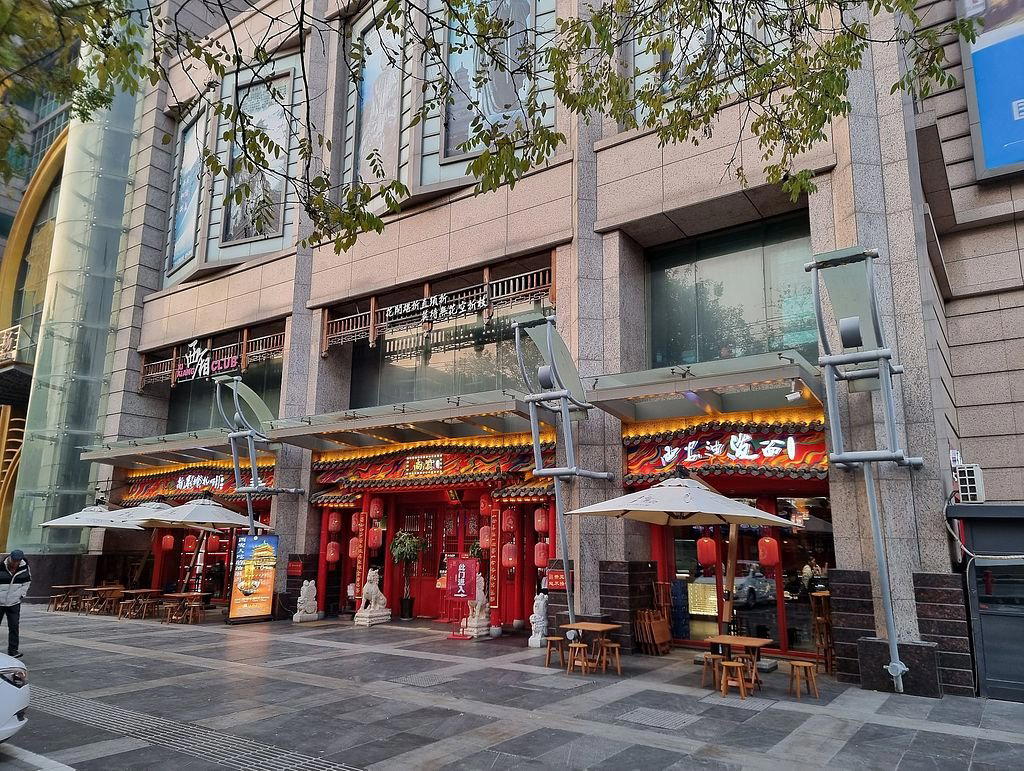
Beiguangji Street arrives before you see it. The smell of lamb fat hitting live coals, the low percussion of cleavers on wood, the press of foot traffic narrowing to single file between stalls lit by bare bulbs, this is the sensory register of Xi'An's Muslim Quarter at its most concentrated, and Maijia Alabo Barbecue sits squarely inside that scene. The address at 128 Beiguangji St places it on a stretch locals call 北院门小吃一条街, a snack corridor that runs through the Lianhu District and functions as one of the most sustained examples of Hui street-food culture anywhere in northwestern China.
The Muslim Quarter's food identity is not a recent phenomenon. Xi'An's Hui community has maintained a distinct culinary tradition here for well over a millennium, shaped by trade-route exchange along the Silk Road and anchored by halal practice that governs everything from animal selection to preparation method. Lamb is the dominant protein, cumin and chilli the primary aromatics, and open-fire cooking the technique that connects the stall to a lineage stretching back through centuries of Central Asian culinary exchange. What you encounter at Maijia Alabo Barbecue is not a recreation of that tradition, it operates within it as a functioning, present-tense expression.
The Sensory Architecture of a Barbecue Stall
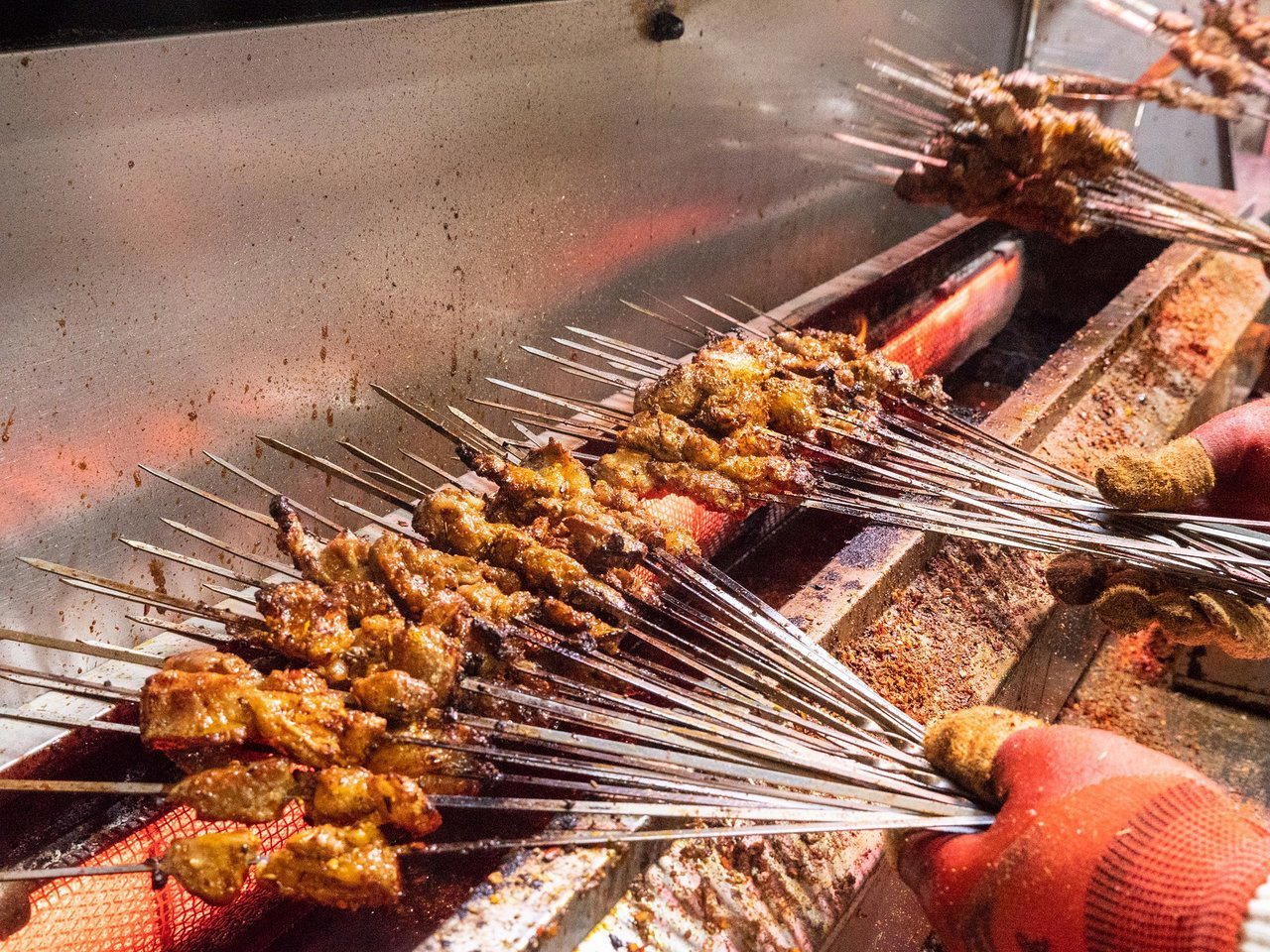
Xi'An barbecue at this level operates through compression. The cooking surface is close, the queue is close, and the gap between order and delivery is measured in minutes rather than courses. Lamb skewers, the format that defines this category across the Muslim Quarter, arrive on metal rods, seasoned with cumin seed, dried chilli flake, and salt. The char is the point: a crust formed at high heat that seals in fat before the interior has time to dry out. Eating standing up, or perched at a shared table if one opens, is not a compromise, it is the intended format.
The broader corridor amplifies the experience. Beiguangji Street runs adjacent to the drum tower area, meaning the stall operates within walking distance of one of Xi'An's most recognised landmarks. Vendors here do not compete on atmosphere in the designed sense; the atmosphere is collective, produced by density and repetition, stall after stall offering variations on the same core vocabulary of lamb, bread, and fire. Within that context, individual operations distinguish themselves through technique and throughput, and a barbecue counter that maintains a queue is making an argument about its product without needing to make it explicitly.
The evening hours, roughly from late afternoon into the night, represent peak operating conditions for the entire street. Arriving before the main dinner push, before 18:00 by local convention, means shorter queues and skewers that come off the grill at their own pace rather than under volume pressure. Late arrival, after 20:00, means navigating the full density of the crowd, which is its own form of authentication. Both experiences are legitimate; they are simply different registers of the same event. For visitors approaching Xi'An's street food for the first time, this corridor offers a more concentrated and navigable entry point than the broader night markets further from the old city centre.
Where This Fits in Xi'An's Eating Scene
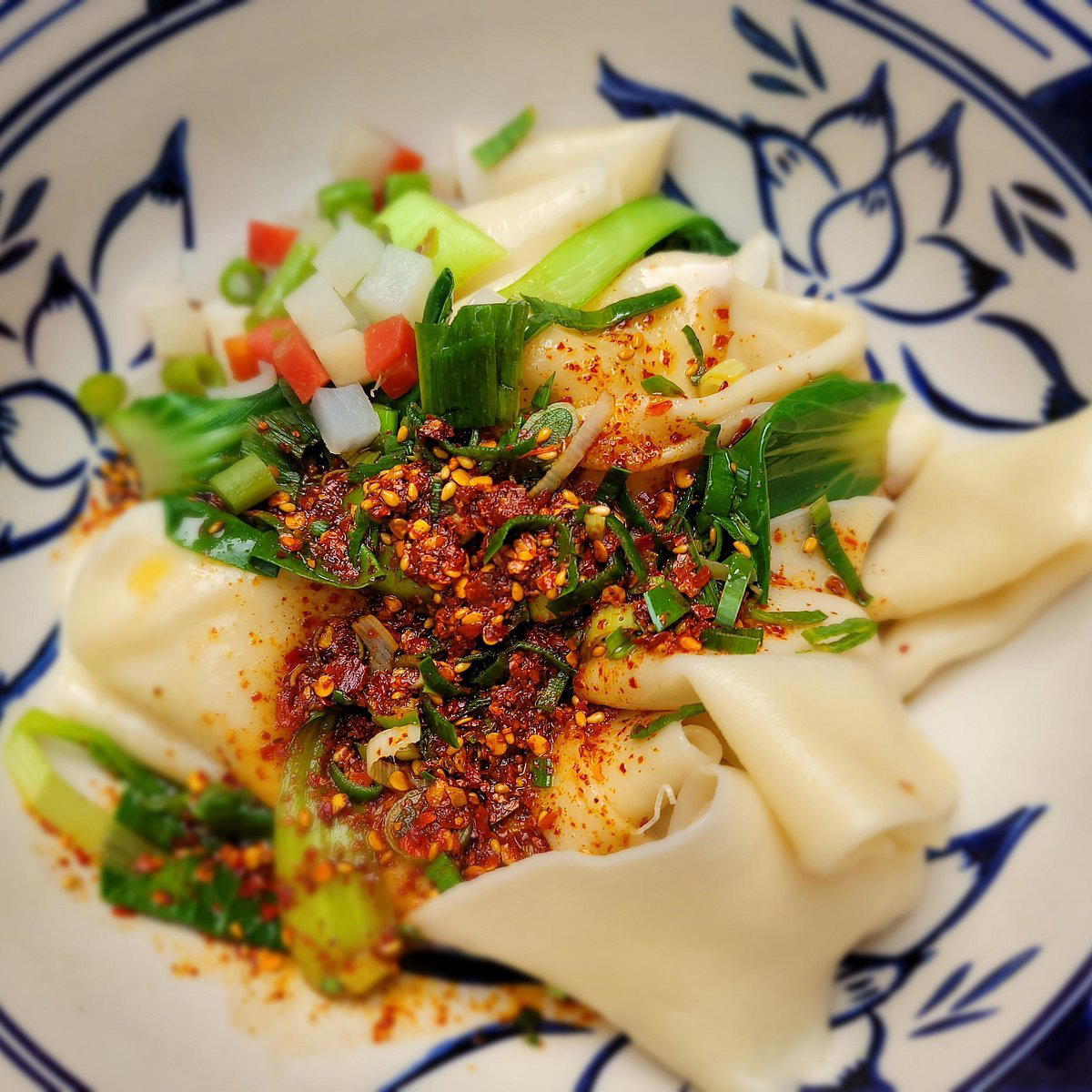
Xi'An's dining identity splits between the Hui street-food tradition centred on the Muslim Quarter and a broader Shaanxi cuisine that includes dishes like biang biang noodles and roujiamo. These are not competing traditions so much as parallel ones, and most visitors with more than a day in the city will encounter both. Biangbiang Mian and Defachang represent the broader Shaanxi sit-down category, while the Beiguangji corridor, including operations like Lianhu Road and Feng Cheng Ba Lu, anchors the standing-and-eating end of the spectrum. Hanyangguan occupies a middle register between the two modes.
The barbecue stall format sits at the informal end of this spectrum by design. There are no tasting menus, no reservations, no dress considerations. The transaction is direct: you point, you pay a small amount per skewer, you eat. This model is not a concession to accessibility, it is the original format, and the Muslim Quarter's endurance as a food destination across multiple generations of both local and visiting diners is evidence that the format works. Contrast this with the formal Chinese dining rooms that have received international recognition elsewhere, Fu He Hui in Shanghai, Chef Tam's Seasons in Macau, or Imperial Treasure Fine Chinese Cuisine in Guangzhou, and the distance between those environments and a cumin-dusted skewer on Beiguangji Street clarifies just how wide China's food range actually runs. Both ends of that range are worth taking seriously. See our full Hsi An restaurants guide for a broader map of where Xi'An's eating fits across categories and price points.
Planning Your Visit
Maijia Alabo Barbecue operates at 128 Beiguangji St in the Lianhu District, postcode 710007. The Muslim Quarter is most easily reached on foot from the Bell Tower area of the old city, a walk of roughly ten to fifteen minutes depending on your starting point within the historic core. No website or booking mechanism is available for this type of operation, arrival is the booking system. Payment is almost universally handled by mobile payment platforms (Alipay, WeChat Pay) at stalls in this corridor, and cash acceptance, while possible, should not be assumed. Visitors without a Chinese mobile payment setup should confirm alternatives on arrival. The street operates year-round, but the experience during Xi'An's colder months, roughly November through February, is materially different from the open-air warmth of late spring and summer evenings, when the corridor reaches its fullest density and energy. For a first visit, the shoulder months of April, May, September, and October offer the most comfortable conditions without the compressed crowds of national holiday periods like Golden Week.
Frequently asked questions
What's the address for Maijia Alabo Barbecue?
Maijia Alabo Barbecue is located at 128 Beiguangji St, 北院门小吃一条街 Lianhu District, Xi'An, Shaanxi, China, 710007, Hsi An.
Where exactly is Maijia Alabo Barbecue located in Xi'An, and how do visitors reach it?
The stall is at 128 Beiguangji St within the Lianhu District, postcode 710007, on the food strip that runs through Xi'An's Muslim Quarter. The Muslim Quarter is walkable from Xi'An's central Bell Tower area, and Beiguangji Street itself is one of the district's main eating corridors. No vehicle access is needed, the street is best covered on foot.
What's the must-try dish at Maijia Alabo Barbecue?
Lamb skewers are the core of Beiguangji Street barbecue culture, and at a stall like Maijia Alabo, that means cumin-rubbed meat cooked directly over live coals. The Hui grilling tradition on this street is built around lamb, and most visitors order several rounds rather than a single sitting. Arrive with appetite rather than a set plan.
Is Maijia Alabo Barbecue reservation-only?
Maijia Alabo Barbecue operates as a street-food stall on Beiguangji St in Xi'An's Lianhu District, walk-in is the format here, with no reservation system. Queue times vary by hour; evenings and weekends on this strip draw consistent foot traffic from both locals and visitors. Arriving before peak dinner rush typically means a shorter wait.
What's the signature at Maijia Alabo Barbecue?
The signature is the live-coal grill itself: meat cooked at close quarters, seasoned in the Hui tradition with cumin and chilli, delivered fast from a compact setup at 128 Beiguangji St. This is street food operating through compression, the cooking surface, the queue, and the handoff are all within arm's reach. That immediacy is the point.
How does Maijia Alabo Barbecue handle allergies?
Beiguangji Street stalls operate in open-air, high-volume conditions where cross-contact between ingredients is common. Maijia Alabo has no documented allergy protocol or menu allergen listing. Visitors with serious dietary requirements should approach the counter directly and communicate in Mandarin or via translation, as English-language staff assistance cannot be assumed at this address.
Same-City Peers
Comparable venues nearby, for context on price, style, and recognition.
| Venue | Cuisine | Price | Notes |
|---|---|---|---|
| Maijia Alabo BarbecueThis venue (the venue you are viewing) | Chinese Barbecue | Not listed | Not listed |
| Qu Jiang Lu | Varied Chinese Cuisine | Not listed | Qujiang New District |
| Biangbiang Mian | Xi'an Hand-Pulled Biang Biang Noodles | $1–10 | Baishulin |
| Defachang | Traditional Shaanxi Dumpling House | $10–20 | Bell Tower |
| Feng Cheng Ba Lu | Traditional Shaanxi Street Food | $1–10 | Weiyang District |
| Lianhu Road | NorthWestern Chinese | Not listed | Lianhu District |
Continue exploring
More in Hsi An
Restaurants in Hsi An
All restaurants in Hsi An →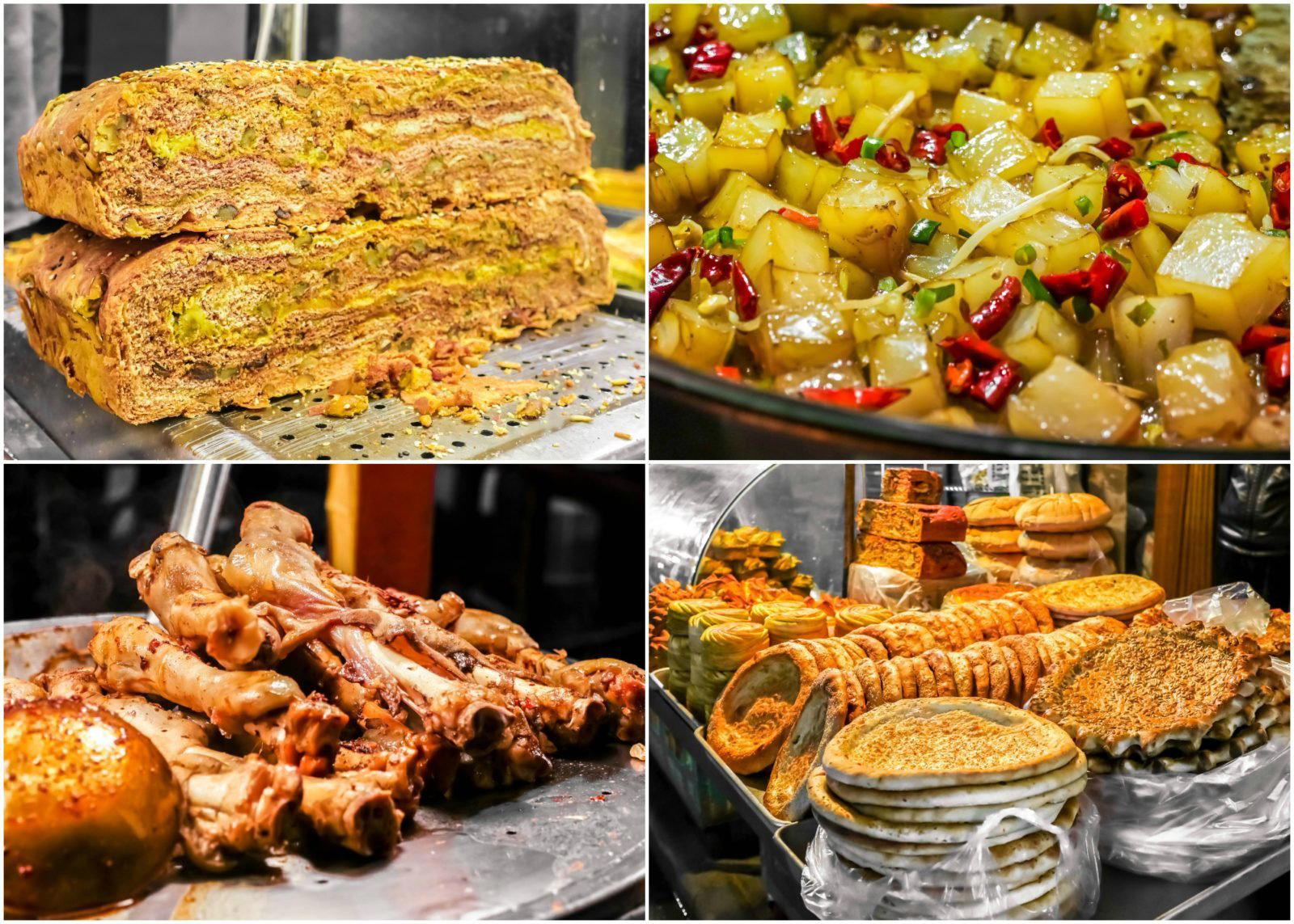


Details
- Casual Hangout
- A La Carte
Current opening hours
- Monday
- 10 AM–10 PM
- Tuesday
- 10 AM–10 PM
- Wednesday
- 10 AM–10 PM
- Thursday
- 10 AM–10 PM
- Friday
- 10 AM–10 PM
- Saturday
- 10 AM–10 PM
- Sunday
- 10 AM–10 PM
Hours can change for holidays and private events. Hours as of .