On Nanyuanmen in Xi'an's Beilin district, Biangbiang Mian sits at the center of one of China's most legible regional food traditions: wide, hand-pulled Shaanxi noodles served with chili oil, vinegar, and time-tested toppings. This is the dish that defines the city's street-level eating culture, served in a format that has changed little across generations and needs no translation for locals or visitors alike.
Pearl is the En Primeur Club membership app — saves, bookings, and concierge access live there. Same editors, same standards.
- Address
- 80 Nanyuanmen, Beilin, Xi'An, Shaanxi, China, 710008
- Directions
- Get directions
 Saves & bookings on Pearl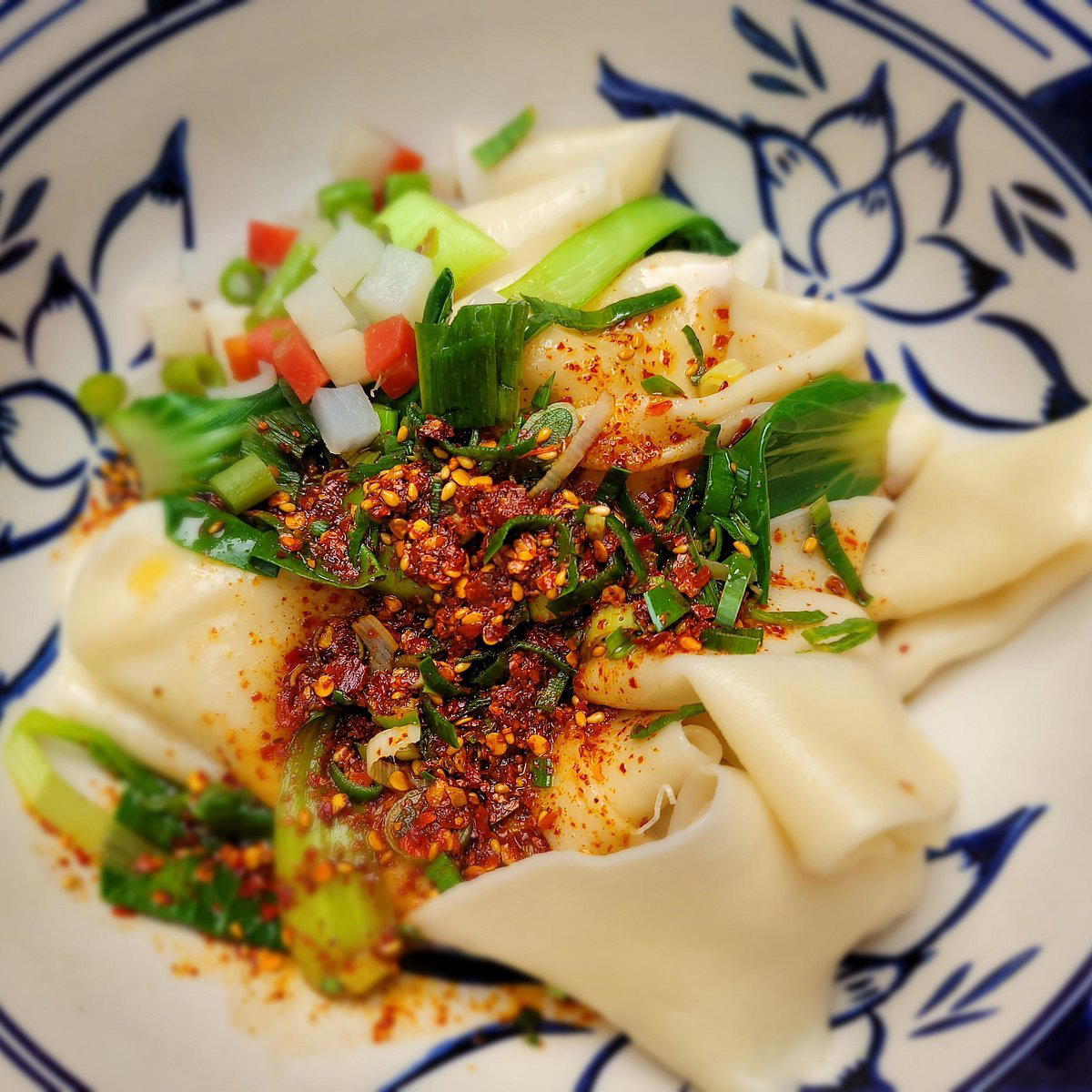
Where Xi'an's Noodle Tradition Takes Its Most Direct Form
Nanyuanmen is one of those streets in Xi'an's Beilin district where the food does not defer to tourism, it simply continues. The crowds here are not gathered around a spectacle but around a process: flour mixed with salt and water, stretched by hand into wide, irregular ribbons, dropped into boiling water, and dressed with chili oil, black vinegar, garlic, and cured or fresh toppings assembled from a short, consistent roster. Biangbiang Mian, at number 80, occupies a space along this strip that belongs to the workaday end of Xi'an dining, which in Shaanxi terms means it is doing something right.
The name itself is the dish. Biang is among the more complex characters in written Chinese, a visual joke built from radicals suggesting chaos and energy, and the doubling, biangbiang, refers to the sound the dough makes when it is slapped against the work surface during stretching. That process is the entire point. The noodles arrive wide and thick, with a pull and chew that dried pasta and machine-cut alternatives cannot reproduce. This is a cuisine where the raw material and the method of handling it are inseparable from the result.
Shaanxi's Wheat Belt and What It Produces
Biangbiang noodles belong to the agricultural logic of Shaanxi province. The Wei River valley, running through central Shaanxi, has produced winter wheat for more than two thousand years. The grain grown here is high in gluten, which is what allows Shaanxi noodle traditions to stretch and pull without tearing, a property that is essential to the biangbiang format, where each noodle is pulled from a single piece of dough into a belt-width ribbon sometimes exceeding thirty centimetres in length. The dish is not a recent invention dressed up for visitors; it is a direct product of what the land here grows and what cooks developed to use it.
Alongside the noodles, the dressing relies on a short list of Shaanxi staples: Qin chuan chili (the dried, coarsely ground pepper characteristic of the region), Zhenjiang or Shaanxi vinegar, and garlic. The heat is applied by pouring hot oil over chili flakes directly in the bowl, a technique that blooms the pepper's aroma without burning it. The result is specific enough to mark the dish's geography, you could not confuse it with Sichuan mala, Cantonese delicacy, or Hunan sourness. It belongs here.
This specificity of sourcing and technique places Shaanxi noodle culture in a different register from the kind of regional Chinese cooking that has been smoothed for wider audiences. For comparison, fine-dining interpretations of Chinese cuisine, such as Fu He Hui in Shanghai or Chef Tam's Seasons in Macau, work within regional traditions but reframe them for tasting-menu formats and international clientele. Biangbiang Mian on Nanyuanmen operates in an entirely different mode: the ingredient sourcing is local, the format is fixed, and the audience is primarily the city itself.
Xi'an's Street-Level Eating Scene in Context
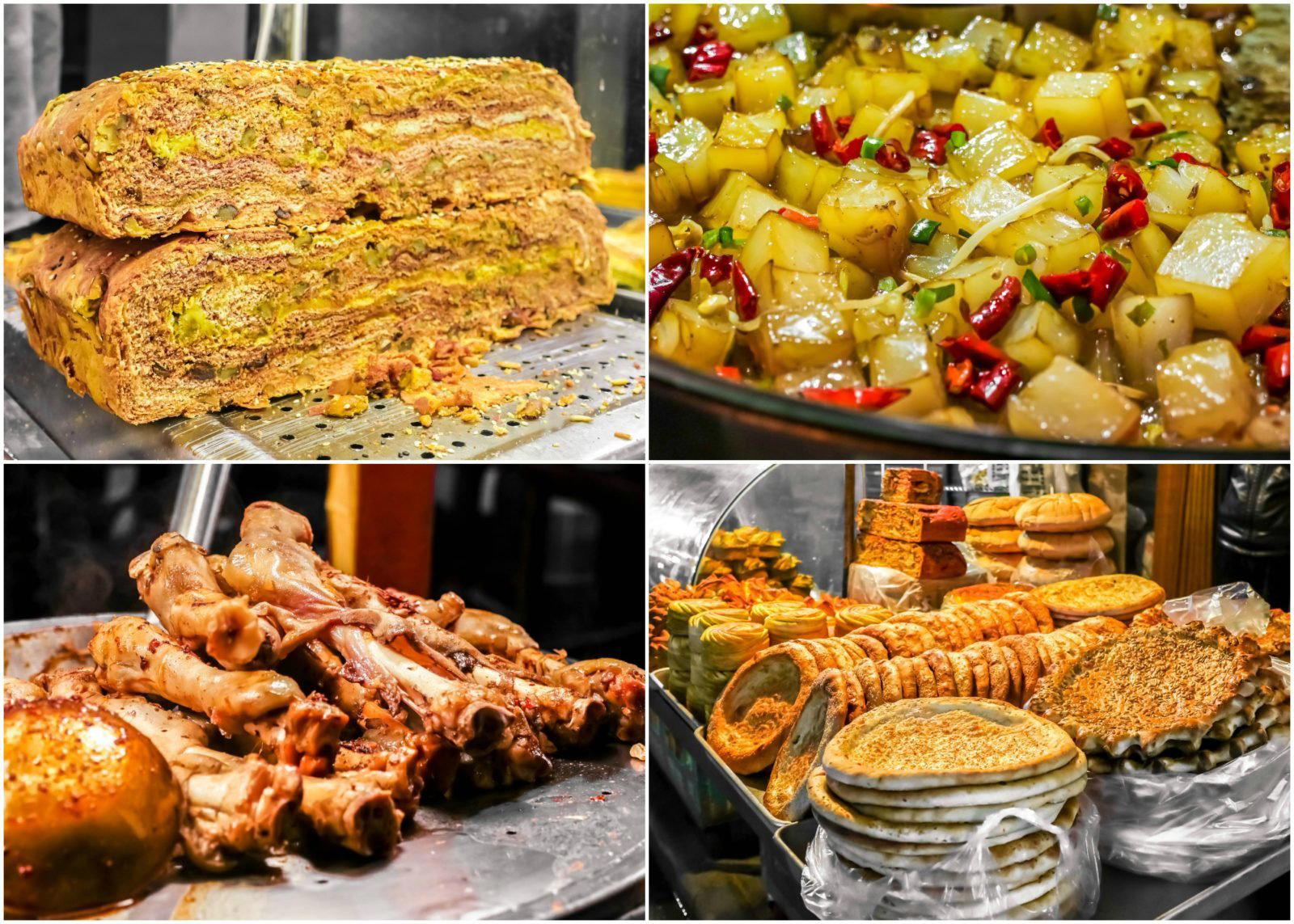
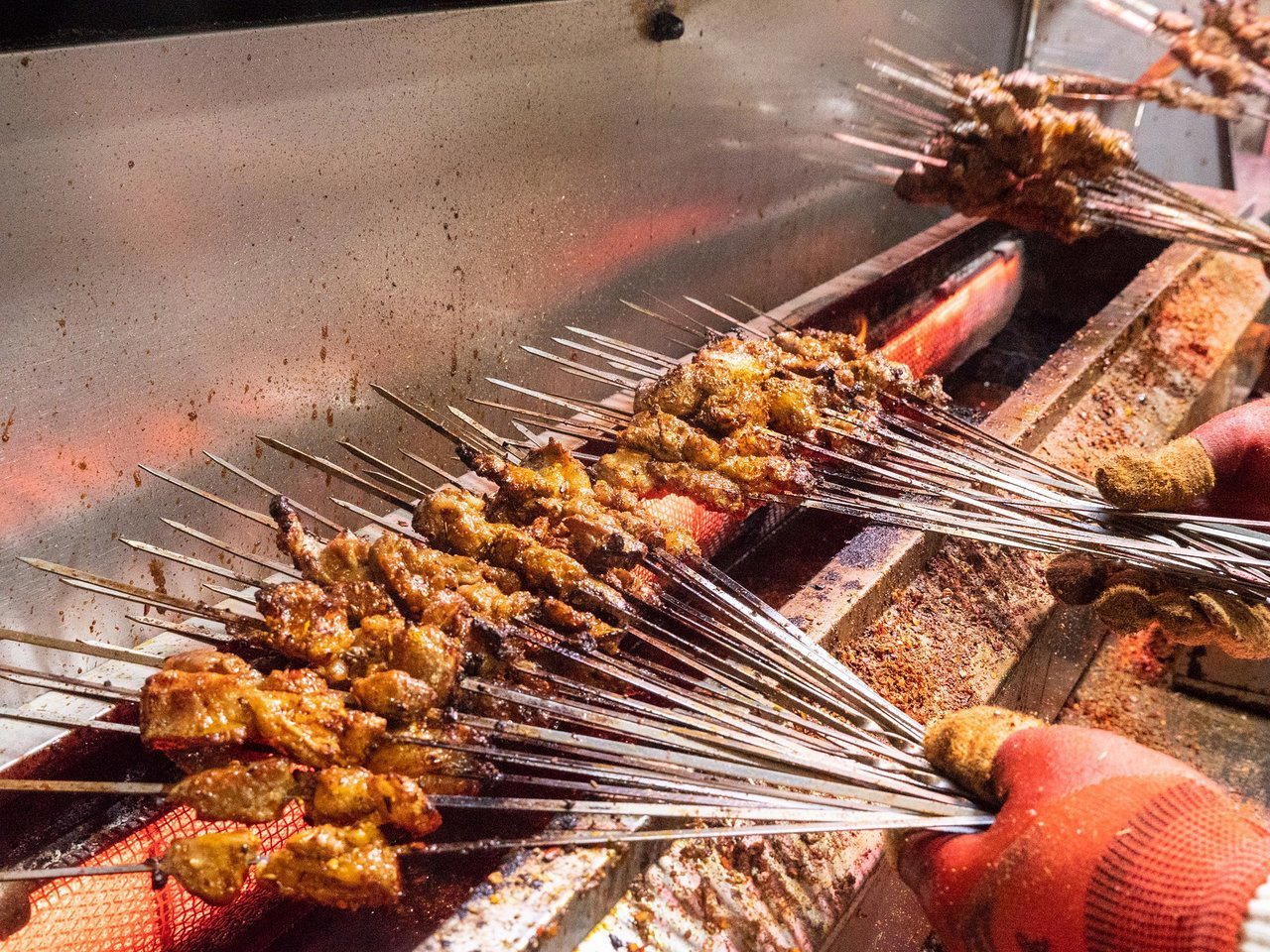
Xi'an's food culture runs on a handful of signature preparations, and the competition for attention among them is real. Defachang has long anchored the city's dumpling tradition; Hanyangguan and Feng Cheng Ba Lu pull in diners looking for broader Shaanxi spreads. Maijia Alabo Barbecue represents the Hui Muslim influence that runs through the Muslim Quarter and shapes a distinct strand of Xi'an eating. Lianhu Road gives access to the street-food density of a more residential eating corridor. Each of these addresses a different dimension of the city's food culture; they are not substitutes for one another.
Within this set, a biangbiang mian specialist on Nanyuanmen occupies the noodle-forward position. The format is narrow by design. There is no need for a long menu when the product is this technique-dependent, the craft is in the pull and the dress, not in variety. This is the model that Xi'an's most focused noodle houses follow, and it is a coherent one.
For visitors mapping Xi'an's eating options against what they might know from other Chinese cities, the contrast is instructive. Xin Rong Ji in Beijing, Ru Yuan in Hangzhou, and Imperial Treasure Fine Chinese Cuisine in Guangzhou all represent the formal or semi-formal end of Chinese regional dining. What Nanyuanmen offers is the opposite pole: a cuisine that has not been repositioned for prestige, because it does not need to be.
Planning a Visit: What to Know Before You Go
The restaurant is located at 80 Nanyuanmen, Beilin district, Xi'an, a street that sees consistent foot traffic from both residents and visitors to the city's historical core. The address puts it within the network of eating streets that radiate out from the old city wall's southern sections. Arrival by midday or early evening tends to align with peak service, as noodle houses of this type run on lunch and dinner cycles rather than all-day café formats. No booking infrastructure is typically associated with casual noodle specialists at this price tier; the queue, if there is one, moves with the speed of a kitchen built around a single central dish. Dress is casual without exception, this is not a context where formality has any role. Visitors coming from other parts of China's restaurant circuit, such as Xin Rong Ji in Chengdu or Dai Yuet Heen in Nanjing, will find the format here considerably more stripped back. That is appropriate. For anyone building a broader picture of Xi'an's food culture, our full Hsi An restaurants guide covers the city's main dining categories.
Xi'an does not have the fine-dining infrastructure of Shanghai or Guangzhou, and Beilin's street-level addresses are not competing with places like Fleurs Et Festin in Xiamen, Shang Palace in Yangzhou, or Wenru No.9 in Fuzhou. They are doing something different and more local. Visitors accustomed to the tasting-menu model, whether at Le Bernardin in New York City or Lazy Bear in San Francisco, will find the contrast sharp, and that is precisely the point of eating here.
Comparable Spots, Quickly
Comparable venues nearby, for context on price, style, and recognition.
| Venue | Cuisine | Price | Notes |
|---|---|---|---|
| Biangbiang MianThis venue — the venue you are viewing | Xi'an Hand-Pulled Biang Biang Noodles | $ | Not listed |
| Defachang | Traditional Shaanxi Dumpling House | $$ | Bell Tower |
| Feng Cheng Ba Lu | Traditional Shaanxi Street Food | $ | Weiyang District |
| Lianhu Road | NorthWestern Chinese | $$ | Lianhu District |
| Qu Jiang Lu | Varied Chinese Cuisine | $$ | Qujiang New District |
| Maijia Alabo Barbecue | Chinese Barbecue | $ | Hsi-an |

At a Glance
- Rustic
- Casual
- Well Known
- Casual Hangout
- Solo
- Group Dining
- Open Kitchen
Current opening hours
- Monday
- 10 AM–10 PM
- Tuesday
- 10 AM–10 PM
- Wednesday
- 10 AM–10 PM
- Thursday
- 10 AM–10 PM
- Friday
- 10 AM–10 PM
- Saturday
- 10 AM–10 PM
- Sunday
- 10 AM–10 PM
Hours can change for holidays and private events. Last verified .
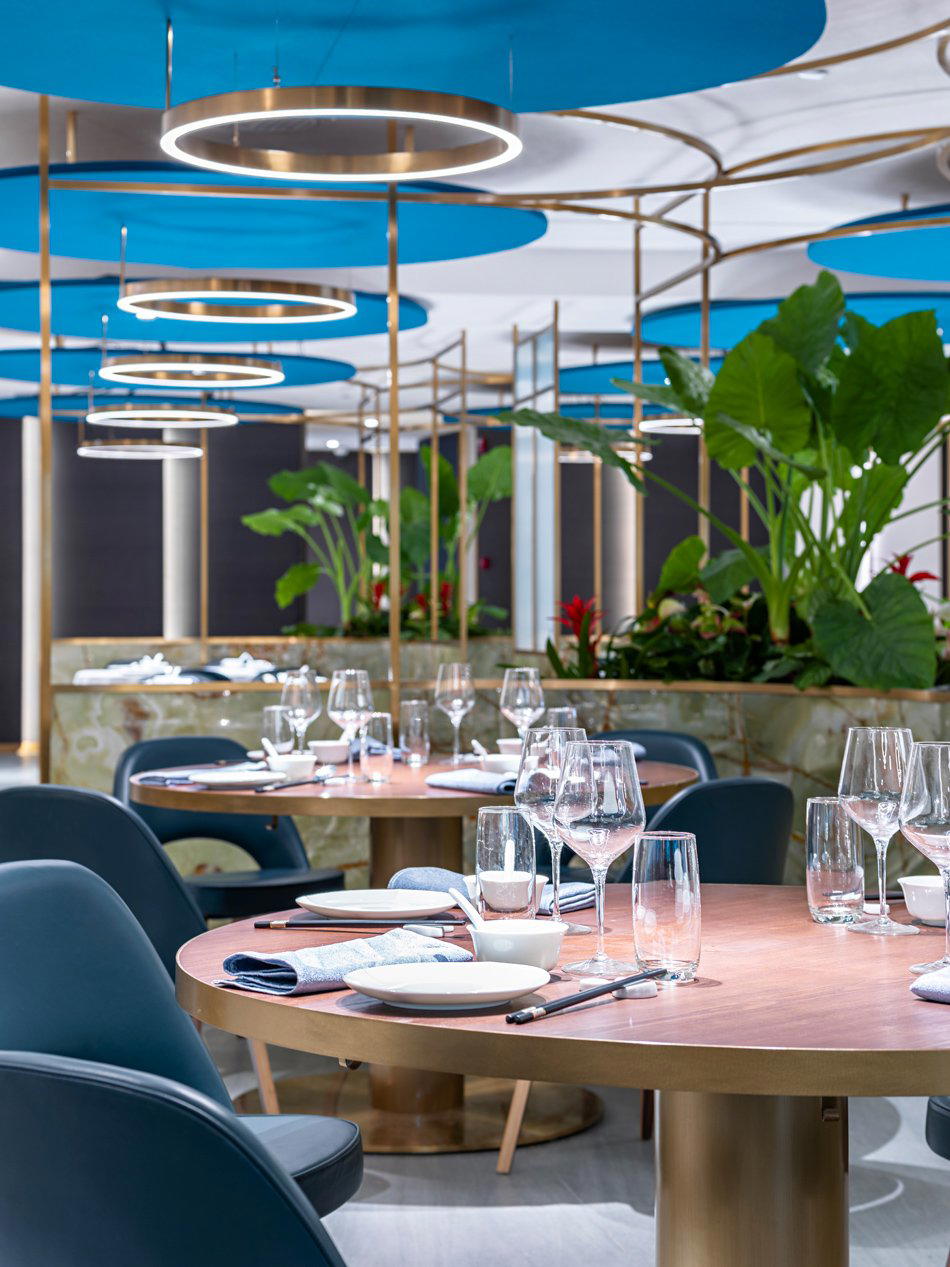
Casual street-food atmosphere with open kitchen where diners can watch noodles being hand-pulled and slapped on the counter; simple, no-frills setting typical of traditional Xi'an noodle shops.