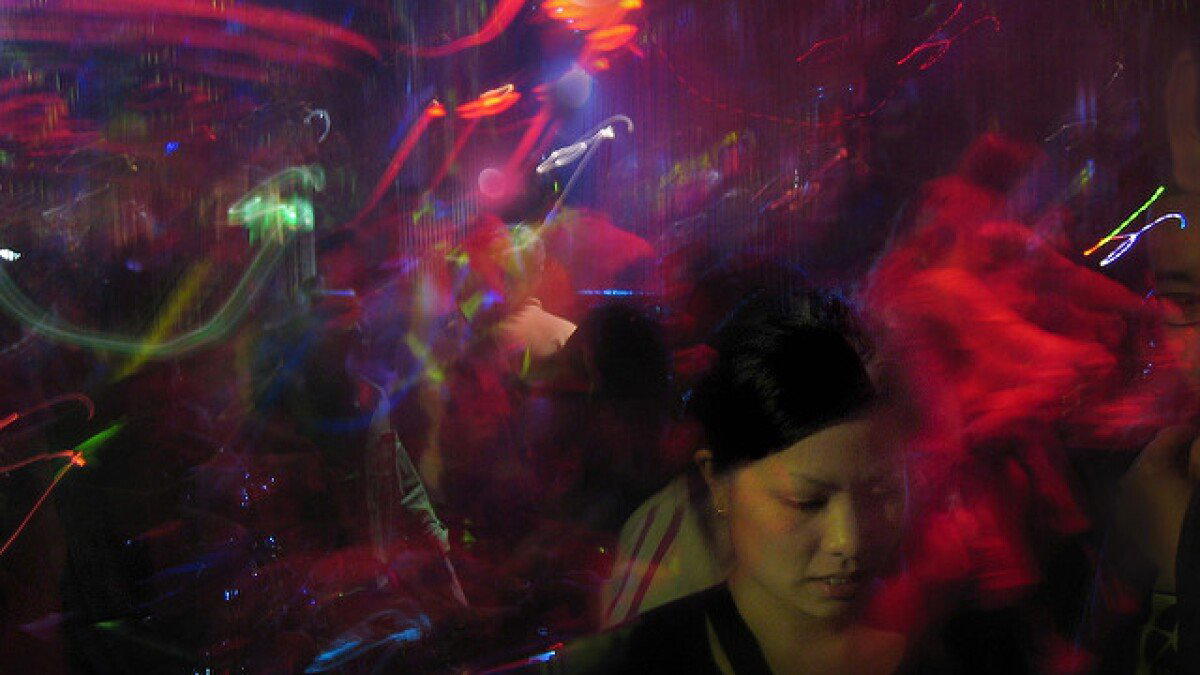
Xi'an's nightlife gravitates toward its ancient city walls and the Bell Tower district, and Salsa Club on Beiguangji Street sits squarely in that current. A late-night venue in Lianhu District, it draws a crowd looking for movement and music in a city better known for its terracotta warriors than its dance floors. The address alone places it within walking distance of the Bell Tower, one of the most active after-dark corridors in Shaanxi's capital.

Pearl is the En Primeur Club membership app — saves, bookings, and concierge access live there. Same editors, same standards.
- Address
- 7W5Q+WPP, Beiguangji St, 钟楼商圈 Lianhu District, Xi'An, Shaanxi, China, 710008
- Directions
- Get directions
Where Xi'an's Night Shifts Gear
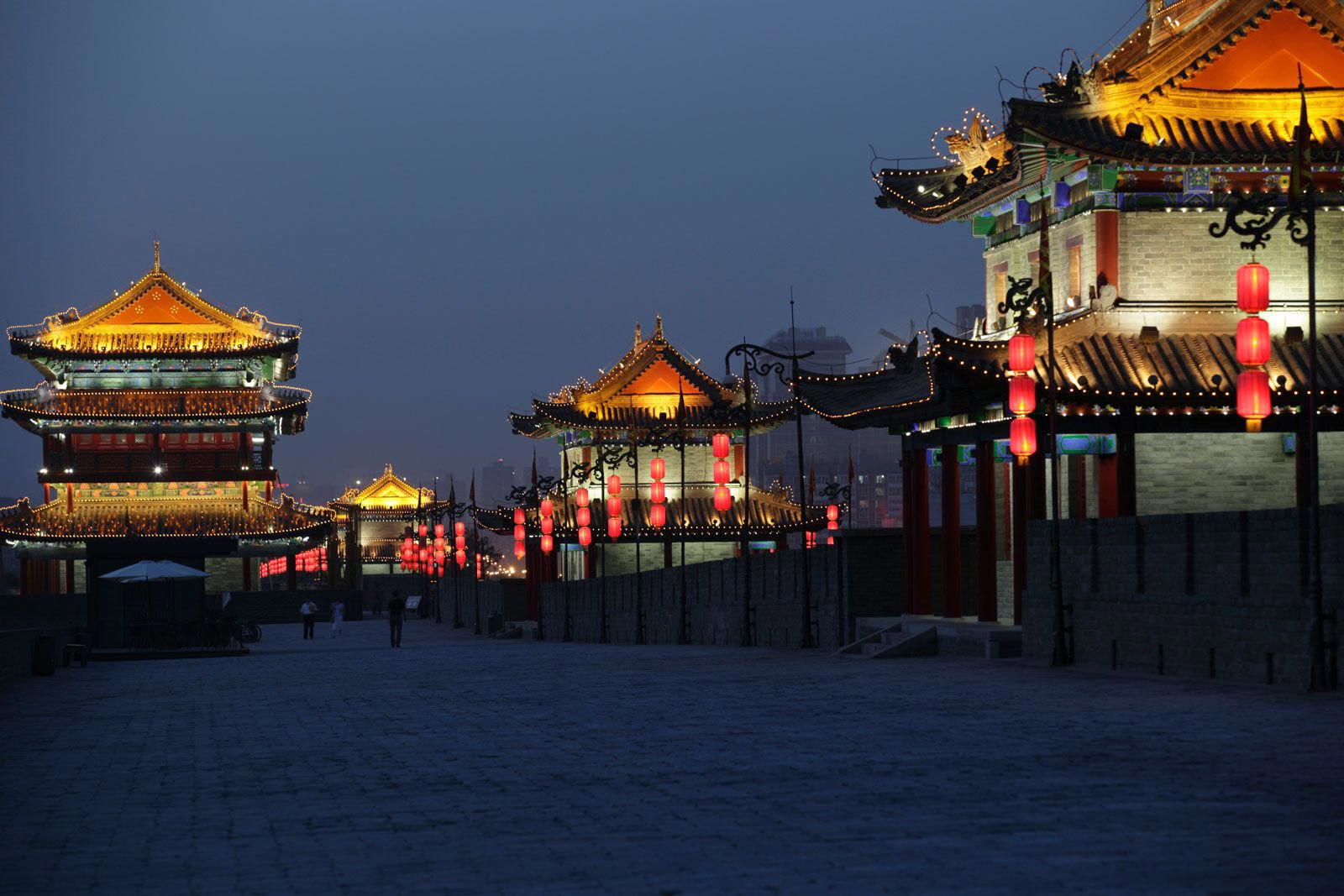
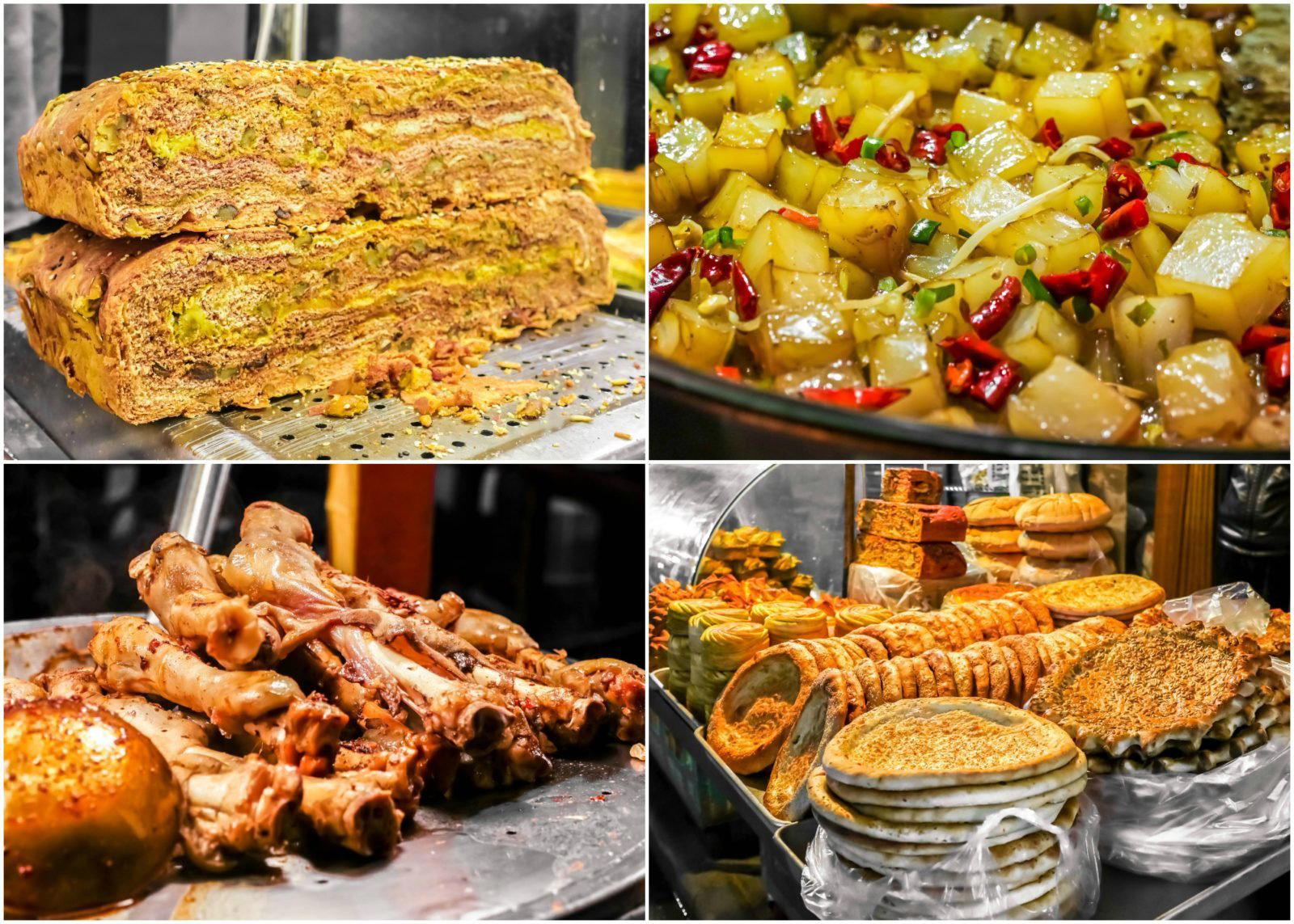
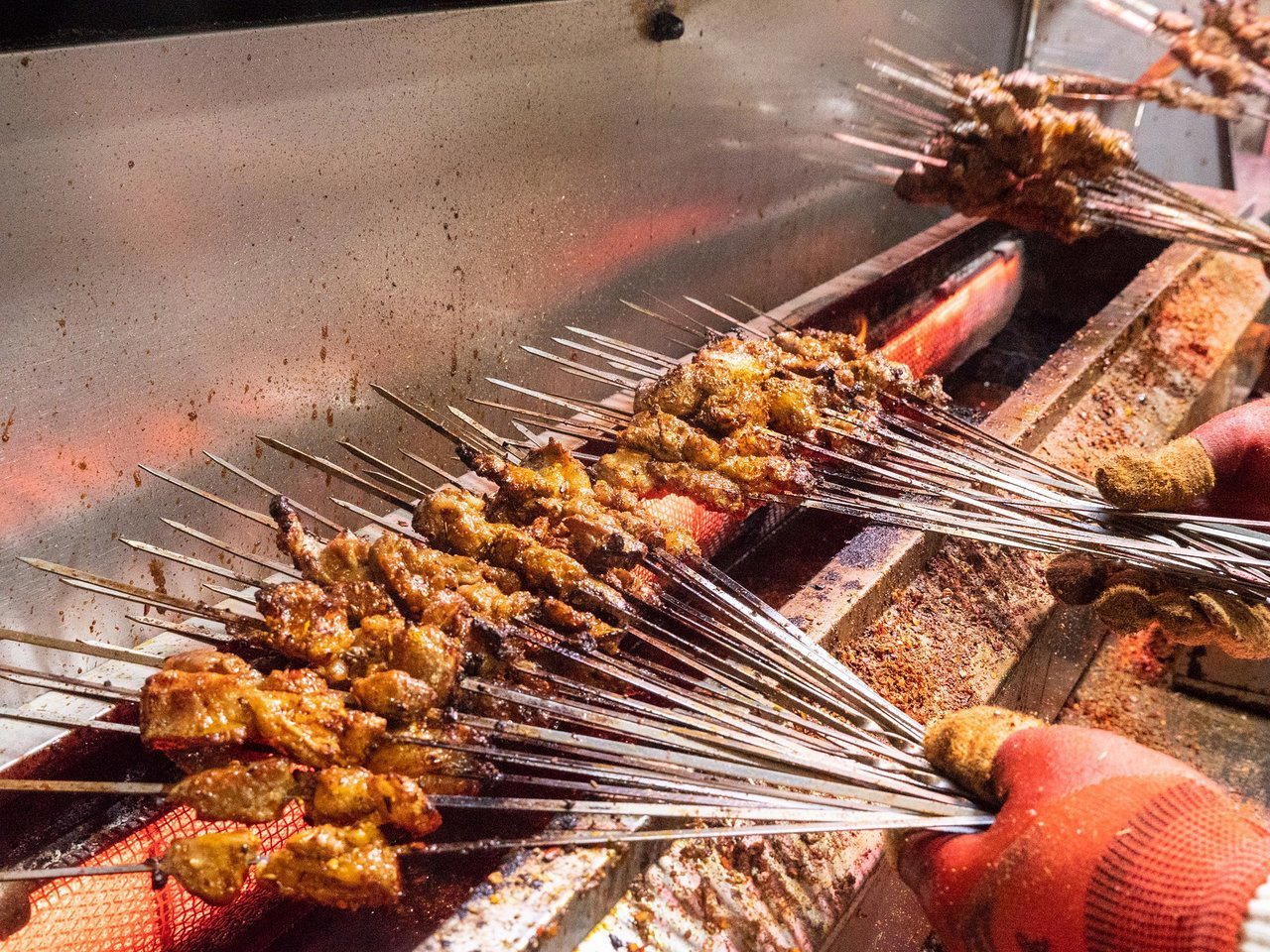
Most visitors to Xi'an plan their evenings around the Muslim Quarter's lamb skewers or the illuminated city walls, and that makes a certain kind of sense. The Tang Dynasty capital is a daytime destination first, a history lesson that runs from the Terracotta Army east of the city all the way to the Great Mosque tucked into the Huimin Quarter. But the Bell Tower district after dark is a different proposition. The commercial strip around Beiguangji Street operates on a nocturnal schedule that has little to do with UNESCO heritage sites and everything to do with a student population, a growing expat contingent, and a local appetite for nights that run past midnight.
Salsa Club sits on that strip, in the 7W5Q+WPP coordinates that place it firmly inside the Lianhu District, Xi'an's most active nightlife concentration. The venue is part of a broader pattern visible across interior Chinese cities in the 2010s and 2020s: as tier-one coastal bar culture matured in Shanghai and Guangzhou, dance-oriented venues began appearing in heritage cities that had previously offered little beyond KTV parlours and hotel lobbies. Xi'an followed that arc, and Salsa Club represents one of the earlier moves toward a dedicated Latin-inflected dance format in a city whose entertainment options are still catching up to its tourist footfall.
The Physical Environment: What the Space Signals
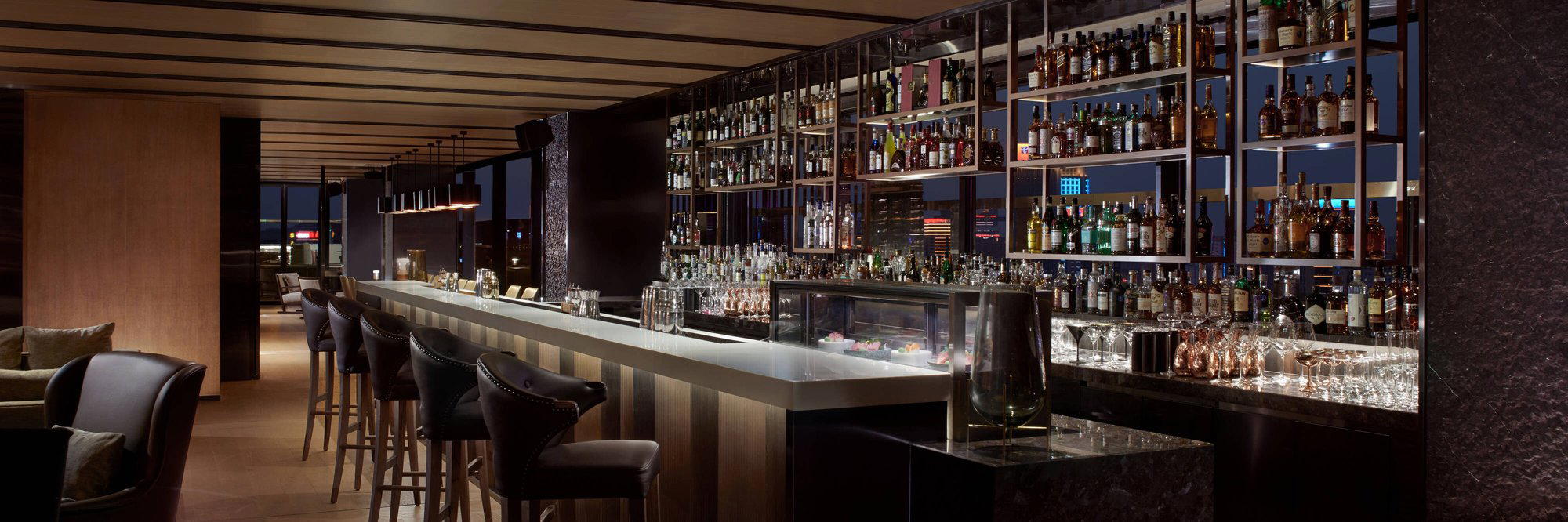
Dance venues succeed or fail on the specifics of their physical environment before a single drink is poured. The quality of the sound system, the ceiling height, the ratio of floor space to seating, the lighting temperature: these are the variables that determine whether a room encourages movement or just tolerates it. In Chinese cities that have developed serious bar culture — Coa (Shanghai) in Shanghai through its technical cocktail focus, Hope & Sesame in Guangzhou through its precision program — the design intelligence is legible in the room's proportions and material choices.
Salsa Club's placement on Beiguangji Street, a pedestrian-accessible corridor near the Bell Tower, suggests a ground-floor or street-level format typical of the district's commercial buildings. That street-level positioning is relevant: it creates an accessibility and visibility that dedicated underground venues in Beijing's hutong scene, like Janes & Hooch in Beijing, deliberately avoid. The trade-off is atmosphere depth for foot-traffic capture. In a city where nightlife is still building its geography, that trade-off often makes practical sense.
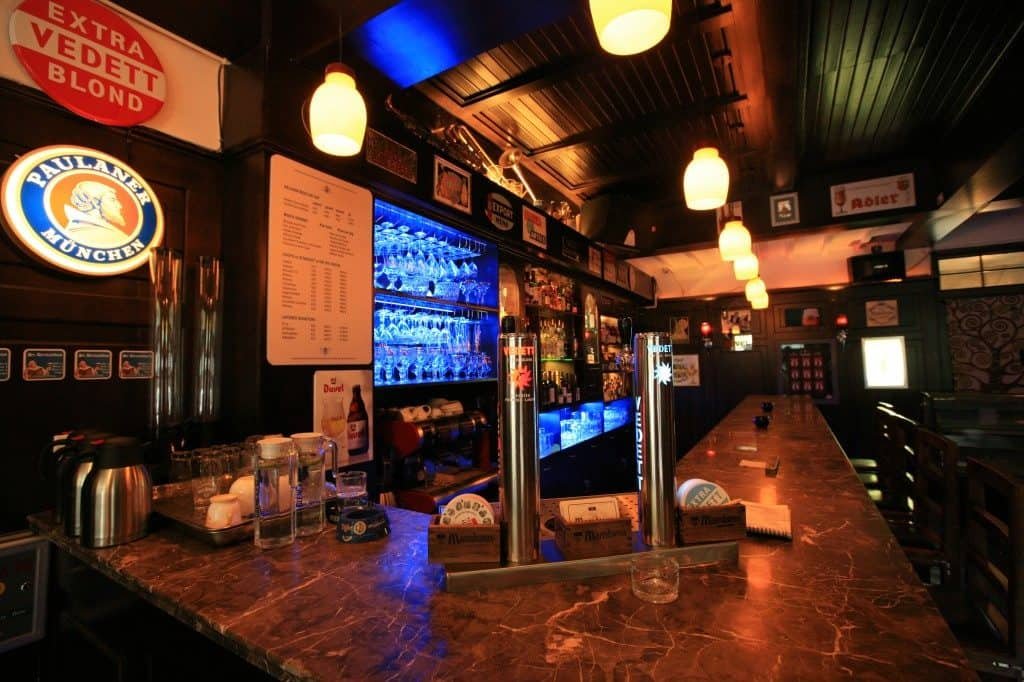
The name itself is a genre declaration. Salsa as a commercial dance format has a specific room logic: enough open floor to move without collision, sound at a volume that drives rhythm rather than conversation, lighting that is dim enough for anonymity but functional enough to read a partner's lead. Whether the room at Beiguangji Street delivers on that logic in full is a question the venue's data record does not answer precisely, but the format commitment implied by the name places it in a different competitive conversation from the craft cocktail bars and lounge formats that dominate Xi'an's more documented venues, including Jeno Belgium Pub and Xing Shan Si Xi Jie, both of which occupy distinct positions in the city's after-dark options.
Xi'an in the National Bar Context
To understand what Salsa Club is doing in Xi'an, it helps to map it against the national context. China's bar and nightlife culture has developed unevenly along a coastal-to-interior axis. The cities with the most developed programs, Shanghai, Guangzhou, Shenzhen (Obsidian Bar in Shenzhen), Macau (The Ritz-Carlton Bar & Lounge in Macau), have benefited from international investment, returnee talent, and decades of expat community spending. Interior cities, even major ones like Xi'an with a metropolitan population exceeding 12 million, have historically had thinner nightlife infrastructure relative to their size.
That gap has been narrowing. Changsha's bar scene, anchored by venues like CMYK in Changsha, developed a local identity distinct from coastal imports. Wuhan (FLAIR in Wuhan) and Nanjing (Lobby Bar in Nanjing) both have recognisable venue identities now. Xi'an is further along that trajectory than many international visitors assume, partly because its enormous student population, it has dozens of universities, including several nationally ranked institutions, generates consistent late-night demand.
In that context, a dance venue with a specific genre identity is less of an anomaly than it might appear. International dance formats, from salsa to swing to electronic, have found stable niches in Chinese university cities precisely because young, mobile populations are willing to learn unfamiliar formats, and because those formats generate repeat attendance from a built community of practitioners rather than relying entirely on one-time tourist visits.
Planning a Visit
The address on Beiguangji Street in Lianhu District is accessible from the Bell Tower metro station, which reduces the venue to a short walk from one of Xi'an's central transit hubs. For broader orientation on where the venue sits within Xi'an's wider options, our full Hsi An restaurants guide maps the city's dining and drinking geography across districts. Those planning a multi-city China itinerary with nightlife as a priority would also benefit from reviewing options in other cities before committing to an itinerary around Xi'an's venues, since the coastal and central bar programs vary significantly in both depth and consistency. For a cross-cultural reference point on what high-commitment bar culture looks like outside mainland China, Bar Leather Apron in Honolulu offers an instructive contrast in program depth and format discipline.
Cuisine and Recognition
| Venue | Price | Awards |
|---|---|---|
| Salsa ClubThis venue — the venue you are viewing | $10–20 | Not listed |
| Constellation | Not listed | World's 50 Best #42 |
| Epic | Not listed | World's 50 Best |
| Obsidian Bar | Not listed | World's 50 Best #10 · Tatler Listed in Best Bars Asia-Pacific |
| CMYK | $20–30 | World's 50 Best #27 · Top 500 Bars Best Bars #415 |
| Speak Low | $10–20 | World's 50 Best #50 · Top 500 Bars Best Bars #326 |

Details
- Lively
- Energetic
- Trendy
- Late Night
- Group Outing
- Celebration
- Casual Hangout
- Live Music
- Standing Room
- Lounge Seating
- Bottle Service
High-energy party atmosphere with large video screens, house and guest international DJs, and themed evenings that draw crowds especially on weekends.