Our verdict
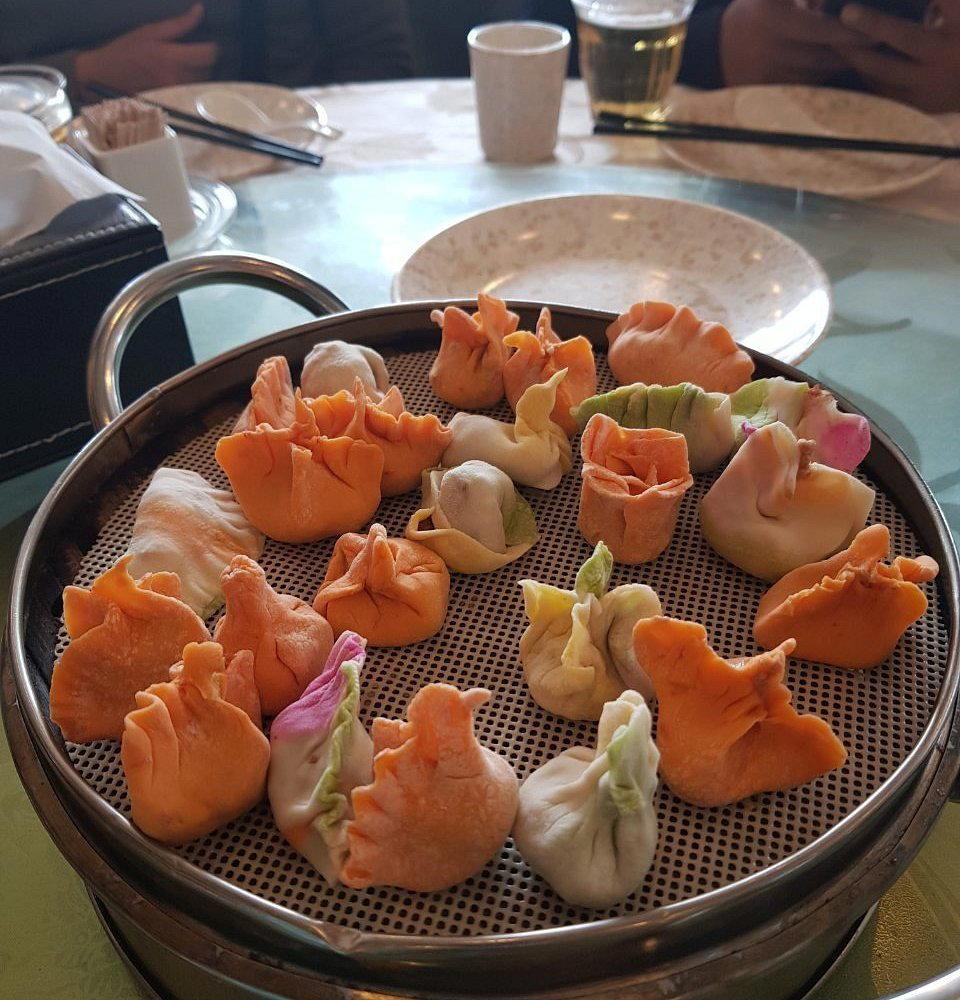
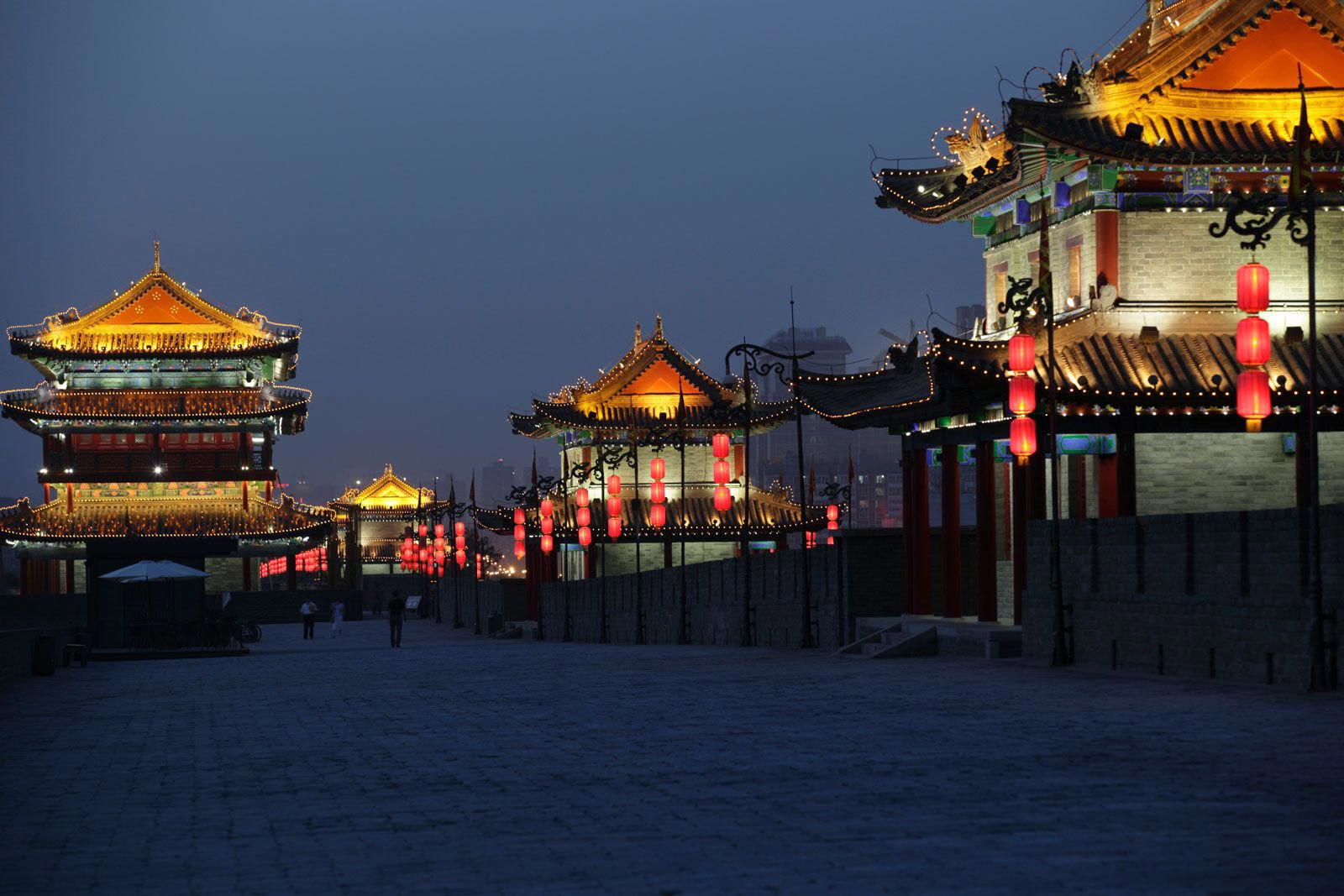
"Dumplingpalooza You can't visit Xi'an without having a dumpling feast. Defachang is considered among the stronger dumpling houses in the region. Call ahead to request the 18-course dumpling banquet so you can sample the many varieties. One of my favorites is this colorful "four-season" dumpling filled with seafood. The restaurant is located in the square of the Bell and Drum Towers."

Pearl is the En Primeur Club membership app, where members save venues, book tables and use the concierge.
The menu
What to order
- Colorful dumplings
- Iced dumplings
- Soup dumplings
Shaanxi on a Plate: The Cultural Weight of a Xi'an Address
Youyi West Road in Xi'an's Beilin district sits a short distance from the old city walls, in a part of town that functions as a practical thoroughfare rather than a tourist corridor. That address matters. Restaurants that operate away from the immediate orbit of the Bell Tower or the Muslim Quarter tend to draw a local clientele with specific expectations, and those expectations in Xi'an are shaped by one of China's most historically grounded culinary traditions. Shaanxi cuisine does not negotiate with trends. It is anchored in wheat, in slow-cooked lamb, and in a set of preparations that predate the restaurant as a concept by several centuries. Defachang, at 74 Youyi West Road, occupies that context.
What Shaanxi Cooking Actually Means
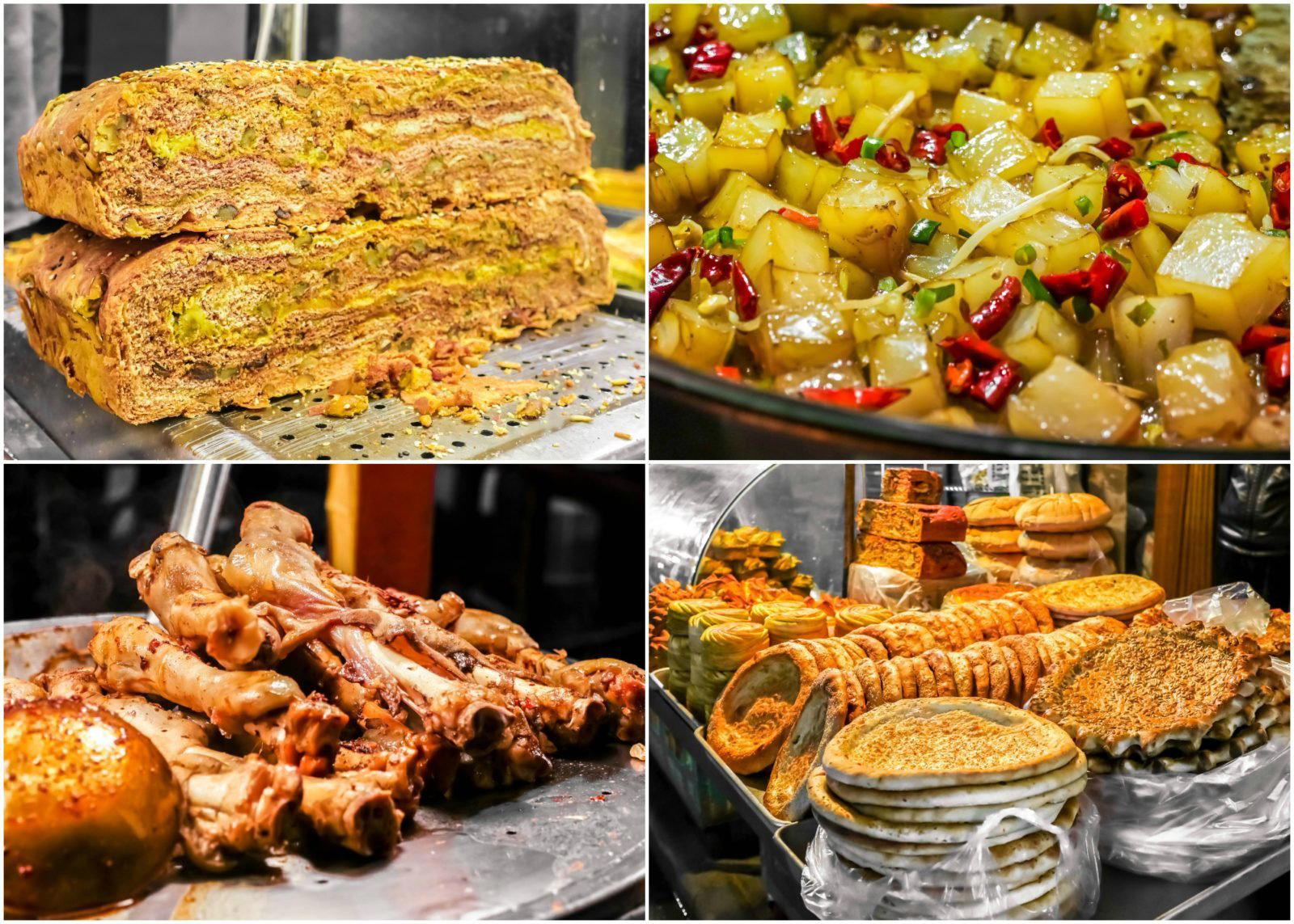
To understand what a Xi'an restaurant carries as cultural weight, it helps to understand what Shaanxi cooking is and is not. It is not the spice-led complexity of Sichuan, nor the delicate seafood-forward register of Cantonese cuisine. Shaanxi food is built on restraint of a different kind: the restraint of a landlocked province that fed armies, pilgrims, and the imperial court of the Tang dynasty from a limited but intensely worked pantry. Lamb, hand-torn bread, chilled wheat noodles, and fermented preparations are the structural vocabulary. The province sits at the eastern end of the ancient Silk Road, and that positioning left an imprint on the food, particularly in Xi'an itself, where Hui Muslim culinary influence has coexisted with Han cooking for over a millennium.
The dish most associated with this overlap is paomo, the lamb or beef soup into which diners tear their own flatbread by hand before it is finished in the kitchen's broth. It is not a convenience food. The tearing itself is part of the preparation, and a bowl can take upward of twenty minutes to assemble before it reaches the table. That kind of deliberate process signals something about how Shaanxi dining culture relates to time and effort. Alongside paomo, Xi'an's table includes liangpi (cold skin noodles dressed with chili oil and vinegar), roujiamo (braised meat in a baked flatbread, sometimes called the original sandwich in Chinese culinary history), and the biang biang noodle, whose character is so complex it required its own invented written form. Venues like Biangbiang Mian and Feng Cheng Ba Lu anchor that noodle tradition elsewhere in the city.
Defachang in the City's Dining Structure
Xi'an's restaurant scene divides roughly into three tiers: the tourist-facing operations concentrated around the Muslim Quarter and Huimin Street, which prioritize throughput and accessibility; a broader mid-market layer of neighborhood restaurants serving the city's working population; and a smaller set of addresses that carry historical or institutional weight. Defachang, given its Beilin location and its name, which is associated in Xi'an with established dumpling tradition, falls into that third category by reputation if not by formal certification.
That distinction is worth making because it describes a genuine split in how Chinese culinary authority is conferred. Venues like Fu He Hui in Shanghai or Chef Tam's Seasons in Macau carry Michelin recognition that travels globally. Restaurants like Defachang carry a different kind of credential: the kind measured in decades of local patronage and in the fact that Xi'an residents, who have every reason to be demanding about their own cuisine, continue to return. For regional specialties with deep historical roots, that metric is not a consolation prize.
The Dumpling Tradition and What It Implies
Xi'an's jiaozi and dumpling culture has a specific institutional history. The city developed a format known as dumpling banquet dining, in which dozens of varieties are served in sequence, each reflecting a different preparation technique, filling, or historical reference. This format was developed partly as a form of cultural tourism tied to Tang dynasty heritage, but it also represents a serious taxonomic exercise in one of China's oldest wheat-based food traditions. Venues that specialize in this format are doing something categorically different from the kind of casual dumpling service found across northern China. The craft is in the variation, the sequencing, and the technical precision of fold and seal across multiple forms simultaneously. That level of production requires kitchen organization that a neighborhood noodle shop is not designed to achieve.
Comparable anchor institutions in Beilin and surrounding districts include Hanyangguan and Lianhu Road, both of which serve as reference points for understanding how the city distributes its established culinary institutions across neighborhoods. The broader Xi'an scene, including the barbecue traditions documented at Maijia Alabo Barbecue, rounds out a picture of a city where cooking traditions are sharply differentiated by technique and cultural lineage.
Placing Xi'an in China's Wider Dining Conversation
The critical attention that China's restaurant scene receives internationally has concentrated heavily on coastal cities. Guangzhou's Cantonese fine dining, represented at venues like Imperial Treasure Fine Chinese Cuisine, or Hangzhou's refined local tradition as seen at Ru Yuan, draw the rating systems and the international press. Interior cities with equally deep culinary traditions, Xi'an included, are assessed less frequently by those frameworks. That gap is narrowing as Chinese food media matures and as the Michelin Guide expands its mainland China coverage, but for now, a restaurant like Defachang exists in a critical space where local authority outweighs international certification.
For a reader coming from a context shaped by venues like Le Bernardin in New York City or Lazy Bear in San Francisco, where awards architecture is part of the selection logic, Defachang requires a different evaluative approach. The relevant question is not what stars it holds but what it represents within its own culinary tradition, and within Xi'an specifically, the answer is a long-established institution for a cooking form that the city takes seriously as cultural inheritance. Venues with comparable regional authority in other Chinese cities, such as Wenru No.9 in Fuzhou, Shang Palace in Yangzhou, or Dai Yuet Heen in Nanjing, operate with similar logic: they are calibrated to a local standard that the international rating infrastructure has not yet fully mapped. See our full Hsi An restaurants guide for broader context on how the city's dining scene is structured.
More adventurous comparisons extend to Chengdu, where Xin Rong Ji occupies a similarly authoritative position in a different regional tradition, or to the coastal-meeting-interior combinations found at Fleurs Et Festin in Xiamen or Xin Rong Ji on Xinyuan South Road in Beijing. Each of these represents a case where regional specificity is the primary credential, not convergence with international fine dining norms.
Planning a Visit
Defachang is located at 74 Youyi West Road in Beilin, Xi'an, Shaanxi 710064. Beilin is accessible from the city center by metro and by taxi, and the address places it in a commercial district rather than a sightseeing zone, which means the surrounding area does not cater specifically to visitors. Given the institutional status of the venue in Xi'an, peak meal periods, particularly weekend lunches, are likely to require either early arrival or advance coordination. Dress expectations in this category of Xi'an restaurant run toward neat casual; the formality of the food does not require a dress code in the Western sense.
Frequently asked questions
What's the address for Defachang?
Defachang is located at 74 Youyi W Rd, Beilin, Xi'An, Shaanxi, China, 710064, Hsi An.
Is the dumpling banquet format at Defachang different from what you find elsewhere in Xi'an?
The dumpling banquet format, known broadly as jiaozi yan in Shaanxi, was developed in Xi'an as a structured dining occasion rather than a casual meal, the sequence of varieties is the point, not a backdrop to other dishes. Most tourist-facing venues in the Muslim Quarter serve individual dumpling dishes on demand, which is a different experience entirely. Defachang's position in Beilin, at 74 Youyi West Road, suggests an operation that maintains this format for a city audience rather than adapting it for passing visitors.
What should I eat at Defachang?
Defachang is associated with Xi'an's dumpling banquet format, in which a sequence of different jiaozi varieties is served in progression rather than as a single dish. This structure, rooted in Shaanxi culinary tradition rather than coastal Chinese cooking, means the meal is shaped by variety and order. Arriving without a sense of the format makes it harder to pace the experience, so it is worth understanding the sequential nature of the service before you sit down.
How hard is it to get a table at Defachang?
Defachang's address at 74 Youyi West Road in Beilin places it away from the tourist concentration around the Muslim Quarter, which means its regular clientele is predominantly local. Demand from Xi'an residents at a well-regarded institutional restaurant can be more consistent and less predictable than tourist-driven venues. Arriving without a reservation at peak meal times carries real risk, particularly on weekends.
What is Defachang known for?
Defachang is identified in Xi'an with the dumpling banquet tradition, a format in which multiple varieties of jiaozi are served in sequence, each reflecting different fillings, preparations, or regional references within Shaanxi cooking. This is a distinct institutional format rather than standard restaurant ordering, and it represents one of the more structured expressions of Xi'an's food culture. The restaurant's location in Beilin, a working district rather than a tourist corridor, reinforces its orientation toward the city's own dining habits.
Budget and Context
Comparable venues nearby, for context on price, style, and recognition.
| Venue | Cuisine | Price | Notes |
|---|---|---|---|
| DefachangThis venue (the venue you are viewing) | Traditional Shaanxi Dumpling House | $10–20 | Not listed |
| 钟楼站 | Traditional Shaanxi Dumplings | $10–20 | 钟鼓楼, Traditional Shaanxi Dumplings |
| Qu Jiang Lu | Varied Chinese Cuisine | Not listed | Qujiang New District, Varied Chinese Cuisine |
| Maijia Alabo Barbecue | Chinese Barbecue | Not listed | Hsi-an, Chinese Barbecue |
| Hanyangguan | Korean Restaurant | Not listed | Beilin, Korean Restaurant |
| Lianhu Road | NorthWestern Chinese | Not listed | Lianhu District, NorthWestern Chinese |
Continue exploring
More in Hsi An

Details
- Classic
- Well Known
- Historic
- Group Dining
- Family
- Celebration
- Historic Building
- Street Scene
- A La Carte
- Family Style
- Vegetarian Friendly
Current opening hours
- Monday
- 10 AM–10 PM
- Tuesday
- 10 AM–10 PM
- Wednesday
- 10 AM–10 PM
- Thursday
- 10 AM–10 PM
- Friday
- 10 AM–10 PM
- Saturday
- 10 AM–10 PM
- Sunday
- 10 AM–10 PM
Hours can change for holidays and private events. Hours as of .
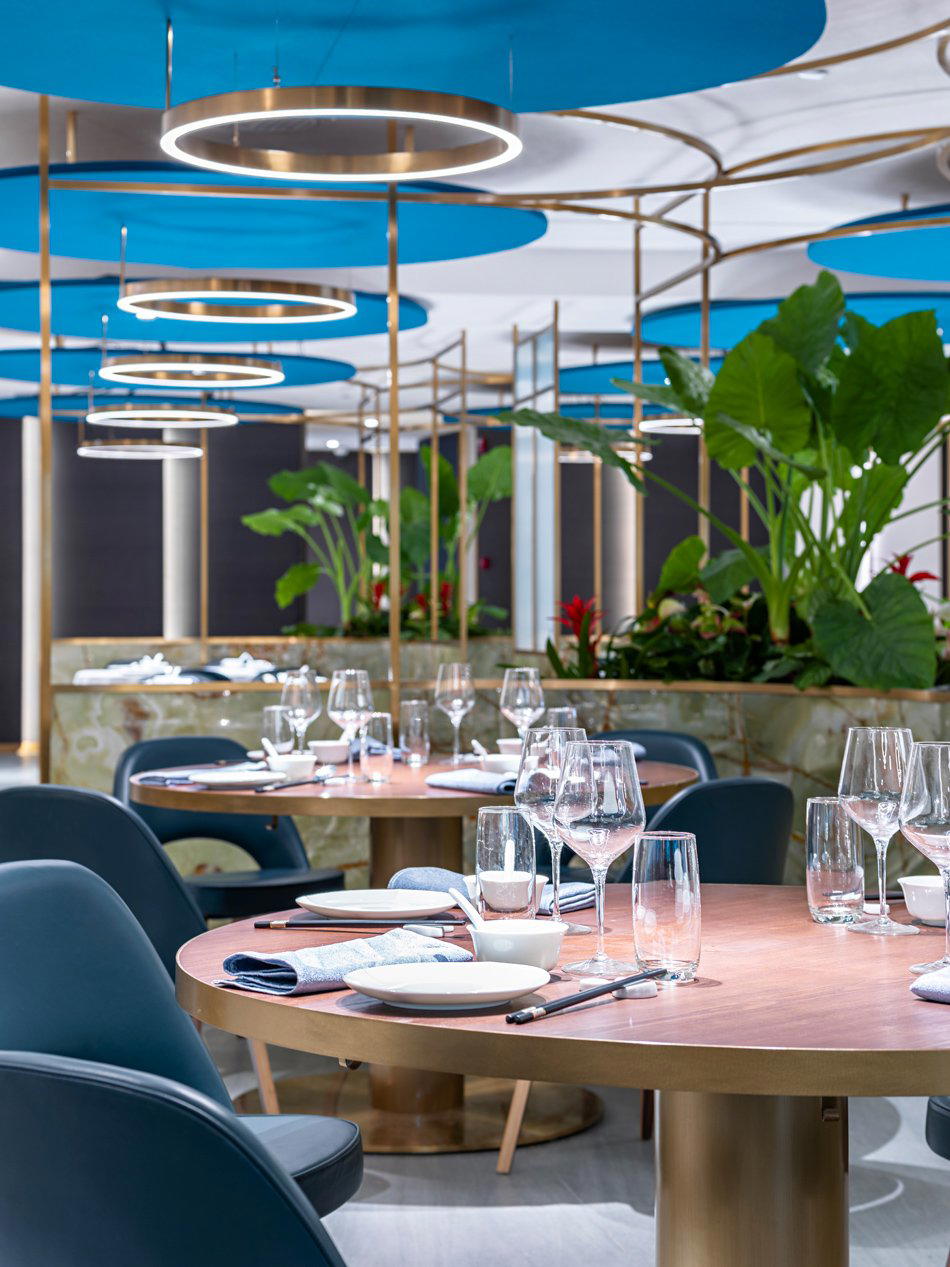
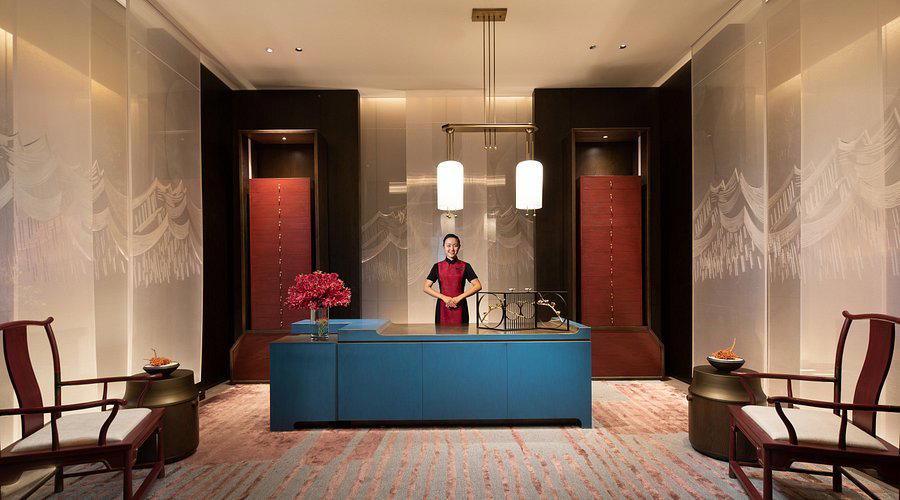
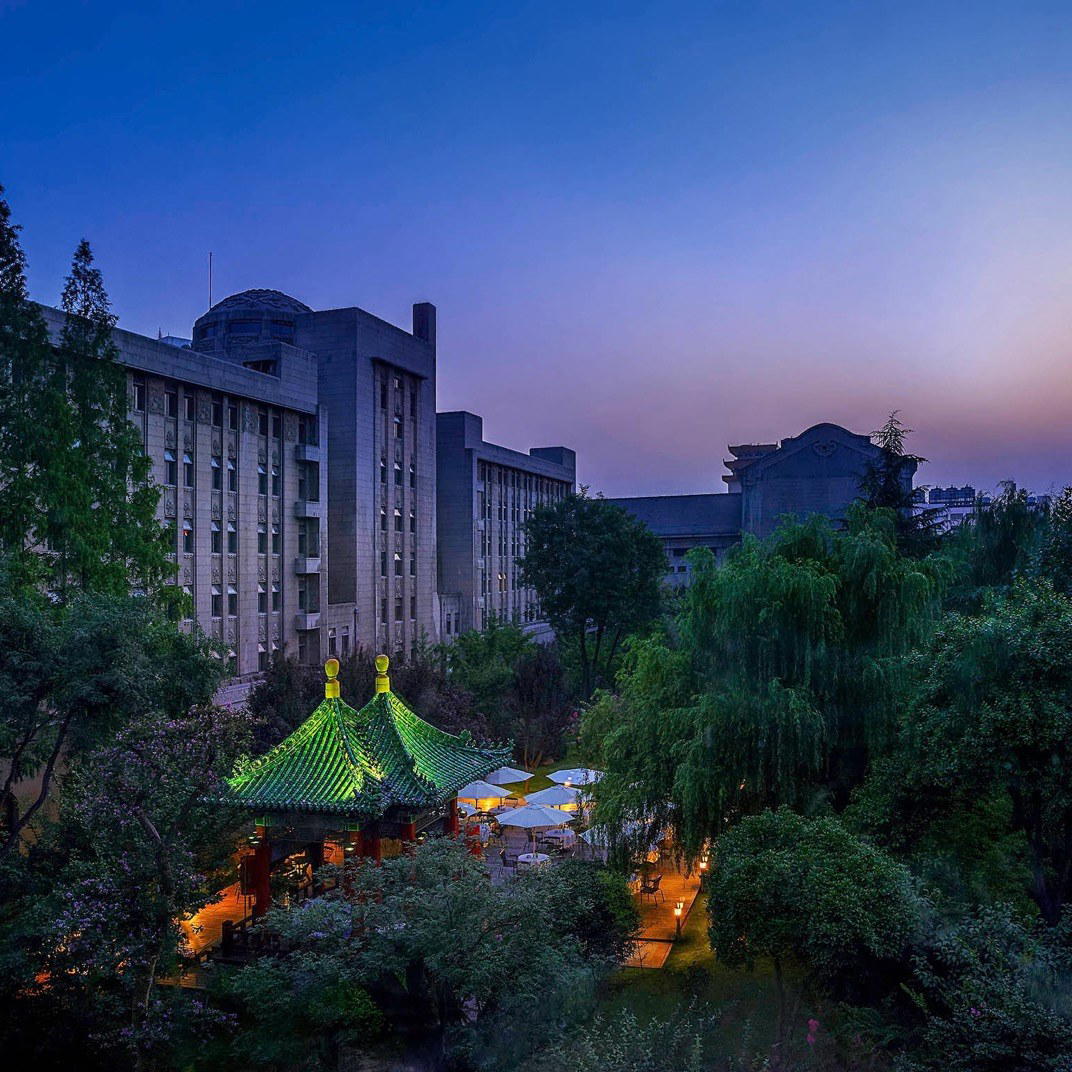
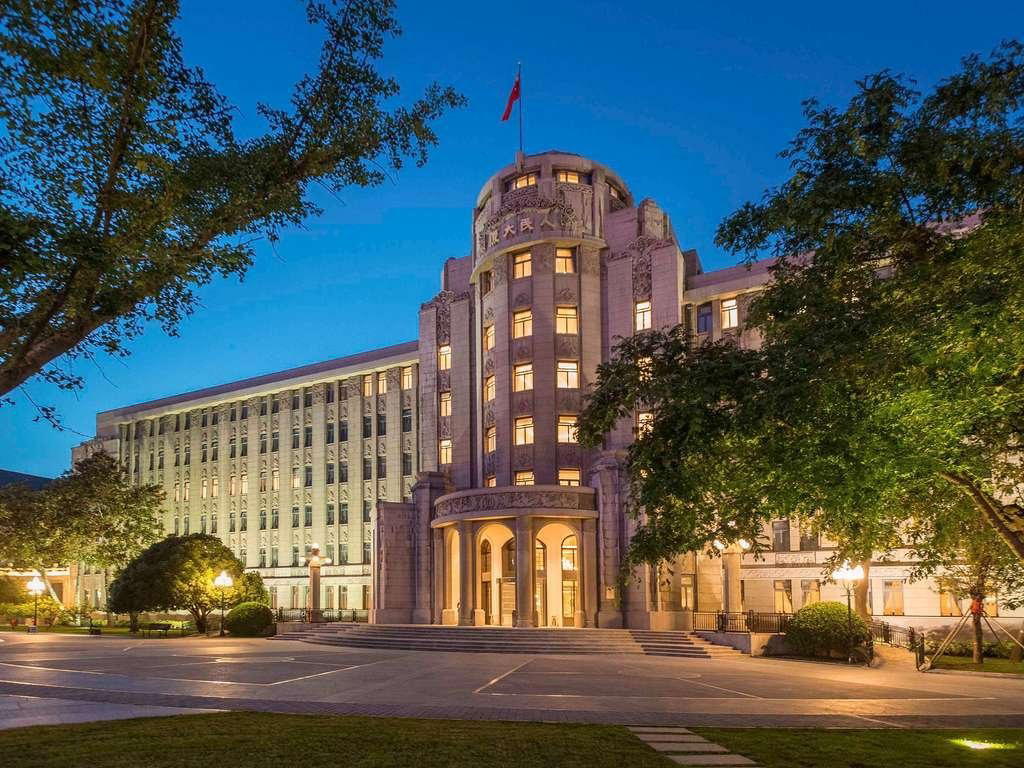
Antique national style decor evoking historical charm in a central location near Bell Tower and Drum Tower.