Our verdict
Qu Jiang Lu sits in Xi'an's Yanta District, placing it within reach of the Tang Dynasty imperial garden heritage that defines this part of the city. The address connects visitors to a neighbourhood where street-level noodle culture and more considered dining rooms coexist, making it a useful base for reading the full register of Shaanxi cuisine. Details on format and booking are limited, which itself signals something about how this address operates.

Pearl is the En Primeur Club membership app, where members save venues, book tables and use the concierge.
The menu
What to order
- Fresh fish with spices or ginger and cilantro
- Fried tofu
- Fried potato
Yanta District and the Architecture of Xi'an Dining
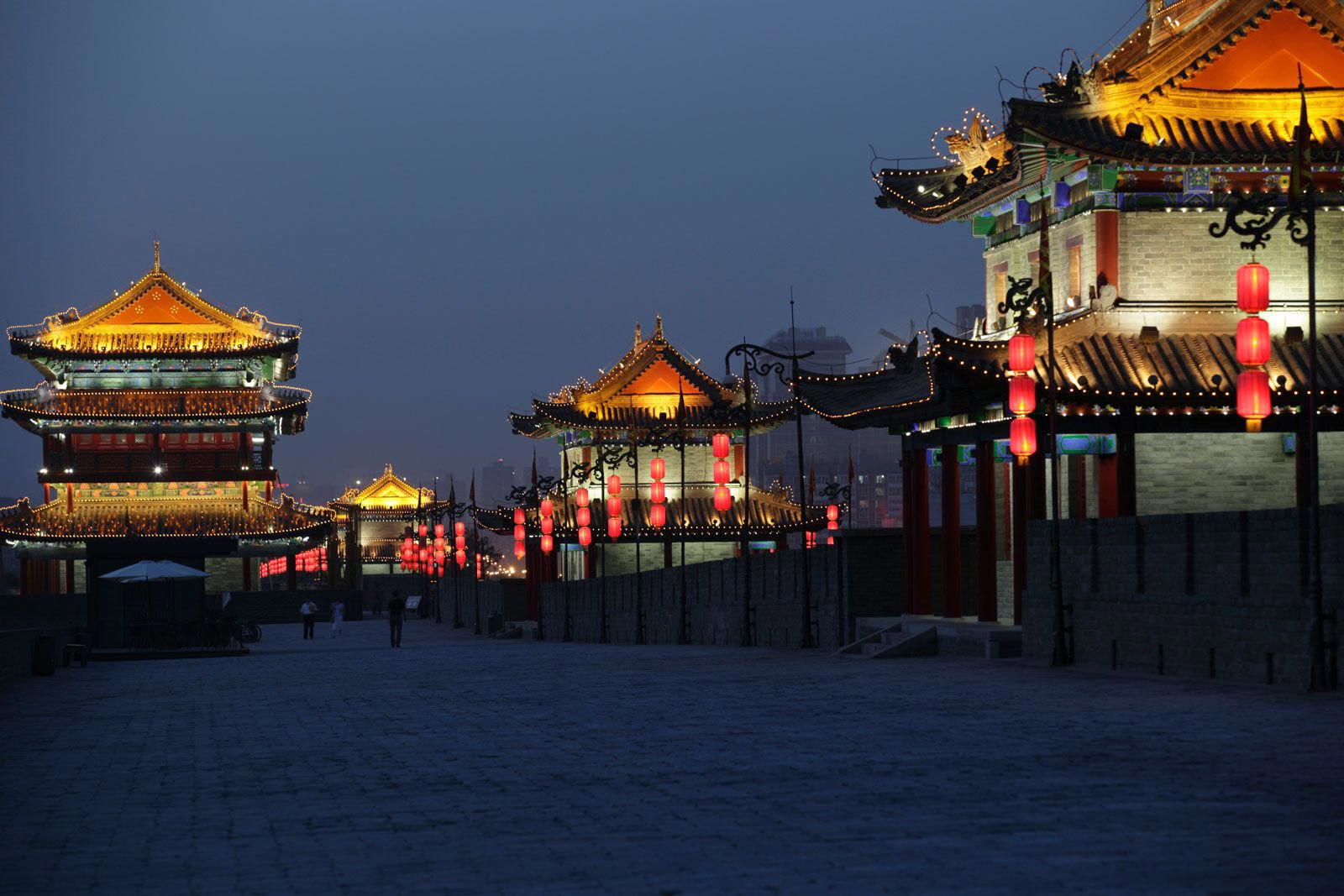
Approaching the Yanta District from central Xi'an, the city's dining register changes. The Muslim Quarter's density and noise give way to broader boulevards lined with restaurants that serve a more local, resident crowd rather than tourist circuits. Qu Jiang Lu sits within this southern corridor, a stretch that takes its name from the Qujiang Pool area, the imperial pleasure garden of the Tang Dynasty that once occupied this quarter. That historical weight matters in Xi'an more than in almost any other Chinese city: the relationship between place and food here is not incidental. Shaanxi cuisine did not develop in isolation from the imperial kitchens and trade routes that passed through this land for centuries, and the neighbourhoods around Qujiang still carry traces of that layered identity.
Xi'an's dining scene has never resolved neatly into a single register. On one end, Biangbiang Mian and Defachang represent the city's appetite for strong, everyday Shaanxi staples, where hand-pulled noodles and dumpling traditions anchor the menu. On the other, addresses like Feng Cheng Ba Lu and Hanyangguan signal a more considered presentation of the region's culinary inheritance. Qu Jiang Lu occupies the southern residential tier of this spectrum, away from the tourist infrastructure of the Bell Tower and the Muslim Quarter's commercial strip.
The Booking Reality: What Sparse Information Actually Tells You
Planning a visit to Qu Jiang Lu requires a different approach than booking a table at, say, Chef Tam's Seasons in Macau or Fu He Hui in Shanghai, where digital infrastructure, multilingual booking platforms, and confirmed reservation windows are part of the operating model. Neither phone nor website data is available for Qu Jiang Lu in verified records, which is not unusual for a neighbourhood-facing address in a tier-two Chinese city district. It means that walk-in timing and local intermediaries, whether a hotel concierge or a Chinese-language booking app like Dianping, become the practical tools for securing a visit.
This matters particularly for international visitors. Xi'an has improved its hospitality infrastructure considerably since the Silk Road tourism push accelerated in the 2010s, and the Yanta District has benefited from that investment. But addresses that do not maintain English-language booking channels remain effectively invisible to many overseas travellers, which means crowds here tend to skew local. That dynamic has a practical upside: the experience is less likely to be shaped by the assumptions of tourist-facing hospitality.
For comparison, Lianhu Road on the city's northwest side operates in a similarly local register, with the Muslim Quarter adjacency driving foot traffic rather than advance reservations. The pattern of low digital visibility combined with neighbourhood-level reputation is consistent across several Xi'an addresses that draw a predominantly Chinese-speaking clientele.
Shaanxi Cuisine in Context
Understanding what Qu Jiang Lu might offer requires grounding in what Shaanxi cuisine actually is, because the region's food is routinely misread by visitors who arrive expecting something resembling the Sichuan or Cantonese cooking that dominates international Chinese restaurant culture. Shaanxi sits at the geographic centre of China and served as the terminus of the Silk Road, meaning its food absorbed Central Asian and northwestern influences over centuries. Lamb and mutton feature heavily. Wheat dominates over rice. The noodle traditions are among the most varied in the country, from the wide, belt-like biangbiang to the pulled and slapped varieties of Guanzhong cooking.
The contrast with the polished Cantonese refinement of places like Imperial Treasure Fine Chinese Cuisine in Guangzhou or the Jiangsu precision of Dai Yuet Heen in Nanjing is instructive. Shaanxi cooking tends toward directness: bold seasoning, substantial portions, and a preference for technique that builds flavour through long cooking rather than last-minute refinement. The regional identity is strong enough that even within Xi'an, the gap between a tourist-facing dumpling house and a neighbourhood restaurant serving the local population can be significant in both quality and character.
For travellers who have encountered China's more credentialed dining rooms elsewhere, whether Xin Rong Ji on Xinyuan South Road in Beijing, Xin Rong Ji in Chengdu, or Ru Yuan in Hangzhou, Xi'an's neighbourhood dining operates at a different frequency. The city does not have the dense Michelin infrastructure of Shanghai or Beijing. What it has instead is a food culture with genuine depth at the street and neighbourhood level, where local patronage rather than international recognition sets the standard.
Placing This Address in the Broader Xi'an Visit
The Yanta District location means that Qu Jiang Lu is most conveniently visited as part of an afternoon or evening that already takes in the nearby Tang Paradise scenic area or the Shaanxi History Museum, which draws heavily from the same Qujiang heritage zone. Public transport connections from the Bell Tower area run south along the Metro Line 3 corridor, making the district reachable without a taxi, though the walk from the nearest station to specific restaurant addresses in the Qu Jiang area can require local navigation.
Visitors who want to read the full range of Xi'an's dining before committing to an itinerary should consult our full Hsi An restaurants guide, which maps the city's addresses across neighbourhood and style. For context on how other serious regional Chinese dining rooms approach a comparable brief, Fleurs Et Festin in Xiamen, Shang Palace in Yangzhou, and Wenru No.9 in Fuzhou offer useful reference points for the register at which considered Chinese regional cooking can operate outside the Michelin-dense tier-one cities.
The practical planning note for Qu Jiang Lu is simply this: arrive with flexibility, plan through a local-language platform or hotel contact, and treat the neighbourhood itself as context for the meal rather than incidental backdrop.
Frequently asked questions
Would Qu Jiang Lu be comfortable with kids?
The Yanta District setting, away from the more frenetic Muslim Quarter, generally suits a calmer dining pace. Shaanxi cuisine, the regional tradition this address sits within, centres on noodles, flatbreads, and braised dishes that tend to be approachable for younger diners.
Is Qu Jiang Lu formal or casual?
No dress code or formal classification is documented for this address. The Yanta District context, which draws residents, students from nearby universities, and visitors to the Tang Paradise lake area, points toward neighbourhood-level dining rather than a high-ceremony room. Plan accordingly, but confirm the current format directly before visiting, as details are sparse in public records.
Is Qu Jiang Lu a good base for exploring Shaanxi cuisine in Xi'an's Yanta District?
Qu Jiang Lu sits inside the Yanta District, which puts it within reach of the Tang Paradise and the Big Wild Goose Pagoda, making it a natural stopping point on the southern cultural circuit. Shaanxi cuisine as a regional category is among China's most historically grounded, shaped by the ancient capital's position on Silk Road trade routes.
What do people recommend at Qu Jiang Lu?
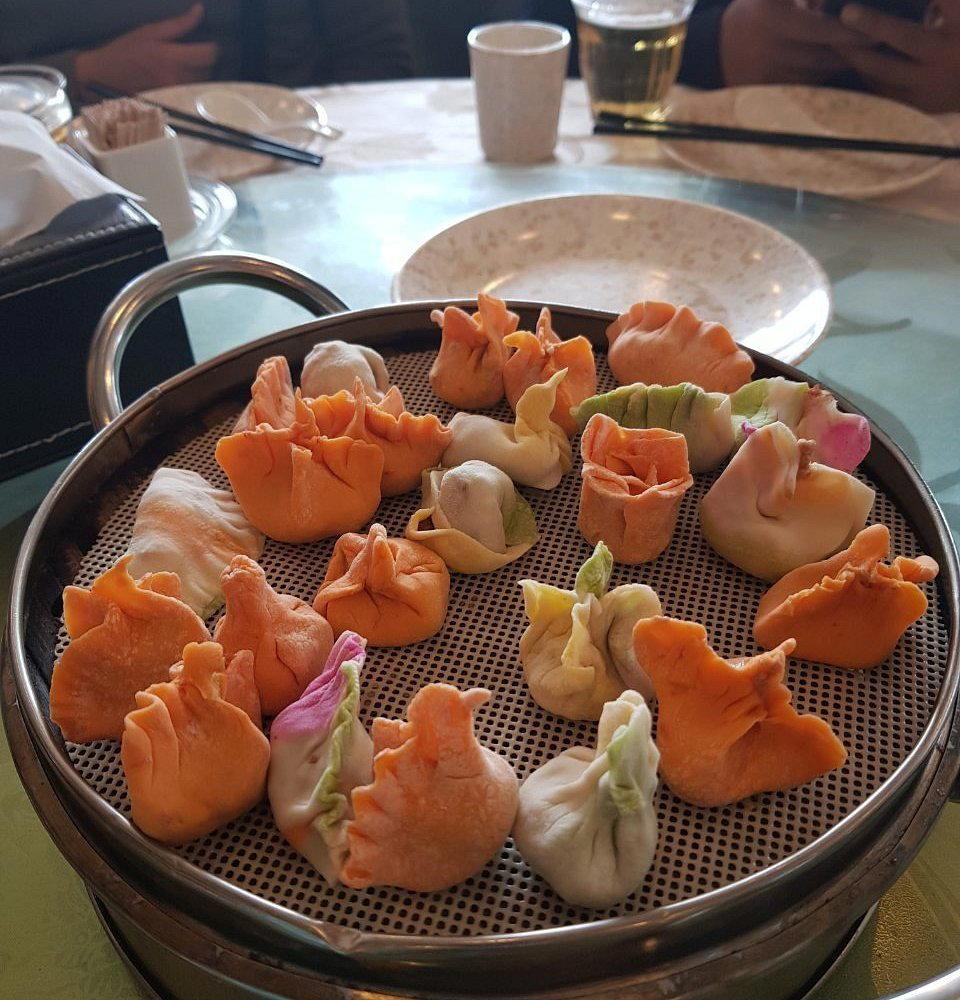
The Shaanxi region is defined by dishes like biang biang noodles, rou jia mo (a braised-pork flatbread), and yang rou pao mo (a lamb and bread soup), and Xi'an restaurants in this district often anchor their offer around these staples. Cross-referencing recent visitor accounts on Chinese platforms such as Dianping will give the clearest picture of what the kitchen is currently running.
A Quick Peer Check
| Venue | Cuisine | Price |
|---|---|---|
| Qu Jiang LuThis venue (the venue you are viewing) | Varied Chinese Cuisine | Not listed |
| Biangbiang Mian | Xi'an Hand-Pulled Biang Biang Noodles | $1–10 |
| Defachang | Traditional Shaanxi Dumpling House | $10–20 |
| Feng Cheng Ba Lu | Traditional Shaanxi Street Food | $1–10 |
| Hanyangguan | Korean Restaurant | Not listed |
| Lianhu Road | NorthWestern Chinese | Not listed |
Continue exploring
More in Hsi An
Restaurants in Hsi An
All restaurants in Hsi An →

Details
- Elegant
- Scenic
- Family
- Business Dinner
- Historic Building
- Garden
- A La Carte
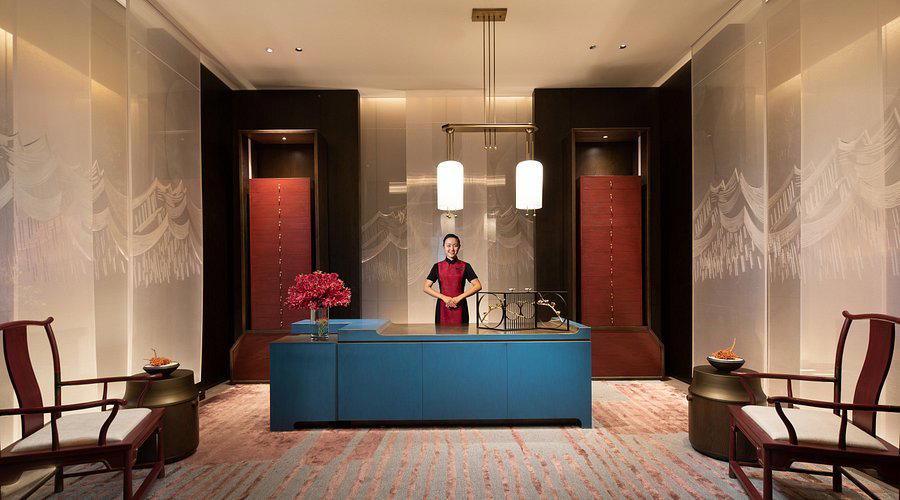
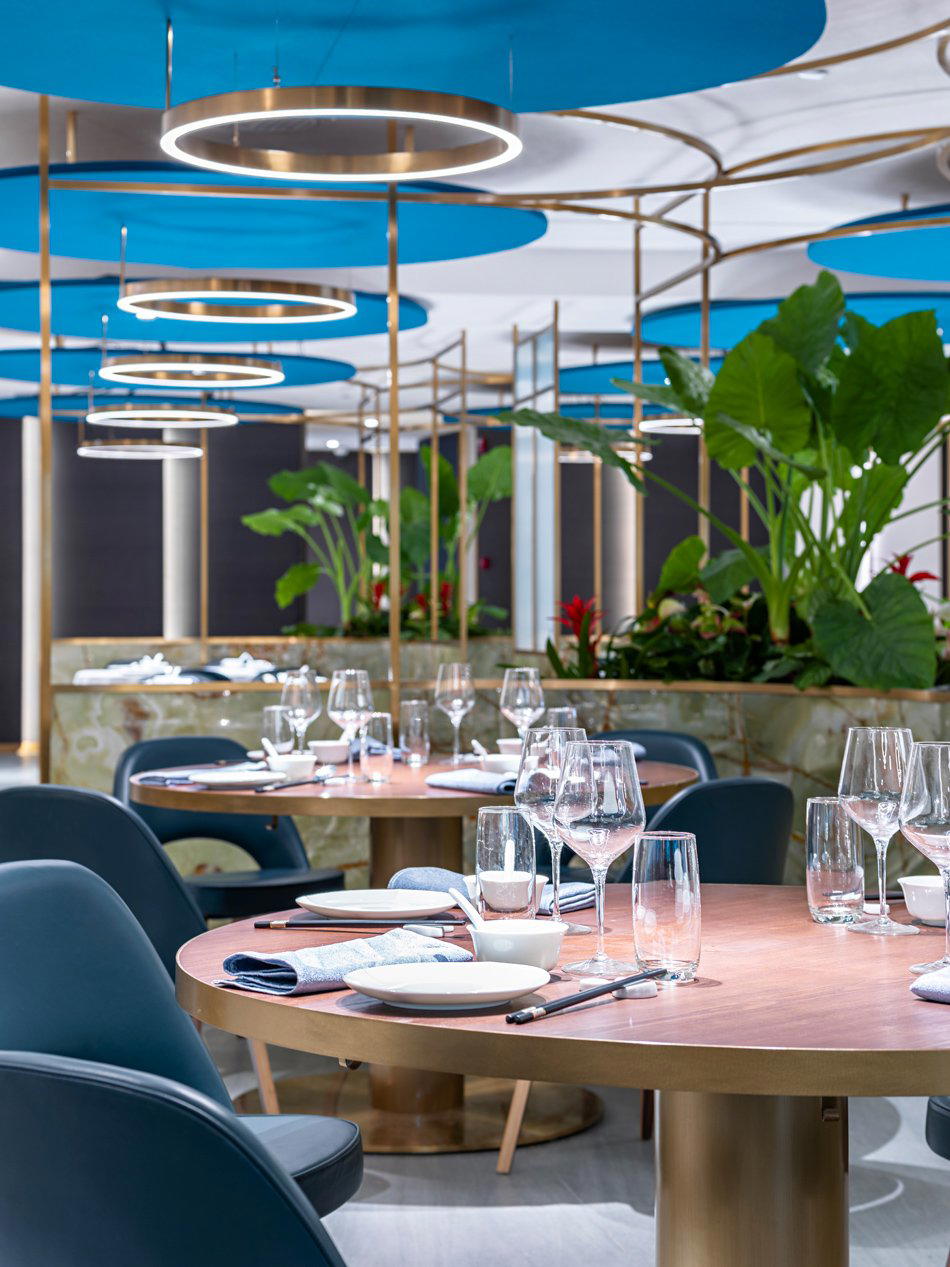
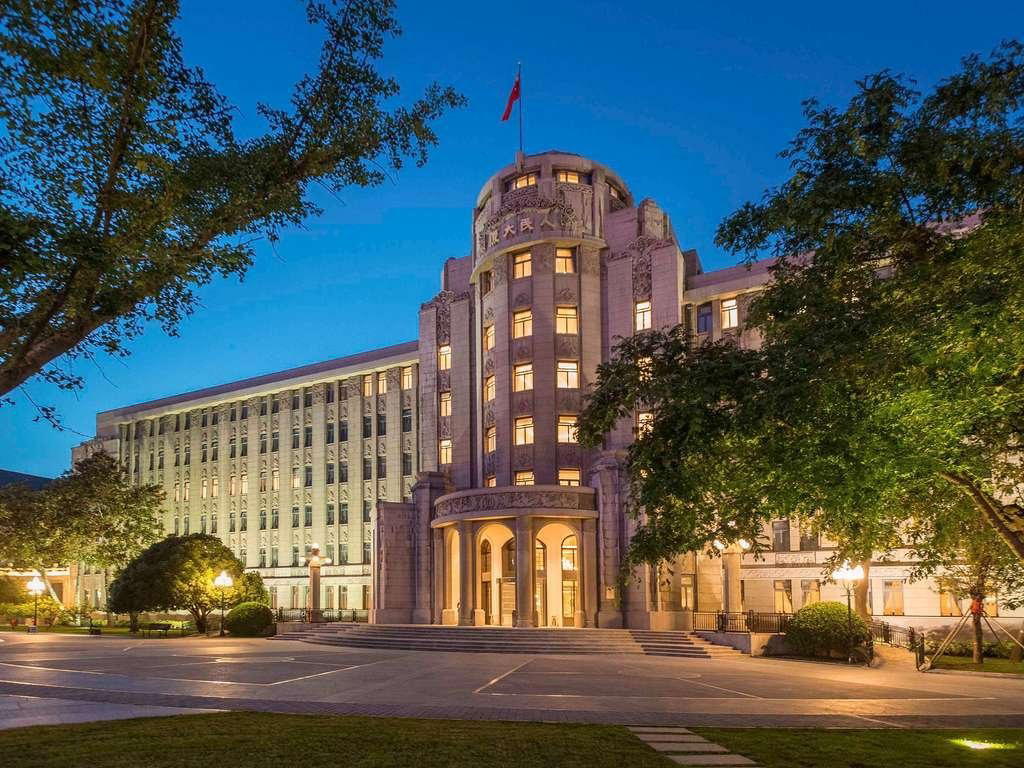
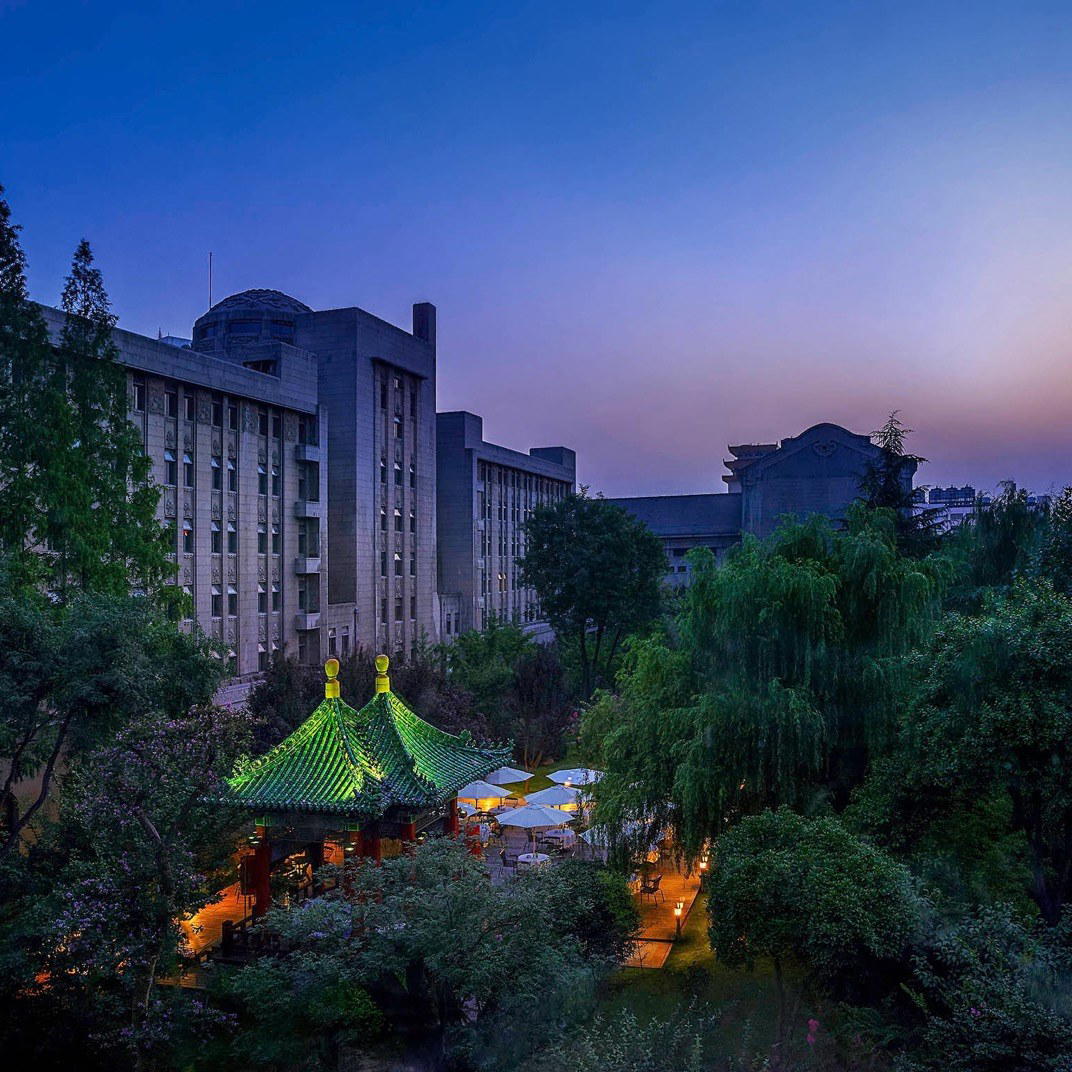
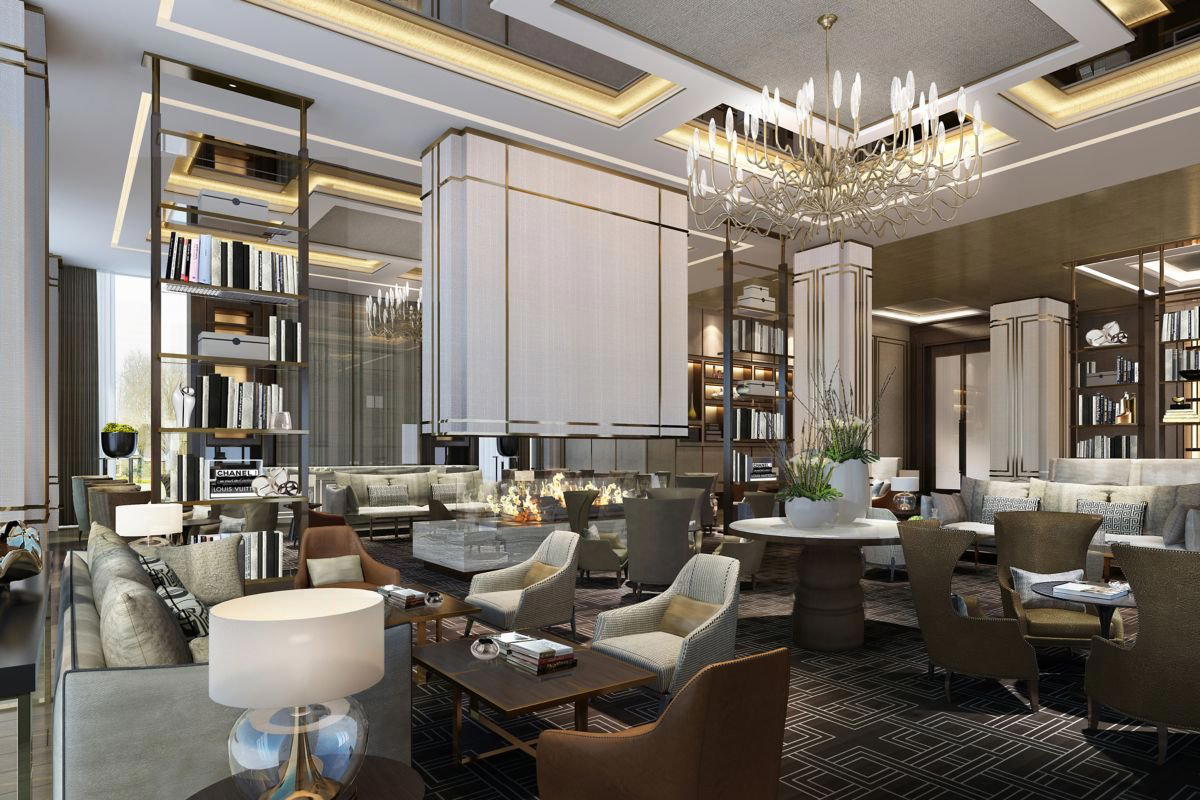
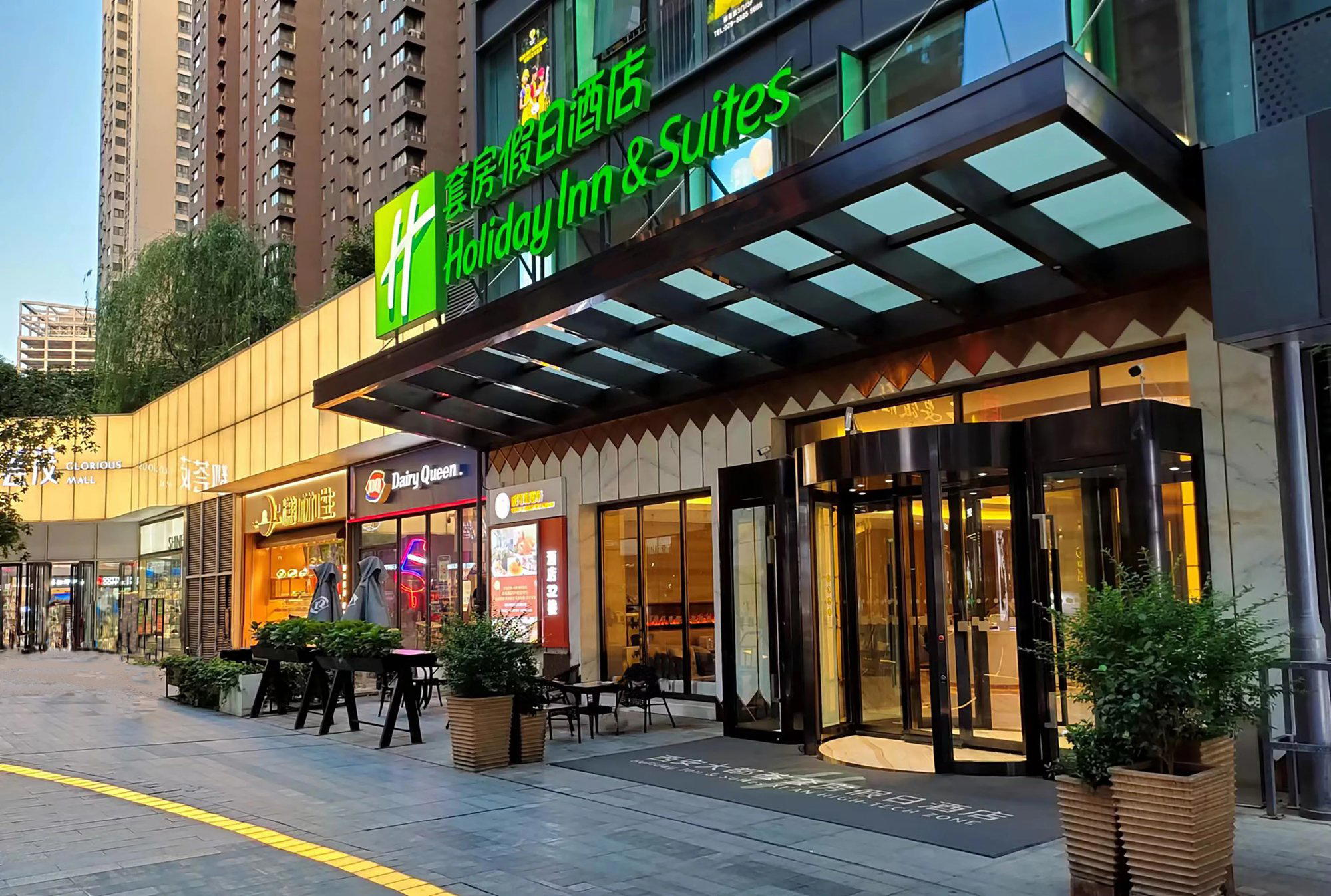
Elegant and comfortable private rooms amidst the Tang Paradise gardens, blending tradition and innovation.