Our verdict
Chang'an Xi'an brings the grain-and-fire cooking traditions of Shaanxi province into a considered dining format in one of China's oldest cities. The menu anchors to the agricultural heartland that once fed the Tang Dynasty capital, with wheat, lamb, and cumin at its centre. For visitors tracing Xi'an's culinary lineage beyond the Muslim Quarter, this is a substantive point of reference.

Pearl is the En Primeur Club membership app, where members save venues, book tables and use the concierge.
The menu
What to order
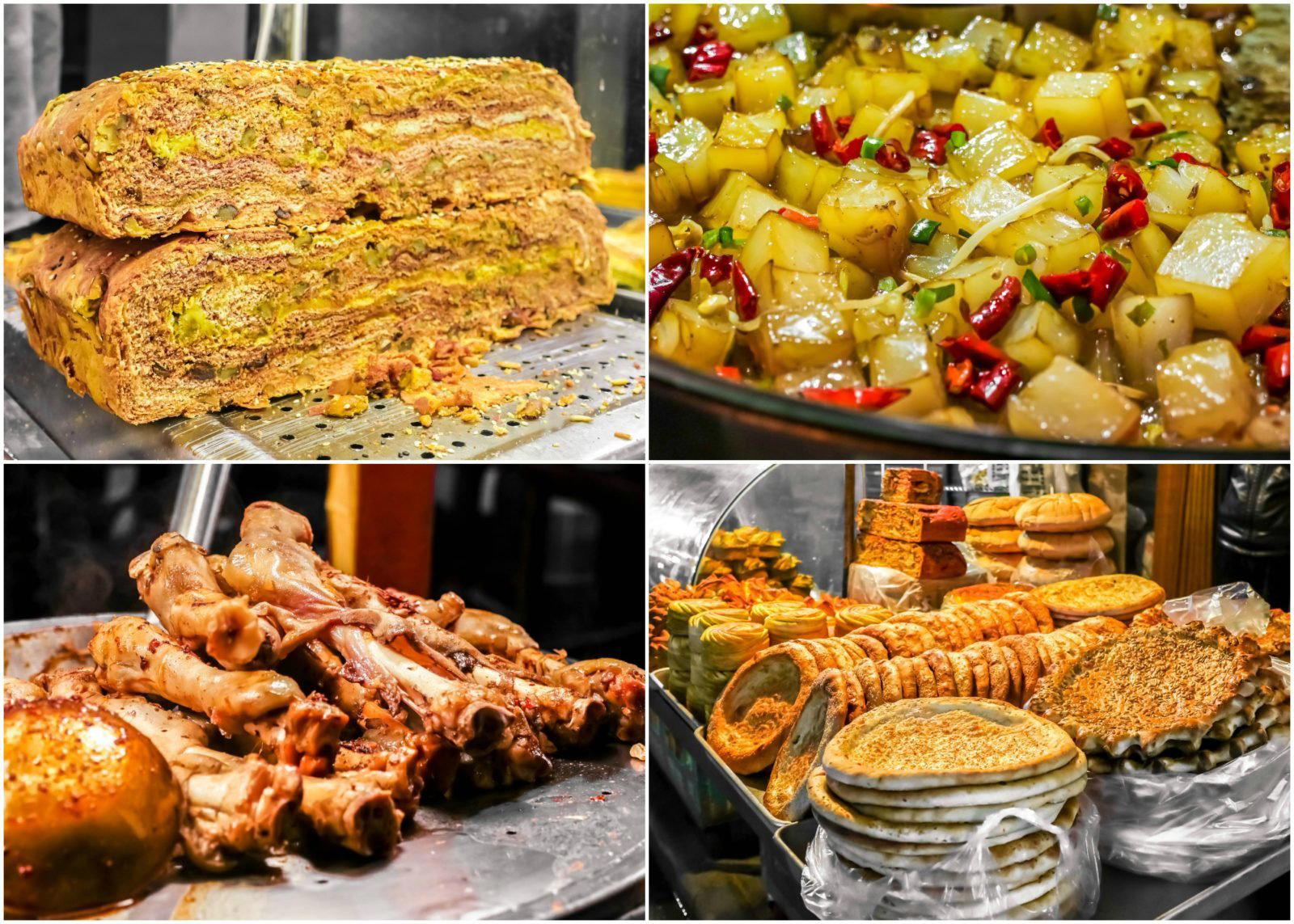
- Gourd Chicken
- Braised Lamb Leg
- Chang'an Jiuding Plate
Where Ancient Supply Chains Still Define the Plate
Xi'an's position at the eastern terminus of the Silk Road was always as much about agriculture as it was about trade. The Guanzhong Plain stretching west and south of the city has fed successive capitals here for more than a thousand years, producing the wheat, millet, and lamb that remain the structural ingredients of Shaanxi cooking today. Restaurants that take this tradition seriously are working with a sourcing geography that pre-dates the cuisine categories we use now. Chang'an Xi'an operates inside that tradition, drawing on the same regional larder that shaped Tang Dynasty court kitchens and the everyday cooking of the Wei River basin alike.
The name itself signals the frame of reference. Chang'an was the Tang-era name for this city, and invoking it is a choice with culinary implications: you are committing to a cuisine shaped by the Silk Road's convergence of Central Asian, Persian, and Han Chinese ingredients. Lamb over pork. Cumin and dried chilli alongside fermented pastes. Flat breads and hand-pulled noodles rather than rice. These are not aesthetic decisions but sourcing realities rooted in what the surrounding land and the caravan routes historically supplied.
The Sourcing Logic Behind Shaanxi Cooking
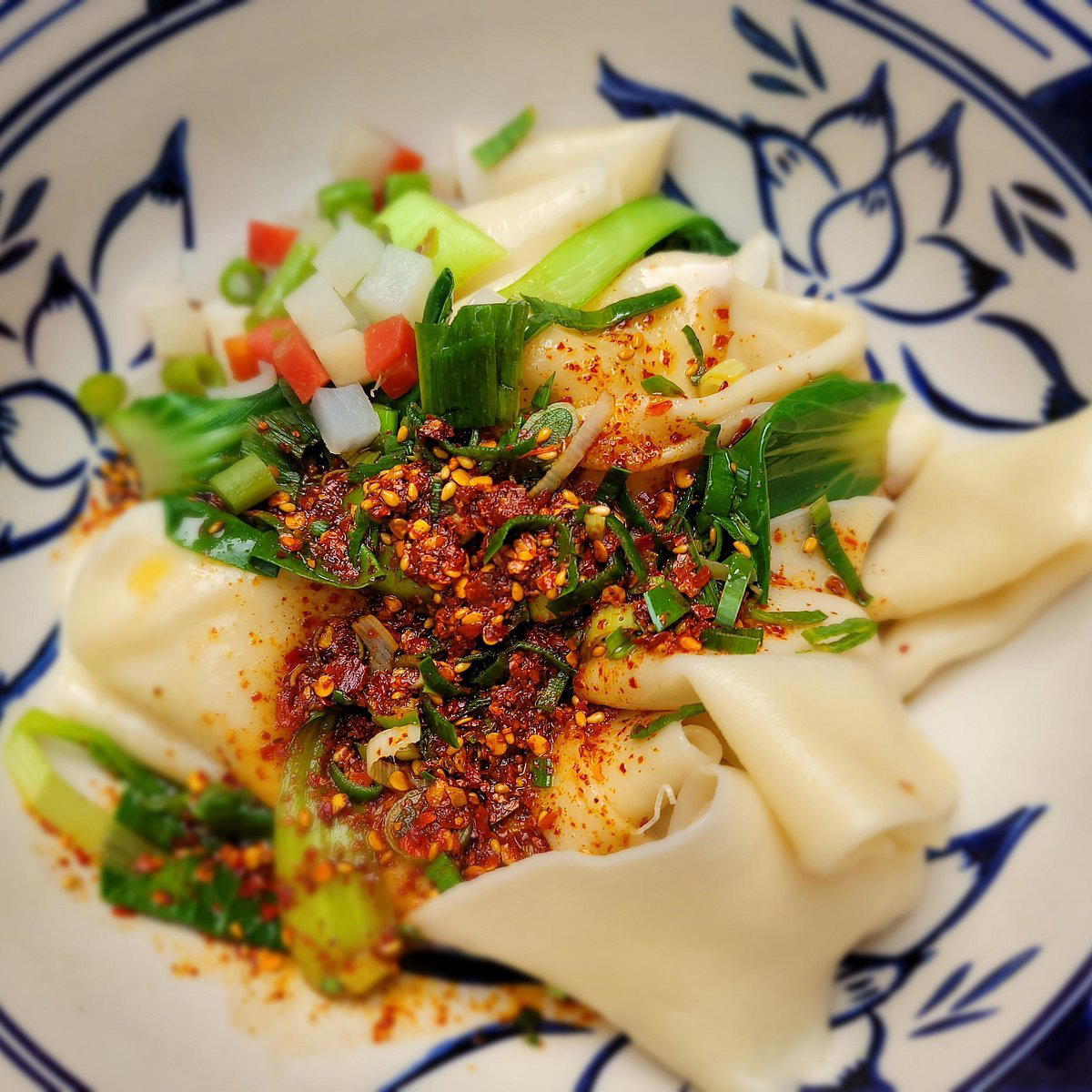
Understanding what arrives on the table at a restaurant like Chang'an Xi'an requires a brief map of the regional food supply. The Qinling Mountains to the south create a climatic divide that separates Shaanxi from the rice-growing provinces below. North of that range, the diet has always been wheat-based. The flatbreads known as mo, the hand-torn noodles called biang biang mian, and the paomo soups where bread is crumbled into lamb broth are all expressions of a grain economy that still runs through this city's daily eating.
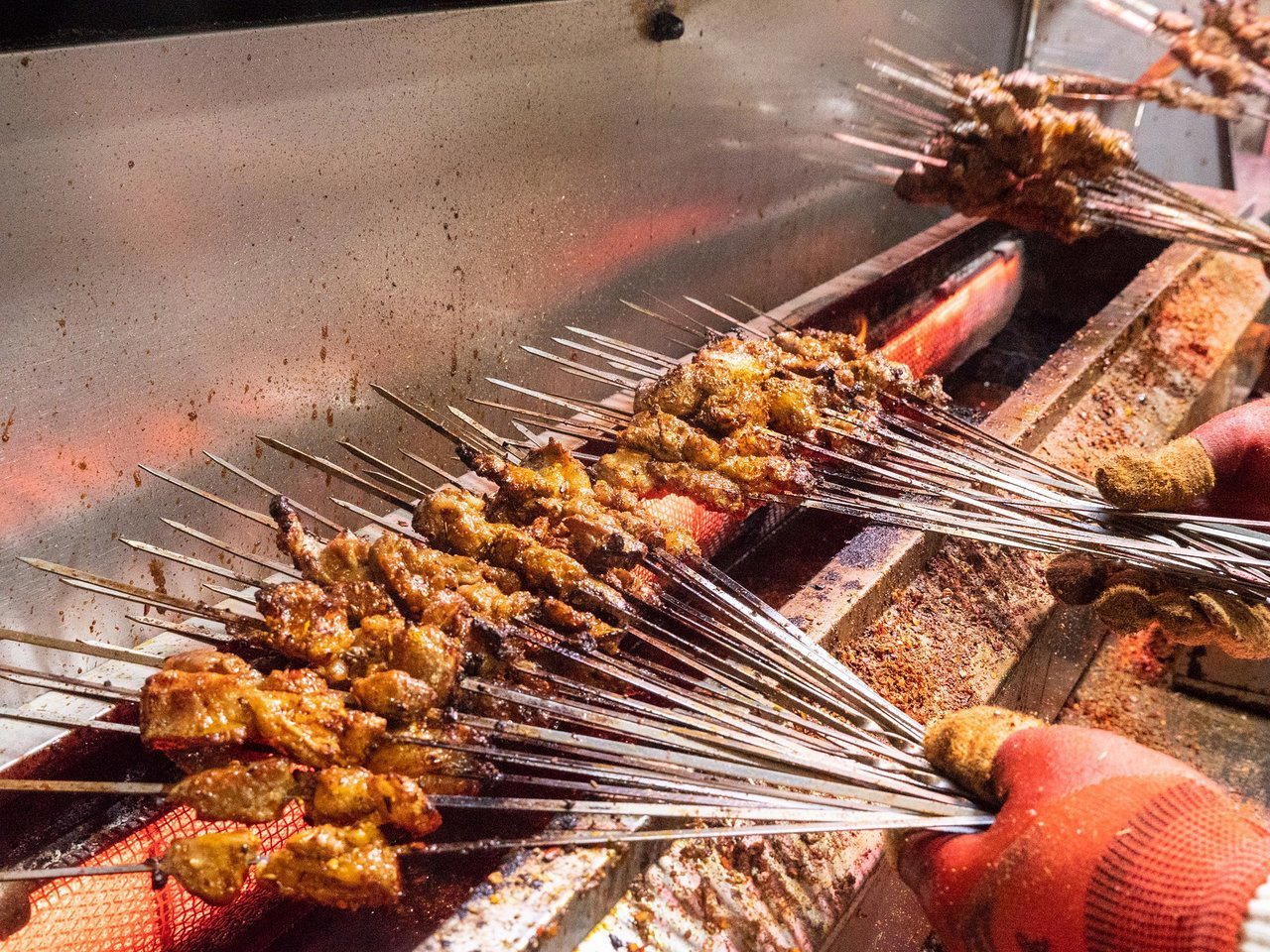
Lamb sourcing in Xi'an connects historically to the Muslim Hui community concentrated in and around the Beiyuanmen area, whose presence here dates back over a millennium. The halal supply chains they established are still active, and the leading lamb served in Xi'an restaurants today typically traces through those networks. For a restaurant working in the Chang'an tradition, the credibility of that sourcing matters more than any plating decision. Cumin, sesame paste, and pomegranate molasses appear in this kitchen because they have appeared in this city's cooking since the Tang period, brought along the same routes that carried silk westward.
This contrasts with the sourcing philosophies at restaurants like Xin Rong Ji (Xinyuan South Road) in Beijing or Xin Rong Ji in Chengdu, where the eastern Zhejiang larder of seafood and fermented soy defines what the kitchen can do. Regional Chinese fine dining increasingly turns on this kind of supply-chain identity: the most coherent menus are those where the sourcing geography and the cooking tradition are the same thing.
Xi'an's Dining Scene and Where Chang'an Xi'an Sits Within It
Xi'an's restaurant market divides fairly cleanly between the high-volume street food belt of the Muslim Quarter and a smaller tier of sit-down restaurants attempting to frame Shaanxi cooking in a more considered format. The street food end is well-documented and draws significant tourist traffic, but it operates at speed and volume that limits what any single dish can express about ingredient quality. The more interesting question for a visitor with some table time is what happens when that same ingredient canon is given a slower format.
Chang'an Xi'an occupies the considered-format end of that spectrum. The comparison set is not the lamb skewer stalls on Beiyuanmen but the handful of Xi'an restaurants positioning Shaanxi cuisine for guests who want to eat deliberately rather than efficiently. In broader Chinese fine dining terms, the relevant peer conversation is about how regional traditions from the interior provinces are gaining the kind of structured presentation that Cantonese cooking has long held. Restaurants like Imperial Treasure Fine Chinese Cuisine in Guangzhou and Ru Yuan in Hangzhou represent how different regional traditions handle that structural upgrade. Shaanxi is arriving at a similar moment, later than the coastal cuisines but with a sourcing narrative that is arguably more historically layered.
For visitors moving between China's major dining cities, the contrast is instructive. The grain-and-lamb axis of Xi'an cooking has almost nothing in common with the seafood-forward menus at 102 House in Shanghai or the Cantonese refinement of Dai Yuet Heen in Nanjing. That divergence is the point. Our full Xi'an restaurants guide maps the broader scene for visitors planning time in the city.
Planning Your Visit
Xi'an is most practically reached by high-speed rail from Beijing (approximately four and a half hours), Chengdu (three hours), or Shanghai (six-plus hours), or by direct flight from most major Chinese cities. The Muslim Quarter and the Bell Tower area are the geographic anchors for most dining in central Xi'an, and a restaurant in the Chang'an tradition would typically sit within reasonable distance of those reference points. Beyond Xi'an, the wider regional dining circuit includes Local Old Town Home in Kashgar, which offers a different but related perspective on the Central Asian ingredient influences that shaped Silk Road cooking from the western end.
For context on what the broader Chinese fine dining circuit looks like beyond Xi'an, the programmes at Chef Tam's Seasons in Macau, Ensue in Shenzhen, and Fleurs Et Festin in Xiamen illustrate how differently Chinese and international culinary traditions are being combined in coastal cities. Xi'an sits apart from that conversation by design, its cooking anchored to an inland sourcing geography that has changed relatively little in its essentials.
Frequently asked questions
Can I bring kids to Chang'an Xi'an?
Chang'an Xi'an focuses on Shaanxi regional cooking rooted in the agricultural traditions of the Guanzhong Plain, so the food itself is approachable rather than aggressively spiced or experimental. That said, the restaurant sits in Xi'an's smaller tier of sit-down dining rather than the casual street food belt of the Muslim Quarter, so a degree of patience at the table is useful. Families with older children who have an interest in regional Chinese cuisine will find the setting more suitable than those with very young children.
What is the atmosphere like at Chang'an Xi'an?
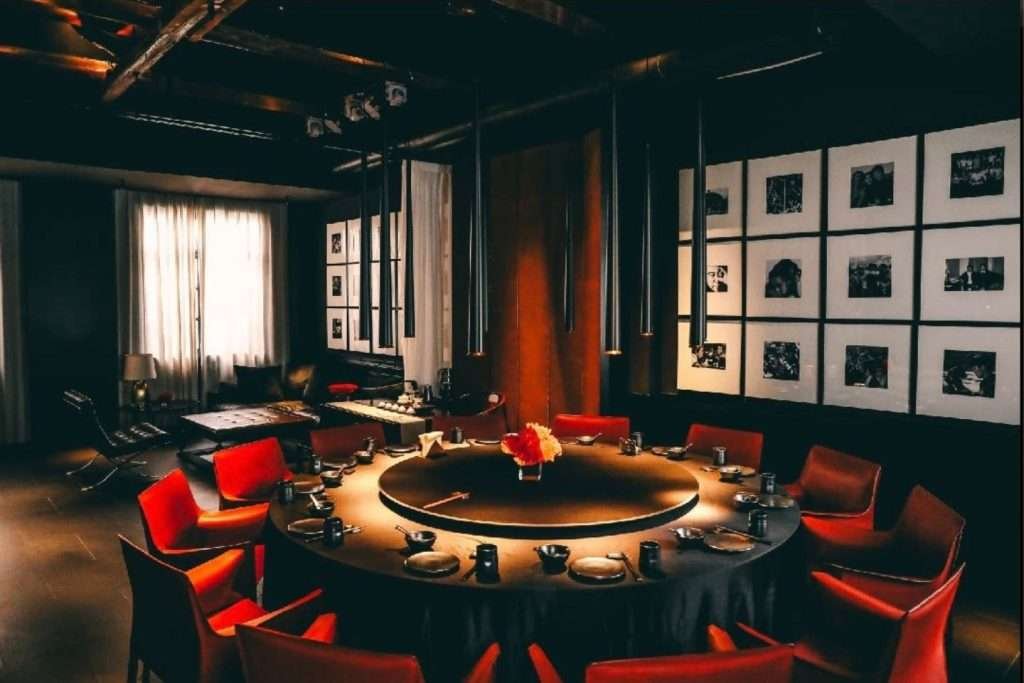
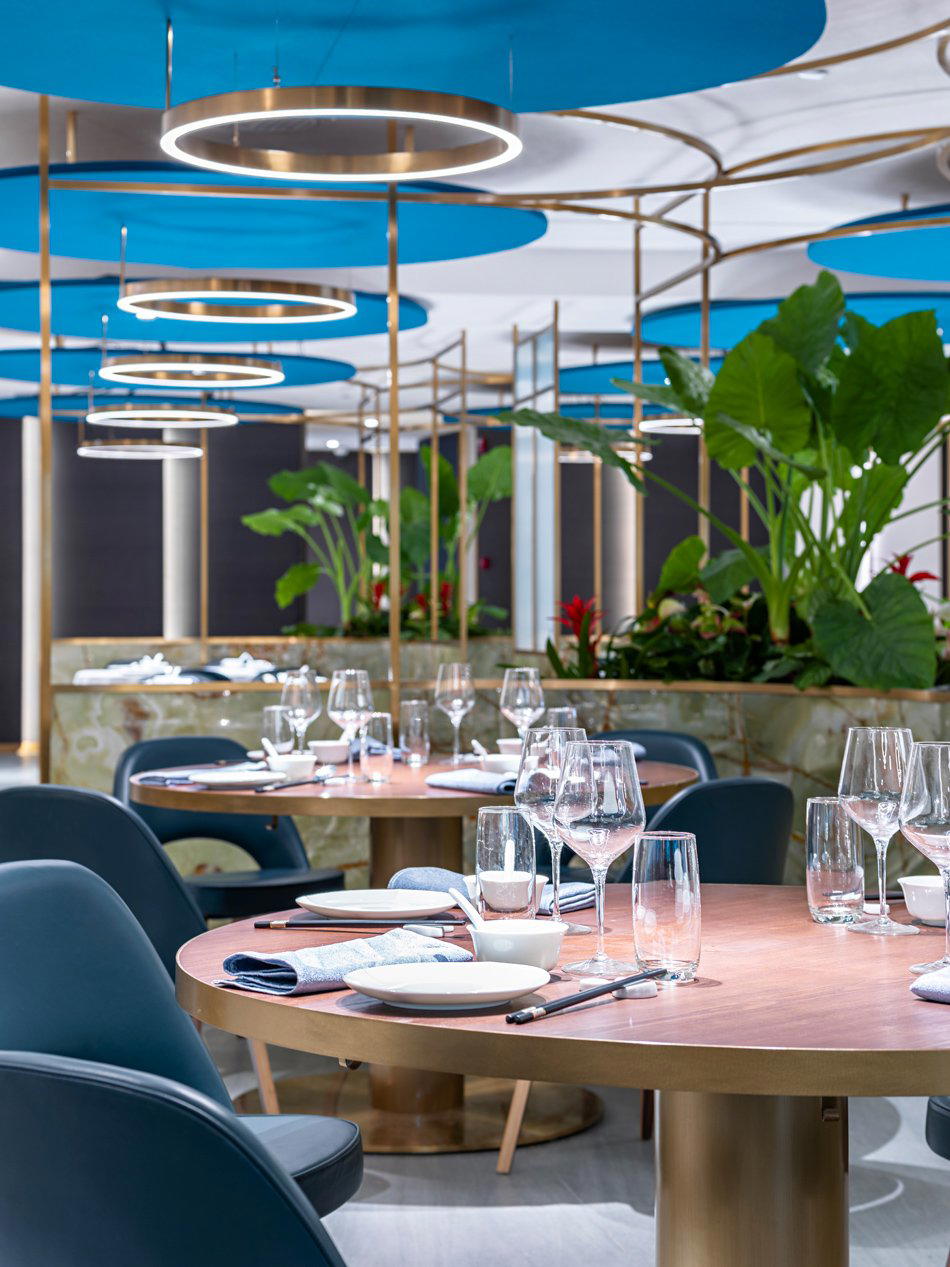
Chang'an Xi'an occupies the quieter, more considered end of Xi'an's dining market, a deliberate contrast to the high-volume energy of the Muslim Quarter street food corridor. The setting is geared toward Shaanxi's agricultural and Silk Road heritage rather than spectacle, which gives it a more measured pace. Expect a room calibrated for conversation and attention to the food on the plate.
How does Chang'an Xi'an differ from Xi'an's Muslim Quarter restaurants?
The Muslim Quarter in Xi'an serves Hui Chinese cooking, a distinct tradition shaped by centuries of Islamic dietary practice, whereas Chang'an Xi'an focuses on broader Shaanxi regional cuisine rooted in the Han agricultural traditions of the Guanzhong Plain. These are related but separate food cultures within the same city, and the restaurant format itself differs: Chang'an Xi'an operates as a sit-down dining room rather than a street food or casual counter setting. For visitors wanting to move beyond the Muslim Quarter's well-trodden food trail, Chang'an Xi'an represents the city's more structured regional dining tier.
What should I eat at Chang'an Xi'an?
The menu at Chang'an Xi'an draws on Shaanxi's larder: produce from the Guanzhong Plain and ingredients sourced from the Qinling Mountains to the south. Shaanxi cooking has a distinct identity built around wheat-based staples, preserved and fermented elements, and robust lamb preparations that trace directly to the Silk Road trade routes that passed through Xi'an for centuries. Specific current dishes are best confirmed directly with the restaurant before your visit.
Do they take walk-ins at Chang'an Xi'an?
Chang'an Xi'an sits within Xi'an's smaller tier of destination sit-down restaurants rather than the walk-in street food culture of the Muslim Quarter, which suggests advance booking is the more reliable approach.
What's Chang'an Xi'an best at?
Chang'an Xi'an's clearest strength is anchoring Shaanxi's regional cooking in its actual agricultural and historical context, specifically the supply chains that have defined the Guanzhong Plain since Xi'an served as the eastern terminus of the Silk Road. This is a restaurant for readers who want to understand what Shaanxi cuisine actually is, beyond the biang biang noodles and roujiamo that dominate the tourist food narrative. The kitchen's sourcing logic, drawing on Qinling Mountain produce alongside Guanzhong staples, gives the menu a geographic coherence that is relatively uncommon in the city's dining tier.
Comparison Snapshot
| Venue | Cuisine | Price | Awards | Notes |
|---|---|---|---|---|
| Chang'an Xi'anThis venue (the venue you are viewing) | Authentic Shaanxi Cuisine | Not listed | Not listed | Not listed |
| Fu He Hui | Modern Seasonal Vegetarian Fine Dining | $200–300 | 2 Michelin Stars · World's 50 Best #11 | Vegetarian |
| Aji | Asian Bistronomy (Nikkei Fusion) | $50–100 | 1 Michelin Star · Wine Spectator Best of Award of Excellence | Nikkei, Innovative |
| Five Foot Road | Modern Sichuan Fine Dining | Not listed | 1 Michelin Star · La Liste Top Restaurants | Sichuan |
| Jing | Modern French with Asian Influences | $300–500 | 1 Michelin Star · Black Pearl 1 Diamond | French Contemporary |
| Lai Heen | Michelin-Starred Cantonese | $50–100 | 1 Michelin Star · Forbes 5-Star | Cantonese |
Continue exploring
More in Xi'an

Details
- Elegant
- Classic
- Business Dinner
- Special Occasion
- Historic Building
- A La Carte
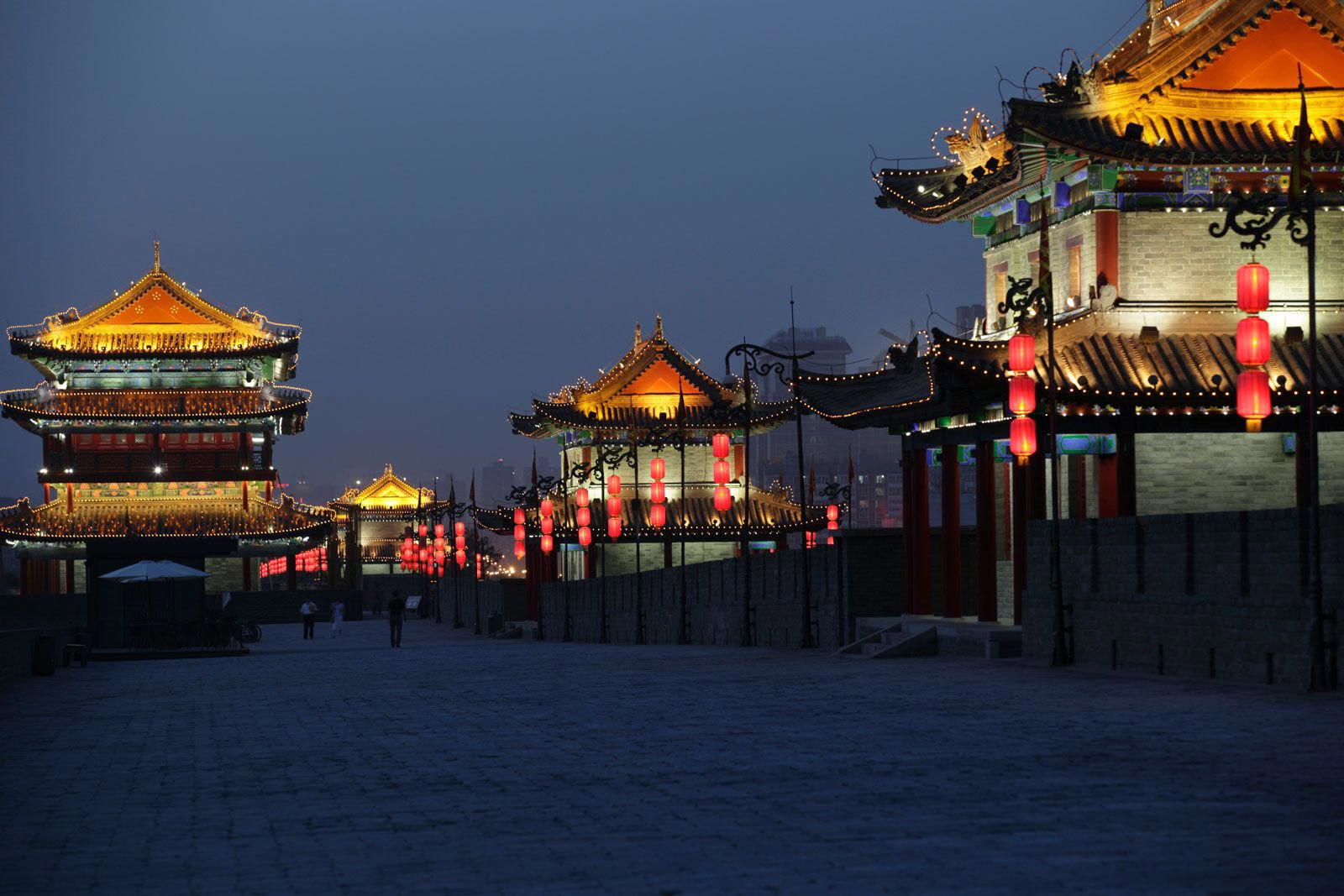
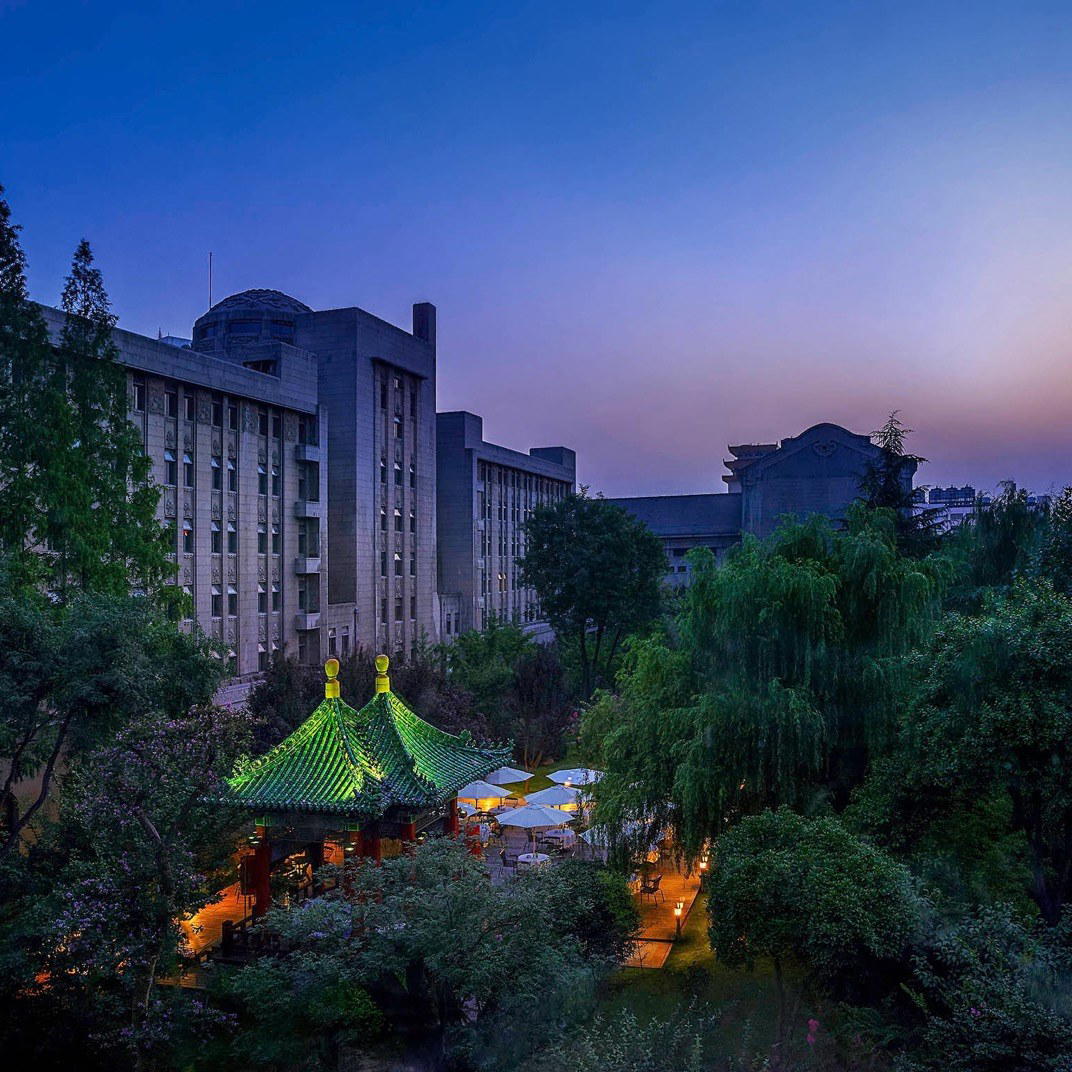
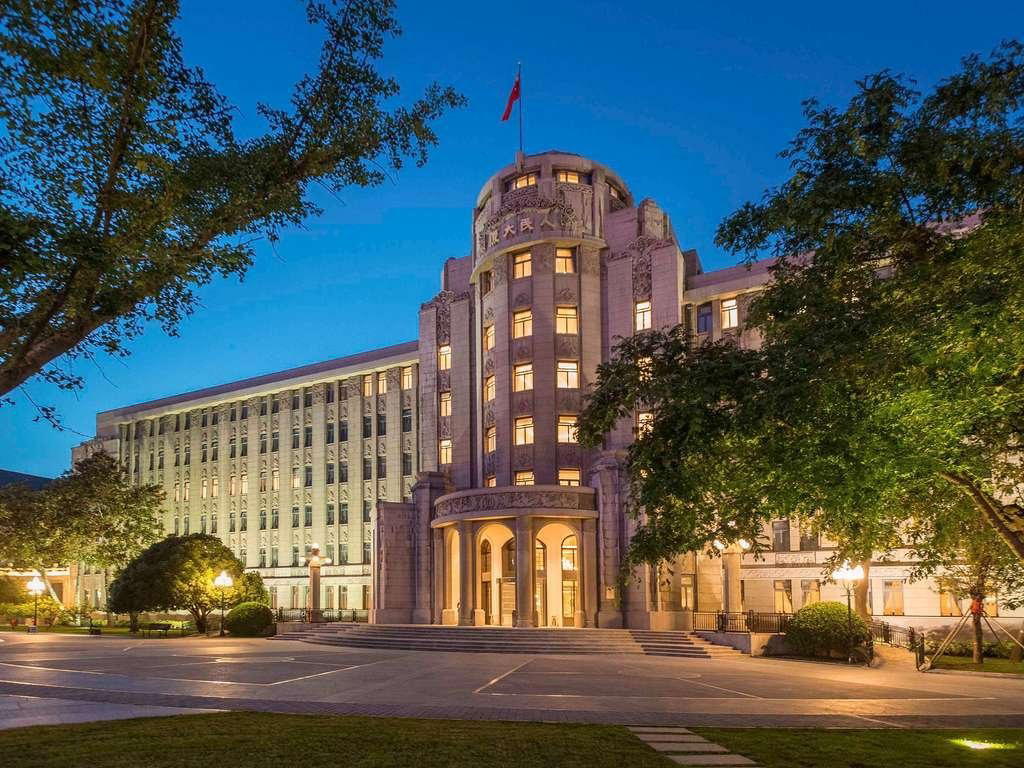
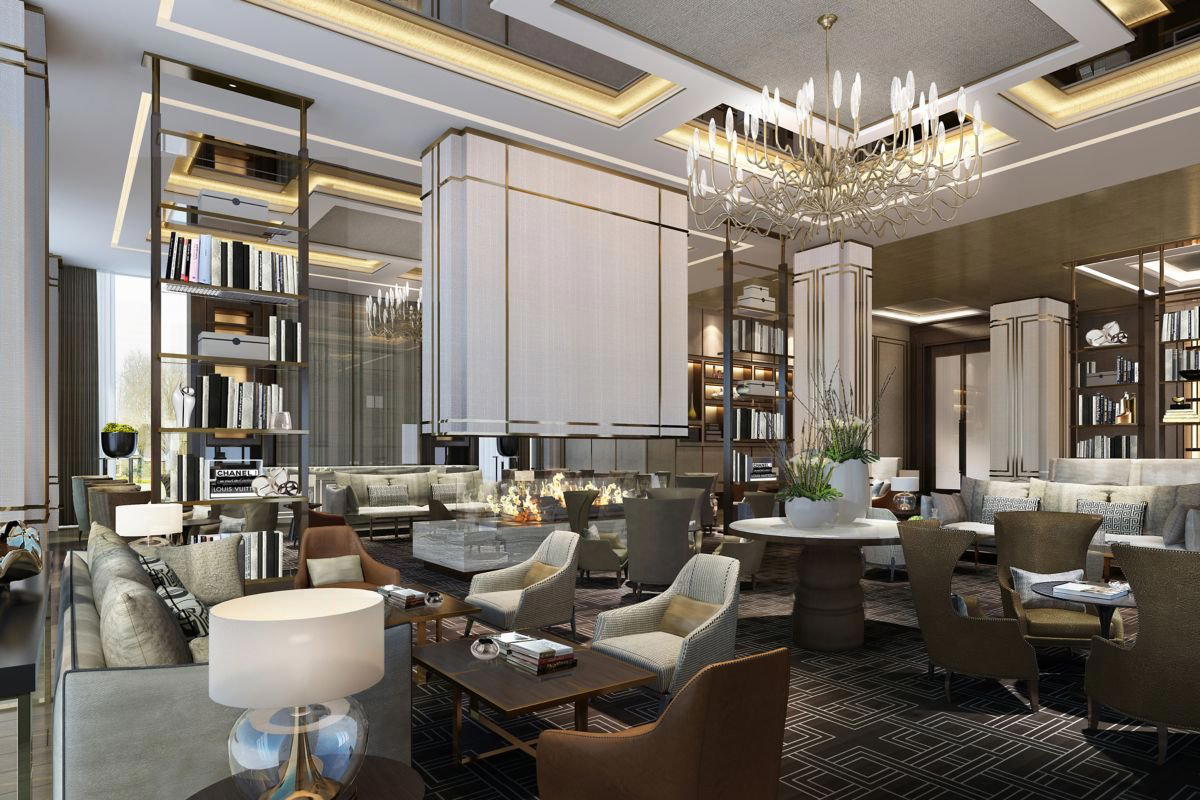
Quiet environment with thoughtful service and refined historic setting.