
Tabelog 100 #73
Our verdict
鮨德 sits in Sendai's Aoba Ward, positioning itself within the city's quieter end of the sushi spectrum. Sendai lacks the density of Tokyo's omakase scene, making venues like this one serve a more concentrated local following. Practical details including pricing, booking format, and hours are best confirmed directly before visiting.

Pearl is the En Primeur Club membership app, where members save venues, book tables and use the concierge.
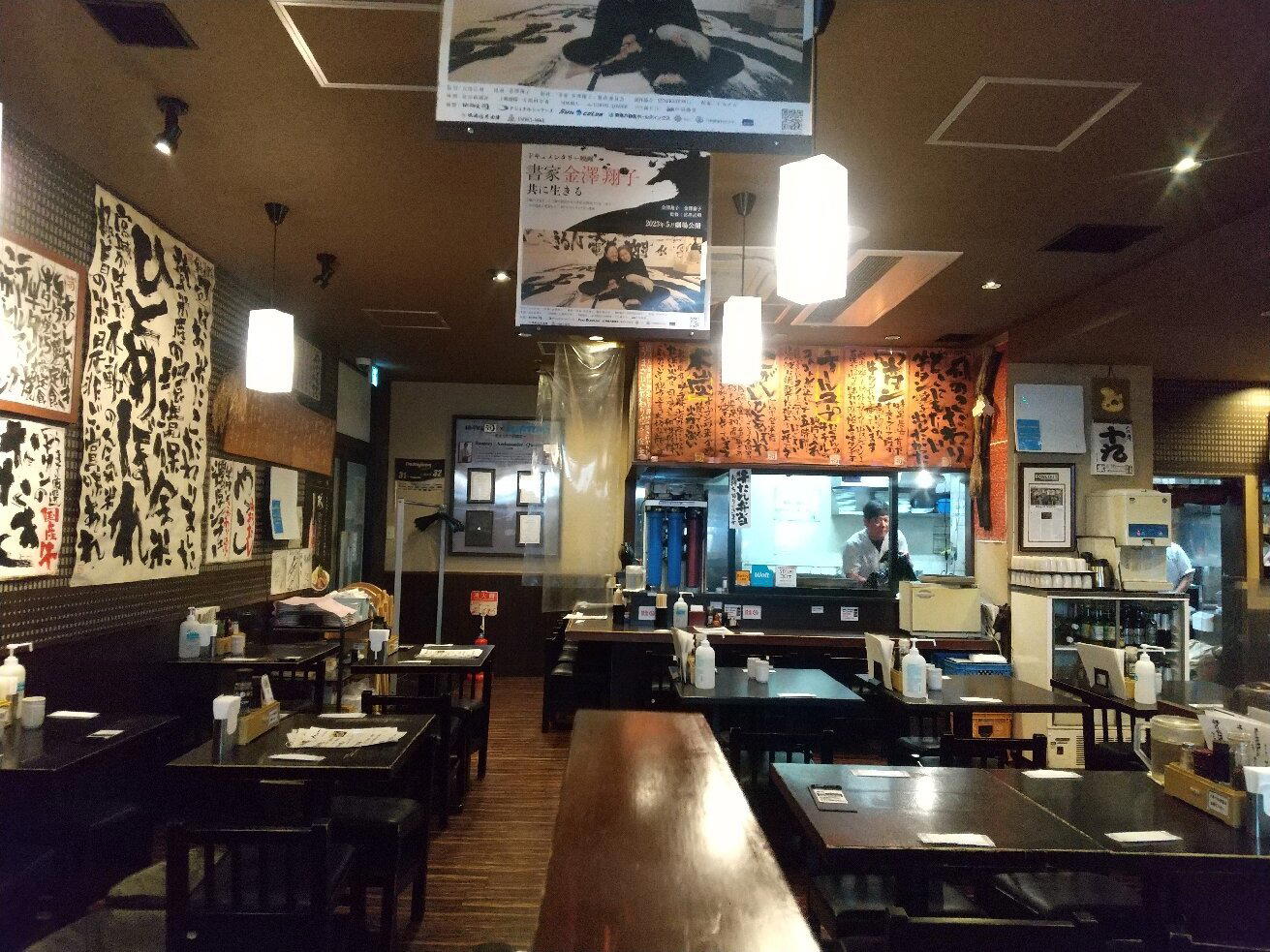
Sendai's Sushi Tradition and Where 鮨德 Fits
Sendai occupies an interesting position in Japan's dining geography. The city sits roughly 300 kilometres north of Tokyo, close enough to Sanriku coast seafood supply chains to access serious product, yet far enough from the capital's restaurant density to develop a dining culture with its own cadence. The omakase counter format that now defines premium sushi across Japan's major cities has taken root here too, though Sendai's scene operates at a smaller scale and with less international visibility than Tokyo or Osaka equivalents. That lower profile is not a deficiency; it reflects a different kind of dining economy, one oriented toward regular local clientele rather than visiting critics and tourists cycling through tasting menus.
鮨德, located in Kasugamachi within Aoba Ward, sits inside that quieter tier of Sendai's sushi offering. The address places it in a compact urban pocket of the ward, the kind of setting where sushi counters in mid-size Japanese cities often establish themselves: close enough to central Sendai to draw professionals and occasion diners, without the high-footfall pressure of a main retail strip. The full Sendai restaurants guide maps the broader range of the city's dining options across neighbourhoods and formats.
The Counter Tradition: What Omakase Means in a Regional City
Across Japan, the sushi counter functions as a specific social and culinary contract. The itamae sets the sequence, the pace, and the selection; the diner accepts that framework in exchange for access to the chef's sourcing decisions and technical judgment. In Tokyo's upper tier, counters like Harutaka operate with Michelin recognition and booking windows that stretch months ahead. In Kyoto, venues such as Gion Sasaki layer kaiseki sensibility into the seafood sequence. Osaka's HAJIME approaches the format with a different kind of conceptual ambition. Regional cities like Sendai sustain the same fundamental discipline at the counter, but without the external validation machinery of the major markets.
That distinction matters for how you approach a venue like 鮨德. Many of the more considered counters in regional Japan operate below that visibility threshold while maintaining supply relationships and technical standards that compare reasonably against the lower tiers of major-city omakase. affetto akita in Akita and Aji Arai in Oita are examples of venues in comparable regional settings navigating the same dynamic.
Sendai's Seafood Context
The Sanriku coast, running from Miyagi prefecture northward, produces some of Japan's most respected shellfish and cold-water fish. Sendai's proximity to that supply is a structural advantage for any serious sushi operation in the city. Oysters, sea urchin, and a range of white fish from the Pacific cold currents move through Sendai's wholesale markets in ways that Tokyo counters often pay a premium to access. The regional sourcing logic that defines sushi in coastal Japanese cities applies directly here: a counter in Sendai has legitimate grounds to feature product that a Tokyo counter would import at cost.
This sourcing geography is part of what makes Tohoku's dining scene worth attention beyond its more publicised neighbours. Hiro-zushi is another Sendai counter operating within this same coastal supply framework. The city also supports a range of non-sushi formats: Sumiyaki Okagesan handles yakitori at a price point of JPY 15,000 to JPY 19,999, signalling that Sendai's premium casual segment extends across multiple formats, while IL PIZZAIOLO and Matsuzakaya broaden the city's mid-range options further. KUROMORI rounds out the local picture at the neighbourhood level.
Regional Japan's Sushi Compared Further Afield
The pattern of serious counters operating outside the major inspection circuits repeats across Japan's regional cities. Goh in Fukuoka demonstrates what Michelin attention can do for a regional counter's international profile once inspectors arrive. akordu in Nara shows a different model: European-trained technique applied in a secondary Japanese city. Abon in Ashiya and Akakichi in Imabari occupy similar positions in their respective cities. Ajidocoro in Yubari District sits at the furthest edge of this pattern, serving a diminished local economy with consistent standards. Internationally, counters at the precision end of the spectrum, from Le Bernardin in New York City to Lazy Bear in San Francisco, illustrate how the chef-led, fixed-format dining model translates across cultures. Sendai's version of that model is quieter and less exported, but the underlying logic is the same.
Planning a Visit
Sushi counters in Sendai at the more considered end of the spectrum tend to operate on reservation systems with limited daily seatings, and walk-in access at serious counters across Japan is generally unreliable. The Kasugamachi address in Aoba Ward is accessible from central Sendai by foot or short taxi from Sendai Station, which serves as the city's main Shinkansen and local rail hub. Visitors combining a Sendai stop with broader Tohoku itineraries will find the station well-connected to regional destinations.
Frequently asked questions
Would 鮨德 be comfortable with kids?
Counter-format sushi restaurants in Sendai's Aoba Ward are structured around the omakase sequence, where the itamae controls pacing and guests follow a fixed progression of courses. That format is not well-suited to young children. Families travelling with kids would do better at Sendai's more casual dining options in the same neighbourhood.
Where is 鮨德 located?
鮨德 is located at Japan, 〒980-0821 Miyagi, Sendai, Aoba Ward, Kasugamachi, 5−16 シエロ春日町 2-B, Sendai.
Is 鮨德 reservation-only?
Reservations are recommended for 鮨德 in Sendai. Confirm current policy via the venue's official channels.
What kind of setting is 鮨德?
The Kasugamachi address in Aoba Ward places 鮨德 in a compact urban pocket typical of Sendai's neighbourhood dining strips, away from the main station-area tourist corridors. Counter-format sushi in this context means close quarters, direct interaction with the itamae, and an atmosphere that runs quiet and focused rather than social or celebratory.
Cost and Credentials
| Venue | Cuisine | Price | Awards | Notes |
|---|---|---|---|---|
| 鮨德This venue (the venue you are viewing) | Japanese Restaurant | Not listed | Tabelog 100 #73 | Not listed |
| IL PIZZAIOLO | Neapolitan Pizza | $30–50 | Tabelog Bronze #130 | Pizza, Italian, JPY 4,000 - JPY 4,999 JPY 2,000 - JPY 2,999 |
| KUROMORI | Fine Dining Chinese | $150–200 | Tabelog Bronze #212 | Not listed |
| Sumiyaki Okagesan | Yakitori Omakase with Takasaka Chicken | $100–150 | Tabelog Bronze #335 | Yakitori (Grilled chicken skewers), JPY 15,000 - JPY 19,999 |
| æ¾ç³ | Modern Chinese with Miyagi Ingredients | $50–100 | Tabelog Bronze #263 | Not listed |
| Hiro-zushi | Traditional Edomae Sushi | $100–150 | Not listed | Not listed |
Recognition history
Dated appearances from independent guides and award organizations, with the underlying list record or original source where available.
Tabelog 100 #73 · No. 73
Tabelog · Tabelog 100 - Sushi - EAST - 2025
Continue exploring
More in Sendai
Restaurants in Sendai
All restaurants in Sendai →
Hotels in Sendai
Browse all →
Wineries in Sendai
All wineries in Sendai →
Details
- Sake Program
Classic and cozy Japanese dining atmosphere.