
Tabelog 100 #5
Our verdict
Ako places Sendai’s izakaya ritual in a compact counter format: seafood, charcoal, sake and shochu, with the meal paced around what is handled in front of the room rather than a long written menu. Its Tabelog 100 selections for Izakaya EAST in 2024 and 2025 put it in a serious regional tier, with a dinner spend in the JPY 10,000 to JPY 14,999 range.

Pearl is the En Primeur Club membership app — saves, bookings, and concierge access live there. Same editors, same standards.
- Address
- 宮城県仙台市青葉区国分町2-11-11
- Phone
- +81222230341
- Website
- tabelog.com
- Directions
- Get directions
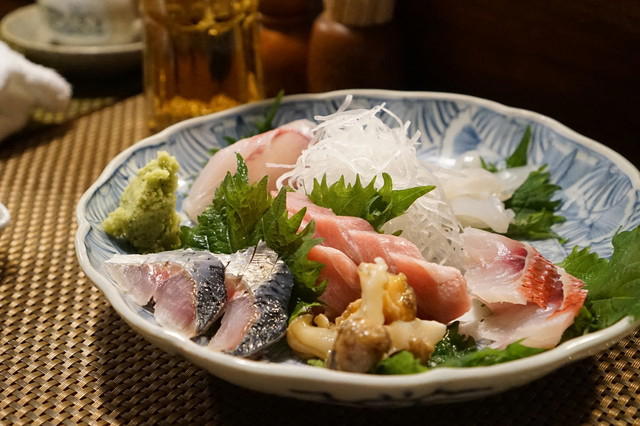
The menu
What to order
- Charcoal-grilled fresh fish
- Charcoal-grilled dried fish
- Cod milt (shirako) dishes
- Sasa-kamaboko fish cake
- Wild duck (natural mallard) hot pot
Kokubuncho’s evening dining culture is built on close rooms, late conversations and a steady hand at the grill. Ako compresses that ritual into a 15-seat, counter-only izakaya where the meal feels less like a stop between bars than a focused session of seafood, charcoal and drink. In Sendai, where business dinners, sake-led meals and after-work eating overlap, the counter turns the izakaya from casual catch-all into disciplined sequence.
The first distinction is category. Japan’s izakaya tradition ranges from chain beer halls to personal rooms built around seasonal fish and grill work. Ako sits in the latter camp. Its public category is izakaya and seafood, its stated food focus is fish, and sake and shochu form the drinking spine. That makes it closer to a specialist kappo-adjacent evening than a broad drinking house, while remaining relaxed enough for friends rather than ceremony.
Seafood, charcoal and the counter as the organising rule
Sendai is well placed for seafood cooking: close enough to the Sanriku coast for fish to carry local gravity, yet urban enough to support small, reservation-led rooms. Ako uses the grammar that suits that setting: sashimi, seasonal fish and charcoal-grilled items, with the counter as stage and filter. A counter-only room narrows the pace. Dishes arrive in response to the grill, the day’s fish and the drink in front of the guest, not the large-table rhythm of shared platters and repeat rounds.
Etiquette becomes part of the experience. Counter dining in Japan rewards attention to tempo: order with the room, do not treat the seat like a private lounge, and let sake or shochu follow the food rather than dominate it. The listed emphasis on nihonshu and shochu is not incidental. Fish-led izakaya meals often work through contrast, with clean sake for raw preparations and shochu for grilled or richer items. The point is not collection drinking, but matching the register of the plate.
The charcoal component separates this style from sushi-counter precision. Sushi compresses technique into rice temperature, cut and timing; charcoal izakaya cooking looks looser but is unforgiving. Heat, smoke and distance from the coals do the work. In a small room, the process becomes visible, which is why the counter format matters more than decor language. The guest sees the sequence being made, not merely delivered.
Where it fits in Sendai's serious dining circuit
Ako’s Tabelog 100 recognition for Izakaya EAST in 2024 and 2025, plus a prior Japanese cuisine EAST selection in 2021, gives it a clear trust signal in a category where international award systems often miss strong local rooms. Tabelog’s Hyakumeiten lists are useful here because they highlight depth within Japanese categories that do not translate cleanly into Michelin-style fine dining.
Price clarifies the competitive set. A dinner range of JPY 10,000 to JPY 14,999 places Ako above everyday izakaya spending and below Sendai’s higher sushi bracket, where Sushi Mino is listed at JPY 20,000 to JPY 29,999. Tempura Azumi occupies a similar dinner band, but its genre is more formal and technique-specific. Compared with city bars such as BAR arcenciel and LE BAR KAWAGOE at JPY 4,000 to JPY 4,999, Ako belongs to the meal-first side of Kokubuncho rather than the nightcap circuit. Banshaku to Bangohan Choutsugahi, also JPY 4,000 to JPY 4,999, marks another level of Sendai’s casual evening economy; Ako prices against a narrower, ingredient-led style.
That middle-high izakaya tier is often more revealing than flagship tasting menus. It shows what local diners will pay for when the room is small, ingredients matter and the meal still feels socially flexible. The lack of private rooms and private use reinforces the point. This is not a corporate banquet frame; it is a counter meal where proximity is part of the value.
How to read the meal before choosing the seat
The practical reading is simple: Ako is a dinner address for guests who want Sendai’s seafood culture in compact form, not a long tasting-menu performance. Reservations are available, the room is non-smoking, and parking is not part of the setup, making Kotodai Koen the natural arrival reference. Sunday closure also shapes planning for travellers building a weekend around Kokubuncho.
Expect restraint rather than abundance. The focus on fish, charcoal-grilled dishes, sake and shochu suggests a meal built through sequence, not a table crowded with every regional specialty at once. In a 15-seat room, treat the counter as a conversation with the kitchen’s pacing: start with seafood, allow the grill to define the middle, and keep drink choices aligned with the food rather than turning dinner into a bar crawl.
For travellers comparing city categories, Ako sits neatly in a Sendai itinerary that can include lighter or more casual addresses such as achaar, Ademain, ankoya Ekimae ten and Baisaou. For a broader view of the local field, use Banshaku to Bangohan Choutsugahi as a lower-priced evening counterpoint, then read across Our full Sendai restaurants guide, Our full Sendai hotels guide, Our full Sendai bars guide, Our full Sendai wineries guide and Our full Sendai experiences guide.
Readers tracking Japanese dining beyond Miyagi can place the ritual alongside other formats: beef sukiyaki at -Grilled beef Sukiyaki- KAMAKURA TANUKIAN 鎌倉 たぬき庵 in Kamakura, charcoal tuna cooking at. 鮪と炭火焼き うお炭 秋葉原店 in Tokyo, cafe culture at.cafe in Osaka, contemporary dining at.know in Kumamoto, Vietnamese cooking at (Shoku) Vietnam in Kawasaki, curry specialization at [Curry Senmon Ten] Maruyama Kyoju. in Sapporo, sake-bar translation at Jōdo Saké Bar in Los Angeles and rice-ball minimalism at Onigiri Time in Pasadena. Ako’s value is not scale; it is how Sendai’s fish-and-drink culture becomes legible at arm’s length from the grill.
Frequently asked questions
What part of town is Ako in?
Ako is located in Sendai.
How much does it cost to eat at Ako?
Pricing at Ako is listed as JPY 10,000 - JPY 14,999 View spending breakdown.
How hard is it to get a table at Ako?
Expect to plan ahead: Ako has just 15 seats, a counter-only room, and Tabelog 100 EAST 2025 recognition. Reservations are available, and the dinner-only schedule makes it a tighter window than a standard à la carte spot in Sendai. In practice, it is a place to book rather than assume a walk-in.
What is Ako known for?
Ako is primarily known for its core concept and execution in Sendai.
Category Peers
Comparable venues for orientation by cuisine and category.
| Venue | Cuisine | Price | Awards | Notes |
|---|---|---|---|---|
| AkoThis venue — the venue you are viewing | Seasonal Charcoal-Grilled Japanese Izakaya | $50–100 | Tabelog 100 #5 | Not listed |
| Koban Zushi | Traditional Edomae Sushi | $100–150 | Tabelog 100 #86 | Ichibancho |
| hou | Modern Yakitori Omakase | $100–150 | Tabelog 100 #54 | Aoba Ward (Aoba-ku), Ichibancho |
| sou | Yakitori Omakase with Japanese Wine Pairing | $100–150 | Tabelog 100 #19 | Aoba-ku |
| Tempura Azumi | Seasonal Tempura Omakase Counter | $50–100 | Tabelog 100 #61 | Kokubuncho, Aoba Ward |
| Matsuzakaya | Premium Teppanyaki with Matsusaka Beef | $50–100 | Not listed | Kokubuncho, Aoba-ku |
Recognition history
Dated appearances from independent guides and award organizations, with the underlying list record or original source where available.
Tabelog 100 #5 · No. 5
Tabelog · Tabelog 100 - Izakaya - EAST - 2025
Continue exploring
More in Sendai
Restaurants in Sendai
Browse all →
Hotels in Sendai
Browse all →
Wineries in Sendai
Browse all →
Details
- Cozy
- Intimate
- Lively
- Classic
- After Work
- Casual Hangout
- Date Night
- Solo
- Business Dinner
- Chefs Counter
- Standalone
- Design Destination
- Sake Program
- Beer Program
- Local Sourcing
- Sustainable Seafood
- A La Carte
- Small Plates
- Counter Dining
- Sake
- Shochu
- Beer
- Pescatarian Friendly
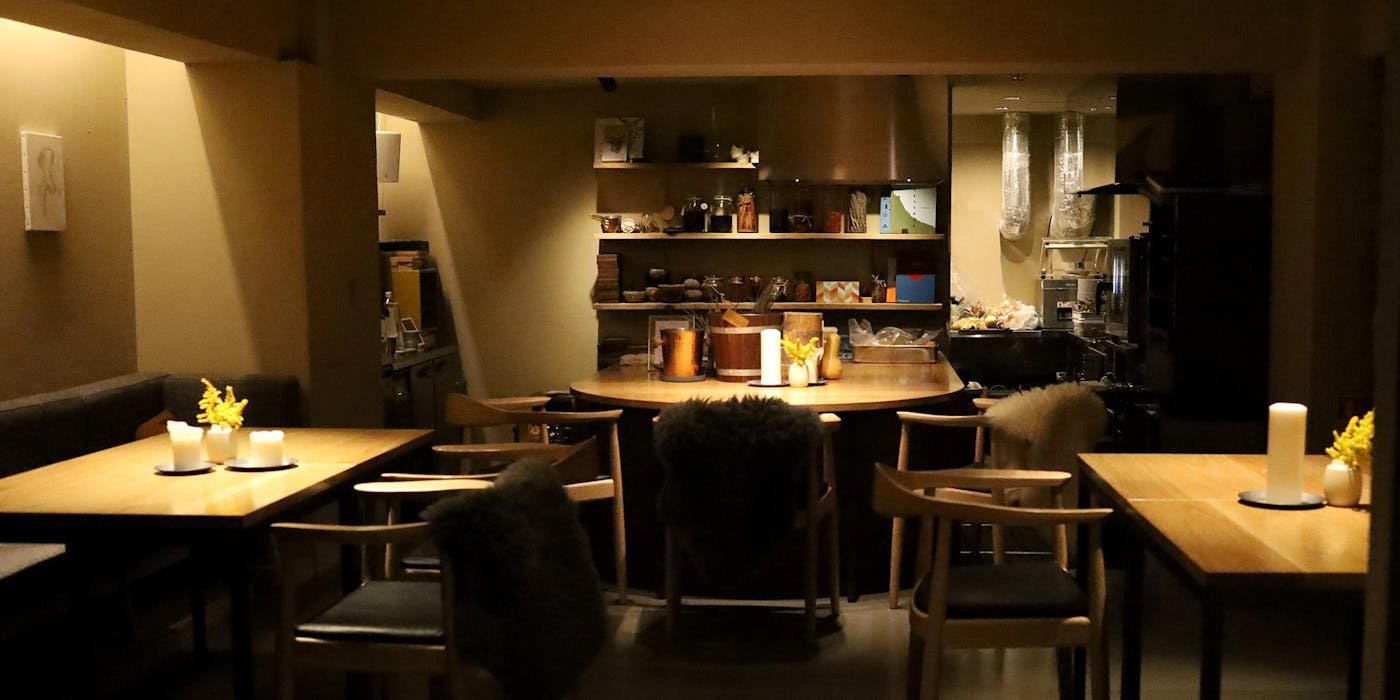
A small, counter-only Japanese tavern with a relaxed, intimate feel; guests sit around the counter watching chefs grill seasonal seafood over charcoal, with the space described as cozy and comfortable rather than formal.