
Una Ki is a Sendai unagi specialist in Kokubuncho with Tabelog Unagi 100 recognition in 2018, 2019, 2022, and 2024. Expect a classic eel-and-rice format rather than a broad kaiseki spread, with lunch and dinner budgets in the JPY 6,000 to JPY 9,999 range and private rooms available for small groups.
Pearl is the En Primeur Club membership app — saves, bookings, and concierge access live there. Same editors, same standards.
- Address
- 3 Chome-2-18 Kokubuncho, Aoba Ward, Sendai, Miyagi 980-0803, Japan
- Phone
- +81 22-265-8650
- Website
- unashow.co.jp
 Saves & bookings on Pearl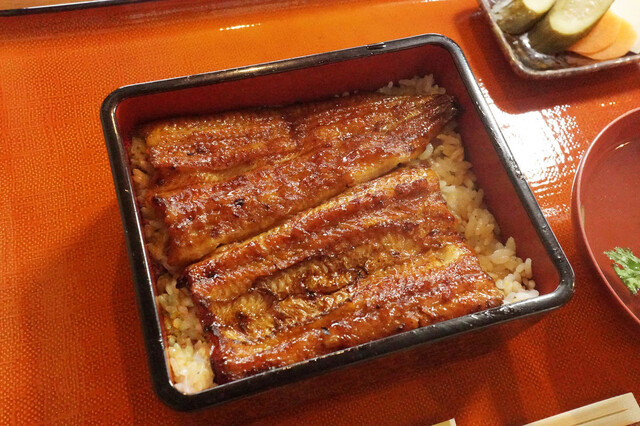
Kokubuncho’s restaurant streets work by compression: drinking rooms, counter specialists, late-night addresses, and old-format Japanese dining sitting close enough that the district can change register within a block. In that setting, unagi has a different tempo from Sendai’s louder food rituals. It is slower, more ceremonial, built around rice, tare, heat, and the patience of a kitchen that treats eel as a specialist craft rather than a menu category.
That matters in a city better known to many travelers for beef tongue, izakaya drinking, and seafood from the wider Tohoku coast. Unagi belongs to a separate lineage. The form rewards focus: a narrow vocabulary, a high ingredient cost, and a service rhythm that suits lunch appointments, business meals, and quieter dinners. Una Ki sits inside that older Japanese dining grammar, not the tasting-menu race that defines much of contemporary destination dining.
Sendai unagi as a specialist meal, not a side order
Japanese eel dining is often misread by visitors as simple grilled fish over rice. The cultural weight is heavier than that. Unagi carries associations with stamina, summer heat, domestic celebration, and Edo-period restaurant craft; the pleasure comes from repetition and calibration rather than novelty. The question is not how many courses appear, but how well the kitchen handles a narrow set of variables: eel, rice, sauce, charcoal, timing, and texture.
Una Ki’s public category is unagi and Japanese cuisine, and its Tabelog Unagi 100 selections in 2018, 2019, 2022, and 2024 put it in a national conversation for eel specialists rather than simply among convenient neighborhood restaurants. The current Tabelog score is 3.68, a meaningful number in Japan’s compressed rating culture, where small differences can separate casual popularity from specialist credibility. The award signal is useful because eel houses rarely translate well through global dining shorthand; Michelin-style language misses the point when the appeal lies in format discipline.
The kitchen’s stated focus is domestic eel and rice, with charcoal grilling as the central technique. That detail is not decorative. In unagi dining, the grill is the argument. Charcoal heat shapes the balance between fat, sauce, and rice, while the tare links one serving to a house style. Tabelog’s listing also notes sake and shochu, which places the meal in a familiar Japanese register: not a cocktail-led evening, not a wine-pairing performance, but a compact conversation between grilled eel, rice, and distilled or brewed Japanese drinks.
For travelers building a Sendai food map, the useful comparison is category discipline. Ako occupies a higher dinner spend bracket in the city, while Sushi Mino sits in a far more expensive sushi lane and Izakaya Chocho works closer to the everyday drinking-room economy. Tempura Azumi offers another craft-specific Japanese format, with a broader lunch-to-dinner price spread. Una Ki is not competing with those meals on theatrical ambition; it is competing on whether the reader wants a focused unagi sitting in a district better known for range and nightlife.
Kokubuncho gives the meal its Sendai context
Kokubuncho is useful because it keeps Sendai dining from becoming a single-note beef-tongue itinerary. The neighborhood has the density to support specialists, from ramen counters to sushi rooms and independent drinking spots, and that density changes how a meal should be read. A visitor can treat eel here as part of a city circuit rather than a detour: lunch before a museum afternoon, an early dinner before bars, or a quieter table between two higher-energy nights.
The neighborhood also sharpens the distinction between local utility and destination intent. A restaurant can be serious without behaving like a pilgrimage site. Private rooms are available here, and the format suits groups who want a contained Japanese meal without committing to a long tasting progression. Take-out is listed as part of the service model, another sign of how unagi functions in Japan: restaurant meal, giftable comfort, seasonal association, and practical boxed food can overlap within the same tradition.
Sendai’s stronger dining days are rarely built from a single reservation. They come from sequencing. A visitor might compare this eel specialist with achaar for a different spice register, Ademain for another local table, ankoya Ekimae ten for a compact city-food stop, or Baisaou when the day calls for a quieter pause. For the wider map, Our full Sendai restaurants guide gives the restaurant layer; Our full Sendai hotels guide, Our full Sendai bars guide, Our full Sendai wineries guide, and Our full Sendai experiences guide help place the meal inside a full itinerary rather than a stand-alone booking.
Who should choose this over a broader Japanese dinner
The reader who gets the strongest return here is the one who wants a tightly defined Japanese tradition, not a survey of regional cooking. Unagi is about choosing depth over variety. It asks less of the diner in decision-making and more in attention: sauce against rice, the way charcoal frames richness, and how a room’s pace supports a meal that has never needed modern dining theatrics to justify itself.
That also makes it a useful corrective to Sendai’s more obvious food checklist. Beef tongue remains the city’s exportable calling card, and seafood shapes much of Tohoku’s culinary identity, but eel offers a different lens on Japanese restaurant culture: continuity, specialization, and the economics of a premium ingredient served in an accessible format. The repeated Tabelog Unagi 100 recognition gives the choice external weight; the Kokubuncho setting keeps it grounded in the city’s working dining fabric.
Travelers comparing Japanese meals beyond Sendai can use the same logic elsewhere. A beef specialist such as -Grilled beef Sukiyaki- KAMAKURA TANUKIAN 鎌倉 たぬき庵 in Kamakura, a charcoal-led address like. 鮪と炭火焼き うお炭 秋葉原店 in Tokyo, or a casual stop such as.cafe in Osaka each expresses a different version of category focus. The same goes for.know in Kumamoto, (Shoku) Vietnam in Kawasaki, [Curry Senmon Ten] Maruyama Kyoju. in Sapporo, Jōdo Saké Bar in Los Angeles, and Onigiri Time in Pasadena: the useful question is not whether a meal covers everything, but whether it knows exactly what it is built to do.
A Pricing-First Comparison
Nearby venues at a similar price tier for orientation.
| Venue | Cuisine | Price | Awards | Notes |
|---|---|---|---|---|
| Una KiThis venue — the venue you are viewing | Kokubuncho, Traditional Japanese Unagi | $$ | , | |
| Banshaku to Bangohan Choutsugahi | Ichibancho, Japanese Izakaya | $$ | , | |
| 鮨德 | Sendai, Japanese Restaurant | , | , | |
| Bon Kura | Aoba Ward, Japanese shaved ice & soba | $$ | , | |
| Yakiniku Kotora - Clisroad | $$ | , | Clisroad Shopping Street, Premium Wagyu Yakiniku | |
| Shinogi | Aoba Ward, Traditional Japanese Izakaya | $$ | , |
At a Glance
- Classic
- Cozy
- Hidden Gem
- Intimate
- Business Dinner
- Group Dining
- Family
- Solo
- Special Occasion
- Standalone
- Private Dining
- Beer Program
- Sake Program
- Street Scene
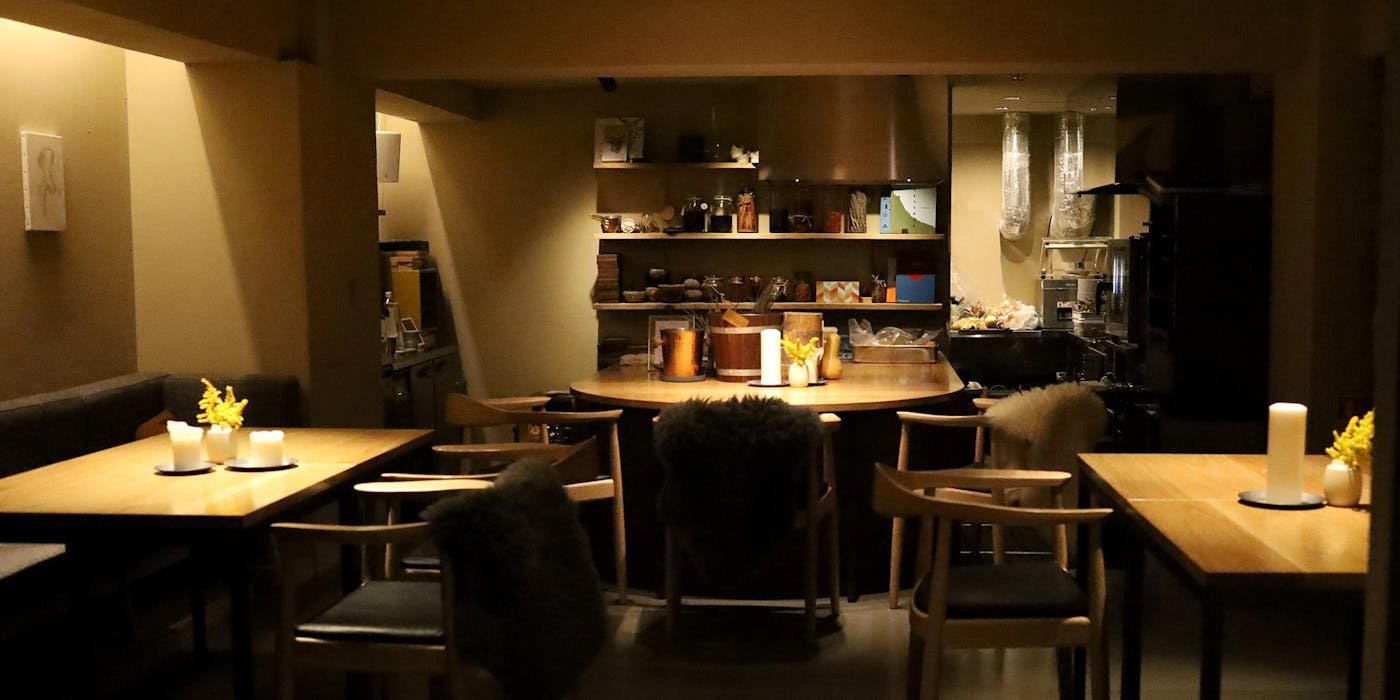
Traditional and cozy, with a calm, house-restaurant feel suited to relaxed meals and group dining.