
Tabelog 100 #47
Our verdict
Sendai’s izakaya culture rewards places that treat drinking and dinner as the same conversation. Banshaku to Bangohan Choutsugahi sits in that lane with a sake-and-wine focus, a 40-seat room with counter and tatami seating, and selection for Tabelog 100 Izakaya EAST 2025.

Pearl is the En Primeur Club membership app, where members save venues, book tables and use the concierge.
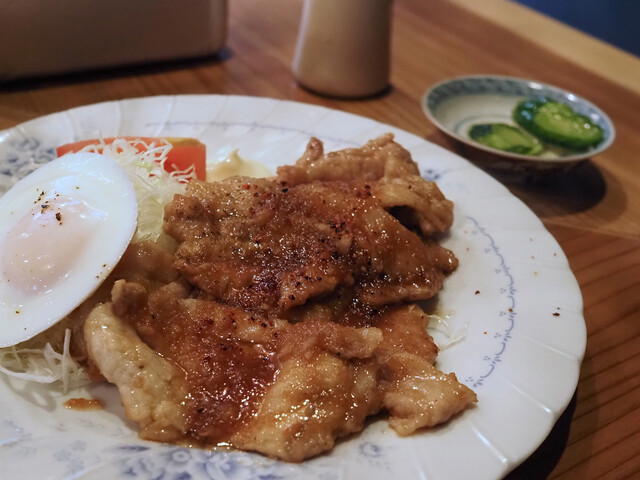
Ichibancho after dark is built for small decisions: one more glass, a second plate, a room with enough quiet to let dinner stretch. In Sendai, the izakaya is not a casual afterthought to the restaurant scene; it is often where the city shows its standards. The format rewards pacing over performance, and the sharper rooms tend to make drinks and food feel co-authored rather than sequential.
Banshaku to Bangohan Choutsugahi belongs to that dinner-first izakaya category. The name itself points to the structure: evening drink and evening meal, not a bar pretending to serve food or a restaurant that treats alcohol as an accessory. Its selection for Tabelog 100 Izakaya EAST 2025 gives the place a useful credential in a category where quality is often judged by repeat local use rather than formal tasting-menu ceremony.
Sendai izakaya dining built around the drink-and-dinner rhythm
The menu architecture matters because izakaya cooking is not arranged like Western courses. It is modular: small plates, grilled or cooked items, drinking snacks, rice or closing dishes, and seasonal specials that let the table build its own tempo. That structure suits Sendai, a city with strong seafood access, Tohoku produce, and a drinking culture shaped by sake as much as beer or highballs.
The signal here is the drinks emphasis. Sake and wine are both called out as strengths, which places the room in a more contemporary izakaya lane. Traditional taverns often orbit beer, shochu, and sake; wine interest changes the table’s possibilities, especially with grilled fish, fried items, vegetable dishes, or richer simmered preparations. It also shifts the audience slightly: this is not simply a stop for fast drinks before the last train, but a place where pairing decisions can shape the meal.
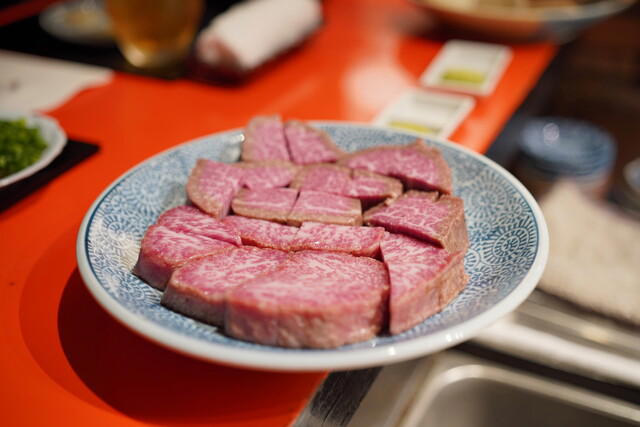
Within Sendai’s wider dining map, that middle register is important. At one end sit simple sweets shops such as Kanmidokoro Hikoichi, built around a different daytime rhythm. At another are higher-spend restaurants such as Daikoshou and Ako, where dinner moves into a JPY 10,000 to JPY 14,999 bracket. Choutsugahi occupies a lower dinner band while carrying a national-platform izakaya recognition, which is why it reads as a serious choice rather than a compromise.
The room format reinforces that interpretation. Counter seating keeps the meal close to the working rhythm of the kitchen, while tatami seating suits longer, conversational dinners. That split is classic izakaya intelligence: solo diners and couples can stay nimble; small groups can settle in without turning dinner into a formal banquet. The absence of private rooms also matters, since the social texture remains part of the experience rather than being sealed away.
Recognition without fine-dining theater
Tabelog’s Hyakumeiten lists are useful in Japan because they often capture category specialists that Michelin-style systems can miss. Izakaya recognition is especially meaningful: the genre is broad, crowded, and difficult to judge from a single luxury metric. A selected izakaya needs more than comfort. It needs consistency, range, and enough identity to register beyond neighborhood convenience.
That is where the Tabelog 100 Izakaya EAST 2025 selection gives Choutsugahi context. It is not being positioned against kaiseki counters or sushi omakase rooms. It is being measured within the tavern tradition, where the question is whether the food and drink program can hold attention across a full evening. A score of 3.71 on Tabelog, in a market where scores tend to move conservatively, adds another public signal without turning the place into an awards-chasing destination.
For travelers, the smarter comparison is not only with other restaurants but with other evening formats in Sendai. LE BAR KAWAGOE and BAR arcenciel sit in a similar JPY 4,000 to JPY 4,999 spend band, but bars put the drink at the center. An izakaya at that price with sake, wine, counter seating, and tatami rooms offers a broader dinner arc. That makes it a useful answer when the evening calls for substance but not ceremony.
Sendai’s central districts are also forgiving for this kind of meal. Ichibancho and the Kotodai Koen area have the density to support late-evening eating without the sprawl of a larger metropolis. The restaurant’s 40-seat scale is large enough to avoid the preciousness of tiny counters, yet compact enough to keep the room from feeling anonymous. In Japan, that size often marks a practical sweet spot: enough energy for a tavern, enough control for a kitchen with standards.
How to place it in a Sendai itinerary
The decision point is simple. Choose this kind of izakaya when dinner needs range, drinks matter, and the group does not want the cost or rigidity of a long set-course meal. It is less suited to diners chasing a chef-led narrative, because that is not the genre’s strength. The reward is in assembly: a table built through categories, a drink list that can move between nihonshu and wine, and a room where the evening can lengthen without turning theatrical.
For a broader read on the city, start with Our full Sendai restaurants guide, then cross-check sleep, drinking, and cultural planning through Our full Sendai hotels guide, Our full Sendai bars guide, Our full Sendai wineries guide, and Our full Sendai experiences guide. Nearby restaurant context includes achaar, Ademain, Ako, ankoya Ekimae ten, and Baisaou.
Readers comparing Japanese dining styles beyond Sendai can also look at -Grilled beef Sukiyaki- KAMAKURA TANUKIAN 鎌倉 たぬき庵 in Kamakura. 鮪と炭火焼き うお炭 秋葉原店 in Tokyo.cafe in Osaka.know in Kumamoto, (Shoku) Vietnam in Kawasaki, [Curry Senmon Ten] Maruyama Kyoju. in Sapporo, Jōdo Saké Bar in Los Angeles, and Onigiri Time in Pasadena. The useful contrast is format: sukiyaki, seafood grill, cafe, curry, sake bar, and onigiri all organize appetite differently. Sendai’s izakaya tradition is more elastic, and Choutsugahi’s strength is that it lets the table decide how the night should unfold.
Frequently asked questions
Is Banshaku to Bangohan Choutsugahi suitable for children?
The venue has 40 seats, counter seating, and a tatami room in Sendai’s Ichibancho district, so it can work for families who are comfortable with an izakaya setting. The listing does not specify children’s facilities, but the non-smoking dining room and dinner-focused format are clear from the Tabelog record.
What's the vibe at Banshaku to Bangohan Choutsugahi?
This is an izakaya built for evening drinking and dinner rather than formal pacing, with sake and wine given explicit attention. Expect a non-smoking room, counter seating, and a tatami room, all at JPY 4,000–4,999 in central Sendai.
What price level is Banshaku to Bangohan Choutsugahi?
Pricing at Banshaku to Bangohan Choutsugahi is listed as JPY 4,000 - JPY 4,999.
How do I find Banshaku to Bangohan Choutsugahi?
Banshaku to Bangohan Choutsugahi is located in Sendai.
How hard is it to get a table at Banshaku to Bangohan Choutsugahi?
Reservations are available, and the restaurant holds a Tabelog 100 Izakaya EAST 2025 selection, which signals sustained demand. It sits near Kotodai Koen Station at 4-7-7 Ichibancho, Sendai, so it is convenient but not a casual walk-in-after-thought address.
What do critics highlight about Banshaku to Bangohan Choutsugahi?
The main credential is its inclusion in Tabelog 100 Izakaya EAST 2025, one of the clearest category signals for Japanese tavern dining. Critics and diners also have plenty to work with in the format itself: 40 seats, counter and tatami options, and a drink list that puts sake and wine at the center.
Comparable Options
Comparable venues at a glance for context.
| Venue | Cuisine | Price | Awards | Notes |
|---|---|---|---|---|
| Banshaku to Bangohan ChoutsugahiThis venue (the venue you are viewing) | Japanese Izakaya | $30–50 | Tabelog 100 #47 | Not listed |
| Kanmidokoro Hikoichi | Traditional Japanese sweets cafe (kanmidokoro) | $1–10 | Tabelog 100 #96 | JPY 999 - JPY 999 |
| LE BAR KAWAGOE | Cocktail & Whisky Bar | $30–50 | Tabelog 100 #20 | JPY 4,000 - JPY 4,999 |
| BAR arcenciel | Classic Japanese cocktail bar | $30–50 | Tabelog 100 #61 | JPY 4,000 - JPY 4,999 |
| Daikoshou | Japanese Steakhouse | $50–100 | Tabelog 100 #34 | JPY 10,000 - JPY 14,999 View spending breakdown |
| Ako | Seasonal Charcoal-Grilled Japanese Izakaya | $50–100 | Tabelog 100 #5 | JPY 10,000 - JPY 14,999 View spending breakdown |
Recognition history
Dated appearances from independent guides and award organizations, with the underlying list record or original source where available.
Tabelog 100 #47 · No. 47
Tabelog · Tabelog 100 - Izakaya - EAST - 2025
Continue exploring
More in Sendai
Restaurants in Sendai
All restaurants in Sendai →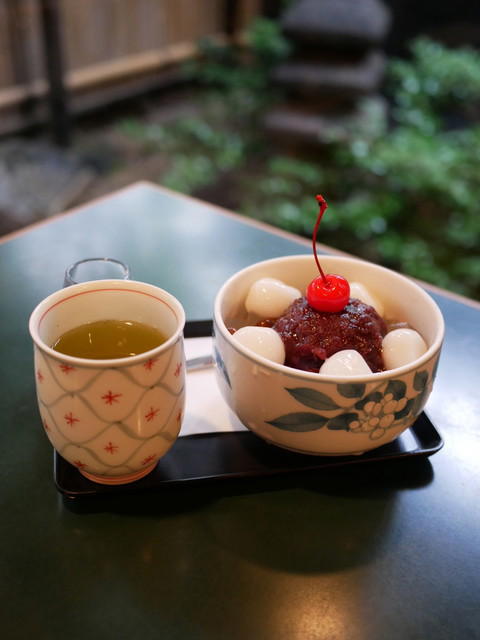
Hotels in Sendai
Browse all →
Wineries in Sendai
All wineries in Sendai →
Banshaku to Bangohan Choutsugahi
The wine
- Extensive wine list
- Sake program
- Beer program
Details
- Cozy
- Classic
- Intimate
- Casual Hangout
- After Work
- Group Dining
- Standalone
- Sake Program
- Beer Program
- Extensive Wine List
- A La Carte
- Sake
- Wine
Compact and traditional, with a casual tavern atmosphere centered on counter seating and tatami-room dining.