
Shinogi sits in Sendai’s izakaya conversation as a fish-led, drink-aware room rather than a generic tavern stop. Its Tabelog 100 Izakaya EAST selections in 2024 and 2025 give it external weight, while the format points toward the city’s strength: serious seafood, sake and shochu without the ceremony of a formal kappo counter.
Pearl is the En Primeur Club membership app — saves, bookings, and concierge access live there. Same editors, same standards.
- Address
- 宮城県仙台市青葉区一番町1-6-19 壱番館ビル 1F
- Phone
- +81223977224
- Website
- tabelog.com
 Saves & bookings on Pearl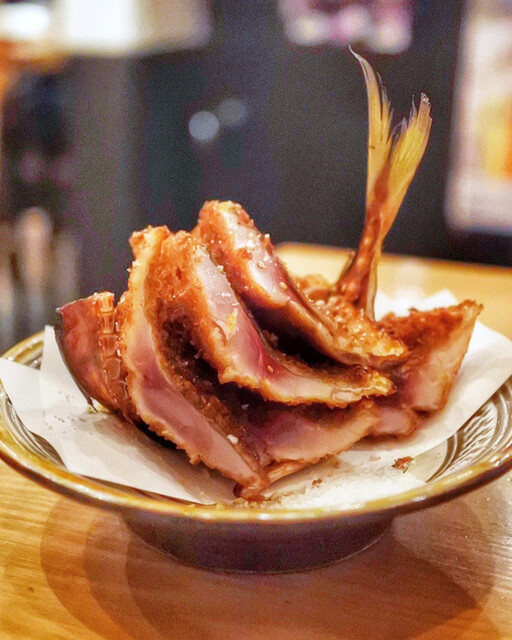
Ichibancho’s dining streets reward close attention: ground-floor signs, compact rooms, and the kind of entrances that separate regular evening traffic from people who have come to eat with intent. Shinogi belongs to that Sendai register, where the izakaya is not a fallback after work but a serious format for fish, fried dishes, sake, shochu and wine. The room’s appeal is tied less to spectacle than to scale. A 25-seat izakaya changes the rhythm of dinner; orders stay close to the kitchen, drinking remains part of the meal rather than a parallel activity, and the table reads the menu through appetite instead of ceremony.
Sendai’s location gives this kind of restaurant a natural advantage. Miyagi’s coast, Sanriku’s seafood culture and Tohoku’s sake identity all shape how the city eats at night. In Tokyo, the premium izakaya often competes with counter sushi, modern kappo and wine-bar dining. In Sendai, the category can feel more direct: fish matters, rice-brewed drinks matter, and the meal is allowed to move between raw, cooked and fried without changing rooms or vocabulary. Shinogi’s selection for Tabelog 100 Izakaya EAST in both 2024 and 2025 places it inside a competitive eastern Japan category, not merely a local recommendation.
Fish-led izakaya dining, built for Tohoku drinking
The useful way to read this kitchen is through sourcing logic rather than dish-chasing. The public category signals Japanese cuisine, izakaya cooking and deep-fried foods, with a stated emphasis on fish. That combination says more than a long menu list would. It puts the restaurant in the tradition of izakaya where seafood is the spine of the meal and frying is not a concession to drinking food but part of the craft: heat, oil, batter and timing as counterpoints to sake or shochu.
For travelers, that matters because Sendai’s dining identity is often reduced to beef tongue. Gyutan has its place, but the city’s stronger evening meals frequently sit closer to seafood and nihonshu. A fish-focused izakaya gives a broader read on Tohoku: coastal supply, cold-region brewing, and a dining culture that treats shared plates as a serious structure. Shinogi’s drinks listing also widens the frame, with sake, shochu and wine all part of the program. That trio is a practical clue: the meal can stay Japanese in pacing while giving diners more than one route through richer fried dishes or cleaner fish preparations.
Among Sendai peers, the pricing tier separates this from casual snack-and-drink stops without pushing it into special-occasion kaiseki territory. Gout and kazunori ikeda individuel Minamimachidoori ten sit in lower spend bands, while sou occupies a higher dinner bracket; Shinogi lands in the middle where a strong izakaya should deliver ingredient confidence, range and a sense of adult pacing. Hassen and DASHIRO Sendai minamimachidoori honten point to the city’s lower-cost everyday side, but this room belongs to a more meal-driven night.
The Sendai izakaya as a serious alternative to formal dining
The premium izakaya has become one of Japan’s more useful dining formats for visitors who care about ingredients but do not want the fixed tempo of omakase or dégustation. It allows a city to show itself through categories rather than a chef’s biography: local fish, seasonal vegetables when listed, frying, simmering, grilled dishes, rice, and drinks chosen for food rather than display. Shinogi fits that pattern. The award recognition confirms consistency, but the larger point is format discipline. A small, non-smoking room with counter seating can behave like a focused restaurant while preserving the informality that makes izakaya dining flexible.
This is also why the absence of a grand chef narrative is not a weakness. In Japan’s regional cities, some of the more revealing meals come from places where the public identity is built around category mastery rather than personality. Sendai’s better izakaya culture is not trying to imitate Ginza counters or Kyoto ryotei. It is a separate lane: less scripted, more drink-integrated, and often better suited to travelers who want one dinner to carry seafood, frying and local drinking habits in a single sitting.
The editorial case for Shinogi is strongest for diners who value that lane. Those seeking a long chef-led tasting menu should look elsewhere in the city’s higher formal tier. Those planning a casual crawl may find the room too meal-oriented. But for a Sendai night built around fish, sake or shochu, and the controlled informality of a compact izakaya, it occupies a useful middle ground. For broader planning, compare the city’s restaurant range in Our full Sendai restaurants guide, then place drinks, lodging and cultural time around it through Our full Sendai bars guide, Our full Sendai hotels guide, Our full Sendai wineries guide and Our full Sendai experiences guide.
How to place it in a Japan dining itinerary
Shinogi makes sense as a Sendai anchor rather than a detour meal. The better comparison is not with sushi counters in Tokyo or elaborate Kyoto dining rooms, but with Japan’s regional restaurants that translate place through everyday formats. In Sendai, that means reading seafood and drink culture beside other local choices such as achaar, Ademain, Ako, ankoya Ekimae ten and Baisaou. Together, they show a city with more range than a single specialty can explain.
For travelers building a wider Japan route, the category comparison is useful. Beef-focused dining such as -Grilled beef Sukiyaki- KAMAKURA TANUKIAN 鎌倉 たぬき庵 in Kamakura, Tokyo seafood-and-charcoal formats like. 鮪と炭火焼き うお炭 秋葉原店 in Tokyo, casual city cafés such as.cafe in Osaka, and regional independents including.know in Kumamoto, (Shoku) Vietnam in Kawasaki and [Curry Senmon Ten] Maruyama Kyoju. in Sapporo all answer different itinerary needs. Outside Japan, places such as Jōdo Saké Bar in Los Angeles and Onigiri Time in Pasadena show how Japanese drinking and rice-food formats travel; in Sendai, the value is being closer to the coastal and brewing context that shaped them.
Quick Comparison
Comparable venues by cuisine and price in the same metro.
| Venue | Cuisine | Price | Awards | Notes |
|---|---|---|---|---|
| ShinogiThis venue — the venue you are viewing | Traditional Japanese Izakaya | $$ | , | |
| Una Ki | Traditional Japanese Unagi | $$ | , | Kokubuncho |
| Izakaya Chocho | Traditional Japanese Izakaya with Fresh Seafood | $$ | , | Kokubuncho, Aoba Ward |
| Bon Kura | Japanese shaved ice & soba | $$ | , | Aoba Ward |
| Salamanger Hiro | Yoshoku hamburger steak specialist | $$ | , | / |
| Banshaku to Bangohan Choutsugahi | Japanese Izakaya | $$ | , | Ichibancho |
At a Glance
- Cozy
- Lively
- Hidden Gem
- After Work
- Casual Hangout
- Group Dining
- Date Night
- Solo
- Standalone
- Sake Program
- Beer Program
Warm, casual izakaya atmosphere with counter and table seating, relaxed lighting, and a lively but not overwhelming buzz typical of an after-work drinking spot.