FAYER CAFE
FAYER CAFE sits in the Palermo residential pocket around Avenida Cerviño, positioning itself within a Buenos Aires neighbourhood that has moved well beyond its early gastropub era. With Argentine wine culture increasingly central to how the city's mid-range dining scene defines itself, it is a reference point for understanding how cafes in this tier approach the list alongside the plate.
- Address
- Av. Cerviño 4403, C1425 Cdad. Autónoma de Buenos Aires, Argentina
- Phone
- +54 11 4549 4092
- Website
- instagram.com
- Directions
- Get directions
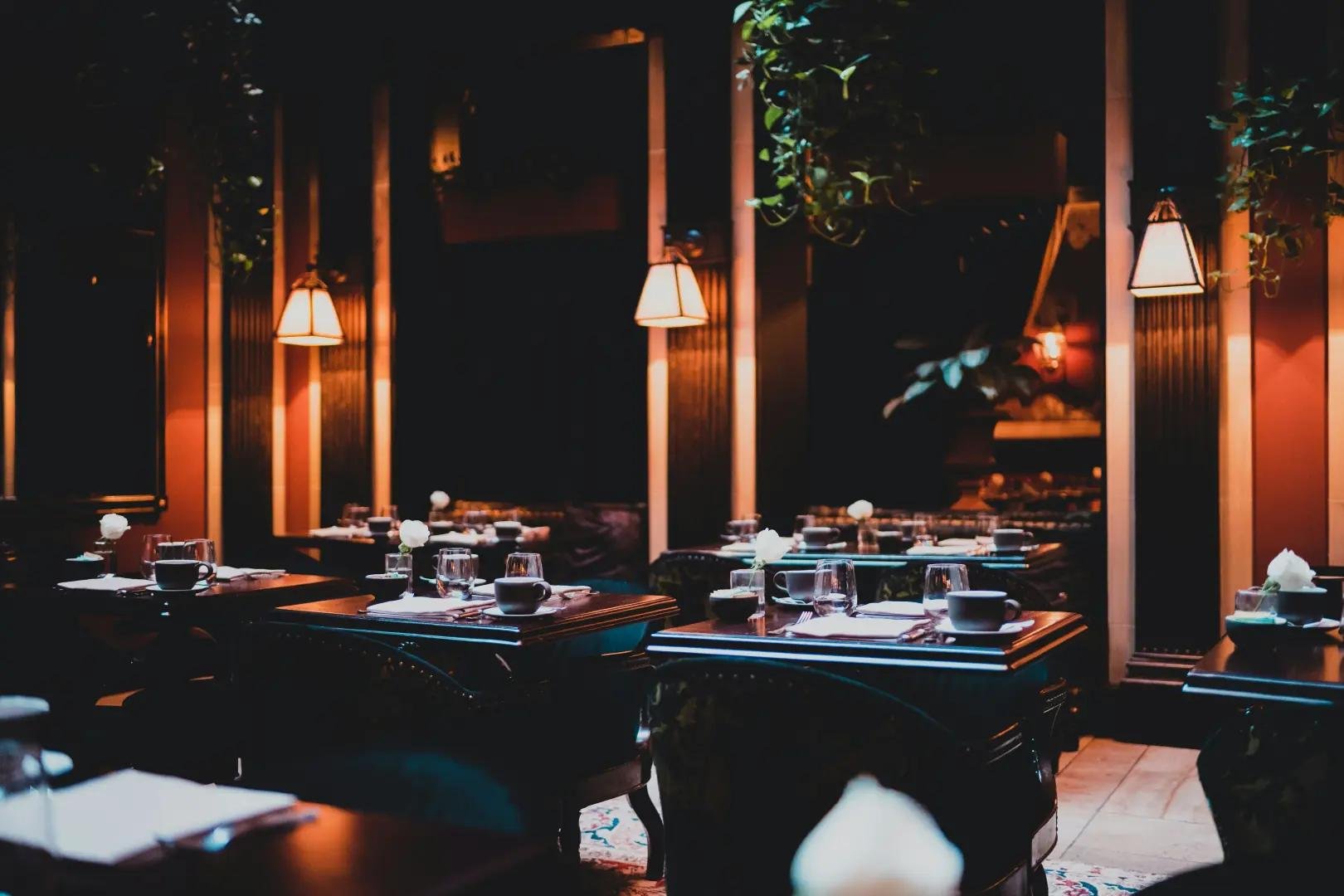
The Cerviño Address and What It Signals
Avenida Cerviño runs through one of Palermo's quieter residential grids, several blocks removed from the tourist-facing concentration of Las Cañitas and the louder parrilla strip further south. That address matters. Buenos Aires has developed a clear geography of dining ambition: the city's most scrutinised tables, like Don Julio on Guatemala and Aramburu in San Telmo, draw international reservation queues. A second, less pressured tier of neighbourhood venues serves the porteño who eats out four nights a week and wants quality without the performance. FAYER CAFE occupies the Cerviño stretch in that second category, where the dining room is as likely to be full of locals on a Tuesday as visitors on a Friday.
Approaching from the Palermo Chico side, the change in street character is gradual. The avenue is wide but quiet here, lined with plane trees that shed in late autumn (April through May), leaving the pavement in a scattered ochre layer that the wind organises and reorganises through the evening. The physical setting establishes the register before you arrive at the door: this is not a destination that performs arrival.
Argentine Wine at the Neighbourhood Level
The critical question for any Buenos Aires cafe operating at this address is what its wine list says about its ambitions. Argentina's wine story in the capital has bifurcated sharply over the past decade. At the leading end, dedicated lists at places like Crizia in Puerto Madero or Anafe in Palermo bring genuine sommelier depth, with vertical selections, small-producer allocations, and a willingness to move the diner beyond Malbec from the usual Luján de Cuyo suspects. At the lower end, wine is a margin line, not a curatorial statement.
The tension between those poles is where neighbourhood venues reveal character. Buenos Aires is a city with among the more developed domestic wine cultures in Latin America, fed by Mendoza's extraordinary range and the increasingly visible output of Patagonian regions like Neuquén and Río Negro. Menus across Palermo increasingly reflect this: even casual formats now list high-altitude Torrontés from Salta alongside the expected Malbec-dominant red selections. Whether a given venue uses that breadth to guide the diner through something unfamiliar, or simply stocks what sells, is the dividing line between a list that informs and one that merely performs.
For reference context, Mendoza's cellar depth translates into the capital through allocations and import relationships. Visitors interested in how Argentine wine is presented across its best-positioned venues should also consider dedicated wine-focused experiences at Azafrán in Mendoza or estate properties like Cavas Wine Lodge in Alto Agrelo and Entre Cielos Luxury Wine Hotel and Spa in Luján de Cuyo, where the list is inseparable from the physical vineyard setting.
The Cafe Format in Buenos Aires Context
Buenos Aires cafe culture has a documented, specific character that distinguishes it from European antecedents. The confitería tradition, anchored for most of the twentieth century in grand marble-and-mirror rooms in the Microcentro and San Telmo, has been absorbed and adapted by newer neighbourhood formats that retain the social function without the architectural vocabulary. A Buenos Aires cafe at this end of Palermo is expected to serve as a slow-morning address, a midday meeting space, and an evening wine-and-small-plates venue within a single day's trading. That multi-register operation is demanding, and the quality of any given format (coffee, food, wine) tends to reflect how seriously the venue takes each shift individually.
The drift toward wine-forward evening formats within Buenos Aires cafe culture has accelerated since 2018, tracking both the growth of the city's sommelier training scene and the wider availability of premium domestic bottles at price points that make by-the-glass curation economically viable. Trescha, operating in a more deliberate fine-dining register, represents one end of how that shift has played out. The neighbourhood cafe format, where the list supports a lighter food program rather than anchoring it, represents a different but equally valid expression.
Placing FAYER CAFE in the Buenos Aires Scene
The Cerviño address places FAYER CAFE in a pocket of Buenos Aires where residential density, purchasing power, and expectations of quality converge at a specific mid-register. This is not the zone of parrilla economy pricing, as offered further south at venues like La Carniceria or El Preferido de Palermo. Nor does it compete with the $$$$ tier occupied by Don Julio or the tasting-menu formats of the city's creative restaurants. It sits between those bands, which in practice means the wine list and the coffee program are the primary differentiators within its competitive set.
For travellers building a Buenos Aires itinerary across multiple days, the neighbourhood cafe at this price register serves a specific function: a lower-intensity option. Weekend evenings in Palermo can still require some forward planning. Reaching Cerviño from the city centre is direct via the D line metro to Scalabrini Ortiz station, with the address approximately a ten-minute walk north through Palermo.
Argentina's broader hospitality geography beyond the capital extends to genuinely distinctive experiences that wine-oriented travellers should factor into any serious visit. Las Balsas in Villa La Angostura, Awasi Iguazu in Puerto Iguazu, and La Bamba de Areco each represent a different register of the country's hospitality, from Patagonian lake settings to estancia tradition. La Table de House of Jasmines in La Merced Chica adds a Salta wine-region angle that no Buenos Aires address can substitute.
Comparative points of reference outside Argentina worth noting for context: the neighbourhood-cafe-as-wine-bar format has become a settled part of the scene in other major cities. Le Bernardin in New York and Lazy Bear in San Francisco operate at far removed price and formality registers, but both illustrate how list depth functions as a credentialing signal across format categories. The principle transfers: where the wine list is the primary differentiator, the curation choices tell you more about the venue's actual ambition than the menu design does.
Planning Your Visit
FAYER CAFE is located at Av. Cerviño 4403 in Palermo, Buenos Aires. Additional wine-forward and gastronomically serious addresses in Mendoza's vineyard region include Agrelo in Luján de Cuyo, Chacras de Coria in Las Heras, and Los Talas del Entrerriano in General San Martín.
Comparable Venues
Comparable venues nearby, for context on price, style, and recognition.
| Venue | Cuisine | Price | Awards | Notes |
|---|---|---|---|---|
| FAYER CAFEThis venue — the venue you are viewing | Modern Israeli-Argentine Fusion | $$$$ | Not listed | Not listed |
| Sudestada | Asian-Latin Fusion | $$$ | Not listed | Palermo |
| Osaka | Nikkei Peruvian-Japanese Fusion | $$$ | Not listed | Palermo |
| El Burladero | Authentic Spanish Tapas & Paella | $$$ | Not listed | Recoleta |
| Osaka Concepción | Nikkei (Peruvian-Japanese Fusion) | $$$ | Michelin Plate | Colegiales |
| Hermanos | Modern Argentine Parrilla | $$$ | Not listed | San Isidro |
Continue exploring
More in Buenos Aires
Restaurants in Buenos Aires
Browse all →

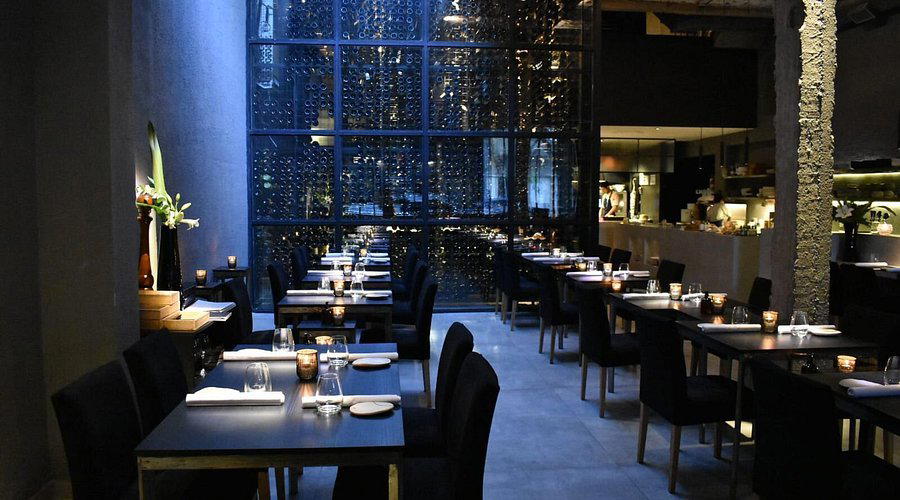
Bars in Buenos Aires
Browse all →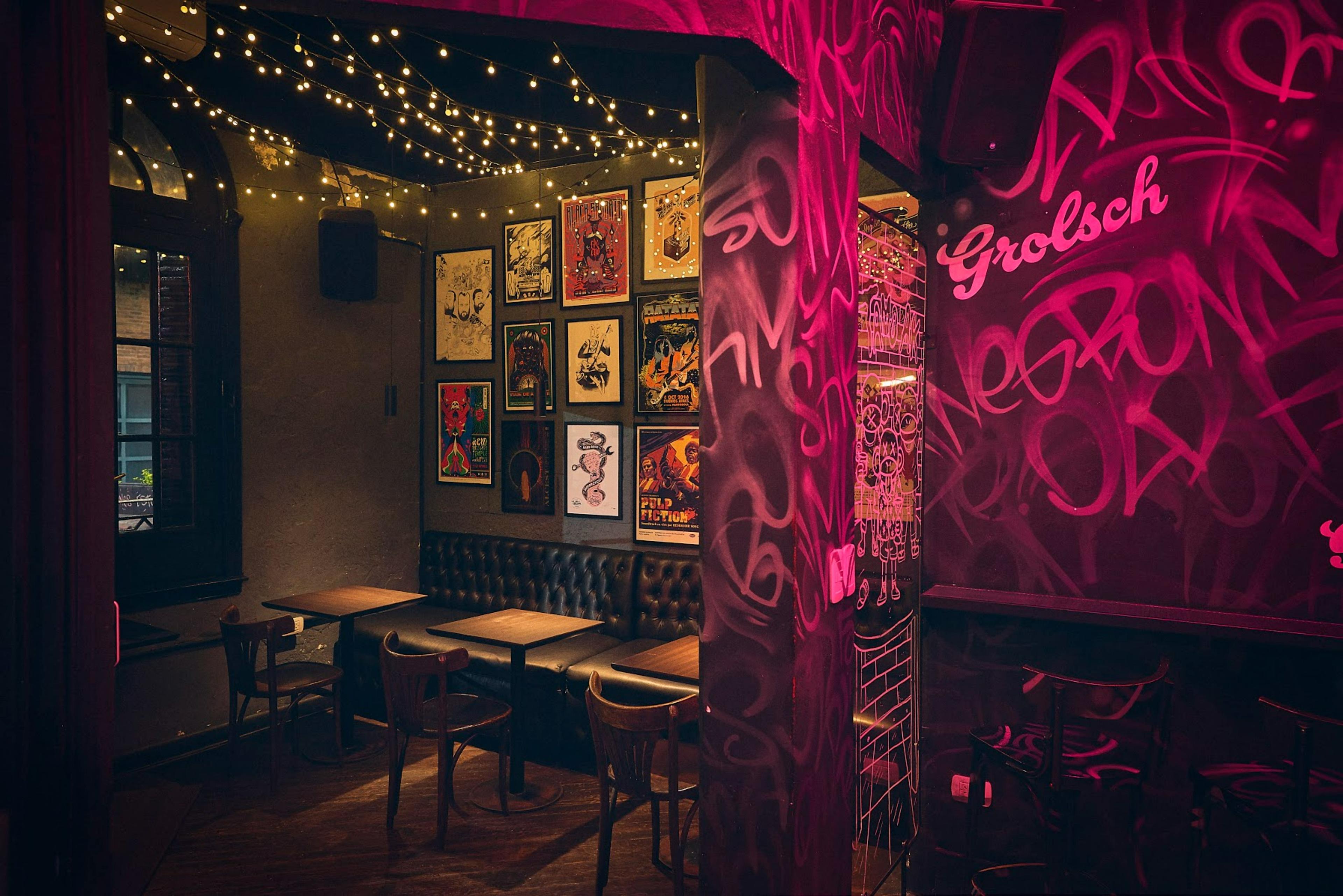
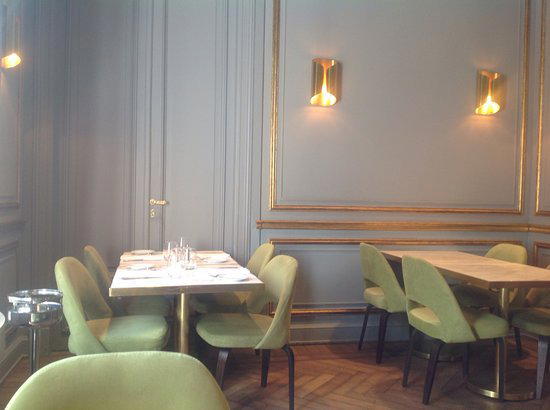
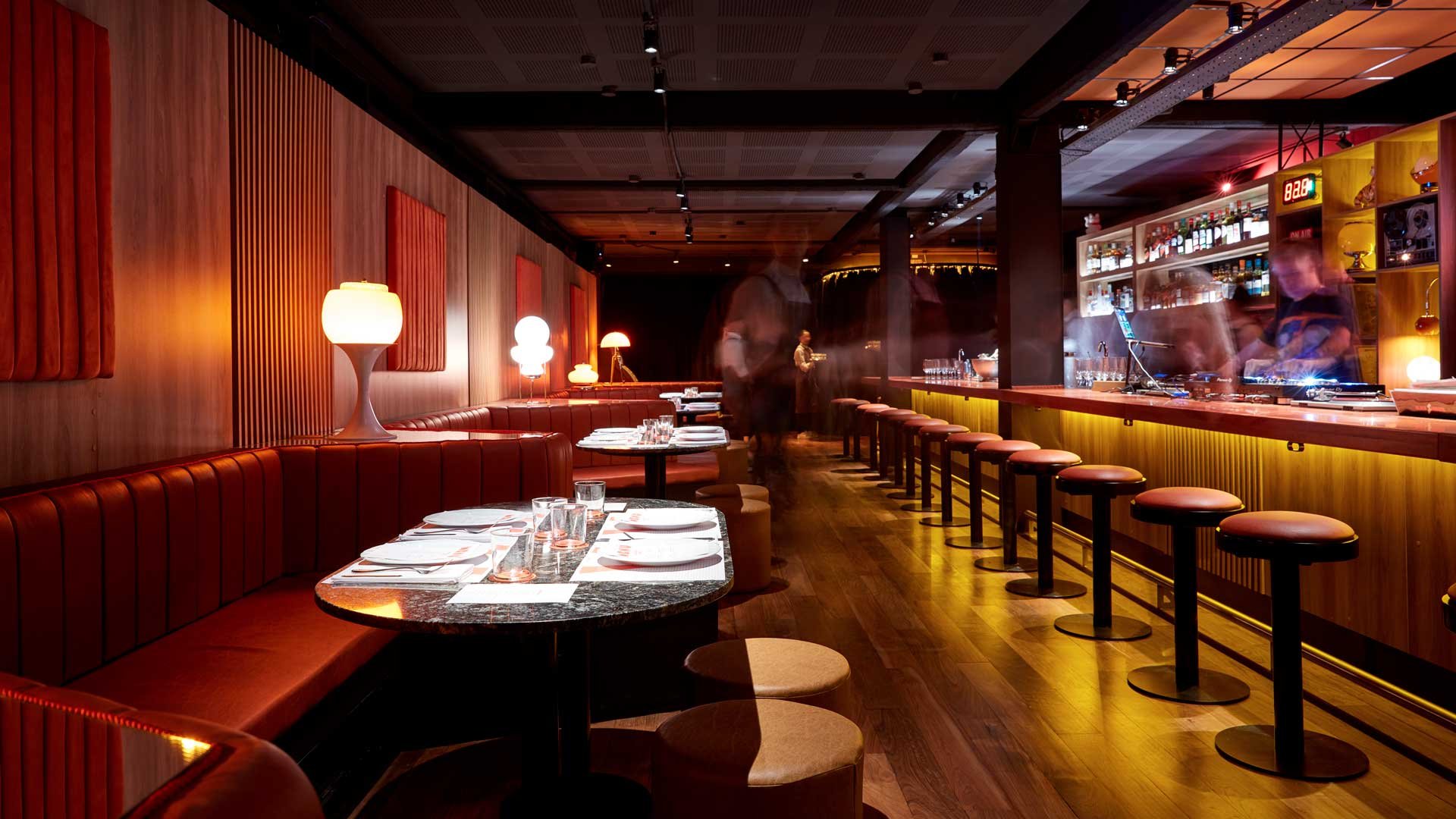
Hotels in Buenos Aires
Browse all →
Wineries in Buenos Aires
Browse all →
At a Glance
- Trendy
- Modern
- Elegant
- Date Night
- Group Dining
- Special Occasion
- Open Kitchen
Contemporary atmosphere with classic touches, alluring bar, open kitchen, and modern presentation of exotic dishes.