Hermanos

Our verdict
In San Isidro, north of the Buenos Aires city limits, Hermanos brings the Petersen brothers' collective weight to a parrilla format that takes Argentine fire cooking seriously as a technical discipline. Wet-aged beef, open-flame precision, and a vegetable program given equal standing in the kitchen position this as one of the more considered entries in the greater BA parrilla scene.

Pearl is the En Primeur Club membership app, where members save venues, book tables and use the concierge.
Fire, Craft, and the Buenos Aires Parrilla Beyond the City Centre
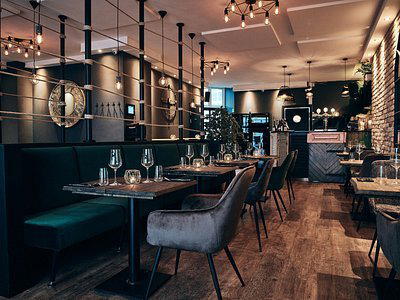
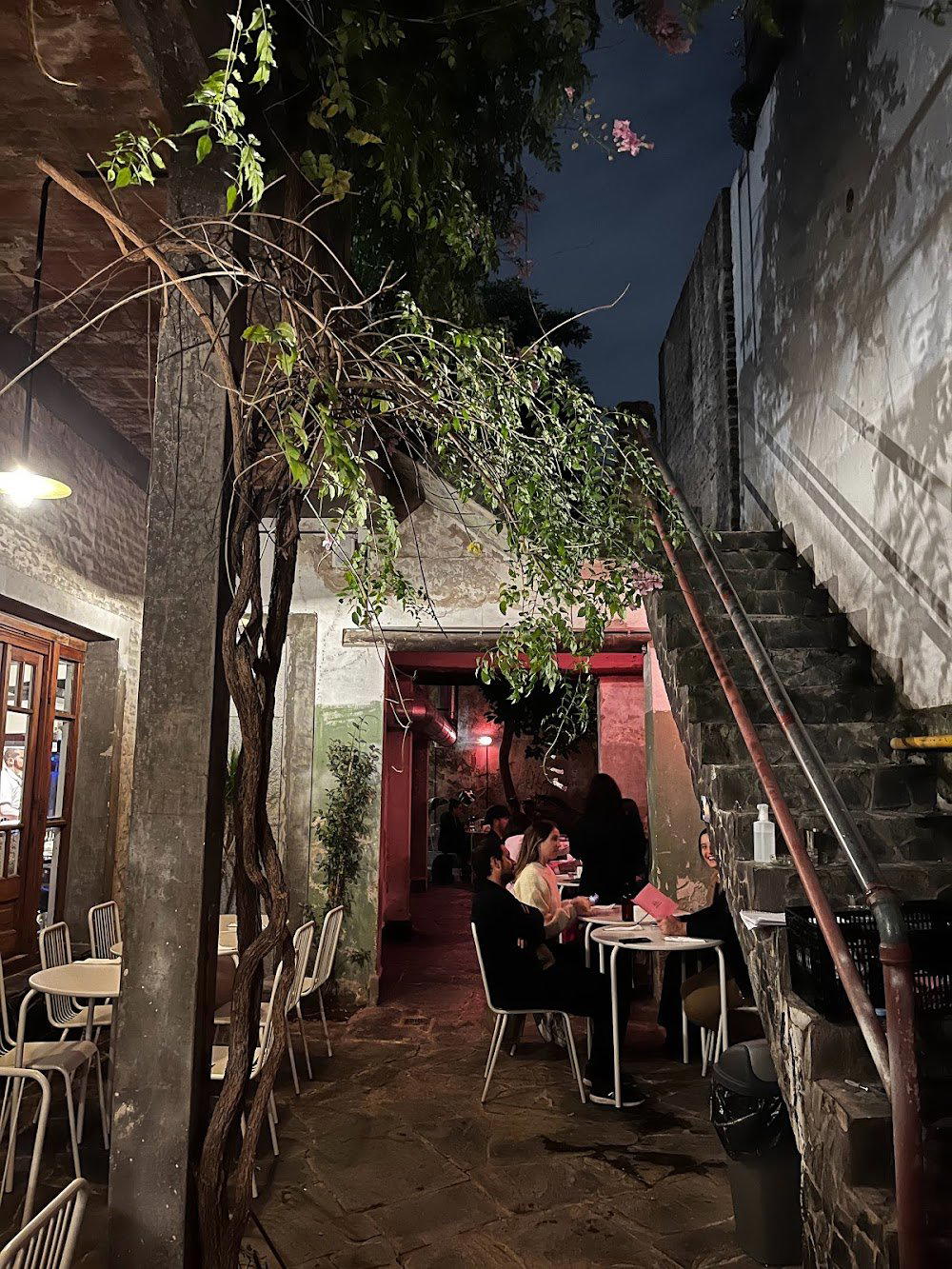
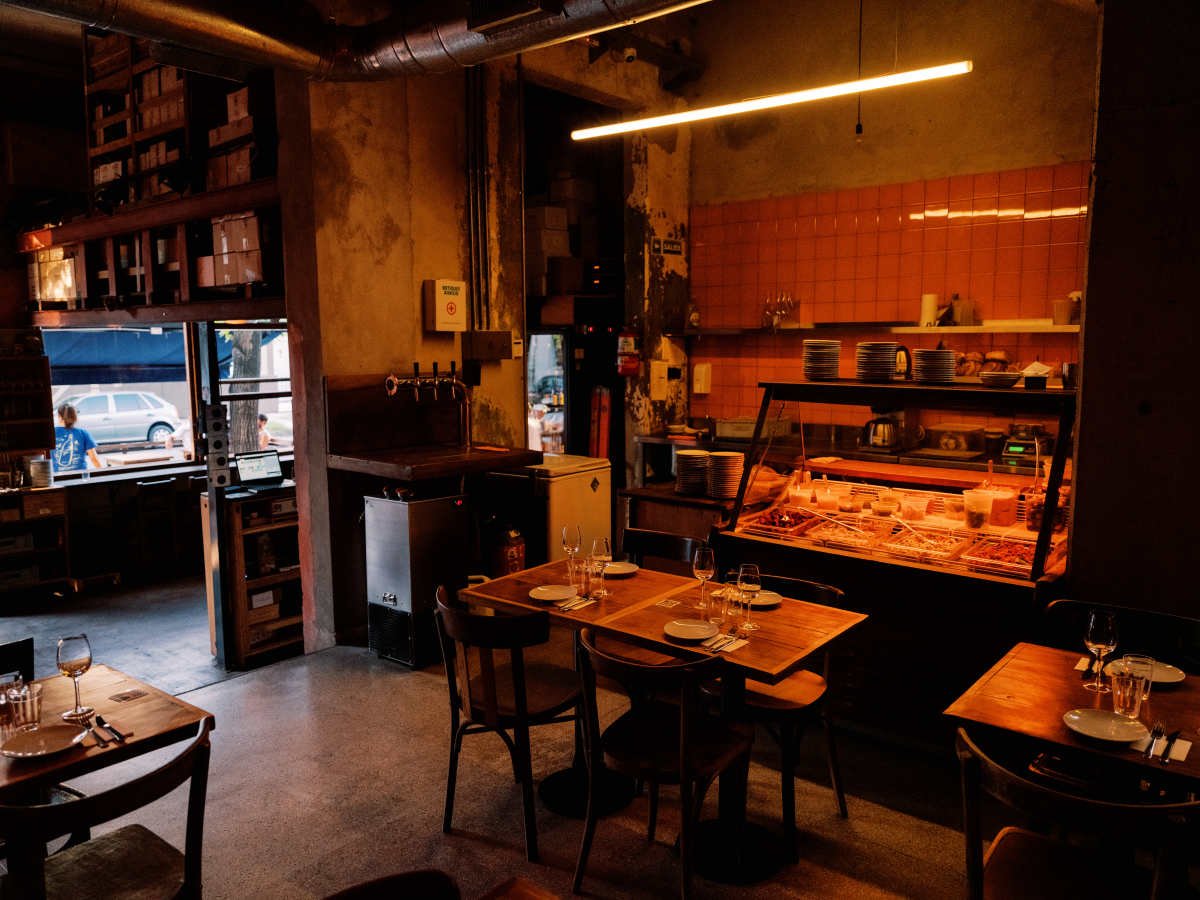
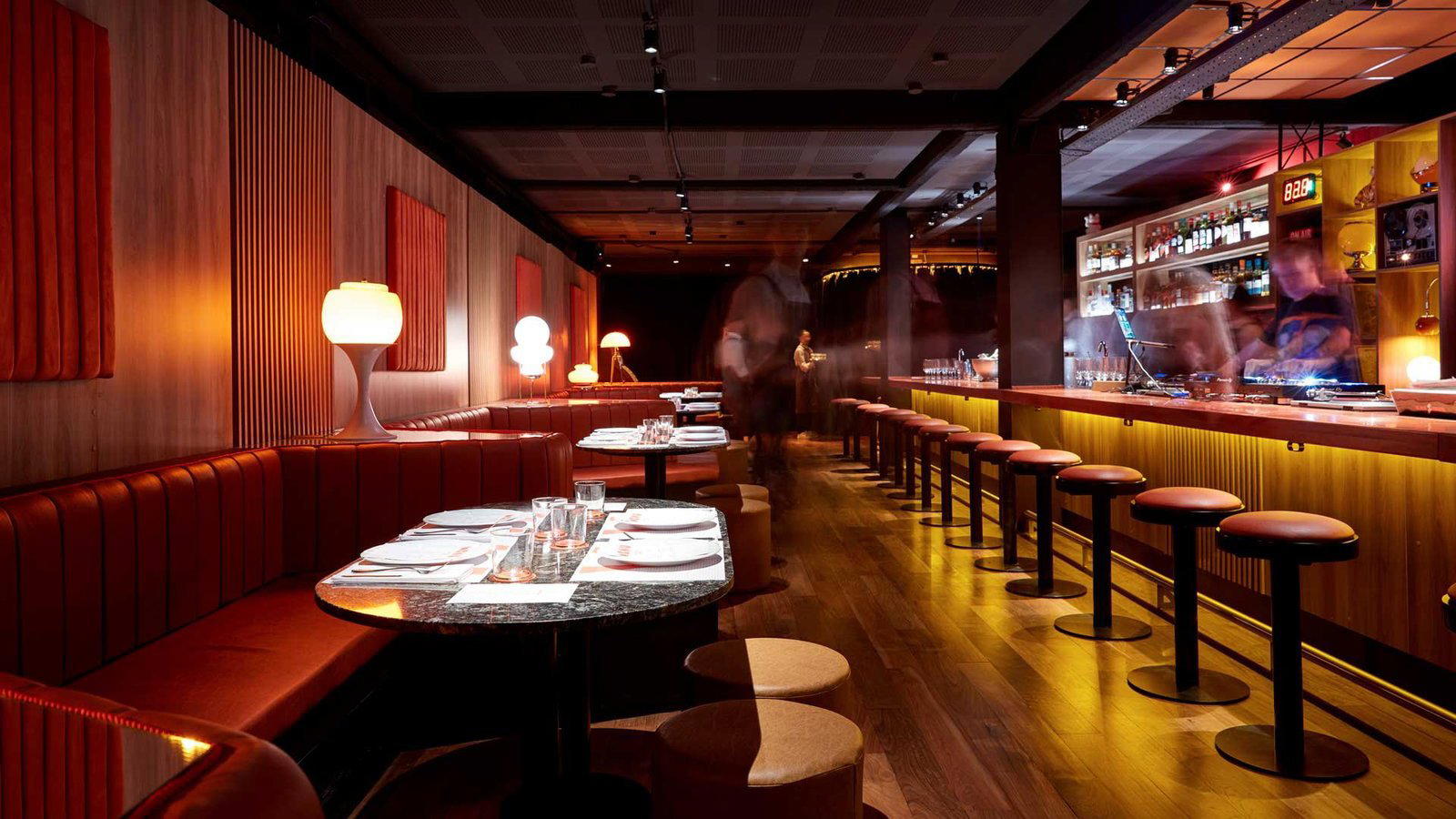
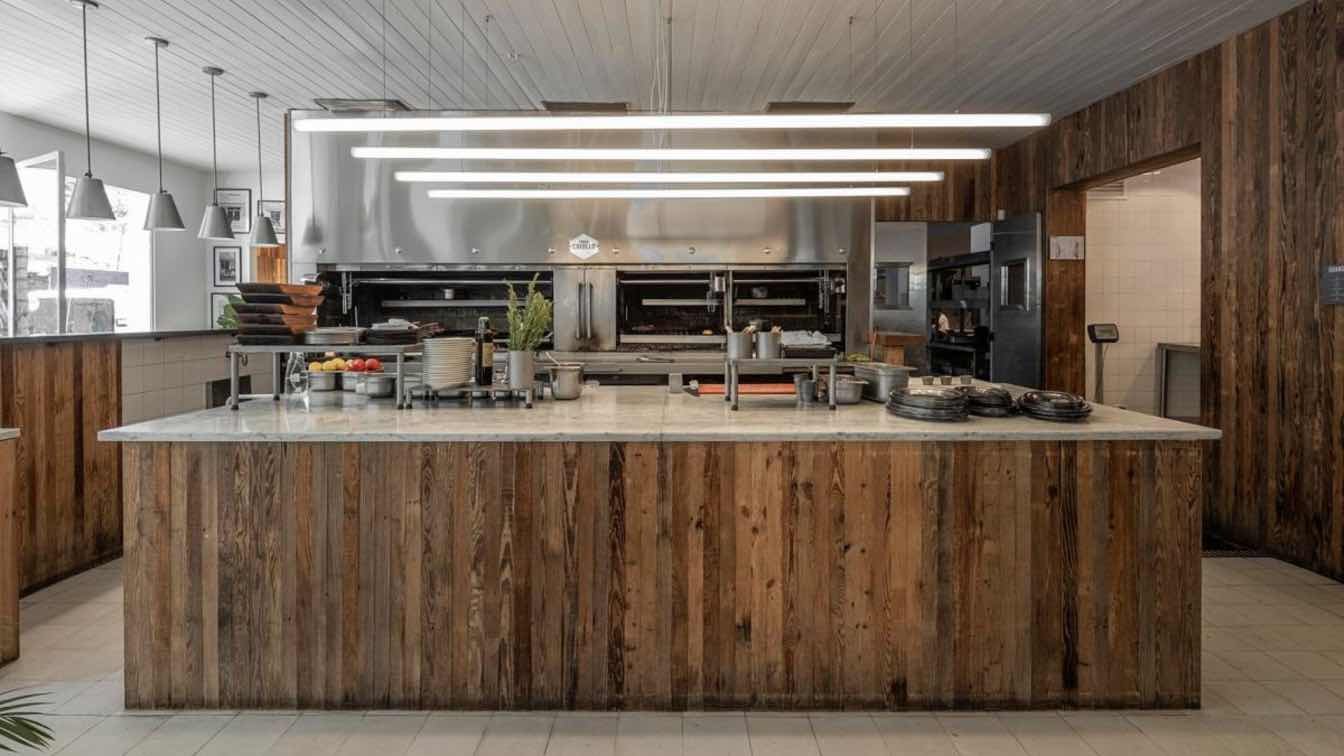
The smell reaches you before the menu does. Wood smoke drifts through the dining room at Hermanos on Dardo Rocha in San Isidro, announcing the open fire grill at the centre of the kitchen's operation. Natural wood and steel frame the space, the exposed elements giving it the character of a workshop rather than a showroom. The open kitchen and central bar are structural choices, not decorative ones: they pull the mechanics of cooking into plain view and invite the kind of unhurried conversation that the Argentine table depends on.
San Isidro sits roughly 20 kilometres north of Buenos Aires' Palermo and Recoleta dining corridors, which places Hermanos outside the circuit most international visitors follow. That geography matters. The restaurant operates for a predominantly local clientele, and the room reads accordingly: less performative than the high-visibility parrillas of Palermo, more anchored in the rhythms of a neighbourhood that takes a long Sunday asado seriously.
What Argentine Fire Cooking Looks Like When Technique Is the Point
The parrilla tradition sits at the core of Argentine identity, but the gap between a competent grill and a technically disciplined one is wider than the format suggests. The specific heat of the fuel, the type of wood, the distance between the grate and the coals, the resting protocol for the meat: these variables shape the outcome as directly as ingredient quality. Hermanos works over open fire, and the sourcing side of the operation backs that up with full traceability on beef and wet-ageing on-site for over 40 days. That ageing period is meaningful: it draws moisture deeper into the muscle fibre and concentrates flavour in a way that shorter rests cannot replicate.
The asado de tira, the signature long-rib cut of the Argentine parrilla, is the reference point here. It is one of the country's most demanding cuts to execute well, given its uneven thickness and the need to render the fat without toughening the meat. At Hermanos, the open fire format and the extended ageing protocol are the two structural advantages the kitchen brings to that challenge. Among the Buenos Aires parrilla tier, Don Julio holds the Michelin star and the international profile, while Hermanos operates at a remove from that recognition economy, positioning itself through process rather than accolade.
The Vegetable Program as a Technical Statement
Argentine restaurant culture has historically treated vegetables as supporting architecture around protein. The shift toward giving the vegetable program genuine culinary weight is recent and uneven across the Buenos Aires scene. At Hermanos, ember-roasted mushrooms, a tabbouleh, and a coconut-lentil vegan stew sit on the menu not as concessions to dietary preference but as composed plates that use the same fire infrastructure as the meat sections. The coconut-lentil combination is worth noting for its register: it draws from South Asian technique applied to an ingredient list that the Argentine kitchen would not historically have engaged with in this way. That is the intersection of imported methods and local product at work, the same logic that Aramburu applies at the tasting-menu level but here expressed through a more accessible, fire-led format.
Buenos Aires restaurants working in this mode, where global technique is absorbed into a locally rooted format rather than displayed for its own sake, represent a distinct strand of the city's contemporary cooking. Anafe and Crizia each work that tension between Argentine identity and externally sourced technique. At Hermanos, the tension is organised around fire: the grill is the unifying method, and everything on the menu, whether beef or lentil, passes through the same thermal discipline.
Christian Petersen and the Petersen Brothers in Context
Chef Christian Petersen is the most publicly visible of the three brothers behind Hermanos, with Lucas and Roberto completing the collaborative structure. In the broader Buenos Aires restaurant culture, multi-sibling or family-partnership restaurants tend to either fragment under competing visions or consolidate into something more resolved than a single operator would produce. The format at Hermanos, a parrilla with a disciplined secondary vegetable program and a clear sourcing philosophy, reads as resolved. The kitchen's focus is narrow enough to execute with consistency, and the sourcing commitment, Argentine beef with full traceability, wet-aged on-site, gives the operation a structural identity that does not depend on novelty to hold.
For reference points operating at different price and format registers across Argentina, the fire-led approach at Hermanos has parallels in properties like EOLO in El Calafate and La Bamba de Areco, both of which ground their food identities in Argentine ingredient provenance rather than imported format. Further afield, the question of what happens when deep local tradition meets precision training is addressed at very different scales by Le Bernardin in New York and Atomix, both of which demonstrate how heritage and technique compound when the operator is serious about both.
Service and the Room
The service at Hermanos is described as professional and relaxed, which in the Buenos Aires context means staff who know the menu's sourcing logic and can explain it without turning the table into a lecture. Argentine hospitality has always traded on warmth over formality, and a parrilla in San Isidro that loses that register in pursuit of fine-dining codes would be misreading its own identity. The staff's fluency with the menu's philosophy, the ageing method, the fire technique, the provenance of the beef, adds a layer of intelligence to the meal without adding ceremony.
Contemporary restaurants operating at this register in Buenos Aires, where the format is accessible but the craft is not, include Trescha, which takes a different approach to the same local-technique tension. Across the city's dining options, the full picture is available in our Buenos Aires restaurants guide, alongside resources for hotels, bars, wineries, and experiences.
Planning Your Visit
Hermanos is at Dardo Rocha 2208, San Isidro, in the province of Buenos Aires. Reaching San Isidro from the city centre takes roughly 30 to 40 minutes by taxi or remis, and the Tren de la Costa has a San Isidro stop that makes the journey manageable without a car. Booking ahead is advisable: parrillas with a sourcing and ageing program at this level tend to operate at higher occupancy than their neighbourhood location might suggest, and the Petersen brothers' public profile draws visitors from across the metropolitan area. For comparable fire-led experiences elsewhere in Argentina, Azafrán in Mendoza, Cavas Wine Lodge in Alto Agrelo, Awasi Iguazu in Puerto Iguazu, and El Colibri in Santa Catalina represent the regional range of the format.
Frequently asked questions
Where is Hermanos located?
Hermanos is located at Dardo Rocha 2208, B1640FTD Buenos Aires, Provincia de Buenos Aires, Argentina, Buenos Aires.
Is Hermanos Michelin-listed?
Hermanos has received recognition including: Hermanos, located in the heart of San Isidro, Buenos Aires, is the signature project of the renowned Petersen brothers - Christian, Lucas and Roberto - who have reimagined the Argentine Parrilla tradition with a contemporary sensibility and….
What should I order at Hermanos?
The asado de tira is the kitchen's signature cut, grilled over wood fire using beef that has been wet-aged on-site for over 40 days. Beyond the protein, the vegetable dishes, ember-roasted mushrooms, tabbouleh, and a coconut-lentil stew, are composed as standalone plates rather than sides, so ordering from both sections of the menu gives the fullest picture of what the Petersen brothers are doing here.
Who is the chef at Hermanos?
The chef associated with Hermanos is Christian Petersen.
Should I book Hermanos in advance?
Hermanos is located at Dardo Rocha 2208 in San Isidro, a 30-to-40-minute journey from central Buenos Aires, which draws a deliberate, destination-driven crowd rather than walk-ins. Booking ahead is advisable, particularly on weekends, though the restaurant's website and phone number are not currently listed in public directories, the most reliable route is to contact them directly through local concierge services or reservation platforms.
What do critics highlight about Hermanos?
Coverage of Hermanos consistently focuses on two points: the technical rigour behind the fire cooking, particularly the on-site wet-aging program running more than 40 days, and the brothers' decision to treat the vegetable program with the same seriousness as the meat. Christian Petersen is the most publicly recognised of the three, but editorial attention has framed Hermanos as a collaborative project that repositions the Argentine parrilla as a format capable of precision rather than just tradition.
Is Hermanos allergy-friendly?
The menu at Hermanos includes a coconut-lentil vegan stew and vegetable-forward dishes such as ember-roasted mushrooms, indicating that the kitchen works across dietary preferences as a matter of culinary intent rather than accommodation. For specific allergen information, particularly around cross-contamination in a wood-fire kitchen, it is worth communicating requirements directly when booking, as sourcing transparency and traceability are already core to the restaurant's stated philosophy.
Where It Fits
A quick peer check to anchor this venue’s price and recognition.
| Venue | Cuisine | Price | Awards | Notes |
|---|---|---|---|---|
| HermanosThis venue (the venue you are viewing) | Modern Argentine Parrilla | Not listed | Not listed | Not listed |
| Don Julio | Argentinian Parrilla Steakhouse | $100–150 | 1 Michelin Star · World's 50 Best #10 | Argentinian Steakhouse |
| Aramburu | Modern Argentine Haute Cuisine | $200–300 | 2 Michelin Stars · World's 50 Best #35 | Modern Argentinian, Creative |
| El Preferido de Palermo | Classic Italian Bodegón | $50–100 | Michelin Plate · World's 50 Best #24 | Argentinian, Traditional Cuisine |
| Elena | Japanese kissaten-style cafe with handmade cakes and tea | $1–10 | Tabelog 100 | South American, Steakhouse |
| La Carniceria | Modern Argentine Parrilla | $30–50 | Michelin Plate | Argentinian Steakhouse, Meats and Grills |
Recognition history
Dated appearances from independent guides and award organizations, with the underlying list record or original source where available.
World's Best Steaks 101 Best Steak Restaurants #95
World's Best Steaks