Casa Cavia


Michelin Plate · Star Wine List
Our verdict
The address on Cavia 2985 signals a residential-street setting that contrasts with the technical ambition on the plate, where global cooking methods meet Argentine produce.

Pearl is the En Primeur Club membership app, where members save venues, book tables and use the concierge.
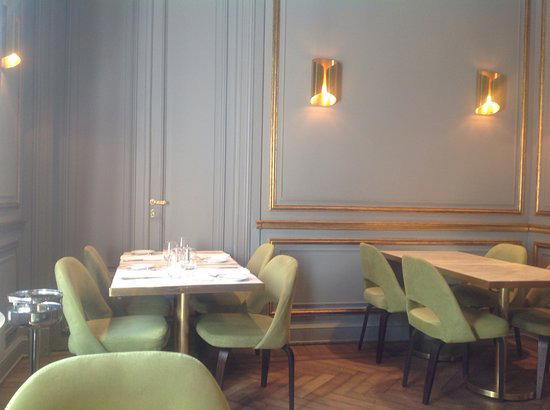
The menu
What to order
- Roasted prawns
- Marinated beef ribs
- Hoja de arroz
A Palermo Address Where the Street Feels Quieter Than the Kitchen
Cavia 2985 sits on one of Palermo's calmer residential blocks, the kind of tree-lined street where the neighbourhood still belongs to its residents rather than to restaurant tourism. That contrast is part of what defines Buenos Aires modern dining at this price point: the city's better kitchens have increasingly moved away from high-traffic corridors toward addresses that reward some navigation. Walking up to Casa Cavia, the domestic scale of the building sets an expectation, this is not a room built around spectacle. What follows inside operates at a different register than the approach suggests.
Where Casa Cavia Sits in the Buenos Aires Modern Cuisine Tier
Buenos Aires has developed a stratified modern cuisine scene over the past decade. At the leading, Aramburu (Modern Argentinian, Creative) operates with two Michelin stars and a tasting menu format that positions it against regional peers in São Paulo and Santiago. Below that, a wider tier of Michelin Plate-recognised tables, including Casa Cavia, which earned the Plate in both 2024 and 2025, work at the intersection of technical cooking and accessibility. The Plate designation signals that Michelin inspectors consider the kitchen worth tracking; it is a quality marker without the full star apparatus, and consecutive recognition indicates consistency rather than a single strong year.
At the $$$ price range, Casa Cavia competes with venues like Elena, which occupies a similar price bracket with a South American steakhouse orientation. The comparison reveals a fork in how this tier spends its energy: steakhouse-adjacent tables lean into Argentine protein traditions, while modern cuisine addresses like Casa Cavia invest in technique and ingredient sourcing. Neither approach is inherently superior, they answer different questions about what a meal in Buenos Aires should do.
For context on the city's broader dining range, Don Julio (Argentinian Steakhouse) operates at $$$$ with a Michelin star and represents the premium asado tradition, while Ajo Negro - Mar de Tapas and Julia cover adjacent modern territory. Trescha rounds out the set of tables worth considering when building a Buenos Aires dining itinerary around modern cuisine.
The Editorial Angle: Imported Methods, Argentine Raw Material
The most productive frame for understanding what Casa Cavia does is the relationship between global cooking technique and local ingredient sourcing, a tension that runs through the entire Buenos Aires modern dining scene. Argentina's larder is not a footnote; the country produces some of South America's most varied raw material, from Patagonian seafood to northwest herbs and high-altitude Andean vegetables, alongside the beef and wine traditions that defined its international identity. Modern kitchens here have spent years asking what happens when European and Japanese technical frameworks are applied to that material rather than imported wholesale alongside it.
This is a pattern visible across Argentina's better modern tables. Azafrán in Mendoza does similar work in a wine-country context, while properties like Awasi Iguazu in Puerto Iguazu and EOLO - Patagonia's Spirit in El Calafate apply it within their respective ecosystems. The difference at an urban address is that the kitchen operates without the narrative support of a dramatic landscape, it has to make the case for local produce through the plate alone, without scenery doing any of the work. Cavas Wine Lodge in Alto Agrelo and La Bamba de Areco in San Antonio de Areco operate in more immersive regional settings where place is part of the proposition; El Colibri in Santa Catalina occupies yet another register. Casa Cavia, by contrast, makes its argument in a Palermo dining room, which is a harder and arguably more demanding test.
The global technique reference point extends beyond South America. Modern cuisine practitioners in cities like Stockholm, where Frantzén has operated at the three-star level, and Dubai, where FZN by Björn Frantzén has extended that approach to a different context, demonstrate how the same technical grammar can be applied across radically different local ingredient sets. What the Buenos Aires tier does with that grammar, on Argentine terms, is the question Casa Cavia is positioned to answer.
Volume this high at that score suggests a broad audience that includes visitors with varying expectations alongside a loyal local base. In the Buenos Aires modern cuisine tier, that distribution is meaningful: it indicates the kitchen is not operating as a strictly specialist or insider address but has achieved enough visibility to attract a wider cross-section.
Planning Your Visit
Casa Cavia is located at Cavia 2985 in Palermo, one of Buenos Aires's most walkable dining neighbourhoods and well-served by remises and the city's ride-share options. The $$$ price positioning puts it below the top-tier starred tables but above the city's casual modern bistro offer, expect to spend at a level consistent with a full modern cuisine experience rather than a neighbourhood dinner. Booking in advance is advisable given the Michelin Plate recognition, which brings consistent demand from both local diners and international visitors. For those building a broader Buenos Aires trip, the city's full hospitality offer is mapped across our full Buenos Aires restaurants guide, our full Buenos Aires hotels guide, our full Buenos Aires bars guide, our full Buenos Aires wineries guide, and our full Buenos Aires experiences guide.
Frequently asked questions
What's the price range at Casa Cavia?
Pricing at Casa Cavia is listed as $$$.
Pricing, Compared
| Venue | Cuisine | Price | Awards | Notes |
|---|---|---|---|---|
| Casa CaviaThis venue (the venue you are viewing) | Modern Argentinian Fusion | $50–100 | Michelin Plate · Star Wine List | Not listed |
| Don Julio | Argentinian Parrilla Steakhouse | $100–150 | 1 Michelin Star · World's 50 Best #10 | Argentinian Steakhouse |
| Aramburu | Modern Argentine Haute Cuisine | $200–300 | 2 Michelin Stars · World's 50 Best #35 | Modern Argentinian, Creative |
| El Preferido de Palermo | Classic Italian Bodegón | $50–100 | Michelin Plate · World's 50 Best #24 | Argentinian, Traditional Cuisine |
| Elena | Japanese kissaten-style cafe with handmade cakes and tea | $1–10 | Tabelog 100 | Not listed |
| La Carniceria | Modern Argentine Parrilla | $30–50 | Michelin Plate | Not listed |
Recognition history
Dated appearances from independent guides and award organizations, with the underlying list record or original source where available.
Michelin Plate
Michelin
Star Wine List
Star Wine List
Full recognition history (4 entries)
Michelin Plate
Michelin
Michelin Plate
Michelin
Continue exploring
More in Buenos Aires
Restaurants in Buenos Aires
All restaurants in Buenos Aires →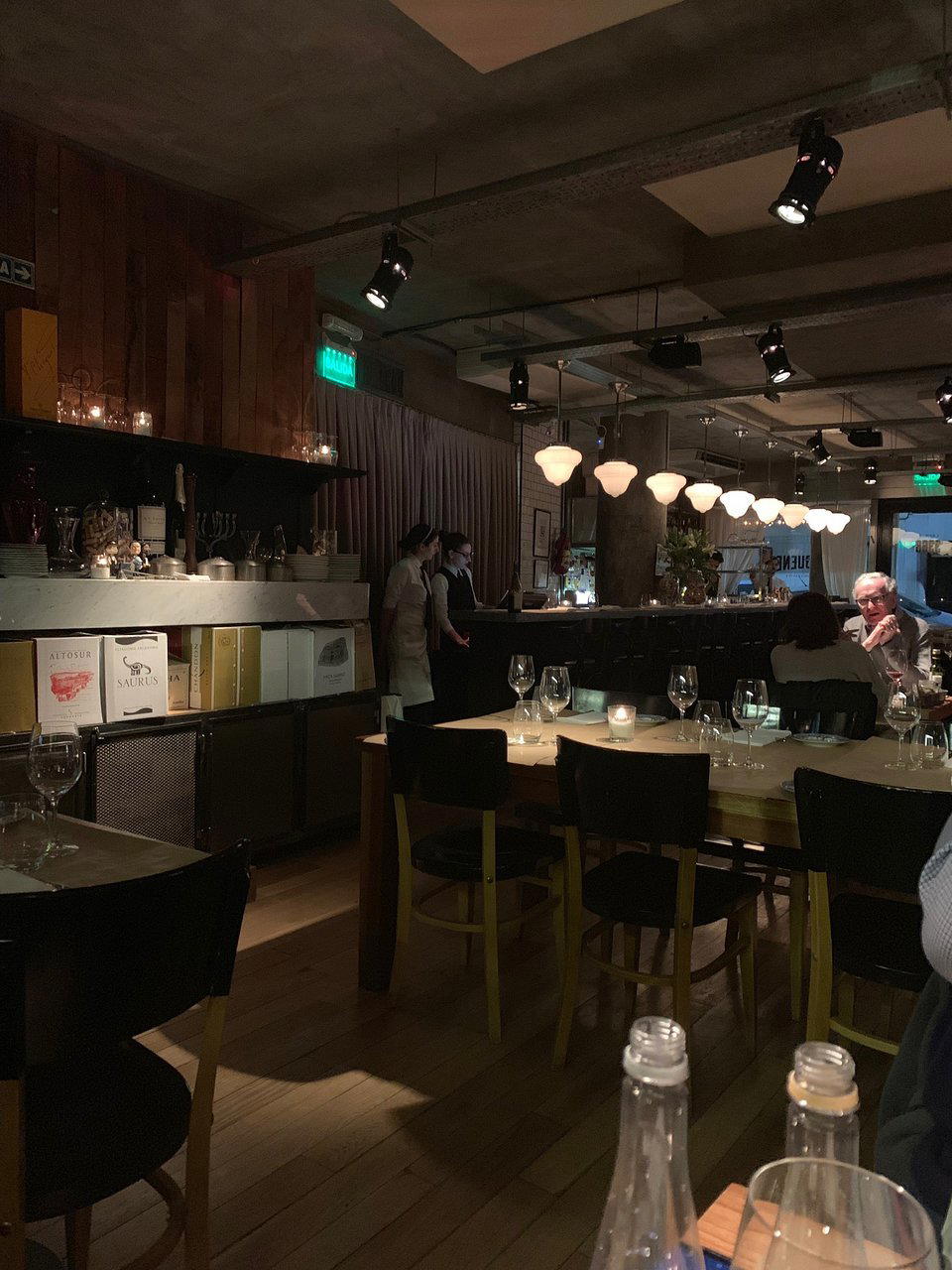
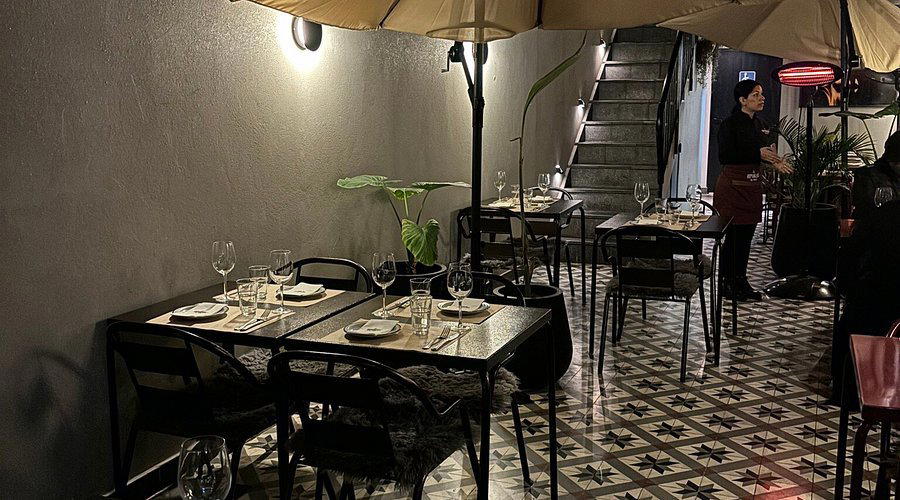
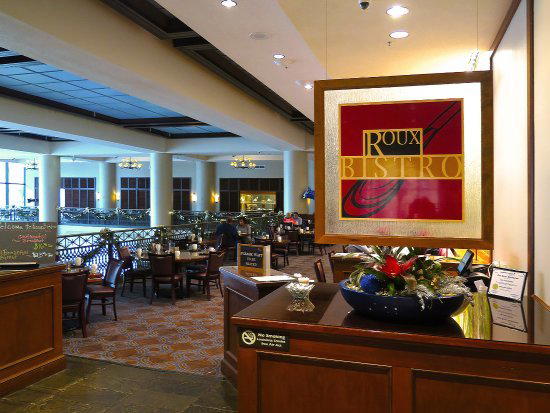
Bars in Buenos Aires
All bars in Buenos Aires →
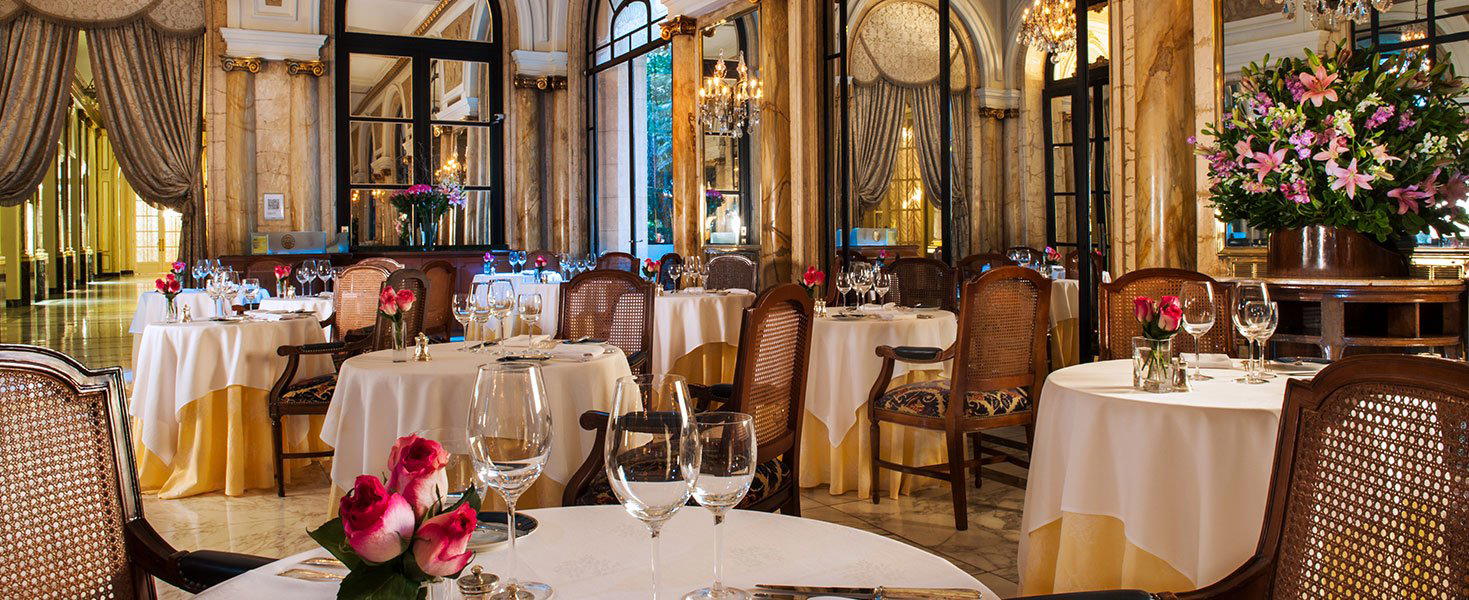
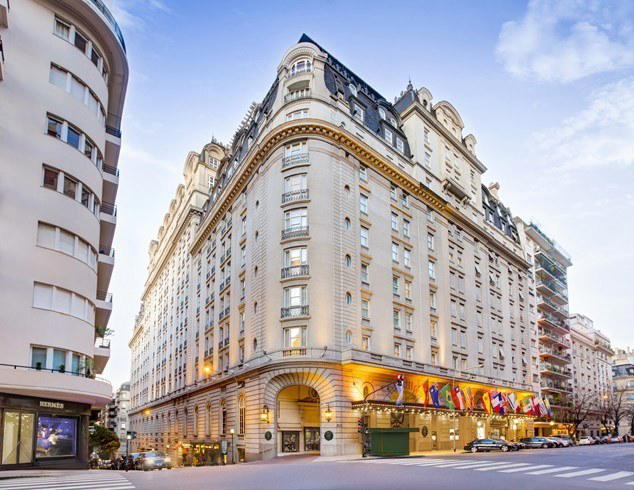
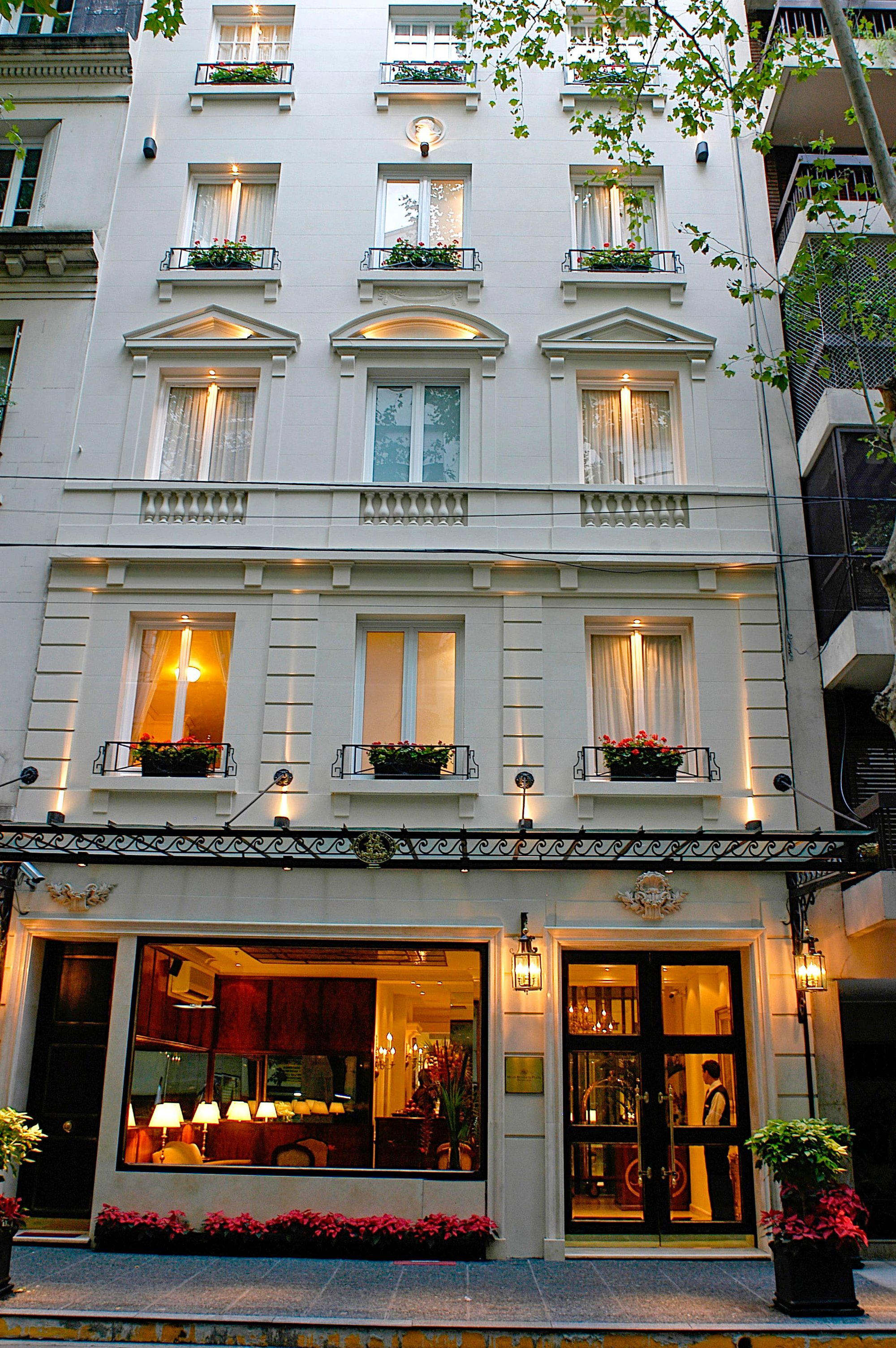
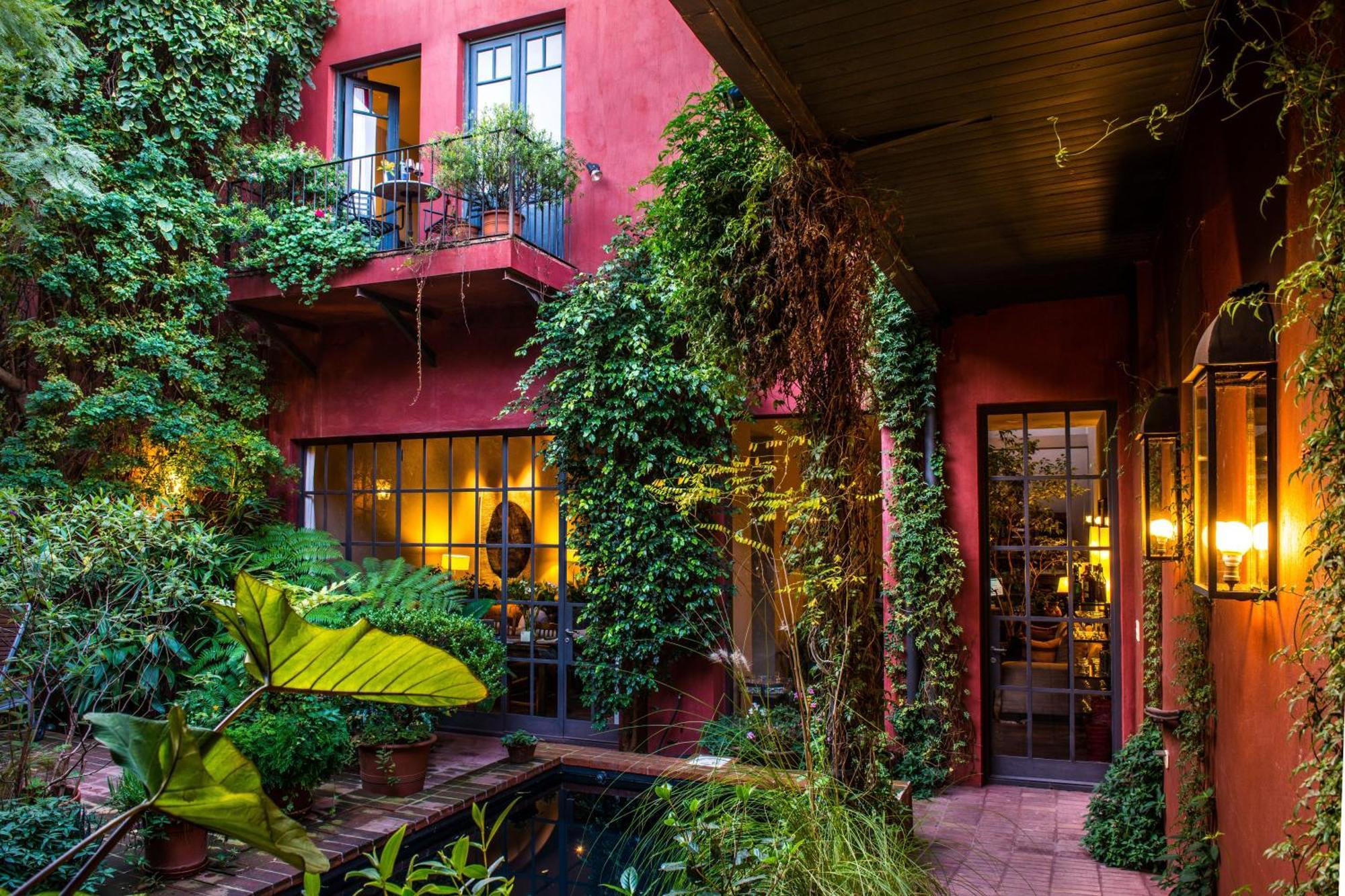
Casa Cavia
The wine
- Wine program
- Deep wine list
- Extensive wine list
- Sommelier-led
- Craft cocktails
Details
- Elegant
- Sophisticated
- Trendy
- Well Known
- Intimate
- Date Night
- Special Occasion
- Brunch
- Terrace
- Garden
- Private Dining
- Historic Building
- Craft Cocktails
- Extensive Wine List
- Sommelier Led
- Local Sourcing
- Garden
- A La Carte
- Cocktails
- Wine
- Vegetarian Friendly
- Gluten Free Options
Current opening hours
- Monday
- Closed
- Tuesday
- 8 PM–12 AM
- Wednesday
- 10 AM–12 AM
- Thursday
- Closed
- Friday
- Closed
- Saturday
- Closed
- Sunday
- Closed
Hours can change for holidays and private events. Hours as of .
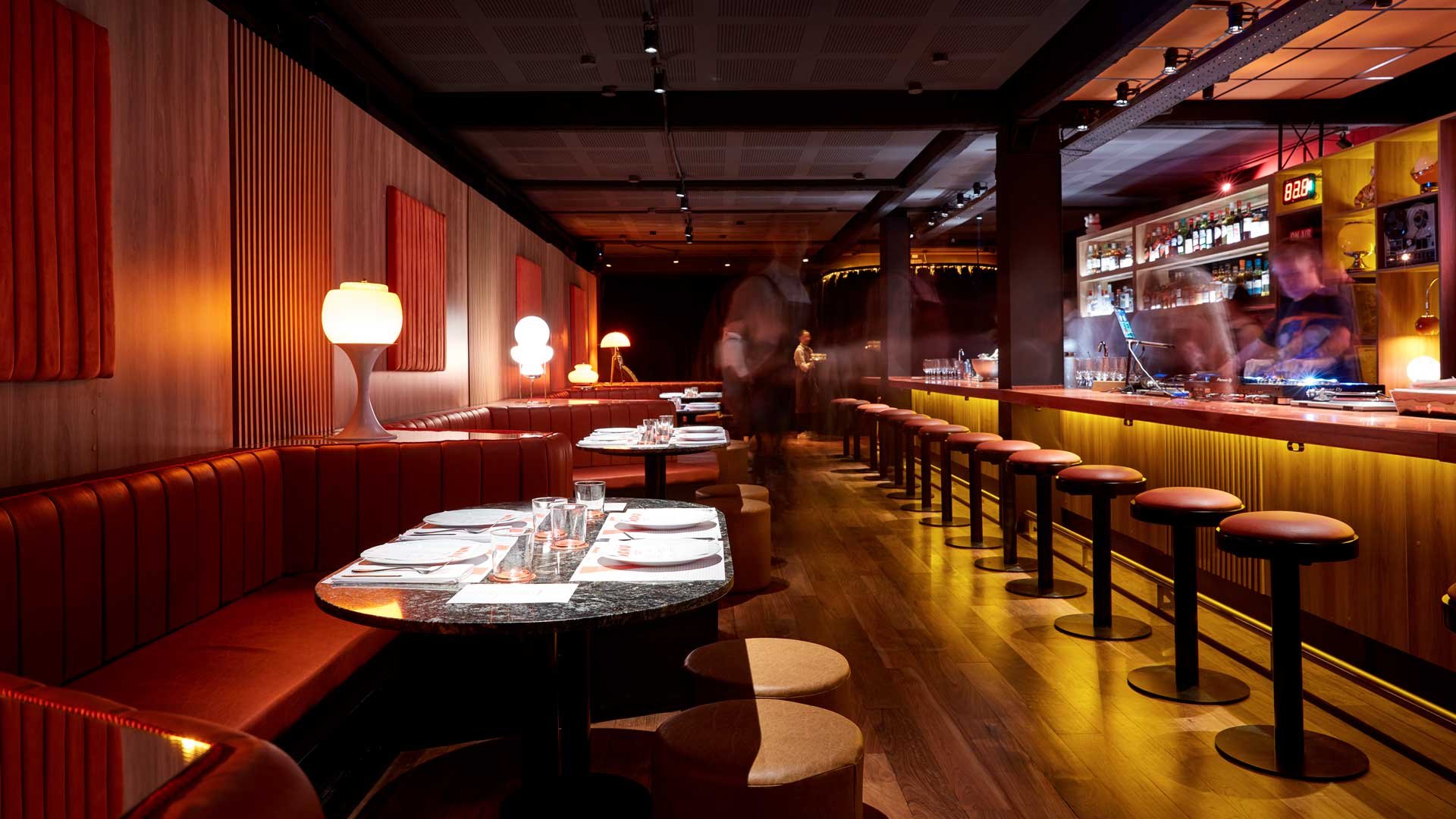
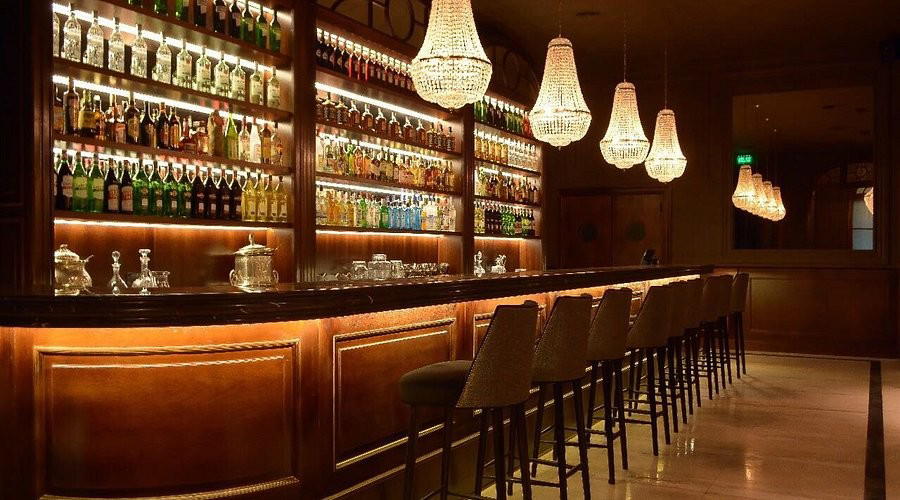
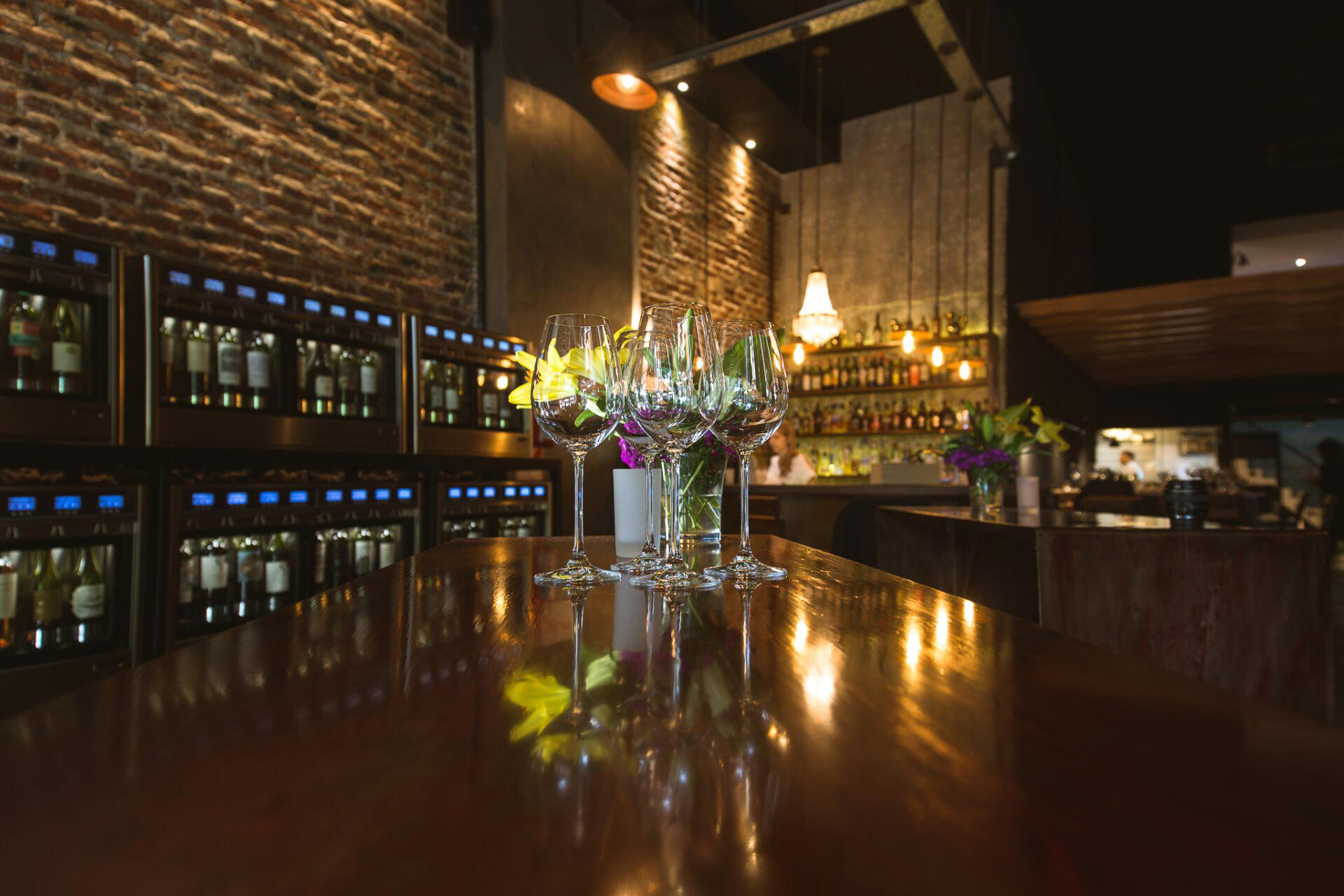
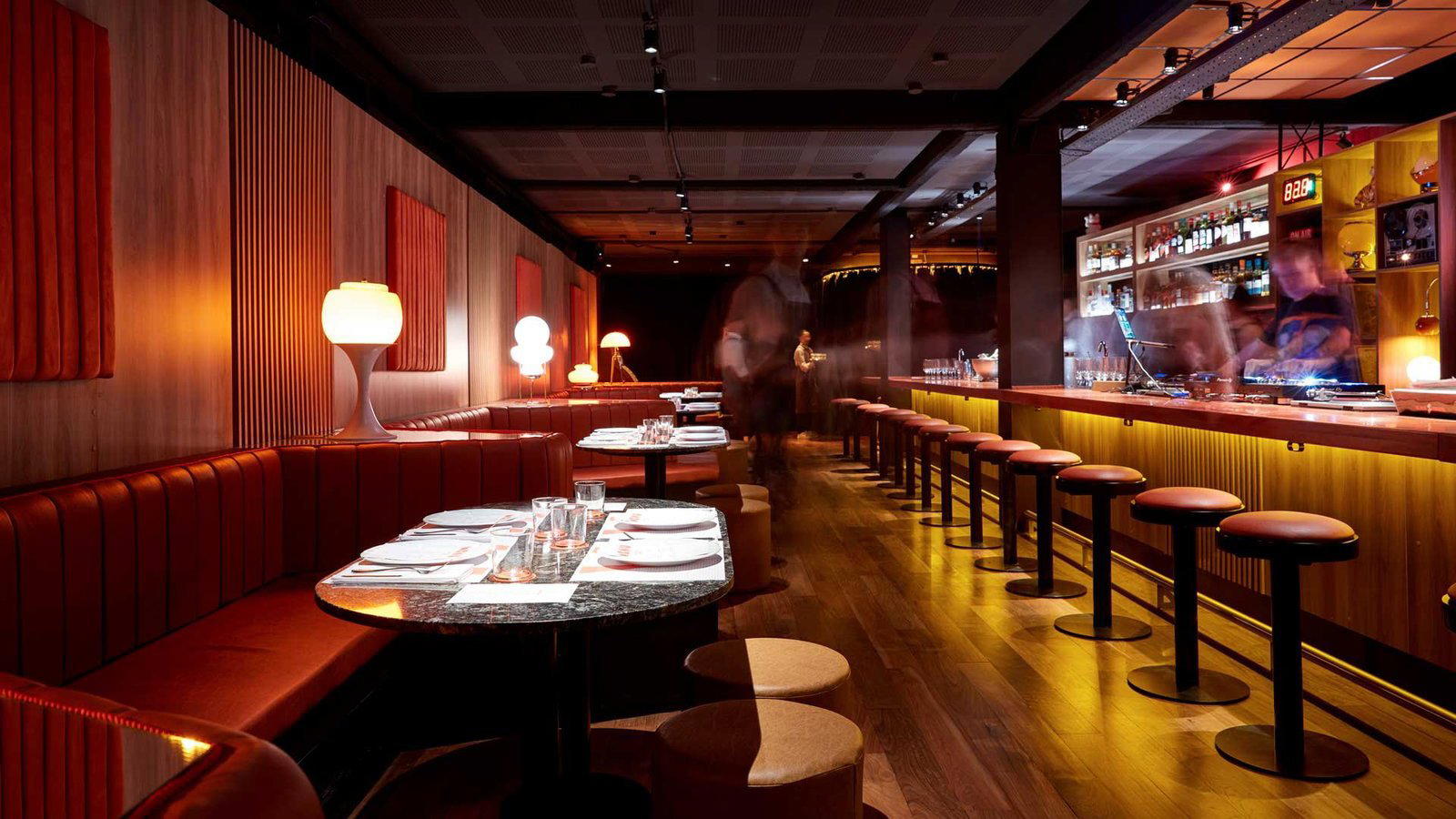
Elegantly classic interior with contemporary decor, stylish lighting, and a trendy, greenery-filled outdoor terrace that serves as a chic oasis.