South Spirits Lab
For those tracking Argentina's craft distilling movement beyond Malbec country, it represents a serious production address worth understanding on its own terms.

Pearl is the En Primeur Club membership app — saves, bookings, and concierge access live there. Same editors, same standards.
- Address
- Benavidez, Buenos Aires Province, Argentina
- Phone
- +54 11 6644-4415
- Hours
- Mon–Fri 9 AM–6 PMSat–Sun Closed
- Website
- southspiritslab.com
- Directions
- Get directions
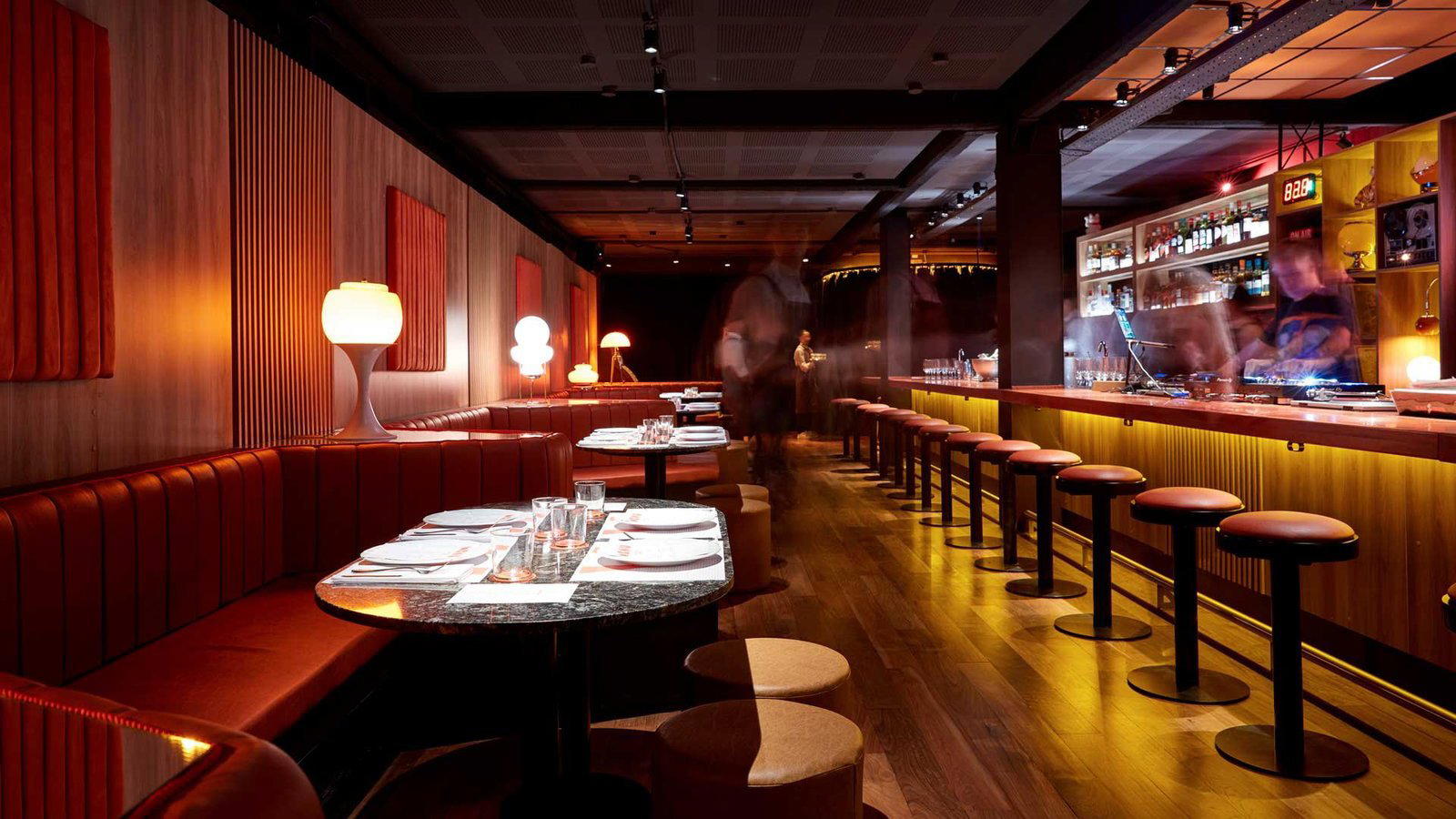
Argentina's Spirits Craft Wave, Grounded in Buenos Aires Province
For most of the past two decades, Argentina's international drinks identity has been built almost entirely on wine. Malbec from Mendoza, Torrontés from Salta, high-altitude Cabernet from the Uco Valley: these were the coordinates by which the country positioned itself in premium drinks culture. Craft distilling arrived later and has grown quietly, concentrated not in the wine regions but in and around Buenos Aires, where proximity to the country's largest consumer market and a generation of technically trained distillers has created the conditions for a serious independent spirits sector.
South Spirits Lab sits in Benavidez, a locality in Buenos Aires Province rather than the Federal Capital itself. That address places it in the outer ring of the metropolitan area where a number of small-batch producers have established operations: lower overhead than the city centre, space for proper distillation infrastructure, and enough distance from the noise to work with focus.
The Buenos Aires craft spirits scene has developed with more internal diversity than its wine counterpart. Where Argentine wine competition converges heavily on varietal and appellation identity, the spirits producers operating around the capital span gin, whisky, brandy, and local botanicals-based liqueurs. This fragmentation is partly a function of age: the sector is young enough that no single category has claimed dominance, and producers are still staking out distinct positions.
Among the most established operations with formal recognition are Fratelli Branca Distillery, which carries significant historical weight as the local arm of the Italian amaro institution, and Destilería Dellepiane, a local producer with its own distinct production approach. Destilería Demian, Destilería Spiritu Santo, and Sinestesia Destilería each represent different expressions of what the Buenos Aires craft movement is producing. South Spirits Lab, with its 2025 prestige recognition, belongs in this peer conversation.
What separates prestige-tier producers from the broader craft field in Argentina is generally some combination of production rigour, consistent quality across releases, and the kind of sourcing or botanical specificity that signals intent rather than opportunism.
Argentina's Wider Drinks Geography: Wine and Spirits in Parallel
Understanding where South Spirits Lab sits requires a brief orientation to Argentina's broader premium drinks map. The wine sector occupies its own geography: Mendoza dominates, with properties like Bodega Norton in Luján de Cuyo and Escorihuela Gascón in Godoy Cruz representing the established Cuyo tier. Further north, Bodega El Esteco in Cafayate and Bodega Colomé in Molinos anchor the high-altitude Salta category. Patagonia has its own cluster, anchored by producers like Familia Schroeder in San Patricio del Chañar. In the Uco Valley, Bodega DiamAndes in Tunuyán and Rutini Wines in Tupungato represent the altitude-premium tier.
Craft spirits producers around Buenos Aires operate largely outside this wine geography. They are urban and peri-urban enterprises, drawing on a different set of inputs and a different cultural reference frame. Where Argentine wine looks to Bordeaux and Burgundy for its aspirational coordinates, the spirits movement pulls from a more eclectic international field: Scotch distilling traditions from places like Aberlour in Aberlour, contemporary American craft distilling as practised by operations like Accendo Cellars in St. Helena in terms of small-batch production philosophy, and the European botanical heritage that continues to inform gin and amaro production.
The Cultural Logic of Craft Spirits in Buenos Aires
Buenos Aires has always maintained a sophisticated drinks culture that runs parallel to, and sometimes ahead of, its food scene. The city's cocktail bars have drawn on European aperitivo traditions, American rye and bourbon categories, and an increasingly developed local gin and amaro output. For producers operating in Buenos Aires Province, the capital's bar scene functions as both market and proving ground: a place where technically demanding bartenders test new spirits against international benchmarks and push producers toward consistency.
This dynamic has raised the floor for credentialed local producers. Argentine consumers who drink cocktails in Buenos Aires have calibrated their palates against international references, which means local distilleries cannot rely purely on novelty or national identity to hold shelf space. Quality has to be demonstrable on its own terms.
Planning a visit to South Spirits Lab or incorporating it into a wider Buenos Aires spirits itinerary requires some logistical groundwork. The Benavidez address puts it outside the city's central neighbourhoods, accessible by car rather than on foot or by standard public transport routes. Given that phone and website details are not publicly listed in, direct inquiry through Buenos Aires hospitality networks or through our full Buenos Aires restaurants and producers guide is the practical starting point. Operating hours and visiting protocols for craft distilleries in this tier tend to favour appointment-based access rather than open-door drop-in visits, which is worth factoring into any itinerary.
Continue exploring
More in Buenos Aires
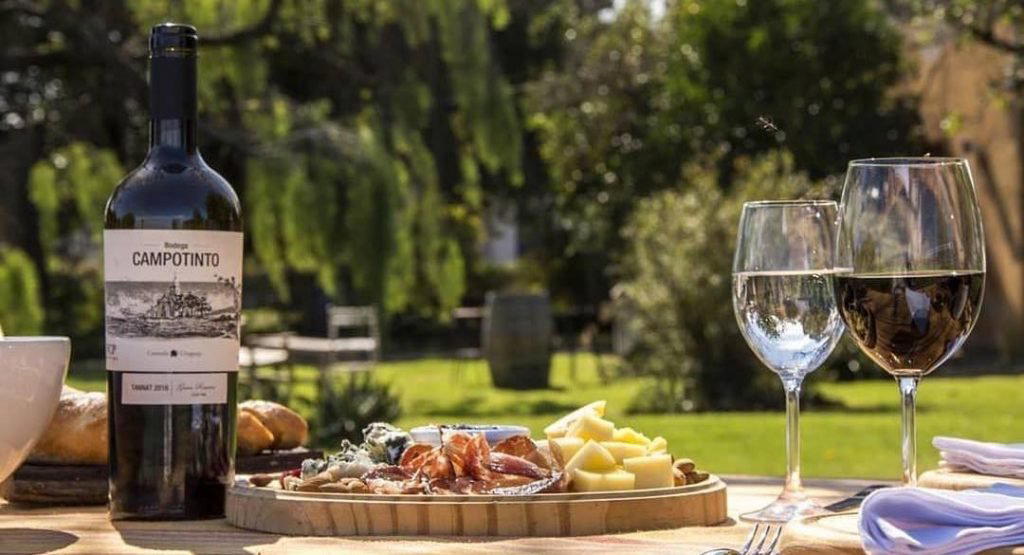
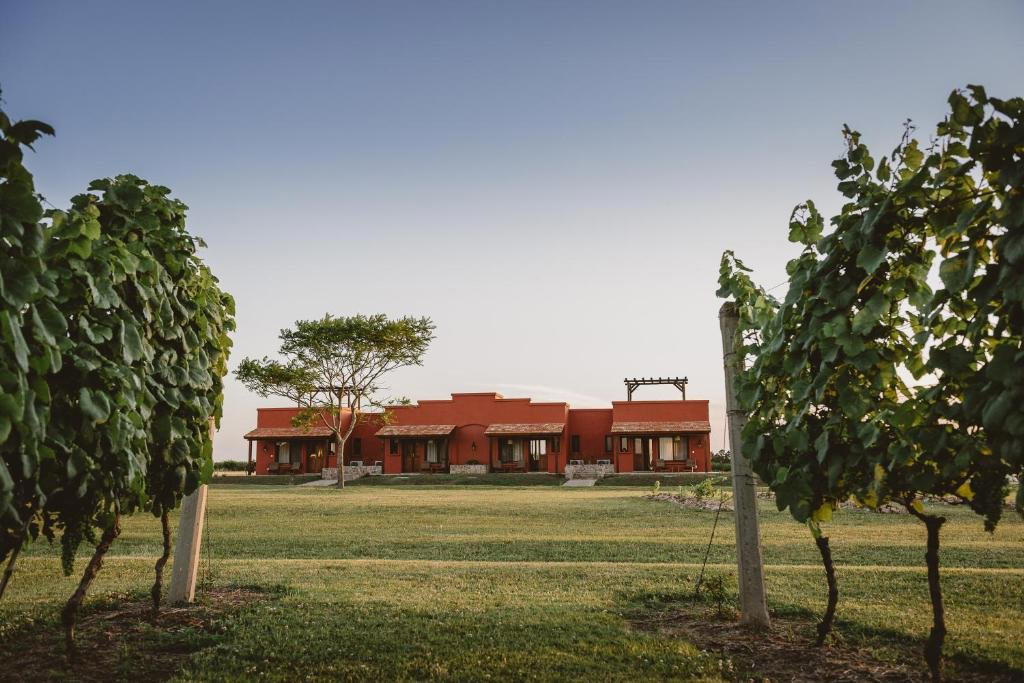
Wineries in Buenos Aires
Browse all →
Bars in Buenos Aires
Browse all →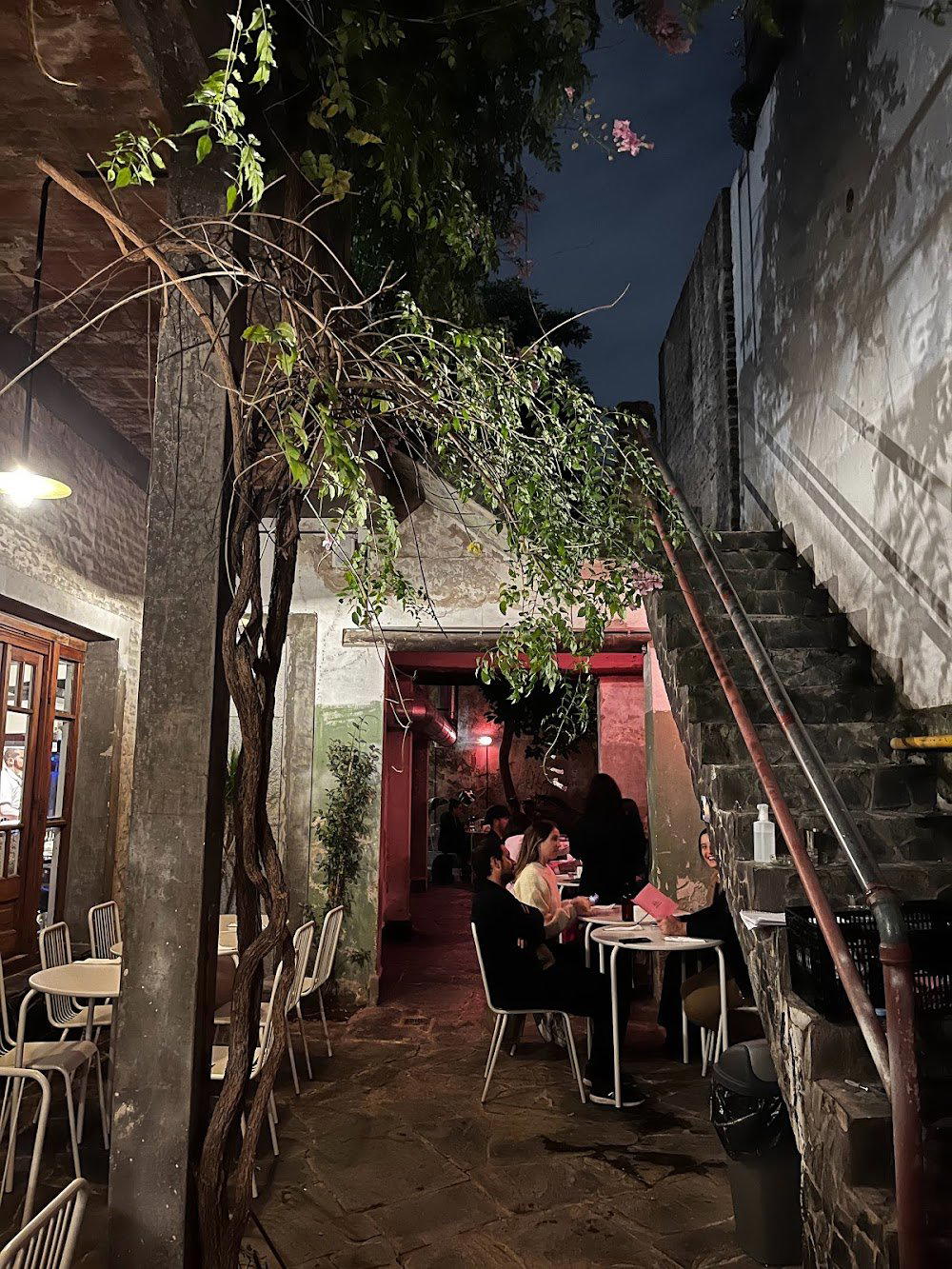
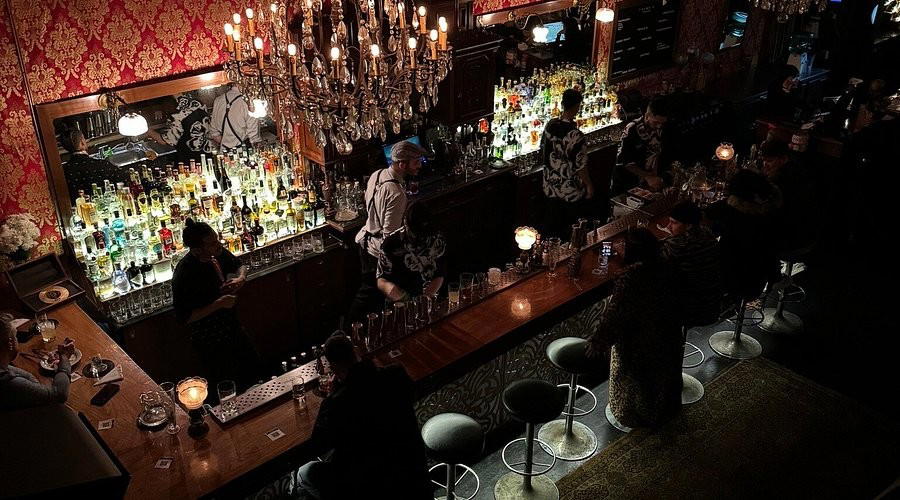
Restaurants in Buenos Aires
Browse all →
Details
- Modern
- Industrial
- Minimalist
- Sophisticated
- Solo Exploration
- Special Occasion
Current opening hours
- Monday
- 9 AM–6 PM
- Tuesday
- 9 AM–6 PM
- Wednesday
- 9 AM–6 PM
- Thursday
- 9 AM–6 PM
- Friday
- 9 AM–6 PM
- Saturday
- Closed
- Sunday
- Closed
Hours can change for holidays and private events. Last verified .
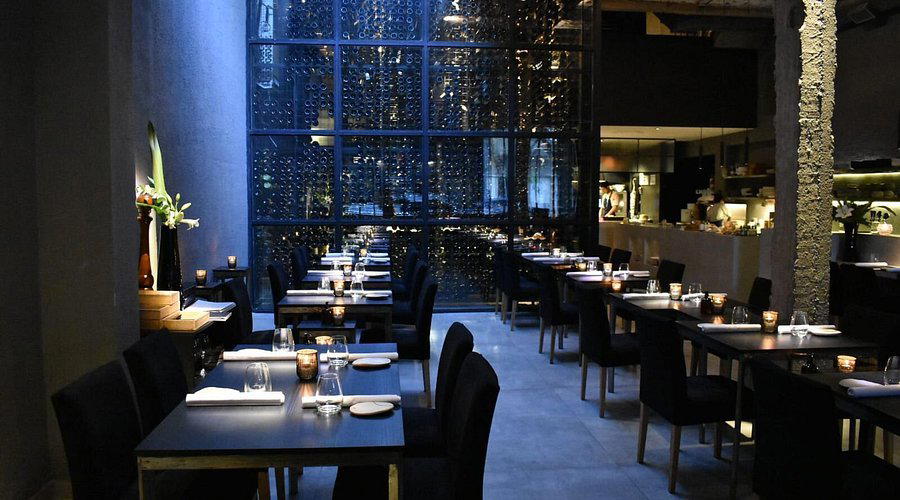
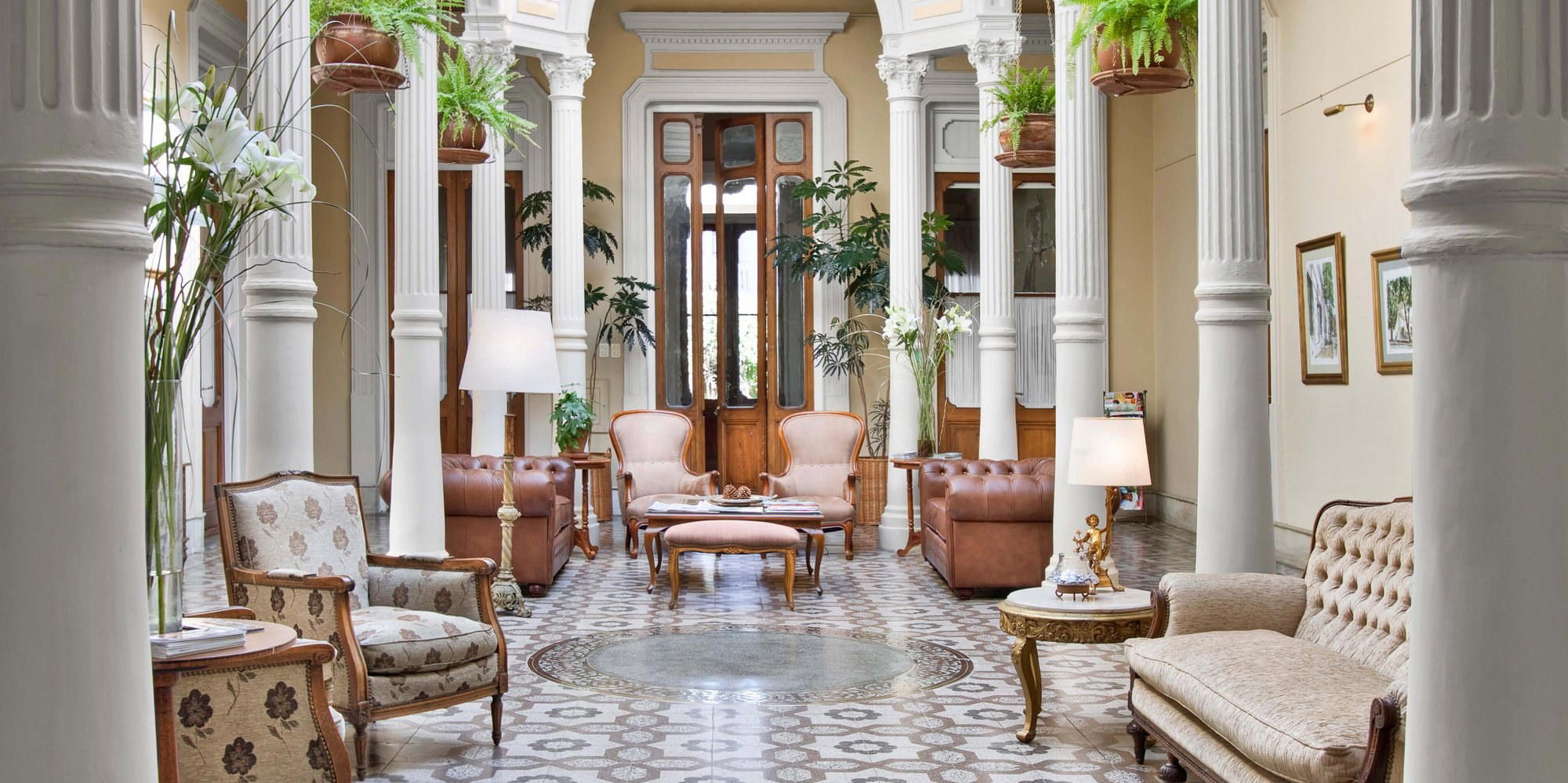
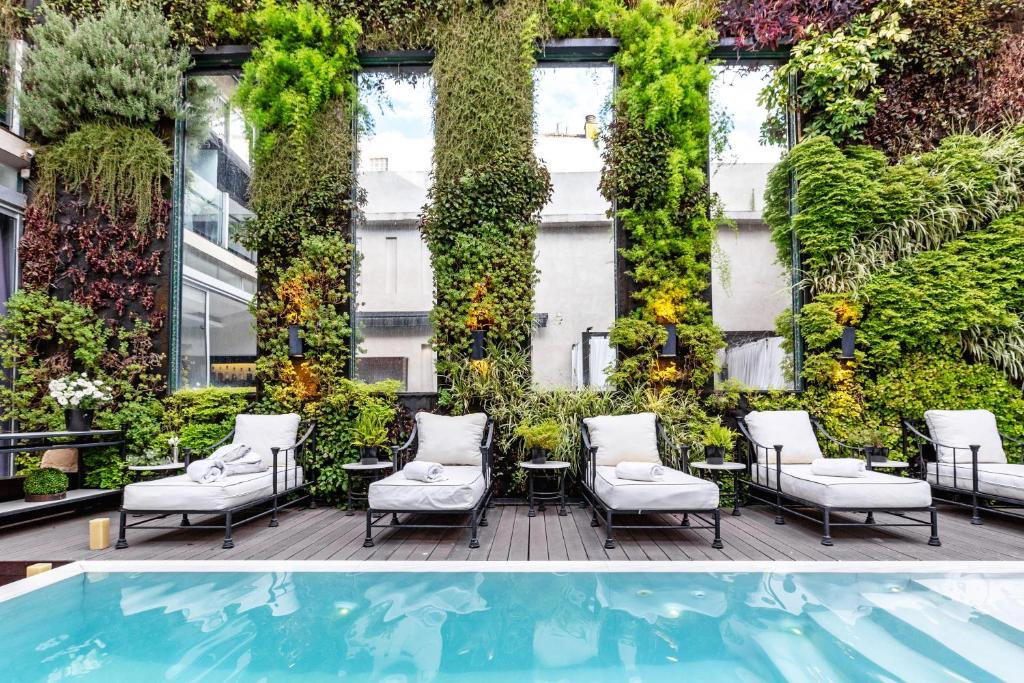
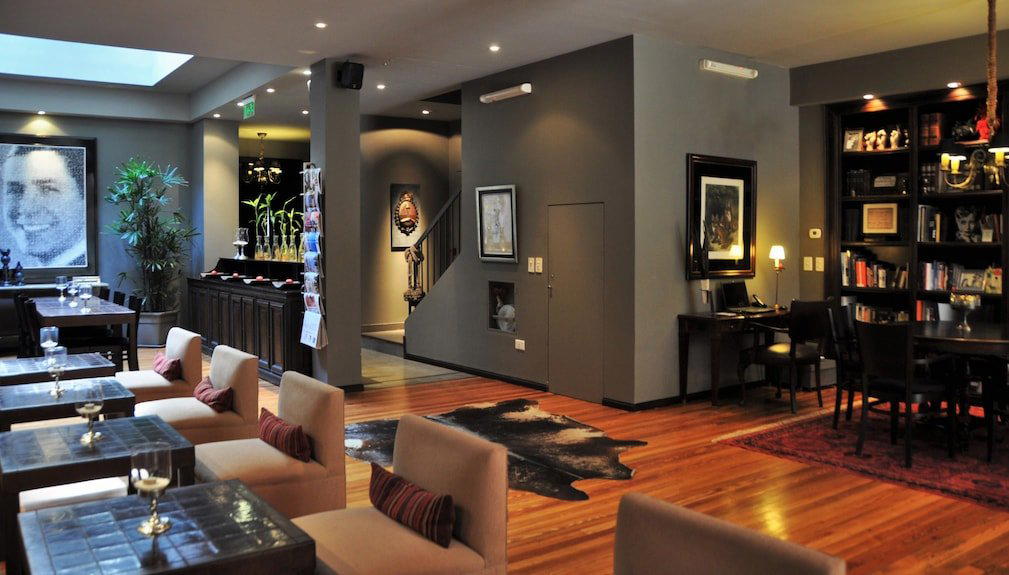
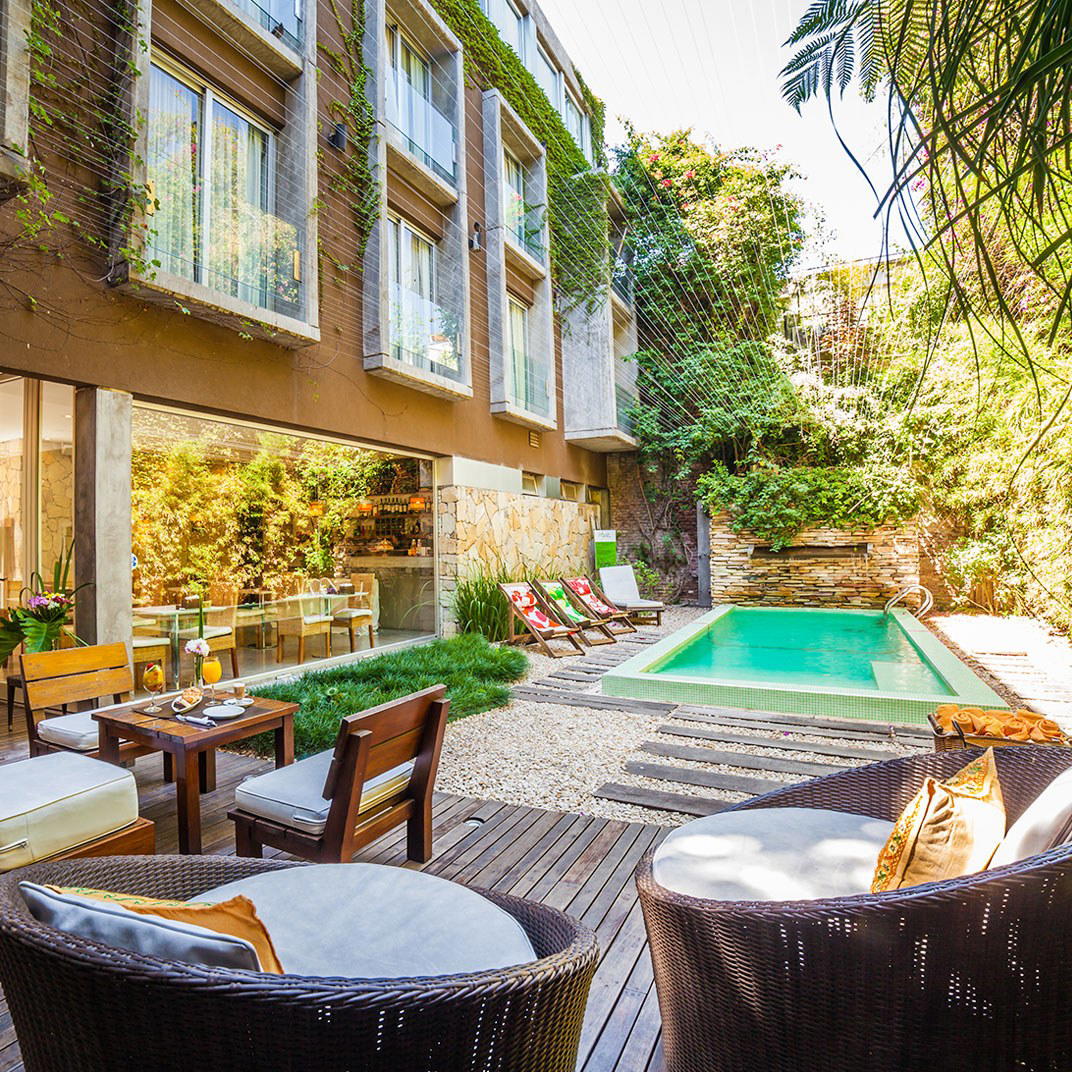
Minimalist, premium spirits-lab atmosphere focused on technical craft and traditional distillation, with a modern experimental identity.