El Burladero
Our verdict
El Burladero occupies a residential address in Buenos Aires's Recoleta corridor, placing it within a city where the steakhouse tradition runs deep but the more interesting question is what happens around and between the grilled cuts. The restaurant draws from the broader Buenos Aires tradition of the long, sociable dinner, where the progression of the meal matters as much as any single plate.

Pearl is the En Primeur Club membership app — saves, bookings, and concierge access live there. Same editors, same standards.
- Address
- Pres. José Evaristo Uriburu 1488, C1425AAN Cdad. Autónoma de Buenos Aires, Argentina
- Phone
- +541136912717
- Hours
- Daily 12–4 PM, 7:30 PM–12 AM
- Website
- elburladero.com.ar
- Directions
- Get directions
- Booking
- Book on CoverManager
The menu
What to order
- Paella
- Patatas Bravas
- Camerones al Ajillo
- Rabo de Toro
Where Buenos Aires Slows Down at the Table
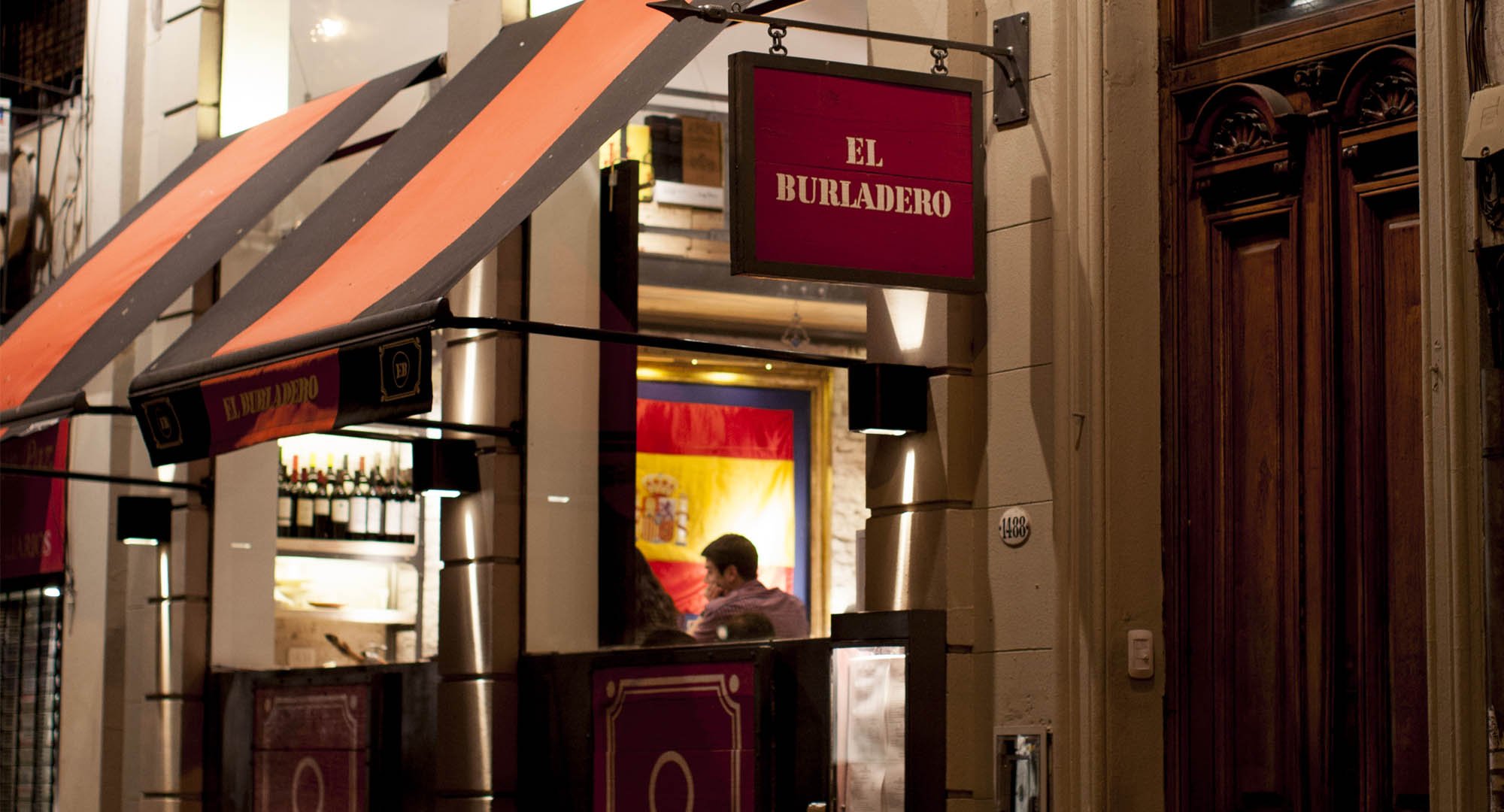
Recoleta has a particular quality in the evening: the apartment blocks on streets like Uriburu hold their residents close, and the restaurants that survive here tend to do so because they serve the neighbourhood rather than perform for it. El Burladero, at Pres. José Evaristo Uriburu 1488, sits inside that residential logic. The approach is quiet. There is no marquee signage pulling in foot traffic from the main avenues, no queue management strategy borrowed from a hospitality group. What the address signals, for anyone reading Buenos Aires dining carefully, is a restaurant calibrated for the return visit rather than the first impression.
That dynamic has meaning in a city where the dining culture runs long. Buenos Aires tables turn slowly by design. Porteños treat dinner as an event with a beginning, middle, and end that stretch well past midnight, and the restaurants that endure in the city's residential pockets are the ones that accommodate that rhythm rather than fight it.
The Shape of a Buenos Aires Meal
Understanding where El Burladero fits requires a short survey of how Buenos Aires structures the restaurant meal. At the top of the market, venues like Don Julio operate as steakhouse institutions where the parrilla is the point and the wine list is built to match. At the creative end, Aramburu and Trescha run structured tasting formats where the kitchen controls the progression entirely. The middle register, which includes neighbourhood-anchored restaurants in Recoleta and Palermo, tends to operate as a looser version of the multi-course tradition: an opening round of smaller plates, a central protein moment, and a close that may or may not involve a formal dessert course.
That middle register is where the most characteristically Argentine dining actually happens. The meal moves through stages not because a tasting menu demands it but because that is how the table decides to eat. A round of picada or cold cuts sits alongside a glass of something before the main business of the evening. The grill or the kitchen sends out the centrepiece. The table lingers. This is the tasting progression as social contract rather than chef-directed theatre, and it is the mode most deeply embedded in Buenos Aires dining culture.
Contemporary Buenos Aires addresses like Crizia and Anafe have built their reputations partly by honouring that social contract while raising the kitchen's technical precision. The conversation around Buenos Aires dining increasingly concerns how well a restaurant holds that balance, between tradition and refinement, between the familiar arc of the Argentine dinner and the more deliberate sequencing of a contemporary kitchen.
The Name and What It Carries
Burladero is a term from the bullfighting world, specifically the wooden barrier behind which the toreros shelter during the corrida. It is a word with weight in the Spanish-speaking world, carrying connotations of a protected position, a moment of stillness inside a charged environment. The use of the name for a Buenos Aires restaurant is not accidental. Buenos Aires has deep cultural ties to Spain, and the old-world Spanish reference points that show up in Argentine steakhouses and parrillas, the long wooden bars, the tiled walls, the serious wine service, all trace back to that inheritance. A restaurant choosing this name is positioning itself within a particular tradition of the serious, unhurried Argentine dining room.
That tradition extends well beyond the capital. Argentina's wine country produces the Malbec that anchors the majority of Buenos Aires wine lists, and properties like Cavas Wine Lodge in Alto Agrelo and Entre Cielos in Luján de Cuyo represent the wine-hospitality pairing at its most developed. In Buenos Aires itself, that wine culture shows up on restaurant lists where Mendoza and Patagonian bottles sit alongside increasingly serious selections from Azafrán in Mendoza. The better neighbourhood restaurants in Recoleta have absorbed that wine seriousness, and a thorough by-the-glass program has become a marker of a room that understands how the long Argentine dinner works.
Recoleta as a Dining Neighbourhood
Recoleta's dining character differs from Palermo's. Palermo runs on trend cycles, on new openings and young chefs building reputations. Recoleta is older money, more European in its reference points, and more resistant to novelty for its own sake. The restaurants that work here tend to have a certain steadiness: the cooking is competent rather than experimental, the room comfortable rather than designed to be photographed, and the service is oriented toward the regular rather than the tourist.
That does not mean Recoleta is static. The neighbourhood has absorbed the broader Buenos Aires shift toward better sourcing and more attentive kitchen craft. Visitors who want to understand the city's dining range fully would do well to read Recoleta alongside Palermo, using venues in each neighbourhood as different chapters in the same story. Our full Buenos Aires restaurants guide maps that range in detail.
For those extending a trip into the Argentine interior, the contrast is instructive. The ranch-to-table tradition at La Bamba de Areco in San Antonio de Areco, the Patagonian setting of Las Balsas in Villa La Angostura, and the jungle-adjacent dining at Awasi Iguazú all operate on the same Argentine logic of the long, food-centred gathering, just in radically different physical contexts. El Burladero belongs to the urban version of that same tradition.
Internationally, the multi-course progression that Buenos Aires restaurants practise in a social register has formal equivalents in venues like Le Bernardin in New York and Lazy Bear in San Francisco, where the sequenced meal is a deliberate editorial statement from the kitchen. Buenos Aires rarely makes it that explicit. The progression emerges from how the table chooses to order rather than how the chef chooses to send. That distinction is, for many diners, exactly the point.
Planning a Visit
El Burladero is at Pres. José Evaristo Uriburu 1488 in Recoleta. Given the neighbourhood and format, arriving with a reservation rather than as a walk-in is advisable, particularly on weekends when Buenos Aires restaurants at this address range fill from around 9 pm onward. Dinner in Buenos Aires routinely runs two hours or more, so the evening schedule should be built around the restaurant rather than the other way around.
Frequently asked questions
Is El Burladero child-friendly?
Recoleta's neighbourhood restaurants generally skew toward adult dinner crowds and evening hours that run late by most standards, so El Burladero is better suited to adults than to young children.
Is El Burladero better for a quiet night or a lively one?
The Recoleta address and residential format suggest a room calibrated for conversation rather than noise. Buenos Aires dining at this level, compared to the louder parrilla scene at venues like Don Julio or the more theatrical creative formats, tends to keep the energy social but not boisterous. A quiet evening with a long meal is the reasonable expectation.
What's the must-try dish at El Burladero?
In the broader Buenos Aires tradition, restaurants at a Recoleta address typically centre the meal around quality cuts and the Argentine grill, with the opening and closing courses serving as the frame around that centrepiece, a pattern shared across the city's serious neighbourhood dining rooms.
Is El Burladero reservation-only?
If you are visiting on a weekend evening, when Buenos Aires restaurants in Recoleta fill between 9 pm and 11 pm, booking ahead is the prudent approach. If the room operates without a formal reservation system, arriving before peak hours reduces the risk of a wait.
What's the standout thing about El Burladero?
The standout quality, read against Buenos Aires's dining scene, is the residential positioning: a Recoleta address on Uriburu without the visibility of the city's major dining destinations suggests a restaurant sustained by repeat custom rather than tourist flow, which in Buenos Aires is a particular kind of credibility signal.
How does El Burladero compare to other Argentine dining experiences outside Buenos Aires?
El Burladero represents the urban, neighbourhood-anchored version of the Argentine dining tradition, where the long table and sociable progression are the format. Properties like Los Talas del Entrerriano in General San Martín and La Table de House of Jasmines in La Merced Chica operate on the same cultural logic but in rural or estancia contexts, making them a natural complement for travellers covering more of Argentina beyond the capital.
Cuisine and Awards Snapshot
| Venue | Cuisine | Price | Awards | Notes |
|---|---|---|---|---|
| El BurladeroThis venue — the venue you are viewing | Authentic Spanish Tapas & Paella | Not listed | Not listed | Not listed |
| Don Julio | Argentinian Parrilla Steakhouse | $100–150 | 1 Michelin Star · World's 50 Best #10 | Argentinian Steakhouse |
| Aramburu | Modern Argentine Haute Cuisine | $200–300 | 2 Michelin Stars · World's 50 Best #35 | Modern Argentinian, Creative |
| El Preferido de Palermo | Classic Italian Bodegón | $50–100 | Michelin Plate · World's 50 Best #24 | Not listed |
| Elena | Contemporary Argentinian Steakhouse | $30–50 | Michelin Plate · Star Wine List | Not listed |
| La Carniceria | Modern Argentine Parrilla | $30–50 | Michelin Plate | Not listed |
Continue exploring
More in Buenos Aires
Restaurants in Buenos Aires
Browse all →
Bars in Buenos Aires
Browse all →
Hotels in Buenos Aires
Browse all →
Wineries in Buenos Aires
Browse all →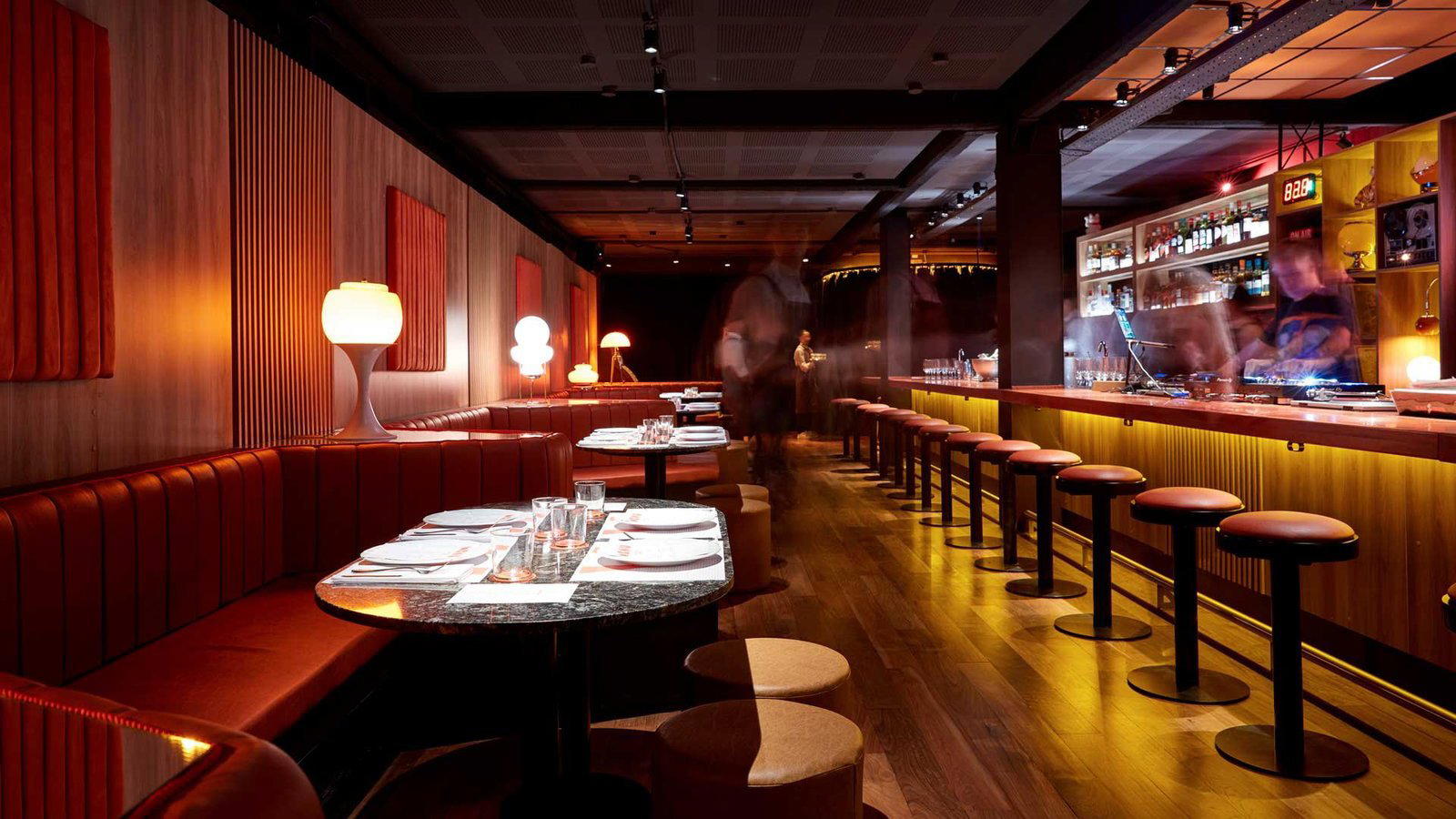
Details
- Lively
- Classic
- Elegant
- Group Dining
- Late Night
- Open Kitchen
- A La Carte
- Small Plates
- Vegetarian Friendly
- Gluten Free Options
Current opening hours
- Monday
- 12–4 PM, 7:30 PM–12 AM
- Tuesday
- 12–4 PM, 7:30 PM–12 AM
- Wednesday
- 12–4 PM, 7:30 PM–12 AM
- Thursday
- 12–4 PM, 7:30 PM–12 AM
- Friday
- 12–4 PM, 7:30 PM–12 AM
- Saturday
- 12–4 PM, 7:30 PM–12 AM
- Sunday
- 12–4 PM, 7:30 PM–12 AM
Hours can change for holidays and private events. Last verified .
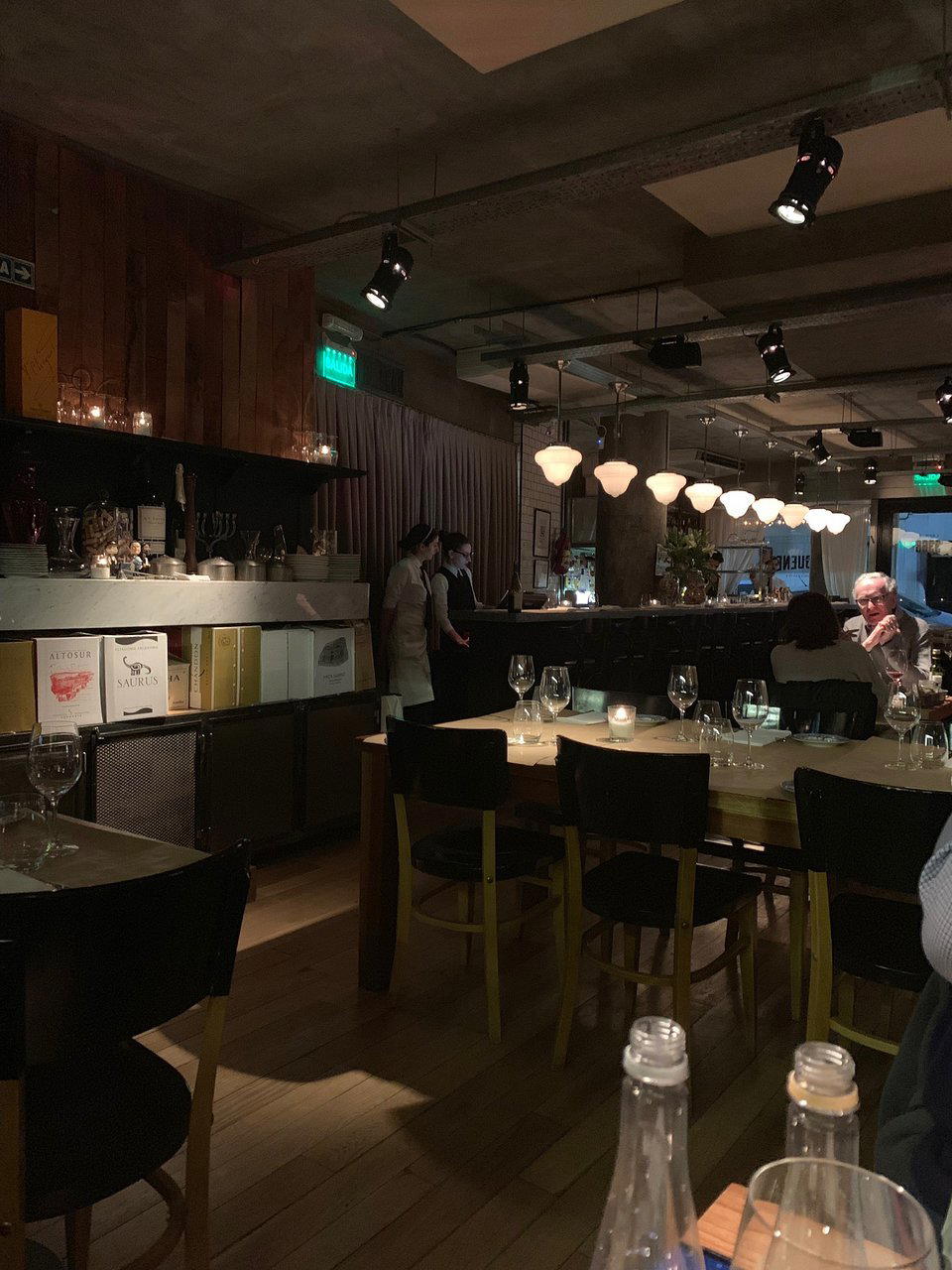
Warm and inviting with lively Spanish hospitality atmosphere.