Our verdict
小人 sits at 2-8 Nijudaimachi in central Kochi, occupying a quiet address within a city better known for its market culture and yakitori alleyways than its intimate dining rooms. It represents the kind of small, considered venue that Kochi's eating scene has been quietly developing alongside its more visible food traditions. For travellers who have already worked through the city's well-known options, it offers a different register entirely.

Pearl is the En Primeur Club membership app — saves, bookings, and concierge access live there. Same editors, same standards.
- Address
- 2-8 Nijudaimachi, Kochi, 780-0843, Japan
- Phone
- +81888241308
- Directions
- Get directions
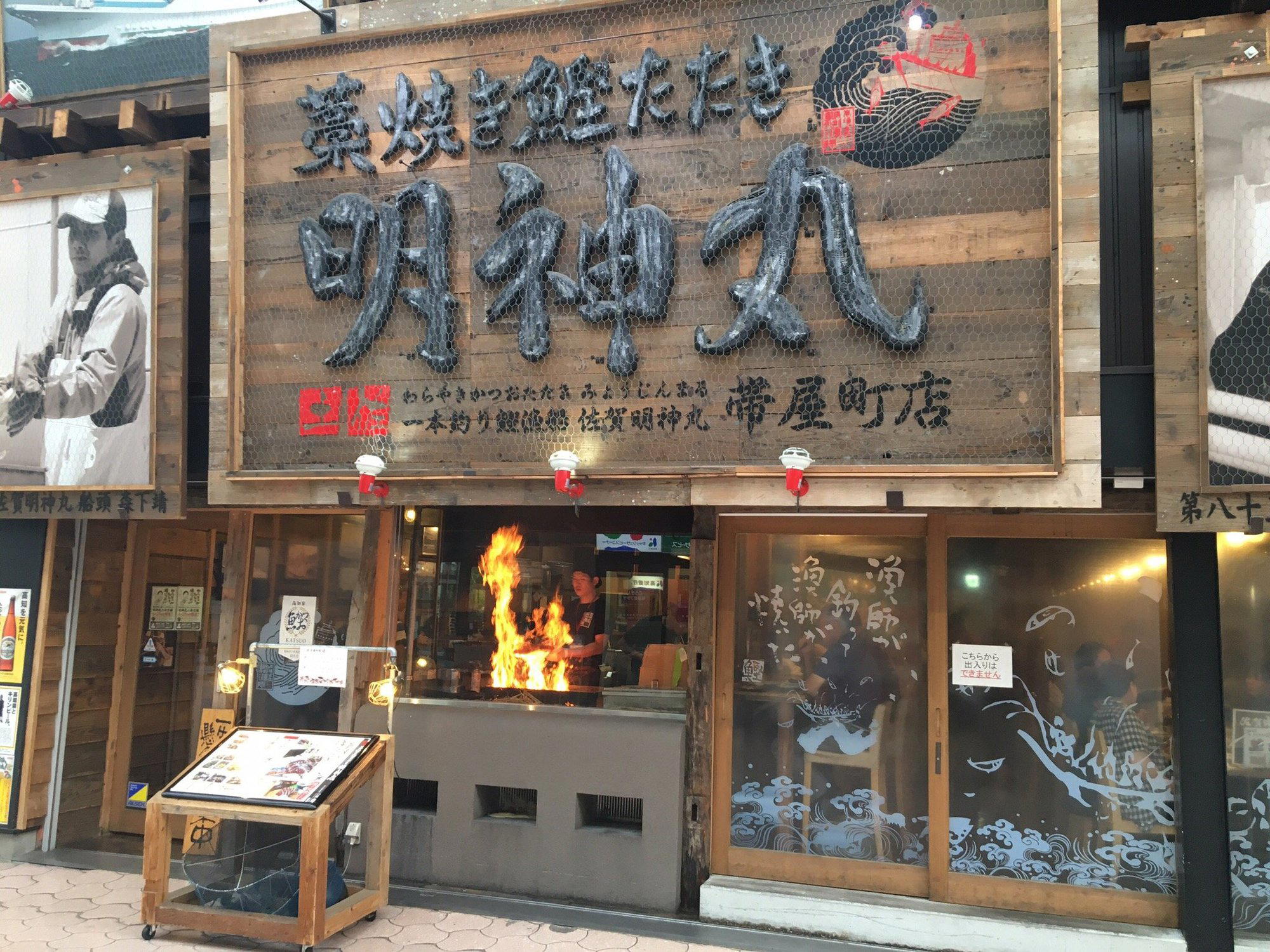
The menu
What to order
- Seasonal nigiri selection
- Chef's omakase course
A Quieter Register in Kochi's Dining Scene
Kochi's food identity is loud in the leading possible way: the Hirome Market operates as a kind of permanent civic feast, yakitori smoke drifts across Obiyamachi arcade most evenings, and the city's obsession with katsuo no tataki — seared skipjack tuna finished over straw flame — gives every meal here a particular regional logic. Against that backdrop, the more subdued dining rooms of Nijudaimachi occupy a different frequency. Small, often unmarked, oriented toward the ritual of the meal rather than its spectacle, they exist for a different kind of diner: one who has already eaten at the market, who understands the city's produce, and who wants to sit down somewhere that takes that produce seriously over the course of several courses.
小人, addressed at 2-8 Nijudaimachi, belongs to this quieter tier. The address alone signals something: Nijudaimachi is a compact central district where the city's more considered restaurants tend to cluster, removed enough from the tourist foot traffic of the covered arcades to feel local, close enough to remain genuinely accessible. Approaching from the main street, you encounter the kind of low-profile entrance that typifies this category of Japanese dining room, no aggressive signage, no queue management system, no attempt to pull you in from the pavement.
The Logic of the Japanese Intimate Dining Room
Across Japan's regional cities, from Fukuoka's compact Yakuin district to Nara's back streets, where places like akordu have built a following on precision and restraint, the small dining room format has developed its own set of customs. The meal is paced rather than rushed. Dishes arrive in a sequence that reflects seasonal and sourcing logic rather than appetiser-main-dessert convention. The host or kitchen team controls timing, and the diner's role is to follow rather than direct. This is not hierarchy for its own sake: it reflects a genuine belief that the cook understands the menu's internal rhythm better than the guest arriving cold.
At this scale of venue, across Japan, the ritual is where most of the experience lives. A reservation is not simply a table booking, it is an agreement to hand over temporal control for the duration of the meal. Walk-in culture, common at izakayas and counters like those at Kochi Izariya, does not typically apply here. The small format means that an unreserved arrival can genuinely disrupt service for every other guest in the room. In Kochi specifically, where the dining scene is compact and the leading small rooms fill on word-of-mouth rather than international press, this dynamic is more pronounced than in Tokyo or Kyoto.
For comparison, the highest-end iteration of this format in Japan, the counter omakase rooms in Tokyo like Harutaka, or the kaiseki tradition carried forward by Kyoto institutions like Gion Sasaki, operates at a rarefied price and reservation pressure that regional venues rarely match. What Kochi's intimate rooms offer instead is access: the format without the three-month wait and the four-figure bill. The trade is metropolitan cachet for regional specificity, and for the right traveller, that is not a trade-off at all.
Kochi Produce and the Small-Room Advantage
Kochi Prefecture has an agricultural profile that most Japanese chefs openly covet. The climate produces vegetables of unusual intensity, yuzu from Umaji, myoga, several varieties of citrus that do not reach Tokyo markets in meaningful quantity. The Pacific coast brings seafood that the rest of Japan sees primarily as premium export product: bonito, sea bream, a range of shellfish that changes by month. At a large restaurant operating at volume, these ingredients get absorbed into a menu logic built around consistency. At a small room, a kitchen can respond to what arrived that morning.
This is the structural advantage of the intimate format, and it is why Kochi's small dining rooms tend to punch above their visible profile. Brasserie 土佐 and MIKI ドゥーブル operate in adjacent registers, each working Kochi produce through different culinary frameworks. The city's dining scene, when taken together, reads as a genuine regional argument: that what grows and swims here is worth building a meal around, that the prefecture's identity is not simply the Hirome Market energy but also something more considered, slower, and seasonally calibrated.
Osaka's HAJIME and Fukuoka's Goh represent the upper bracket of this regional-ingredient-led approach in western Japan, both carrying Michelin recognition and operating at international visitor price points. Kochi's small rooms, including 小人, operate well below that visibility threshold, which is precisely why the city's food scene rewards travellers willing to move past the obvious stops.
Planning a Visit: What to Know Before You Go
The Nijudaimachi address, 2-8 Nijudaimachi, Kochi, 780-0843, places 小人 in walkable range of central Kochi. The city is compact enough that a visitor staying near Kochi Castle or along the Obiyamachi shopping street can reach Nijudaimachi on foot in under fifteen minutes. No phone or website is currently listed for 小人 in public directories, which places it in the category of venues leading approached through hotel concierge channels, local dining contacts, or Japanese-language reservation platforms. This is not unusual for Kochi's small dining rooms; it is, in fact, a reliable signal of a kitchen that fills through regulars and word-of-mouth rather than international booking infrastructure.
For visitors building a Kochi dining itinerary, the practical approach is to use 小人 as an anchor, the slower, more formal meal of the trip, and build the remaining meals around it from the city's more accessible options. The full picture of what Kochi's restaurant scene currently offers is covered in our full Kochi restaurants guide. Travellers comparing regional Japan itineraries may also find relevant reference points in venues like 一本木 魚川製 in Nanao, 古代山乃 in Sapporo, 湖麺屋ぽんず in Takashima, 鳥羽屋 in Nishikawa Machi, and Birdland in Sakai, all of which operate in the regional small-room format that Japan does better than almost anywhere. For an international frame of reference on what rigorous tasting-format dining looks like at its highest level, Le Bernardin in New York and Atomix in New York offer a useful counterpoint: technically accomplished, globally recognised, and operating at the opposite end of the visibility spectrum from a quiet room at 2-8 Nijudaimachi. Canvas Restaurant & Pizzeria rounds out Kochi's options for those who want to alternate between western-influenced and more traditionally Japanese formats across their stay.
Frequently asked questions
Where do I go for å°äºº?
å°äºº is located at 2-8 Nijudaimachi, Kochi, 780-0843, Japan, Kochi.
What should I order at 小人?
Specific menu details for 小人 are not published, which is common among Kochi's smaller dining rooms where the kitchen works to seasonal availability. Given Kochi Prefecture's agricultural profile — yuzu, land-race vegetables, and Pacific-caught fish — expect the menu to reflect what is locally in season. Asking the kitchen directly on the day of your visit is the reliable approach.
Can I walk in to å°äºº?
Reservations are recommended for å°äºº in Kochi. Confirm current policy via the venue's official channels.
Can I walk in to 小人?
The Nijudaimachi location — 2-8 Nijudaimachi, Kochi, 780-0843 — is central and walkable, but arriving without a booking carries real risk of finding the room full or closed to casual guests. Contacting the venue ahead of your visit is the practical approach.
Category Peers
| Venue | Cuisine | Price | Awards |
|---|---|---|---|
| å°äººThis venue — the venue you are viewing | Edomae Omakase | $50–100 | Not listed |
| Brasserie ä¸æ³ | Seasonal Kaiseki | $100–150 | Not listed |
| Canvas Restaurant & Pizzeria | Authentic Italian Wood-Fired Pizza | $10–20 | Not listed |
| Kochi Izariya | Tosa Japanese Izakaya & Kaiseki | $500+ | Not listed |
| MIKI ドゥーブル | French Bistro | $10–20 | Not listed |
| アンナータ | Modern Italian with Local Kochi Ingredients | $100–150 | Tabelog 100 #52 |
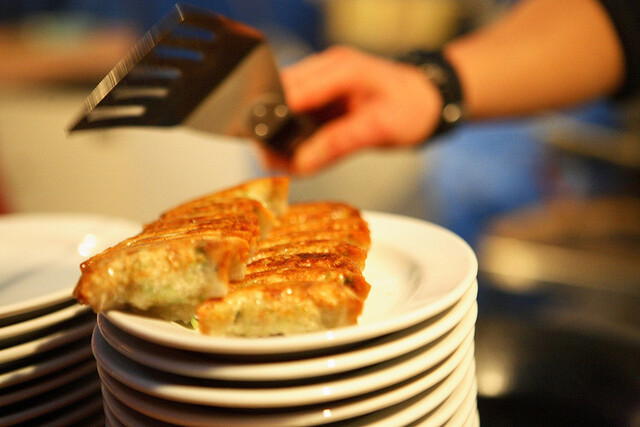
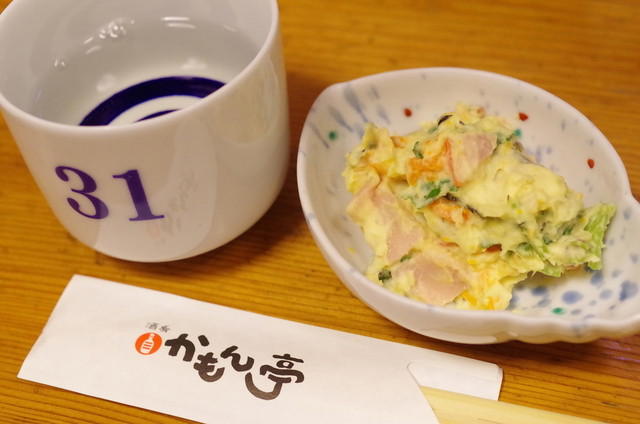
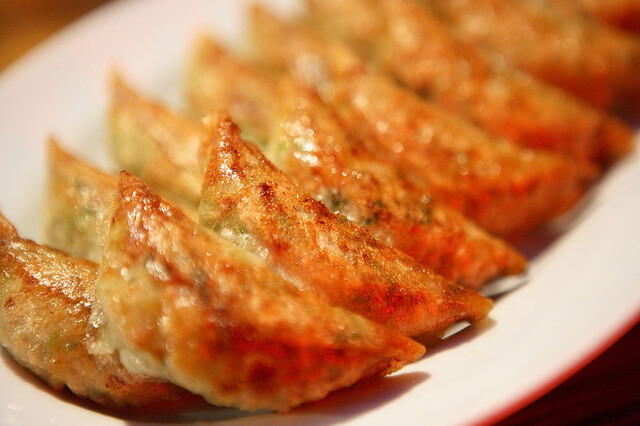
Details
- Intimate
- Elegant
- Cozy
- Date Night
- Special Occasion
- Celebration
- Chefs Counter
- Open Kitchen
- Sake Program
- Local Sourcing
- Omakase
- Counter Dining
- Sake
- Japanese Whisky
Warm, intimate lighting with a minimalist Japanese aesthetic; soft ambient music creates a serene, focused dining atmosphere conducive to appreciating the chef's craft.