Our verdict
An izakaya address on Nijudaimachi in central Kochi, Kochi Izariya sits within a city whose Pacific-coast larder — katsuo no tataki, sudachi-bright citrus, freshwater river fish — defines one of Japan's most ingredient-driven regional dining traditions. The venue anchors a neighbourhood scene that runs from casual market eating to considered small-plate formats, giving visitors a grounded entry point into Kochi's distinctive food culture.

Pearl is the En Primeur Club membership app — saves, bookings, and concierge access live there. Same editors, same standards.
- Address
- 2-8 Nijudaimachi, Kochi, 780-0843, Japan
- Phone
- +81888241308
- Hours
- Mon–Fri 12–2 PM, 6–9:30 PMSat 5:30–11 PMSun 12–2 PM, 6–9:30 PM
- Website
- izariya.com
- Directions
- Get directions
The menu
What to order
- Katsuo Shio Tataki
- Straw Grilled Set Meal
- Izariyadon
The Street, the City, and the Culture Behind the Counter
Nijudaimachi is one of those Kochi addresses that repays arriving on foot. The street sits close enough to the Obiyamachi arcade to catch foot traffic, yet far enough from the main shopping drag to keep the atmosphere neighbourhood-specific rather than tourist-facing. Izakayas along this stretch tend to serve a local clientele first, which means the cooking reflects what landed at Kochi's Urado Bay that morning rather than what a generic menu template prescribes. In that sense, choosing to eat along Nijudaimachi is already a positioning decision about what kind of Kochi evening you want.
Kochi Prefecture occupies the southern flank of Shikoku, facing the Pacific across Tosa Bay, and that geography shapes everything on a plate here. The city's signature preparation — katsuo no tataki, skipjack tuna seared hard over rice straw and finished with garlic, ginger, and ponzu — is not merely a local specialty but a demonstration of technique and terroir compressed into a single dish. The straw-firing method (warayaki) produces a crust-to-raw contrast that neither pan-searing nor grilling replicates exactly, and the resulting textural range is the point of the dish, not an accident of it. Any serious izakaya in Kochi is implicitly tested against how well it handles katsuo.
Kochi Izariya, at 2-8 Nijudaimachi, occupies this culinary tradition directly. The izakaya format across Japan has evolved considerably since the late twentieth century: where early iterations functioned primarily as drinking venues with food as an afterthought, the category has since bifurcated into volume-oriented chains and smaller establishments where the kitchen drives the experience as much as the bottle list. Kochi's leading izakayas sit in the latter cohort, with menus that move seasonally and sourcing that leans heavily on the prefecture's coastal and river-fishing heritage.
Tosa Cuisine and What the Region Actually Produces
Understanding what makes Kochi's dining tradition distinctive requires a brief accounting of the prefecture's larder. Tosa Bay's cold, deep-water currents run nutrients through an unusually rich fishing ground: katsuo, sawara (Spanish mackerel), and mejika appear through the warmer months, while winter brings amadai (tilefish) and other deepwater species. Inland, the Niyodo and Shimanto rivers, the latter often cited as Japan's clearest river, produce ayu (sweetfish) through summer, with the Shimanto's reputation for low agricultural runoff making its ayu a reference point among river-fish enthusiasts.
The vegetable tradition is equally specific. Yuzu from Umaji village, sudachi from across Shikoku, myoga ginger, and a range of mountain vegetables (sansai) give Tosa cooking its acidic brightness and herbal depth. The prefecture also has a tradition of kaatsuo-based dashi that differs in intensity from the kombu-forward stocks more common in Kansai or the lighter preparations favoured in Tokyo. These are not marginal details: they add up to a regional cooking identity that can be traced clearly on the plate, and that an izakaya on Nijudaimachi is positioned to express directly.
For context on how Kochi's approach compares to other high-pedigree regional Japanese traditions, consider that venues such as Gion Sasaki in Kyoto or Harutaka in Tokyo work within capital-city culinary hierarchies shaped by centuries of court or mercantile patronage. Kochi's tradition is wilder and more maritime: less refinement-for-refinement's-sake, more directness about what the ocean produced that week. Goh in Fukuoka and HAJIME in Osaka represent the contemporary fine-dining tier of western Japan, operating at price points and formality levels well above the izakaya category, which is precisely why the izakaya format remains important: it keeps the ingredients accessible without the architecture of a tasting menu around them.
The Izakaya Format as Dining Philosophy
Across Japan, the izakaya's enduring appeal lies in its structural flexibility. A table can graze across eight small plates or anchor on two larger preparations. The drink pacing is self-directed. Conversation can continue without a course-change interrupting it. In Kochi specifically, where the culture of communal eating and drinking (the city has long had one of Japan's higher per-capita sake and shochu consumption rates) is deeply embedded, the izakaya is not a casual fallback, it is the default format for a serious evening.
The city's broader dining scene offers range beyond the izakaya category. Hirome Market represents the high-density, multi-vendor end of communal eating, useful for orientation but different in character from a single kitchen. Tanaka-sengyoten Ryoshigoya sits at the fish-specialist end. Brasserie 中津, Canvas Restaurant & Pizzeria, and MIKI ドゥーブル each address Western-leaning formats that have grown in Kochi as the city's dining options have broadened over the past decade. For a fuller account of how these venues map against each other, the EP Club Kochi restaurants guide structures the scene by format and occasion.
Kochi Izariya at Nijudaimachi anchors the traditional end of this range. Addresses in smaller Japanese cities that operate in this register, see also 一本木 in Nanao, 羽鳥屋 in Nishikawa Machi, or 湖南荘 in Takashima, function as repositories of regional technique in cities where the fine-dining tier is thin but the ingredient quality is not. 古仁屋乃 in Sapporo and Birdland in Sakai demonstrate how medium-scale Japanese cities can sustain serious cooking outside the three major metropolitan areas. The pattern repeats in Kochi.
For international reference points, Le Bernardin in New York City and Atomix in New York City illustrate the opposite end of the formality register, tasting menus built around singular culinary authorship, while akordu in Nara demonstrates how a mid-sized Japanese city can support contemporary fine-dining alongside more traditional formats.
Planning a Visit
Kochi Izariya is located at 2-8 Nijudaimachi, Kochi, 780-0843. The address is walkable from central Kochi's main transit and accommodation corridors. As is common with neighbourhood izakayas in Japanese cities of this scale, verifying current hours and booking availability directly at the venue before visiting is advisable, contact details are best confirmed locally or through current travel resources, as operating hours at establishments in this category can shift seasonally. Kochi is most accessible via the Tosa Kuroshio Railway from Okayama, or by air via Kochi Ryoma Airport, which receives flights from Tokyo Haneda, Osaka Itami, and Nagoya Chubu. Peak tourist periods (the Yosakoi festival in August, and cherry blossom season in late March to early April) mean that demand for evening dining across the city increases substantially; making arrangements further in advance during those windows is sensible.
Frequently asked questions
What's the address for Kochi Izariya?
Kochi Izariya is located at 2-8 Nijudaimachi, Kochi, 780-0843, Japan, Kochi.
How does Kochi Izariya compare to other izakayas in Kochi's Nijudaimachi area?
Nijudaimachi sits within reach of the Obiyamachi arcade, one of Kochi's main foot-traffic corridors, giving the street a mix of casual and more committed izakaya formats. Kochi's dining scene leans toward traditional Japanese formats over contemporary or Western-leaning options, and the izakaya category anchors much of the city's after-work and evening dining culture. Kochi Izariya's address at 2-8 Nijudaimachi places it in the part of the city where that tradition is most concentrated.
What's the must-try dish at Kochi Izariya?
Katsuo no tataki is the dish most closely associated with serious Kochi izakaya dining. Skipjack tuna is seared over rice straw (warayaki), a technique specific to Tosa tradition, and served with ponzu and aromatics. Kochi's position on Tosa Bay, with its cold, deep-water currents, produces katsuo with a fat content and texture that makes the prefecture's version a reference point for the dish across Japan.
What's the best way to book Kochi Izariya?
Kochi sits outside the major metropolitan booking platforms — Tableall, Omakase, and similar services concentrate on Tokyo, Osaka, and Kyoto. For Kochi Izariya at 2-8 Nijudaimachi, the most reliable approach is contacting the venue directly or asking your accommodation in central Kochi to assist with a reservation, as local hotels frequently maintain working relationships with neighbourhood restaurants.
Booking and Cost Snapshot
Comparable venues nearby, for context on price, style, and recognition.
| Venue | Cuisine | Price | Awards | Notes |
|---|---|---|---|---|
| Kochi IzariyaThis venue — the venue you are viewing | Tosa Japanese Izakaya & Kaiseki | $500+ | Not listed | Not listed |
| うますし | Kochi Sushi Omakase | $500+ | Not listed | Horizume, Kochi Sushi Omakase |
| Donko | Kochi Izakaya and Regional Seafood | $30–50 | Tabelog 100 #44 | Harimayacho, Kochi Izakaya and Regional Seafood |
| ピーニャ・アルテッツァ | Italian Trattoria | $50–100 | Not listed | Minamino Kawazoe, Italian Trattoria |
| 将人 | Edomae Omakase | $50–100 | Not listed | Fort Kochi, Edomae Omakase |
| チャイナバル茂 | チャイナバル (Modern Chinese Bar) | $50–100 | Not listed | Harimaya-cho, チャイナバル (Modern Chinese Bar) |
Details
- Elegant
- Cozy
- Sophisticated
- Special Occasion
- Business Dinner
- Group Dining
- Open Kitchen
- Sake Program
- Local Sourcing
- A La Carte
- Small Plates
- Counter Dining
- Sake
Current opening hours
- Monday
- 12–2 PM, 6–9:30 PM
- Tuesday
- 12–2 PM, 6–9:30 PM
- Wednesday
- 12–2 PM, 6–9:30 PM
- Thursday
- 12–2 PM, 6–9:30 PM
- Friday
- 12–2 PM, 6–9:30 PM
- Saturday
- 5:30–11 PM
- Sunday
- 12–2 PM, 6–9:30 PM
Hours can change for holidays and private events. Last verified .
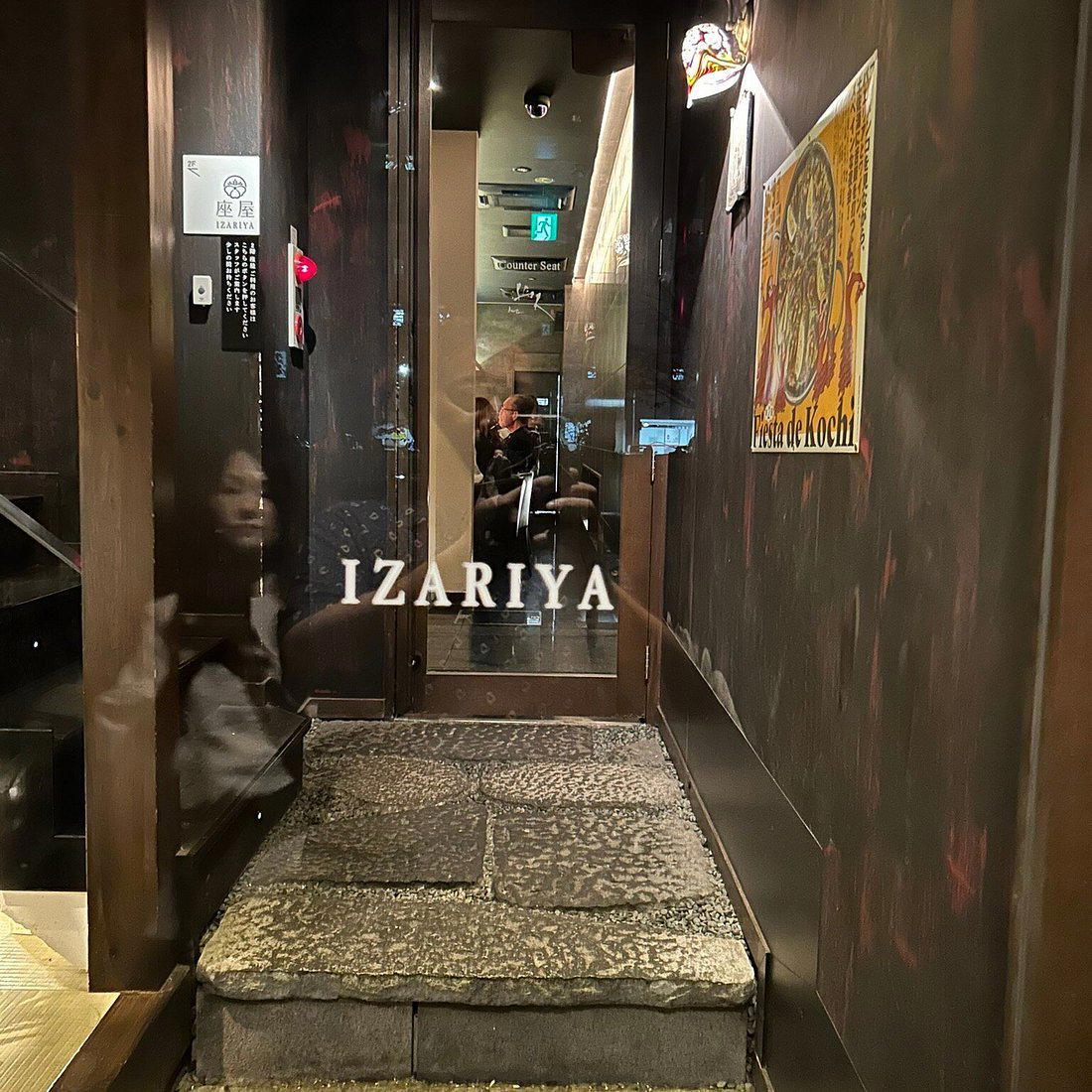
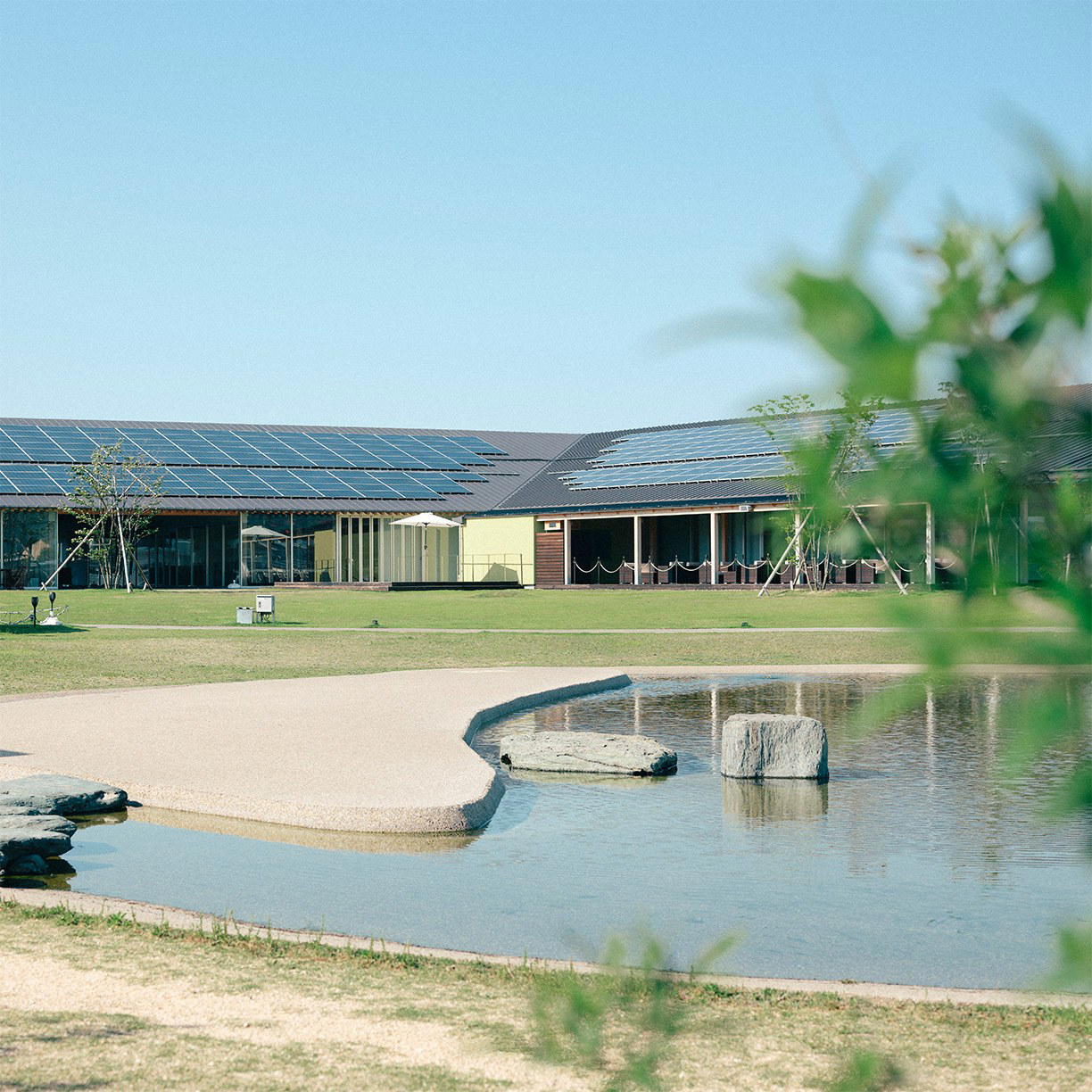
Sophisticated Japanese space with warm and trendy interior, featuring a first-floor counter and second-floor rooms with sunken kotatsu seating for a relaxed dining experience.