Our verdict
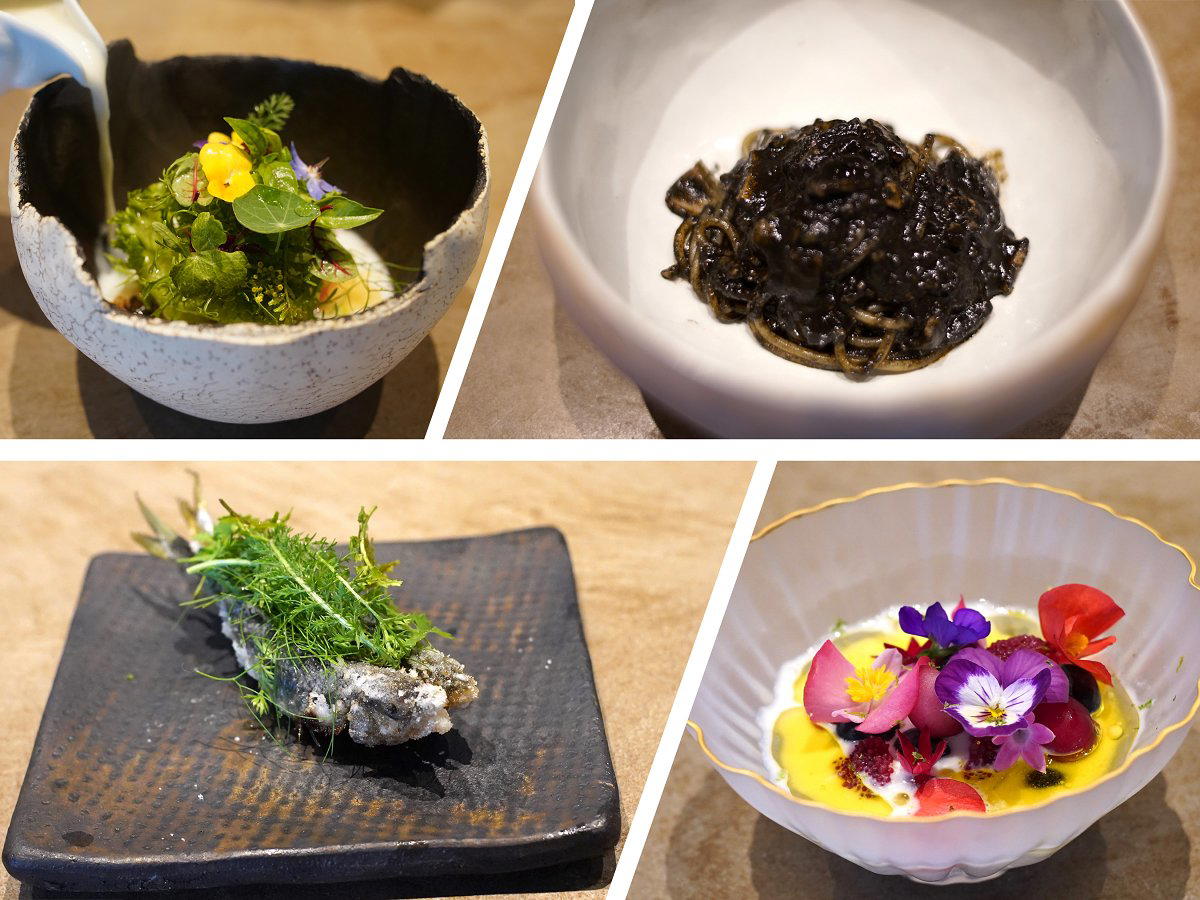
Brasserie 土佐, on a quiet block of Harimayacho in central Kochi, brings a French-inflected sensibility to one of Japan's most compelling regional larders. Shikoku's Pacific coastline and mountain interior supply ingredients that few kitchens on Honshu can access as easily, and this address puts that geography to direct use. For visitors building a serious itinerary around Kochi's food culture, it sits in the more considered tier of the city's dining options.

Pearl is the En Primeur Club membership app — saves, bookings, and concierge access live there. Same editors, same standards.
- Address
- Japan, 〒780-0822 Kochi, Harimayacho, 3 Chome−5−16 ROCOビル
- Phone
- +81 88-856-6335
- Hours
- Mon 6–11 PMTue ClosedWed–Sun 6–11 PM
- Website
- instagram.com
- Directions
- Get directions
- Booking
- Book on the venue's website
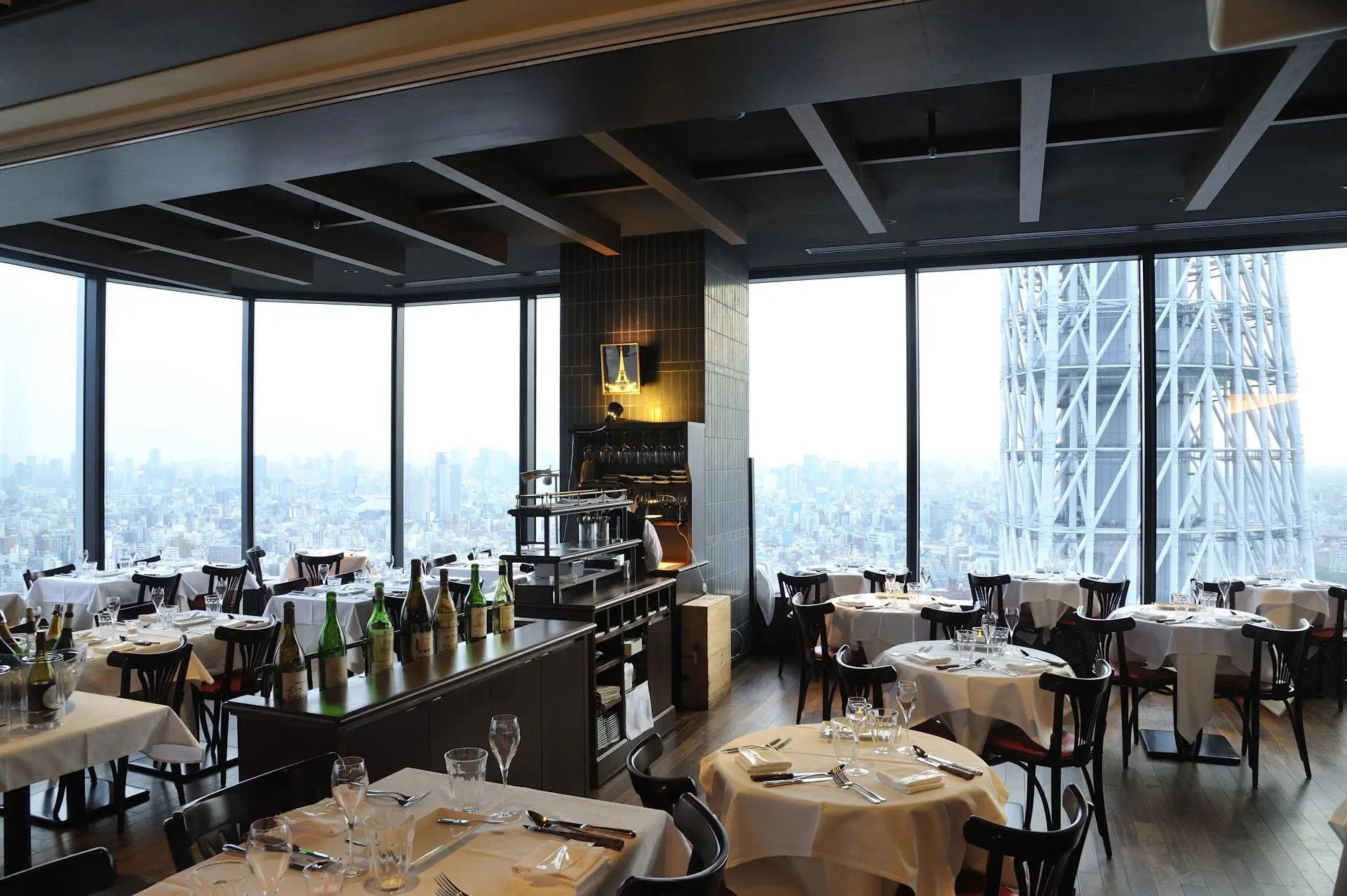
Harimayacho and the Kochi Larder
Kochi prefecture occupies the southern coast of Shikoku, the smallest of Japan's four main islands, and its relationship with food is defined almost entirely by geography. The Kuroshio Current runs close to Cape Ashizuri, driving some of the clearest, most mineral-rich water in Japanese coastal fisheries. Inland, the Shimanto River basin and the Shikoku Mountains create microclimates that support citrus, ginger, myoga, and the prefecture's own variety of yuzu-adjacent citrus called yozu. The result is a regional larder that operates largely outside the supply chains feeding Tokyo, Osaka, and Kyoto, which gives kitchens here an ingredient advantage that is structural rather than seasonal.
Brasserie 土佐 sits at 3-5-16 Harimayacho in central Kochi, a few blocks from the tram line and within walking distance of the covered Obiyamachi arcade. The address places it among the denser cluster of independent restaurants that define this part of the city, where the dining habits tend toward the local and the specific rather than the tourist-facing. For a broader sense of what the city's restaurant scene spans, our full Kochi restaurants guide covers the range from market stalls to counter dining.
What a French Frame Does with Pacific Ingredients
The brasserie format, as it has evolved across Japan's regional cities, tends to function differently from its European source. In France, the brasserie is a volume operation: beer, choucroute, steak frites, late hours. In Japanese regional cities, kitchens that adopt the label often use it to signal a style of service and plate presentation rather than a literal menu transplant. The local larder becomes the content; the French frame becomes the method. That model has proven durable in prefectures where the raw material is strong enough to anchor a menu without disguising it.
Kochi's fish supply is the most cited argument for this approach. Katsuo (skipjack tuna) is the prefecture's signature catch, typically served as tataki, seared briefly over rice straw and eaten with ginger and ponzu. But the coastal waters also yield madai, sawara, and, in cooler months, yellowtail that arrives in condition comparable to what leading Osaka counters like HAJIME in Osaka would source from premium suppliers. The difference in Kochi is proximity: fish landed at Katsurahama or Urado Bay can move from water to kitchen within hours rather than the overnight logistics that most Honshu restaurants depend on. At the precision end of sourcing, that gap matters.
Vegetable supply follows a similar logic. Kochi is one of Japan's leading greenhouse vegetable producers, and the prefecture's output includes varieties of eggplant, cucumber, and pepper that are recognizable but noticeably different in texture and sugar content from standard commercial grades. The myoga grown along the Shimanto is particularly prized among chefs working in this part of Shikoku, used both raw and lightly pickled to add a sharp, floral quality that pairs well with grilled fish preparations. A kitchen working in a French idiom has obvious applications for this kind of ingredient: the technique of the cuisine is built around coaxing flavor from what's fresh and local, which makes the Kochi larder a natural fit rather than an awkward adaptation.
Kochi's Dining Tier and Where This Address Fits
Kochi's restaurant scene is smaller than the prefectural capital label might suggest, and it operates in a way that rewards local knowledge over international recognition. The city has produced respected dining addresses that don't appear in the usual national rankings, partly because the market here doesn't generate the reservation traffic that drives Michelin coverage in larger cities. The more serious end of the local scene tends to cluster around a handful of independent operators who source directly from local fishermen and farmers and work in formats that prioritize product over spectacle.
Among the addresses that define this middle-to-upper tier, Hirome Market anchors the casual-communal end, where the focus is on volume and variety of local product in an open-hall format. Tanaka-sengyoten Ryoshigoya operates at the specialist fish end, and Kochi Izariya sits in the izakaya-with-serious-sourcing category. MIKI ドゥーブル and Canvas Restaurant & Pizzeria represent the Western-format end of the independent scene. Brasserie 土佐, in that company, occupies the European-technique bracket, where the sourcing story is delivered through a plated, course-based format rather than raw presentation or tableside grilling.
For comparison with what a regional European-Japanese format can reach at its ceiling, counters like akordu in Nara and Goh in Fukuoka demonstrate how local-ingredient commitment combined with international technique has built durable reputations outside Japan's three main metro markets. Closer to Shikoku, Akakichi in Imabari and Aji Arai in Oita show how regional Shikoku and Kyushu kitchens operate within this same model. At the leading end nationally, the precision with which sourcing is handled at addresses like Harutaka in Tokyo and Gion Sasaki in Kyoto sets the benchmark for what ingredient-first cooking can achieve when backed by deep supplier relationships.
Planning a Visit
Kochi is accessible by express train from Osaka via the Nankai-Tokushima route or by the Tosa Kuroshio Railway from Okayama. The Harimayacho area is walkable from Kochi Station and well-served by the city's tram network, which makes it easy to combine dinner here with earlier stops at the city's covered market streets. For travelers building a longer Shikoku circuit, addresses like affetto akita in Akita and Ajidocoro in Yubari District illustrate how Japan's regional dining scene rewards travelers who are willing to move beyond the main corridor.
Frequently asked questions
How do I find Brasserie 一柳?
Brasserie 一柳 is located at Japan, 〒780-0822 Kochi, Harimayacho, 3 Chome−5−16 ROCOビル, Kochi.
What's the best thing to order at Brasserie 土佐?
Without a current published menu, the most reliable guidance is to follow whatever features Kochi's seasonal Pacific catch. Kochi prefecture is known for bonito (katsuo) and a distinctive coastal larder, and a brasserie format in this city would logically anchor its menu to those local proteins. Ask staff on arrival what has come in that week — that question will serve you better than any standing recommendation.
How hard is it to get a table at Brasserie 一柳?
Reservations are recommended for Brasserie 一柳 in Kochi. Confirm current policy via the venue's official channels.
What's the defining dish or idea at Brasserie 一柳?
Brasserie 一柳 is best approached by focusing on the core concept and signature offerings.
Is Brasserie 一柳 allergy-friendly?
Dietary accommodations can vary. Flag restrictions in advance via the venue's official channels.
Comparable Venues
Comparable venues nearby, for context on price, style, and recognition.
| Venue | Cuisine | Price | Awards | Notes |
|---|---|---|---|---|
| Brasserie 一柳This venue — the venue you are viewing | Seasonal Kaiseki | $100–150 | Not listed | Not listed |
| Myojinmaru (明神丸) | Straw-Fire Grilled Bonito Izakaya | $20–30 | Not listed | 本町 |
| イハラ | Innovative Fine Dining | $200–300 | Not listed | Harimaya-cho |
| Kochi Izariya | Tosa Japanese Izakaya & Kaiseki | $500+ | Not listed | Nijudaimachi |
| 将人 | Edomae Omakase | $50–100 | Not listed | Fort Kochi |
| Kuroson | Seafood-focused Kochi izakaya | $50–100 | Tabelog 100 #46 | Hommachi |
Details
- Elegant
- Sophisticated
- Intimate
- Date Night
- Special Occasion
- Garden
- Sake Program
- Local Sourcing
- Tasting Menu
- Set Menu
- Sake
- Vegetarian Friendly
Current opening hours
- Monday
- 6–11 PM
- Tuesday
- Closed
- Wednesday
- 6–11 PM
- Thursday
- 6–11 PM
- Friday
- 6–11 PM
- Saturday
- 6–11 PM
- Sunday
- 6–11 PM
Hours can change for holidays and private events. Last verified .
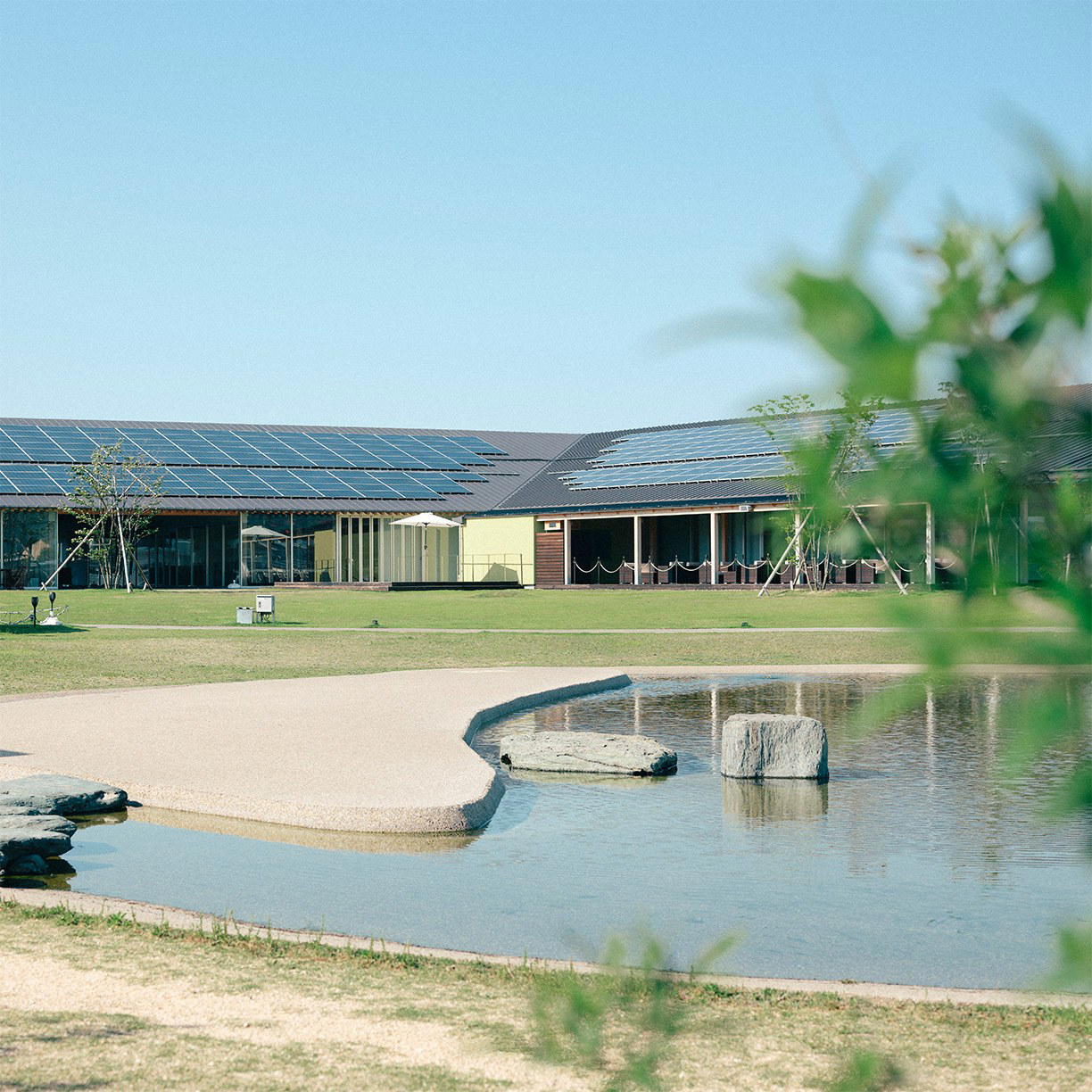
Elegant and tranquil with soft lighting, minimalist Japanese decor, and a peaceful garden atmosphere.