Where the Pacific Coast Comes to the Table Kochi Prefecture sits on the southern edge of Shikoku, facing the Pacific with a coastline that defines what locals eat and how they eat it. The fishing culture here is not incidental to the restaurant...
 Request Booking on Pearl
Pearl is the En Primeur Club membership app — saves, bookings, and concierge access live there. Same editors, same standards.
Where the Pacific Coast Comes to the Table
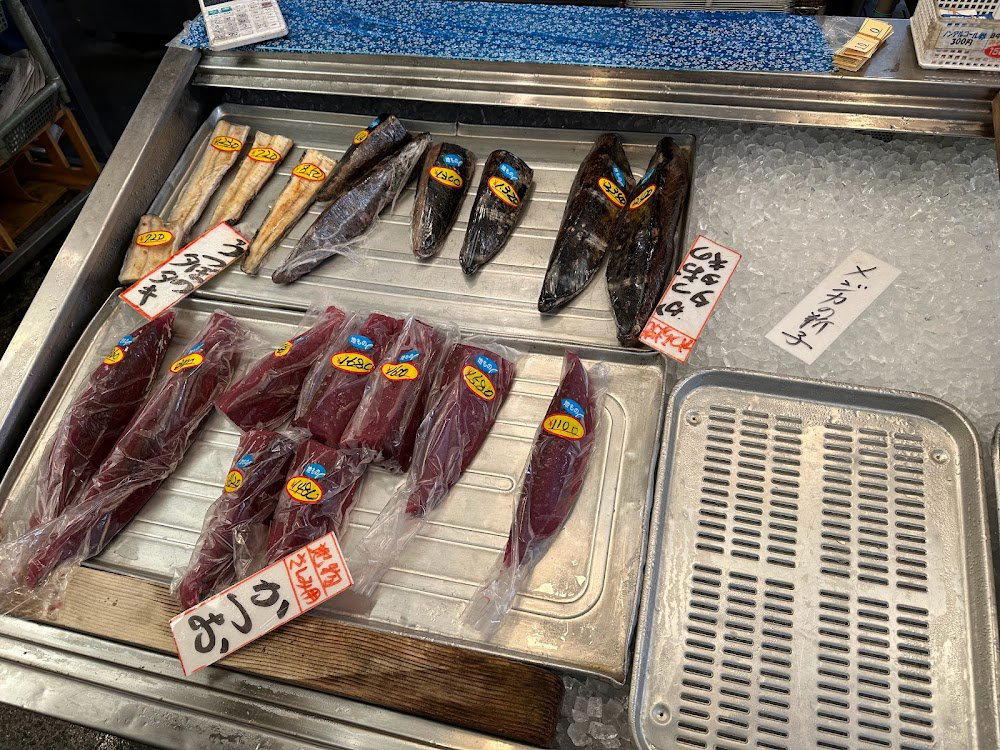
Kochi Prefecture sits on the southern edge of Shikoku, facing the Pacific with a coastline that defines what locals eat and how they eat it. The fishing culture here is not incidental to the restaurant scene, it is the restaurant scene. Raw catch arrives from Tosa Bay in the early hours; by evening it appears on counters and tables across the city with minimal interference. Tanaka-sengyoten Ryoshigoya belongs to this tradition. The name itself signals the logic: sengyoten means fishmonger, ryoshigoya translates roughly as fisherman's hut or shack. The menu architecture is a direct extension of that etymology.
The Menu as Argument
In a city where the default approach to fish is directness, the most interesting restaurants are those that understand restraint as a form of curation rather than limitation. Tanaka-sengyoten Ryoshigoya operates on this premise. The menu, rooted in Kochi's seafood tradition, does not attempt to reframe local ingredients through an external culinary vocabulary. Instead, the structure prioritises provenance and daily availability over fixed courses or signature set pieces.
This is a meaningful distinction in the broader context of Japanese regional dining. The kaiseki format, dominant in Kyoto at places like Gion Sasaki in Kyoto, uses seasonal produce as the framework for a highly choreographed progression. Kochi's fisherman-style restaurants take a different approach: the menu is the catch, and the catch is what came in that morning. What looks like informality is actually a disciplined supply-chain logic that rewards guests who understand what they are eating and where it came from.
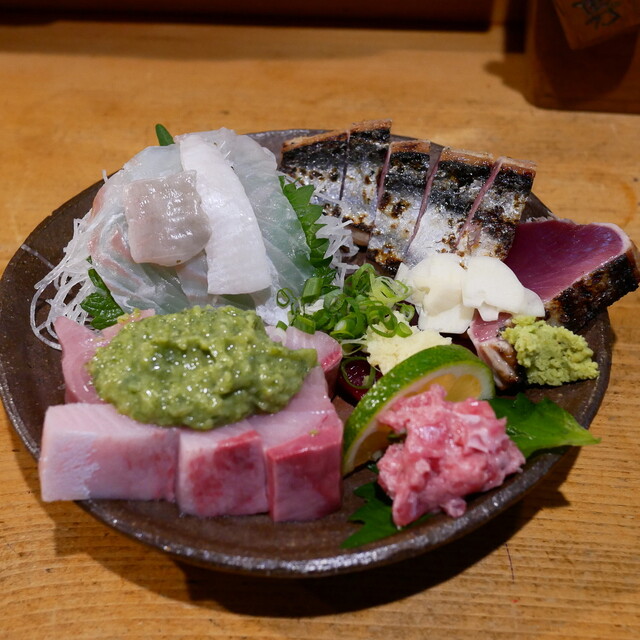
Katsuo, skipjack tuna, is the defining fish of Kochi's culinary identity. Prepared as tataki, the fish is seared briefly over straw, then sliced and served with garlic, ginger, and a sharp ponzu. The technique is specific to the Tosa region and rarely replicated with the same character elsewhere in Japan. A restaurant operating in this format signals, through its menu structure, that it is engaging with local tradition rather than importing national trends. Tanaka-sengyoten Ryoshigoya sits inside that regional commitment.
Kochi in the Context of Japan's Regional Dining Scene
Japan's fine dining conversation is disproportionately concentrated in Tokyo, Osaka, and Kyoto. Restaurants like HAJIME in Osaka, Harutaka in Tokyo, and akordu in Nara attract international attention partly because they sit in cities with developed tourism infrastructure and English-language media coverage. Kochi operates outside this circuit almost entirely. There is no Michelin Guide coverage for the prefecture. The dining culture is local-first in the most literal sense: the restaurants that matter here are the ones the fishing families and market traders return to, not the ones that appear on international lists.
This absence of external validation cuts both ways. It means less tourist traffic and more neighbourhood regularity, a different atmosphere entirely from the curated calm of a Michelin-starred counter. It also means that comparisons to formally recognised peers elsewhere in Japan, such as Goh in Fukuoka, only go so far. Kochi's leading seafood restaurants are operating on a different value system: one where freshness, regional specificity, and informality of service are the metrics that matter.
Other Kochi options worth considering alongside Tanaka-sengyoten Ryoshigoya include Hirome Market, the sprawling covered market near Harimaya Bridge where multiple vendors operate under one roof, and Kochi Izariya, which takes a more izakaya-oriented approach to similar ingredients. For a different register entirely, Brasserie 三法 and Canvas Restaurant & Pizzeria represent Kochi's smaller but growing Western-influenced dining tier. MIKI ドゥーブル occupies a more personal fine-dining space. Each takes a different position; Tanaka-sengyoten Ryoshigoya holds the line on the straight-from-the-sea format.
For broader context on regional Japanese dining that sits outside the major metropolitan benchmarks, it is worth noting how comparable fishing-culture restaurants operate in other rural prefectures, such as 一本木 右川製 in Nanao on the Noto Peninsula, or how seasonal catch-driven menus function in cold-water northern settings like 古代山乃 in Sapporo. The supply logic is consistent across these formats: proximity to source determines what is possible at the table.
Planning a Visit
The city is compact enough to navigate on foot between Kochi Castle, the Sunday morning Ichi market, and the restaurant districts around Obiyamachi and the covered arcades to the south.
Accolades, Compared
Comparable venues nearby, for context on price, style, and recognition.
| Venue | Cuisine | Price | Awards | Notes |
|---|---|---|---|---|
| Tanaka-sengyoten RyoshigoyaThis venue — the venue you are viewing | Traditional Japanese Seafood | $$ | , | |
| Hungry Bear | Japanese-Western Hamburger Steak | $$ | , | Kozaki |
| Kamon Tei | Traditional Japanese Izakaya & Seafood | $$ | , | / |
| やいろ亭 | Kochi-Style Izakaya Specializing in Katsuo no Tataki | $$ | , | 帯屋町 |
| Hirome Market | Kochi Street Food Market with Seared Bonito | $$ | , | Obiyamachi |
| Cock Doll | Japanese Yoshoku (Western-style cuisine) | $ | , | Horizume |
Continue exploring
More in Kochi
Restaurants in Kochi
Browse all →
At a Glance
- Rustic
- Cozy
- Casual Hangout
- Open Kitchen
- Sake Program
- Local Sourcing
- Sustainable Seafood
Casual, down-home atmosphere in a bustling local market setting.