
Kochi’s late-night eating culture is built around compact formats, quick turnover, and food that makes sense after drinks rather than before them. Yatai Yasubee belongs to that tradition: a dumpling-and-izakaya address with Tabelog 100 Dumplings recognition in 2019, 2021, and 2024, rooted in a food-stall lineage dating to 1970.
Pearl is the En Primeur Club membership app — saves, bookings, and concierge access live there. Same editors, same standards.
- Address
- 4-19 Nijudaimachi, Kochi, 780-0843, Japan
- Phone
- +81 88-873-2773
- Website
- mfc-group.jp
 Saves & bookings on Pearl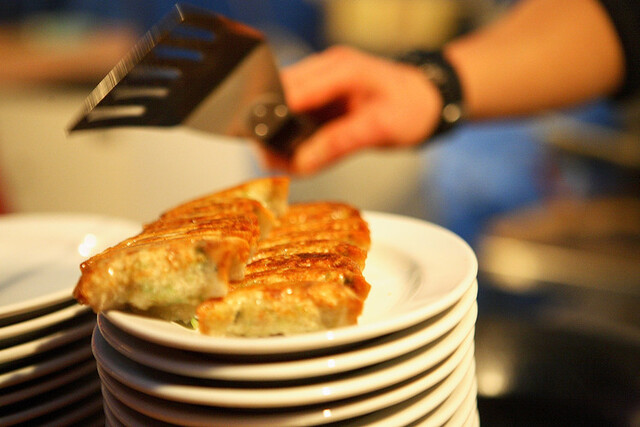
Approaching a Kochi dumpling counter at night is about compression rather than ceremony: steam, street movement, small-plate rhythm, and a city that eats late without performance. Yatai Yasubee fits that grammar. Its category is humble, dumplings and izakaya food, yet the format says more about Kochi than a formal dining room: a port-and-market city where after-dark meals reward speed, heat, and repetition over elaborate sourcing narratives.
The useful lens is turnover. In Japan’s better gyoza culture, freshness is often less about distant provenance than the pace at which dough, filling, pan, and table keep moving. Dumplings depend on assembly and timing; the ingredient story comes through texture and temperature control, not a farm list. Kochi’s drinking districts add another demand: food must stand beside sake, beer, and conversation while staying inexpensive enough to order casually and often.
Kochi's dumpling culture is casual, but the recognition is not accidental
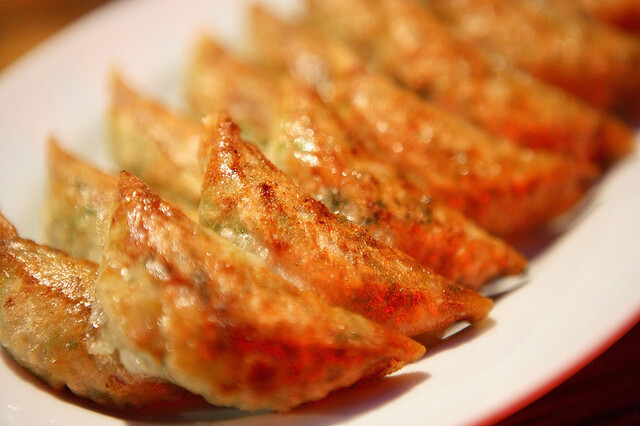
Japan has a deep regional dumpling map, from specialist counters to izakaya side orders, and Tabelog’s Dumplings 100 selection gives it a national frame. Yatai Yasubee was selected for Tabelog 100 Dumplings in 2019, 2021, and 2024, a useful signal because gyoza rarely benefits from luxury shorthand. There is no tasting-menu scaffolding, no grand cellar to tilt perception. A dumpling shop earns attention through repeatable basics: filling balance, wrapper handling, heat management, and serving a crowd without letting the food sag.
That matters in Kochi, where eating out often favours lively, flexible rooms over rigid occasion dining. The city comparison set is broad: Italian at トラットリア リーベロ, Chinese-bar pacing at チャイナバル茂, local cooking at Kochi Izariya, sushi at 将人 and うますし. Dumplings occupy another lane: less a long sit-down meal than a precise hit of cooked-to-order comfort, food that can anchor a night or close one.
The food-stall lineage is not nostalgia. The restaurant opened in 1970 and moved in 2013 from a stall along the Enokuchi River. That history places it inside Kochi’s yatai tradition, where compact cooking, exposed service, and quick decisions shape the meal. Modern polish can flatten regional character; here, continuity of format is more persuasive. A gyoza-and-izakaya room with counter seating and open terrace space preserves the stall’s social architecture after relocation.
Ingredient value here is measured by immediacy, not luxury sourcing claims
Premium dining often uses sourcing as status language: named producers, rare cuts, limited fish, seasonal vegetables as proof of seriousness. Dumpling culture works differently. The question is not whether an ingredient sounds expensive, but whether it can be handled consistently in volume. Wrappers need resilience, fillings need fat and seasoning in proportion, and cooking must deliver contrast without fuss. In a place repeatedly selected for a national dumpling list, the evidence is category discipline, not spectacle.
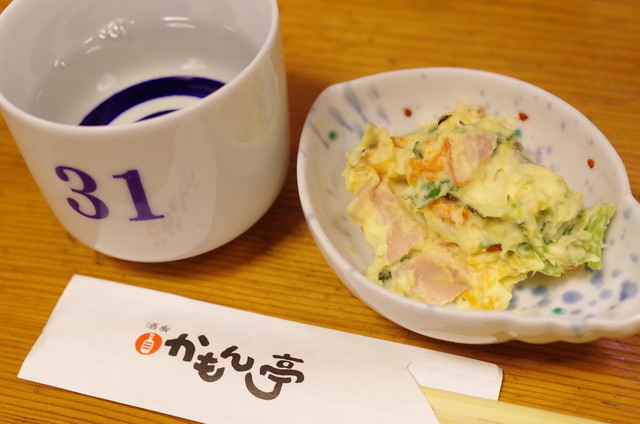
This is why Kochi’s casual food culture can reveal more than its formal rooms. The city’s dining identity is tied to immediacy: seafood markets, drinking streets, counter-service habits, and foods built for groups of friends rather than solo reverence. Yatai Yasubee’s izakaya classification matters because dumplings are part of a broader drinking table, not an isolated craft object. Sake is listed among the drinks, and the pairing logic is plain: salt, heat, and fat need a drink that resets the palate without turning the meal into theatre.
For travellers mapping Kochi through food, this sits closer to local rhythm than destination-dining detour. A city guide can point to broader options, from Brasserie 一柳 and Canvas Restaurant & Pizzeria to Cock Doll, Donko, and Hirome de Yasubee. The point is not ranking, but seeing how Kochi moves between Western formats, izakaya cooking, dumpling counters, and market-adjacent social eating.
How to place it within a Kochi night
The 40-seat room sits in the middle ground: not a tiny counter that turns dinner into a reservation contest, not a hall that dilutes the stall-born mood. Counter seating and terrace space give it the casual vocabulary of a yatai descendant, while the no-smoking policy and wheelchair access make the format less rough-edged than “stall” may suggest to first-time visitors. Children are welcome, and take-out is listed, reinforcing this as everyday dining culture rather than an occasion-only address.
Payment is cash-based in practice, with credit cards, electronic money, and QR code payments not accepted. Parking is unavailable, and the nearest tram stop is Hasuikemachi Dori. Those details shape the decision more than romantic language: this is a central-nightlife stop to fold into an evening on foot or by local transit, not a remote meal planned around a car. The late-service structure also makes it useful after other kitchens have narrowed their options.
For wider planning, our full Kochi restaurants guide shows where dumplings, izakaya cooking, Western dining, and local seafood formats sit in relation to one another. Travellers building a full itinerary can pair that with our full Kochi hotels guide, our full Kochi bars guide, our full Kochi wineries guide, and our full Kochi experiences guide. For a broader Japan-and-beyond comparison of casual-specialist formats, see -Grilled beef Sukiyaki- KAMAKURA TANUKIAN 鎌倉 たぬき庵 in Kamakura. 鮪と炭火焼き うお炭 秋葉原店 in Tokyo.cafe in Osaka.know in Kumamoto, (Shoku) Vietnam in Kawasaki, [Curry Senmon Ten] Maruyama Kyoju. in Sapporo, Jōdo Saké Bar in Los Angeles, and Onigiri Time in Pasadena.
The editorial case is narrow and strong: Kochi’s late-night dumpling tradition needs no luxury cues. It needs a room with momentum, a format built for repetition, and enough public recognition to separate durable craft from nostalgia. The restaurant has those signals, making it a sharp choice for travellers who want the city’s eating culture at street level, not through a polished tasting-menu lens.
Fast Comparison
Comparable venues by cuisine and price in the same metro.
| Venue | Cuisine | Price | Notes |
|---|---|---|---|
| Yatai YasubeeThis venue — the venue you are viewing | Kochi yatai gyoza & ramen izakaya | $ | Not listed |
| Cock Doll | Japanese Yoshoku (Western-style cuisine) | $ | Horizume |
| 将人 | Edomae Omakase | $$$ | Fort Kochi |
| Hirome de Yasubee | Kochi yatai gyoza & Japanese snack bar | $ | Obiyamachi / Hirome Market |
| Hirome Market | Kochi Street Food Market with Seared Bonito | $$ | Obiyamachi |
| やいろ亭 | Kochi-Style Izakaya Specializing in Katsuo no Tataki | $$ | 帯屋町 |
Recognition history
Dated appearances from independent guides and award organizations, with the underlying list record or original source where available.
Tabelog 100 #55 · No. 55
Tabelog · Tabelog 100 - Dumplings - 2024

At a Glance
- Lively
- Energetic
- Cozy
- Well Known
- After Work
- Late Night
- Casual Hangout
- Group Dining
- Solo
- Family
- Standalone
- Open Kitchen
- Courtyard
- Beer Program
- Local Sourcing
- Street Scene
Current opening hours
- Monday
- 7 PM–3 AM
- Tuesday
- 7 PM–3 AM
- Wednesday
- 7 PM–3 AM
- Thursday
- 7 PM–3 AM
- Friday
- 7 PM–3 AM
- Saturday
- 7 PM–3 AM
- Sunday
- Closed
Hours can change for holidays and private events. Last verified .