
Tabelog 100 #44
Our verdict
Donko belongs to Kochi’s serious izakaya tier, where seafood, regional cooking, sake and shochu carry more weight than décor or ceremony. Its repeated Tabelog 100 Izakaya selections place it among Western Japan’s more closely watched tavern addresses, with a fish-led identity that suits travelers using Kochi as a gateway to Shikoku’s coastal cooking.

Pearl is the En Primeur Club membership app — saves, bookings, and concierge access live there. Same editors, same standards.
- Address
- 2 Chome-1-21 Harimayacho, Kochi, 780-0822, Japan
- Phone
- +81 88-875-2424
- Hours
- Mon–Tue 5:30–11 PMWed ClosedThu–Sun 5:30–11 PM
- Website
- tabelog.com
- Directions
- Get directions
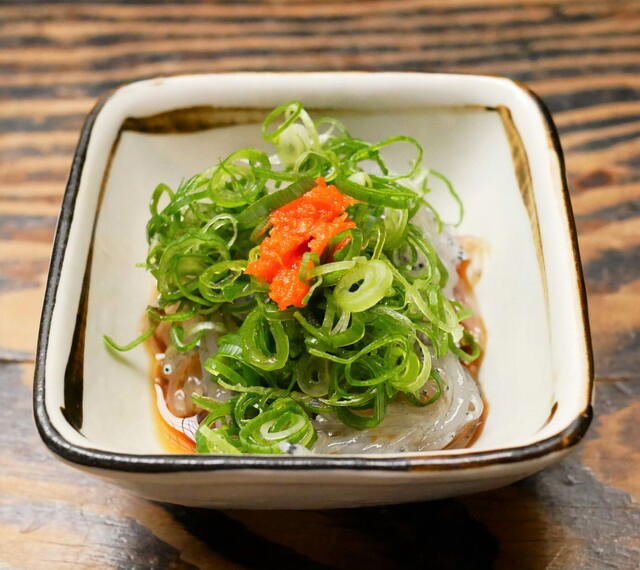
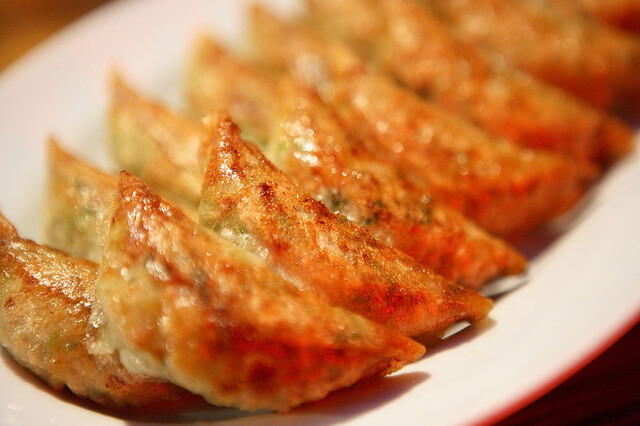
The menu
What to order
- Bonito
- Mackerel sushi
- Fried moray eel
- Simmered striped jack
Kochi has the useful friction of a working evening: small dining rooms, office drinkers, and the city’s habit of letting seafood do the talking before anyone reaches for ornament. In that setting, Donko reads less as a destination built for culinary theatre than as a compact expression of the local izakaya bargain: fish, regional dishes, drinks, and a room structured for conversation rather than spectacle.
Kochi rewards this kind of meal because the prefecture’s food culture is unusually tied to water. The city’s dining identity has long leaned on coastal catch, drinking food, and portions designed for sharing. Donko’s category spread, izakaya, regional cuisine, and seafood, puts it in that practical tradition. The point is not a tasting-menu argument; it is the rhythm of a table ordering around what belongs with the first drink, what needs rice, and what can carry the next round.
Fish-led izakaya cooking with a Kochi accent
The useful way to understand the kitchen is through sourcing logic rather than chef biography. Kochi’s strongest tables tend to make sense when the ingredient chain feels direct: seafood arrives as the anchor, regional preparations give it shape, and the izakaya format works as support rather than decoration. Donko’s listed categories are izakaya, regional cuisine, and seafood, which places the meal squarely in the tavern lane where product quality matters more than plating choreography.
That matters for travelers comparing Kochi with larger Japanese food cities. Tokyo and Osaka can turn izakaya dining into format, concept, or reservation sport; Kochi’s better taverns are more direct. The regional value lies in access to local seafood culture and drinking-room informality. Donko’s 2025 Tabelog Hyakumeiten recognition, alongside a listed score of 3.76, is the trust signal here: not a claim of luxury, but evidence that the room has been noticed inside a competitive dining category.
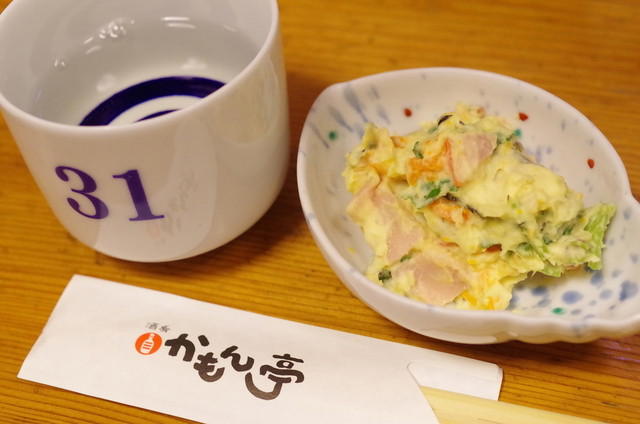
Within Kochi, the comparison set splits quickly. Other Kochi dining rooms give visitors public, high-energy versions of local food, while more casual counters sit closer to the snack-and-drink end of the spectrum. Kamon Tei and Imadoki Yasubee help show how varied the city’s dining map can be. Donko sits in its own lane: serious enough to warrant planning, casual enough to retain the izakaya grammar.
The room favors drinking-table pacing over ceremony
The format tells travelers what to expect. Donko is best approached as an izakaya rather than as a hushed counter performance or a formal destination restaurant. That also signals how Kochi locals often use this genre: friends, colleagues, and repeat diners building a meal through shared plates, fish-led orders, and drinks that keep the table moving.
The smarter expectation is category literacy rather than a fixed script. This is not a venue to approach only through a glossy menu preview or a heavily translated online funnel. Order around fish, regional cooking, and the room’s izakaya structure, then let that structure dictate pace. For a broader map of the city’s dining range, our full Kochi restaurants guide is the better starting point; travelers building a full itinerary can pair it with our full Kochi hotels guide, our full Kochi bars guide, our full Kochi wineries guide, and our full Kochi experiences guide.
Other Kochi addresses sharpen the reading. Brasserie 一柳 and オステリア ビベール point toward different modes in the same city, while アンナータ illustrates how local dining lists can stretch beyond the izakaya frame. Donko’s value is narrower and clearer: Kochi seafood and tavern dining culture under one roof.
Where it fits in a Japan dining itinerary
For visitors moving across Japan, Donko is useful precisely because it is not trying to replicate metropolitan polish. The country’s restaurant culture can be read through contrasts across regions, from formal rooms to casual specialist counters and drink-led neighborhood places. Kochi’s contribution is less about novelty and more about the disciplined pleasure of fish, drink, and regional habit.
That is also why the meal belongs in a mature itinerary rather than a checklist. Travelers who only want a famous dish may find Kochi easier at more obvious first-stop counters. Those who understand izakaya dining as a sequence of small decisions will get more from this address: which fish-led plates to build around, when to keep ordering, and how long to let the table run. Donko’s Tabelog recognition gives external confirmation, but the deeper appeal is category fit. It is a Kochi tavern for diners who want the prefecture’s seafood culture without turning dinner into a formal performance.
For readers cross-referencing Japanese and Japanese-adjacent dining more broadly, the contrast is instructive. Different formats can define a meal as much as cuisine: the room, the drinking rhythm, the menu structure, and the level of ceremony all change the meaning of dinner. Donko’s format is the old izakaya equation, tightened by Kochi’s access to fish and supported by the city’s tavern culture.
Frequently asked questions
What's the price range at Donko?
Pricing at Donko is listed as JPY 5,000 - JPY 5,999 - JPY 999, with dinner listed at JPY 5,000 - JPY 5,999 and lunch listed at - JPY 999.
What are Donko's hours?
Current opening hours are not included in the provided record for Donko. Check directly with the restaurant before planning a visit.
Where exactly is Donko?
Kochi.
What's the defining dish or idea at Donko?
The core idea is fish-led izakaya cooking in Kochi, with izakaya, regional cuisine, and seafood listed in its Tabelog profile. That focus is reflected in Donko’s 2025 Tabelog Hyakumeiten recognition.
Can Donko adjust for dietary needs?
Donko’s profile centers on izakaya cooking, regional cuisine, and seafood, so dietary needs are best handled by speaking in advance with the restaurant at +81-88-875-2424.
Fast Comparison
Comparable venues by cuisine and price in the same metro.
| Venue | Cuisine | Price | Awards | Notes |
|---|---|---|---|---|
| DonkoThis venue — the venue you are viewing | Kochi Izakaya and Regional Seafood | $30–50 | Tabelog 100 #44 | Not listed |
| Myojinmaru (明神丸) | Straw-Fire Grilled Bonito Izakaya | $20–30 | Not listed | 本町 |
| Yairo Tei | Kochi seafood izakaya specializing in seared bonito | Not listed | Not listed | Obiyamachi / Hirome Market |
| Hirome Market | Kochi Street Food Market with Seared Bonito | $10–20 | Not listed | Obiyamachi |
| やいろ亭 | Kochi Izakaya / Seared Bonito | $10–20 | Tabelog 100 #80 | 帯屋町 |
| うますし | Kochi Sushi Omakase | $500+ | Not listed | Horizume |
Recognition history
Dated appearances from independent guides and award organizations, with the underlying list record or original source where available.
Tabelog 100 #44 · No. 44
Tabelog · Tabelog 100 - Izakaya - WEST - 2025
Details
- Cozy
- Classic
- Casual Hangout
- After Work
- Group Dining
- Standalone
- Sake Program
- Local Sourcing
- A La Carte
- Sake
- Shochu
- Pescatarian Friendly
Current opening hours
- Monday
- 5:30–11 PM
- Tuesday
- 5:30–11 PM
- Wednesday
- Closed
- Thursday
- 5:30–11 PM
- Friday
- 5:30–11 PM
- Saturday
- 5:30–11 PM
- Sunday
- 5:30–11 PM
Hours can change for holidays and private events. Last verified .
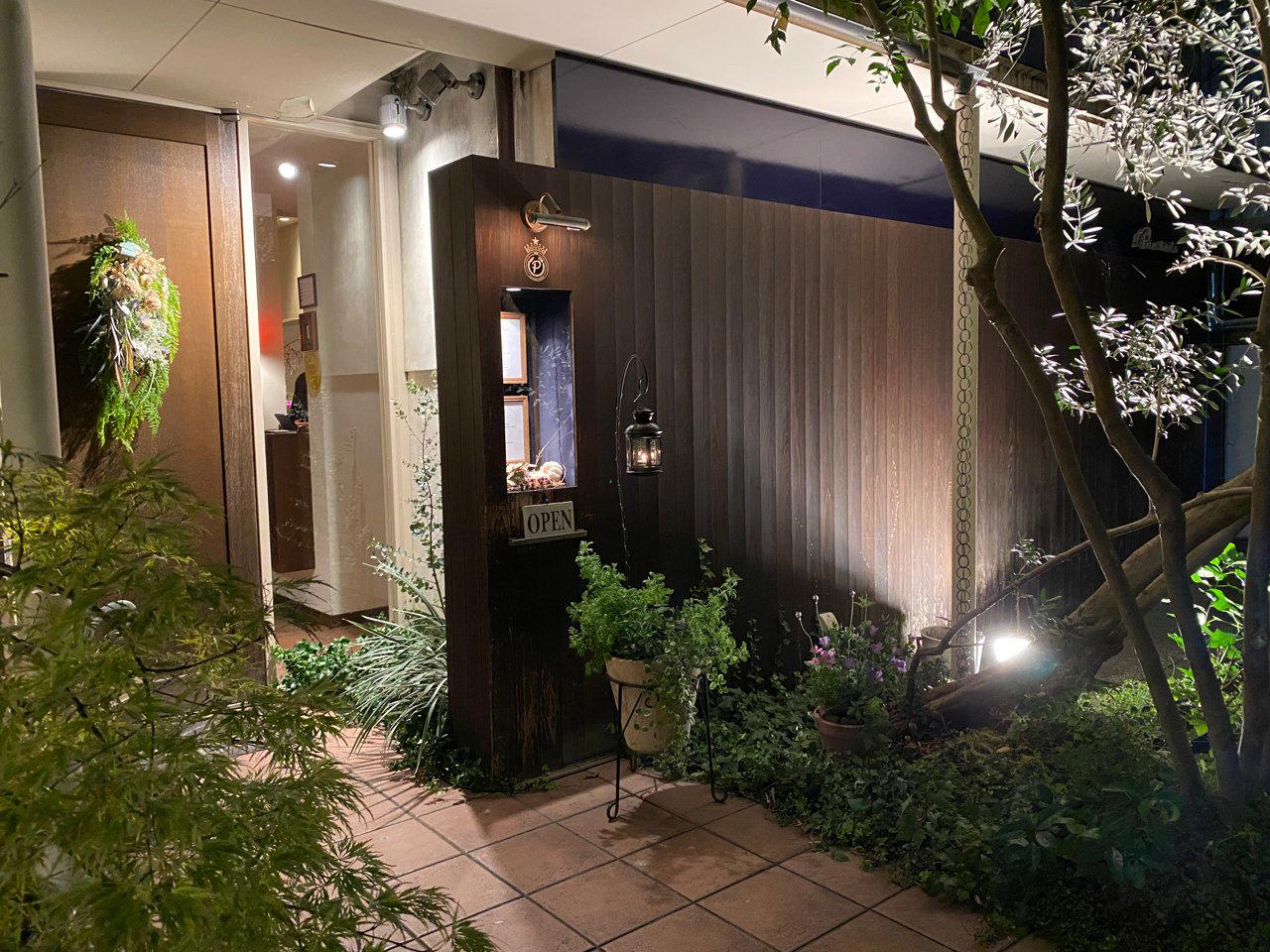
A cozy, retro-feeling hideout with a relaxed Japanese-house atmosphere and intimate izakaya energy.