
An agriturismo outside Frascati built around wild herb foraging, Erba Regina is where Rome's starred kitchens come to source their ingredients. The cook and owner, Regina, supplies herbs and wildflowers to restaurants including Heinz Beck's three-Michelin-star La Pergola. Meals here read less like a restaurant visit and more like eating at the origin point of the capital's leading tables.
Pearl is the En Primeur Club membership app — saves, bookings, and concierge access live there. Same editors, same standards.
- Address
- Vicolo di Colle Reti, 2, 00044 Frascati RM, Italy
- Phone
- +39 335 826 6742
- Website
- erbaregina.it
- Directions
- Get directions
 Saves & bookings on Pearl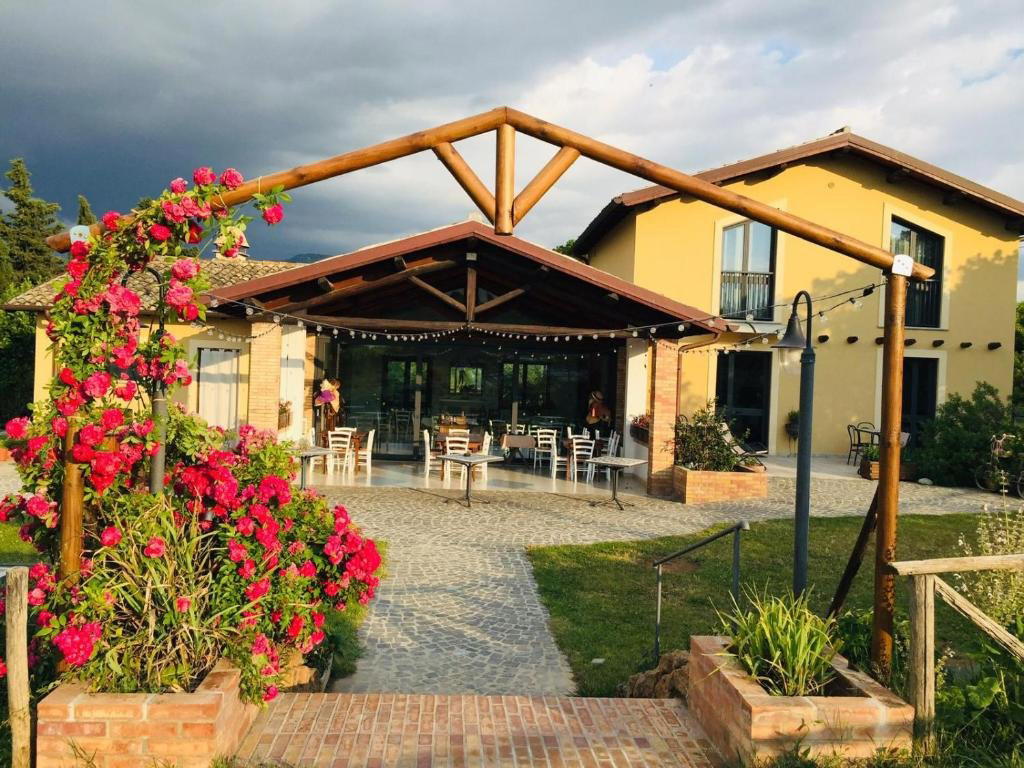
Where Rome's Starred Kitchens Begin
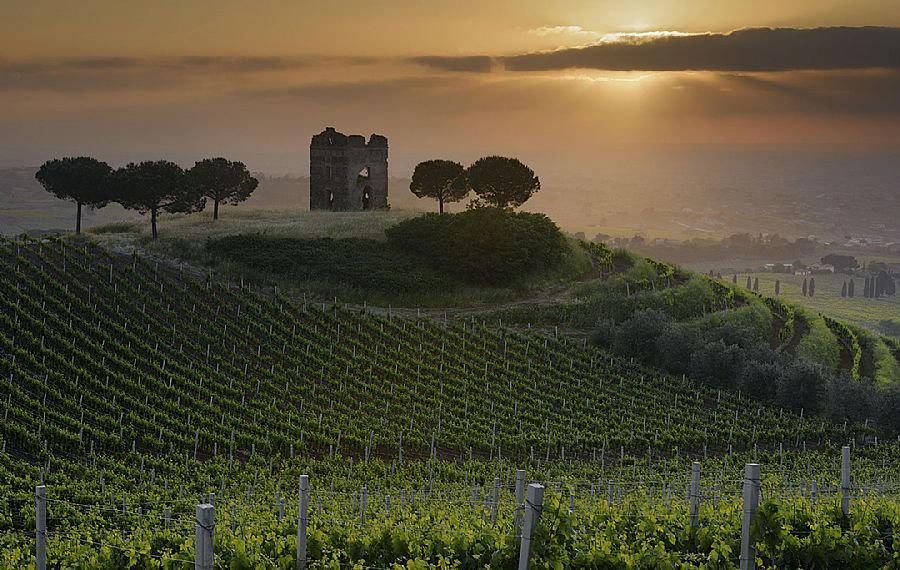
The Castelli Romani hills above Frascati have long fed the capital, first with wine, then with produce that found its way into Roman cucina povera, and now, increasingly, into the prep kitchens of the city's most decorated restaurants. The road to Vicolo di Colle Reti is narrow and steep in the way of the region, lined with scrub and terraced stone, and the approach to Erba Regina announces its priorities before you reach the door: this is a place defined by what grows around it, not by what can be ordered in.
Agriturismo dining in Lazio sits in a distinct category, separate from both the trattoria tradition of the city and the tasting-menu formalism of Italy's fine-dining circuit. The leading examples, and this is one of them, operate as a direct expression of a specific parcel of land and the knowledge required to read it. At Erba Regina, that knowledge centres on wild herbs and edible flowers, gathered from the surrounding hills and used across a menu that functions as both a meal and an argument for hyperlocal sourcing at its most literal.
The Sourcing Logic Behind the Plate
Italy's conversation about ingredient provenance has intensified over the past decade, driven partly by the country's Michelin-starred contingent, which increasingly frames sourcing as a form of storytelling. Restaurants like Osteria Francescana in Modena, Reale in Castel di Sangro, and Piazza Duomo in Alba have each built identities around where their raw materials come from, investing significantly in producer relationships to do so. Erba Regina occupies an unusual position in this chain: it is not a restaurant that sources from foragers; it is, in effect, the forager.
The owner and cook, Regina, supplies wild herbs and wildflowers directly to some of Rome's most recognised kitchens. Among them is La Pergola, the three-Michelin-star restaurant operated by chef Heinz Beck, which sits in the peer tier occupied by the country's most technically ambitious tables, alongside Enoteca Pinchiorri in Florence, Le Calandre in Rubano, and Enrico Bartolini in Milan. The fact that a three-star kitchen sources its botanical ingredients from the Frascati hills is itself a trust signal worth pausing on. Those procurement decisions are not made casually.
What this means at the table is that the ingredients arriving at Erba Regina have not been selected for yield or shelf life. They have been chosen because someone with deep field knowledge decided they were worth picking. That is a different starting point from most restaurants in any price tier, and it shapes everything that follows.
Herbs as Culinary Infrastructure
In professional kitchens, wild herbs function differently from cultivated ones. Their flavour profiles are less predictable, often more intense, and tied to season and microclimate in ways that cannot be replicated with farmed equivalents. Chefs at the level of Beck's La Pergola prize this specificity, using it to create dishes that could not be assembled elsewhere from different raw materials. The same logic, applied at source, is what gives the cooking at the restaurant its rationale.
Regina also runs courses on wild herb identification, which positions the agriturismo as an educational operation as much as a dining one. This is consistent with a broader pattern visible in Italy's food culture, where particularly ingredient-focused producers have begun formalising the knowledge that previously existed only as practice. Atelier Moessmer Norbert Niederkofler in Brunico and Dal Pescatore in Runate represent different versions of this tendency at the restaurant end; the restaurant represents it at the origin end.
Frascati as a Dining Context
Frascati's reputation rests primarily on its wine, specifically the dry white DOC that carries the town's name and has been produced in these hills for centuries. The area draws day-trippers from Rome, roughly 20 kilometres to the northwest, and its restaurant scene has historically been oriented toward that traffic: casual, volume-focused, and built around local wine pairings rather than culinary ambition. The restaurant sits outside that pattern. It operates as a destination in its own right for those whose interest begins with what is on the plate.
Placing It in the Wider Italian Dining Map
Italy's restaurant spectrum runs from neighbourhood trattorias through to the formal tasting-menu operations at its apex. The restaurant belongs to neither end in a direct way. It is an agriturismo, which in Italian law means it is an agricultural concern that offers hospitality as a secondary activity, and the food is cooked by the person who also works the land and runs the foraging courses. This is a different model from the chef-driven destination restaurants that dominate critical attention, places like Uliassi in Senigallia, Quattro Passi in Marina del Cantone, or Casa Perbellini 12 Apostoli in Verona.
The comparison that matters here is not with fine-dining peers but with the sourcing chain those peers depend on. Eating at the restaurant is eating one step closer to the raw material than almost anywhere else in Lazio. That is not a marginal distinction when the raw material in question is what distinguishes a three-star kitchen's botanical work from everyone else's.
For reference, kitchens at the level of Le Bernardin in New York City or Emeril's in New Orleans operate in a different category and geography, but they share the same underlying principle: that sourcing specificity is the foundation on which everything else is built. The restaurant makes that principle visible in a way that is unusual even by Italian standards.
Planning Your Visit
The restaurant is located at Vicolo di Colle Reti, 2, in Frascati, in the RM province of Lazio. The address is in the hill country above the town centre, accessible by car rather than on foot from the main piazza. Frascati is served by regional rail from Roma Termini, with the journey running around 30 minutes, but the agriturismo's position outside the town proper makes a rental car or taxi the more practical option for the final approach. Given the nature of the operation, advance contact and reservation is advisable; agriturismo kitchens typically cook to confirmed numbers rather than walk-in demand, and the herb-course programme in particular will require prior booking. Pricing is around $35 per person.
At-a-Glance Comparison
Comparable venues nearby, for context on price, style, and recognition.
| Venue | Cuisine | Price | Notes |
|---|---|---|---|
| Erba ReginaThis venue — the venue you are viewing | Italian Herb-Focused Farmhouse Cuisine | $$ | Not listed |
| Amaranto | Modern Roman Pizza al Taglio | $$ | Trieste |
| Pane e Tempesta | Roman Pizza al Taglio and Tonda | $$ | Gianicolese |
| Misticanza | Italian Vegetarian Nouvelle Cuisine | $$ | Appio-Latino |
| Gelateria La Romana | Artisanal Italian Gelato | $$ | Sallustiano |
| Venchi Cioccogelateria | Italian Chocolate Gelateria | $$ | San Marco |
Recognition history
Dated appearances from independent guides and award organizations, with the underlying list record or original source where available.
We're Smart World 3 Radishes
We're Smart World
Continue exploring
More in Frascati
Restaurants in Frascati
Browse all →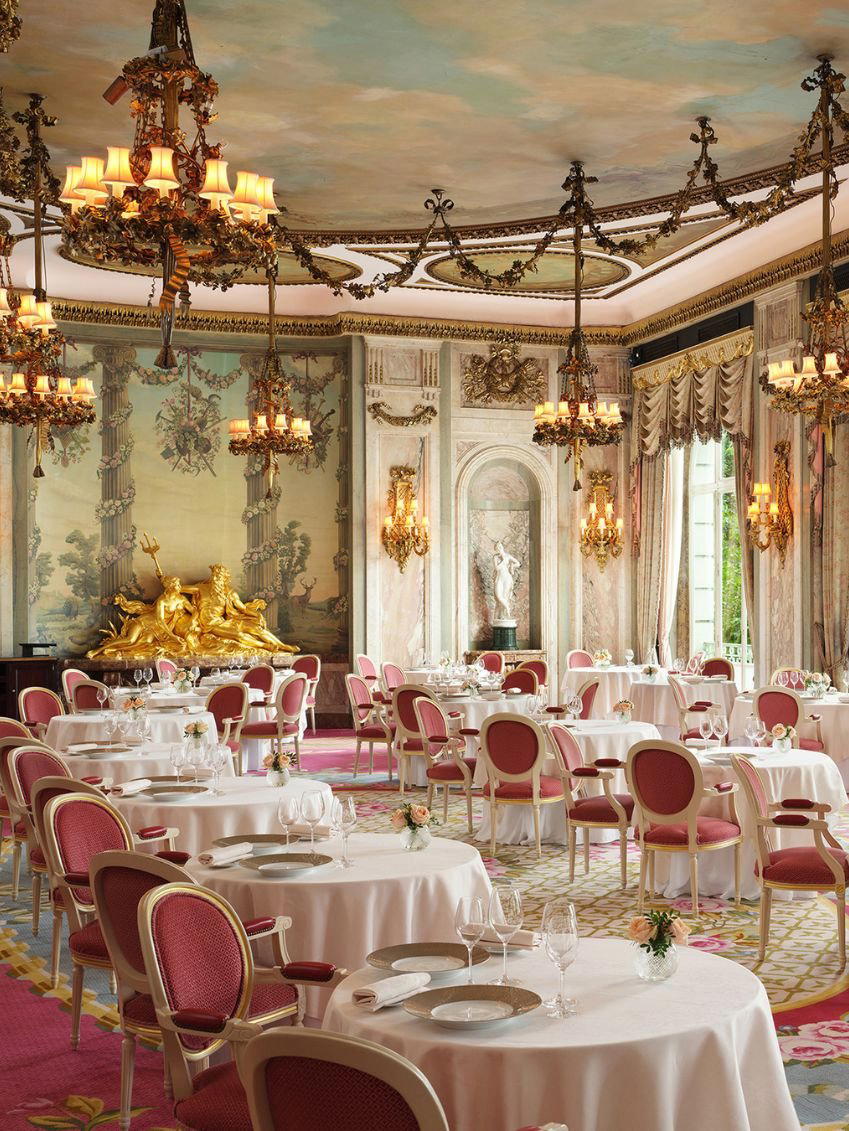
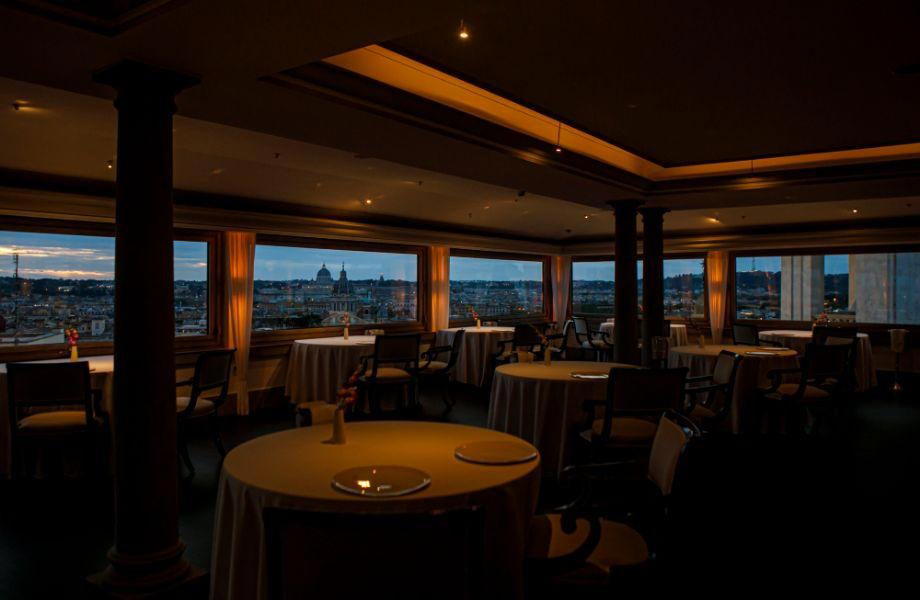
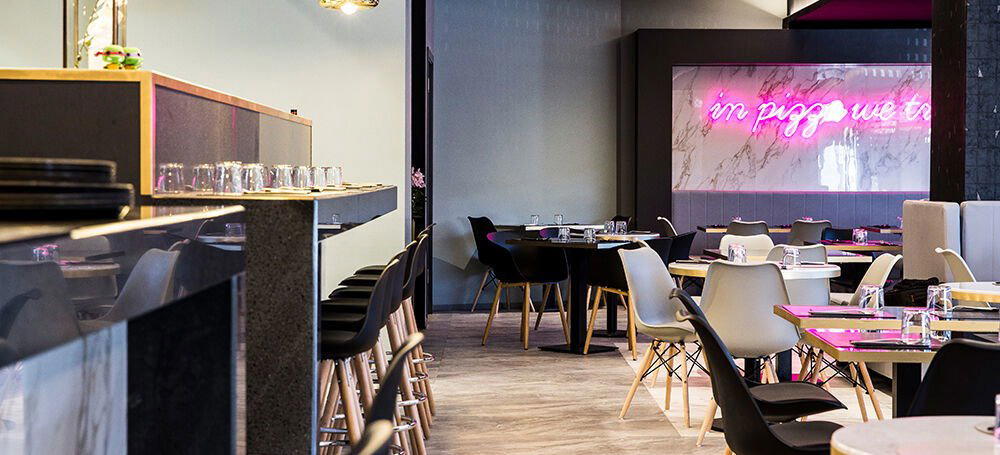
Bars in Frascati
Browse all →
Hotels in Frascati
Browse all →

At a Glance
- Rustic
- Cozy
- Scenic
- Quiet
- Family
- Celebration
- Casual Hangout
- Garden
- Local Sourcing
- Garden
- Mountain
Relaxed and tranquil countryside atmosphere immersed in herb gardens, with pleasant outdoor seating and natural serenity.