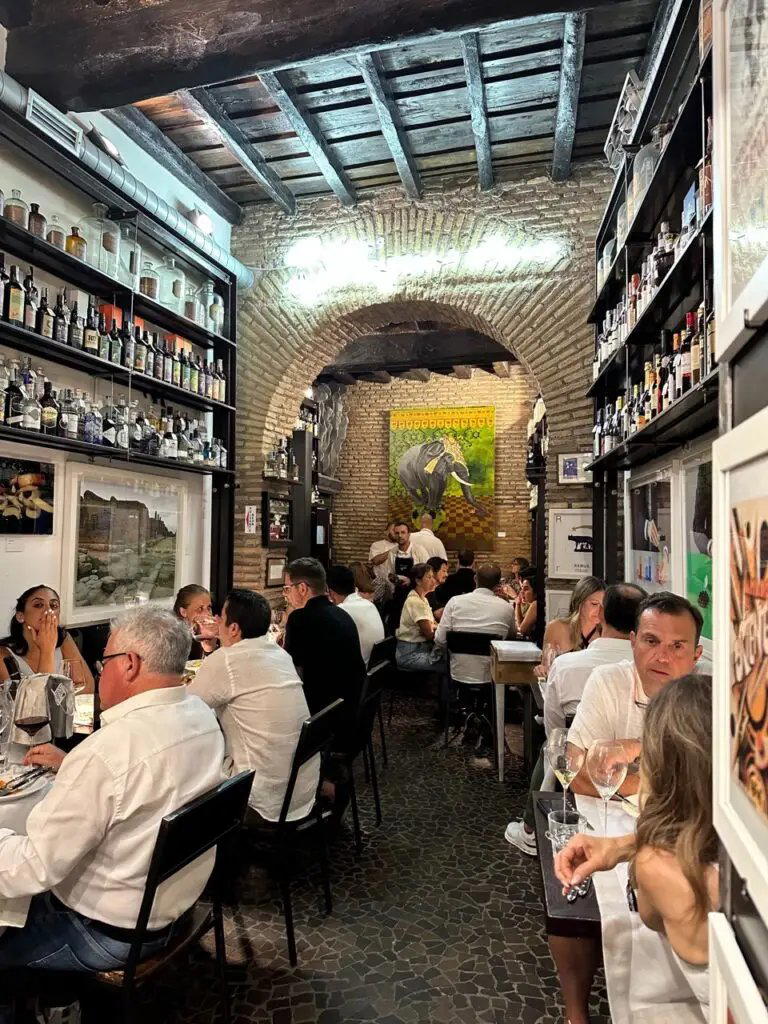
On Via del Teatro Pace in the historic centro storico, Enoteca Bellini Roma positions itself within Rome's wine-led dining tradition, where cellar depth shapes the meal as much as the kitchen does. Sitting a short walk from Piazza Navona, it occupies a niche between neighbourhood enoteca and destination dining room, drawing comparison with Rome's more established wine-forward addresses.
Pearl is the En Primeur Club membership app — saves, bookings, and concierge access live there. Same editors, same standards.
- Address
- Via del Teatro Pace, 37, 00186 Roma RM, Italy
- Phone
- +393385855279
- Website
- enotecabellini.it
- Directions
- Get directions
 Saves & bookings on Pearl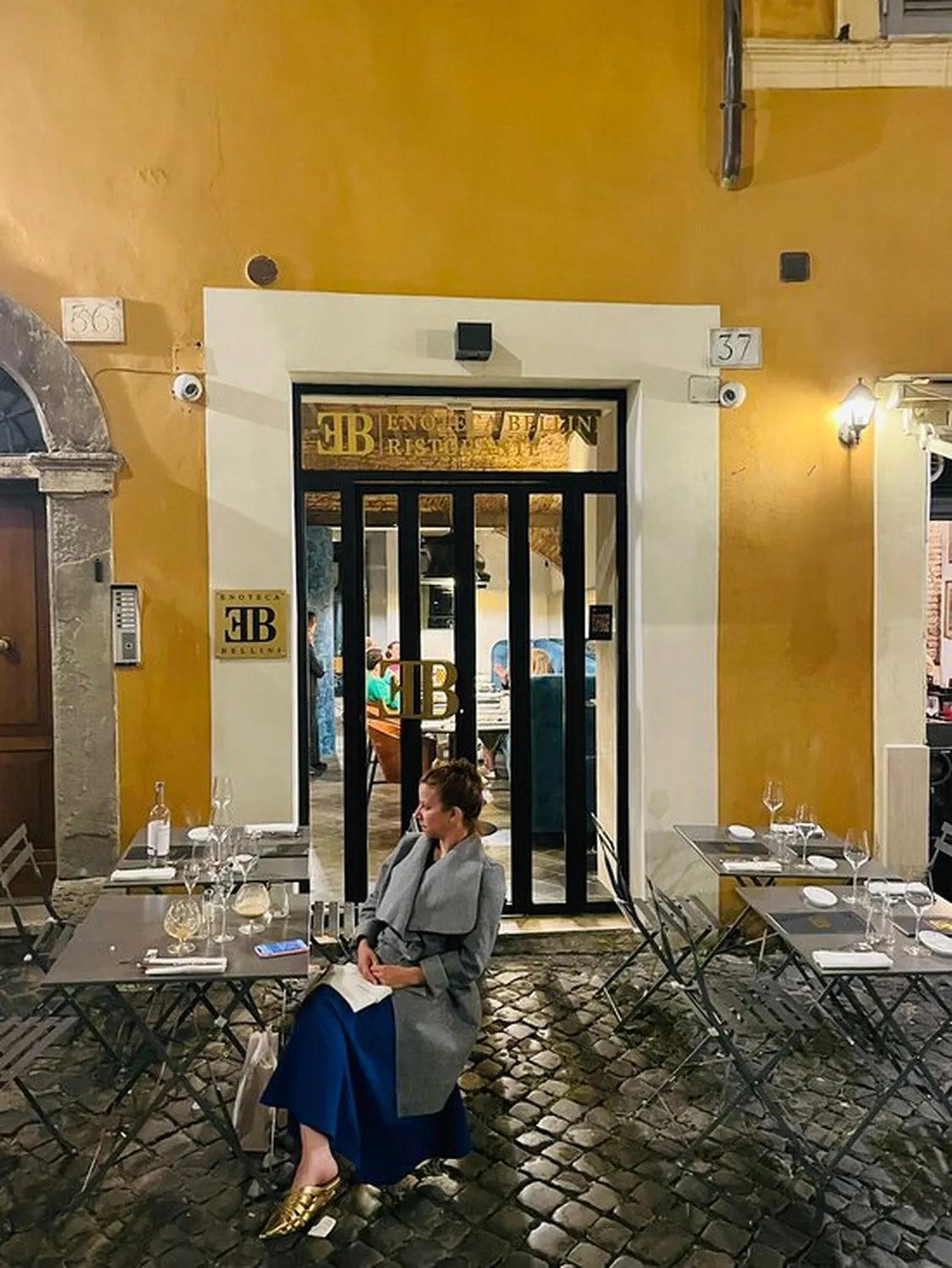
Where the Cellar Sets the Agenda
Via del Teatro Pace runs parallel to the noise of Piazza Navona without quite belonging to it. The street holds the particular quality of Rome's older residential fabric: stone facades that absorb afternoon light, doorways that open onto narrow interior courtyards, and a quiet that feels earned rather than curated. Enoteca Bellini Roma sits on this street at number 37, and the address alone signals something about the register it operates in. This is Rome of rooms that require a degree of intention to find. It is the Rome of rooms that require a degree of intention to find, where the clientele arrives with a purpose rather than drifting in from the piazza.
In Italian dining culture, the enoteca format carries a specific set of expectations. It foregrounds wine without abandoning food, and the tension between cellar and kitchen defines the experience more than either element alone. Rome has its own canon of wine-led addresses, from the long-established Achilli al Parlamento near the Pantheon to the more architecturally ambitious Enoteca La Torre in the Prati neighbourhood. Bellini Roma enters this conversation from the centro storico, a position that carries both the advantage of density and the pressure of proximity to some of the city's most-visited addresses.
The Logic of a Wine-Led Room
Across Italy, the enoteca's role in fine dining has broadened over time. The format that once meant a bottle and a board of cold cuts has, at its upper tier, converged with the tasting-menu restaurant. The convergence happened because serious cellars need serious food to justify the bottle prices, and serious kitchens found that anchoring a meal to wine selection gave the menu a coherence that purely cook-led formats sometimes lack.
Florence's Enoteca Pinchiorri remains one documented Italian example of this evolution, with a cellar that has shaped its identity as much as any dish on the menu. At a different scale and register, the question for any Rome enoteca is how it positions its list relative to the quality of its cooking, and whether the two halves of the offer read as a coherent whole or as two separate propositions running alongside each other.
In Rome's current dining moment, the premium creative end is occupied by addresses like Il Pagliaccio and Acquolina. The wine-first format, by contrast, allows a room to carry significant price weight through the list rather than the tasting menu, which changes the arithmetic of the evening in ways that can work to the diner's advantage if the selection is genuinely deep.
Centro Storico as Context
Rome's centro storico is not a monolithic dining neighbourhood. The blocks between the Tiber and the Pantheon hold everything from tourist-facing trattorie to addresses that rank among Italy's most ambitious kitchens. La Pergola operates at the summit of the city's formal hierarchy, three Michelin stars and a cellar of considerable depth, though its location on the Monte Mario removes it from the centro storico's compressed geography. Within the historic core, the competition for a diner's attention is intense, which means that addresses on quieter streets like Via del Teatro Pace tend to survive on reputation passed between regulars rather than on footfall.
This dynamic applies across Italian fine dining more broadly. The country's noted provincial restaurants, from Dal Pescatore in Runate to Reale in Castel di Sangro, built followings that required genuine intent to act on. The centro storico version of this is a room that does not need to shout from a corner table facing a landmark. The address works as a filter: those who arrive have already made a considered choice.
Reading the Wine List as a Document
In any serious enoteca, the list functions less like a menu appendage and more like a statement of intent. The depth of Italian regions represented, the balance between aged stock and current releases, the presence or absence of natural and biodynamic producers, and the pricing structure across tiers all communicate something specific about what the room values. A list heavy in Barolo and Brunello di Montalcino tells a different story than one that moves through Campania, Etna, and the Alto Adige with equal confidence.
Italy's wine geography is dense enough that curation choices are genuinely revealing. Addresses like Piazza Duomo in Alba and Uliassi in Senigallia have built lists that reflect their regional positions as much as their ambitions, and the leading sommelier-led rooms in Rome operate on the same principle: the list is an argument about Italian wine, not simply an inventory of it.
How Bellini Fits the Rome Pecking Order
Rome does not have the wine-list density of Florence or the producer access of a northern city like Milan, where Enrico Bartolini operates closer to Lombardy's wine country. What Rome has is a dining culture that rewards rooms which commit to a clear identity. The enoteca format, when executed with genuine cellar investment, occupies a specific position in that culture: it is the meal where the wine is the reason you came, and the food earns its place alongside it.
For readers building a broader Italian itinerary, the country's benchmark rooms span considerable geography. Osteria Francescana in Modena, Le Calandre in Rubano, and Quattro Passi in Marina del Cantone each represent different regional expressions of the country's fine dining range. Within Rome, Bellini sits in the wine-led segment of that map, alongside addresses like Achilli al Parlamento that have built their identities around what is in the glass rather than what arrives from the pass.
Know Before You Go
Address: Via del Teatro Pace, 37, 00186 Roma RM, Italy
Neighbourhood: Centro Storico, close to Piazza Navona
Price tier: €€€
Leading approach: On foot from Piazza Navona (under five minutes) or by taxi to the nearest accessible point on Corso Rinascimento
Compact Comparison
Comparable venues nearby, for context on price, style, and recognition.
| Venue | Cuisine | Price | Notes |
|---|---|---|---|
| Enoteca Bellini RomaThis venue — the venue you are viewing | Ponte, Modern Italian Enoteca | $$$ | Not listed |
| Nativa | Aurelio, Modern Vegan Italian | $$$ | Not listed |
| Sora Lella | San Angelo, Traditional Roman Trattoria | $$$ | Not listed |
| Dal Bolognese | Campo Marzio, Traditional Emilian | $$$ | Not listed |
| 8th Floor Rooftop | Gianicolese, Contemporary Roman Cuisine | $$$ | Not listed |
| Al Ceppo | Not listed | $$$ | Parioli, Traditional Italian Seafood & Grill |
Continue exploring
More in Rome
Restaurants in Rome
Browse all →
Bars in Rome
Browse all →
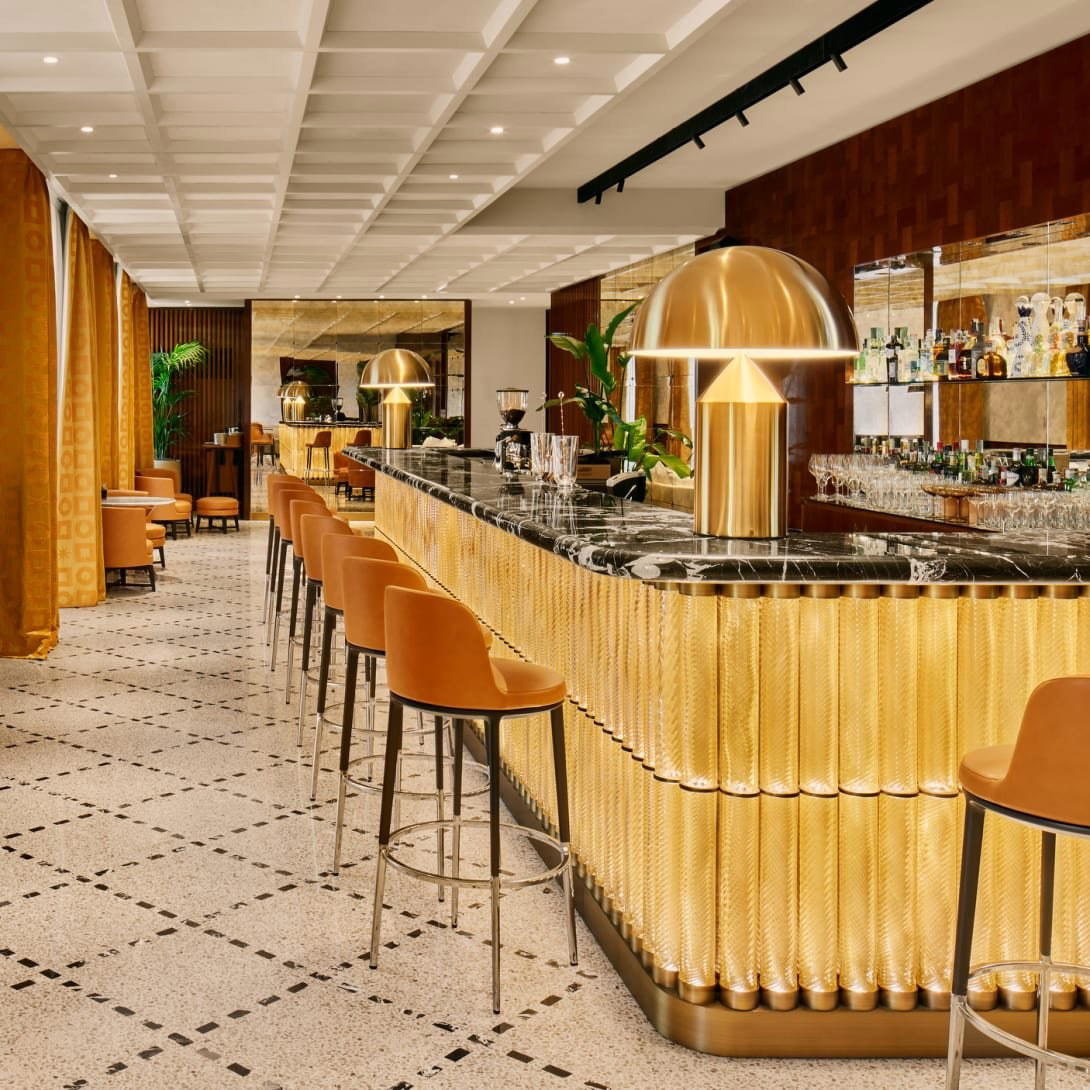
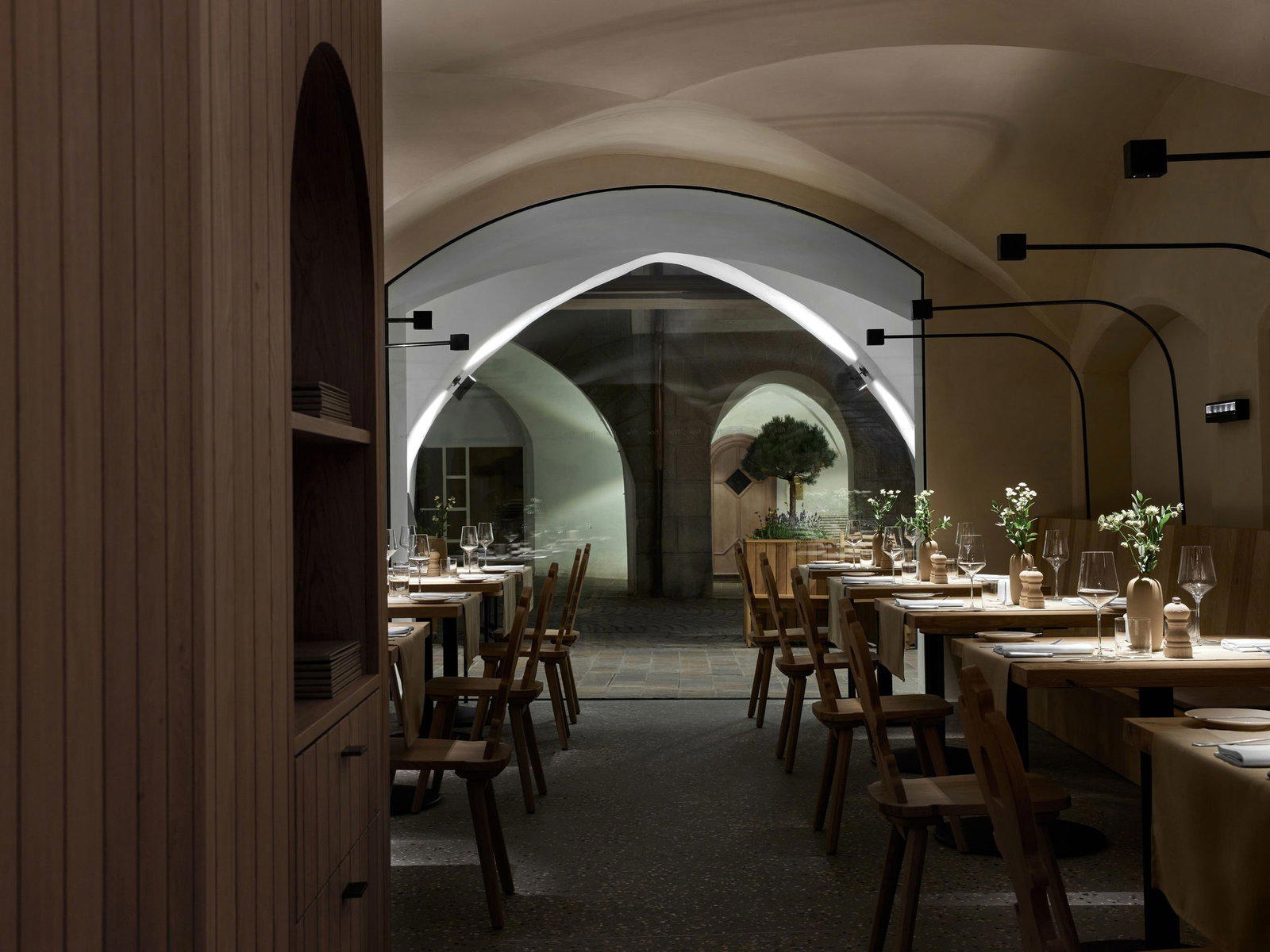
Hotels in Rome
Browse all →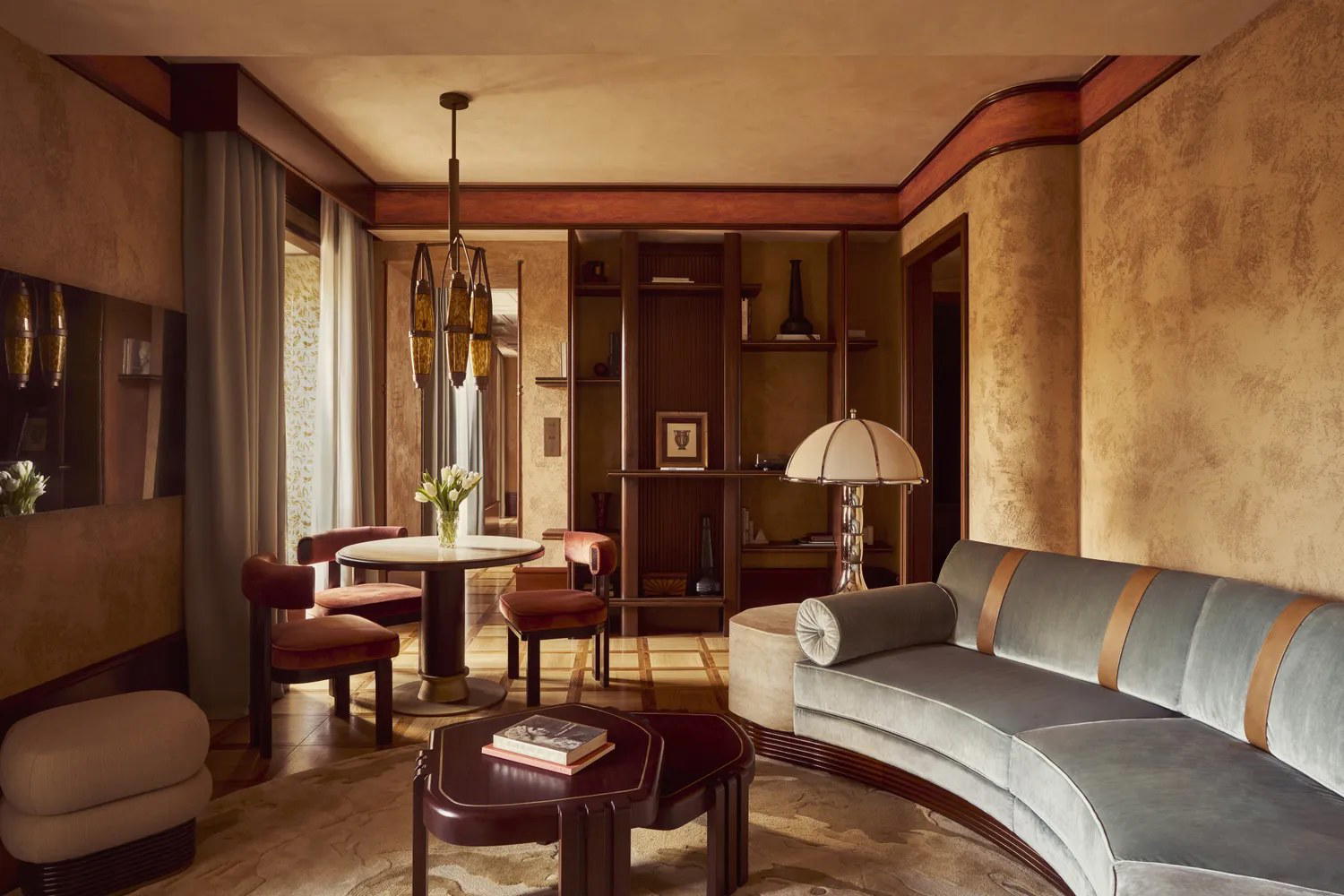

At a Glance
- Intimate
- Elegant
- Cozy
- Sophisticated
- Date Night
- Special Occasion
- Historic Building
- Wine Cellar
- Extensive Wine List
- Street Scene
Current opening hours
- Monday
- Closed
- Tuesday
- 6–11 PM
- Wednesday
- 6–11 PM
- Thursday
- 6–11 PM
- Friday
- 6–11 PM
- Saturday
- 6–11 PM
- Sunday
- Closed
Hours can change for holidays and private events. Last verified .
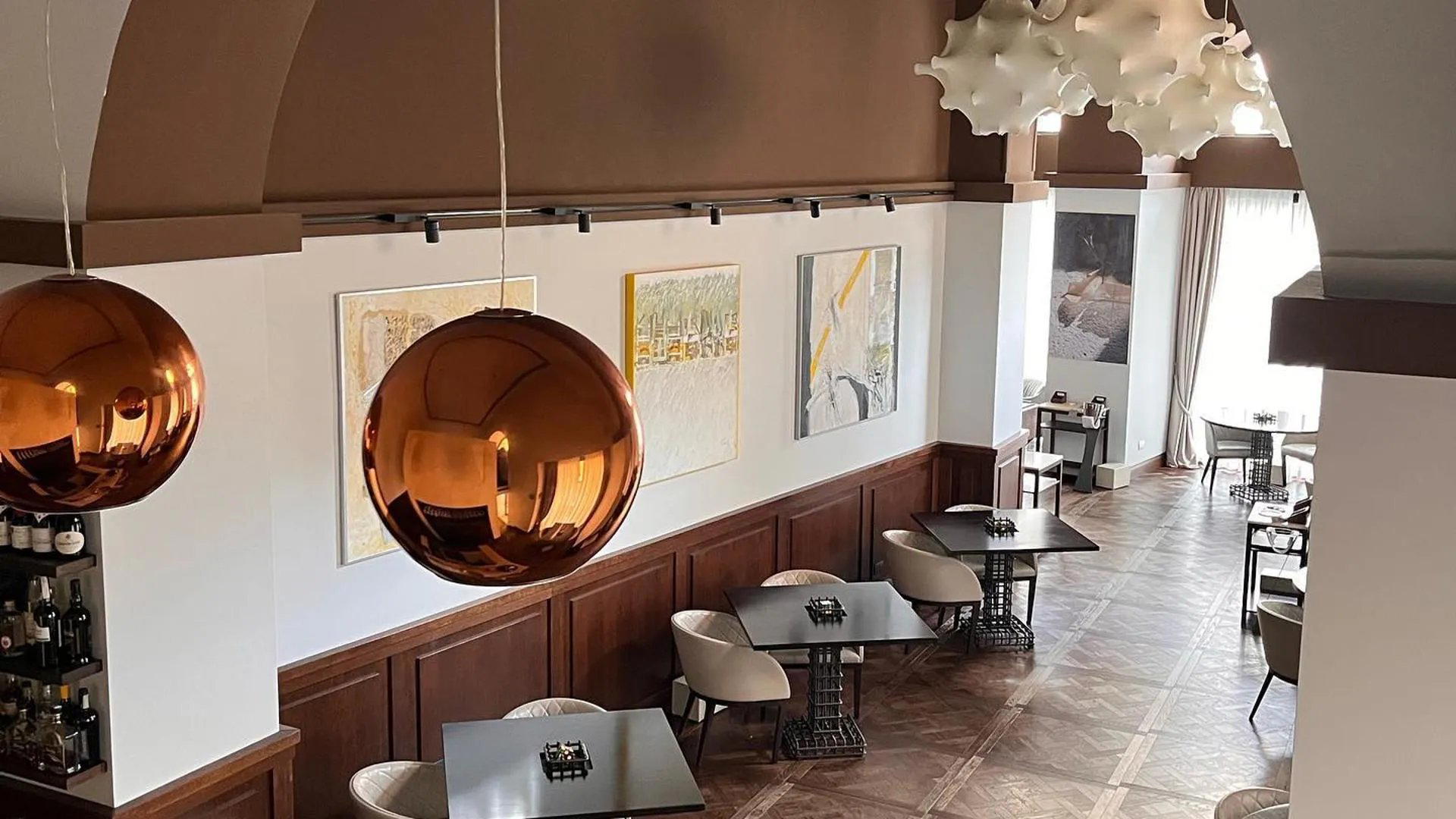
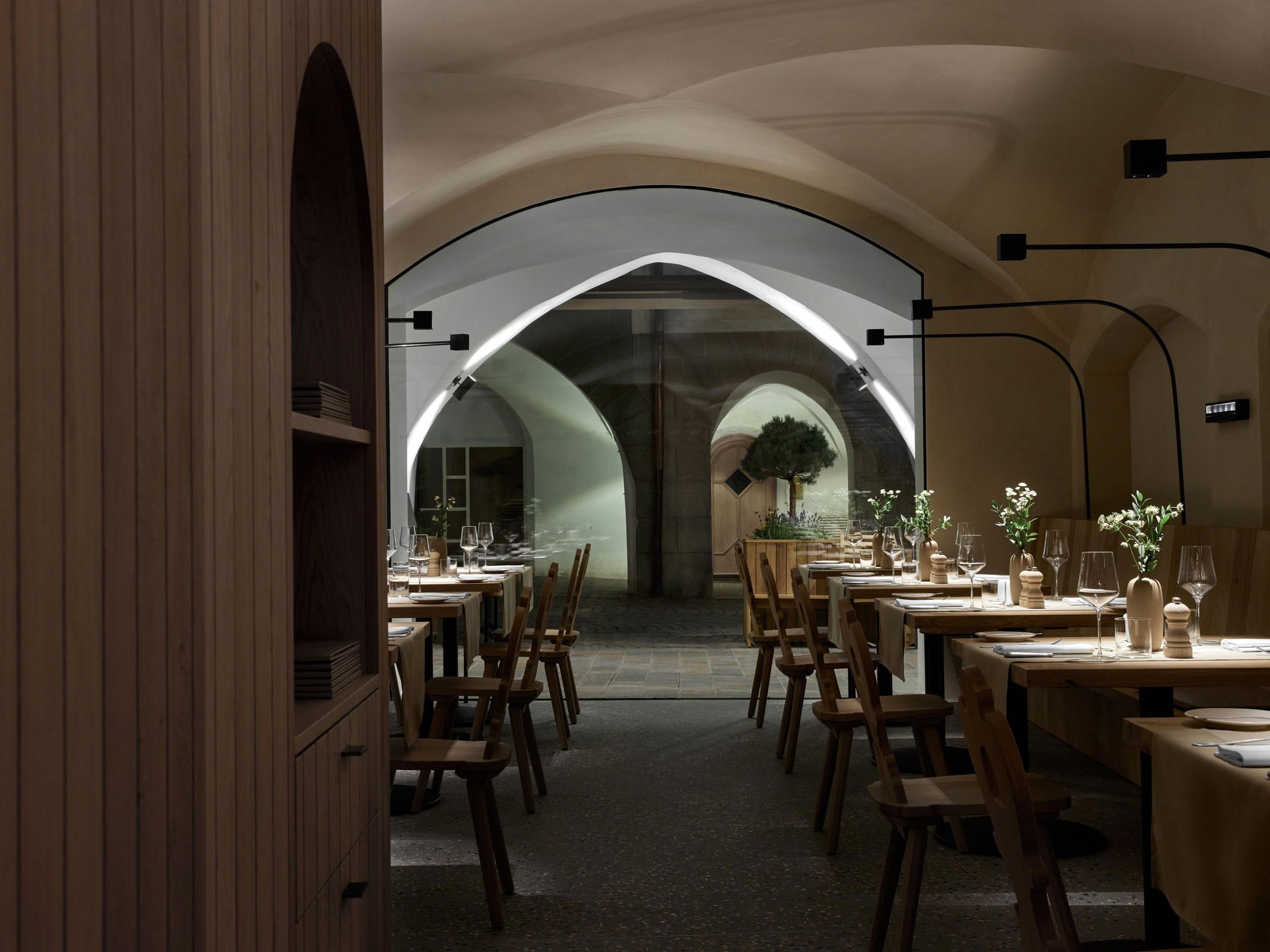
Intimate and refined atmosphere with historic tuff walls, vaults, curated details, and discreet attentive service.