
Rome's plant-based dining scene has a clear anchor on Via Umberto Moricca, where Nativa builds its menu entirely around organic, seasonal produce. The atmosphere is cozy and contemporary, drawing a crowd that ranges from committed vegans to curious omnivores. It has become a reference point for anyone seeking ingredient-led cooking that treats vegetables as the main event rather than a concession.
Pearl is the En Primeur Club membership app — saves, bookings, and concierge access live there. Same editors, same standards.
- Address
- Via Umberto Moricca, 100, 00100 Roma RM, Italy
- Phone
- +39 06 6400 8399
- Website
- linktr.ee
- Directions
- Get directions
 Saves & bookings on Pearl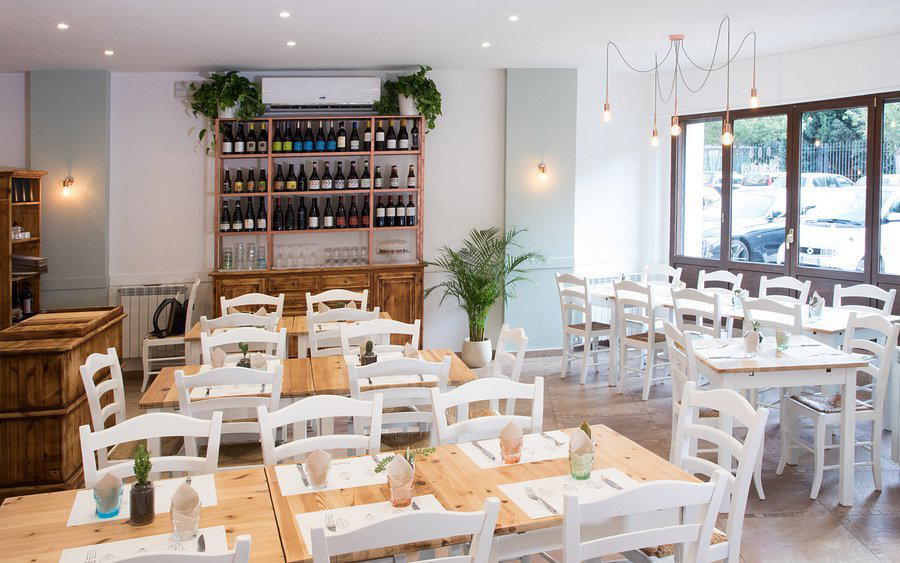
The Space Before the Plate
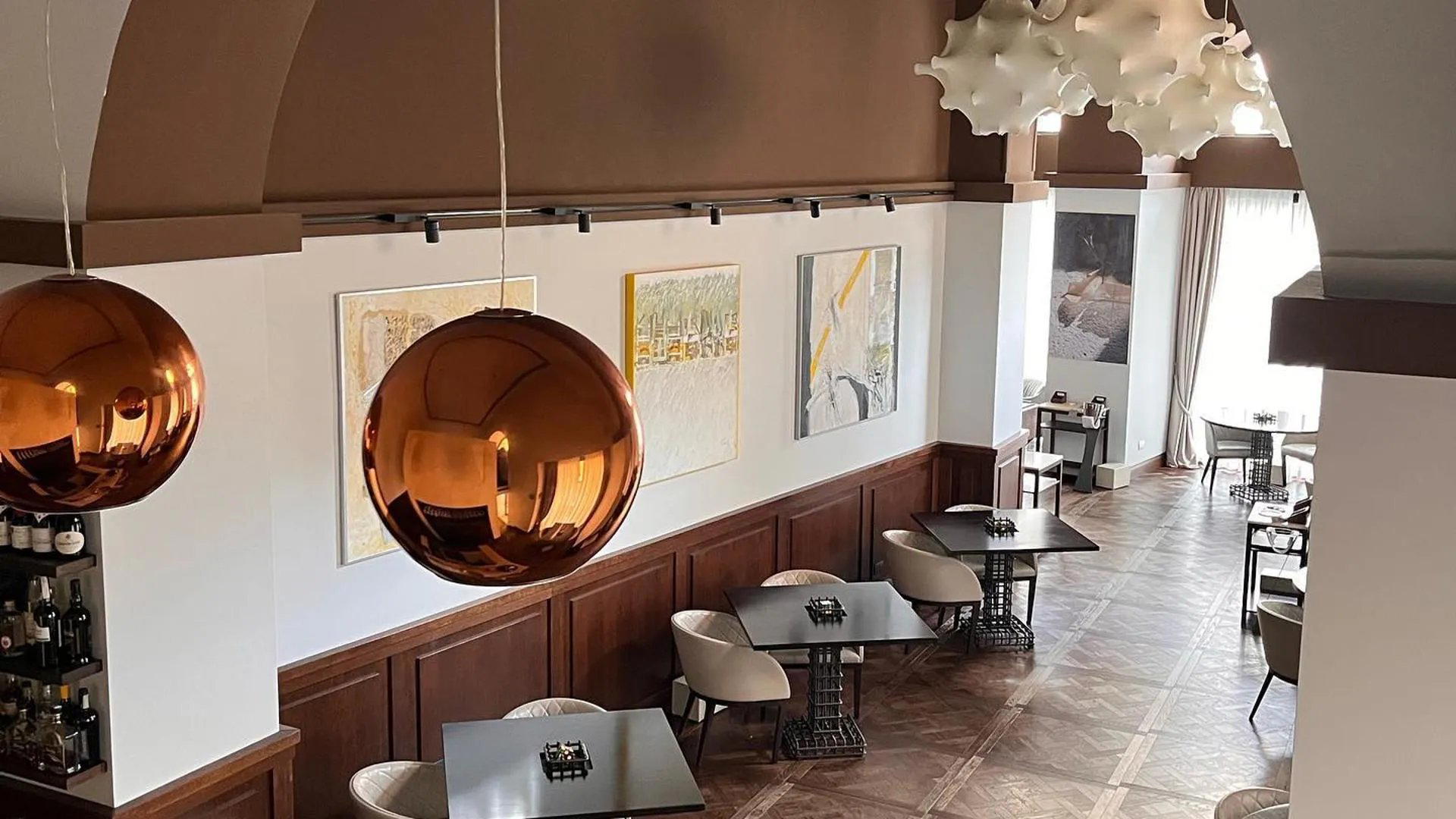
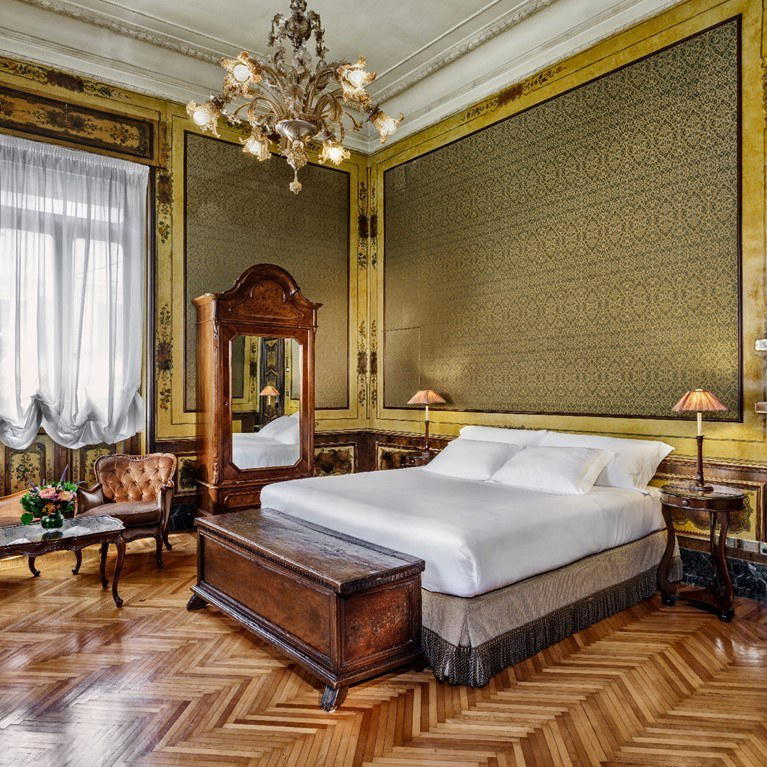
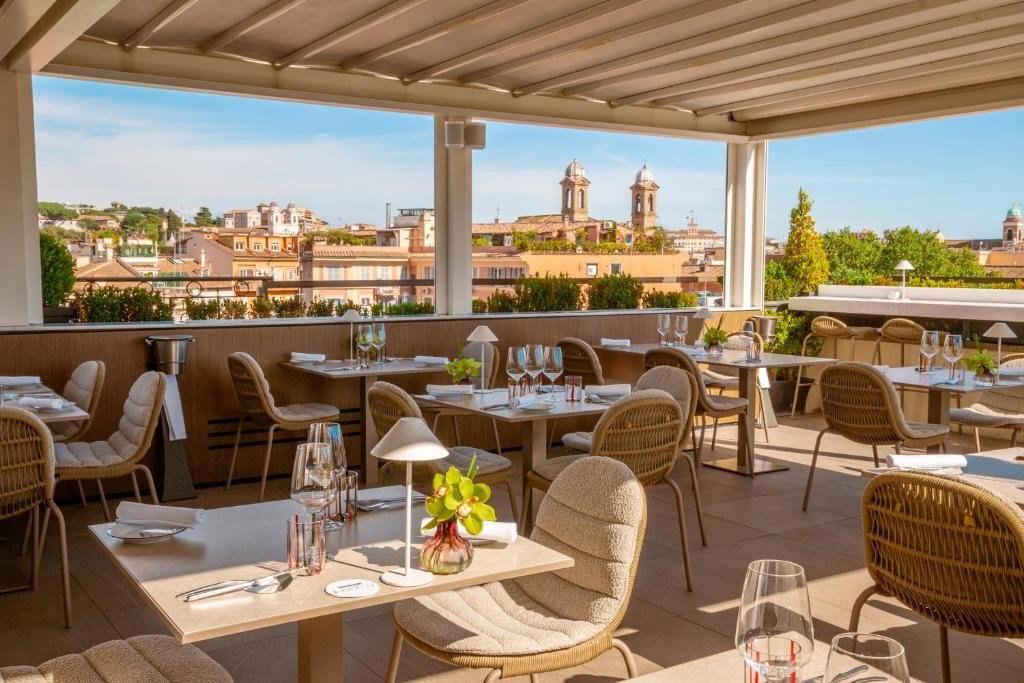
Rome's trattoria culture runs deep, marble counters, terracotta floors, dried herbs hanging from exposed beams. Nativa sits in deliberate contrast to that tradition. The interior at Via Umberto Moricca, 100 reads as contemporary and considered: clean lines, a palette that doesn't shout, and a scale that keeps the room from feeling institutional. In a city where dining rooms tend toward either grand formality or cheerful chaos, a cozy and modern space reads as a position statement. The architecture of the room communicates something before a single dish arrives: this is not a compromise option, it is a considered one.
That physical environment matters more than it might seem. Plant-based dining in major European cities has historically suffered from a design problem, rooms that feel either clinical (the health-food aesthetic) or ideologically cluttered (the activist-café aesthetic). The shift toward spaces that simply look good, without telegraphing their dietary commitments through decor, tracks closely with the broadening of the vegan audience from committed practitioners to occasional visitors who want good food without a lecture. Nativa's atmosphere functions in that second register.
Where Rome's Plant-Based Dining Actually Sits
Italian cuisine is, in its bones, more vegetable-friendly than its international reputation suggests. The cucina povera traditions of central and southern Italy built entire meal structures around legumes, grains, bitter greens, and preserved vegetables long before plant-based dining became a category. Rome specifically has a strong tradition of carciofi alla giudia, cicoria ripassata, puntarelle, dishes where the vegetable is the subject, not the side. What the modern vegan restaurant does is remove the occasional anchovy or lard from that tradition and formalize the commitment.
Nativa operates within that context and takes it further, building a menu that relies on organic and locally sourced produce and changes with the seasons. That supply-chain discipline is the harder part, sourcing organically and locally in a major city requires active supplier relationships, not just a marketing claim. For Rome's growing cohort of ingredient-focused diners, that provenance commitment is the credibility signal that separates serious operations from trend-followers.
For comparison, the upper tier of Rome's creative restaurant scene, places like Acquolina, Enoteca La Torre, and Il Pagliaccio, operate at price points and formality levels that serve a specific audience. Achilli al Parlamento brings its own creative register to the capital. Nativa occupies a different position in the city's dining map: accessible rather than exclusive, convivial rather than ceremonial, and defined by a dietary commitment that none of those addresses share. The competitive set is not those fine-dining counters but rather the handful of serious plant-based addresses that have emerged across Italian cities in the past decade.
The Kitchen's Creative Commitment
One interesting editorial development in European plant-based cooking over the past several years has not been the arrival of meat substitutes but the return to genuine technique applied to whole ingredients. Restaurants that treat plant-based cooking as a constraint to overcome tend to produce menus that apologize for themselves. Restaurants that treat it as a creative condition tend to produce something more interesting. Nativa's approach, based on fresh and seasonal ingredients prepared with evident creativity, suggests it belongs to the second category.
Seasonal menus in this context carry specific implications. A kitchen that changes its offering with the seasons is not doing so as a marketing exercise, it is committing to a supply chain that makes consistency of a specific dish impossible. The discipline that requires is real, and the payoff for the diner is food that reflects where it came from and when. In that sense, Nativa's model aligns with a broader movement in Italian cooking, from Osteria Francescana in Modena to Atelier Moessmer Norbert Niederkofler in Brunico, where seasonal and territorial sourcing drives the creative agenda, even if the price tier and format are entirely different.
Italy's broader fine-dining tradition has always treated locality as a value, Dal Pescatore in Runate and Le Calandre in Rubano both demonstrate how deeply rooted regional identity can drive a restaurant's creative logic. Nativa operates at a different register, but the underlying principle, that what grows here, now, is especially interesting ingredient, connects across price tiers and formats.
Rome's Plant-Based Moment
Across European capitals, the plant-based segment has matured past its initial novelty phase. London, Amsterdam, and Berlin developed serious vegan dining several years ahead of Mediterranean cities, partly because the culinary cultures of those cities were less invested in tradition. Rome was slower to move, protected and constrained simultaneously by the weight of its food identity. The coda-alla-vaccinara city, the supplì city, the city where carbonara is treated as near-sacred: these are not natural conditions for a plant-based dining scene to flourish quickly.
That it has flourished anyway reflects a genuine demand shift. A portion of Rome's dining public, including both residents and international visitors, now seeks food that aligns with environmental and health commitments without sacrificing the quality standards that Roman dining culture expects. Nativa's position as a landmark for that audience, the phrasing that recurs in descriptions of the address, suggests it has held that positioning for long enough to establish real recognition, not just novelty traffic.
Planning Your Visit
Nativa sits at Via Umberto Moricca, 100 in Rome. The address places it outside the immediate tourist corridor, which is consistent with a restaurant drawing a local and committed clientele rather than passing footfall. For visitors, that means a short journey from the central historic district, worth treating as an intentional destination rather than a spontaneous stop. Reservations are recommended, and the restaurant is open Mon to Thu from 7:30 to 11 PM, Fri and Sat from 12:30 to 3 PM and 7:30 to 11 PM, and Sun from 12:30 to 3 PM. The room's size, described as cozy rather than large, means capacity is limited and walk-in availability during peak service may be variable. Going on a weeknight or arriving early in the service window is the practical hedge against disappointment.
For the high end of the city's formal dining, La Pergola remains the reference point at the summit of the capital's starred tier.
Accolades, Compared
Comparable venues nearby, for context on price, style, and recognition.
| Venue | Cuisine | Price | Notes |
|---|---|---|---|
| NativaThis venue — the venue you are viewing | Modern Vegan Italian | $$$ | Not listed |
| Barred | Modern Italian Bistro | $$$ | Tuscolano |
| Vico Pizza&Wine Roma | Modern Neapolitan Pizza | $$$ | San Eustachio |
| Romeo Chef & Baker | Modern Italian Bakery & Bistro | $$$ | Ripa |
| Osteria San Giorgio | Traditional Roman Osteria | $$$ | Testaccio |
| Urbana 47 | Modern Roman Locavore | $$$ | Monti |
Recognition history
Dated appearances from independent guides and award organizations, with the underlying list record or original source where available.
We're Smart World 3 Radishes
We're Smart World
Continue exploring
More in Rome
Restaurants in Rome
Browse all →
Bars in Rome
Browse all →
Hotels in Rome
Browse all →

At a Glance
- Cozy
- Elegant
- Intimate
- Romantic
- Date Night
- Special Occasion
- Group Dining
- Open Kitchen
- Extensive Wine List
- Organic
- Local Sourcing
Current opening hours
- Monday
- 7:30–11 PM
- Tuesday
- 7:30–11 PM
- Wednesday
- 7:30–11 PM
- Thursday
- 7:30–11 PM
- Friday
- 12:30–3 PM, 7:30–11 PM
- Saturday
- 12:30–3 PM, 7:30–11 PM
- Sunday
- 12:30–3 PM
Hours can change for holidays and private events. Last verified .
Cozy and relaxing with rustic wooden furniture, colorful walls, warm lighting, and a welcoming, pampered atmosphere.