On a quiet residential street in the Parioli district, Al Ceppo represents a strand of Roman dining that predates the city's creative-contemporary wave: the neighbourhood trattoria operating at a level that earns genuine loyalty rather than tourist foot traffic. The kitchen draws on the traditional repertoire of Lazio and central Italy, and the room has the settled confidence of a place that hasn't needed to reinvent itself to stay relevant.
Pearl is the En Primeur Club membership app — saves, bookings, and concierge access live there. Same editors, same standards.
- Address
- Via Panama, 2, 00198 Roma RM, Italy
- Phone
- +393968419696
- Website
- ristorantealceppo.it
- Directions
- Get directions
 Saves & bookings on Pearl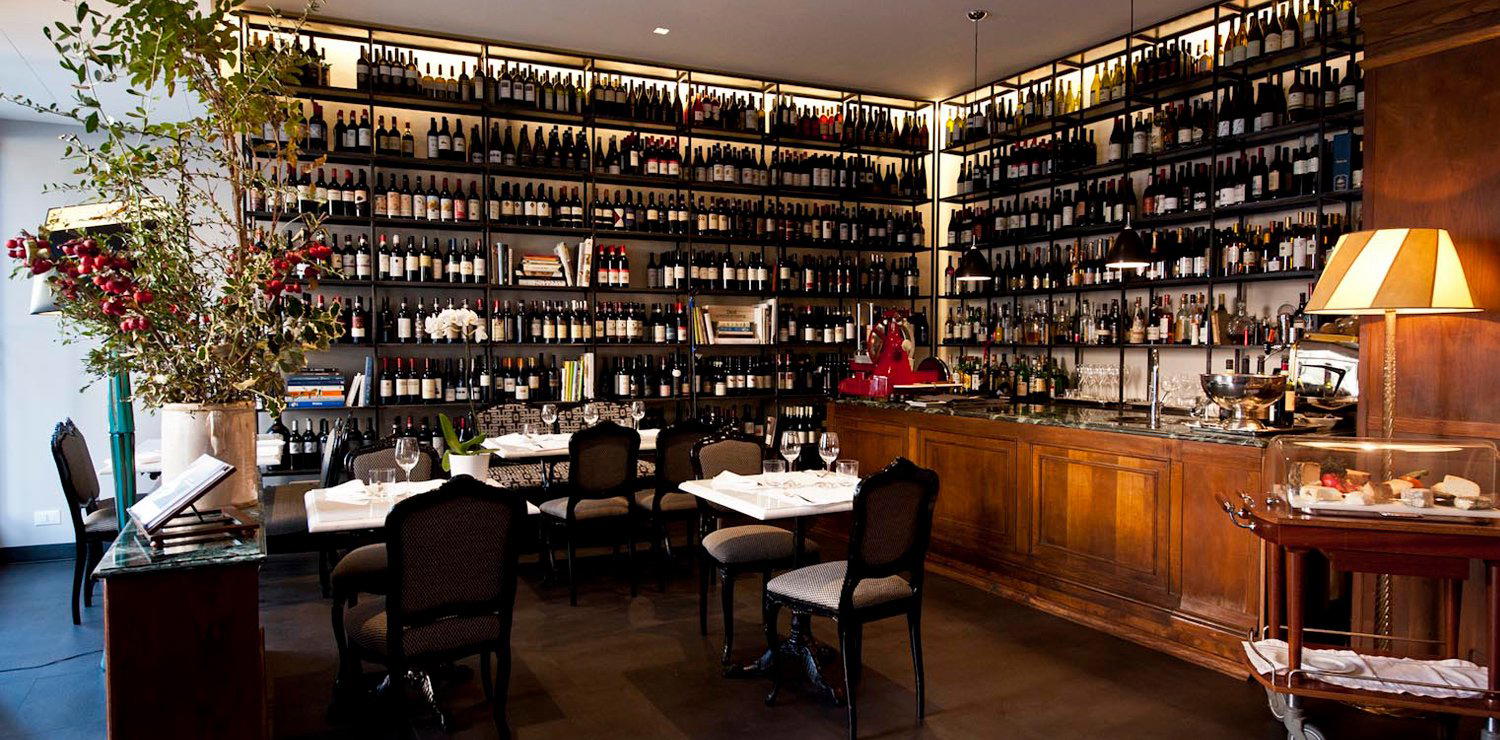
The Parioli Address and What It Signals
Rome's dining identity is often mapped through its most theatrical districts: the centro storico trattorias drawing queues along cobbled lanes, the Trastevere terrace scene, the handful of creative-contemporary rooms that sit in the Michelin conversation alongside La Pergola at the upper tier. Parioli, the residential quartiere north of the Villa Borghese gardens where Via Panama runs through a grid of apartment buildings and tree-lined streets, operates on a different logic. The neighbourhood has long attracted a professional and diplomatic crowd who eat here out of proximity and preference rather than occasion. Restaurants in Parioli survive because the locals return, which is a more exacting standard than any guide can apply.
Al Ceppo sits on Via Panama, 2, inside that residential fabric. The approach is low-key in the way that serious, established Roman restaurants tend to be: no marquee signage engineered for Instagram, no pavement theatre designed to draw passing trade. The room signals continuity, the kind that accumulates over years of consistent cooking for a clientele that knows what it wants and notices when it changes.
The Roman Trattoria at Its Most Considered
The cultural context for a restaurant like Al Ceppo is the trattoria tradition of central Italy, specifically its Roman expression, which differs from the Tuscan or Emilian versions in its insistence on offal, on cacio e pepe and its relatives, on a certain plainness of presentation that treats the ingredient as the whole argument. Rome's canonical cucina romana has always been a working-class cuisine made serious through repetition and refinement rather than through elaboration. Coda alla vaccinara, rigatoni con la pajata, carciofi alla giudia: these dishes don't require creative reinterpretation to be good. What they require is sourcing discipline and technical precision in a kitchen that respects the template.
The distinction between a trattoria that executes this tradition at a high level and one that simply reprints the same menu year after year is not always visible from outside. It becomes apparent at the table, in the texture of the pasta, the depth of a braise, the quality of the olive oil that arrives with the bread. Al Ceppo operates in the tier of Roman dining where that distinction matters and where a regular clientele enforces it through continued presence or withdrawal.
For comparison, Rome's creative-contemporary rooms, Acquolina, Enoteca La Torre, Il Pagliaccio, Achilli al Parlamento, sit in a different competitive set entirely, where tasting menu architecture, wine list construction, and the language of fine dining are the primary register. The restaurant operates where the question is whether the kitchen has earned its place in the Roman canon, not whether it has departed from it. Both categories have value; they answer different questions for the traveller.
Lazio Ingredients and the Central Italian Pantry
The central Italian pantry that underpins this style of cooking is narrower than its northern counterparts and deliberately so. Lazio's culinary identity runs on a short list of produce: Roman artichokes, bitter greens, guanciale, pecorino romano, offal cuts from the slaughterhouses that once defined the Testaccio neighbourhood, pasta shapes that are broad and rough enough to hold sauce without competing with it. The discipline is in using this restricted palette without repetition and without the kind of ingredient substitution that flattens regional distinctiveness into generic Italian.
The wine list in a restaurant operating at this level in Parioli would typically draw from the same central Italian geography: Frascati and other Castelli Romani whites for the table, Cesanese del Piglio for those who want a local red, alongside selections from further afield in Umbria and Abruzzo. This is a category where the cellar signals as much about intent as the kitchen does. Italy's broader restaurant scene, from Osteria Francescana in Modena to Enoteca Pinchiorri in Florence to Dal Pescatore in Runate, tends toward deep national cellars; a serious Roman trattoria at the neighbourhood end of the spectrum tends to keep the list tighter and more regionally coherent.
Planning Your Visit
Parioli is accessible from the centro storico by taxi in under fifteen minutes, or by tram from Piazza del Popolo heading north along the Viale Parioli axis. The neighbourhood is not a destination in the tourist-circuit sense, which means arriving by evening on a weekday tends to feel different from the congested dining zones closer to the Pantheon or Campo de' Fiori: quieter streets, lower ambient noise, a room where conversation is possible. For first-time visitors combining the restaurant with a broader Roman itinerary, the city's dining by neighbourhood and price tier helps calibrate expectations across a stay. Contact the restaurant directly in advance, particularly for weekend evenings.
Where This Fits in the Italian Restaurant Picture
Italy's serious restaurant culture in 2024 spans an unusually wide band: from three-Michelin-star creative laboratories like Le Calandre in Rubano, Piazza Duomo in Alba, and Reale in Castel di Sangro to ingredient-led coastal operations like Uliassi in Senigallia and Quattro Passi in Marina del Cantone, all the way to the tradition-anchored regional room that restaurant represents in Rome. The internationally-focused traveller who has moved through Enrico Bartolini in Milan or Atelier Moessmer Norbert Niederkofler in Brunico will find a different register here: less construction, more convention, with the interest coming from how faithfully and confidently the kitchen executes a tradition rather than how far it departs from one.
That is not a lesser ambition in a city where the tradition is deep. The comparison set for a serious Roman trattoria in Parioli is not the tasting-menu rooms of the creative-contemporary tier; it is the other established neighbourhood addresses in the same quartiere and the long-running Roman institutions that have held a loyal clientele for decades without requiring a press cycle to do so. That kind of longevity in a competitive city is its own form of credential.
Quick Comparison
Comparable venues nearby, for context on price, style, and recognition.
| Venue | Cuisine | Price | Notes |
|---|---|---|---|
| Al CeppoThis venue — the venue you are viewing | Traditional Italian Seafood & Grill | $$$ | Not listed |
| Soho House Rome | Modern Roman & Venetian | $$$ | Tiburtino |
| VII Coorte | Roman Seafood with Sicilian Influences | $$$ | Trastevere |
| Marzapane | Modern Italian Fine Dining | $$$ | Collatino |
| B24 Roma | Contemporary Italian | $$$ | Trevi |
| Assunta Madre | Classic Roman Osteria with Fresh Seafood | $$$ | Regola |
Continue exploring
More in Rome
Hotels in Rome
Browse all →

At a Glance
- Elegant
- Classic
- Cozy
- Sophisticated
- Date Night
- Special Occasion
- Business Dinner
- Open Kitchen
- Historic Building
- Extensive Wine List
Current opening hours
- Monday
- 7:30–10:30 PM
- Tuesday
- 12:30–3 PM, 7:30–11 PM
- Wednesday
- 12:30–3 PM, 7:30–11 PM
- Thursday
- 12:30–3 PM, 7:30–11 PM
- Friday
- 12:30–3 PM, 7:30–11 PM
- Saturday
- 12:30–3 PM, 7:30–10:30 PM
- Sunday
- 12:30–3 PM, 7:30–11 PM
Hours can change for holidays and private events. Last verified .
Elegant old-school atmosphere in an upscale residential area near Borghese Gardens, cozy with grill in entrance.