Our verdict
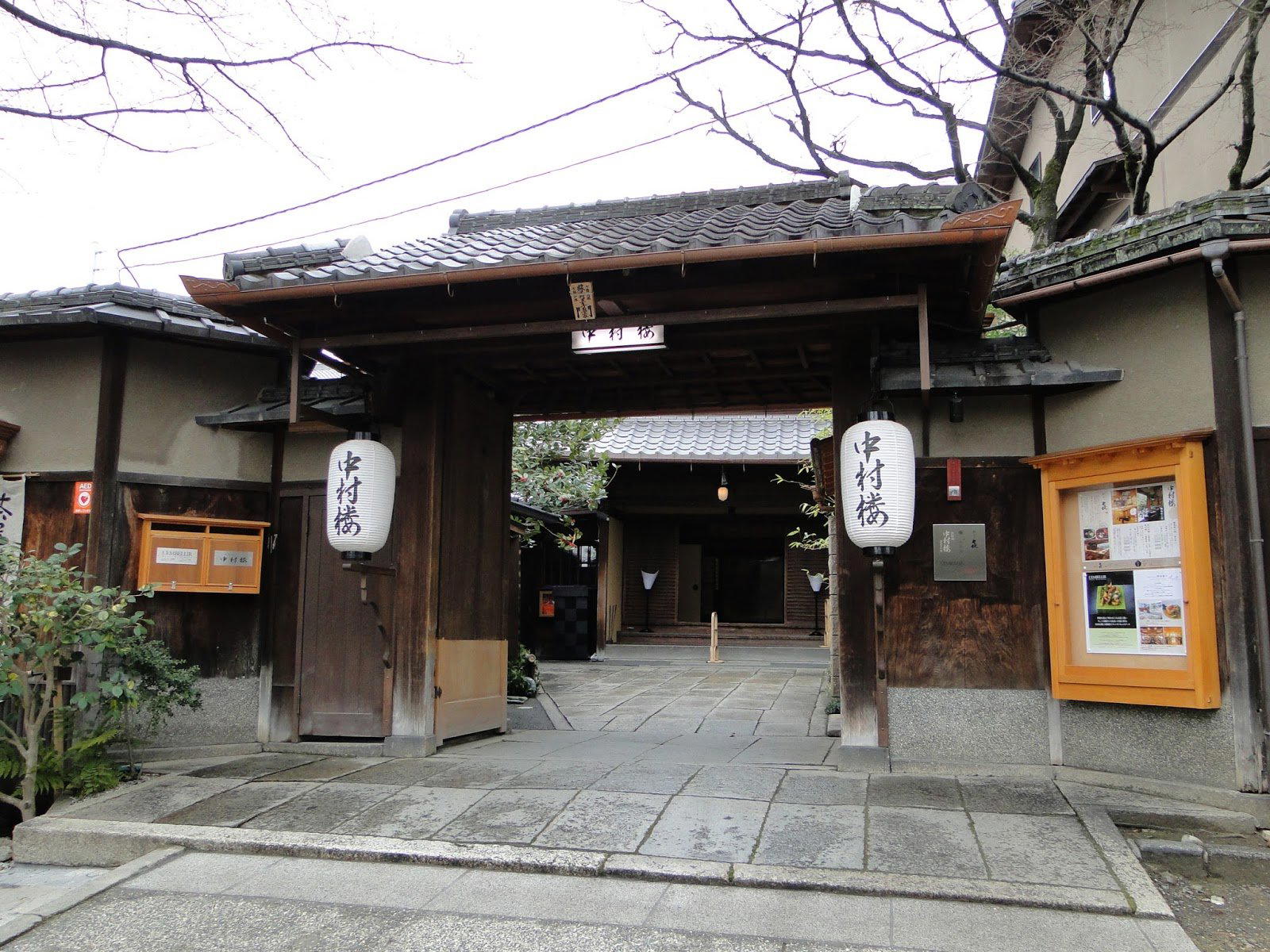
Positioned steps from the Yasaka Shrine torii gate in Higashiyama-ku, Embellir occupies one of Kyoto's most atmosphere-laden addresses. Confirm details directly before visiting, as operational specifics are subject to change.

Pearl is the En Primeur Club membership app, where members save venues, book tables and use the concierge.
The menu
What to order
- Ayu with avocado sauce
- White asparagus with celeriac mousse
- Cherry trout with risotto
The Address Before the Meal
Some restaurant addresses do half the editorial work before a single dish arrives. The stretch of Higashiyama-ku that runs toward the Yasaka Shrine torii gate is among Kyoto's most loaded corridors: stone-paved lanes, the low amber glow of machiya facades after dark, the faint sound of evening prayer bells carrying from the hillside temples. Embellir sits within this geography, and whatever its format, the physical approach shapes the experience in ways that no interior designer can fully manufacture. In a city where the quality of a restaurant's neighbourhood is itself a form of curation, this address functions as an argument.
Kyoto's fine dining concentration in and around Gion and Higashiyama is not accidental. The area's historic role as the seat of imperial patronage, traditional arts, and high-end machiya culture created conditions in which refined hospitality could take root over centuries. That legacy is visible in the density of serious restaurants per city block: Gion Sasaki, operating at three Michelin stars in the kaiseki tradition, and Kikunoi Honten, one of the pillars of formal kaiseki over multiple generations, are both within the wider Gion district. Embellir enters this field carrying the weight of its postal code.
What the Setting Communicates
The Yasaka Shrine torii gate is among the most photographed entry points in Japan, and the streets that fan out from it carry a particular sensory register: incense from the shrine, the compressed quiet of narrow lanes after the day-tripper tide has receded, stone and cedar underfoot. For a restaurant positioned this precisely, the transition from street to table involves a calibration that most urban dining addresses never require of their guests. You arrive already oriented toward ceremony.
That orientation matters in the context of Kyoto's dining culture, where the formality of kaiseki, the multi-course tradition built on seasonality, restraint, and visual precision, has shaped the expectations of even casual visitors. Houses like Hyotei and Mizai have spent decades codifying what attentive service and ingredient-led progression look like at their tier. Any restaurant operating in this neighbourhood implicitly enters a conversation with those standards, whether it works within the kaiseki framework or against it.
Kyoto's current fine dining field is more varied than its kaiseki-dominant reputation suggests. Comparison venues in the immediate competitive tier include two-Michelin-starred kaiseki houses at the ¥¥¥¥ price point, a one-starred Italian address working within Japanese produce and precision, and a one-starred Chinese restaurant positioned at ¥¥¥. This range reflects a broader shift across Japan's major food cities: the strictest kaiseki orthodoxy now coexists with formats that borrow its discipline while operating in entirely different culinary languages. Isshisoden Nakamura represents the long-established end of that spectrum, with lineage traceable across centuries of Kyoto formal dining.
The comparison extends beyond Kyoto. Across the Kansai region and beyond, restaurants that prioritise ingredient sourcing, small-seat formats, and counter or intimate room service have proliferated as an identifiable tier. HAJIME in Osaka and akordu in Nara both illustrate how serious fine dining now distributes itself across the region rather than concentrating exclusively in Tokyo. Embellir's Higashiyama address places it within this broader pattern of destination dining in historically rich Japanese cities.
Sensory Architecture of the District
The sensory experience in this part of Kyoto operates on several registers simultaneously. Visually, Higashiyama-ku after dusk is among Japan's most cinematic quarters: stone lanterns, the silhouette of pagodas against a dark sky, the narrow depth of machiya shopfronts. Acoustically, the area shifts dramatically between afternoon crowds and evening calm, the latter being the relevant frame for dinner service. The olfactory register draws on incense, cedar, and the damp-stone smell of old lanes, a combination that is specific to this corner of the city and absent from Kyoto's more modern dining districts further west.
This environment has a direct effect on how guests receive a meal. Research into sensory priming in dining contexts consistently shows that arrival conditions, ambient sound, smell, lighting, physical materials, influence the perceived quality of what follows. Restaurants that choose addresses like this one are making a bet that the setting amplifies rather than distracts, and in Higashiyama-ku, that bet has a strong historical track record. The kaiseki tradition built its reputation partly on this principle: the garden, the tokonoma, the sound of water are not incidental to the food but constitutive of the experience.
Planning a Visit
Kyoto's premium dining tier generally books weeks to months in advance, particularly during peak seasons: cherry blossom in late March and early April, and the autumn foliage period through November. Visitors arriving without reservations at this tier of address are unlikely to find same-night availability during these windows. For broader context on the city's dining scene, our full Kyoto restaurants guide covers the range from multi-Michelin kaiseki to more accessible formats across the city's distinct neighbourhoods.
Higashiyama-ku is leading approached on foot from Gion-Shijo station, and the lanes around the Yasaka Shrine are most navigable in the hour before dinner service when foot traffic has thinned. Pairing a dinner here with a stay in one of Kyoto's more intimate properties adds coherence to the visit; our Kyoto hotels guide maps the accommodation field by neighbourhood and format. For those extending across the Kansai region, Goh in Fukuoka and Harutaka in Tokyo represent comparable levels of seriousness in different culinary registers. Further afield, 1000 in Yokohama and 6 in Okinawa illustrate how Japan's precision dining culture extends well beyond its two major cities. For international reference points operating at the same level of technical ambition, Le Bernardin in New York City and Atomix in New York City offer useful calibration. Additional context on Kyoto's drinking, cultural, and broader hospitality offer is available through our guides to Kyoto bars, Kyoto wineries, and Kyoto experiences.
Frequently asked questions
What do regulars order at Embellir?
How far ahead should I plan for Embellir?
What is Embellir known for?
Is Embellir good for vegetarians?
Is eating at Embellir worth the cost?
What makes Embellir's location different from other Kyoto fine dining addresses?
The Short List
Comparable venues nearby, for context on price, style, and recognition.
| Venue | Cuisine | Price | Awards | Notes |
|---|---|---|---|---|
| EmbellirThis venue (the venue you are viewing) | Modern French Fine Dining | $100–150 | Not listed | Not listed |
| Dominique Bouchet Le RESTAURANT | Modern French Fine Dining | $100–150 | Star Wine List · Tabelog 100 #56 | Higashiyama, Modern French Fine Dining |
| Les Chandelles | Classic French Fine Dining | Not listed | Tabelog Bronze | Nakagyō, Classic French Fine Dining |
| Dessert Cafe Chourakukan | Not listed | $30–50 | Tabelog 100 #7 | Higashiyama, Dessert Cafe / French-Style Patisserie |
| Abbesses | French-Japanese Fusion | $50–100 | We're Smart World 2 Radishes | Higashiyama, French-Japanese Fusion |
| Tominokoji Yamagishi (富小路やま岸) | Kyoto Kaiseki Omakase | $300–500 | Not listed | Nakagyo-ku, Kyoto Cha-Kaiseki |
Continue exploring
More in Kyoto
Restaurants in Kyoto
All restaurants in Kyoto →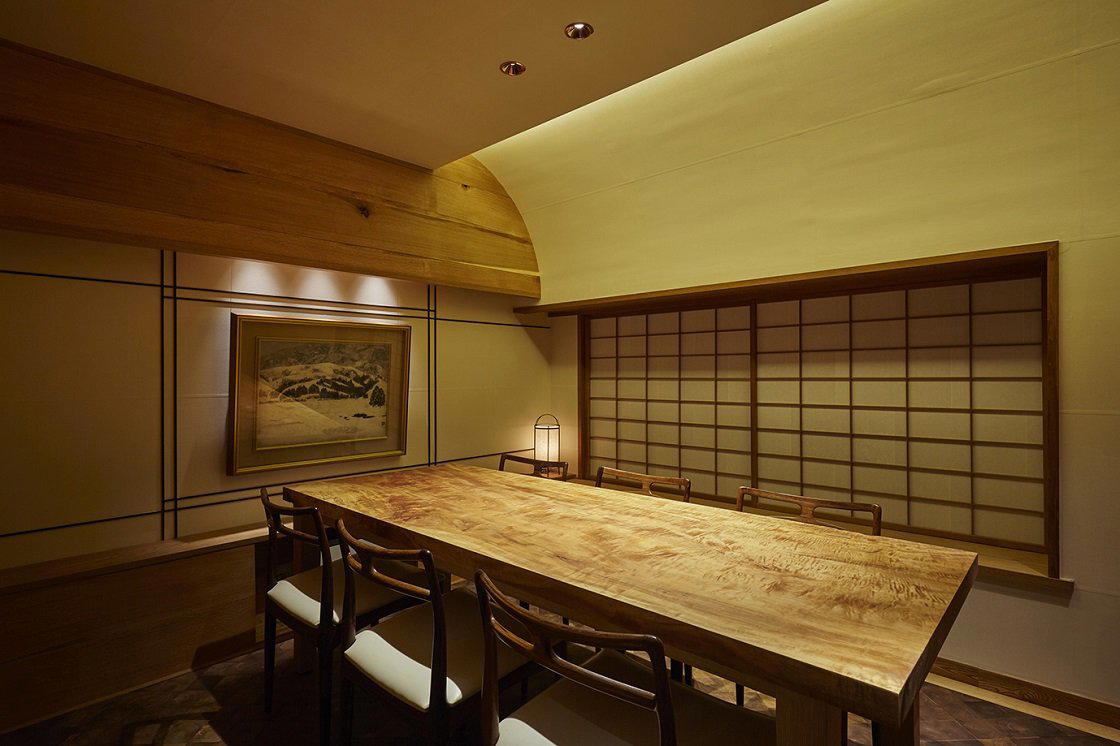
Bars in Kyoto
All bars in Kyoto →
Hotels in Kyoto
All hotels in Kyoto →
Wineries in Kyoto
Browse all →
Details
- Elegant
- Sophisticated
- Intimate
- Date Night
- Special Occasion
- Open Kitchen
- Extensive Wine List
- Local Sourcing
- Garden
- Tasting Menu
- French Wine
- Vegetarian Friendly
- Gluten Free Options
Current opening hours
- Monday
- 10 a.m.–5 p.m.
- Tuesday
- 10 a.m.–5 p.m.
- Wednesday
- 10 a.m.–5 p.m.
- Thursday
- 10 a.m.–5 p.m.
- Friday
- 10 a.m.–5 p.m.
- Saturday
- Closed
- Sunday
- Closed
Hours can change for holidays and private events. Hours as of .
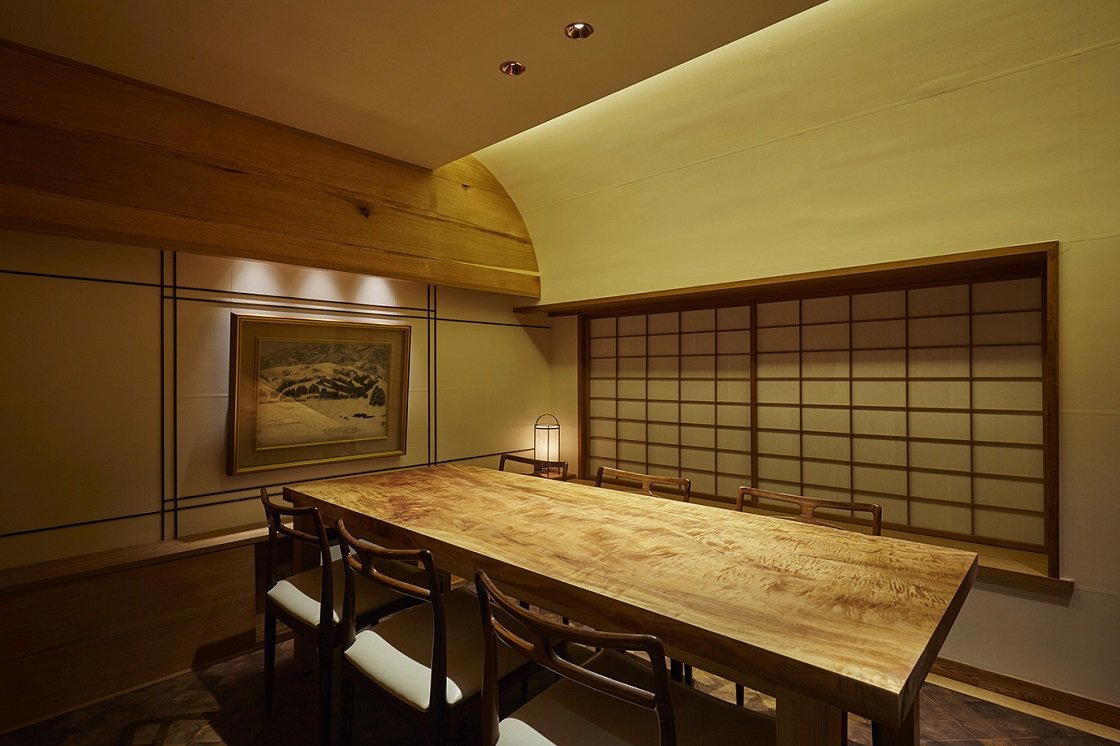
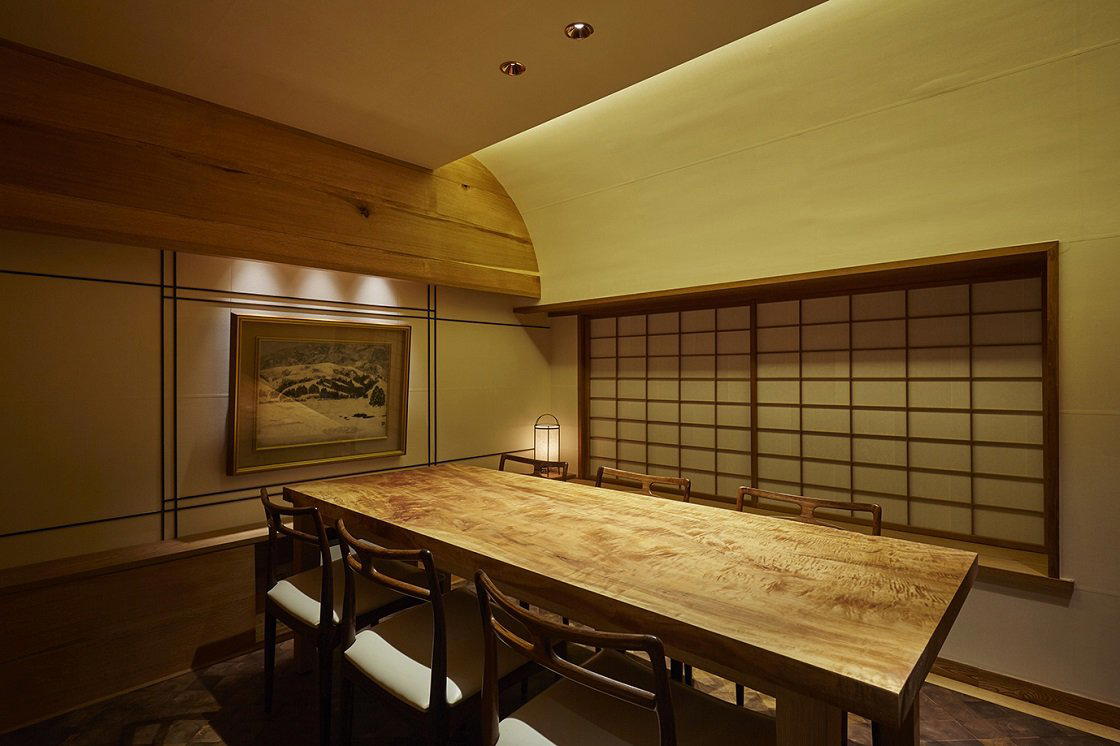
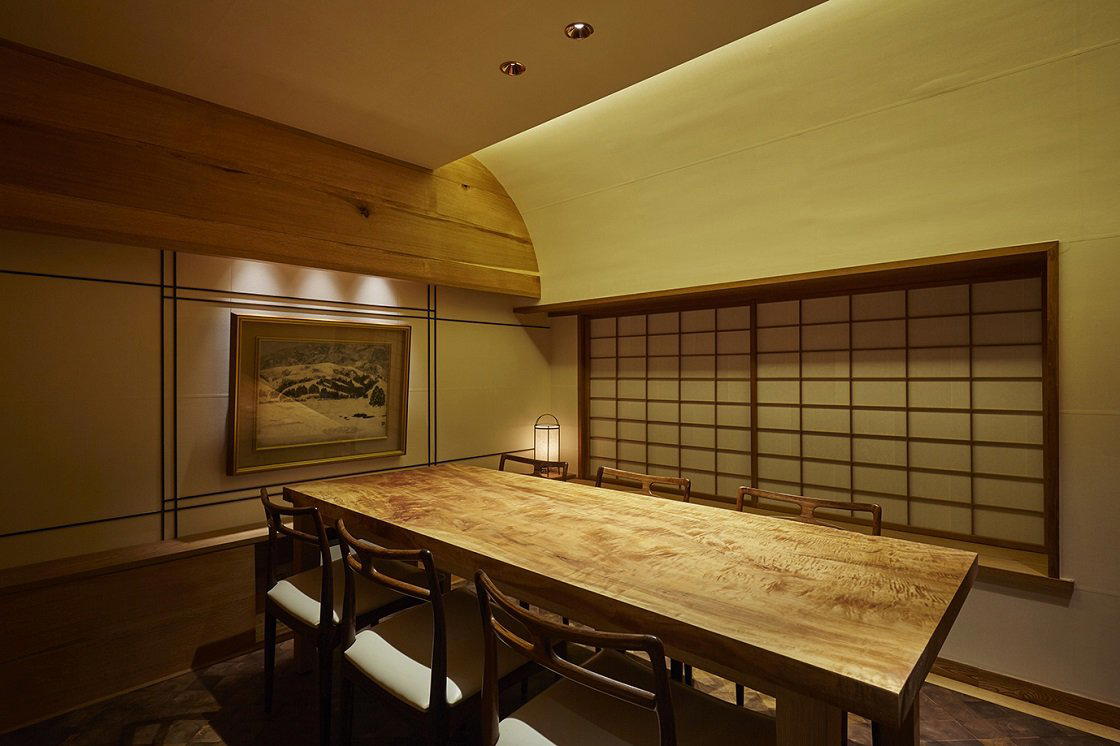
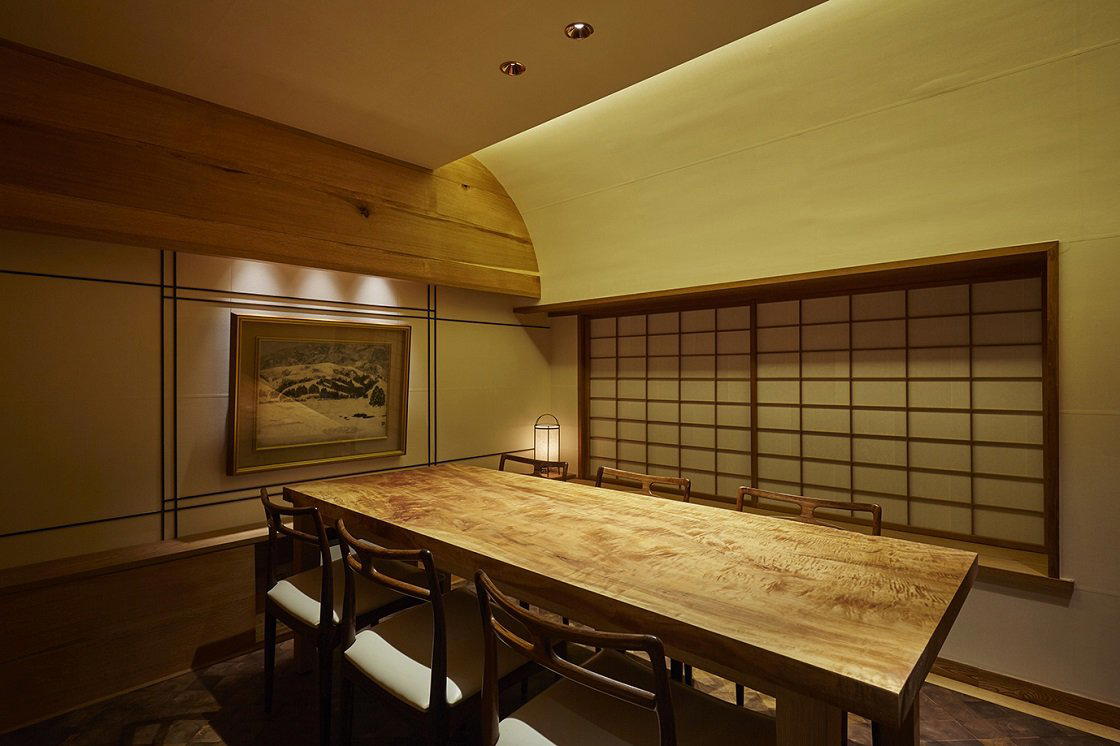
Elegant modern dining room in a traditional wooden structure with banquette seating, well-spaced tables, and a lovely courtyard view.