

Star Wine List · Tabelog 100 #56
Our verdict
Dominique Bouchet Le RESTAURANT occupies the third floor of The Westin Miyako Kyoto, a few steps from Keage Station on the Tozai line. The kitchen operates under the supervision of Paris-based chef Dominique Bouchet, whose classical French training frames the menu. For Kyoto, it is one of the cleaner entry points into European fine dining outside the kaiseki tradition.

Pearl is the En Primeur Club membership app, where members save venues, book tables and use the concierge.
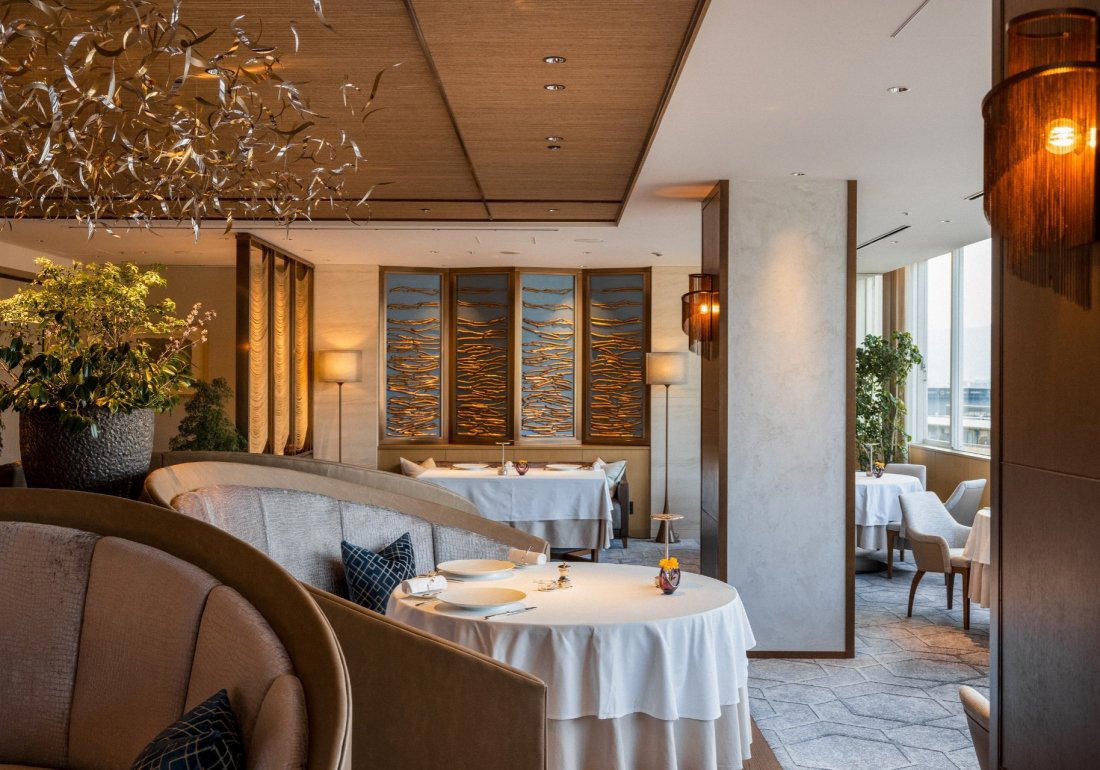
Classical French in a City Built on Ceremony
Kyoto does not make things easy for European kitchens. The city has the most developed culinary identity in Japan, one built over centuries on seasonal restraint, aesthetic precision, and a ritual relationship with ingredients. Kaiseki restaurants like Gion Sasaki, Hyotei, and Kikunoi Honten define the premium dining conversation here. Against that backdrop, French fine dining earns its place only when it brings credentials serious enough to hold the comparison without apology. Dominique Bouchet Le RESTAURANT, operating from the third floor of The Westin Miyako Kyoto near Keage Station, enters the room with a name that carries considerable weight in classical French circles.
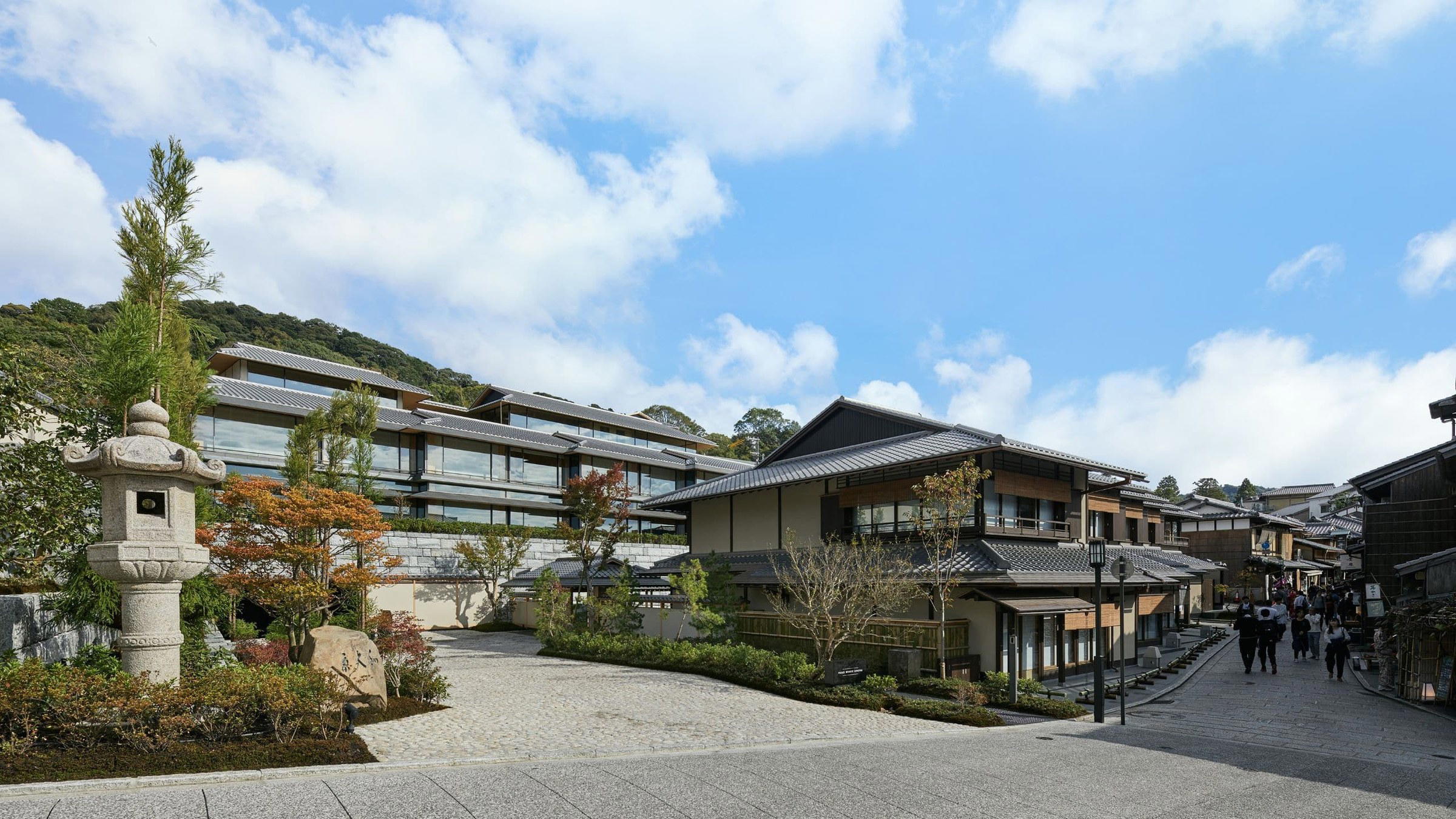
The geography is precise: Higashiyama Ward, at the foot of the hills that contain some of Kyoto's most visited temple grounds. The Westin Miyako is positioned here as a long-established luxury property rather than a new-build urban hotel, and its dining program reflects an attempt to match the seriousness of the surroundings. The restaurant's address on the third floor places it above the hotel's ground-floor activity, giving it the spatial separation that fine dining rooms in Japanese hotels typically require.
What the Bouchet Name Signals in Practice
French haute cuisine has a credentialing structure that travels across borders in a legible way. Dominique Bouchet, the chef whose name anchors this restaurant, trained under Joël Robuchon and earned Michelin recognition at Tour d'Argent in Paris before establishing his own eponymous restaurant in the 8th arrondissement. That lineage places him in the generation of French chefs who built their reputations inside the grand classical tradition before the industry's current emphasis on personal narrative and origin-story cuisine took hold. The supervision model, where a Paris-based chef lends name and standard to a hotel restaurant in another city, is established practice across luxury hospitality in Japan, and the terms of that arrangement matter: it signals menu philosophy and training standards rather than daily presence at the pass.
For the Kyoto diner, the practical implication is a kitchen working within the framework of classical French technique, sauce-forward construction, disciplined sourcing, format discipline across courses, applied to the local ingredient calendar. Kyoto's produce culture is exceptional, and the interaction between French classical method and the Kyo-yasai (Kyoto vegetables) tradition produces one of the more interesting ingredient dialogues in the city's hotel dining sector. How far that dialogue extends in any given season is a question for the current menu, but the structural premise is sound.
The Competitive Frame: French Dining in Kyoto
Kyoto's French dining segment is smaller and less frequently discussed than Osaka's or Tokyo's. HAJIME in Osaka and Harutaka in Tokyo represent different points on Japan's fine dining register, but neither is Kyoto's problem to solve. Within the city, the French-influenced tier includes a small number of hotel and standalone options. SEN, which operates a French-Japanese format at the ¥¥¥¥ price point, represents the hybrid direction that has absorbed much of the creative energy in the category. Dominique Bouchet Le RESTAURANT sits closer to the classicist end of that spectrum, where French structure is the primary language rather than a reference point for something more synthetic.
That positioning creates a specific kind of value for visitors who arrive in Kyoto after extended time in the kaiseki circuit. Restaurants like Mizai and Isshisoden Nakamura operate at the refined end of Japanese tradition. After several consecutive kaiseki evenings, a technically accomplished French service can function as a necessary recalibration. The logic is practical as much as gustatory: the format, the plate architecture, and the wine-pairing rhythm are different enough to reset the palate without leaving the premium price register.
Japan's wider fine dining geography includes French-influenced kitchens operating at high levels across multiple cities. akordu in Nara and Bleston Court Yukawatan in Nagano both occupy the intersection of European technique and regional Japanese ingredients. giueme in Akita approaches the same territory from the north. In that broader national picture, the Bouchet operation in Kyoto is notable for the specificity of its Parisian credentials rather than for any claim to hybrid innovation.
The Hotel Dining Question
Hotel restaurants in Japan operate differently from their Western counterparts. The structural expectation is higher, partly because major Japanese hotels have historically treated their dining floors as destinations rather than amenities. The Westin Miyako Kyoto sits within that tradition, and Le RESTAURANT's positioning on the third floor of the property reflects the hotel's investment in the format as a serious dining proposition rather than a convenience option for guests who don't want to leave the building.
For visitors, this has a practical dimension. A reservation here is accessible via the hotel concierge structure, which simplifies logistics for international travelers who may find direct booking at standalone Japanese restaurants more difficult to arrange. The Keage Station exit on the Tozai line puts the hotel within a short walk, making it reachable from central Kyoto without significant travel time. Those planning broader Kyoto itineraries should consult our full Kyoto restaurants guide for the complete picture, and cross-reference with our Kyoto hotels guide for context on where Le RESTAURANT sits within the city's luxury accommodation map.
Planning a Visit
Reservations at Le RESTAURANT are leading made through The Westin Miyako Kyoto's concierge or dining reservation channel. For visitors traveling to Kyoto from other major Japanese cities, the hotel's position near Keage Station (Tozai line) makes it straightforwardly accessible from central Kyoto's main transportation spine. The restaurant's location on the hotel's third floor means dress expectations align with international luxury hotel dining norms, and the format suits the kind of longer evening that a multi-course French service requires. Spring and autumn are peak periods in Kyoto for both tourism and seasonal ingredient quality, and the dining room will fill accordingly during those windows. Travelers planning visits during cherry blossom or autumn foliage seasons should treat reservations as requiring advance planning of several weeks at minimum.
For those building a broader trip around food, the Kyoto bars guide, wineries guide, and experiences guide provide the supporting context. And for comparable European classical technique in other global cities, Le Bernardin in New York City and Emeril's in New Orleans offer useful points of reference on what the French fine dining tradition looks like in different urban environments. Goh in Fukuoka rounds out the picture for those exploring Japan's broader fine dining geography beyond the Kyoto-Osaka-Tokyo corridor.
Frequently asked questions
Where do I go for Dominique Bouchet Le RESTAURANT?
Dominique Bouchet Le RESTAURANT is located at Japan, 〒605-0052 Kyoto, Higashiyama Ward, Awadaguchi Kachocho, 1 3F, Kyoto.
Has Dominique Bouchet Le RESTAURANT won any awards?
Dominique Bouchet Le RESTAURANT has received recognition including: Dominique Bouchet Kyoto “Le RESTAURANT” is a French restaurant operated by The Westin Miyako Kyoto hotel, located next to the subway of Keage Station. The venue is supervised by chef Dominique Bouche....
What should I order at Dominique Bouchet Le RESTAURANT?
The menu operates within a classical French framework supervised by Dominique Bouchet, who built his reputation through training under Joël Robuchon. Expect structured courses built around sauce-led technique rather than fusion or seasonal Japanese adaptation. Since the kitchen operates under Bouchet's name as a supervised concept at The Westin Miyako Kyoto, the tasting menu format is the most reliable way to experience the full range of the kitchen's output.
Should I book Dominique Bouchet Le RESTAURANT in advance?
Yes. Kyoto runs on hard seasonal peaks: cherry blossom season (late March to mid-April) and autumn foliage (November) compress demand across the city's dining options simultaneously. The Westin Miyako Kyoto's concierge or direct dining reservation channel is the most practical booking route. Travelers visiting during peak periods should secure a table at least four to six weeks ahead.
What's Dominique Bouchet Le RESTAURANT best at?
The kitchen's core strength is classical French technique anchored in the Robuchon tradition, applied with the structural discipline that training in French haute cuisine demands. In a city where European kitchens are frequently pulled toward Japanese-French hybridization, the Bouchet name signals a commitment to French culinary logic as a primary frame rather than a decorative one. That positioning is distinct within Kyoto's French dining segment.
Can Dominique Bouchet Le RESTAURANT handle vegetarian requests?
Classical French menus are built around protein and sauce architecture that does not always accommodate vegetarian requirements without reworking the structural logic of individual courses. At a hotel restaurant of The Westin Miyako Kyoto's standing, the kitchen is operationally equipped to handle dietary requests, but communicating requirements at the time of booking through the hotel concierge gives the kitchen adequate preparation time.
How does Dominique Bouchet Le RESTAURANT differ from Bouchet's Paris operation?
The Kyoto venue is a supervised concept operated within The Westin Miyako Kyoto, located near Keage Station in Higashiyama Ward, whereas the Paris restaurant is Bouchet's owner-operated flagship in the 8th arrondissement. The classical French framework and menu logic carry across both, but the Kyoto version functions within the service infrastructure and reservation system of a major international hotel. Guests familiar with the Paris address should approach the Kyoto venue as a distinct operational context rather than a direct equivalent.
Budget and Context
Comparable venues nearby, for context on price, style, and recognition.
| Venue | Cuisine | Price | Awards | Notes |
|---|---|---|---|---|
| Dominique Bouchet Le RESTAURANTThis venue (the venue you are viewing) | Modern French Fine Dining | $100–150 | Star Wine List · Tabelog 100 #56 | Not listed |
| Embellir | Modern French Fine Dining | $100–150 | Not listed | Higashiyama, Modern French Fine Dining |
| ミドル | Modern French with Middle Eastern & South American Influences | $50–100 | Michelin Plate · Tabelog Bronze #268 | Shimogamo, Riverside Modern French |
| Dessert Cafe Chourakukan | Not listed | $30–50 | Tabelog 100 #7 | Higashiyama, Dessert Cafe / French-Style Patisserie |
| Chef’s Table by Katsuhito Inoue @Ritz Carlton | Modern Japanese-Italian Fusion Kaiseki | $200–300 | We're Smart World 4 Radishes | Nakagyō, Modern Japanese-Italian Fusion Kaiseki |
| 京、静華 | Modern Chinese Fine Dining | $200–300 | Not listed | Okazaki, Modern Chinese Fine Dining |
Recognition history
Dated appearances from independent guides and award organizations, with the underlying list record or original source where available.
Star Wine List
Star Wine List
Tabelog 100 #56 · No. 56
Tabelog · Tabelog 100 - Steak / Teppanyaki - WEST - 2025
Continue exploring
More in Kyoto
Restaurants in Kyoto
All restaurants in Kyoto →
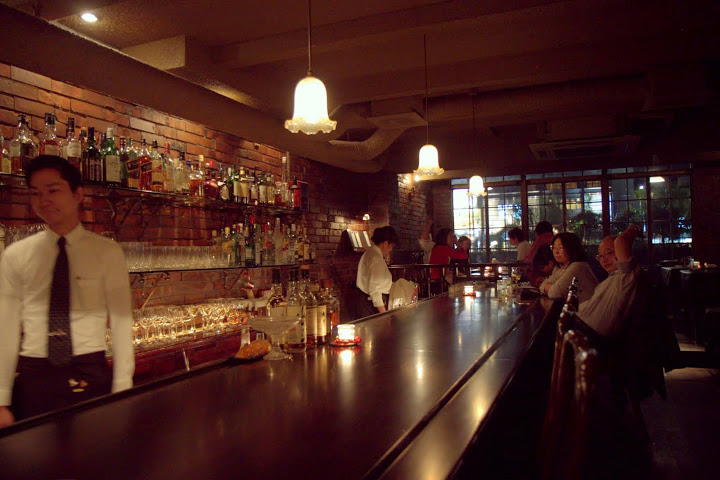
Bars in Kyoto
All bars in Kyoto →

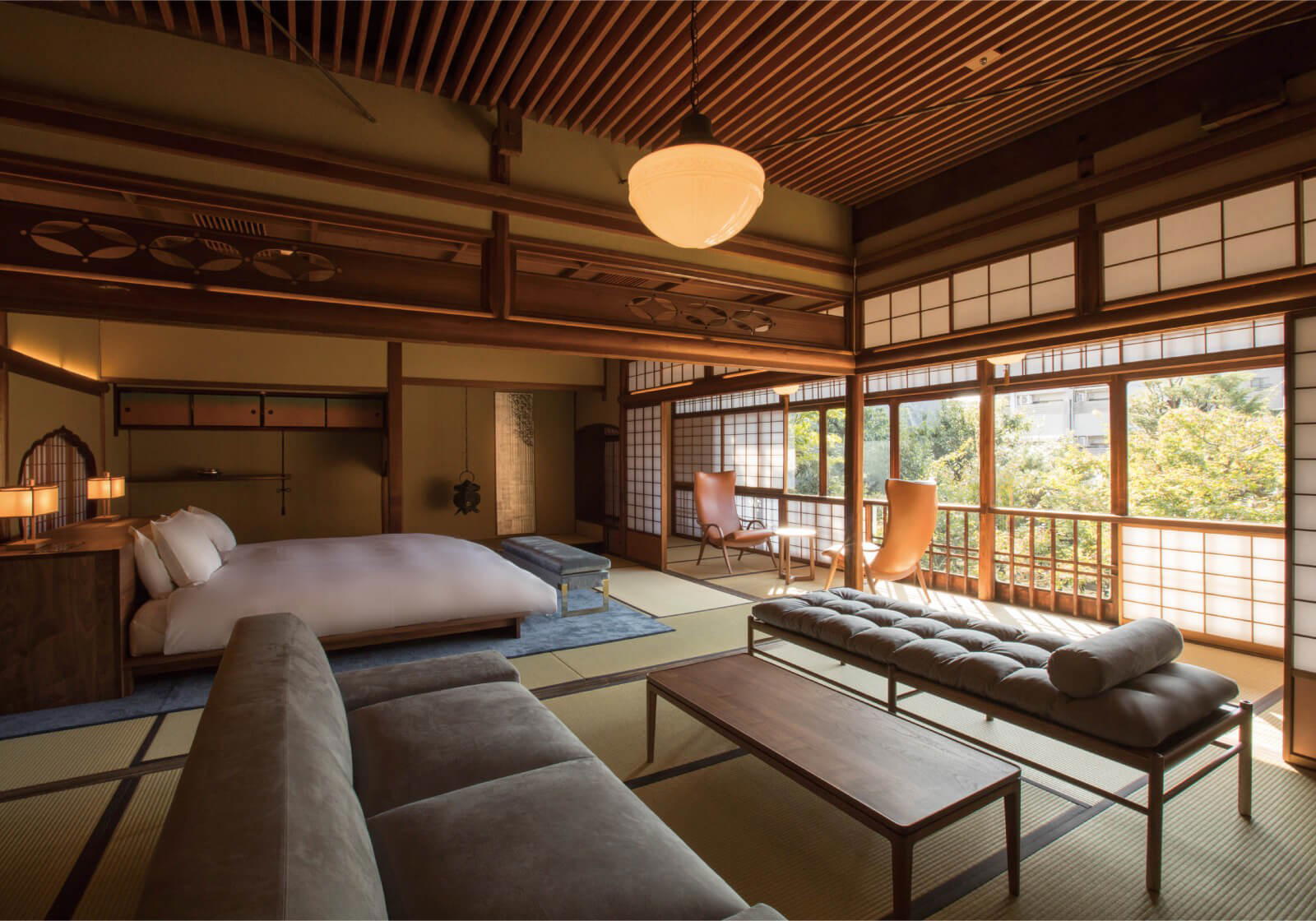
Hotels in Kyoto
All hotels in Kyoto →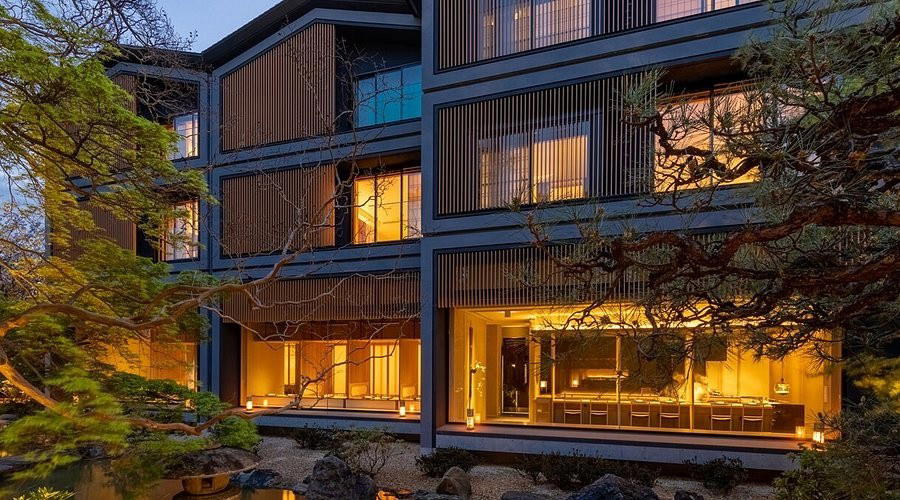
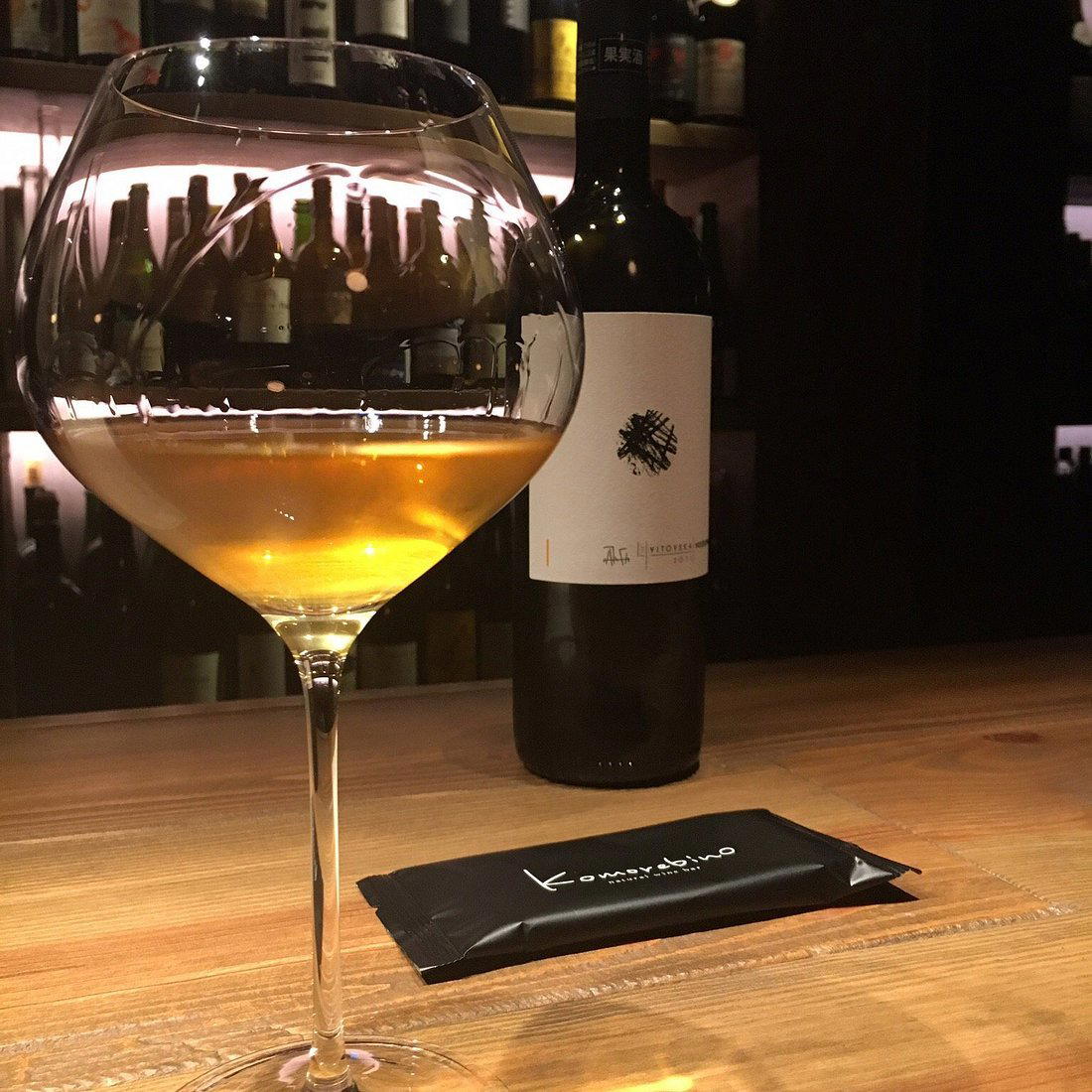
Wineries in Kyoto
Browse all →
Dominique Bouchet Le RESTAURANT
The wine
- Extensive wine list
- Sommelier-led
Details
- Elegant
- Sophisticated
- Romantic
- Classic
- Date Night
- Special Occasion
- Celebration
- Business Dinner
- Hotel Restaurant
- Private Dining
- Open Kitchen
- Extensive Wine List
- Sommelier Led
- Local Sourcing
- Tasting Menu
- Prix Fixe
- Wine
- Allergy Accommodating
Current opening hours
- Monday
- 11:30 AM–2:30 PM, 5–10 PM
- Tuesday
- 11:30 AM–2:30 PM, 5–10 PM
- Wednesday
- Closed
- Thursday
- 11:30 AM–2:30 PM, 5–10 PM
- Friday
- 11:30 AM–2:30 PM, 5–10 PM
- Saturday
- 11:30 AM–2:30 PM, 5–10 PM
- Sunday
- 11:30 AM–2:30 PM, 5–10 PM
Hours can change for holidays and private events. Hours as of .
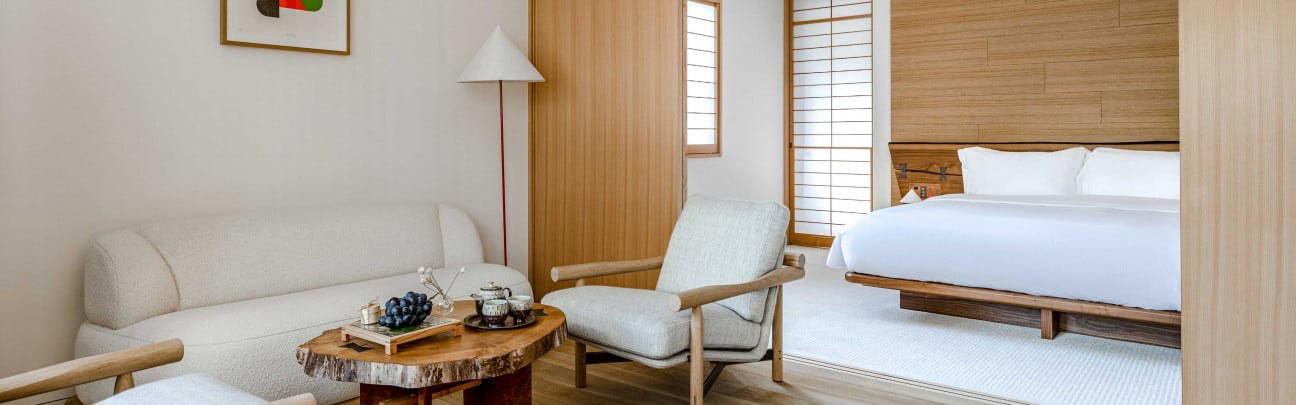
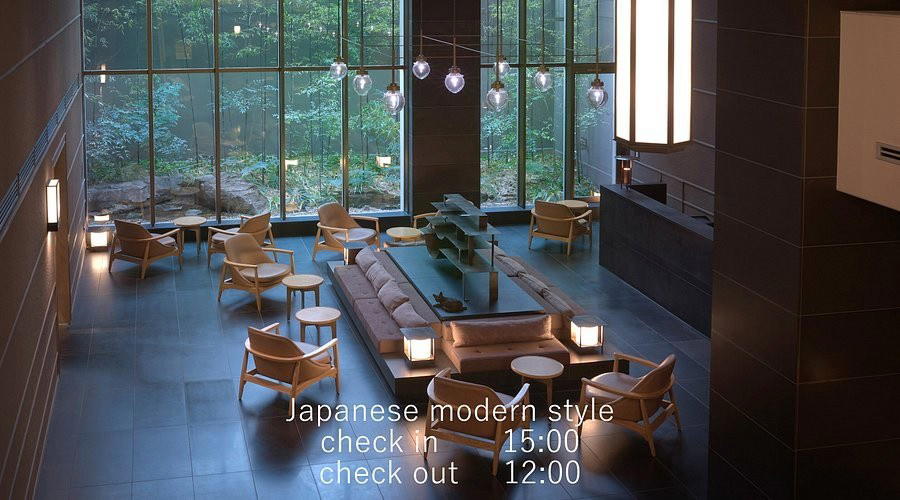
Luxurious and refined atmosphere with stylish, relaxing space featuring couple seating and sofa arrangements; described as embodying the hotel's design concept of 'Queen of Elegance' with gorgeous, sophisticated décor.