Our verdict
Located on Qianjin Road in Guangzhou's Haizhu District, 石湾福 粤菜馆 sits within a city that has defined Cantonese cooking for centuries. The restaurant draws regulars seeking traditional yue cai preparation in a neighbourhood removed from the polished hotel dining rooms that dominate the Tianhe circuit.

Pearl is the En Primeur Club membership app — saves, bookings, and concierge access live there. Same editors, same standards.
- Address
- 146 Qianjin Rd, 滨江路 Haizhu District, Guangzhou, Guangdong Province, China, 510245
- Phone
- +862084400079
- Website
- bingsheng.com
- Directions
- Get directions
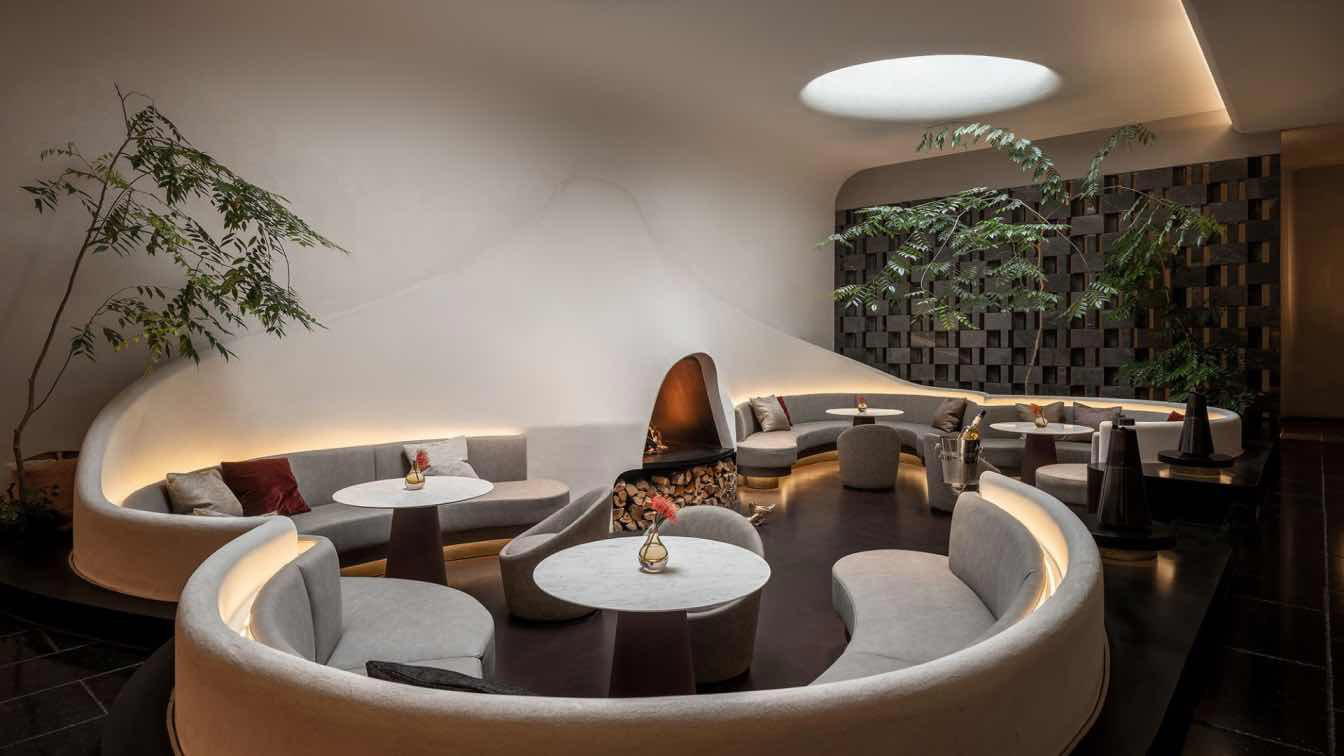
Haizhu and the Cantonese Table
Guangzhou's dining reputation rests on a foundation older than most European culinary traditions. Cantonese cuisine, or yue cai, developed here across centuries of trade, migration, and a subtropical geography that made freshness the primary standard rather than a marketing point. The city's cooks worked with river fish, seasonal vegetables, and live seafood long before the concept arrived elsewhere in China, and the result is a cuisine defined by restraint: minimal intervention, precise heat, and an almost philosophical commitment to the ingredient's own character.
That tradition plays out differently depending on where you sit in Guangzhou. Tianhe and Yuexiu concentrate the hotel dining rooms — places like Imperial Treasure Fine Chinese Cuisine and Jiang by Chef Fei, which operate within international hospitality infrastructure and price against corporate expense accounts. Haizhu moves at a different register. The district sits south of the Pearl River, away from the financial corridor, and its dining rooms tend to serve the kind of food Guangzhou residents eat without ceremony: direct preparations, neighbourhood pricing, and kitchens that have been doing the same things for a long time.
石湾福 粤菜馆 operates from 146 Qianjin Road within this context. The address places it in the working residential fabric of Haizhu, not in a commercial tower or hotel lobby, which already signals something about the format and the intended audience.
What Yue Cai Means at This Level
Understanding where a Cantonese restaurant sits in Guangzhou's hierarchy requires some literacy about what yue cai actually demands. At the upper tier, represented by Michelin-recognised venues and high-investment hotel programs, the cuisine is about sourcing precision and technical mastery of traditional techniques: double-boiled soups that require four hours of preparation, roasted meats with lacquered skin achieved through controlled drying and temperature sequences, and seafood held live until the moment of cooking. The difference between a competent kitchen and a respected one often comes down to whether the cook knows exactly when to stop.
At the neighbourhood level, the same principles apply but the format compresses. The menu is shorter, the room is functional rather than designed, and the relationship between kitchen and regular customer becomes the primary quality signal. Guangzhou's neighbourhood Cantonese restaurants are where the city's own people eat daily, and that constituency is among the most demanding anywhere in China. A kitchen that survives in Haizhu for years is a kitchen that has passed a serious local test.
For comparison, the high-end modern Chinese spectrum in Guangzhou extends toward venues like Taian Table and Chōwa, both operating at the ¥¥¥¥ tier with international frameworks. BingSheng Mansion on Xiancun Road represents another point on the spectrum: scaled Cantonese banquet dining with strong local brand recognition. 石湾福 粤菜馆 occupies a different position entirely, one where the draw is daily-use reliability rather than occasion dining.
Cantonese Cooking Across China's Cities
Guangzhou's relationship to Cantonese food is worth framing against what happens to the cuisine when it travels. In cities across China, Cantonese-style restaurants operate as premium imports, signalling refinement by association with Guangdong's reputation. In Beijing, venues like Xin Rong Ji on Xinyuan South Road translate Cantonese techniques into northern fine-dining contexts. In Hangzhou, Ru Yuan applies similar logic. Even in Macau, Chef Tam's Seasons frames Cantonese cooking within a luxury hospitality envelope.
Back in Guangzhou, the cuisine carries no such burden of translation. It is simply the local food. A restaurant in Haizhu does not need to explain what yue cai is or package it for an audience unfamiliar with the tradition. The regulars already know. That familiarity creates a different kind of pressure: the kitchen must meet an informed, habitual standard rather than an impressed visitor's lower bar.
This dynamic is not unique to Guangzhou. The same pattern appears in cities across China and elsewhere: the further a cuisine travels from its source, the more occasion-ready and premium its presentation tends to become. In Shanghai, Fu He Hui applies this logic to vegetarian Chinese cooking. In Chengdu, Xin Rong Ji does it for Cantonese seafood. Guangzhou's neighbourhood restaurants represent the baseline from which all of that travel-premium gets applied.
The Haizhu District as Dining Context
Haizhu is one of Guangzhou's older residential districts, positioned across the Pearl River from the central business areas. Its street-level dining scene is characterised by density: tea houses, barbecue specialists, congee counters, and full-service Cantonese restaurants occupy the same blocks in the kind of layered food environment that develops when a neighbourhood feeds itself for generations rather than serving tourists or office populations.
The dim sum culture that defines Guangzhou's mornings is particularly alive in districts like Haizhu, where older-format tea houses serve as social infrastructure as much as dining venues. Yum cha, the practice of sharing tea and dim sum over long morning meals, remains a serious daily institution in Guangzhou in a way that has weakened in most other Chinese cities. A Cantonese restaurant in Haizhu exists within that cultural framework whether or not it formally operates a breakfast dim sum service.
Visitors approaching 146 Qianjin Road from outside Haizhu should expect a neighbourhood format, not a destination dining experience calibrated for touring. The room, the service rhythm, and the menu logic all derive from the area's resident population. That is the appropriate frame for understanding what 石湾福 粤菜馆 is built to do.
Planning Your Visit
Haizhu District is accessible from central Guangzhou via the metro system, which reduces the friction of reaching an address that sits outside the primary tourism and business corridors. The Qianjin Road address places the restaurant within reasonable distance of the Pearl River waterfront areas of the district. Those building a broader Guangzhou itinerary can use our full Guangzhou restaurants guide to map the city's dining tiers, from neighbourhood Cantonese rooms through to the internationally recognised fine-dining programs at venues like Dai Yuet Heen (in Nanjing) and peers across the region.
For those building a wider picture of how premium Chinese dining operates across the country's cities, the contrast between Guangzhou's neighbourhood Cantonese rooms and destination-format restaurants in places like Xiamen, Yangzhou, Fuzhou, or Suzhou is instructive. The cuisine changes with the city and the format; the underlying logic of Chinese regional cooking remains coherent across all of them.
Frequently Asked Questions
- What do regulars order at 石湾福 粤菜馆? At Cantonese restaurants of this type in Haizhu, regulars typically anchor their orders around the kitchen's roasted meats, steamed fish preparations, and seasonal vegetable dishes, the categories where yue cai technique is most legible. Visiting during a busy service is itself a signal: watch what the surrounding tables are eating and order accordingly.
- Should I book 石湾福 粤菜馆 in advance? In Guangzhou's neighbourhood Cantonese segment, demand is often concentrated at weekend lunch, and walk-in availability can be limited during those windows. Contacting the restaurant directly before a visit, particularly for groups of four or more, is advisable regardless of what formal reservation infrastructure exists.
- What is the signature at 石湾福 粤菜馆? In a neighbourhood Cantonese kitchen operating within the yue cai tradition, the most revealing preparations tend to be the simplest: a steamed whole fish, a plate of seasonal greens with garlic, or a roasted pork that demonstrates heat control rather than seasoning complexity. Those are the dishes where the kitchen's actual standard is clearest.
- Can 石湾福 粤菜馆 adjust for dietary needs? Cantonese kitchens generally have more flexibility with vegetables and lighter preparations than cuisines built around fixed tasting structures.
- How does 石湾福 粤菜馆 compare to Guangzhou's hotel Cantonese restaurants? The Haizhu address and neighbourhood format place 石湾福 粤菜馆 in a different competitive set from hotel-anchored Cantonese programs like those at Imperial Treasure or Jiang by Chef Fei. The hotel rooms price against corporate and destination-dining demand; neighbourhood Cantonese restaurants in Haizhu price against local daily use. The cuisine tradition is shared; the format, room, and pricing logic are distinct. Neither Lazy Bear in San Francisco nor Le Bernardin in New York would be compared to a neighbourhood bistro in Paris on format grounds alone, the same logic applies here.
Frequently asked questions
What part of town is ç³èÂ·ç¦ æè¶ç´ in?
ç³èÂ·ç¦ æè¶ç´ is located at 146 Qianjin Rd, 滨æ±è·¯ Haizhu District, Guangzhou, Guangdong Province, China, 510245, Guangzhou.
What do regulars order at 石湾福 粤菜馆?
What is established is the restaurant's position within Haizhu District's Cantonese dining scene, where yue cai tradition typically centres on precise technique with fresh-sourced ingredients. For the most reliable picture of what regulars favour, contacting the venue directly or checking recent diner accounts on Chinese review platforms is the practical approach.
Should I book ç³èÂ·ç¦ æè¶ç´ in advance?
Reservations are recommended for ç³èÂ·ç¦ æè¶ç´ in Guangzhou. Confirm current policy via the venue's official channels.
What's the signature at ç³èÂ·ç¦ æè¶ç´?
ç³èÂ·ç¦ æè¶ç´ is best approached by focusing on the core concept and signature offerings.
Can ç³èÂ·ç¦ æè¶ç´ adjust for dietary needs?
Dietary accommodations can vary. Flag restrictions in advance via the venue's official channels.
Price and Recognition
| Venue | Cuisine | Price | Awards | Notes |
|---|---|---|---|---|
| ç³èÂ·ç¦ æè¶ç´This venue — the venue you are viewing | Japanese Omakase | $30–50 | Not listed | Not listed |
| Imperial Treasure Fine Chinese Cuisine | Fine Teochew Cuisine | Not listed | 1 Michelin Star · La Liste Top Restaurants | Cantonese |
| Taian Table | Modern European with Asian Influences | $300–500 | 3 Michelin Stars · La Liste Top Restaurants | Modern European, European Contemporary |
| Song | Modern Sichuan Cuisine | $150–200 | 1 Michelin Star · SCMP 100 Top Tables Restaurants | Sichuan |
| Chōwa | Franco-Japanese Fusion | $150–200 | 1 Michelin Star · The Best Chef Two Knives | Innovative |
| Rêver | Modern French Fine Dining with Cantonese Influences | Not listed | 1 Michelin Star · The Best Chef One Knife | French Contemporary |
Continue exploring
More in Guangzhou
Restaurants in Guangzhou
Browse all →
Bars in Guangzhou
Browse all →
Details
- Modern
- Date Night
- Solo
- Omakase
Casual sushi dining in a shopping mall setting.