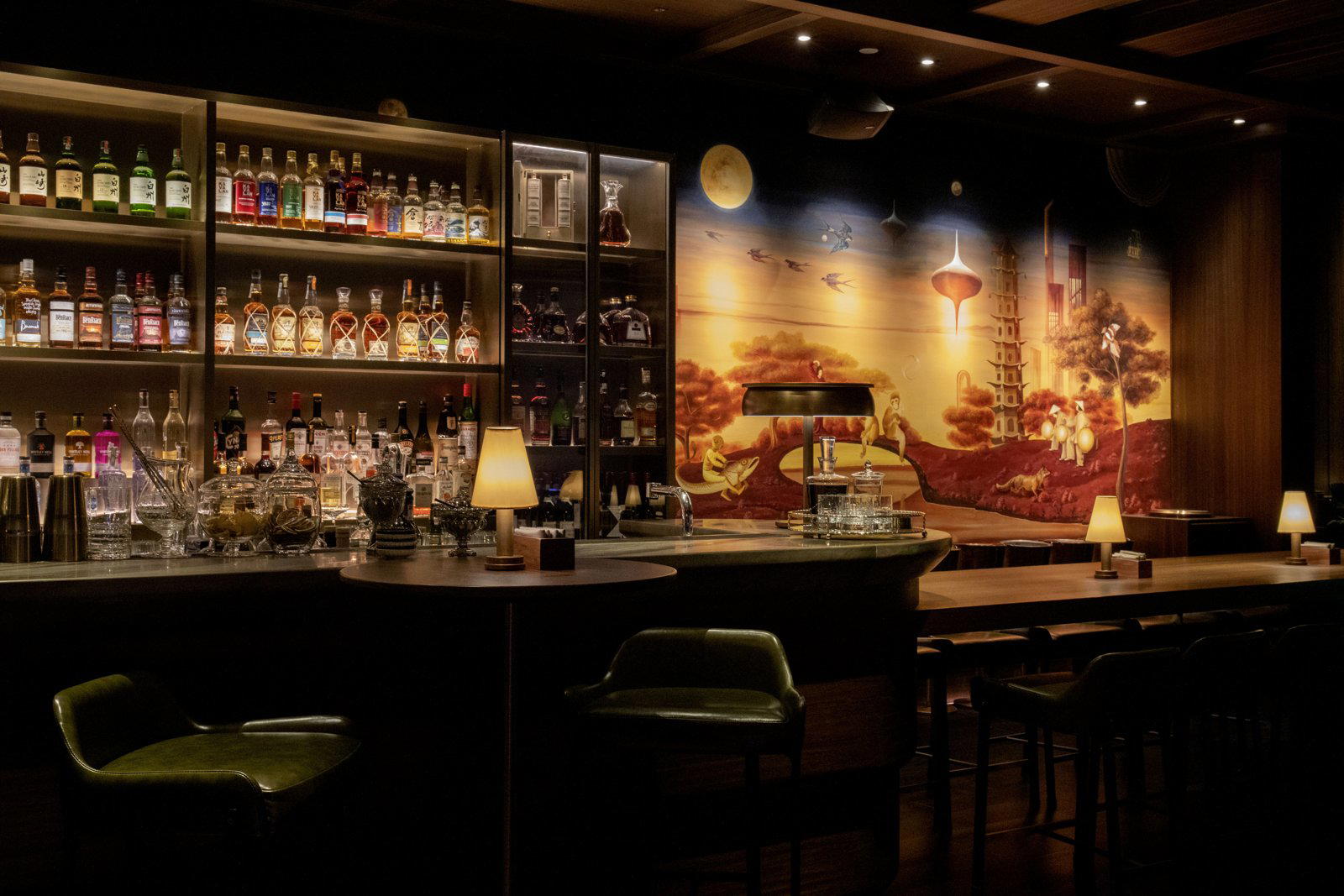
Bar On Six sits in Tianhe District, placing it inside Guangzhou’s modern hotel-and-office drinking circuit rather than the city’s older neighbourhood bar culture. With public venue data limited, the useful reading is contextual: expect a sixth-floor address in Zhujiang West Road territory, where cocktail programmes compete on setting, service rhythm, and how clearly they translate technique into a night out.
Pearl is the En Primeur Club membership app — saves, bookings, and concierge access live there. Same editors, same standards.
- Address
- 488F+X88, Zhujiang W Rd, Tianhe District, Guangzhou, Guangdong Province, China, 510623
- Phone
- +86 20 8883 8888
- Website
- jumeirah.com
- Directions
- Get directions
 Saves & bookings on Pearl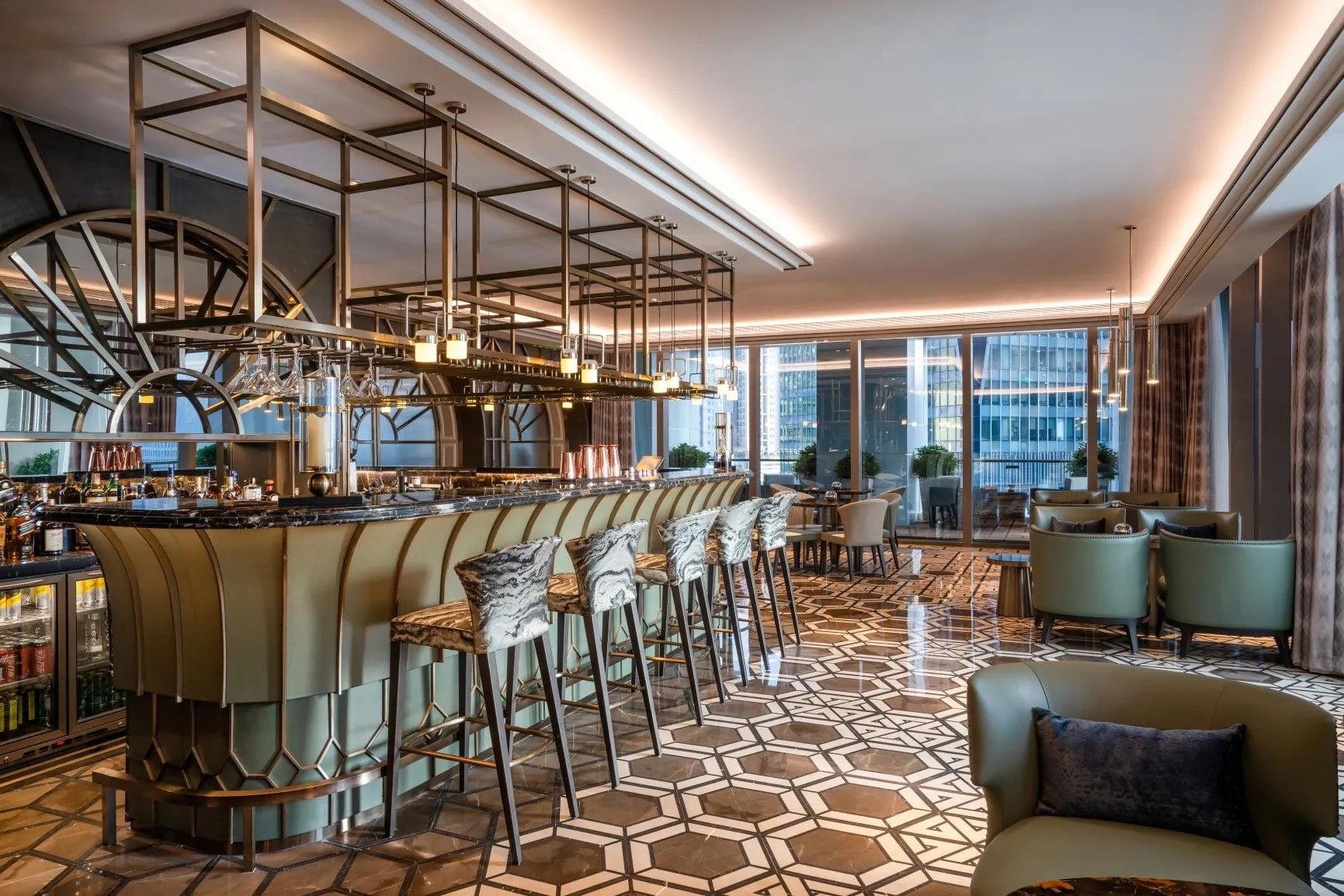
Six floors up in Tianhe's newer drinking map
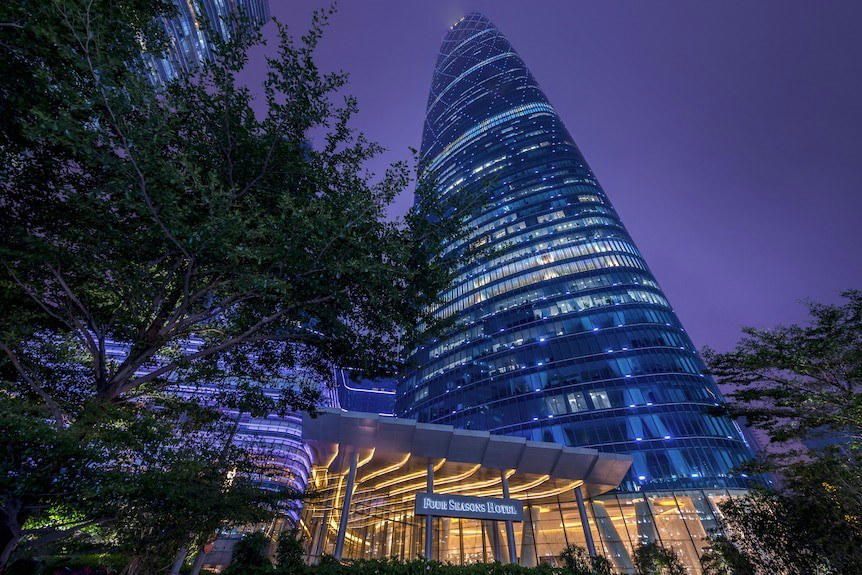
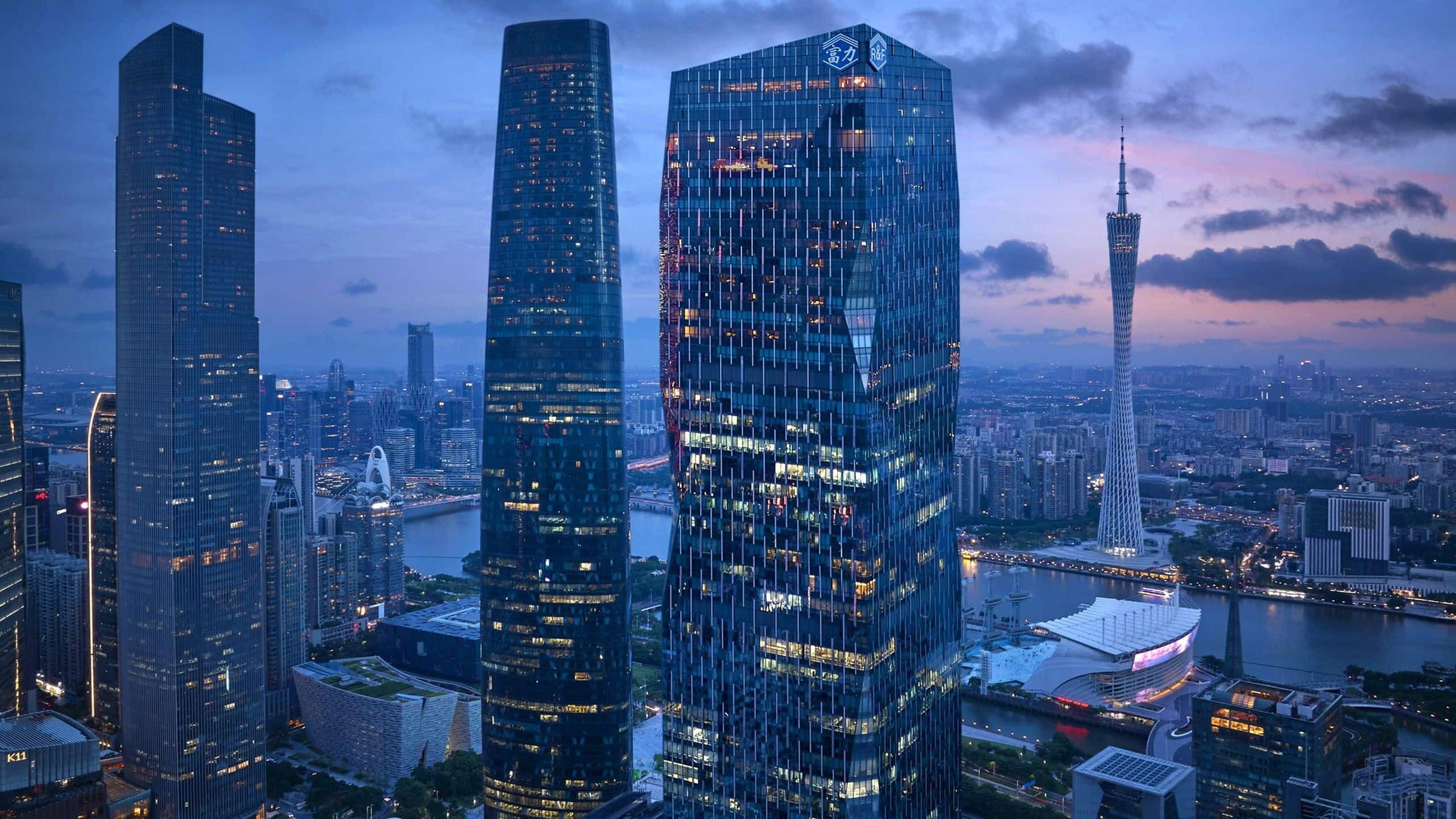
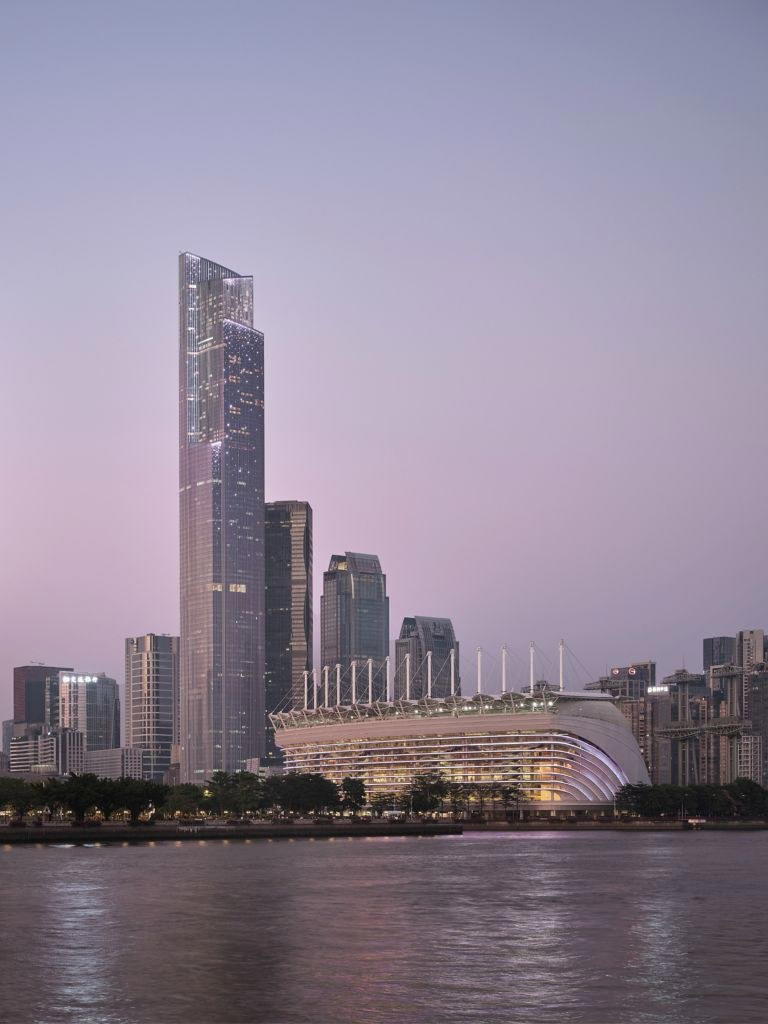
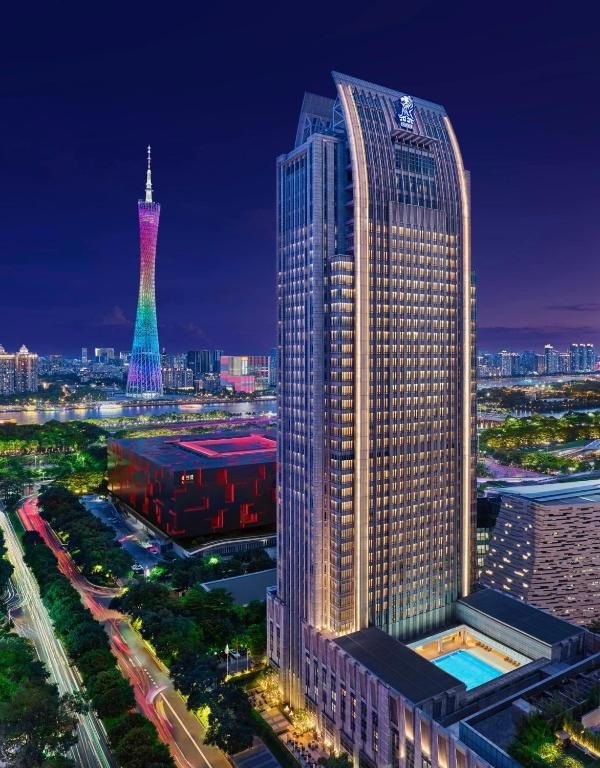
Approaching Bar On Six means entering the Guangzhou that looks upward: glass, office towers, hotel lobbies, and the broad avenues of Tianhe District rather than the arcade lanes and old trading streets that shape the city’s earlier drinking culture. The address, 488F+X88, Zhujiang West Road, places the bar in the Zhujiang New Town orbit, a part of Guangzhou where altitude, lighting, and arrival sequence often matter as much as the first drink. This is not the back-alley speakeasy grammar that once defined much of Asia’s cocktail conversation. The signal here is more direct: a sixth-floor bar in the city’s business core, built for guests who read a room before they read a menu.
That setting matters because Guangzhou’s bar scene has never been a carbon copy of Shanghai, Beijing, or Hong Kong. The city drinks late, eats seriously, and tends to judge hospitality by usefulness rather than theatre. A cocktail programme in Tianhe has to serve several audiences at once: after-work drinkers from the towers, visitors staying in nearby hotels, and locals using Zhujiang New Town as a polished alternative to older nightlife pockets. Bar On Six sits within that split. It is part of a newer urban pattern in which the bar is less a secret discovery than a planned stop, chosen for access, comfort, and a controlled sense of distance from street level.
The absence of public awards, listed pricing, named bartender data, and published house signatures in the available record should shape expectations rather than be treated as a flaw. In cities with dense hotel and tower districts, many serious cocktail rooms operate without the loud signal of global rankings. The question for the reader is not whether a trophy cabinet validates the room, but whether the format suits the evening: central Tianhe address, sixth-floor perspective, and a programme likely judged by execution, pacing, and how well it handles a mixed crowd. For a broader read on the city’s drinking range, Our full Guangzhou bars guide gives the wider frame.
The cocktail programme as a Tianhe proposition
Modern cocktail bars in China now divide into several recognizable camps. One camp leans on hidden entrances and coded nostalgia. Another borrows from culinary technique: clarification, fermentation, carbonation, fat-washing, and carefully engineered dilution. A third works through hotel-bar comfort, where the drinks need polish but the real test is consistency across a long service window. Bar On Six belongs to the part of the conversation where room and programme have to work together.
Guangzhou gives that structure a particular pressure. Cantonese dining has a long relationship with texture, temperature, balance, and restraint, and those habits affect how cocktails are received even when the bar is not explicitly Cantonese in theme. Drinks that succeed in this city often avoid blunt sweetness and overbuilt garnish. They need enough clarity to sit before or after a serious meal, especially in Tianhe, where dinner may happen in a hotel restaurant, a private room, or a high-end Cantonese dining room before the evening moves upward for one or two rounds. Bar On Six benefits from that dining ecosystem because its address makes it an easy post-meal choice without requiring a cross-city transfer.
The useful comparison is not with every bar in Guangzhou, but with other Chinese cocktail rooms that use setting and technique differently. Hope & Sesame has helped define Guangzhou’s more experimental bar identity, while Janes & Hooch in Beijing represents a capital-city model built around cosmopolitan bar culture and late-night social charge. Sober Company in Shanghai sits in a market where multi-format drinking and food-led cocktail thinking have been heavily scrutinised. Against those references, Bar On Six reads as a Tianhe room first: less about mythology, more about how a bar functions inside a vertical, business-forward district.
Why Guangzhou drinks differently
Guangzhou’s hospitality culture is anchored by eating. That sounds obvious until compared with cities where bars act as the primary social stage. In Guangzhou, a night often begins with food that has its own hierarchy: dim sum at specialist houses, seafood in large dining rooms, claypot rice, roast goose, hotpot, banquet Cantonese cooking, and late-night snacks. Cocktail bars must fit into that cadence. They are frequently second acts, not the entire performance. This changes the bar’s job. A strong Guangzhou programme needs to be flexible enough for a short visit after dinner and stable enough for guests who want to stay through several rounds.
Tianhe intensifies this practicality. The district is built around movement between offices, malls, hotels, and transport arteries, so successful venues there tend to reduce friction. Location becomes part of the drink decision. A bar on Zhujiang West Road is not asking guests to hunt through an old residential quarter; it is using the logic of the district, where polished access and predictable arrival matter. That does not make the experience less serious. It simply places seriousness in service design, glassware discipline, pacing, and the ability to handle different guest types without turning the room into a showroom.
This is where a sixth-floor address earns its keep. Height in Guangzhou is not only about views. It creates a pause between the city’s street-level humidity and the controlled conditions of the room. Sound changes. Light changes. The pace slows because the guest has already committed to a lift ride and a defined destination. For a cocktail programme, that pause can be useful. It gives bartenders a cleaner frame for aperitif-style drinks, spirit-forward classics, or longer serves designed for conversation.
How to place it among China's bar circuits
The Chinese cocktail map has matured beyond the simple question of which city has the flashiest bar. Beijing, Shanghai, Guangzhou, Shenzhen, Changsha, Macau, and Hong Kong now offer different drinking psychologies. Beijing rewards personality and late-night density. Shanghai often privileges design, technical menus, and international reference points. Guangzhou remains more food-adjacent and less interested in announcing itself too loudly. Shenzhen, close by, has a younger and more design-driven bar culture, while Macau’s hotel bars operate with resort-level service expectations and a high proportion of travellers.
That regional spread helps clarify Bar On Six. It should not be read as a destination that competes by published accolades, because no awards are recorded in the available venue data. It is better understood as part of Guangzhou’s polished urban drinking layer, a category where the address, district, and setting establish the first filter. Guests comparing nearby cities might look at Obsidian Bar in Shenzhen for a sharper South China design-bar reference, or The Ritz-Carlton Bar & Lounge in Macau for a hotel-lounge model shaped by casino-resort hospitality. CMYK in Changsha adds another contrast, from a city whose nightlife often runs warmer, louder, and later.
International comparison also has limits, but it can be useful. Café La Trova in Miami shows how a bar can be inseparable from live social energy and a specific cultural rhythm. Guangzhou’s Tianhe bars generally work with a different charge: less performance-led, more dependent on the calibrated transition from dinner to drinks. That makes Bar On Six a useful stop for readers trying to understand how Chinese cocktail culture changes when it leaves the headline markets and enters a city where food remains the dominant social language.
What the setting implies about the night
A sixth-floor bar in Tianhe carries practical implications. It is likely to suit planned evenings better than spontaneous bar-hopping across distant neighbourhoods. The listed address on Zhujiang West Road puts it in a part of Guangzhou where taxis and ride-hailing are generally the natural mode for visitors moving between dinner, hotels, and late drinks. That verification matters in China, where opening hours, private events, and platform listings can change faster than international travel pages are updated.
The room’s likely appeal is strongest for three scenarios. First, a post-dinner drink after a meal in Tianhe or Zhujiang New Town, when crossing the city would add fatigue rather than pleasure. Second, a business-adjacent evening where discretion and easy access matter more than novelty. Third, a traveller’s first night in Guangzhou, when the city is easier to read from a controlled perch before moving into older districts on later evenings. None of these requires the bar to behave like a destination cocktail temple. They require reliability, composure, and enough drink-making confidence to keep the evening from feeling generic.
Price cannot be responsibly stated from the available record, and that absence is useful information. In Guangzhou, pricing can shift sharply between neighbourhood bars, hotel bars, and high-design cocktail rooms. A Zhujiang West Road address suggests guests should expect the economics of a central Tianhe night rather than a low-cost local bar, but any exact spend would be guesswork. The same caution applies to cuisine or food service: no cuisine type is listed, so the bar should be planned primarily as a drinks stop unless current venue information confirms otherwise.
Where it fits in a wider Guangzhou itinerary
For EP Club readers, Bar On Six makes more sense as part of a mapped evening than as a stand-alone claim. Guangzhou rewards sequencing. A strong day might move from traditional Cantonese breakfast into a market or museum visit, then dinner in Tianhe or Yuexiu, then cocktails in a room that does not require a long final transfer. In that pattern, a sixth-floor Tianhe bar has clear utility. It provides a composed finish without asking the guest to restart the night from scratch.
Readers planning the city by category should connect the bar to the rest of the Guangzhou file rather than isolate it. Food remains the city’s anchor, so Our full Guangzhou restaurants guide is the logical starting point for dinner planning. Hotel choice also shapes drinking decisions in a spread-out city; Our full Guangzhou hotels guide helps position the night geographically. For travellers building a broader cultural plan, Our full Guangzhou experiences guide adds daytime context, while Our full Guangzhou wineries guide is useful for readers tracking wine-led options and regional availability.
The editorial case for Bar On Six is therefore not built on a chef biography, a bartender origin story, or a list of claimed signatures. The case is urban and practical: a Tianhe cocktail address in the city’s upward-facing commercial core, relevant to travellers who want a measured drinks room after dinner and locals using Zhujiang New Town as a polished meeting point. In a city where eating often sets the agenda, that role is more meaningful than it first appears.
Planning notes
- Address: 488F+X88, Zhujiang W Rd, Tianhe District, Guangzhou, Guangdong Province, China, 510623.
- Neighbourhood context: Tianhe District, within the Zhujiang New Town orbit, a central business and hotel zone suited to planned evenings.
- Confirm current operating details before travelling across the city.
- Treat it as a central Tianhe cocktail stop and verify current menus or listings for spend.
- The useful assessment is contextual rather than accolade-led.
- Food expectations: No cuisine type or signature dishes are listed. Plan around drinks unless current venue information says otherwise.
Continue exploring
More in Guangzhou
Bars in Guangzhou
Browse all →
Restaurants in Guangzhou
Browse all →
At a Glance
- Romantic
- Scenic
- Modern
- Elegant
- Sophisticated
- Date Night
- After Work
- Casual Hangout
- Celebration
- Terrace
- Panoramic View
- Design Destination
- Hotel Bar
- Seated Bar
- Lounge Seating
- Outdoor Terrace
- Craft Cocktails
- Conventional Wine
- Skyline
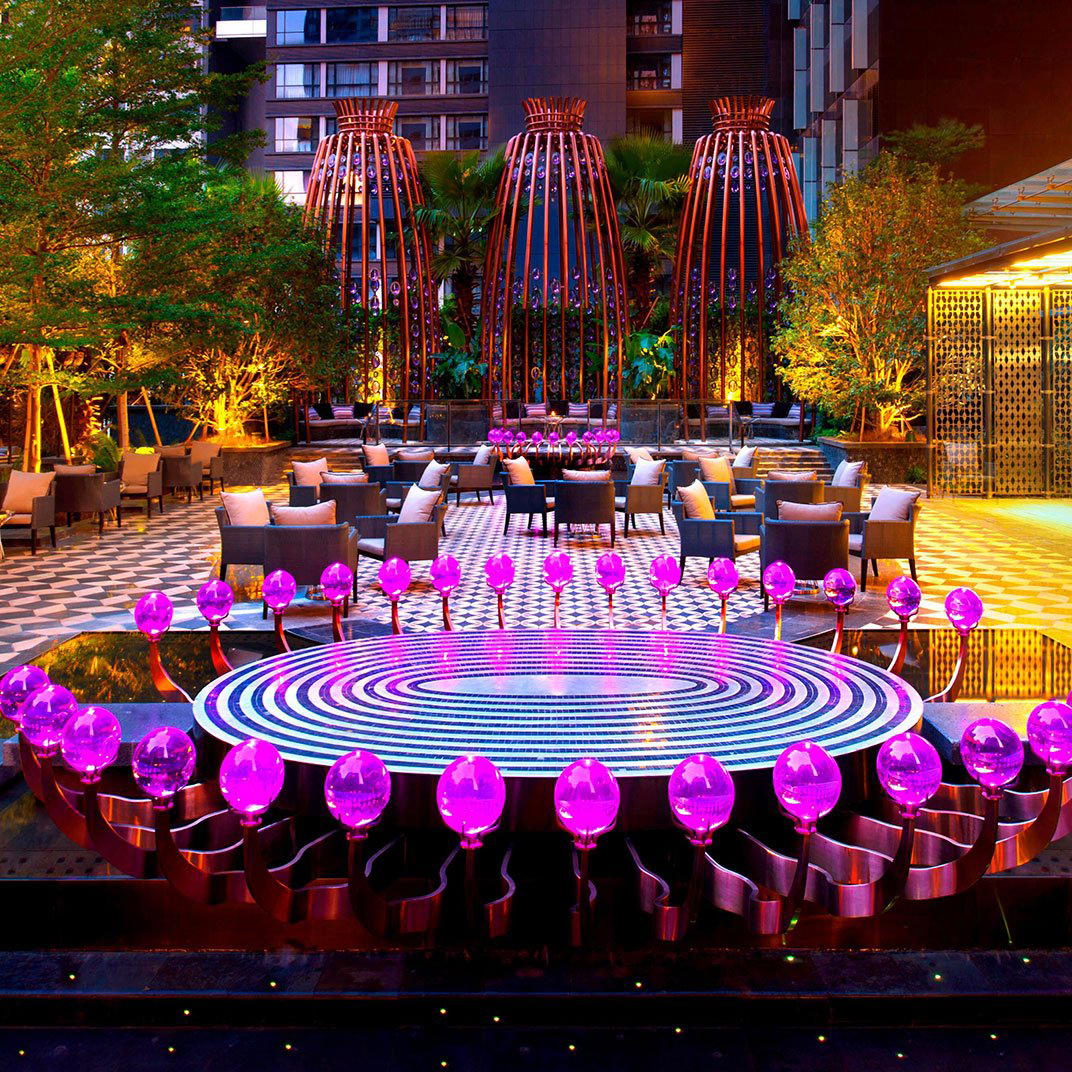
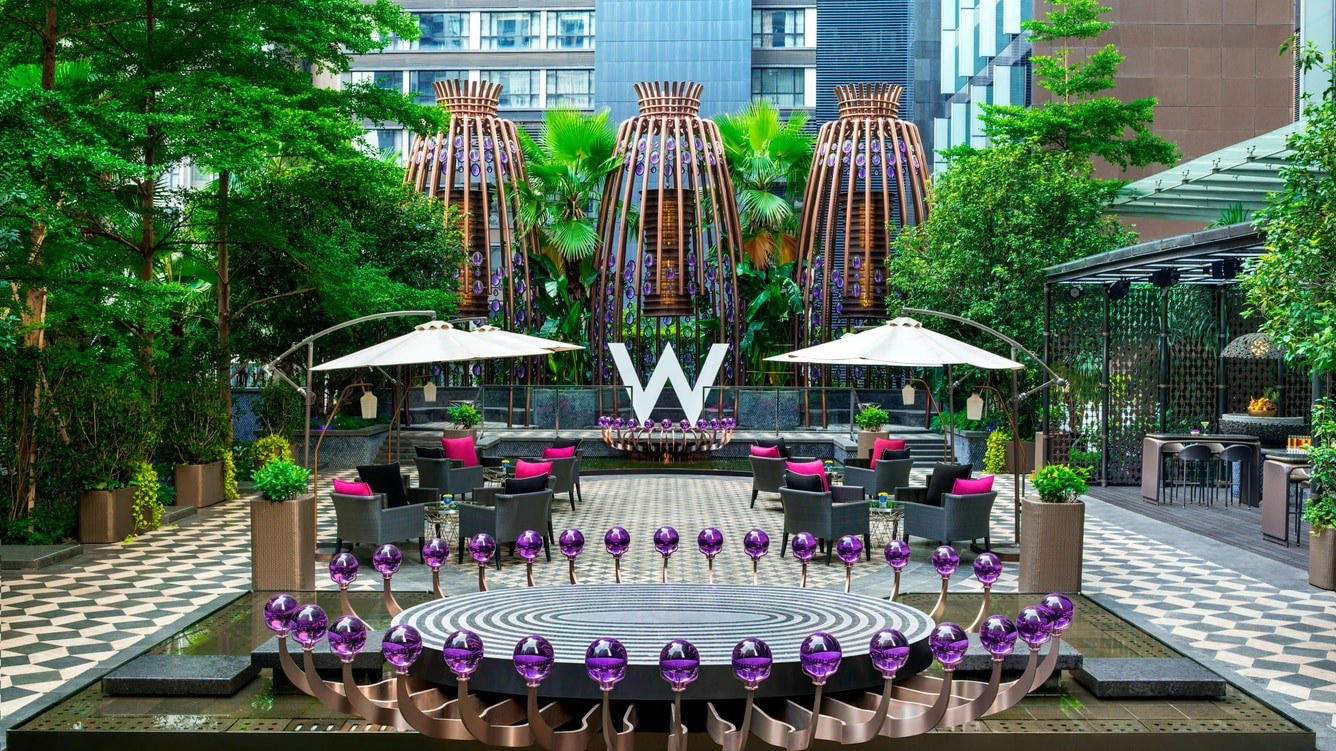
Stylish and romantic with a relaxed, sunlit terrace feel that transitions into an elegant evening setting, combining modern design with scenic city vistas for casual yet refined gatherings.
Know Before You Go
- Getting there
- 488F+X88, Zhujiang W Rd, Tianhe District, Guangzhou, Guangdong Province, China, 510623