

1 Michelin Star · La Liste Top Restaurants · Black Pearl 1 Diamond
Our verdict
Lei Garden (Yuexiu) holds a Michelin star and Black Pearl Diamond alongside a La Liste score of 79 points, placing it in the upper tier of Guangzhou's Cantonese dining scene. For serious Cantonese cooking at a mid-range price, few addresses in Tianhe carry equivalent formal recognition.

Pearl is the En Primeur Club membership app — saves, bookings, and concierge access live there. Same editors, same standards.
- Address
- 8 Huaxia Rd, Tianhe District, Guangzhou, Guangdong Province, China, 510623
- Phone
- +86 20 8550 0028
- Hours
- Daily 10 AM–10 PM
- Website
- leigarden.hk
- Directions
- Get directions
- Booking
- Book on Chope
The menu
What to order
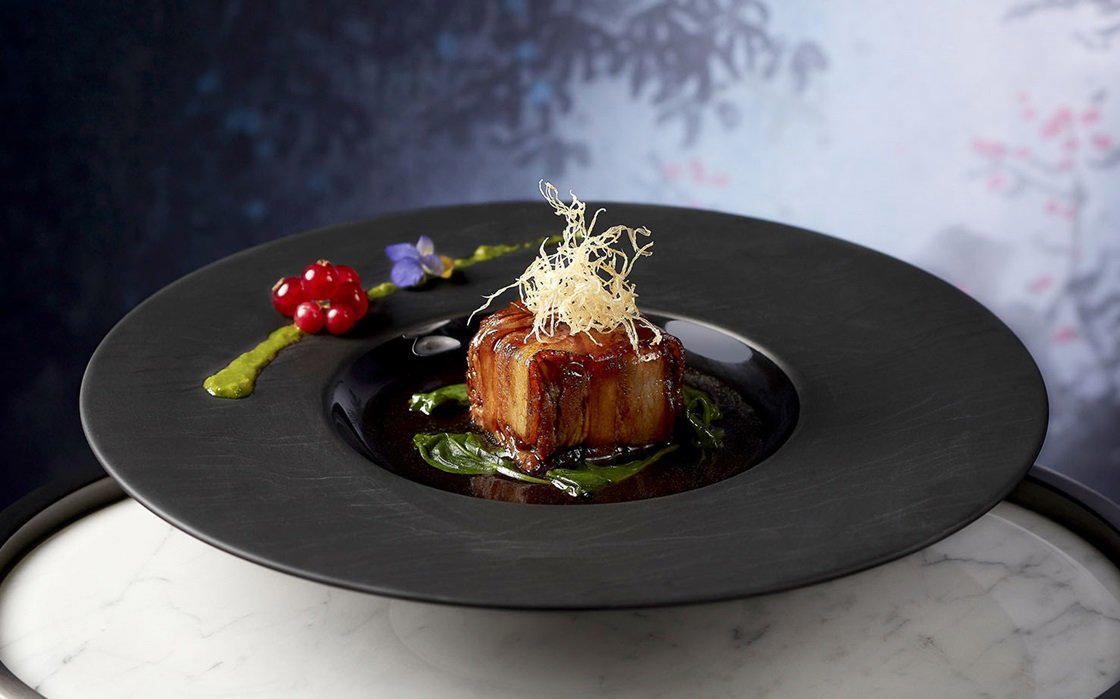
- Crispy roast pork belly
- Peking duck
- Steamed lobster with garlic
- Baked BBQ pork buns
The Physical Address of Cantonese Precision
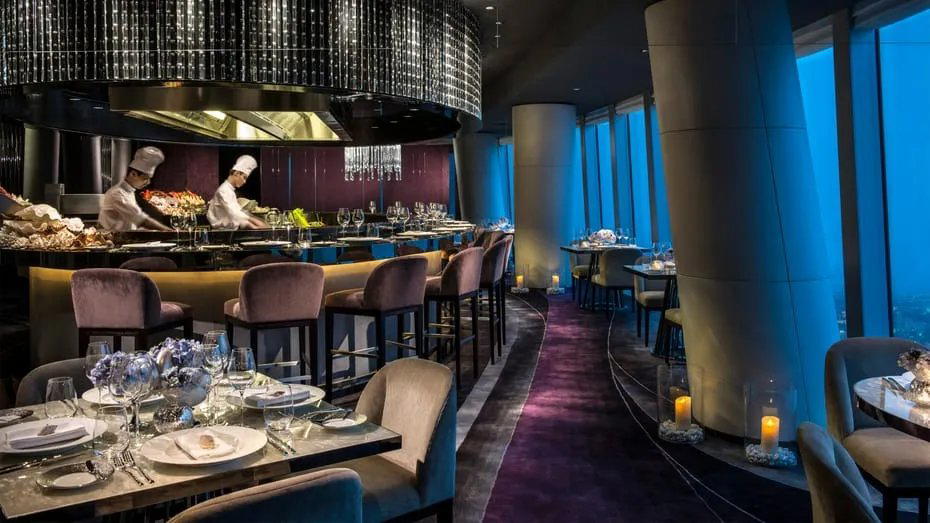
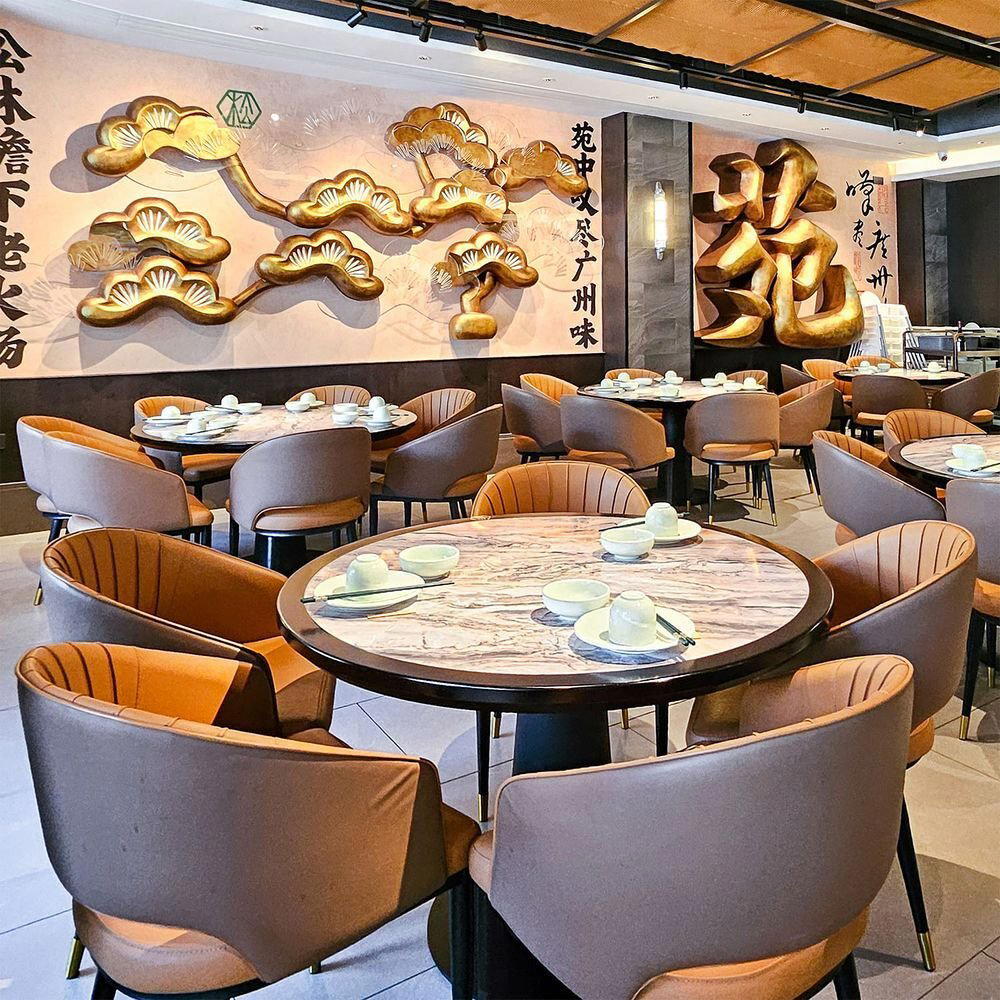
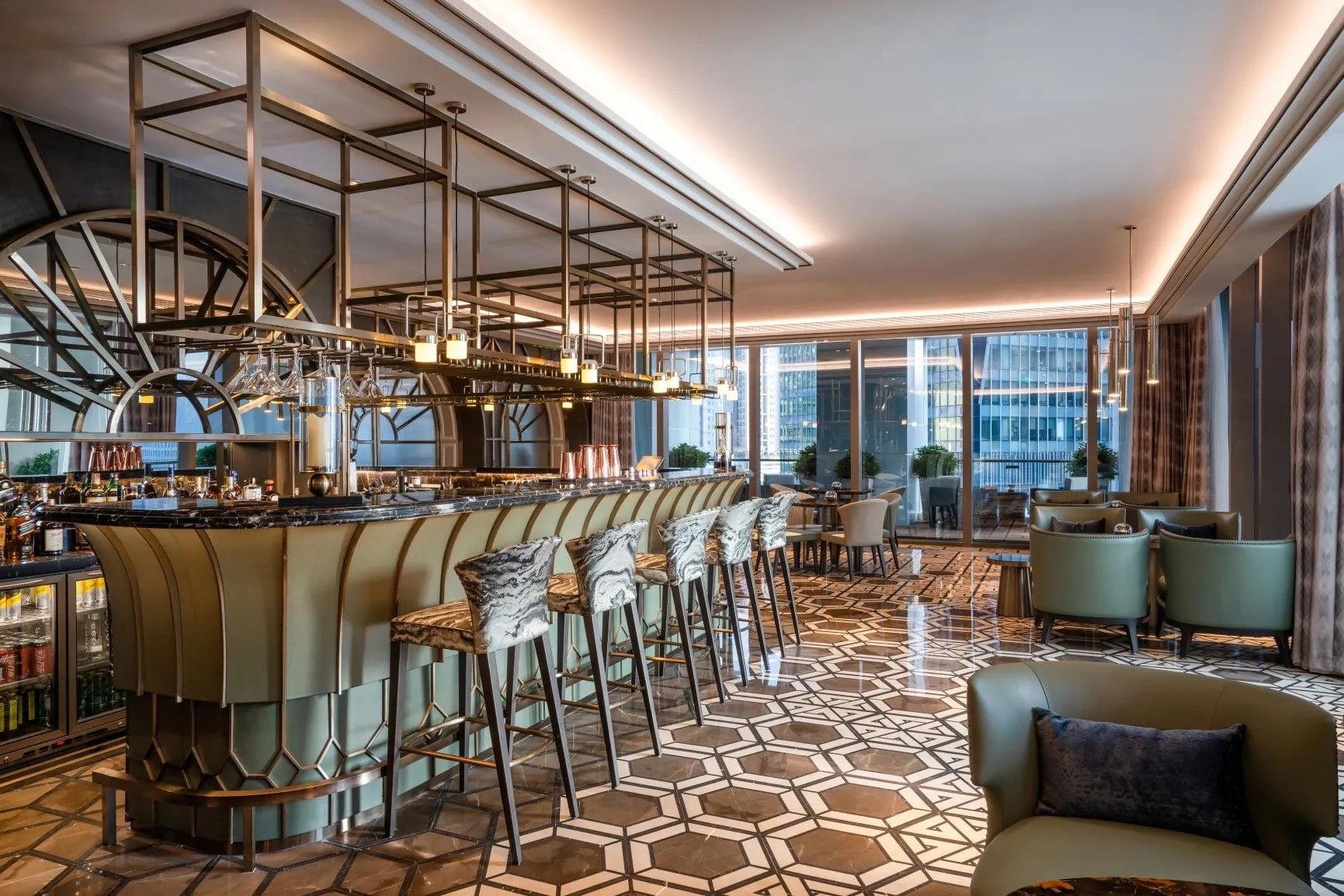
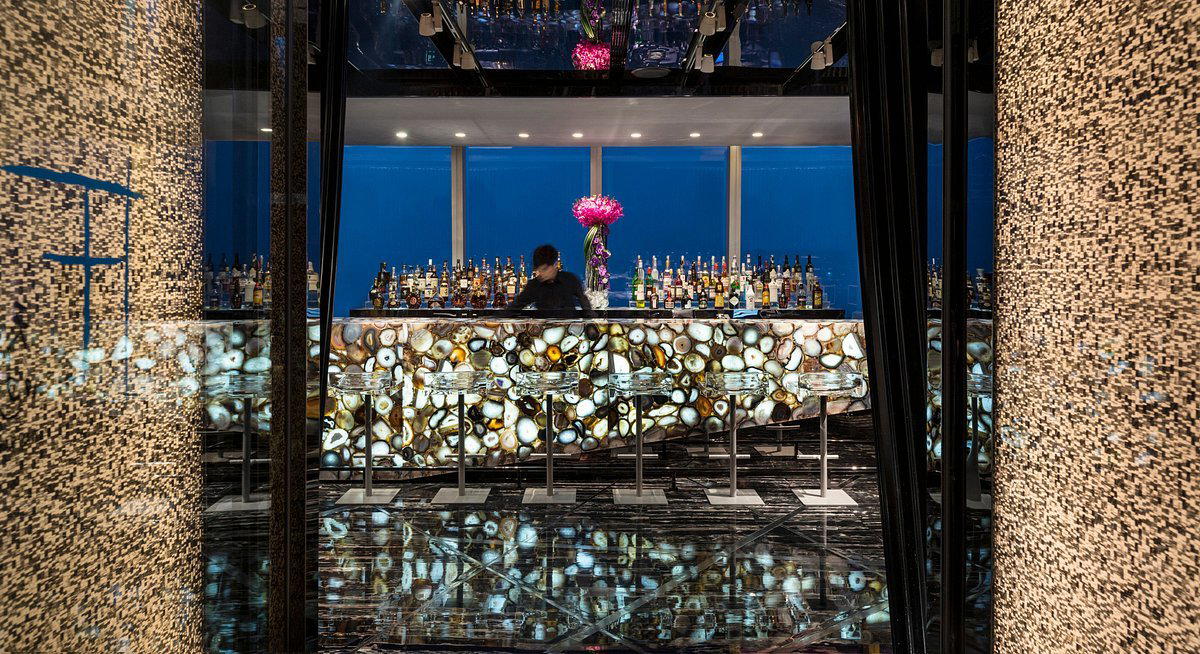
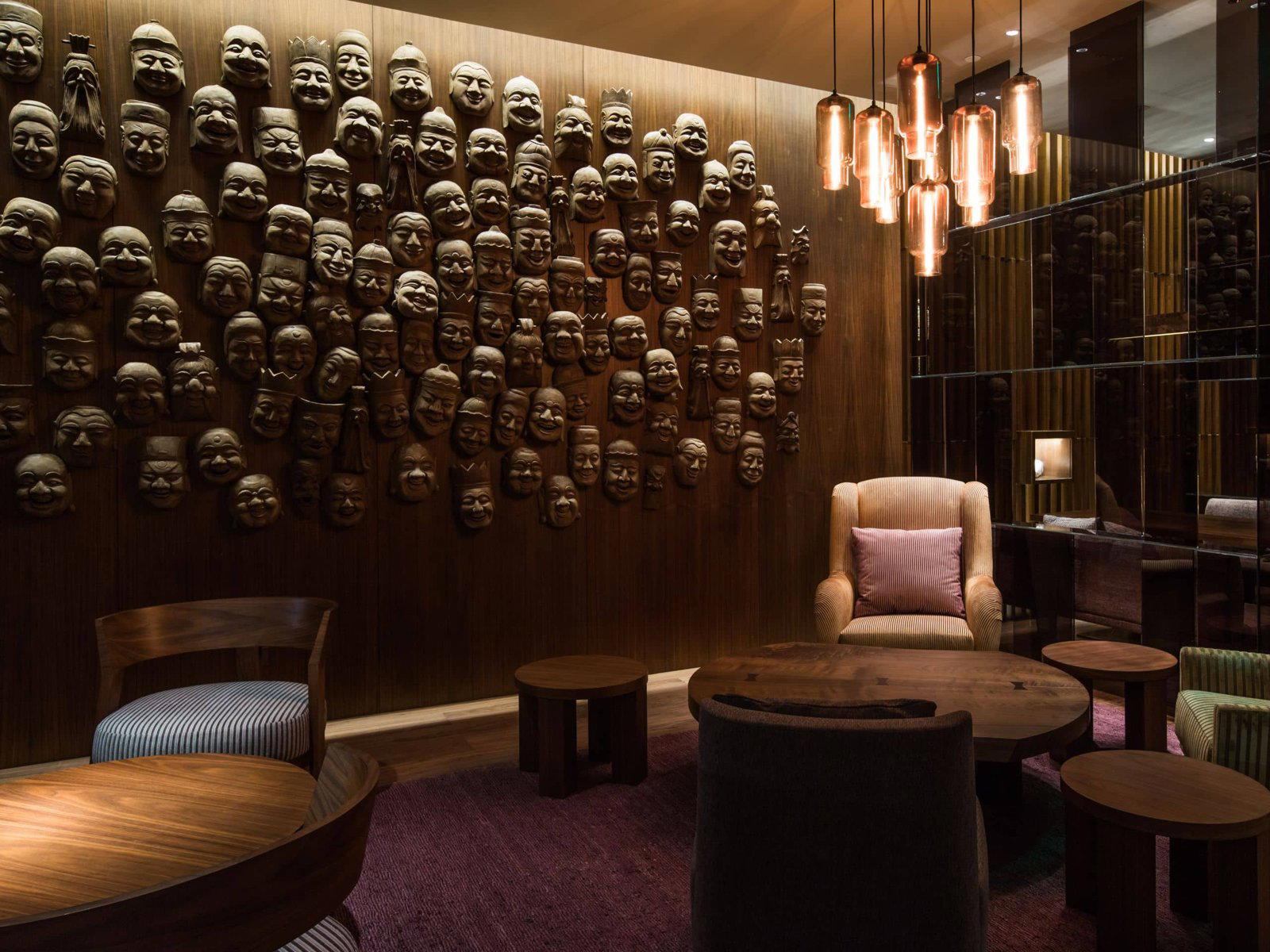
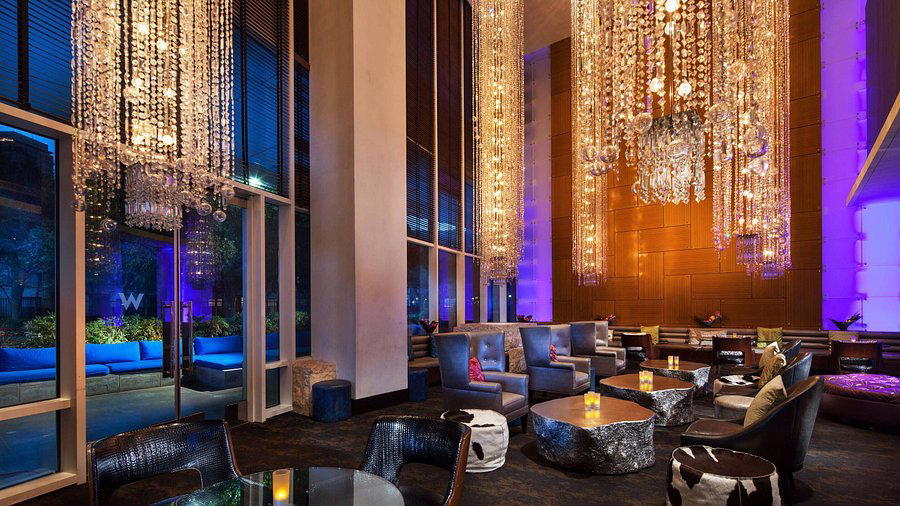
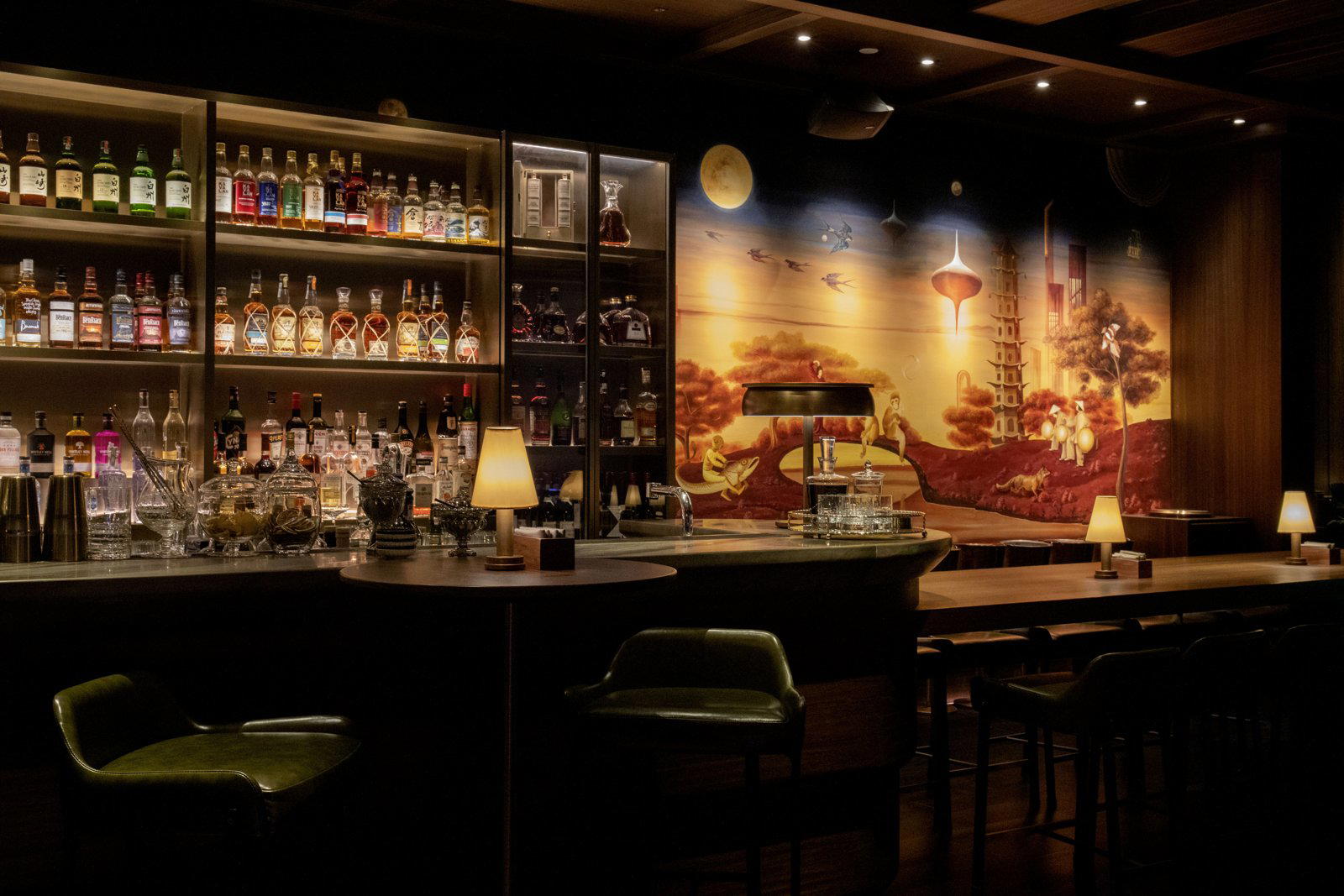
The corridor leading into Lei Garden on Huaxia Road in Tianhe says something before a dish arrives. The spatial language is deliberate: composed, unhurried, built for a dining register that sits above casual but stops short of formal ceremony. In a city where the dining room is often treated as a stage for social performance, the restraint here reads as a signal. The room communicates that the work happens in the kitchen, not in the architecture. Private rooms are typical of this tier of Cantonese dining in Guangzhou, where the shared table still dominates but is arranged with sufficient formality to mark an occasion.
Cantonese dining at this level generally occupies one of two spatial registers: the grand hotel ballroom approach, where height and chandeliers anchor prestige, or the quieter, mid-scale format where the room serves the food rather than competing with it. Lei Garden sits in the latter category. The interiors are professional without being sterile, calibrated for a clientele that arrives with clear expectations about what it is eating rather than where it is sitting.
Award Position and Peer Context
Lei Garden (Yuexiu) carries a Michelin one star consecutively across 2024 and 2025, a Black Pearl one Diamond in 2025, and a La Liste score of 79 points in 2026. That combination of recognitions across three distinct rating systems is not a coincidence of timing — it reflects a kitchen performing at a level that multiple methodologies agree on. Michelin's Cantonese evaluations in mainland China tend to emphasise classical technique and ingredient quality; Black Pearl leans slightly more toward Chinese critical sensibility; La Liste aggregates international press. Scoring across all three positions Lei Garden in a cross-validated tier that few addresses in Guangzhou occupy.
The ¥¥ price bracket makes that positioning remarkable. Comparable award density in Guangzhou typically lands in the ¥¥¥ bracket. Imperial Treasure Fine Chinese Cuisine in Guangzhou occupies ¥¥¥, as does the broader upper tier of Cantonese formal dining in the city. Lei Garden's ability to hold this award set at a lower price point is one of the more practically relevant facts about it — it is accessible relative to its recognition in a way that is unusual at this level of Cantonese cooking.
For wider regional comparison, the Cantonese fine dining circuit extends from Guangzhou through Hong Kong to outposts across the mainland. Forum in Hong Kong and Le Palais in Taipei represent how Cantonese cuisine has been carried into different markets, each with its own critical standing. Within mainland China, Dai Yuet Heen in Nanjing shows how Cantonese techniques migrate north. Lei Garden in Guangzhou operates at the source, where the culinary standards are set by a city that has been defining Cantonese cooking for generations.
Cantonese Cooking in Its Home Register
Guangzhou is the city where Cantonese cuisine is not a genre but a given. Yum cha culture, roast meats, double-boiled soups, live seafood prepared with minimal intervention, these are the categories that Guangzhou restaurants are measured against, and the measurement is precise because the local audience is unforgiving. A kitchen holding a Michelin star in this city is competing against a market that eats Cantonese food multiple times a week and has calibrated opinions about the temperature of a congee or the crispness of a roast goose skin.
The Cantonese canon that Lei Garden works within is one of the most technically demanding in Chinese cuisine. Wok technique, timing, and the sourcing of live or same-day ingredients are not optional considerations but structural requirements. The award record suggests a kitchen meeting those requirements consistently, which is a harder standard to maintain in Guangzhou than in markets where the critical audience is less specialist.
For those building a wider Guangzhou itinerary around Cantonese cooking, the city's offer spans multiple tiers and styles. Jiang by Chef Fei and Lai Heen occupy hotel-anchored positions at the upper end; BingSheng Mansion on Xiancun Road and Jade River represent the mid-to-upper independent tier. Imperial Treasure Fine Chinese Cuisine brings a Singapore-origin perspective to Guangzhou's Cantonese scene. Lei Garden sits within this competitive field as one of the more award-dense options at its price point.
The Lei Garden Network and What It Signals
Lei Garden operates as a group with roots in Hong Kong, which means the Guangzhou outpost inherits a lineage with critical standing built across decades of scrutiny in one of the world's most demanding Cantonese markets. Group Cantonese restaurants occupy an interesting position: they carry institutional knowledge and kitchen systems that independent restaurants build over a longer timeline, but they are sometimes held at arm's length by critics who prize singular chef-driven identities. The award record at the Yuexiu location suggests the kitchen is treated on its own merits rather than as a chain adjunct.
Across mainland China, the regional fine dining scene has developed rapidly, with Cantonese-inflected restaurants appearing in cities well outside Guangdong. Xin Rong Ji in Beijing and Xin Rong Ji in Chengdu illustrate how Zhejiang-rooted fine dining has expanded its geographic reach; 102 House in Shanghai and Ru Yuan in Hangzhou show different regional expressions of the formal Chinese dining category. Chef Tam's Seasons in Macau is perhaps the closest regional peer in terms of Cantonese positioning and award density. Against this mainland and greater-region field, Lei Garden (Yuexiu) holds its position as one of the few Guangzhou addresses with cross-system formal recognition.
Planning a Visit
The restaurant is located at 8 Huaxia Road in Tianhe District, one of Guangzhou's main commercial and dining corridors. Tianhe's density of mid-to-upper dining options makes it a logical base for a serious eating itinerary in the city. The ¥¥ price positioning means a full meal for two lands at a fraction of the cost of comparable starred Cantonese cooking in Hong Kong, a direct case for visiting while in Guangzhou rather than waiting to compare across the border.
Booking ahead is the reasonable assumption for any address carrying this award combination in Guangzhou's competitive restaurant market.
For those building a wider trip around eating and drinking in the city, the full picture of what Guangzhou offers across restaurants, bars, hotels, and experiences is covered in the EP Club city guides: our full Guangzhou restaurants guide, our full Guangzhou hotels guide, our full Guangzhou bars guide, our full Guangzhou wineries guide, and our full Guangzhou experiences guide.
Frequently asked questions
What price level is Lei Garden (Yuexiu)?
Pricing at Lei Garden (Yuexiu) is listed as ¥¥.
How would you describe the cuisine at Lei Garden (Yuexiu)?
Is Lei Garden (Yuexiu) Michelin-listed?
Lei Garden (Yuexiu) has received recognition including: La Liste Top Restaurants (2026): 79pts; Black Pearl 1 Diamond (2025); Michelin 1 Star (2025); Michelin 1 Star (2024).
What should I eat at Lei Garden (Yuexiu)?
Lei Garden's Cantonese repertoire runs across the formats that define the cuisine in Guangzhou: double-boiled soups, live seafood, roast meats, and dim sum prepared at the standard the restaurant's consecutive Michelin stars (2024–2025) and Black Pearl Diamond (2025) are built on. Guangzhou is the city where this cooking is practiced most rigorously, and Lei Garden's Hong Kong-rooted lineage brings additional critical standing to its Tianhe kitchen. Specific current dishes are best confirmed directly with the restaurant, as seasonal availability governs most of the menu.
What's the address for Lei Garden (Yuexiu)?
Lei Garden (Yuexiu) is located at 8 Huaxia Rd, Tianhe District, Guangzhou, Guangdong Province, China, 510623, Guangzhou.
Cuisine Context
A quick peer reference to anchor this venue in its category.
| Venue | Cuisine | Price | Awards | Notes |
|---|---|---|---|---|
| Lei Garden (Yuexiu)This venue — the venue you are viewing | Traditional Cantonese | $50–100 | 1 Michelin Star · La Liste Top Restaurants | Not listed |
| Imperial Treasure Fine Chinese Cuisine | Contemporary Franco-Japanese Fine Dining | $150–200 | 1 Michelin Star | Cantonese |
| Taian Table | Contemporary Franco-Japanese Fine Dining | $150–200 | 1 Michelin Star | Modern European, European Contemporary |
| Chōwa | Contemporary Franco-Japanese Fine Dining | $150–200 | 1 Michelin Star | Innovative |
| Imperial Treasure Fine Teochew Cuisine | Contemporary Franco-Japanese Fine Dining | $150–200 | 1 Michelin Star | Chao Zhou |
| Rêver | Contemporary Franco-Japanese Fine Dining | $150–200 | 1 Michelin Star | French Contemporary |
Recognition history
Dated appearances from independent guides and award organizations, with the underlying list record or original source where available.
Michelin 1 Star
Michelin
La Liste Top Restaurants
La Liste
Black Pearl 1 Diamond
Black Pearl
Full recognition history (5 entries)
Black Pearl 1 Diamond
Black Pearl
Michelin 1 Star
Michelin