
Tabelog 100 #27
Our verdict
岩塚渡辺 occupies a quiet corner of Nishikan Ward on the western edge of Niigata, where the Echigo plain meets the Sea of Japan coastline. The restaurant draws from the region's deep rice-farming and fishing traditions, placing it within a dining culture that prizes seasonal precision and unhurried pacing. Visitors come for a meal rooted in local rhythm rather than metropolitan spectacle.

Pearl is the En Primeur Club membership app — saves, bookings, and concierge access live there. Same editors, same standards.
- Address
- Ko-2443 Maki, Nishikan Ward, Niigata, 953-0041, Japan
- Phone
- +81256722859
- Website
- kappou-watanabe.net
- Directions
- Get directions
- Booking
- Book on TableCheck
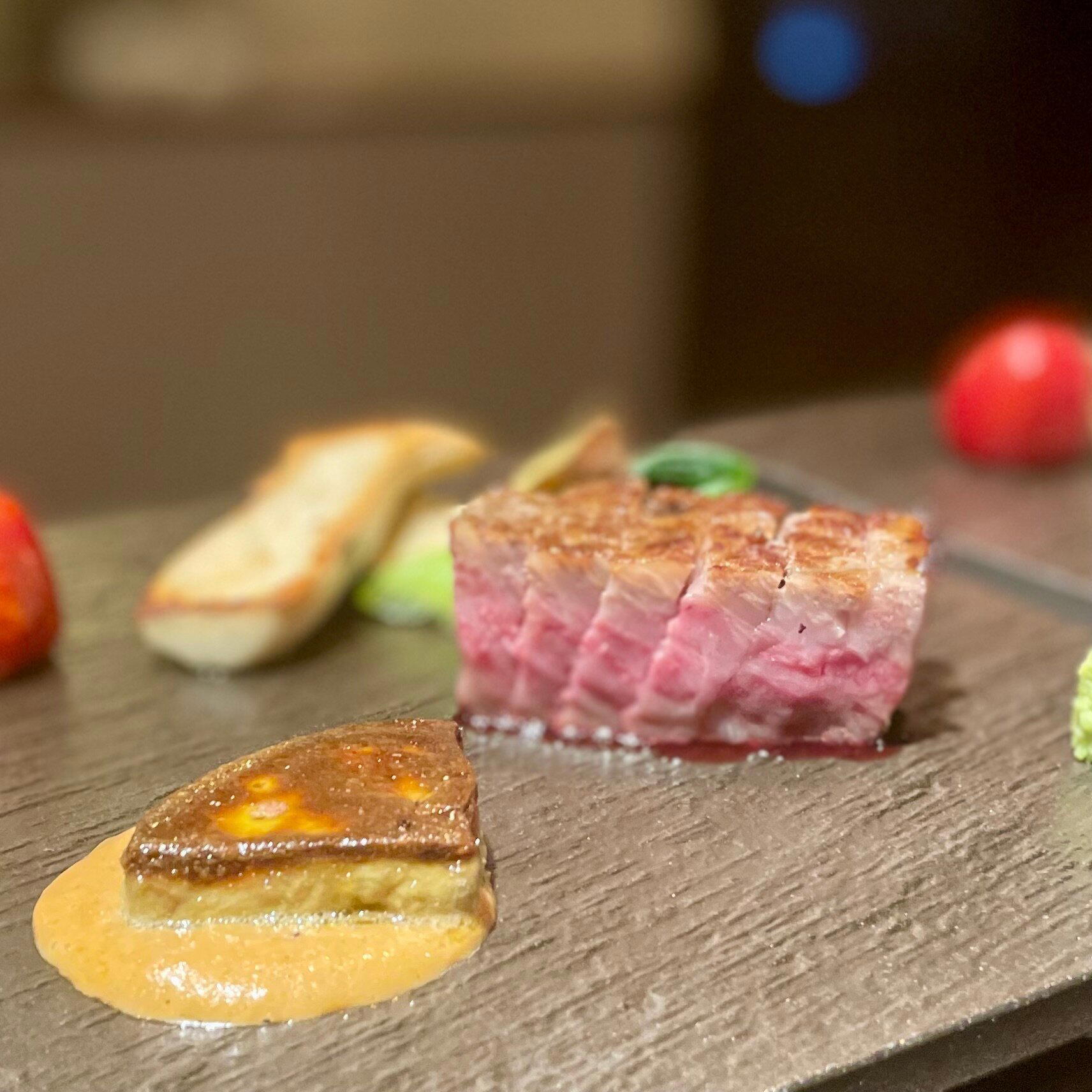
Where the Echigo Coast Sets the Pace
Nishikan Ward sits at the western margin of Niigata City, where paddy fields flatten toward the Sea of Japan and the nearest busy intersection feels several conceptual miles away. Arriving at Ko-2443 Maki, you are already in the register of rural Niigata: low rooflines, quiet roads, the particular stillness that signals a place where the agricultural calendar still shapes daily life. That environmental context is not incidental. In Niigata's dining culture, physical setting has always conditioned the meal — this is a prefecture where the leading rice in Japan is grown, where the coastal catch changes week by week, and where the ritual of eating tends to reflect those material realities rather than override them.
岩塚渡辺 belongs to that tradition. The address in Maki positions it outside the central Niigata dining circuit that includes counters like Kyodaizushi (Sushi) and KOKAJIYA, or the French-influenced rooms such as Restaurant UOZEN (French) and Mûrir. That distance from the urban core is itself a positioning statement. Restaurants in peripheral Niigata Ward locations tend to draw a local clientele with deep familiarity with the food, rather than visitors scanning the city center for the most decorated address. The crowd, by definition, is less transient.
The Ritual of the Meal in Niigata's Tradition
Across Japan's regional dining culture, a meaningful divide separates places that perform a meal from places that conduct one. Performance-oriented dining — timed courses, theatrical plating, the orchestrated reveal, has its clearest expression in Tokyo's tasting-menu rooms and in the kaiseki tier that venues like Gion Sasaki in Kyoto represent at high altitude. What persists in Niigata's more rural geography is something closer to the second category: eating as a form of paced, cumulative attention rather than spectacle.
That distinction matters when thinking about how a meal at a place like 岩塚渡辺 is likely to unfold. In this part of the prefecture, dining customs have historically been shaped by the agricultural and fishing cycles of the Echigo plain. Rice harvest timing, Sea of Japan snow crab seasons, and the availability of local sake from the dense cluster of Niigata breweries all feed into how and when certain foods are served. A dinner here operates according to a different clock than a reservation-driven counter in central Niigata, let alone the kind of precision-engineered progression you would find at HAJIME in Osaka or Harutaka in Tokyo.
Pacing in this tradition tends to be unhurried by design. Dishes arrive when they are ready rather than on a metronome. The assumption is that the guest has time, and that time is part of the hospitality. For visitors accustomed to the tight sequencing of a metropolitan omakase counter, that looseness can initially feel ambiguous. It resolves quickly into something more comfortable: a meal that breathes, where conversation fills the pauses without apology.
Niigata's Regional Context: What the Address Signals
Niigata's food identity is built on a few well-documented pillars. The prefecture produces Koshihikari rice, the variety that set the benchmark for Japanese short-grain rice and remains among the most requested in premium restaurant supply chains. Its coastline faces the Sea of Japan, which delivers different seasonal species than the Pacific side of Honshu: yellowtail, snow crab, flatfish, and the small silver sardines that define winter eating here. Niigata also holds the highest concentration of sake breweries of any prefecture in Japan, which shapes the drink pairing logic at almost every serious restaurant in the region.
These conditions have produced a dining culture that is relatively self-contained and ingredient-driven. Niigata's restaurants tend not to import prestige from elsewhere; they build credibility through proximity to the source. That is a different logic from the cuisine-led ambition you see in, say, Goh in Fukuoka or the technique-forward work at akordu in Nara. In Nishikan Ward, the surrounding fields and the nearby coast function as the implicit credential.
Comparable regional dynamics operate in other parts of Japan's rural dining circuit. Places like 一本木 in Nanao on the Noto Peninsula, 湖辺庄 in Takashima near Lake Biwa, and 庄羽屋 in Nishikawa Machi in the mountains above Niigata all operate on similar principles: the local producer and the seasonal calendar drive the menu, and the restaurant's authority derives from its relationship to that supply chain rather than from awards or chef celebrity. 岩塚渡辺's Maki address places it in that cohort.
Planning Your Visit
Maki sits in Nishikan Ward, on the western edge of Niigata City. Reaching Ko-2443 Maki from central Niigata requires a car or deliberate use of local transit; this is not a walk-in-from-the-station address. That journey is part of the experience in the same way that visiting 夕佳亭 in Sapporo or Menya Agosuke in Niigata requires planning rather than impulse. Visitors intending to combine 岩塚渡辺 with other Niigata dining should note that the drive from the city center to Maki adds meaningful time to any itinerary. Given the limited public information currently available on phone, hours, and booking channels, confirming arrangements in advance, ideally through a Japanese-speaking contact or local hotel concierge, is the practical route. Dinner reservations in rural Niigata restaurants are rarely same-day affairs; lead time of several days at minimum is the reasonable expectation. For a broader orientation to the city's dining options, our full Niigata restaurants guide maps the scene across neighborhoods and price tiers. Those planning a wider Japan itinerary around serious eating may also want to benchmark against Le Bernardin in New York City or Atomix in New York City to calibrate how a regionally-rooted Japanese meal differs from high-technique Western fine dining in both pacing and intent. Additionally, Birdland in Sakai offers a useful contrast in how regional Japanese restaurants anchor themselves to a single product category with similar geographic specificity.
Frequently asked questions
Is 岩角渡辺 okay with children?
The venue is located in Maki, Nishikan Ward — a quiet residential and agricultural area on the western edge of Niigata City, far from the city's busier commercial districts. That setting typically suits a calmer, unhurried pace rather than a child-animated atmosphere.
Where exactly is å²ç¹æ¸¡è¾º?
å²ç¹æ¸¡è¾º is located at Ko-2443 Maki, Nishikan Ward, Niigata, 953-0041, Japan, Niigata.
Is 岩角渡辺 better for a quiet night or a lively one?
The address at Ko-2443 Maki, Nishikan Ward places this venue well outside Niigata City's central dining corridors, in a ward where paddy fields outnumber intersections. That geography alone signals a quieter register. Visitors seeking a relaxed, unhurried meal rather than a high-energy evening will find the location more naturally suited to their expectations.
What dish is 岩角渡辺 famous for?
Specific dish information for 岩角渡辺 is not on public record at this time. Niigata prefecture's culinary identity is anchored in Koshihikari rice and Sea of Japan seafood — two pillars that inform most serious regional kitchens in Nishikan Ward. Reaching out to the venue directly is the most reliable way to understand the current menu focus.
Cuisine and Credentials
Comparable venues nearby, for context on price, style, and recognition.
| Venue | Cuisine | Price | Awards | Notes |
|---|---|---|---|---|
| 割烹渡辺This venue — the venue you are viewing | Edomae Sushi | $100–150 | Tabelog 100 #27 | Not listed |
| Tokiwa Sushi Nigata Ten | Niigata Local Omakase Sushi | $200–300 | Tabelog Bronze #460 | Chuo Ward |
| Kappou Choukichi | Seasonal Wild Duck Kappo (Japanese) | $100–150 | Tabelog 100 #10 | Nishikan-ku |
| Nerima Toricho Niigata | Yakitori & Chicken Course Dining | $50–100 | Tabelog 100 #64 | Chuo Ward |
| Tori Yasu | Chicken-focused Japanese izakaya | $20–30 | Tabelog 100 #19 | / Kita Ward |
| Sushi Nakahisa Hoshino | Edomae Sushi | $150–200 | Tabelog 100 #27 | Niigata Furumachi |
Recognition history
Dated appearances from independent guides and award organizations, with the underlying list record or original source where available.
Tabelog 100 #27 · No. 27
Tabelog · Tabelog 100 - Japanese cuisine - EAST - 2025
Details
- Intimate
- Elegant
- Sophisticated
- Date Night
- Special Occasion
- Solo
- Chefs Counter
- Sake Program
- Local Sourcing
- Counter Dining
- Omakase
- Sake
- Pescatarian Friendly
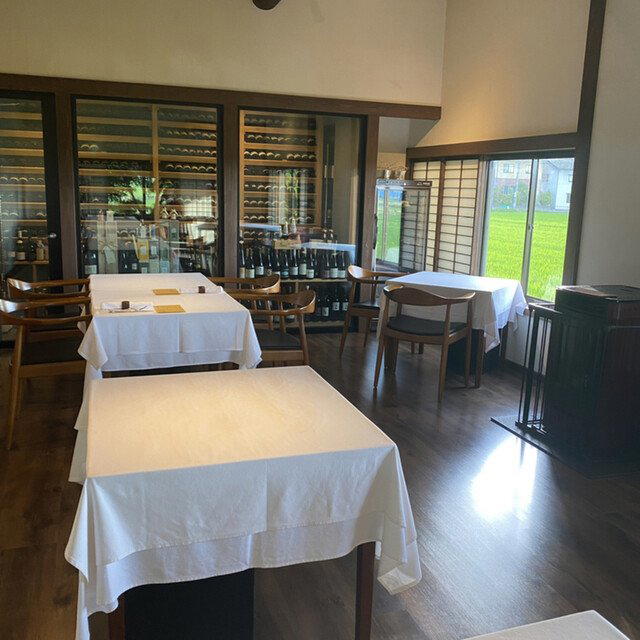
Dimly lit with warm wooden accents, creating a serene and focused atmosphere ideal for sushi appreciation.