
Tabelog 100 #19
Our verdict
Tori Yasu places Niigata’s chicken-and-izakaya tradition in a compact, old-school register: 14 seats, domestic chicken and vegetables, sake and shochu, and a 2025 Tabelog 100 selection for chicken cuisine. The appeal is not luxury theatre but sourcing discipline, small-room intimacy, and a price band that keeps the experience closer to everyday Niigata eating than destination tasting-menu formality.

Pearl is the En Primeur Club membership app, where members save venues, book tables and use the concierge.
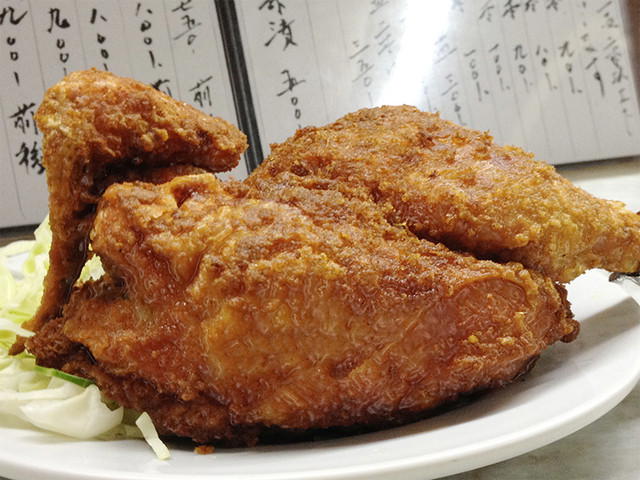
The menu
What to order
- Chicken dishes using local Niigata ingredients
Approaching Tori Yasu in Niigata shifts the register of local dining away from polished counters and toward the city’s drinking-food grammar: skewers, chicken dishes, and an izakaya format shaped by conversation rather than spectacle. In a prefecture better known internationally for rice and nihonshu, chicken cuisine can read as secondary from afar. Locally, it belongs to the same practical culture of careful cooking and drinking-friendly food that gives Niigata its staying power after dark.
Tori Yasu sits in that lane with clear signals for a modestly priced specialist: selected for Tabelog 100 Chicken Cuisine in 2025, a Tabelog score of 3.62, a listed price range of JPY 1,000 to JPY 1,999, and a format that crosses chicken dishes, yakitori, and izakaya. Those details matter because Niigata’s dining scene has several premium directions at once, from sushi counters and regional Japanese dining to other polished rooms. This address works differently: less formal, and built around the everyday seriousness of poultry, skewers, and the drinking table.
Chicken cuisine, treated as a sourcing question rather than a luxury pose
Niigata’s food reputation often starts with the field and the brewery, which is precisely why ingredient handling matters here. Tori Yasu is listed in categories that emphasize chicken dishes, yakitori, and izakaya cooking. That is a grounded signal, not decorative language: in yakitori and chicken-focused izakaya cooking, the margin for disguise is thin. Fat, texture, heat, salt, and timing expose weak execution quickly.
The category also explains the price logic. A JPY 1,000 to JPY 1,999 listed range places the restaurant far from the high-cost omakase economy. Izakaya-style ordering can vary by appetite, drinks, shared plates, and time at the table, so the final experience depends on how guests use the room rather than on a single fixed fine-dining script. It also separates the experience from Niigata’s higher-ticket yakiniku lane, where a comparison venue such as Yakiniku Hatchi serves a different purpose.
Chicken cuisine in Japan is broad enough to be misunderstood by visitors. It is not only yakitori, and it is not only drinking food. The category can include grilled parts, small plates, and preferences shaped by what people drink with them. Here, the appeal is the directness of the format: chicken dishes, grilled skewers, and izakaya pacing in a city where everyday eating and drinking culture still carries real weight.
An izakaya format with award-level scrutiny
An izakaya format changes the experience before the first order. Restaurants in this lane often make pacing more flexible: service can feel direct, ordering may happen in waves, and the difference between a quick stop and a full evening depends on how guests approach the meal. Tori Yasu belongs to the izakaya side of Niigata dining, rather than to a formal course progression.
The Tabelog 100 Chicken Cuisine selection is the key trust signal because it places the restaurant inside a national category conversation, not merely a local recommendation cycle. Tabelog’s Hyakumeiten lists tend to reward category specialists, and chicken cuisine is a competitive field across Japan. For Niigata, that recognition is useful: it gives travelers a reason to read beyond the city’s obvious sushi, kaiseki, and sake narratives.
The room’s informality should not be mistaken for lack of structure. The useful facts are simple: Tori Yasu is a Niigata chicken specialist, listed for chicken dishes, yakitori, and izakaya, with a 2025 Hyakumeiten recognition and an accessible listed price band. Those details mark it as a local-format restaurant rather than a frictionless international dining product. For some travelers, that is the point; for others, it helps set expectations before committing a night.
Niigata’s restaurant map rewards this kind of sorting. A visitor can build one evening around poultry here, another around sushi, another around regional cooking, then use our full Niigata restaurants guide to understand how the city’s dining categories relate. The broader trip planning is better handled by neighborhood and format: our full Niigata hotels guide for where to stay, our full Niigata bars guide for drinking after dinner, our full Niigata wineries guide for regional producers, and our full Niigata experiences guide for cultural planning beyond the table.
How to place it within a wider Japan itinerary
The value of a restaurant like this becomes clearer when compared by purpose rather than by prestige language. It is not trying to compete with the polished urban dining circuits of Tokyo, Osaka, or Kyoto-adjacent day trips. It belongs to the part of Japan travel where local operating habits and drinking culture can carry as much weight as formal accolades. That makes it a useful counterpoint to more design-led, tasting-menu, or destination-driven dining elsewhere in Japan.
For overseas travelers, the lesson is equally useful outside Japan. Japanese comfort formats abroad often translate pieces of this culture for a different audience. In Niigata, the original context is more direct and less explanatory: chicken dishes, yakitori, izakaya pacing, a modest listed price, and enough recognition to justify planning around it.
The editorial call is narrow but confident. Choose this address when the goal is a local chicken specialist with national category recognition, not a long tasting menu or a design-led night out. It is strongest for travelers who understand that Niigata’s food identity is not only what arrives in a rice bowl or sake glass, but also the modest rooms where those ingredients and drinks are folded into daily life.
Frequently asked questions
Is Tori Yasu a family-friendly restaurant?
Those details are not published. The price range sits at JPY 1,000–1,999, so it reads as a chicken-and-yakitori stop in Niigata rather than a specifically family-oriented dining room. Check the venue's official channels for the latest details.
How would you describe the vibe at Tori Yasu?
Tori Yasu is an izakaya in Niigata. Its Tabelog 100 Chicken Cuisine selection for 2025 and listed categories of chicken dishes, yakitori, and izakaya point to a local room focused on poultry and casual drinking-table cooking.
What does dinner at Tori Yasu typically cost?
Pricing at Tori Yasu is listed as JPY 1,000 - JPY 1,999.
What is Tori Yasu known for?
Tori Yasu is known in Niigata for chicken dishes, yakitori, and izakaya cooking, with a 2025 Tabelog Hyakumeiten recognition for chicken cuisine.
A Quick Peer Check
Comparable venues by cuisine and price in the same metro.
| Venue | Cuisine | Price | Awards | Notes |
|---|---|---|---|---|
| Tori YasuThis venue (the venue you are viewing) | Chicken-focused Japanese izakaya | $20–30 | Tabelog 100 #19 | Not listed |
| Goro Bandai ten | Niigata seafood izakaya | $30–50 | Tabelog 100 #87 | Bandai / Chuo Ward |
| Echigo Ichie Juro | Niigata local izakaya with creative Echigo cuisine | $30–50 | Tabelog 100 #19 | Chuo-ku |
| Menya Agosuke | Japanese Ramen | $10–20 | Tabelog 100 #82 | Shimomonzen, Joetsu |
| Shukouya Ikkou | Niigata izakaya & sake bar | $50–100 | Tabelog 100 #86 | Chuo Ward, Niigata City |
| Sasagawa Mochiya | Traditional Japanese Sweets | $1–10 | Tabelog 100 #63 | Nishibori, Chuo Ward |
Recognition history
Dated appearances from independent guides and award organizations, with the underlying list record or original source where available.
Tabelog 100 #19 · No. 19
Tabelog · Tabelog 100 - Chicken cuisine - 2025
Continue exploring
More in Niigata
Restaurants in Niigata
All restaurants in Niigata →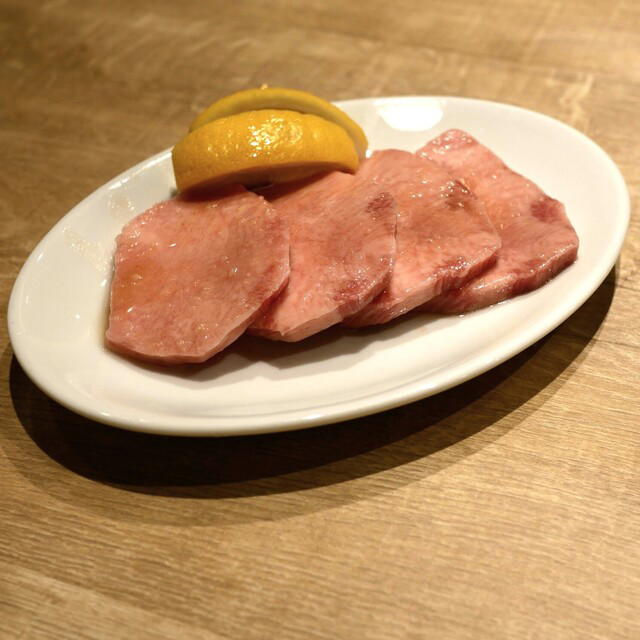
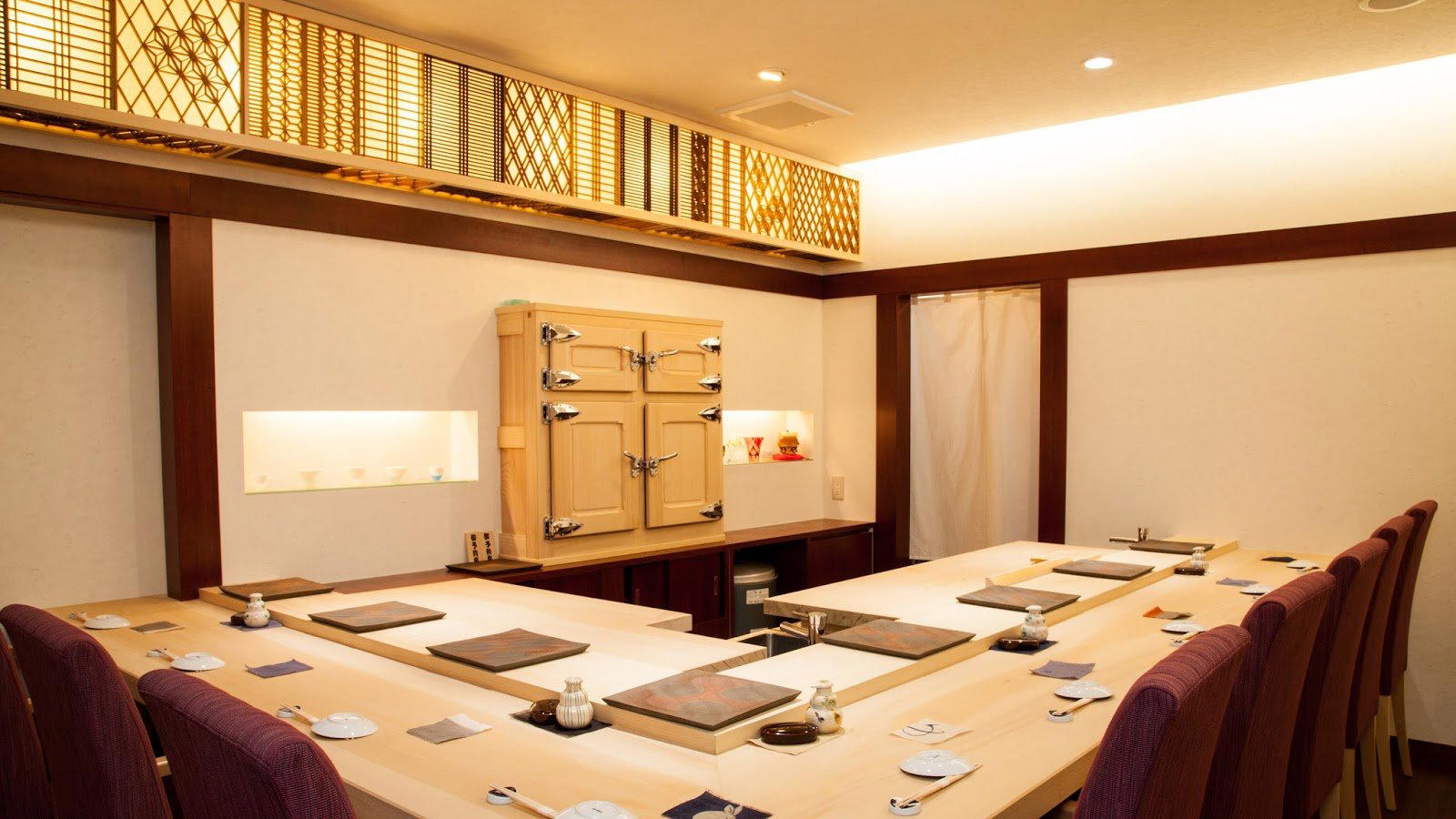
Hotels in Niigata
All hotels in Niigata →
Details
- Cozy
- Lively
- Casual Hangout
- Group Dining
- After Work
- Solo
- Standalone
- Sake Program
- Beer Program
- Local Sourcing
- A La Carte
- Small Plates
- Sake
- Beer
- Pescatarian Friendly
Relaxed, neighborhood-style izakaya atmosphere with a simple, homey dining room suited to casual meals and small gatherings.