KOKAJIYA sits in the Iwamuroonsen area of Niigata's Nishikan Ward, placing it within a prefecture that has built a serious reputation for ingredient-driven Japanese cooking. The address alone signals a departure from urban dining circuits, positioning this as a destination in the quieter, rural register of Niigata's food culture. For context on the broader Niigata scene, see our full city guide.
Pearl is the En Primeur Club membership app — saves, bookings, and concierge access live there. Same editors, same standards.
- Address
- 666 Iwamuroonsen, Nishikan Ward, Niigata, 953-0104, Japan
- Phone
- +81256788781
- Website
- kokajiya.com
- Directions
- Get directions
 Saves & bookings on Pearl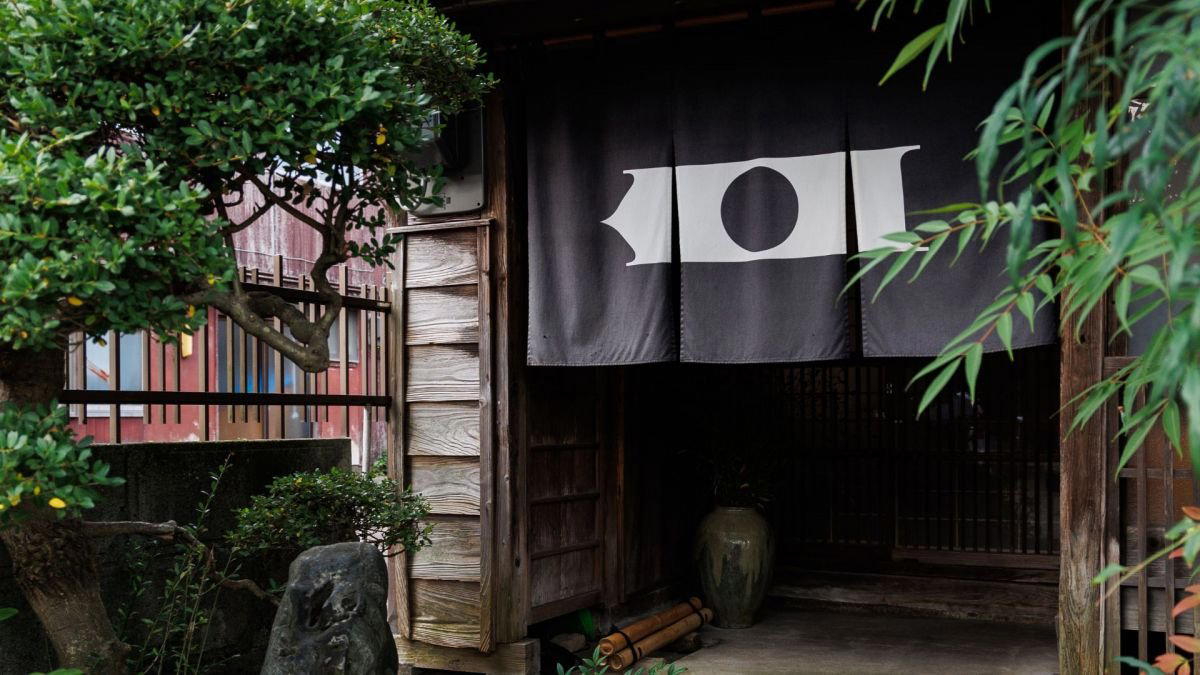
Arriving at the Edge of Niigata's Food Country
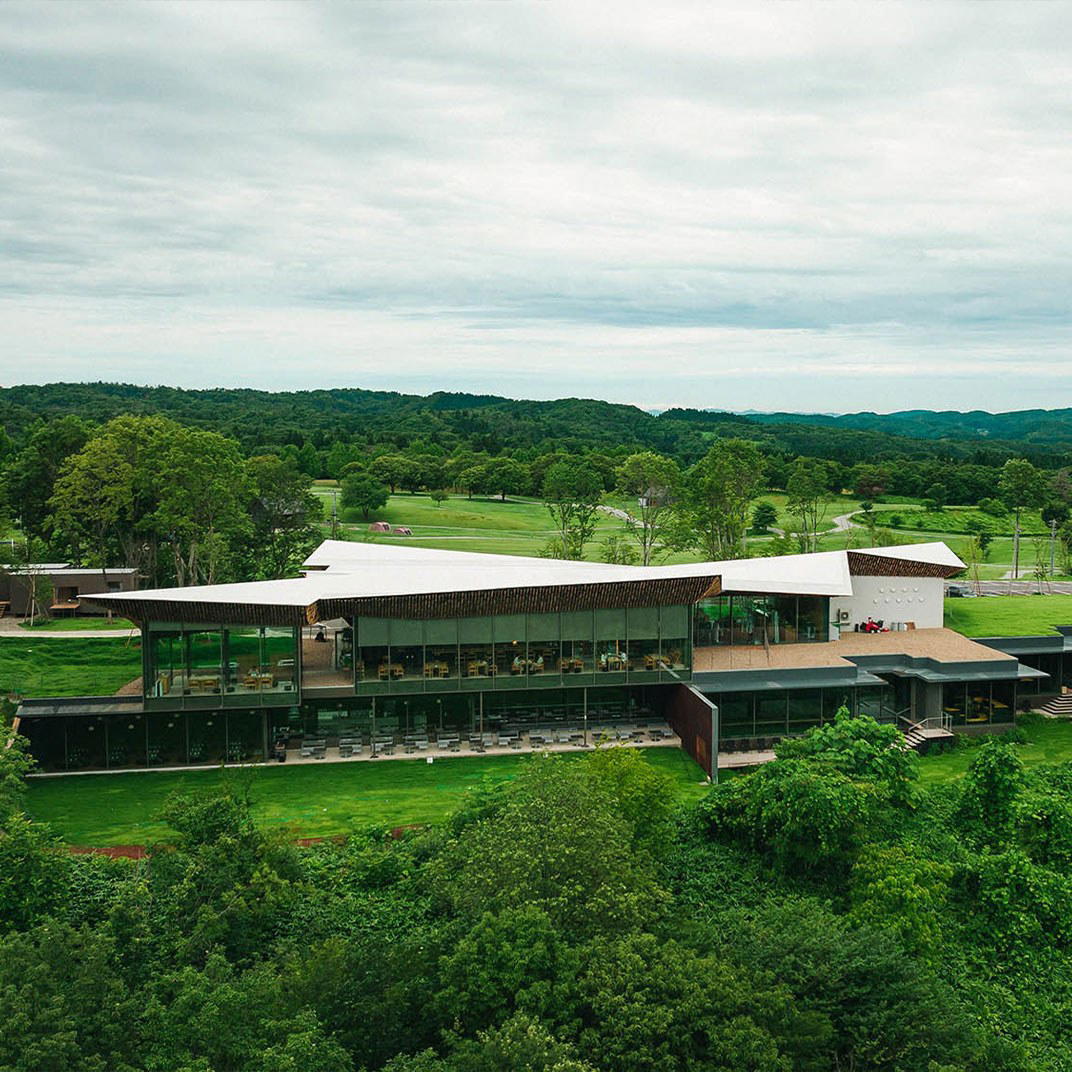
The Nishikan Ward of Niigata sits well outside the prefecture's urban centre, where rice paddies flatten toward the Sea of Japan coastline and the pace of life runs on agricultural rhythms rather than city schedules. This is the kind of territory where a restaurant's address functions as a statement of intent: choosing to operate here, at 666 Iwamuroonsen, means committing to a guest who travels deliberately. Iwamuroonsen is a hot-spring area, a designation that in Japan carries its own hospitality culture, the onsen town has historically been a place of rest, seasonal immersion, and table experiences shaped by what the surrounding land and water produce. KOKAJIYA occupies that context, placing itself within a tradition where the journey to the table is part of the meal's meaning.
Niigata's Culinary Positioning in Japan's Wider Dining Circuit
Japan's regional dining map has quietly shifted over the past decade. Cities like Osaka, Kyoto, and Tokyo continue to anchor international attention, HAJIME in Osaka, Harutaka in Tokyo, and Gion Sasaki in Kyoto represent the kind of destination dining that draws international travel, but a parallel movement has emerged in less-trafficked prefectures where chefs work closer to primary producers. Niigata sits near the centre of that movement. The prefecture produces what many Japanese rice specialists consider the country's reference-grade koshihikari, and its Sea of Japan coastline delivers seafood profiles that differ markedly from Pacific-facing ports: snow crab, yellowtail, and flounder in winter, with sake salmon and buri that carry particular fat content from cold northern waters.
That ingredient base has shaped a local dining culture with genuine depth. Within Niigata city and its surrounds, the range runs from high-end sushi at venues like Kyodaizushi and Sanaburi to ramen specialists such as Menya Agosuke, and to French-influenced tables like Mûrir and Restaurant UOZEN that apply local produce through European technique. KOKAJIYA's location in Nishikan Ward places it in a quieter register than these urban addresses, but that distance from the city centre is precisely the point: the Iwamuroonsen setting signals a different kind of dining proposition, one oriented around place rather than proximity.
The Onsen-Town Dining Tradition
Japan's hot-spring towns have a specific hospitality logic. The classic format is kaiseki-adjacent: multi-course meals served within ryokan settings, timed to the seasonal calendar, with ingredients drawn from the immediate landscape. That format has deep roots, it was the dominant mode of serious Japanese dining before the urban restaurant proliferated, and it continues to define what informed Japanese travellers expect when they travel to regional onsen destinations. Nishikan Ward's hot-spring area fits within that tradition. The local rice and Sea of Japan seafood provide an ingredient foundation that requires relatively little intervention to perform well at table; the challenge and the craft lie in the sequencing, the temperature, and the moment of service rather than in elaborate transformation.
Venues operating in this register tend to attract a guest who has already moved through Tokyo's and Osaka's best-known tables and is looking for something quieter and more specifically rooted. That shift in guest profile is visible across Japan's rural fine-dining tier: see comparable dynamics at akordu in Nara, Goh in Fukuoka, or destination-format venues in less-trafficked areas like this Nanao address, in Sapporo, or near Takashima. Closer to home, Nishikawa Machi and Birdland in Sakai sit within comparable regional-destination patterns. The format rewards patience and forward planning.
What the Address Implies About the Offer
Particularly reliable editorial signal comes from context: an Iwamuroonsen address in Nishikan Ward, in a prefecture defined by its agricultural and maritime produce, in a country where the onsen-dining tradition carries centuries of accumulated expectation. That combination points toward a table experience organised around Niigata's core seasonal ingredients, delivered in a format that respects the quieter, more deliberate pace of the onsen setting. Seasonal timing matters in this context: Niigata's winter months, from December through February, are when the prefecture's most prized seafood is at peak availability, and when the onsen-town setting most directly justifies the journey. Spring brings sansai mountain vegetables; autumn delivers matsutake mushrooms and new-harvest rice from local paddies.
For travellers mapping a broader Japan itinerary, KOKAJIYA sits within a day's reach of venues across a wider regional circuit. Nishikawa Machi, Nanao, and Takashima addresses can form a coherent multi-stop journey through Japan's less-trafficked fine-dining geography. The contrast between rural Niigata's ingredient-driven format and internationally recognised urban tables, Atomix in New York City or Le Bernardin representing the opposite end of the spectrum, sharpens what makes regional Japan's dining offer distinct: the direct relationship between place, season, and plate that urban settings cannot fully replicate.
Planning Your Visit
Nishikan Ward sits southwest of Niigata city; the Iwamuroonsen area is most practically reached by car, as public transport connections to the ward's hot-spring district are limited compared to the central city. Travellers based in Niigata city should plan for a dedicated journey rather than a city-centre evening. Given KOKAJIYA's onsen-town setting, it is worth confirming whether accommodation is linked to or available near the venue, as is common with ryokan-associated dining formats in Japan's hot-spring areas.
A Pricing-First Comparison
Comparable venues nearby, for context on price, style, and recognition.
| Venue | Cuisine | Price | Notes |
|---|---|---|---|
| KOKAJIYAThis venue — the venue you are viewing | Iwamuro Onsen, Italian-Japanese Fusion | $$ | Not listed |
| Menya Agosuke | Not listed | $$ | Shimomonzen, Joetsu, Shio Ramen Specialist |
| Nerima Toricho Niigata | Not listed | $$$ | Chuo Ward, Yakitori & Chicken Course Dining |
| Amaranthus | Not listed | $$$$ | Chuo Ward, Modern Italian small plates & prosciutto bar |
| Tokiwa Sushi Nigata Ten | Chuo Ward, Niigata Local Omakase Sushi | $$$ | Not listed |
| 割烹渡辺 | Chuo-ku, Edomae Sushi | $$$ | Not listed |


At a Glance
- Cozy
- Rustic
- Intimate
- Historic
- Date Night
- Special Occasion
- Historic Building
- Sake Program
- Local Sourcing
Current opening hours
- Monday
- 12–3 PM, 6–10 PM
- Tuesday
- Closed
- Wednesday
- Closed
- Thursday
- 12–3 PM, 6–10 PM
- Friday
- 12–3 PM, 6–10 PM
- Saturday
- 12–3 PM, 6–10 PM
- Sunday
- 12–3 PM, 6–10 PM
Hours can change for holidays and private events. Last verified .
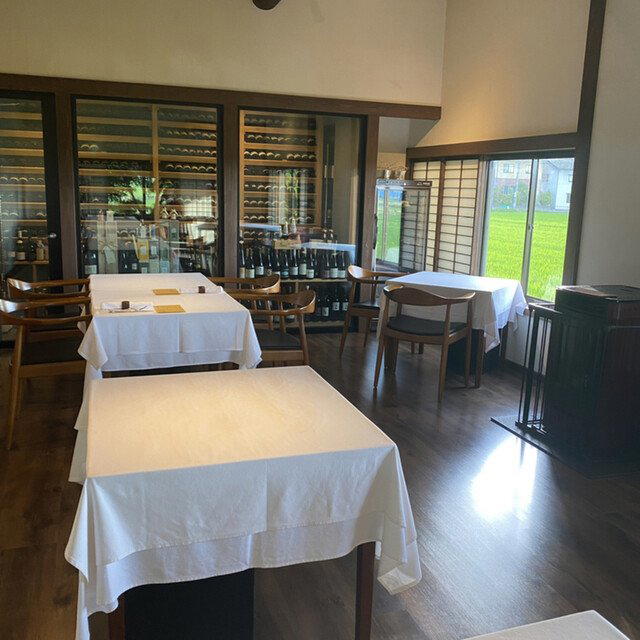
Warm and welcoming atmosphere in a restored historic farmhouse with cozy lighting.