Our verdict
Seiryu (聖龍) in Kamo, Niigata earned a place on Ramen Beast's Top 10 Bowls of Ramen in 2025, ranked fourth nationally, with its Chuka Soba as the featured bowl. Operating in a small city on the Shinano River plain, it represents the kind of regional ramen counter that serious enthusiasts travel across prefectures to reach.

Pearl is the En Primeur Club membership app — saves, bookings, and concierge access live there. Same editors, same standards.
- Address
- 2 Chome-4-20 Yanagicho, Kamo, Niigata 959-1386, Japan
- Phone
- +81 256-52-3829
- Hours
- Mon 11 AM–2 PMTue ClosedWed–Sun 11 AM–2 PM, 5–7:30 PM
- Directions
- Get directions
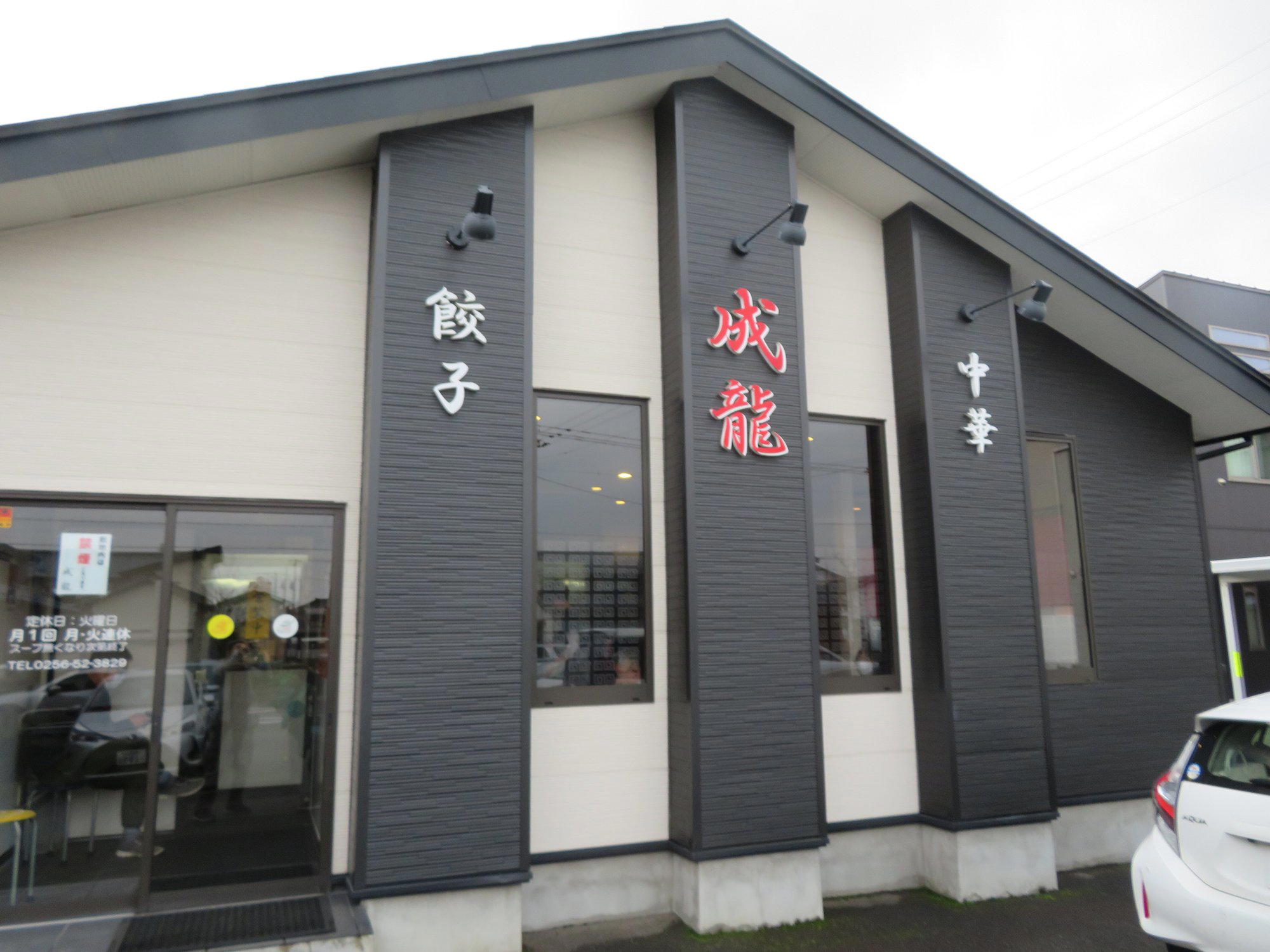
A Small City, A Serious Bowl
Niigata Prefecture occupies an unusual position in Japan's ramen geography. Its coastal climate, rice-farming culture, and access to clean snowmelt water have shaped a regional style defined by restraint rather than intensity: lighter broths, clean seasoning, and a relationship with local produce that mirrors the seasonal attentiveness found in kaiseki traditions further south. Within that prefecture, the city of Kamo sits inland along the Shinano River plain, a town better known among domestic travellers for lacquerware and woodcraft than for its food scene. That context matters when understanding what Seiryu (聖龍) represents.
Located at 2 Chome-4-20 Yanagicho, Kamo's modest street grid places this counter well outside the well-worn circuits of Niigata City ramen tourism. The physical approach signals nothing of the recognition that follows: a small-city address, no hotel-district adjacency, none of the visible infrastructure of a destination restaurant. This is the kind of ramen shop that rewards those who arrive with intent rather than those who happen to pass by. For our full Kamo restaurants guide, Seiryu functions as the anchor reference for serious eating in this part of Niigata.
What the Ranking Tells You
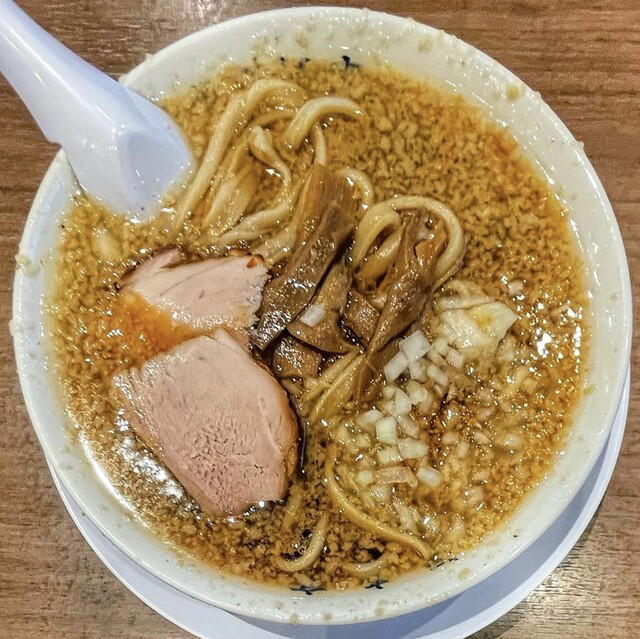
In 2025, Ramen Beast ranked Seiryu fourth in its annual Top 10 Bowls of Ramen list, a national assessment that places this Kamo counter in direct comparison with urban operations in Tokyo, Osaka, and Fukuoka. The featured bowl is the Chuka Soba, a category that carries specific meaning in Japanese ramen culture. Chuka Soba, literally "Chinese noodles," is the original name for what most of the world now calls ramen, and its continued use as a menu designation typically signals a classicist sensibility: a shop prioritising refinement of form over novelty of concept.
Being ranked alongside counters in major metropolitan centres from a small-city address is a logistical and culinary signal simultaneously. Serious ramen lists do not reward novelty alone; they reward execution, consistency, and broth depth. For context on the breadth of Japan's serious dining scene across formats, the range covered by venues like HAJIME in Osaka, Harutaka in Tokyo, and Gion Sasaki in Kyoto reflects just how seriously Japan's regional food culture is now being mapped and assessed beyond traditional fine-dining categories.
Chuka Soba and the Kaiseki Parallel
The kaiseki tradition, which governs the aesthetic logic of Japan's most formally structured multi-course cuisine, rests on a principle of seasonal appropriateness: each component appears at its moment of natural peak, handled with minimum intervention, presented to foreground the ingredient rather than the technique. That philosophy does not belong exclusively to lacquered trays and private dining rooms. It surfaces in ramen, particularly in the classical Chuka Soba format, where a clean broth demands that nothing is masked and nothing overreaches.
Niigata's food culture amplifies this tendency. The prefecture produces some of Japan's most prized short-grain rice, and its culinary identity has always leaned toward precision in simplicity rather than layered complexity. A Chuka Soba built in this environment draws on local water, local sensibility, and a regional expectation that good food shows its ingredients rather than hiding them. The result is a bowl that functions less like a dish assembled to impress and more like a measured argument about what ramen, at its core, should be. Serious ramen in this vein sits closer to the kaiseki ethos than most outsiders expect.
This editorial framing also explains why Seiryu's recognition is meaningful in a year when many nationally ranked ramen operations are concentrated in high-density urban environments. Counters in Osaka, Nara, and Kanagawa, such as Chukasoba Mugen in Osaka and Chukasoba Oshitani in Nara, operate in cities where foot traffic and food media attention are concentrated. A counter in Kamo achieving comparable recognition does so on broth quality and technique alone, without the structural advantage of urban visibility.
The Ramen Counter as Regional Document
Japan's regional ramen scene has functioned for decades as a kind of distributed culinary record, with each prefecture developing styles that reflect local water chemistry, available proteins, and agricultural seasons. Niigata's contributions include the Tsubame-Sanjo style, known for its thick, flat noodles designed for cold-weather eating, and the Nagaoka style, which layers the broth with ginger. Kamo occupies its own quieter register within that tradition, and Seiryu's positioning within the Ramen Beast leading ten suggests a bowl that transcends local classification and speaks to national standards.
For travellers already exploring Niigata Prefecture's broader food and cultural offerings, the logistics of reaching Kamo are practical. The city is accessible by rail on the JR Shinetsu Line from Niigata City, placing it within day-trip range without requiring an overnight stay, though the region's ryokan culture offers reason to linger longer. Planning a visit requires awareness that small-city ramen counters in Japan typically operate on schedules oriented around lunch service and sell out once the broth runs out, patterns consistent across the category. Arriving early is standard practice for serious counters of this type.
The wider Niigata food itinerary rewards lateral thinking. Venues such as affetto akita in Akita and Ajidocoro in Yubari District suggest that Japan's most compelling eating is increasingly distributed across mid-size and smaller cities, away from the concentrated media attention of Tokyo and Osaka. Seiryu fits precisely within that pattern.
Planning Your Visit
Seiryu is located at 2 Chome-4-20 Yanagicho in Kamo, Niigata Prefecture. No website or phone number is publicly listed in available venue data, which is consistent with many small-format Japanese ramen shops that operate on walk-in or locally known schedules rather than online reservation systems. The safest approach is to arrive at or before opening, treat the visit as a lunch-centred trip, and build the surrounding itinerary around Kamo's other draws: its lacquerware workshops, the Kamo Shrine, and the broader Chuetsu countryside. For those building a multi-stop Japan itinerary that includes serious eating across formats and regions, the full range of EP Club coverage, from Goh in Fukuoka to akordu in Nara, Abon in Ashiya, Aji Arai in Oita, Akakichi in Imabari, aki nagao in Sapporo, Amaki in Aichi, Amegen in Saga, anchoa in Kanagawa, and Arakawa in Hyogo, maps the country's serious dining scene across prefectures and price points.
Frequently asked questions
Is Seiryu good for families?
Ramen counters in small Japanese cities tend to be informal and unhurried, and Kamo's low-key pace suits that format. That said, Kamo sits in rural Niigata Prefecture with no direct shinkansen stop, so the journey requires planning regardless of group composition. The reward is a bowl ranked fourth nationally by Ramen Beast in 2025.
What's the overall feel of Seiryu?
Quiet and purposeful. Seiryu operates in Kamo, a small Niigata city with no tourist infrastructure to speak of, which means the clientele skews local and the focus stays on the bowl. A fourth-place national ranking from Ramen Beast in 2025 signals serious craft without any of the spectacle that surrounds higher-profile urban counters.
What's Seiryu known for in terms of accolades?
Seiryu has received recognition including: {"name_local": "聖龍", "prefecture": "Niigata", "source_name": "Ramen Beast", "source_rank": 4, "neighborhood": null, "featured_bowl": "Chuka Soba", "source_article_url": "", "imp….
What should I order at Seiryu?
The Chuka Soba is Seiryu's documented featured bowl and the specific dish cited in Ramen Beast's Top 10 Bowls of 2025 ranking. Order that on a first visit. No additional menu data is publicly available, so treat the Chuka Soba as your reference point and ask in person what else is on offer that day.
Fast Comparison
| Venue | Cuisine | Price | Awards | Notes |
|---|---|---|---|---|
| SeiryuThis venue — the venue you are viewing | Tsubame-Sanjo Style Ramen | Not listed | Not listed | Not listed |
| HAJIME | Avant-Garde Japanese Fine Dining | $300–500 | 3 Michelin Stars · World's 50 Best #83 | French, Innovative |
| Harutaka | Edo-Style Omakase Sushi | $200–300 | 3 Michelin Stars · World's 50 Best #76 | Sushi |
| L'Effervescence | Modern French with Japanese Influences | $200–300 | 3 Michelin Stars · World's 50 Best #69 | French |
| RyuGin | Modern Kaiseki | $500+ | 3 Michelin Stars · World's 50 Best #41 | Kaiseki, Japanese |
| Crony | Modern French with Japanese Influences | $150–200 | 2 Michelin Stars · World's 50 Best #34 | Innovative, French |
Details
- Casual Hangout
- A La Carte
Current opening hours
- Monday
- 11 AM–2 PM
- Tuesday
- Closed
- Wednesday
- 11 AM–2 PM, 5–7:30 PM
- Thursday
- 11 AM–2 PM, 5–7:30 PM
- Friday
- 11 AM–2 PM, 5–7:30 PM
- Saturday
- 11 AM–2 PM, 5–7:30 PM
- Sunday
- 11 AM–2 PM, 5–7:30 PM
Hours can change for holidays and private events. Last verified .